Last updated Jul 10, 2026
In the distinct ecological and economic landscape of East Contra Costa County, the requirement for external storage is rarely a simple matter of accumulating excess possessions. It is, more accurately, a strategic response to the complex pressures of life in Antioch—a city that straddles the divide between a historic river town and a rapidly expanding commuter hub. Residents within the primary zip codes of 94509 and 94531 navigate a specific set of variables: strict Homeowner Association (HOA) covenants in master-planned communities like Shadow Lakes, the corrosive and humid realities of the Delta marine environment, and the intense thermal cycles of the inland valley climate.
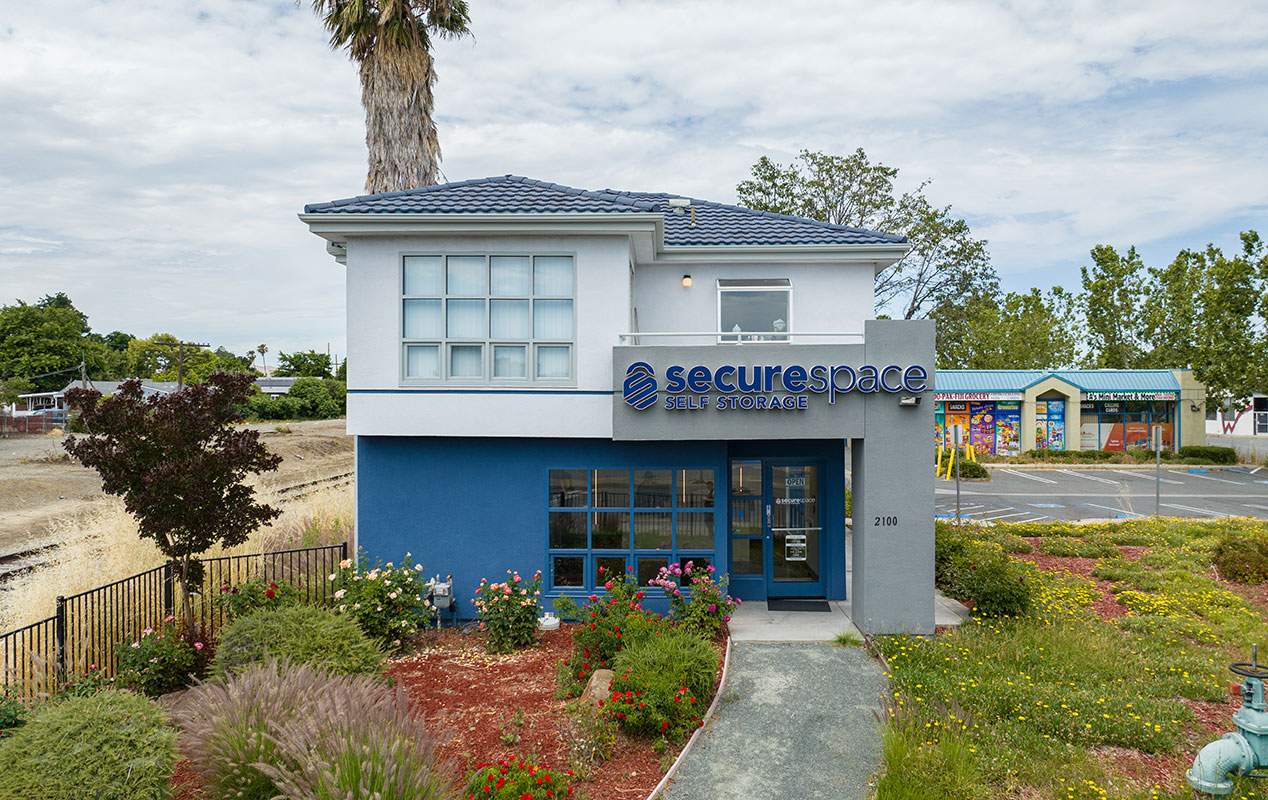
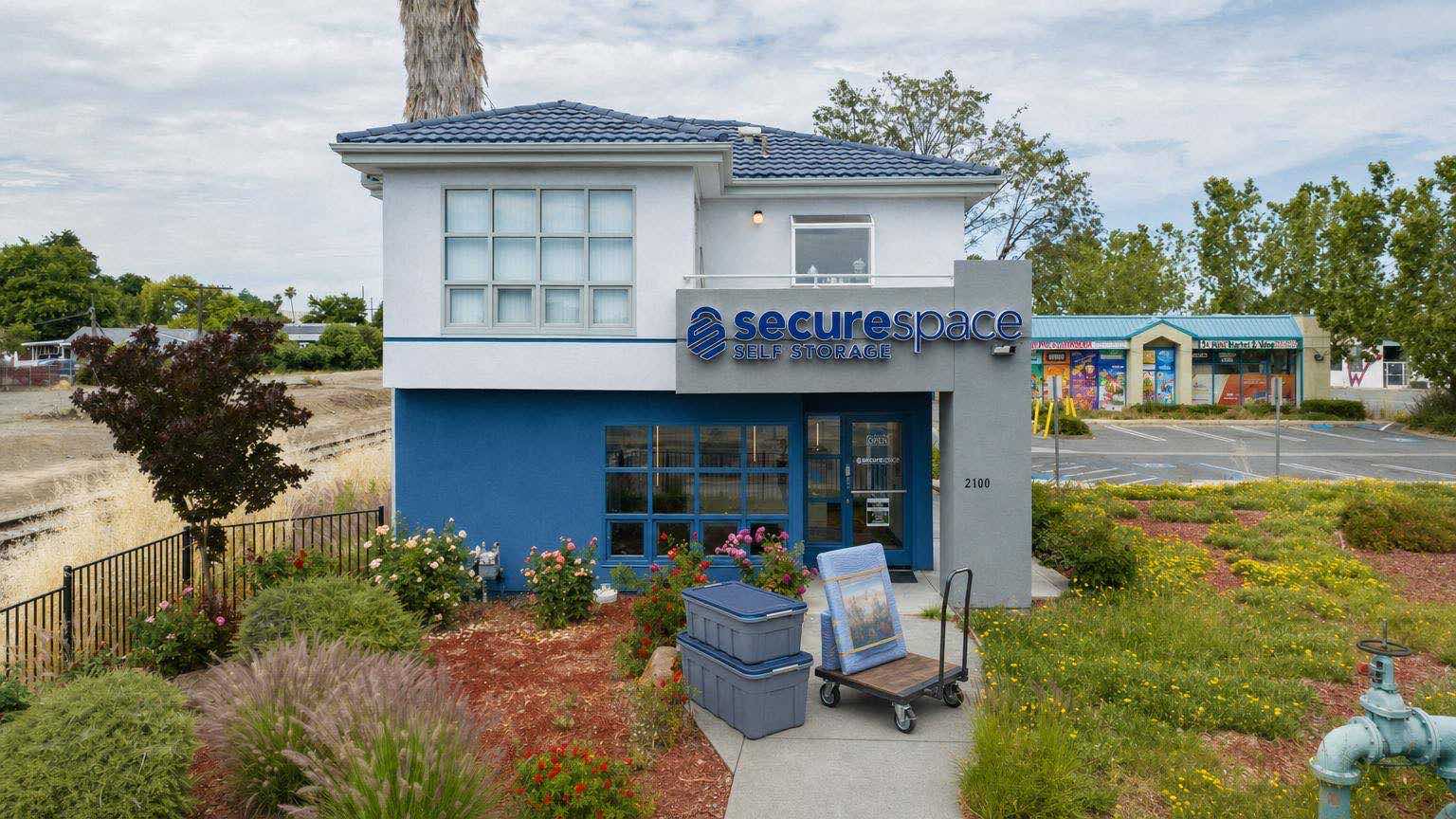
This report serves as an exhaustive, expert-level decision guide for residents actively researching storage options in the vicinity of 2100 A Street. Unlike generic storage advice that might apply equally to Walnut Creek or San Francisco, this analysis is rooted deeply in the hyper-local context of Antioch, California. It examines the nuances of the local housing market—where older homes in the Rivertown district undergo significant renovation while newer estates along the Lone Tree Way corridor struggle with garage capacity limitations—and aligns these distinct needs with the operational realities of the SecureSpace facility on A Street.
The analysis provided herein moves beyond feature listing to translate facility specifications into tangible lifestyle solutions. It investigates why a location at the immediate intersection of Highway 4 and Highway 160 is not merely convenient but logistically critical for Delta recreation. It explores the material science of "thermal shock" in the context of Contra Costa summers, offering a rigorous framework for distinguishing between the utility of drive-up access and the necessity of climate-controlled environments. By addressing the "in-between" questions—those anxieties regarding security, traffic patterns, and preservation that dominate the research phase—this guide empowers the Antioch resident to execute a storage strategy that is sustainable, secure, and geographically optimized.
To fully appreciate the strategic value of a storage facility located at 2100 A Street, one must first deconstruct the anatomy of Antioch itself. This is not a uniform municipality; it is a collection of micro-regions, each presenting distinct logistical hurdles. The city's designation as the "Gateway to the Delta" is more than a civic slogan—it is a logistical reality that dictates traffic flow, weather patterns, and the prioritization of lifestyle assets.
The facility at 2100 A Street occupies a critical pivot point in the East Bay's transportation network. For a resident of Antioch, "convenience" is a metric defined by minutes saved from the notorious gridlock of the Highway 4 bypass or the school-day congestion of the Lone Tree Way corridor.
The location is immediately adjacent to the interchange of California State Route 4 and State Route 160. This intersection serves as the arterial heart of the region. Route 4 connects the commuter workforce to the central Bay Area employment hubs, while Route 160 serves as the primary lifeline to the Delta, the Antioch Bridge, and Sacramento. A storage unit positioned at this nexus effectively functions as a "staging ground" for transit in either cardinal direction. Whether hauling equipment to a job site in Concord or towing a boat toward the Delta loop, the ability to access gear without deviating deep into residential zones maximizes efficiency.
A Street acts as a north-south spine connecting the older, historic neighborhoods of Rivertown to the north with the residential density of the Highway 4 corridor. In contrast to Lone Tree Way, which suffers from heavy retail congestion and acute traffic spikes associated with Deer Valley High School, A Street offers a mixed industrial-residential profile that frequently facilitates rapid ingress and egress.
Data regarding local traffic patterns indicates that while Lone Tree Way experiences prolonged congestion windows associated with retail and school schedules, A Street's traffic is more predictable, often governed by the shift changes of local industry and the flow of the fairgrounds. For the storage user, this means the difference between a five-minute stop and a thirty-minute ordeal. Accessibility is paramount; a facility that is physically close but temporally distant due to traffic lights and school zones loses its utility. The 2100 A Street location leverages the flow of the highway frontage to mitigate these localized delays.
The facility is situated in close proximity to the Contra Costa County Fairgrounds. This is not merely a landmark for orientation; it is a reference point for accessibility. While the fairgrounds hosting events can impact local traffic on specific weekends, the facility's position allows for access via side streets that bypass the main fairground bottlenecks. This resilience to event-based traffic is a subtle but crucial advantage for users who require consistent access regardless of the local event calendar.
Furthermore, the site is positioned to serve the "in-between" zones—areas that are neither fully suburban nor fully industrial. It bridges the gap between the densely populated residential streets of 94509 and the commercial arteries that feed the highway. This positioning ensures that the facility is never "out of the way" for a resident running errands, commuting, or heading to the marina.
Storage needs in Antioch are often dictated by the zip code printed on the driver's license. The housing stock, lot sizes, and neighborhood regulations differ significantly between 94509 and 94531, driving fundamentally different types of demand and usage patterns.
This geographic area encompasses the historic Rivertown district, the older subdivisions surrounding the fairgrounds, and established neighborhoods like River Heights.
Homes in 94509 often date back to the mid-20th century or the expansion era of the 1970s and 80s. These properties are characterized by specific architectural limitations: smaller closet footprints, single-car garages, or carports rather than the spacious three-car garages found in newer developments. The absence of modern "great room" open floor plans means storage is often compartmentalized and scarce.
Residents in 94509 are frequently engaged in the process of updating older properties. The "fixer-upper" nature of this market segment means families are often in need of temporary space to clear out rooms for painting, flooring installation, or full-scale remodeling. The "Transitional Renovator" is a key profile here. With the median home age being older, projects often involve deep retrofits—replacing insulation, updating plumbing, or modernizing kitchens. These are invasive projects that require a "clean sweep" of the living area.
For a homeowner in River Heights replacing original hardwood floors, a 10x20 unit becomes an essential external room for 3 to 6 months. It allows for the protection of furniture from dust and damage while contractors work. The proximity of 2100 A Street to these neighborhoods means that daily access to retrieve a specific tool or box is feasible, keeping the renovation project fluid.
In 94509, where square footage comes at a premium relative to lot size, the cost of sacrificing a guest room for storage is high. Renting a unit allows the home to function as intended—for living—rather than as a warehouse. This psychological benefit of reclaiming living space in a smaller footprint home is a primary driver for the 94509 resident.
This zip code covers the southeastern expansion of Antioch, including the master-planned communities of Dallas Ranch, Canada Hills, and the areas bordering Brentwood.
Homes in 94531 are typically large, multi-story executive residences, often exceeding 2,500 square feet. While these homes frequently feature three-car garages, they are also subject to modern lifestyle pressures and accumulation. The paradox of the 94531 resident is "Garage Envy"—the possession of a large garage that is entirely filled with recreational equipment, leaving no room for the luxury vehicles it was designed to house.
Neighborhoods like Shadow Lakes and Dallas Ranch are often governed by strict Covenants, Conditions, and Restrictions (CCRs). These rules frequently prohibit the visibility of boats, RVs, trailers, or even non-operational vehicles in driveways or on the street. Residents in 94531 face a regulatory compulsion to clear their driveways. This drives a specific demand for storage that can accommodate the overflow of an active, outdoor lifestyle while maintaining the pristine aesthetic mandated by the HOA.
Residents in 94531 often face the longest commutes to employment centers in Silicon Valley or San Francisco. The "Super Commuter" dynamic creates a specific psychological need: the home must be a sanctuary. Visual clutter contributes to stress. When a resident returns home after a 90-minute drive, the presence of piled boxes or overflowing garages detracts from the restorative quality of the home. Off-site storage allows the home to function as a peaceful retreat, separating the logistical clutter of life from the living environment.
Newcomers to the Bay Area often mistakenly assume Antioch shares the temperate, fog-cooled climate of Oakland or San Francisco. This is a dangerous misconception when it comes to the preservation of stored property. Antioch is inland; geologically and climatically, it sits on the periphery of the Central Valley. This distinction creates a specific "microclimate" that must be respected when choosing a storage unit.
Summer temperatures in Antioch routinely exceed 90°F, with heat waves frequently pushing the mercury past 100°F. Historical weather data for the area indicates a sustained period—specifically from June through September—where average highs consistently hover in the "Danger Zone" for sensitive materials.
During these months, a standard, non-insulated drive-up storage unit can experience the "Oven Effect." The metal construction of the door and roof absorbs solar radiation, raising the internal temperature 20 to 30 degrees higher than the ambient air temperature. While the outside air might be 95°F, the interior of a drive-up unit can easily reach 125°F or more.
Risk Thresholds:
Wax and Candles: Begin to soften and lose shape at approximately 80°F.
Vinyl Records: Warp and become unplayable at temperatures exceeding 90°F.
Electronics: Prolonged exposure to temperatures above 90°F can degrade battery life and cause component failure.
Wood Furniture: Extreme heat causes wood to dry out and shrink, loosening joints and cracking veneers.
For durable goods like garden tools, plastic holiday bins, or stainless steel appliances, this heat is negligible. However, for sensitive items, the Antioch summer is an active aggressor.
Conversely, the region's proximity to the Delta means winter brings Tule fog and higher humidity levels. The winter months, particularly December and January, see average lows dropping into the 40s, with high moisture content in the air.
Without climate regulation, trapped moisture in a sealed unit can lead to the proliferation of mildew, particularly on fabrics, mattresses, or paper documents stored in cardboard boxes. The fluctuation between the damp cold of winter and the dry heat of summer creates a cycle of expansion and contraction—"thermal shock"—that is particularly damaging to antique wood, musical instruments, and fine art.
In the context of Antioch, "Climate Controlled" storage is not a luxury upgrade; it is a preservation strategy. A climate-controlled unit acts as a buffer against the extremes of the local microclimate. By moderating temperature swings, these units prevent the thermal shock that ages materials prematurely. For residents of 94509 storing family heirlooms during a renovation, or 94531 residents storing business inventory, the stability of a climate-controlled environment is the only way to ensure items come out of storage in the same condition they went in.
For the researcher comparing options, the facility at 2100 A Street presents a specific set of operational characteristics. Understanding these features allows for a more tailored storage strategy that aligns with the user's specific logistical needs.
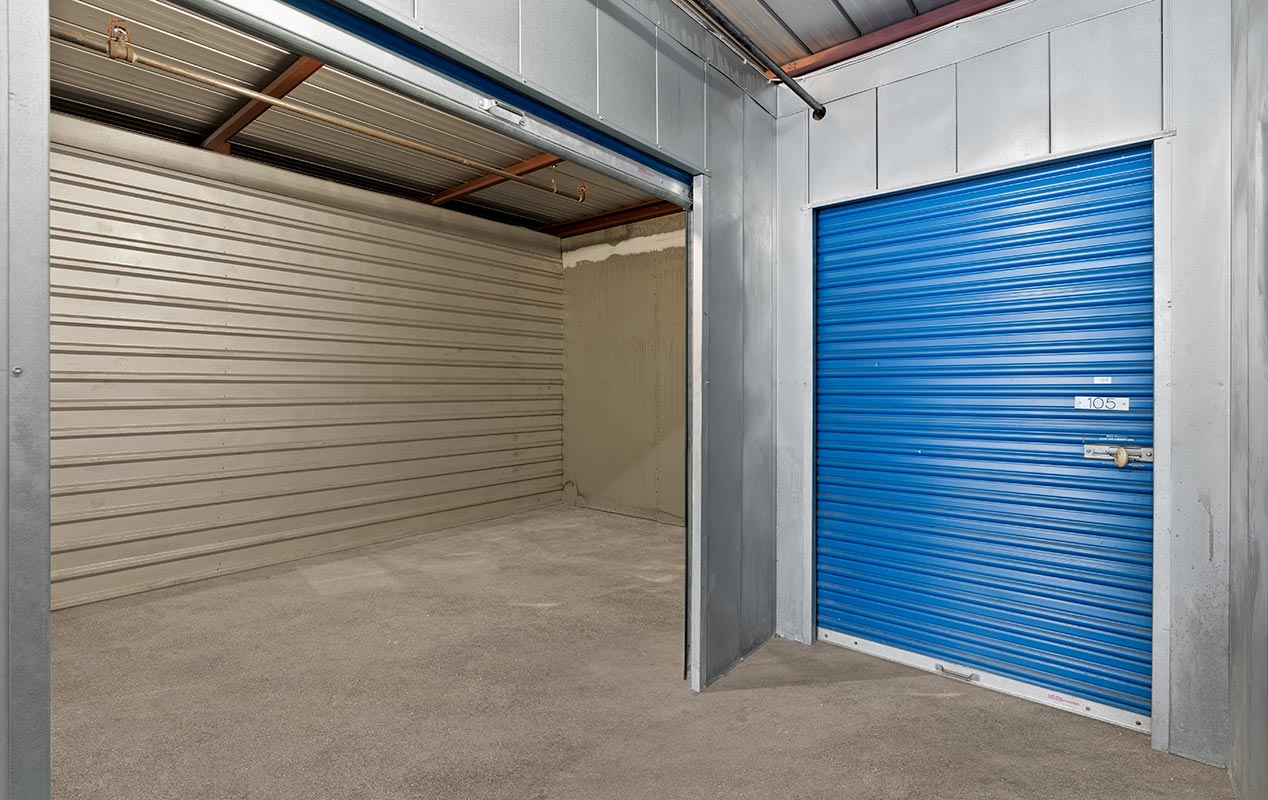
A critical, often overlooked detail in storage research is verticality. The research indicates that the SecureSpace Antioch facility features "58,000 square feet of convenient first-floor units".
In multi-story facilities, the elevator becomes a bottleneck. Moving a three-bedroom house into a third-floor unit requires staging items in the loading dock, waiting for the elevator, loading the elevator, unloading into the hallway, and then moving into the unit. This process adds significant time and physical strain to a move. A facility with a dominant first-floor footprint eliminates this friction.
For commercial tenants—such as landscape contractors or pharmaceutical sales representatives—who may visit their unit daily, the time saved by avoiding elevators accumulates rapidly. A saving of ten minutes per visit, three times a week, equates to over 26 hours of productivity reclaimed annually.
The facility operates with access hours typically spanning from early morning (around 7:00 AM) to the evening (6:00 PM or later), designed to accommodate the working rhythms of the region.
Traffic data suggests that peak incident periods on local roads occur on weekdays between 6:00 AM and 10:00 AM, and again from 3:00 PM to 7:00 PM. To maximize efficiency, residents should target the "Green Zones" for their facility visits. The window between 10:00 AM and 2:00 PM typically offers the path of least resistance on Antioch roadways. Furthermore, for those with evening access, the period after 7:00 PM often sees a reduction in the commuter congestion on Highway 4.
The operational hours are aligned with the "Super Commuter" lifestyle. Residents who leave before dawn to beat the traffic at the Caldecott Tunnel or the Altamont Pass can utilize early access (if applicable to their specific unit/gate code) or plan weekend visits during the mid-day lull.
Security is a primary anxiety for storage users in East Contra Costa County. Recent news cycles have highlighted burglary trends in the region, including incidents in Antioch, Brentwood, and Oakley. A responsible guide must address this head-on without making impossible promises.
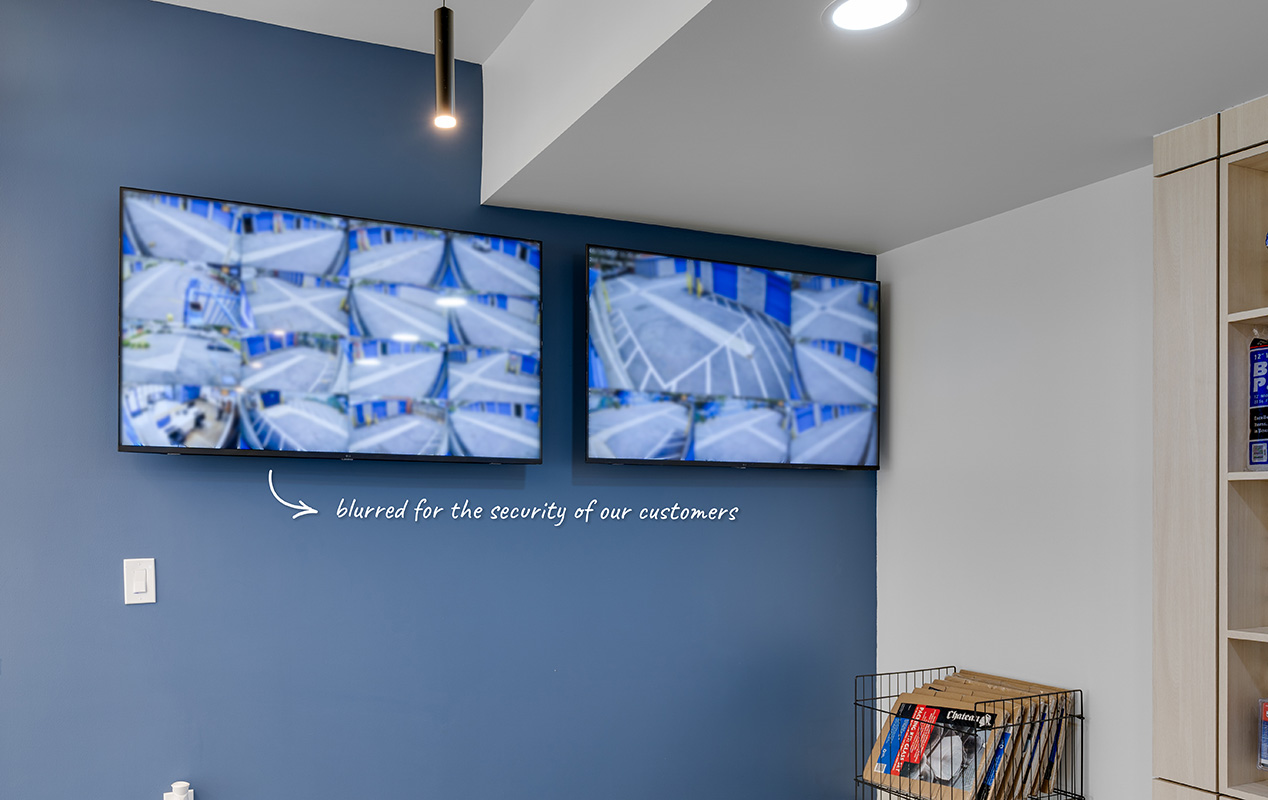
Security in storage is fundamentally about deterrence. The facility at 2100 A Street employs a multi-layered approach designed to present a "hardened" target profile. The presence of 24/7 video recording, gated access, and well-lit driveways serves to increase the risk perception for potential intruders.
The location on A Street is not tucked away in a dark, isolated industrial cul-de-sac. It sits on a major thoroughfare with constant vehicular flow. This high visibility is a natural deterrent to criminal activity. Burglars prefer obscurity; 2100 A Street offers exposure. The "eyes on the street" provided by passing traffic creates a passive surveillance layer that complements the active electronic security measures.
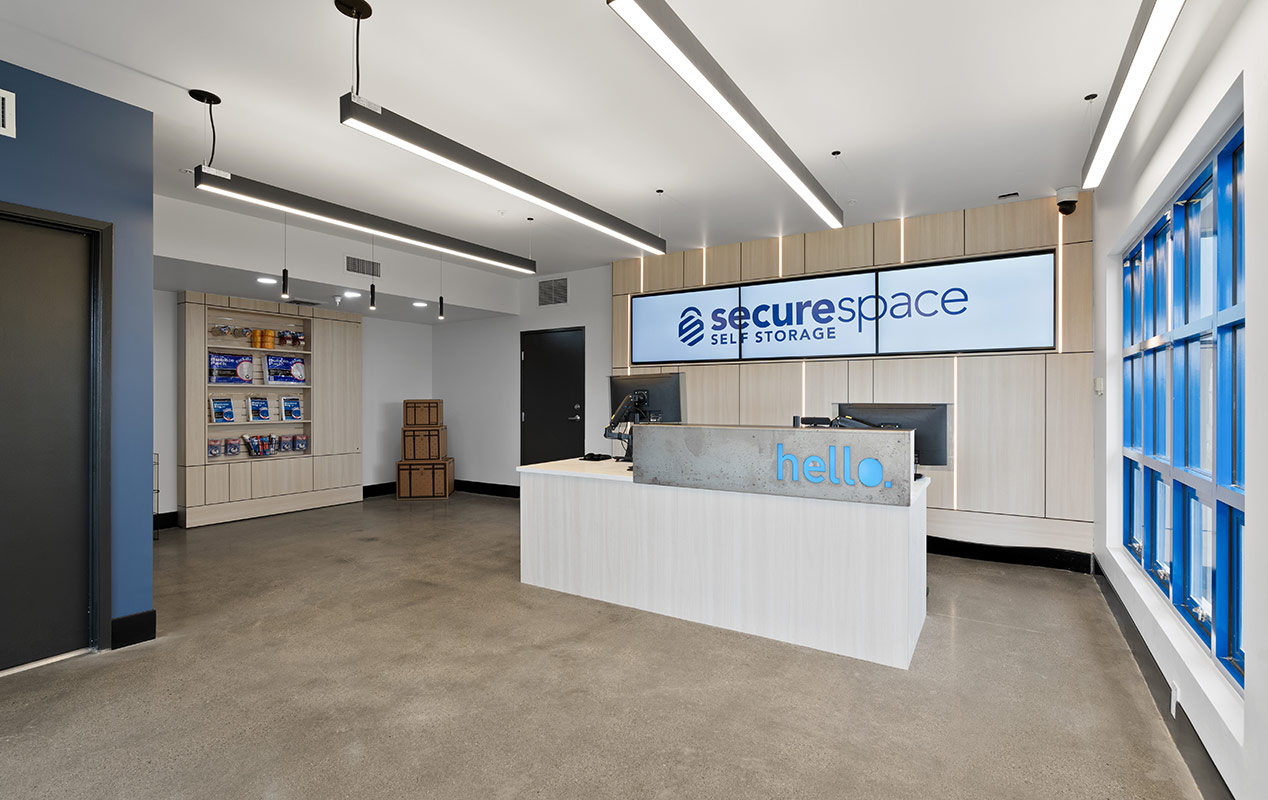
Research snippets mention the presence of on-site management and staff who actively patrol and clean the facility. The "broken windows theory" applies strongly to self-storage: a clean, well-maintained facility signals vigilance and active management, whereas a dilapidated one invites crime. Reviews highlighting the helpfulness and presence of staff members like "Daniel" or "Robin" suggest an active human presence, which remains one of the most effective deterrents against opportunistic crime.
Antioch is not merely a bedroom community; it is a recreational hub. The proximity to the San Joaquin River and the Delta defines the leisure time of many residents. However, the equipment required for this lifestyle—boats, jet skis, fishing gear, and wakeboards—is notoriously difficult to store at home.
Fishing in the Delta is a year-round pursuit, but the target species change with the seasons, requiring different gear setups. An angler living in a 94509 bungalow does not need heavy sturgeon rods cluttering the garage in July.
Winter (December - February): This is Sturgeon season. The heavy tackle required for these "diamondbacks" should be accessible. Conversely, light tackle used for summer bass can be cleaned and stored.
Spring (March - May): The Striped Bass (Striper) run begins. Anglers should rotate their gear, retrieving the Striper rods and lures. Sturgeon gear can be cleaned, oiled, and placed into storage.
Summer (June - August): Catfish and Black Bass are the primary targets. This is the time to store the heavy trolling gear used for the spring run.
Fall (September - November): The Salmon run (regulatory dependent) and the fall Striper run occur. Gear must be rotated again.
A critical consideration for anglers is the storage of fishing line. Monofilament and fluorocarbon lines degrade rapidly in high heat. Storing reels in a hot garage in Antioch (where temps hit 100°F) can weaken the line, leading to breaks when fighting a trophy fish. A climate-controlled unit at 2100 A Street acts as a humidor for fishing gear, preserving the integrity of lines, rubber waders, and sensitive graphite rods.
With the Antioch Marina nearby, boat owners face a classic choice: wet slip (marina) vs. dry storage (facility).
The Cost of Convenience: Marina slips offer "turn-key" boating but come with high monthly fees and the relentless corrosion of the marine environment (blistering hulls, algae growth).
The Dry Storage Advantage: Storing a boat on a trailer at a facility like SecureSpace (assuming vehicle parking is available) or storing the gear (wakeboards, life vests, tubes) in a unit significantly reduces maintenance.
Wakeboard Preservation: Modern wakeboards and wakesurfers are constructed of foam and fiberglass laminates. Extreme heat can cause delamination—the separation of the outer shell from the core. Storing these expensive boards in a garage during an Antioch summer is risky. A climate-controlled interior unit is the only safe harbor for high-end water sports equipment.
Moving in Antioch presents specific challenges that can be mitigated with foresight and local knowledge.
The Delta breeze is a defining feature of the local climate. Winds typically pick up significantly in the afternoon, often gusting 20-30 mph. Moving large, flat items (mattresses, plywood, large canvases) in the afternoon can be dangerous, acting as sails that can catch the wind and cause injury or damage.
Recommendation: Schedule load-ins of large items for the morning hours (7:00 AM - 11:00 AM) when the air is typically still.
Avoiding the school rush is critical for a stress-free move. Deer Valley High School (nearby on Lone Tree Way) creates significant congestion between 8:00 AM – 8:45 AM and 3:00 PM – 3:45 PM.
Recommendation: Accessing the facility via A Street during these windows is generally smoother than attempting to navigate Lone Tree Way. If renting a moving truck, be aware that the turning radius on smaller residential streets in the older Rivertown neighborhoods can be tight.
Moving in 95°F heat is a genuine health risk. The physical exertion of lifting boxes combined with high temperatures can lead to heat exhaustion.
Recommendation: Utilize the facility's covered loading areas or interior corridors, which offer a respite from the direct sun. This feature should not be undervalued during a July move. Plan to take frequent hydration breaks and, if possible, split the move over two mornings rather than one full, hot day.
Choosing the right unit is not just about size; it's about "type." At 2100 A Street, the primary decision matrix involves weighing Access against Climate Protection.
This unit type is characterized by a roll-up door that opens directly to the exterior, allowing a vehicle to pull right up to the threshold.
Best For:
Landscapers/Contractors: Professionals who need to load heavy equipment like lawnmowers, compressors, or tile saws daily. The ability to pull a truck directly up to the door is non-negotiable for efficiency.
Short-Term Movers: If you are moving from a house in Dallas Ranch to a new build in Brentwood and only need storage for 30 days, the convenience of drive-up usually outweighs the heat risk.
Durable Goods: Patio furniture, plastic holiday bins, tools, and kitchen appliances (provided they are defrosted and dry).
The Antioch Warning: Do not store candles, vinyl records, or delicate heirlooms in a drive-up unit in August. The internal temperature will likely damage them.
This unit type is located inside a building, accessible via hallways, and maintains a moderated temperature range.
Best For:
Long-Term Storage: If items will be stored through a full seasonal cycle (summer heat and winter fog), climate control is insurance against environmental damage.
Paper and Media: Business records, tax files, photo albums, and comic book collections. High humidity (common in Delta winters) fosters silverfish and mold in paper products.
Electronics: The thermal expansion and contraction caused by daily temperature swings (hot days, cool nights) can crack solder joints in circuit boards.
Wood and Upholstery: Antique furniture requires stable humidity to prevent cracking or warping.
The Challenge: Older homes with limited closet space and single-car garages.
The Solution: Treat a 5x5 or 5x10 unit as a "detached walk-in closet." Rotate seasonal wardrobes (heavy winter coats in summer, beach gear in winter). This frees up precious internal square footage in the home, making smaller bedrooms feel larger and more functional.
Renovation Tip: When upgrading flooring or painting in these older homes, rent a portable storage container OR a drive-up unit to clear the floor plan completely. It speeds up contractor work and protects furniture from dust and splatter.
The Challenge: "Garage stuffing" to hide recreational toys from HOA patrols.
The Solution: Use the storage unit for the "once-a-month" items. Camping gear, holiday decorations, and the third vehicle's spare parts should go to storage. This allows the daily driver vehicles to fit in the garage, satisfying the HOA and preventing fines.
Commuter Tip: For those commuting to the city, the storage unit can serve as a drop-off point for work materials that don't need to come into the house. Keep the home environment separated from the work environment to maintain a healthy work-life balance.
The Challenge: Moving into new developments often means downsizing from larger lots or dealing with unfinished backyards and landscaping projects.
The Solution: A larger 10x20 unit can hold the contents of a 3-bedroom home while landscaping is completed or while waiting for closing dates to align. The flexibility of month-to-month leases is ideal for these transitional periods where timelines are often fluid.
In Antioch, self-storage is not a luxury; for many, it is a logistical necessity dictated by the region's unique blend of recreational opportunities, housing constraints, and distinct microclimate. The facility at 2100 A Street offers a compelling mix of accessibility and security that aligns well with the needs of both the 94509 renovator and the 94531 commuter.
By understanding the specific triggers—whether it's the start of Striper season, a compliance letter from the Shadow Lakes HOA, or the impending heat of July—residents can move from reactive clutter management to proactive lifestyle design. The key is to choose the unit type that matches the item's vulnerability to the Antioch microclimate and to utilize the facility's access hours to dodge the predictable tidal flow of Highway 4 traffic. In doing so, storage becomes a tool for reclaiming not just space, but peace of mind in the bustling Delta Gateway.
The real estate dynamics in Antioch directly correlate to storage needs. As the market evolves into 2026, it reflects a "mixed" state, with distinct behaviors in the 94509 and 94531 zip codes that drive different storage behaviors.
In zip code 94509, the median home price creates an entry point that attracts first-time homebuyers and investors.
High Velocity: Homes in this sector sell relatively quickly, indicating a fluid market where people are actively moving in and out.
Implication: High transaction volume creates a steady demand for "transitional storage"—units needed for the short term (2-6 months) during the moving process.
Investor Activity: The price point attracts flippers and rental investors. These owners often use storage units to stage furniture or store materials between multiple renovation projects, requiring drive-up access for efficiency.
In zip code 94531, the median price is significantly higher, reflecting the larger, newer housing stock.
Competitive Market: This area is more competitive, with homes often receiving multiple offers. The inventory is tighter.
Implication: Residents here are more "entrenched." They are not moving as frequently as those in the transitional neighborhoods. Their storage needs are "lifestyle-based"—long-term storage for accumulated assets rather than short-term moving storage.
The "Golden Handcuffs": Many residents who locked in low interest rates in previous years are choosing to stay put and renovate or declutter rather than sell. This "improve don't move" trend drives demand for storage units to clear space for new home offices, gyms, or ADUs (Accessory Dwelling Units).
Antioch is a commuter town. The "Super Commuter" phenomenon is a reality for a significant portion of the workforce heading to San Francisco or San Jose.
The Highway 4 Choke Point: Despite widening projects, Highway 4 remains a bottleneck during peak hours.
Strategic Storage Location: A storage unit located west of the deepest residential zones (like 2100 A Street) can be advantageous. It allows a commuter to stop at their unit on the way out or in without backtracking deep into the residential maze of Southeast Antioch.
Traffic Incident Management: Data suggests peak incident periods are weekdays 6am-10pm. The facility's extended hours allow users to visit during off-peak times (e.g., late evening or mid-day weekends) to avoid the stress of traffic-laden access.
Storing boats and vehicles also has an environmental component.
Runoff Prevention: Washing a boat in a driveway in Shadow Lakes can send detergents, oils, and invasive species traces into the storm drains, which empty into the Delta.
Facility Compliance: Professional storage facilities are typically designed with drainage systems that comply with environmental regulations. Storing and maintaining a boat at a facility ensures that an owner is not inadvertently polluting the very waterway they enjoy. This is a crucial consideration for the eco-conscious Delta resident.
Visit at Noon: Schedule your site visit for the middle of the day. This allows you to feel the maximum heat of a drive-up unit and compare it immediately with the cool of a climate-controlled unit. The physical difference will make the decision for you.
Measure Your Vehicle: If you are considering a drive-up unit for a vehicle or trailer, measure the widest point (including mirrors) and the longest point (including trailer tongue). Access aisles at older facilities can be tight; checking the specific aisle width at 2100 A Street is a smart "due diligence" step.
Check Your Insurance: Call your homeowners or renters insurance provider (e.g., State Farm, AAA) to see if "off-premises" coverage applies to storage in 94509. Antioch's fire risk zones (near the hills) might affect coverage terms.
Verify Admin Details: Always clarify the administrative details of the lease, such as gate access codes and lock requirements, to ensure a smooth move-in day.
By approaching the storage rental process with this level of local insight, the resident transforms from a passive consumer into an informed strategic decision-maker, ensuring that their chosen unit serves as a true asset to their Antioch lifestyle.
Everything you need to store your belongings securely, on your schedule.
Visit us online