Last updated Jul 10, 2026
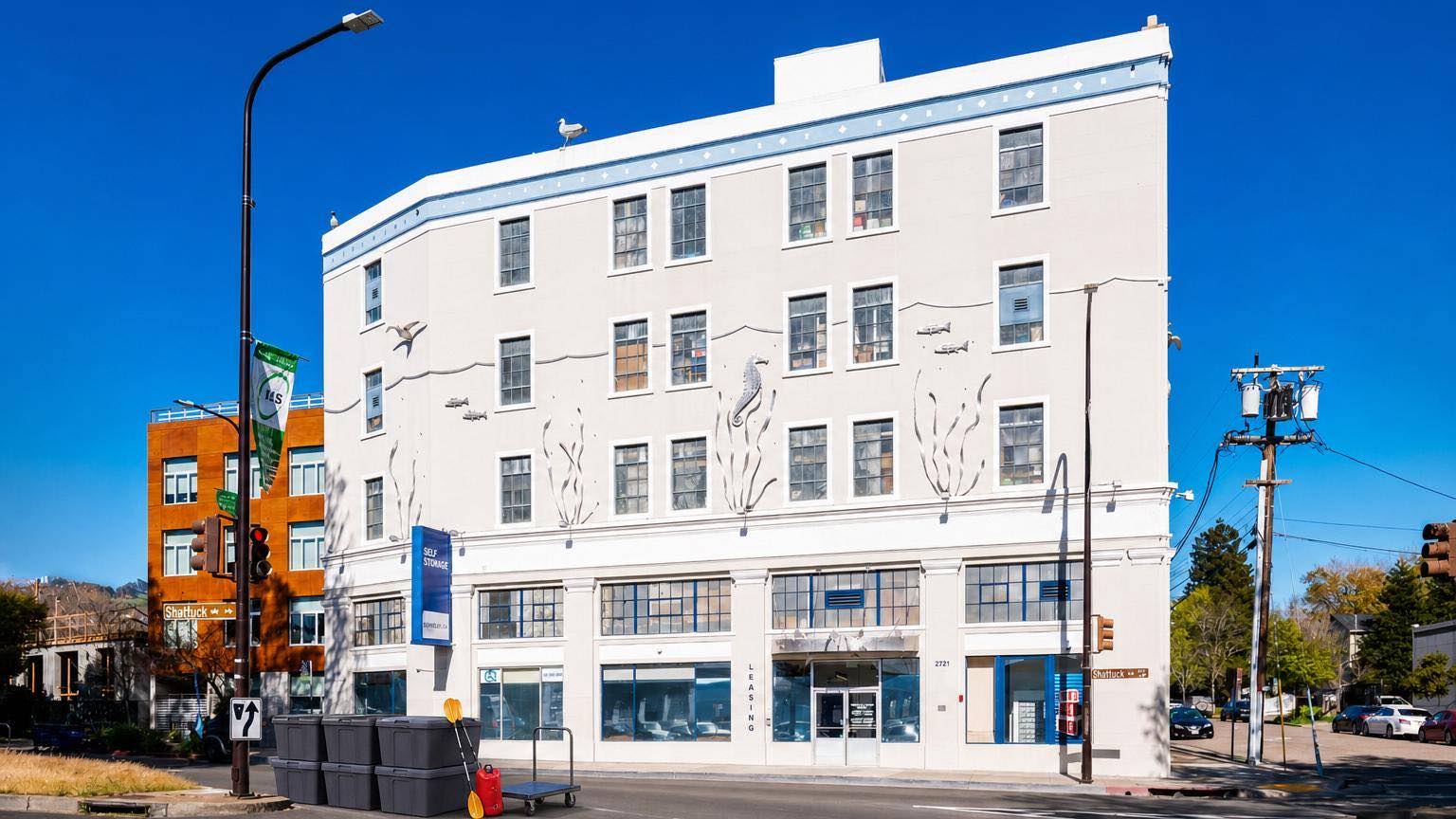
Living in Berkeley and the adjacent neighborhoods of North Oakland offers a distinct lifestyle characterized by high walkability, historic architecture, and vibrant community access. However, residents of zip codes 94705, 94704, and surrounding areas frequently encounter a phenomenon known locally as the "Berkeley Squeeze." This is not merely a matter of square footage; it is a structural reality of the region's housing stock. The area is dominated by Craftsman bungalows, Victorian flats, and mid-century apartments—architectural styles that predate the modern accumulation of consumer goods.
A typical 1920s bungalow in the 94705 or 94609 zip codes features "reach-in" closets that are often less than two feet deep, designed for a modest wardrobe, not the recreational gear, seasonal rotations, and archival files of a modern household. Furthermore, the density of neighborhoods like South Berkeley and the Elmwood district often precludes the addition of sheds or garages, and where garages do exist, they are frequently converted into accessory dwelling units (ADUs) or home offices to maximize property value. Consequently, self-storage in this specific micro-market is rarely about "hoarding." Instead, it is a strategic extension of the home—a necessary utility that allows residents to enjoy the benefits of high-density, urban living without sacrificing their possessions or lifestyle hobbies. Whether it is a kayak for the Berkeley Marina, camping gear for the Sierras, or inventory for a small business operating out of a "live-work" loft in West Berkeley, external storage acts as the "spare room" that the architecture fails to provide.
The increasing trend of converting garages into Accessory Dwelling Units (ADUs) in Berkeley has further exacerbated this storage deficit. As homeowners in zip codes like 94703 and 94702 monetize their garages to address the housing shortage or generate rental income, the primary storage space for bulky items—camping gear, bicycles, holiday decorations, and tools—is eliminated. This structural shift in the housing market has transformed self-storage from a temporary solution for movers into a permanent infrastructure for residents. The loss of the garage forces a re-evaluation of spatial economics: is it more efficient to clutter a high-value living room with boxes, or to offload those items to a dedicated facility?
This document serves as an exhaustive, hyper-local decision guide for individuals and families living near the intersection of Shattuck Avenue and Ashby Avenue. It is designed to navigate the "in-between" questions that arise during the research phase—questions of logistics, preservation, timing, and spatial geometry that are specific to this geography. While there are multiple storage options in the East Bay, this report analyzes the landscape through the lens of a resident living near 2721 Shattuck Ave. The analysis prioritizes logistical efficiency, navigating the specific traffic patterns of Shattuck and Ashby Avenues; asset preservation, understanding the micro-climate impacts (fog and humidity) on stored goods; and spatial economics, comparing the cost of residential square footage versus storage rental.
The guide aims to move beyond generic storage advice and provide actionable, location-specific insights. For a resident in the Berkeley Hills (94708), the primary concern might be wildfire safety and "defensible space," necessitating the removal of flammable clutter. For a student in Downtown Berkeley (94704), the driver might be the strict lease turnover dates of the academic calendar. For a business in West Berkeley (94710), the need is likely inventory management in a climate-controlled environment. By addressing these distinct needs, this report establishes a framework for making a "no-regrets" storage decision.
For residents of 94705 (South Berkeley) and 94704 (Downtown), the intersection of Shattuck Avenue and Ashby Avenue is a critical logistical node. This area serves as a gateway between the residential hills, the university district, and the freeway access of I-80/I-580. When selecting a storage facility, "proximity" is often measured in miles, but in Berkeley, it should be measured in "traffic minutes." The reconfiguration of Shattuck Avenue in downtown and the traffic patterns surrounding the Berkeley Bowl Marketplace create specific choke points that locals must navigate.
A facility located directly on Shattuck Avenue, specifically near the 2700 block (Zip 94705), offers a strategic advantage: Predictable Access. Unlike locations buried deep within the industrial zones of West Berkeley, which often require navigating the congested I-80 frontage roads or the maze of one-way streets near the Design Loop, the Shattuck corridor provides a central artery.
Northbound Access: Residents coming from North Oakland (94609) via Telegraph or Shattuck can access this zone before hitting the heavy congestion of the Downtown Berkeley core. The flow from the Temescal district (94609) up Shattuck Avenue allows for a direct route that bypasses the often-gridlocked Telegraph Avenue/Ashby intersection.
Southbound Access: Those coming from the University area (94704) or the Hills (94708) can utilize the Shattuck corridor to reach the facility without merging onto the often-gridlocked Ashby Avenue. This is particularly crucial during evening rush hours when Ashby Avenue (State Route 13) becomes a major commuter thoroughfare.
Highway Synergy: The location allows for relatively easy transitions to SR-13 (Ashby Ave) for trips to the mountains or storage of camping gear, without requiring deep navigation into the residential grids where large vehicles struggle.
The "Berkeley Bowl Effect" also plays a significant role in local traffic dynamics. The Berkeley Bowl Marketplace, located just blocks away, generates significant vehicle and pedestrian traffic. However, savvy locals know the rhythms of this traffic—avoiding the mid-morning weekend rush or the post-work grocery run. A storage facility located on Shattuck capitalizes on these existing travel patterns. It allows residents to "chain" their errands—combining a grocery run with a storage drop-off—making the logistics of accessing stored items less of a dedicated trip and more of a seamless part of the weekly routine.
One of the most overlooked aspects of urban storage in Berkeley is the physical act of loading and unloading. In suburban environments, broad driveways and parking lots are the norm. In Berkeley's dense urban fabric, particularly in zip codes 94704 and 94705, the "loading experience" is often the single biggest stressor in the storage process.
The Street Parking Challenge:
Zip codes 94704 and 94705 are heavily regulated by Residential Preferential Parking (RPP) zones. This system, designed to preserve parking for residents, creates a minefield for anyone attempting to load a vehicle without a designated driveway.
Permit Restrictions: Most street parking is limited to 2 hours for vehicles without a specific neighborhood permit. While this might seem like enough time, the reality of moving—navigating elevators, organizing a unit, and managing heavy items—often pushes this limit.
72-Hour Rule: Berkeley enforces a strict 72-hour parking limit on public streets. This makes it risky to leave a vehicle loaded overnight, forcing residents to complete their moves in a single, often exhausting, push.
Commercial Vehicle Bans: Heavy-duty commercial vehicles, including many moving trucks, are prohibited from parking on many residential streets between 2:00 AM and 5:00 AM. This restriction complicates logistics for anyone renting a larger truck for a multi-day move.
Bike Lanes and Traffic Flow: Shattuck Avenue and nearby Adeline Street feature active bike lanes and heavy pedestrian traffic. Double-parking a moving truck to unload is not only illegal but also dangerous and likely to incur immediate enforcement action.
The Loading Bay Solution:
For residents undertaking a move or a significant renovation, a facility that offers covered, off-street loading areas provides a disproportionate value.
Stress Reduction: Users can load and unload without the anxiety of meter maids, RPP enforcement, or blocking active bike lanes. The ability to pull a vehicle completely off the street and into a secure, dedicated bay changes the entire tenor of the experience.
Weather Protection: Berkeley's microclimate often involves morning fog or sudden rain, particularly in the winter months. A covered loading bay ensures that mattresses, electronics, and antique furniture are not exposed to moisture during the transition from vehicle to unit. This is critical for preservation.
Elevator Access: Facilities with large, freight-capable elevators significantly reduce the physical toll of moving. Older, garden-style facilities often require navigating stairs or long outdoor corridors, which increases the risk of damage to items and injury to the mover. Modern vertical storage facilities prioritize the "short haul"—minimizing the distance between the trunk of the car and the door of the unit.
To truly optimize a storage decision, one must look at the specific housing stock and lifestyle triggers of their immediate neighborhood. The needs of a homeowner in the fire-prone hills differ vastly from those of a renter in a downtown apartment.
The Landscape: This area transitions from the bustling commercial corridors near Ashby BART to the stately, tree-lined streets of the Claremont district. Housing is a mix of multi-family apartments and high-value single-family homes. The architecture is predominantly pre-war, with many homes featuring original detailing but lacking modern storage standards.
Primary Trigger: Preservation & Seasonal Rotation.
Residents here often own historic homes (Craftsman/Tudor) with limited closet space but high aesthetic value. The "reach-in" closets of the 1920s simply cannot accommodate the wardrobe of a modern professional, let alone recreational gear.
The Storage Strategy: Use a 5x5 or 5x10 unit to rotate wardrobes and store holiday decorations. This preserves the architectural integrity of the home by avoiding the clutter of modern plastic bins in visible living areas. It allows the home to "breathe" and function as designed, rather than as a storage depot.
The "Berkeley Bowl" Effect: Proximity to Berkeley Bowl means residents are accustomed to frequent, short trips. A storage unit in this zip code fits into the "errand loop"—easy to swing by after grocery shopping to drop off camping gear or pick up seasonal items. This proximity changes the psychology of storage from "remote archiving" to "active lifestyle support."
The Landscape: High-density student housing, new mixed-use condos, and older apartment buildings. This is the heart of the academic and transient population, characterized by high turnover and limited space per capita.
Primary Trigger: The Academic Calendar & Lease Gaps.
With lease turnovers often occurring in late May or August 15, residents frequently face gaps where they must vacate one unit but cannot yet enter the next. This "homeless" period for possessions creates acute stress.
The Storage Strategy: Short-Term: A 5x5 unit is often sufficient for boxes and luggage during summer break or a semester abroad. This acts as a bridge, ensuring possessions are safe without the need to ship them home or burden friends. Vehicle Storage: Students or faculty leaving for extended periods often struggle with Berkeley's 72-hour street parking rule. While dedicated vehicle storage is rare in urban centers, decluttering a friend's garage to make space for a car is a common barter strategy, facilitated by moving the friend's items into self-storage.
Logistical Note: This zip code has the highest competition for loading zones. A facility with a drive-in loading bay is critical here to avoid blocking traffic on narrow one-way streets. The density of 94704 means that "curbside" is rarely an option; off-street loading is a necessity.
The Landscape: Industrial lofts, converted warehouses, and the "Design Loop" district. This area is home to artists, makers, and young professionals living in open-concept spaces. It is a zone of creativity but often lacks the practical storage amenities of traditional residential neighborhoods.
Primary Trigger: Business Inventory & Loft Living.
Loft Constraints: While lofts offer high ceilings and open floor plans, they notoriously lack enclosed storage. There is no attic or basement to hide clutter. Every item owned is effectively "on display," which challenges the minimalist aesthetic many loft-dwellers seek.
Business Use: The West Berkeley Design Loop houses interior designers, stagers, and architects. These professionals require climate-controlled space to store staging furniture, fabric swatches, and project files that clutter a sleek home office.
The Storage Strategy: A 10x10 or 10x20 unit often serves as an off-site inventory closet. The emphasis here is on access hours and security, as business assets are valuable. The ability to access stock early in the morning or late in the evening is often a requirement for business operations.
The Landscape: Winding roads, panoramic views, and high fire risk. This area is characterized by dense vegetation, steep terrain, and limited access routes.
Primary Trigger: Defensible Space & Fire Safety.
Residents in the hills are acutely aware of wildfire risks. The Berkeley Fire Department advises creating "defensible space". This is not just about clearing brush outside; it is about reducing the "fuel load" inside the home.
The Storage Strategy: "De-fueling" the home. This involves clearing basements, garages, and attics of flammable clutter (old papers, cardboard, wood furniture). Moving these items to a concrete, fire-suppressed facility in the flatlands (like 94705) is a safety strategy, not just a space strategy. It removes potential fuel from the "ignition zone."
Logistics: The drive down from the hills to Shattuck/Ashby is a standard commute route. A location at the base of the hills allows for easy drop-offs without deviating significantly from the route to SF or Oakland. It serves as a "downhill depot" for residents who want to keep their hill homes lean and safe.
The Landscape: Rockridge and Temescal. Trendy, expensive, and dense. These neighborhoods share the Craftsman aesthetic of South Berkeley but often come with even higher price tags per square foot.
Primary Trigger: Renovation & Lifestyle Overflow.
Homeowners in Rockridge often undertake significant renovations to modernize vintage homes. The need to clear a room for contractors is a frequent trigger for storage.
The Storage Strategy: A unit serves as a "staging area" for furniture during a remodel. It protects expensive items from dust and damage while work is underway.
Lifestyle Gear: This demographic is highly active, often owning bikes, skis, and camping gear that defines the East Bay lifestyle. However, the small, detached garages of 1920s bungalows (if they exist at all) are often too narrow for modern SUVs, let alone gear storage. A local storage unit becomes the "gear locker" for the weekend warrior.
Route: Shattuck Avenue connects these neighborhoods directly to the facility, offering a straight-shot drive that avoids the complexities of the Telegraph corridor.
The Landscape: Modern condos, converted industrial spaces, and retail centers. Emeryville is the "vertical" neighbor to Berkeley's "horizontal" sprawl.
Primary Trigger: Condo Constraints & HOA Rules.
Condo living comes with strict rules. Balconies cannot be used for storage, and parking spots often prohibit anything other than a registered vehicle. This leaves residents with zero external storage space.
The Storage Strategy: Residents use storage as an "external closet" for items that simply cannot fit in a 700-square-foot condo. This includes seasonal wardrobe rotations, luggage, and bulk warehouse club purchases.
Logistics: The proximity of 94705 to the Emeryville border makes it a viable option for those who want to escape the congestion of the shopping centers in Emeryville itself.
The Landscape: Orinda (94563) and El Cerrito (94530). These are suburban communities that feed into the Berkeley/Oakland economic zone.
Primary Trigger: The "Commuter Drop."
Residents of Orinda often commute through the Caldecott Tunnel and down Ashby Avenue (SR-13) to reach Berkeley or the Bay Bridge.
The Storage Strategy: Utilizing a facility in South Berkeley allows these commuters to stage items closer to their work or urban activities. For example, a salesperson might store samples in Berkeley to avoid hauling them back and forth through the tunnel daily. Or, a family might store heirlooms in the more temperate climate of Berkeley compared to the hotter, drier summers of Orinda, to better preserve wood furniture.
Estimating storage space in Berkeley requires accounting for the unique items locals tend to own. Standard "bedroom" estimates often fail to account for the verticality of loft living or the density of academic libraries.
When using a size guide, adjust up if you fall into these categories:
The Academic Library: Books are heavy and dense. If you are a professor or grad student with 20+ boxes of books, you need a unit with easy ground-level or elevator access, not just volume. Book boxes should never be stacked higher than shoulder height for safety, which consumes more floor space than lighter items.
The Outdoor Enthusiast: Kayaks, longboards, and mountain bikes require length. A 5x5 unit (25 sq ft) might have the volume, but not the diagonal clearance for a 10-foot kayak. Look for 5x10 or 10x10 units for these items.
The Victorian Heirloom: Antique furniture from 1905 homes is often bulky and non-collapsible. Modern "flat-pack" furniture estimates will underestimate the space needed for a solid oak wardrobe. You cannot disassemble a 100-year-old armoire; you must store it whole.
Typical User: UC Berkeley Student or Visiting Scholar (94704 / 94720).
Inventory: 10-15 medium boxes (books, clothes), twin mattress, desk chair, mini-fridge.
Recommended Size: 5x5 Unit.
Why: This fits the contents of a dorm room or small studio perfectly. It is essentially a large walk-in closet.
Packing Tip: Use uniform boxes to stack high. Put the mattress against the wall to maximize floor space. Defrost and dry the mini-fridge completely at least 48 hours before storing to prevent mold.
Typical User: Young professional moving from North Oakland to South Berkeley (94609 -> 94705).
Inventory: Queen bed, sofa, dining table (disassembled), 20-30 boxes, TV, bicycle.
Recommended Size: 5x10 Unit.
Why: This size (50 sq ft) roughly equals a small bedroom. It allows for a narrow aisle to access items in the back if organized well.
Packing Tip: Disassemble table legs and bed frames. Store sofas on end (vertically) if the ceiling height permits, but protect the armrests with blankets. This vertical storage is key to making a 5x10 work for a full apartment.
Typical User: Family in the Hills (94708) or Claremont (94705) remodeling a kitchen and living room.
Inventory: Appliances (fridge, stove), dining set, living room sofas, area rugs, cabinets, fragile decor.
Recommended Size: 10x15 or 10x20 Unit.
Why: You need maneuvering room. Unlike long-term storage, renovation storage often requires pulling items out intermittently. A 10x20 (garage size) allows you to create aisles and avoid "burying" the refrigerator behind the sofa.
Packing Tip: Place heavy appliances at the back. Keep a clear path to the center. Label boxes clearly on the side, not the top, so you can identify contents when they are stacked.
Typical User: Interior Designer or E-commerce seller in West Berkeley (94710).
Inventory: Staging furniture (chairs, lamps), inventory boxes, racks of clothing, file cabinets.
Recommended Size: 10x10 Unit.
Why: Balance of access and cost. 100 sq ft allows for shelving units along the walls, creating a functional "stockroom" rather than a dead pile of boxes.
Packing Tip: Invest in freestanding metal shelving. It doubles your usable surface area and keeps inventory off the floor, protecting it and making it easy to organize.
In an urban environment like Berkeley, security is a layered concept. It is not just about locks; it is about the integration of technology, visibility, and facility management. It is about creating an environment where legitimate activity is easy and illegitimate activity is difficult.
Residents should look for facilities that employ a "Passive & Active" security approach.
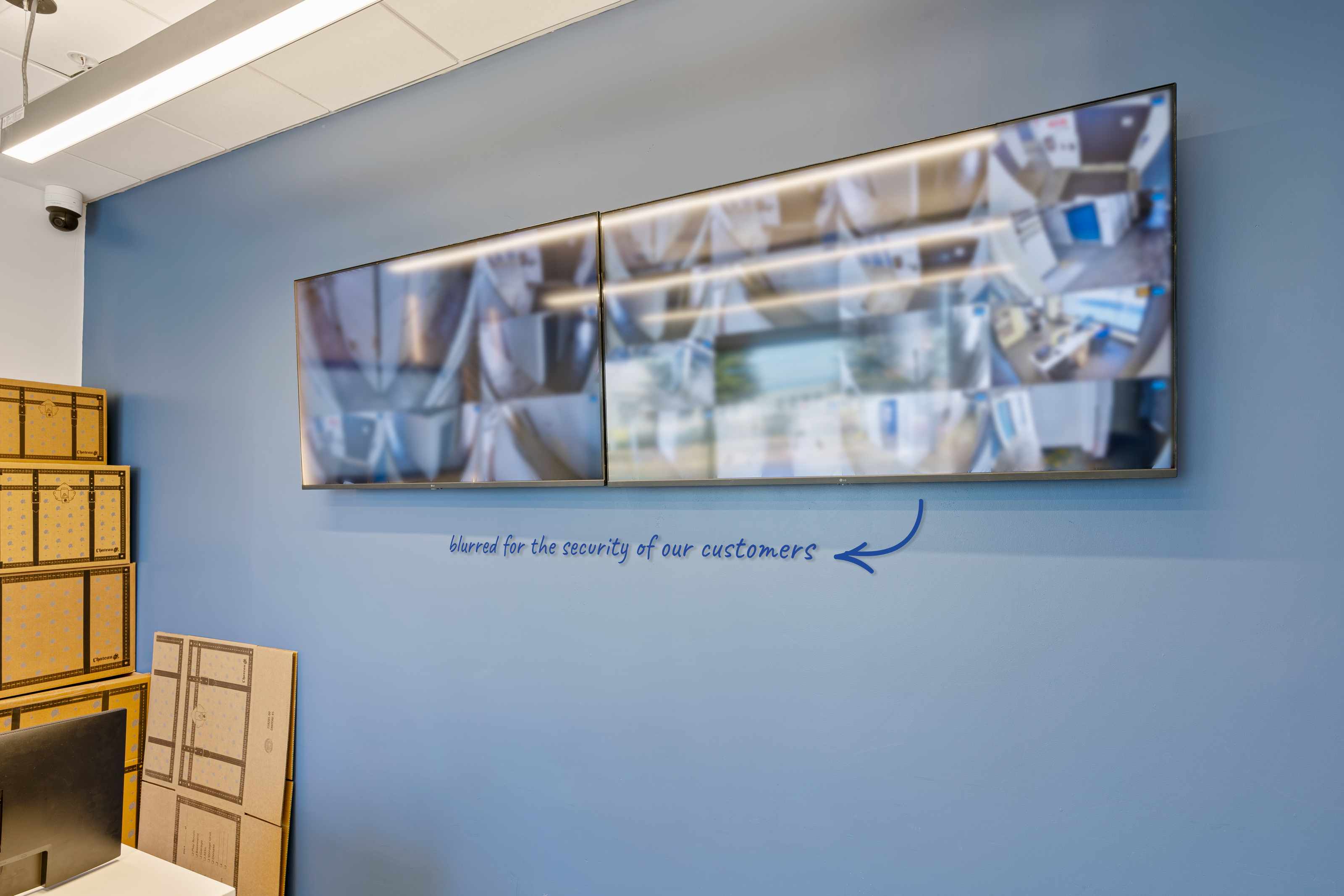
Active Monitoring: Features like 24/7 video recording provide a digital paper trail of all activity on the premises. This is the baseline expectation for modern facilities.
Controlled Access: Logged entry via electronic gates or keypads ensures that only authorized tenants can enter the facility grounds. This creates a "closed loop" environment where every entry and exit is associated with a specific user account.
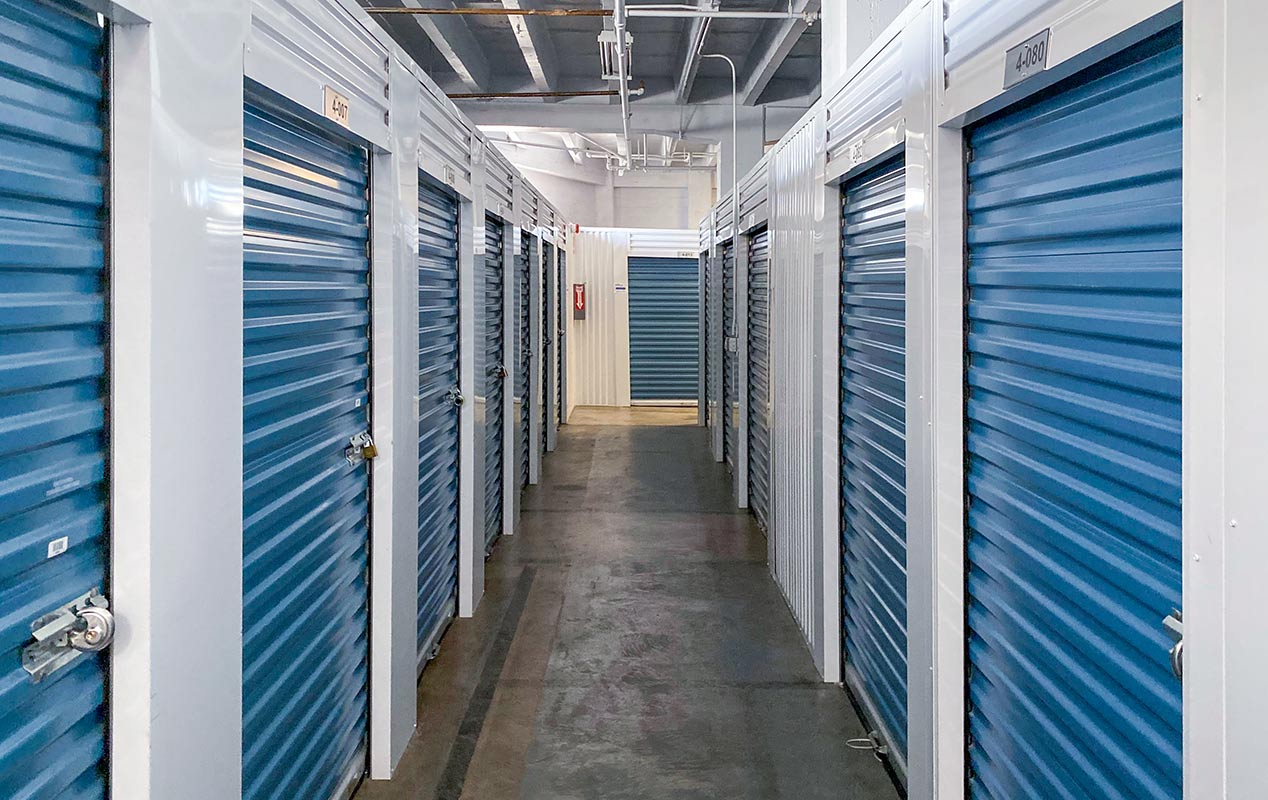
Lighting & Visibility: Well-lit hallways and premises are psychological deterrents. A facility that feels bright and open is inherently less inviting to illicit activity than one with dark corners. The use of motion-sensor lighting in hallways ensures energy efficiency while providing immediate illumination when a tenant is present.
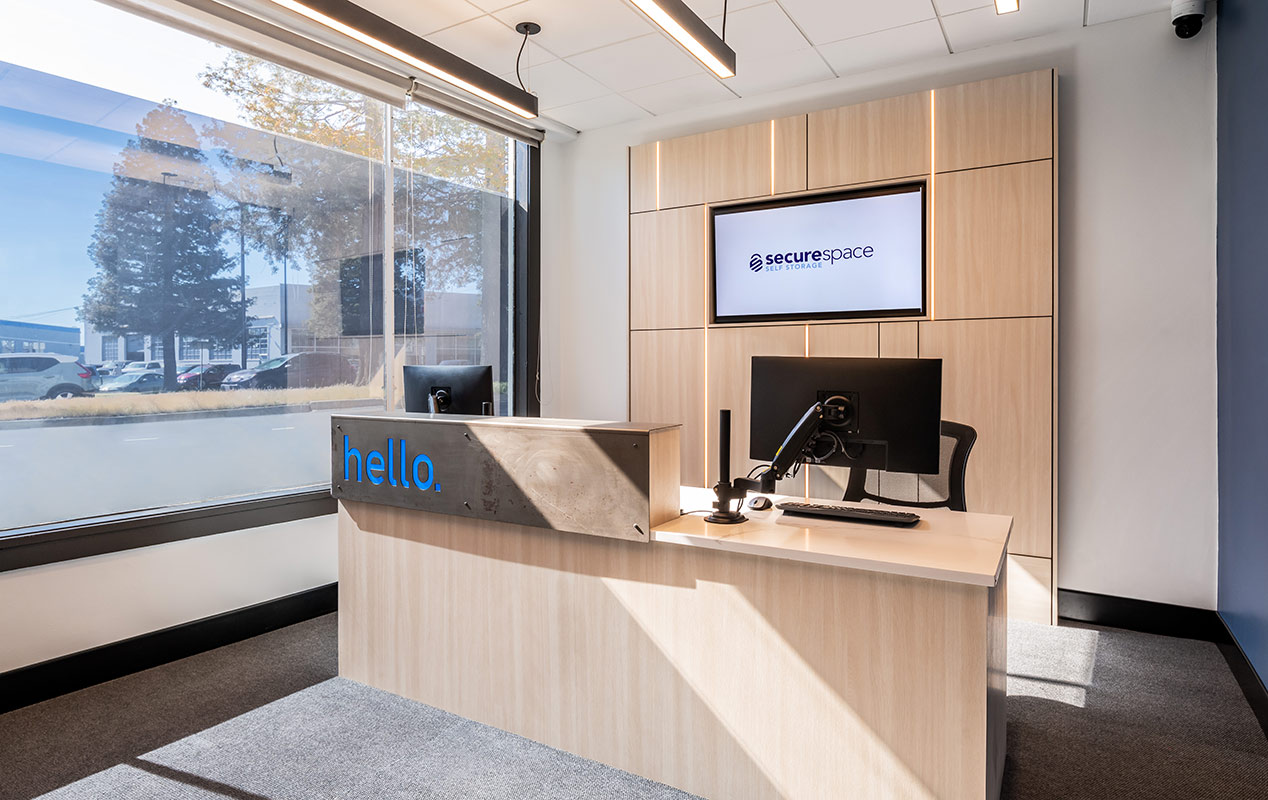
On-Site Presence: The presence of professional management during business hours adds a human layer of oversight that automated kiosks cannot replicate. Staff can monitor the facility for maintenance issues, ensure doors are not propped open, and provide a general sense of order.
Berkeley's climate is generally mild, but it has specific risks for stored items that are often underestimated.
Humidity: The marine layer (fog) that rolls in from the bay can bring significant moisture. Over time, untreated humidity can affect paper documents, antique wood, and electronics. Paper can curl and smell musty; wood can swell; electronics can suffer from internal corrosion.
Temperature Fluctuations: While rarely freezing, the temperature swings in uninsulated spaces (like garages or outdoor drive-up units) can cause wood to expand and contract. For antique furniture, this cycling can loosen joints and crack veneers over time.
The "Climate-Controlled" Advantage:
For items of value—whether sentimental or financial—indoor, climate-controlled units act as a buffer against these environmental variables.
Sensitive Items: Electronics, vinyl records, vintage clothing, and solid wood furniture benefit most from this stability. A climate-controlled unit maintains a more consistent temperature range, reducing the stress on these materials.
Dust Control: Indoor units accessed via hallways generally accumulate less dust than drive-up units exposed directly to the wind and street debris. For anyone storing upholstery or mattresses, this is a significant factor in maintaining cleanliness.
A common misconception is that storage is "forever." In reality, usage in Berkeley is often project-based. Understanding the typical durations can help in budgeting and planning.
The Move: 1-3 months. This covers the overlap between leases and the time needed to unpack and organize the new home. It allows for a staged move rather than a chaotic weekend.
The Renovation: 3-9 months. This depends on the scale of the project (kitchen vs. whole house) and the speed of Berkeley permitting, which is notoriously unpredictable.
The Student Summer: 3-4 months (May to August). This is a fixed, recurring cycle.
The "Life Transition": 6-12 months. This often accompanies downsizing, settling an estate, or navigating a divorce. It provides a "holding pattern" while long-term decisions are made.
Strategy: Look for month-to-month flexibility. Avoid long-term contracts that lock you in. The ability to vacate with short notice gives you control over your budget and timeline, adapting to the often-fluid nature of Berkeley life events.
To ensure a "no-regrets" decision, ask the facility manager these specific questions:
"What are the access hours versus office hours?" (You want to know when you can actually get to your stuff, especially if you work late. Access hours are often longer than the hours staff are present.)
"Is there a covered loading area?" (Crucial for Berkeley's rainy season. You do not want to be unloading a sofa in a downpour.)
"Do you have carts and dollies available?" (Moving boxes from the car to the unit is exhausting without them. A facility that provides these free of charge adds significant value.)
"How does the gate access work?" (Keypad, app, or remote? App-based access is increasingly the standard for convenience and security.)
"Is pest control performed regularly?" (A vital maintenance question for any urban facility. Regular, preventative pest control is a sign of proactive management.)
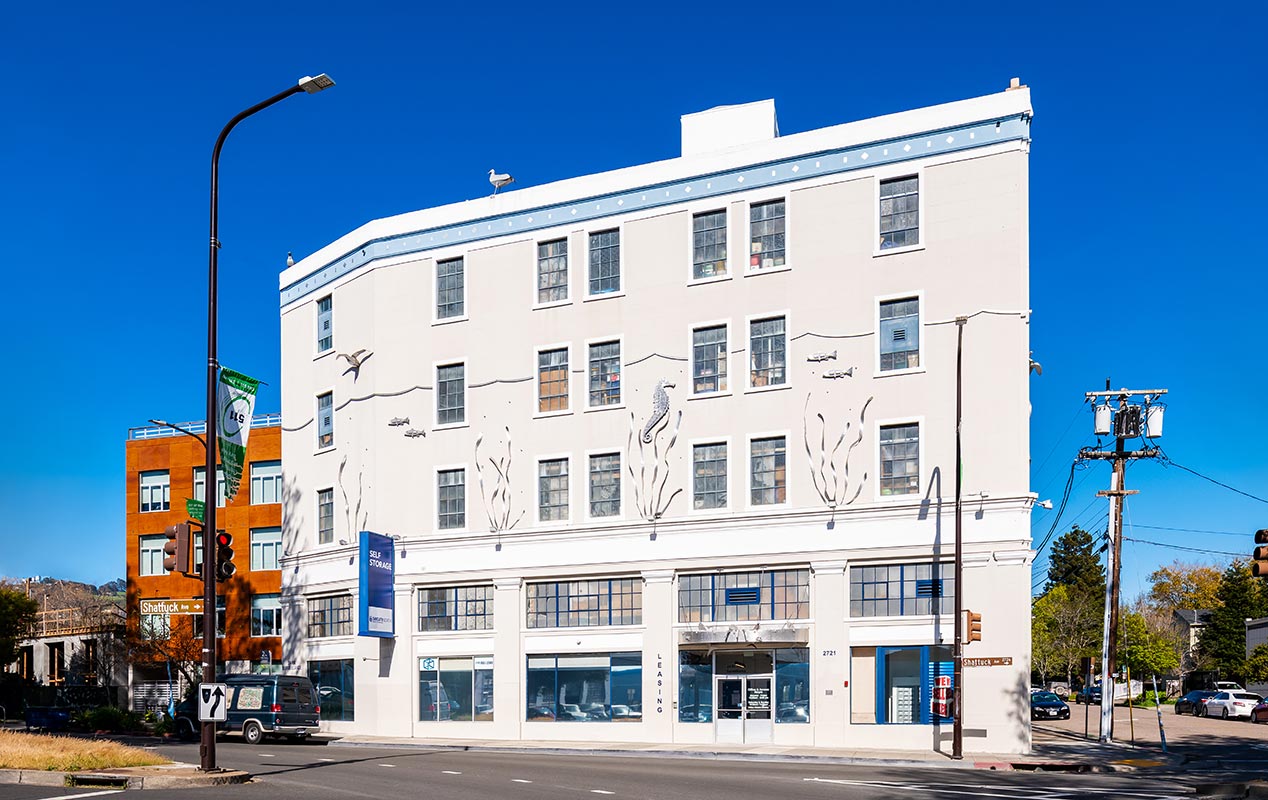
When weighing all the factors—traffic, housing density, climate, and security—the location at 2721 Shattuck Avenue emerges as a particularly strategic choice for residents of South Berkeley, Downtown, and North Oakland.
It Fits the "Flow": Situated on a major artery (Shattuck) but set back enough to offer managed access, it aligns with how locals actually drive. It avoids the worst of the Ashby/Tunnel Road gridlock while remaining accessible from the Hills and the Flats. It captures the convenience of the Shattuck corridor without the congestion of the Downtown core.
It Solves the "Loading" Problem: With dedicated, covered loading areas, it eliminates the stress of street parking and weather exposure—two of the biggest friction points in the Berkeley moving experience. This feature alone can save hours of time and frustration during a move.
It Matches the Market: The mix of unit sizes (from small lockers to large commercial spaces) mirrors the diverse needs of the neighborhood, from the student storing a few boxes to the business owner storing inventory. It is not a "one size fits all" facility but rather a "right size for you" solution.
It Prioritizes the "Inside": By offering indoor, climate-controlled units, it directly addresses the preservation concerns of residents with valuable or sensitive items, acting as a true extension of the home rather than just a garage. It acknowledges that in Berkeley, what we store is often as valuable as what we keep in our living rooms.
Choosing storage in Berkeley is about more than just finding an empty room; it is about finding a solution that integrates seamlessly into your life. It is about reclaiming the square footage of your Craftsman bungalow for living rather than storing. It is about navigating the academic calendar without panic. It is about protecting your assets from the fog and the hustle of the city.
By focusing on logistical ease, asset preservation, and flexible terms, residents can turn a stressful transition into a manageable project. The facility at 2721 Shattuck Avenue stands out not by making loud promises, but by offering the quiet, practical features—location, access, and quality—that make it the obvious neighborly choice for the 94705 community and beyond. It is a decision for peace of mind, grounded in the reality of how we live in the East Bay.
Everything you need to store your belongings securely, on your schedule.
Visit us online