Last updated Jul 10, 2026
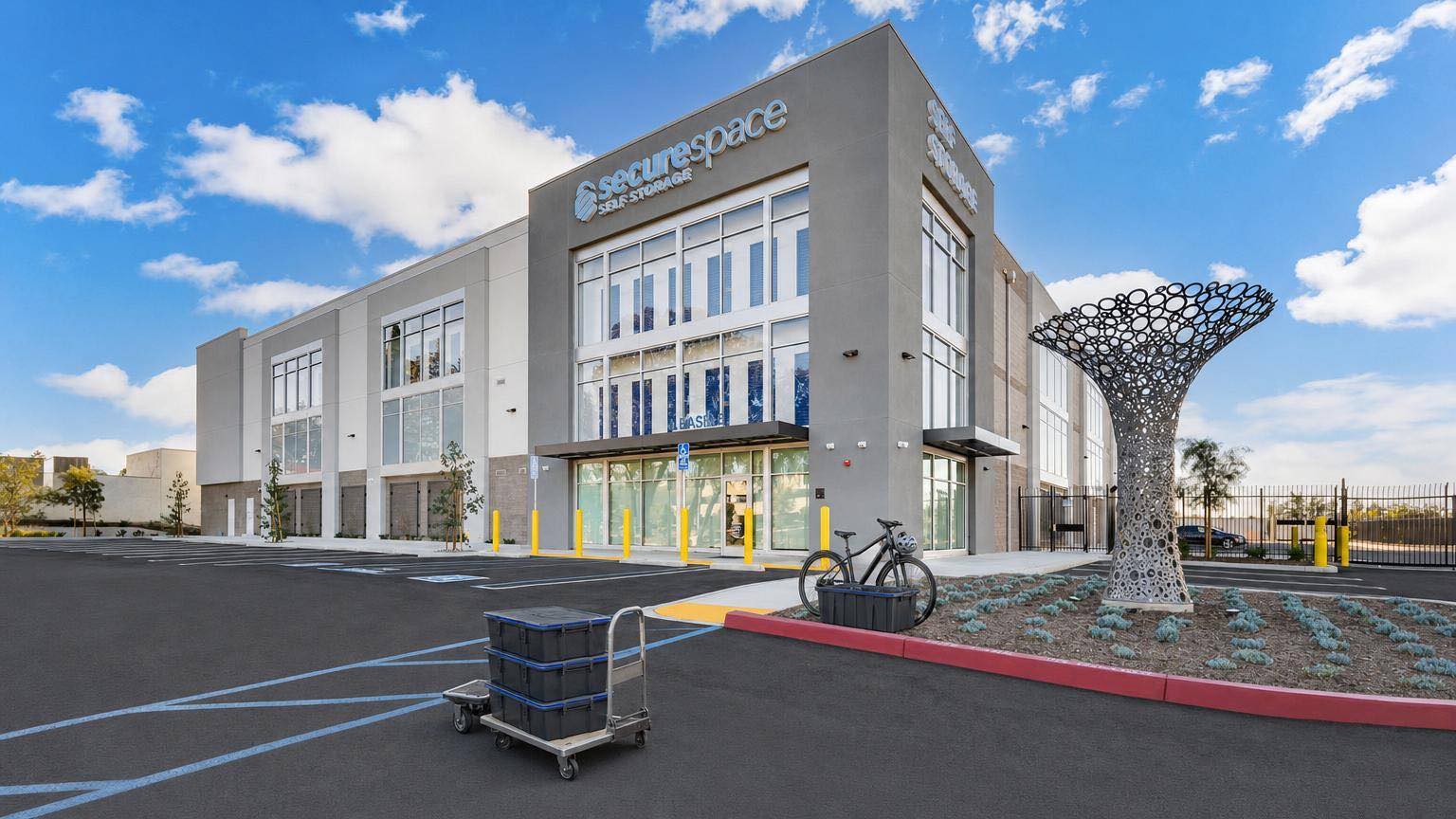
The landscape of North Orange County, particularly the "Golden Triangle" formed by Brea, Fullerton, and Placentia, has undergone a radical transformation in the post-2020 era. What was once a region defined by expansive suburban lots and manageable commercial density has evolved into a complex matrix of high-value real estate, increasing residential density, and logistical constraints. Within this context, the role of self-storage has shifted from a passive repository for excess household goods to an active, essential component of the residential infrastructure.
This report provides an exhaustive, expert-level analysis of the storage decision-making process for residents within this corridor, specifically examining the SecureSpace Self Storage facility at 2700 E Imperial Hwy, Brea, CA 92821. By adopting a "Mixed Market" lens, we evaluate how this specific facility services the divergent needs of the region's population—from the master-planned homeowners of Blackstone and Olinda Ranch facing strict HOA covenants, to the apartment dwellers of Rowland Heights and Fullerton navigating square footage deficits.
The analysis is grounded in a hyper-local understanding of Brea's unique regulatory environment, including its stringent overnight parking ordinances, the specific traffic hydrodynamics of State Route 90 (Imperial Highway), and the micro-climatic challenges that dictate the necessity of climate-controlled storage solutions.
The facility is situated on a critical arterial spine that serves as the primary East-West connector for North Orange County. Understanding the specific logistics of this location is the first step in the decision matrix for any prospective tenant.
Geospatial analysis defines the primary service envelope for the 2700 E Imperial Hwy facility as a zone influenced heavily by traffic patterns rather than simple radial distance. The "Storage Catchment Area" is effectively delineated by drive times during peak commuter windows.
The primary zone, representing a 5-minute drive time, encompasses the immediate commercial and residential districts of Brea (92821). This includes the high-density apartment complexes surrounding the Brea Mall and the master-planned communities immediately north of Imperial Highway. Residents in this zone benefit from "impulse access," allowing for frequent trips to the unit without significant time penalties.
The secondary zone, extending to a 10-15 minute drive time, captures the hillside communities of Fullerton (92835 - Sunny Hills), Yorba Linda (92886 - Vista Del Verde), and Placentia (92870). For these residents, the facility acts as a strategic outpost. The drive is short enough to be manageable on a weekend but requires planning during weekday rush hours due to the congestion on Imperial Highway and Kraemer Boulevard.
The tertiary zone includes Rowland Heights (91748) and La Habra (90631). While physically closer in mileage, the logistical friction introduced by the Grade Separation of the 57 Freeway and the topographic barrier of the Puente Hills creates a psychological distance. However, for commuters traveling south on the 57 Freeway to work in Anaheim or Irvine, the facility's location just off the freeway exit makes it a viable "commuter storage" option—a place to store recreational gear or business inventory accessed en route to other destinations.
A critical, often overlooked factor in storage selection is the ease of ingress and egress. The 2700 E Imperial Hwy location is subject to the specific traffic engineering constraints of State Route 90.
Imperial Highway handles an Average Daily Traffic (ADT) volume exceeding 42,000 vehicles. This high volume dictates the road's design, which features a raised median separating eastbound and westbound traffic. This median is a significant logistical constraint for prospective tenants approaching from the west (e.g., from downtown Brea or the 57 Freeway).
Drivers heading eastbound cannot simply turn left into the facility. They must navigate a dedicated left-turn pocket at a signalized intersection—typically at Kraemer Boulevard or Valencia Avenue—to perform a U-turn. This maneuver can be daunting for tenants driving large rental trucks (20-26 foot box trucks) or towing trailers. The turning radius required for a U-turn on Imperial Highway is tight, and during peak traffic hours (7:30 AM – 9:00 AM and 3:30 PM – 6:30 PM), the density of opposing traffic can make this a high-stress event.
Conversely, the approach from the East (Yorba Linda/Placentia) is frictionless, involving a simple right turn into the facility's driveway. This asymmetry in access makes the facility slightly more attractive logistically for residents of Yorba Linda (92886) and Placentia (92870) compared to those in La Habra, despite the mileage differences.
For residents in Brea's Olinda Ranch (92823) and Chino Hills, the logistics are further complicated by Carbon Canyon Road (State Route 142). This two-lane road is a notorious choke point. During morning commutes, traffic backs up significantly heading west toward the 57 Freeway. A resident of Olinda Ranch attempting to access the storage unit on a weekday morning faces a commute that can triple in duration compared to non-peak hours.
However, the facility's location before the worst of the 57 Freeway congestion (when approaching from the east) serves as a strategic advantage. It allows residents of the canyon communities to drop off or retrieve items without entering the freeway proper, keeping their logistics "local" and avoiding the regional gridlock that plagues the 57/60 interchange.
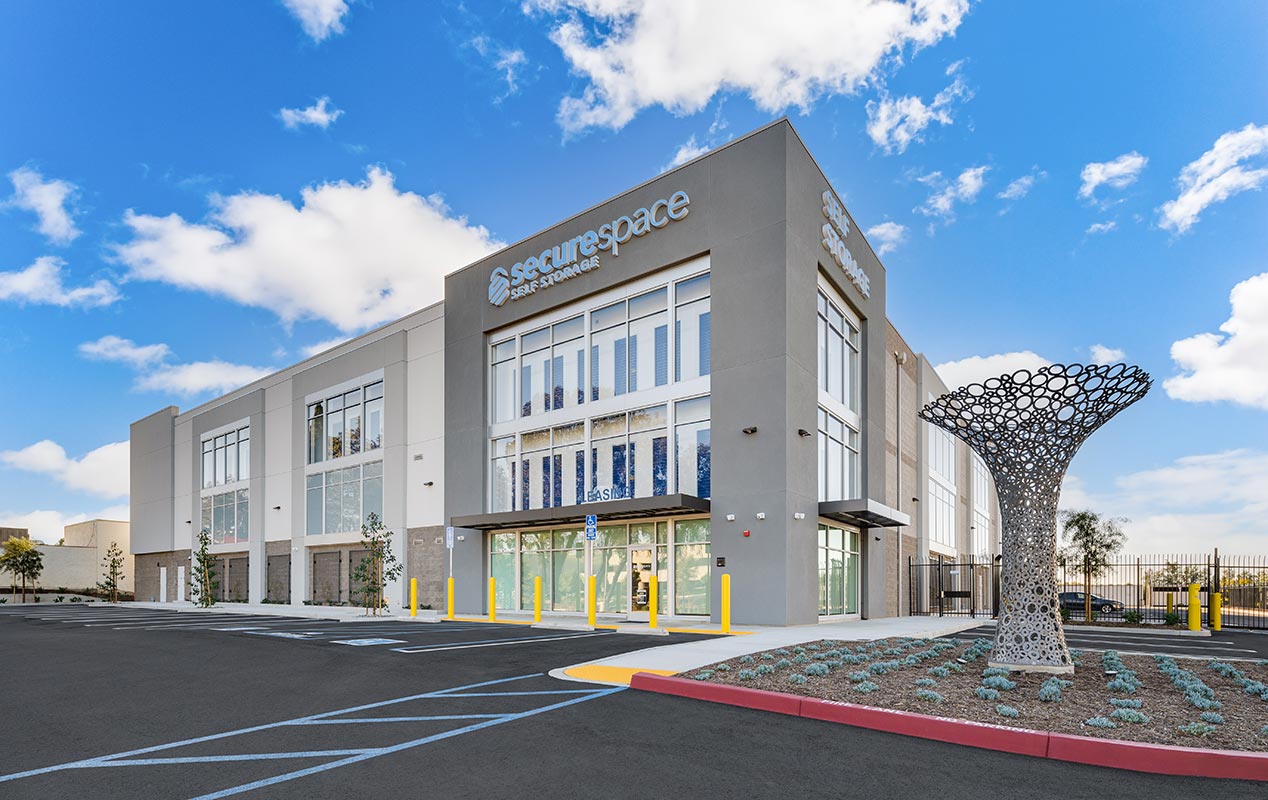
The self-storage industry is categorized into asset classes based on construction quality, age, and amenities. SecureSpace Brea, constructed circa 2023, represents a Class A facility. This designation is not merely marketing jargon; it has tangible implications for the safety and preservation of stored goods.
The facility represents "Generation 3" of self-storage design.
Generation 1: Single-story, drive-up metal rows, common in rural areas or older industrial zones (e.g., older parts of Anaheim or La Habra). These offer convenience but poor sealing against pests and dust.
Generation 2: Converted industrial warehouses or big-box retail stores. These offer better protection but often suffer from inefficient layouts, poor lighting, and retrofitted HVAC systems that may leave "hot spots" in the building.
Generation 3 (SecureSpace Brea): Purpose-built, multi-story vertical construction. This facility was engineered from the ground up for storage.
Implications for the Tenant:
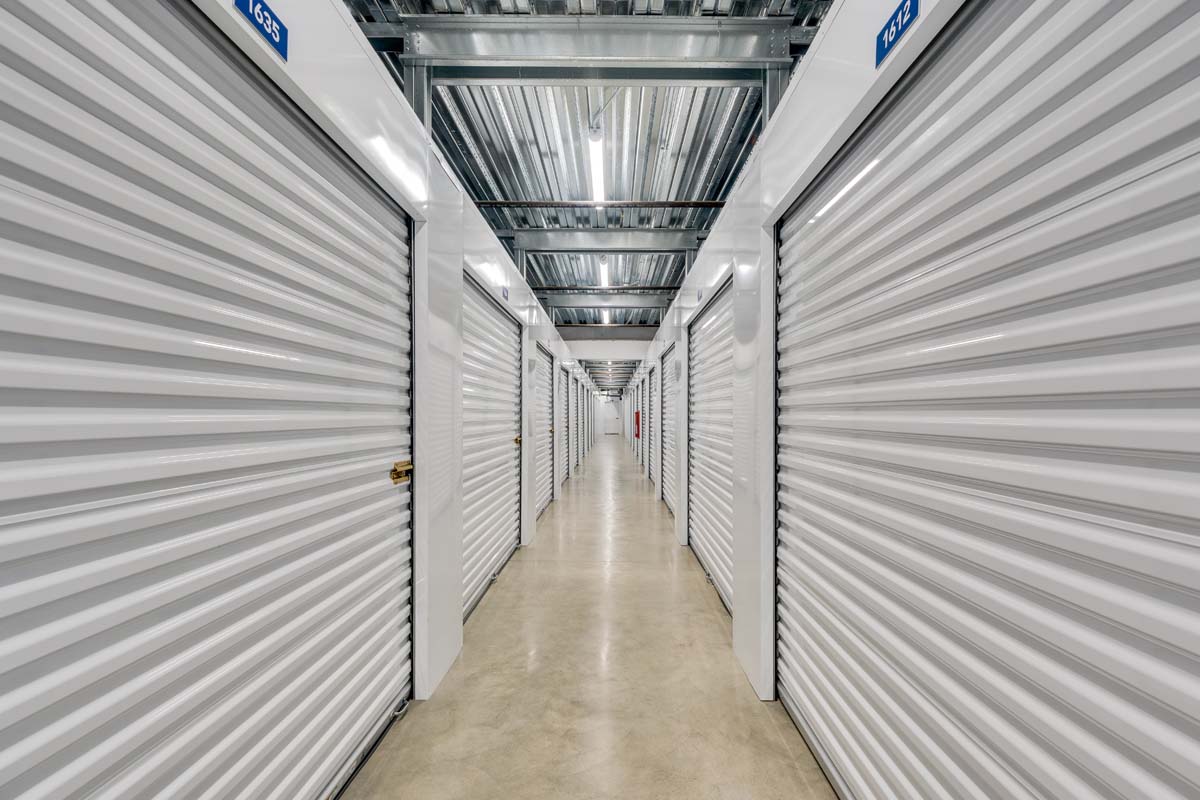
Sealed Envelope: The building operates as a sealed climate envelope. Unlike drive-up units where the roll-up door is the only barrier to the outside world, units at SecureSpace are protected by the building's exterior shell plus the interior hallway. This double barrier significantly reduces the ingress of dust—a major factor in Brea due to the Santa Ana winds and proximity to the freeway.
Vertical Logistics: The trade-off for this density is verticality. Accessing units requires the use of elevators. While the facility is equipped with large freight elevators, tenants must account for "elevator contention" during peak move-in weekends (end of the month). A move that might take 2 hours at a drive-up facility could take 3 hours here due to the need to stage items, load the elevator, and unload at the specific floor.
Security in Class A facilities relies on a "Defense in Depth" strategy. SecureSpace employs a digital access control system that logs entry and exit events.
Perimeter Access: Gated entry restricts vehicular traffic to valid code holders.
Building Access: Entry into the climate-controlled loading bay and elevators requires a second authentication.
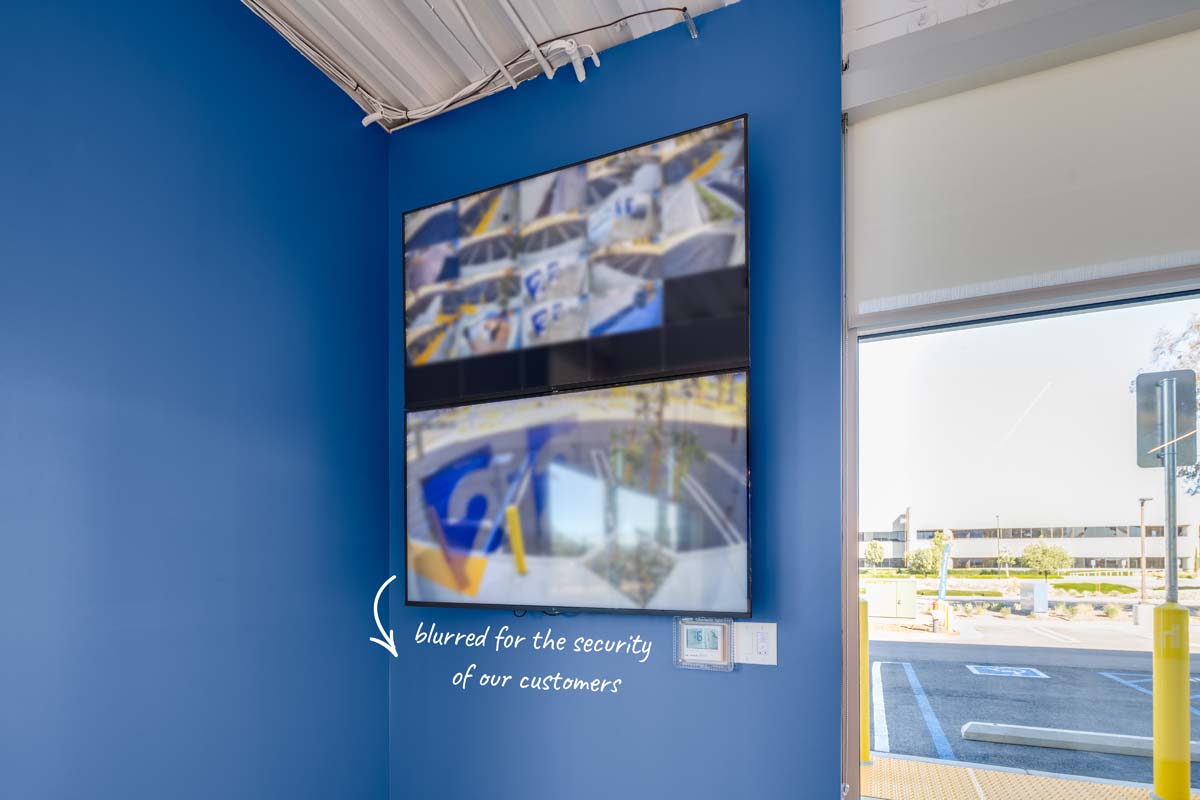
Unit Security: Individual units are secured, and the corridor layout ensures that all activity is captured by high-definition surveillance cameras.
This contrasts with older facilities in the surrounding ZIP codes (e.g., older lots in 92806 or 91748) where security might consist only of a perimeter fence and a padlock. For residents of Blackstone or Vista Del Verde storing high-value items (wine, art, heirlooms), this layered security is a non-negotiable requirement.
The facility features a covered loading bay. In the scorching Brea summers, where temperatures often exceed 90°F, the ability to load and unload goods out of direct sunlight is a significant physiological benefit. It protects both the movers and the inventory from heat stress during the most physically demanding portion of the storage process. This feature is notably absent in many older, drive-up facilities in the region.
The "Mixed Market" lens requires us to dissect the storage needs based on the specific housing typologies found in the target ZIP codes. The storage requirements of a homeowner in a 4,000 sq. ft. estate in Yorba Linda differ fundamentally from those of a student renter in a 700 sq. ft. apartment in Fullerton.
Brea's housing stock is heavily characterized by Master-Planned Communities (MPCs) such as Blackstone, Olinda Ranch, and Tomlinson Park. While these homes are spacious, they are governed by rigorous Covenants, Conditions, and Restrictions (CC&Rs) that create specific storage deficits.
The Garage Utilization Mandate: Many Brea HOAs strictly enforce rules requiring garages to be used primarily for vehicle parking. The common suburban practice of "garage stuffing"—filling the garage with boxes and parking cars in the driveway or street—is actively policed in communities like Blackstone. Residents receiving violation notices for parking in driveways or on streets often turn to self-storage as an immediate compliance solution to reclaim garage space for vehicles.
The "California Room" Effect: Modern homes in 92823 often feature "California Rooms" (indoor-outdoor living spaces) that reduce the footprint of traditional enclosed storage areas. Seasonal items (holiday decor, winter clothing) are displaced from the home's core envelope.
Recreational Compliance: Brea residents have a high ownership rate of recreational equipment (camping gear, mountain bikes for the Tracks at Brea trail). Storing these items visible on a property is often a CC&R violation. SecureSpace provides an off-site "gear locker" that satisfies HOA aesthetics while keeping equipment accessible for weekend use.
Fullerton presents a stark dichotomy between the "Sunny Hills" estates and the high-density student housing near Cal State Fullerton (CSUF).
Student Logistics (92831): For the student population, the storage need is cyclical and acute. The "Summer Gap"—the period between the end of the spring semester (May) and the start of the fall semester (August)—creates a massive demand surge for small (5x5 or 5x10) units. SecureSpace Brea serves as a vital spillover facility for this demographic when facilities closer to campus reach capacity. The key driver here is price sensitivity and month-to-month lease flexibility.
Historic Home Limitations (92832/92835): The historic homes in Fullerton's Golden Hill or downtown areas often lack modern closets or attached garages. Owners of these properties frequently use climate-controlled storage as a permanent extension of their square footage to preserve antiques or seasonal wardrobes that would deteriorate in non-insulated 1920s detached garages. The humidity control offered by SecureSpace is particularly relevant for preserving the structural integrity of antique wood furniture common in these households.
Yorba Linda represents the affluent end of the storage market. The demand here is not driven by a lack of space, but by the quality of space required.
Luxury Goods Preservation: Residents in Vista Del Verde or East Lake often require storage for wine collections, art, or high-value furniture during remodels. The "Climate Controlled" designation at SecureSpace is the primary draw for this demographic, who are less sensitive to price and more sensitive to inventory degradation from heat exposure.
Multi-Generational Consolidation: As older residents in Placentia downsize from single-family homes to condos or assisted living, the "transition storage" need arises. This involves storing heirlooms and furniture for 6-18 months while sorting estates—a process that benefits significantly from the facility's high-security features and elevator access, which accommodates movers with dollies more easily than narrow drive-up aisles.
Located just north of the hills, Rowland Heights is a high-density, unincorporated community with a significant number of multi-generational households.
Occupancy Pressure: High housing costs often lead to multiple generations living under one roof. This density displaces personal items, turning self-storage into a necessary "external closet" for non-essential goods.
Commuter Convenience: Many Rowland Heights residents commute south into Orange County for work. A facility located on Imperial Hwy (accessible via the 57 Fwy) allows them to access their storage unit as part of their daily commute chain, rather than making a separate trip.
A critical decision factor for Brea residents is the necessity of climate control. Unlike coastal Orange County cities (Newport Beach, Huntington Beach) where the ocean moderates temperature swings, Brea is inland and subject to significant micro-climate variations that can be destructive to stored goods.
Brea experiences a "Mediterranean" climate that borders on semi-arid during the summer months. Historical weather data indicates that August temperatures average highs of 88°F, with frequent spikes into the 90s and 100s during Santa Ana wind events.
Thermal Cycling Risks: A standard, non-insulated garage or drive-up storage unit in Brea can experience internal temperatures 20-30 degrees higher than the ambient air temperature due to radiant heating. This "oven effect" creates daily thermal cycles—heating up rapidly during the day and cooling at night. This expansion and contraction is the primary enemy of stored materials.
Material Degradation Mechanics: Wood Furniture: Thermal cycling causes wood fibers to expand and contract, leading to warping, cracking of veneers, and the loosening of glue joints in antique furniture. Electronics: High heat can degrade solder joints, shorten the lifespan of capacitors, and cause battery leakage in stored devices. Media/Vinyl: Old records, photographs, and magnetic tapes are highly susceptible to warping and chemical breakdown (sticky shed syndrome) at temperatures above 75°F. Wine: For the collectors in Yorba Linda and Blackstone, passive storage is fatal. Wine requires a stable temperature around 55°F. While standard climate control (typically kept between 65°F-80°F) is not "cellar temp," it prevents the "cooking" of wine that occurs in a garage where temps can reach 110°F.
The facility's location near the 57 Freeway and major arterials introduces fine particulate matter (brake dust, exhaust) into the air. Furthermore, the proximity to Chino Hills State Park and Carbon Canyon exposes the area to wildfire smoke and ash during fire season.
The "Sealed Envelope" Advantage: SecureSpace Brea's interior-corridor design acts as a physical barrier against dust and ash ingress. Unlike drive-up units where the rubber door seal is the only protection against the elements (and often fails over time), interior units benefit from the building's positive pressure HVAC system, which filters incoming air. This is a critical feature for storing upholstery, mattresses, and clothing that can be permanently damaged by smoke odor or soot embedding.
Operating a storage unit in Brea requires navigating a web of city ordinances and logistic constraints. Compliance is often an overlooked aspect of the storage decision, yet it can be the source of significant friction and cost if ignored.
One of the most significant logistical hurdles for Brea residents—especially those in apartments or condos with limited parking—is the City of Brea's strict overnight parking ordinance.
The Rule: Parking on any city street is prohibited between 2:00 AM and 6:00 AM. This ordinance, dating back to the 1950s, was originally enacted to facilitate street sweeping and improve neighborhood aesthetics.
The Impact on Moving: Residents planning a DIY move using a rental truck (e.g., U-Haul, Penske) cannot simply park the truck on the street overnight to load it the next morning. Doing so risks a citation. This forces movers to either complete the entire load/unload cycle within a single day or find a secure off-street location to park the truck overnight.
The Workaround: The City offers temporary parking permits, but these are generally for passenger vehicles. For large commercial moving trucks, residents must secure a "Temporary Parking Permit" or arrange for off-street parking.
Facility Role: SecureSpace Brea does not typically offer overnight parking for rental trucks in their lot. Tenants must coordinate their move to complete loading/unloading within access hours (typically 6:00 AM to 10:00 PM) and return the truck or park it in a permitted commercial zone overnight.
In neighborhoods like Olinda Ranch and Blackstone, HOAs enforce "Visible Storage" bans.
Prohibited Items: Generally, items like kayaks, surfboards, extra tires, or construction materials cannot be visible from the street or neighboring properties. They cannot be stored in driveways or side yards unless behind a specialized screen wall (which often requires Architectural Committee approval).
Garage Inspections: While rare, some aggressive HOAs have utilized "garage inspections" or maintenance checks to ensure garages are capable of housing vehicles. Using a storage unit allows residents to declutter the garage to pass these checks or simply to park their vehicles inside, protecting them from the sun and complying with parking rules.
Navigating a 26-foot moving truck into the SecureSpace facility requires planning.
The Approach: Drivers should be aware that U-turns on Imperial Highway can be tight for long-wheelbase vehicles. The optimal approach is from the West (heading East) to make a right turn into the driveway.
Internal Radius: The facility's loading bay is designed for standard box trucks. However, inexperienced drivers should be cautious of the turning radius within the parking lot, especially when other customers are loading.
Elevator Bottlenecks: As a multi-story facility, all moves to upper floors funnel through the freight elevators. On weekends (especially end-of-month), "elevator contention" can add 1-2 hours to a move. Professional movers know to account for this; DIY movers often underestimate it.
SecureSpace Brea does not exist in a vacuum. It competes directly with legacy operators. Understanding the differences is key to the "Decision Guide."
Located nearly adjacent to each other, these two facilities offer the most direct comparison.
Feature: Asset Class | SecureSpace Brea (2700 E Imperial): Class A (Modern/New) | Public Storage (2750 E Imperial): Class B/Legacy | Analysis: SecureSpace is newer, featuring cleaner aesthetics and more modern HVAC systems.
Feature: Climate Control | SecureSpace Brea (2700 E Imperial): 100% Climate Controlled (Interior) | Public Storage (2750 E Imperial): Mix of Drive-Up (Non-CC) & Interior | Analysis: Public Storage offers drive-up convenience for rugged items; SecureSpace is better for sensitive goods.
Feature: Access Hours | SecureSpace Brea (2700 E Imperial): Generally 6 AM - 10 PM | Public Storage (2750 E Imperial): Generally 6 AM - 9 PM | Analysis: SecureSpace offers a slightly wider access window, beneficial for late-night business inventory runs.
Feature: Technology | SecureSpace Brea (2700 E Imperial): Modern App/Digital Access | Public Storage (2750 E Imperial): Standard Keypad | Analysis: SecureSpace's tech stack is typically more integrated for contactless rental and management.
Feature: Pricing Strategy | SecureSpace Brea (2700 E Imperial): Dynamic (New Lease Aggressive) | Public Storage (2750 E Imperial): Dynamic (High Occupancy) | Analysis: Newer facilities often offer aggressive "lease-up" rates to stabilize occupancy, potentially offering better value for the first 12 months.
Extra Space Storage acts as another major competitor, often leveraging high customer service scores.
Differentiation: SecureSpace attempts to bridge the gap between the institutional scale of Extra Space and the modern, boutique feel of newer developments. The primary differentiator for the Brea consumer is often location. The Imperial Hwy location is superior for those commuting East-West (Yorba Linda to Brea), while Associated Rd facilities are better for those commuting North-South on the 57 Freeway.
Is storage an expense or a saving? In the context of Brea's real estate market, it is often an arbitrage play.
Residential Real Estate Cost: The median price per square foot for residential real estate in Brea hovers around $500 - $600/sq. ft. (purchase) or $3.00 - $4.00/sq. ft. (rental).
Storage Cost: A climate-controlled storage unit typically rents for $2.50 - $3.50/sq. ft. per month (depending on unit size and promotions).
The Arbitrage: By moving seldom-used items (holiday decor, archival files, sentimental furniture) to storage, residents effectively "add" square footage to their living space at a cost lower than or equal to residential rent, without the need to move to a larger home. For homeowners, reclaiming a garage (approx. 400 sq. ft.) for vehicle use protects a depreciating asset (the car) from UV damage and heat, while also increasing home utility.
Consumers must be vigilant regarding "Introductory Rates." The self-storage industry standard involves offering a low first-month rate or a discounted rate for the first few months, followed by gradual rent increases (ECRIS - Existing Customer Rent Increases).
Recommendation: Residents should budget for a 10-15% rate increase within the first 9-12 months of tenancy. This is not specific to SecureSpace but is a universal industry practice. Reviews indicate that while SecureSpace offers competitive entry rates, they are not immune to these market adjustments.
For entrepreneurs in Rowland Heights or Brea, a storage unit often functions as a micro-warehouse.
Inventory Management: Climate control is essential for e-commerce sellers storing cosmetics, supplements, or electronics, all of which are sensitive to the extreme heat spikes in Brea.
Package Acceptance: Confirming if the facility accepts deliveries on behalf of tenants is crucial for business users. This service allows business owners to receive inventory without being present, effectively giving them a staffed loading dock.
With Carbon Canyon Regional Park and the Tracks at Brea nearby, residents possess significant amounts of recreational gear.
Bicycles: Storing high-end road bikes or e-bikes requires security. The interior units offer better theft protection than a garage, which is often the most vulnerable entry point of a home.
Camping/RV Gear: While the facility may not store the RV itself, it is ideal for the "soft goods" (cushions, bedding, tents) that can mildew if left in a vehicle during the off-season. The climate control prevents the degradation of technical fabrics and waterproofing coatings on tents and gear.
Tenants are required to insure their stored goods.
Facility Policy: SecureSpace will offer a "Tenant Protection Plan" (TPP). This is convenient but often has low coverage limits ($2,000 - $5,000) and higher premiums relative to coverage.
Homeowners/Renters Policy: Brea residents should check their existing Homeowners (HO-3) or Renters (HO-4) policies. Many policies extend coverage to "Off-Premises Personal Property" at roughly 10% of the primary dwelling coverage limit. Using existing insurance is often cheaper than buying the facility's policy, provided the deductible makes sense for the value of the goods stored.
Ideal For: The Downsizing Senior: Moving from a Yorba Linda estate to a Brea condo, needing high-security, climate-controlled preservation for heirlooms. The Brea Homeowner: Reclaiming the garage from clutter to comply with HOA rules or protect vehicles from the sun. The Business Owner: Needing a clean, professional extension of their office for inventory management.
Less Ideal For: The Budget-Extreme User: Drive-up, non-climate units in older facilities (e.g., in industrial Anaheim) may be cheaper if goods are durable (tools, plastic furniture). The Quick-Access Daily User: The elevator requirement adds time. If you need to grab tools every morning at 6 AM, a drive-up unit elsewhere might be faster.
Visit at Peak Time: Visit the facility on a Saturday morning to gauge elevator wait times and loading dock congestion.
Test the Median: Drive the route from your home to test the left-turn access into the facility from Imperial Highway. Is it frustrating?
Audit Your Goods: Separate items requiring climate control from those that don't. Do not pay for climate control for plastic garden furniture.
Verify Permits: If using a large moving truck, call the City of Brea (714-990-7600) to confirm parking rules for your specific load-in/load-out window.
This facility represents a modern solution to a modern problem: density. By leveraging it strategically, residents of North Orange County can "buy back" the luxury of space in their primary residences, ensuring that their homes remain places of living rather than storage.
As Brea and surrounding communities continue to densify—with projects like the Brea Mall redevelopment adding mixed-use residential units—the demand for "lifestyle storage" will likely increase. Facilities like SecureSpace Brea are precursors to a future where storage is not just a metal box, but a tech-enabled, climate-managed extension of the smart home. Residents who secure space now, particularly in modern facilities, position themselves ahead of the supply curve in a region where square footage is the ultimate commodity.
Everything you need to store your belongings securely, on your schedule.
Visit us online