Last updated Jul 10, 2026
Living in the metropolitan ecosystem of New York City—whether one resides in a pre-war walk-up in Astoria, a multi-generational semi-detached home in Flushing, or a row house in the South Bronx—presents a unique and persistent spatial paradox. We inhabit one of the most resource-rich, culturally vibrant, and economically dynamic regions on the planet, yet our personal footprints are often rigorously, sometimes painfully, constrained. The decision to seek self-storage is rarely a trivial pursuit of hoarding; it is a strategic operational decision to reclaim quality of life. It is an attempt to expand one's living quarters without the exorbitant transaction costs and upheaval associated with moving to a larger property in a market where square footage is the ultimate currency.
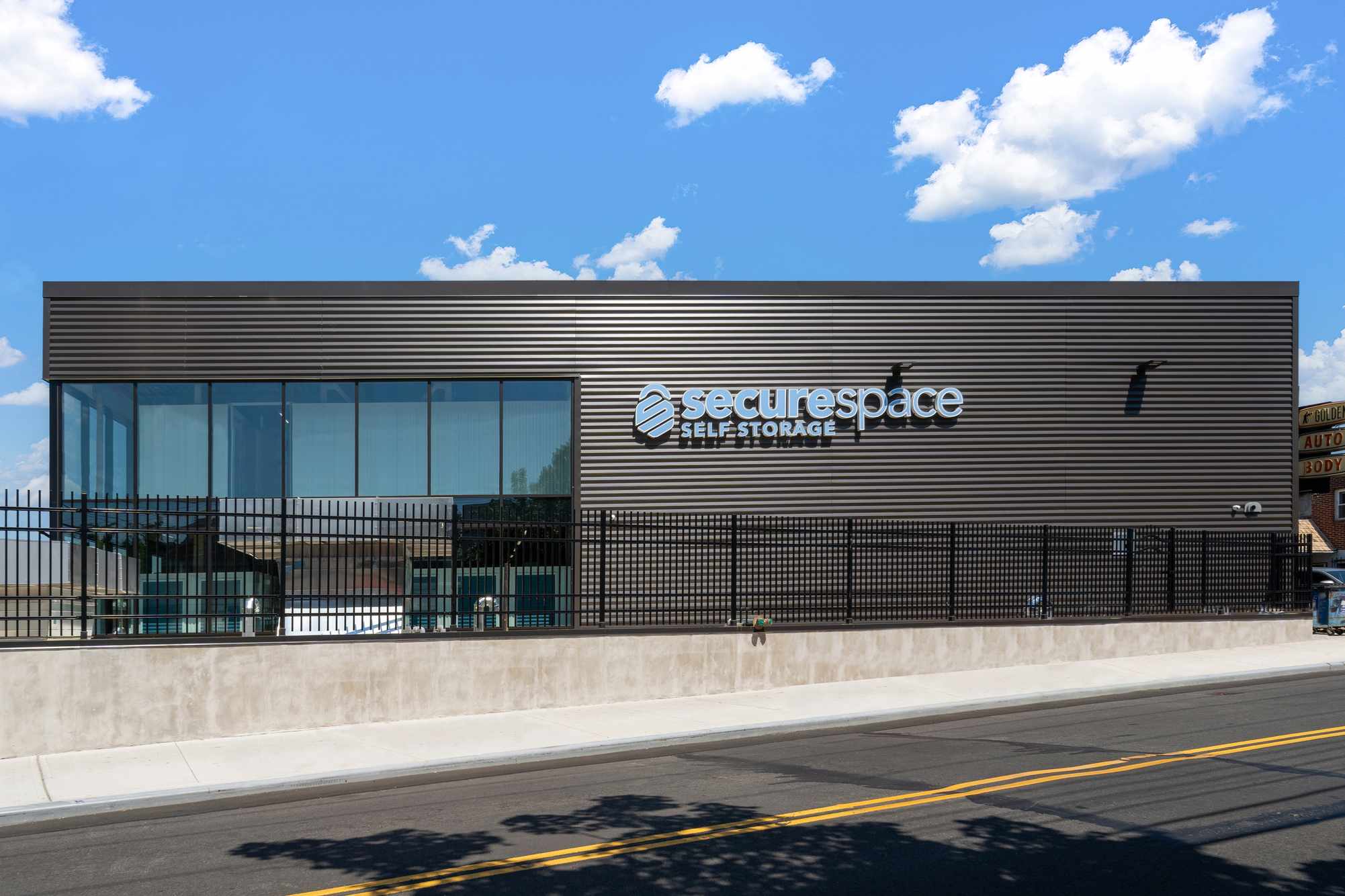
For residents of Northern Queens and the South Bronx, the search for this spatial relief often funnels logically and logistically to a specific geographic sweet spot: College Point. Tucked strategically between the Whitestone Expressway and the East River, this neighborhood has evolved from its historical roots as an industrial outpost into a vital hub for commerce, logistics, and now, personal storage solutions. Specifically, the corridor along 14th Avenue has emerged as a focal point for residents who require a facility that balances accessibility with modern infrastructure. This report serves as a comprehensive guide for those considering the SecureSpace Self Storage location at 131-21 14th Ave, College Point, NY 11356.
This document is not designed to "sell" a unit. Rather, it is crafted to help residents navigate the complex decision matrix of finding extra space. It is a navigational tool for the "in-between" questions that plague the research process: "Will my furniture fit?" "Is the drive worth it?" "How do I protect my belongings from the humidity?" We will explore the specific needs of residents across dozens of local ZIP codes, analyze the micro-traffic patterns that make certain locations more viable than others, and provide a masterclass in selecting the right unit size for your specific life transition—be it a renovation, a move, or simply the need to breathe.
In the ZIP codes surrounding College Point—spanning from the high-density apartments of Jackson Heights (11372) to the leafy, suburban-style streets of Douglaston (11363)—storage is rarely an impulse purchase. It is triggered by specific life events that are deeply tied to our local housing stock and lifestyle patterns.
In neighborhoods like Astoria (11102, 11103) and Sunnyside, the architectural charm of the early 20th century comes with a fatal functional flaw: nonexistent or severely undersized closet space. Residents in these areas often find themselves needing an "external closet." The items that drive this need are seasonal but bulky: winter coats that consume an entire hall closet, window air conditioning units that have nowhere to go in December, and holiday decorations that are used for only three weeks a year. For these residents, a 5x5 unit is not just storage; it is the missing amenity of their apartment.
In Flushing (11354, 11355) and parts of the Southeast Bronx (10461, 10462), multi-generational living is a common and culturally significant arrangement. When an adult child moves back home after college, or an elderly parent moves in to be cared for, the "spare room" instantly disappears. The household inventory does not shrink, but the available space does. Storage becomes the essential pressure valve that keeps the household peaceful, allowing families to consolidate duplicate furniture or archive sentimental items without cluttering the shared living areas.
The housing stock in Whitestone (11357) and Bayside (11360, 11361) is currently undergoing a massive wave of renovation and modernization. Homeowners often need a clean, secure place to stage furniture for three to six months while contractors work on floors, kitchen extensions, or basement waterproofing. This is a "project-based" storage need, requiring a facility that offers flexibility and ease of access for moving items back and forth as rooms are completed.
Residents of the South Bronx (10454, 10455, 10474) often find that storage options in their immediate vicinity are either aging, fully booked, or difficult to access with a personal vehicle due to narrow streets and lack of parking. The short drive over the Bronx-Whitestone Bridge to College Point offers a strategic trade-off: a few minutes of driving and a toll for a facility that is often newer, cleaner, and significantly easier to load into. The 14th Avenue location acts as a logistical release valve for the Bronx, providing high-quality space just across the water.
The initial search for storage is almost always driven by two variables: price and proximity. A user types "storage near me" into a search engine and looks for the lowest monthly rate. However, veteran New Yorkers and seasoned storage users know that the "cheapest" unit five miles away can end up costing significantly more in time, fuel, and stress than a well-located, well-equipped unit nearby. There are hidden realities to local storage that only become apparent once the lease is signed and the moving truck is idling at the curb.
The physical experience of moving items into a unit is the single most overlooked factor in the decision process. In many older facilities in the Bronx or the denser, residential parts of Queens, "loading" is a chaotic and stressful event. It often involves double-parking on a busy avenue, rushing to unload before a traffic agent appears, and dragging boxes through a narrow pedestrian doorway or navigating a labyrinth of corridors.
The 14th Avenue corridor in College Point is distinct because it was historically designed with industrial logistics in mind. The roads are wider, intended to accommodate commercial trucks and heavy flow. A modern facility like the one at 131-21 14th Ave typically integrates features that are rare in older urban warehouses, such as dedicated drive-up access or covered interior loading bays.
This small architectural detail—being able to unload inside a building, protected from the rain, snow, or summer heat—changes the entire complexion of a move. For a resident of East Elmhurst (11369) or Corona (11368) trying to move a sofa in January, a covered loading bay is not a luxury; it is a necessity for protecting belongings from the elements. It allows for a paced, organized move-in rather than a frantic scramble, reducing the risk of damage to items and injury to the movers.
Storage visits are rarely solitary, dedicated trips. For most families and professionals, they are part of a larger "chore loop" or weekend itinerary. One of the hidden, high-value advantages of the College Point location is its immediate proximity to the College Point Center on 20th Avenue.
Residents from Malba (11357) or downtown Flushing (11354) can efficiently combine a trip to their storage unit with a substantial restocking run to BJ's Wholesale Club or Target. This concept, known in urban planning as "trip chaining," is crucial for busy families managing tight schedules. If a resident chooses a facility in a remote industrial dead-zone with no retail presence, a storage run becomes a dedicated 90-minute detour that eats into the weekend. By choosing a location embedded within their existing retail routes, the "transaction cost" of time drops significantly. The storage unit becomes just another stop on the Saturday morning run, rather than a burdensome outlier.
New York City is a humid environment. Our summers are swampy, with high dew points, and our winters can be damp and slushy. Residents in waterfront areas like Whitestone (11357) or Throgs Neck (10465) are particularly attuned to the permeating nature of moisture.
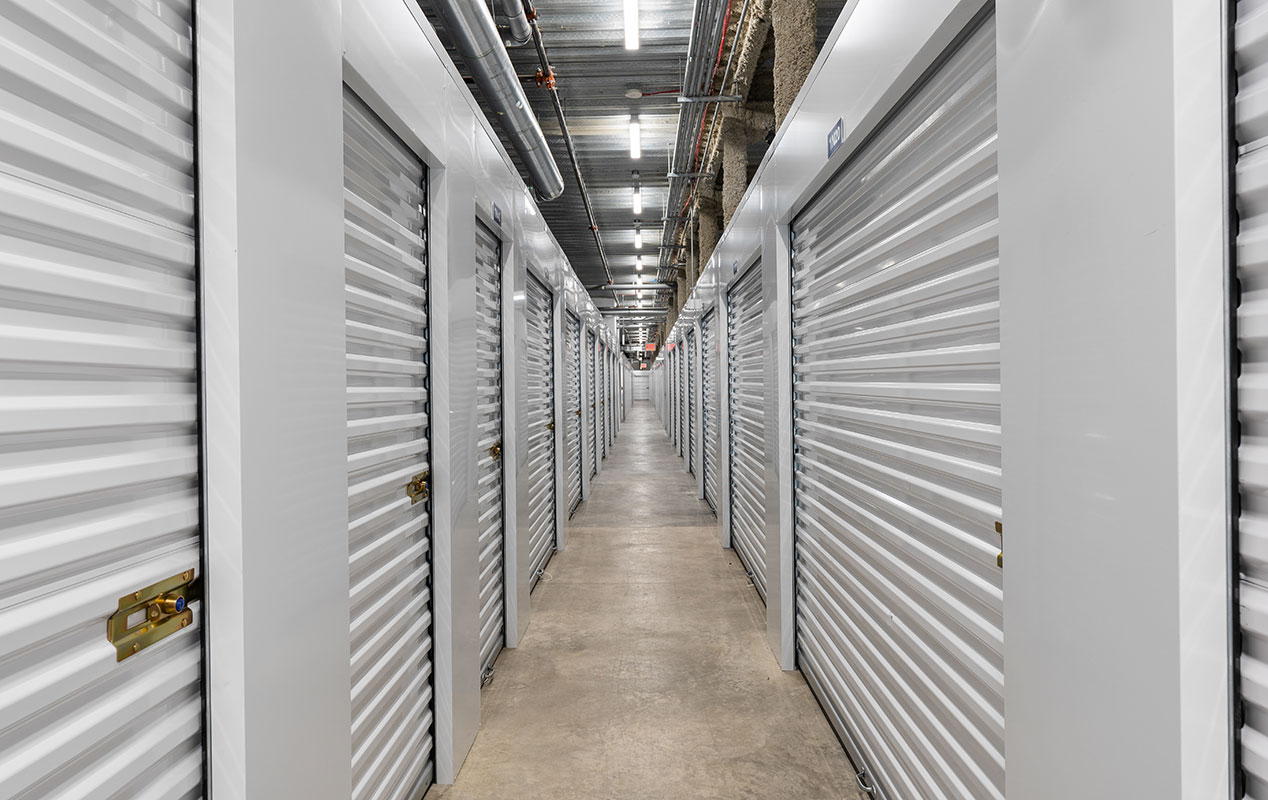
Many first-time renters assume all storage is the same—a box is a box. They do not realize that "climate-controlled" is a specific technical designation distinct from merely "indoor." While no facility can legally guarantee preservation (which is why insurance is mandatory), modern climate-controlled units—like those often found in newer multi-story facilities—actively manage the environmental parameters. They use HVAC systems to mitigate extreme temperature swings that can occur in a metal building baking in the sun or freezing in a blizzard.
For someone storing solid wood furniture (which can warp or crack with rapid temperature changes), electronics (which are sensitive to condensation), or business inventory (pharmaceuticals, paper records), this feature is the difference between peace of mind and constant worry about mildew or degradation. In the College Point micro-climate, surrounded by water, this active management is a critical feature for long-term preservation.
Before committing to a lease, it is vital to run your specific needs through a practical filter. This checklist is designed to prevent the common "buyer's remorse" that hits three months into a rental when a tenant realizes the unit does not actually fit their lifestyle or logistical capabilities.
Low Frequency (Seasonal/Archive): If you are storing tax documents, off-season wardrobe, or holiday decorations that you will only touch twice a year, your priority should be climate stability and security. You can opt for an upper-floor unit (often priced more competitively) because the elevator ride is a rare event. The extra five minutes to take the elevator is negligible when amortized over a six-month period.
High Frequency (Inventory/Active Renovation): If you are a contractor in College Point (11356) needing tools daily, or a business owner in Flushing (11354) pulling inventory weekly, you need efficiency. Look for drive-up units or ground-floor lockers near the loading bay. The time saved walking down a long hallway adds up to hours over the course of a year. For these users, proximity to the elevator or the loading dock is the primary value driver.
Most storage units have high ceilings, often reaching eight feet or more. A common mistake new renters make is renting a 10x10 unit and filling only the floor, effectively paying for thousands of cubic feet of air they are not using.
The Vertical Solution: If you are primarily storing boxes, invest in sturdy, industrial-grade shelving units. You can often fit the contents of a small 1-bedroom apartment (if packed in uniform boxes) into a 5x10 unit if you stack safely to the ceiling.
The Furniture Constraint: If you are storing sofas, mattresses, or large dining tables that cannot be disassembled, floor space is your limiting factor. You cannot easily stack a sofa on its end without risk of damage to the frame or upholstery. Measure your largest items first; their footprint will dictate the minimum square footage you require, regardless of the vertical volume available.
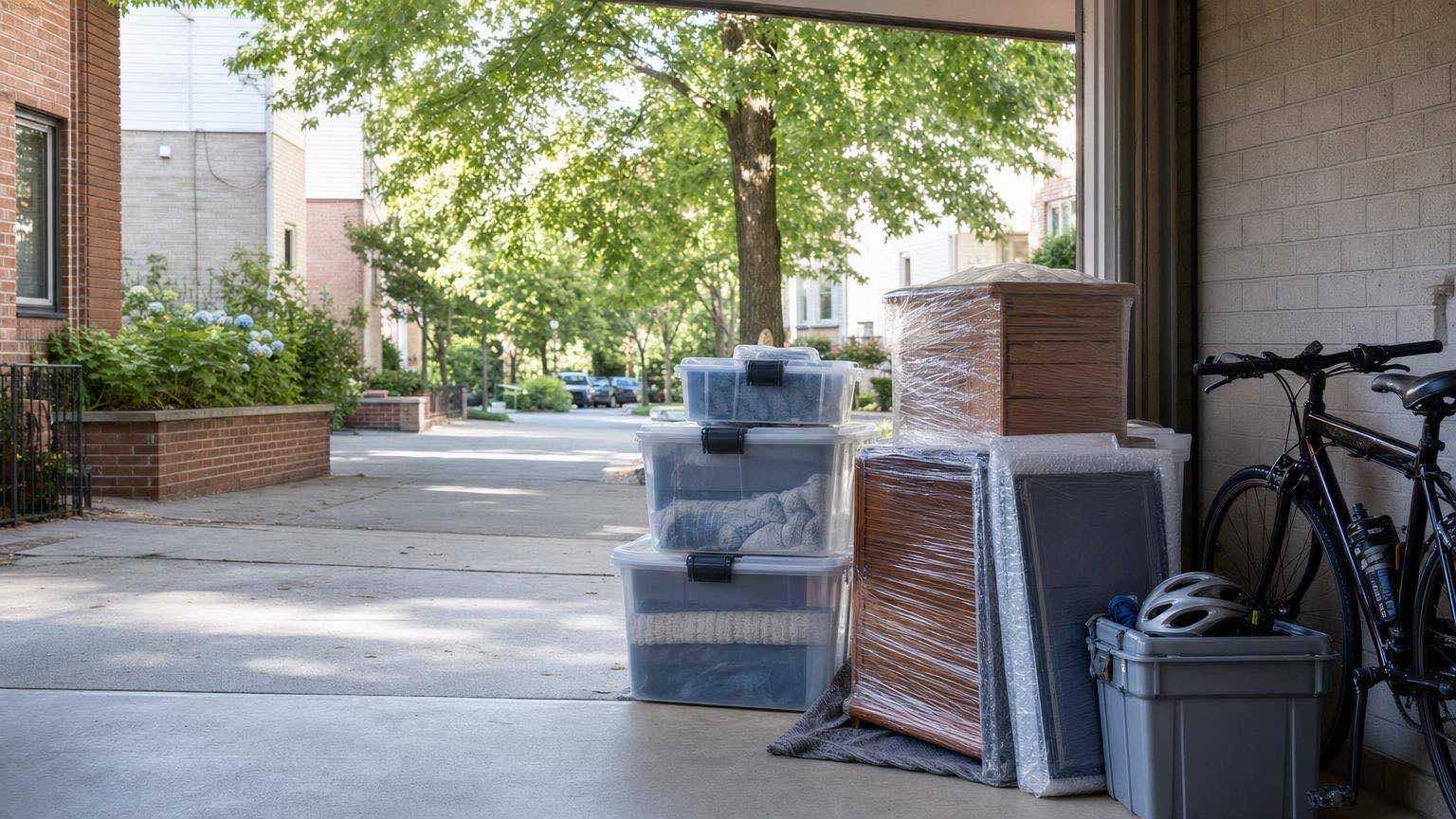
Plastic over Cardboard: For long-term storage, especially in a humid climate, invest in clear plastic bins with latching lids. Cardboard is porous; it absorbs moisture from the air and can become soft over time. Furthermore, the glue in cardboard boxes can attract pests like roaches. Plastic provides a sealed barrier against moisture and pests, and clear bins allow you to identify contents without opening them.
Vacuum Seal for Textiles: In the Bronx and Queens, where closet space is at a premium, storage is often used for clothing. Vacuum-sealing winter coats, comforters, and bedding can reduce their volume by up to 70%, allowing you to rent a smaller, more affordable unit. This also protects the fabrics from oxidation, odors, and moths.
The "Aisle" Rule: If you rent a unit larger than 5x5, you must leave a narrow aisle down the center. Novice packers fill the unit from back to front, wall to wall. Inevitably, the one box they need six months later is buried at the back bottom corner. Creating a "U" shape or a center aisle ensures that every box is accessible without a full excavation.
To truly understand if the SecureSpace College Point location is the right fit for your needs, we must examine it through the lens of your specific neighborhood. The logistics of getting to 14th Avenue vary significantly depending on which side of the East River or the Van Wyck Expressway you live on. We have weighted this analysis based on the primary ZIP codes that feed into this facility.
ZIP Codes: 10454, 10455, 10456, 10459, 10460, 10461, 10462, 10465, 10472, 10473, 10474.
For residents of the South and East Bronx, the idea of storing belongings "in Queens" might initially seem counterintuitive or geographically distant. However, for those living in Hunts Point (10474), Throgs Neck (10465), or Soundview (10473), the SecureSpace location on 14th Avenue is often faster to reach than storage facilities located deep within the Bronx's interior congestion.
The Bronx-Whitestone Bridge is the critical artery connecting these markets. From Soundview (10473) or Castle Hill (10462), the drive is a straightforward shot down the Bruckner Expressway, over the bridge, and immediately off at the first exit in Queens. This route avoids the deep, often gridlocked traffic of Flushing's Main Street or Northern Boulevard. The facility at 131-21 14th Ave is positioned almost immediately at the base of the bridge's landing in College Point, making it highly accessible. The "toll factor" is a consideration, but many residents view it as a worthwhile premium for accessing a facility that is secure, modern, and easy to navigate compared to older industrial stock in the Bronx.
In neighborhoods like Mott Haven (10454) and Morrisania (10456), there is a high concentration of pre-war apartment buildings as well as new "affordable luxury" developments. Both housing types frequently suffer from a lack of internal storage. Residents here are often managing overflow—seasonal wardrobes that simply won't fit in small closets, bicycles that are unsafe to leave on the street, or camping gear for weekend escapes. The drive to College Point allows these residents to essentially rent a "walk-in closet" that is accessible within 15-20 minutes.
Small business owners in the industrial zones of Port Morris (10454) or Hunts Point (10474) often deal with severe space constraints in their own warehouses or storefronts. Commercial real estate in the Bronx is expensive and scarce. A secure, climate-controlled unit just over the bridge serves as an excellent document archive for tax records or a "clean room" for inventory overflow that needs to be separated from the grime and dust of daily operations.
ZIP Codes: 11356, 11357.
This is the home turf. For residents of College Point (11356) and Whitestone (11357), this facility is essentially a neighbor, part of the local fabric.
For these residents, it is local streets all the way. There are no highways, no tolls, and no traffic jams. You are driving down 14th Avenue or College Point Boulevard. Access is typically a 5-10 minute drive, making "micro-visits" (dropping off a single box or picking up one item) completely feasible.
These neighborhoods are distinct within NYC because they have a significantly higher percentage of single-family and two-family semi-detached homes.
The "Basement" Problem: Many homes in Whitestone and College Point feature basements. However, these spaces are often prone to dampness due to the high water table or are being converted into rental units or in-law suites to generate income. When a homeowner converts a basement, they lose their primary storage area. A 10x10 unit at SecureSpace becomes the "new basement"—dry, secure, and out of the way.
Renovation Central: This area is seeing high turnover and extensive home renovation. Homeowners frequently need short-term storage (3-6 months) to clear out a floor for sanding, painting, or remodeling. The proximity allows for "micro-moves"—bringing a carload of boxes over every evening after work rather than renting a big truck for one exhausted day.
ZIP Codes: 11354, 11355, 11358.
Flushing is one of the most dynamic, commercially active, and dense urban environments in the United States. The storage needs here are driven by extreme density.
Access is generally via College Point Boulevard or Parsons Boulevard to 14th Avenue. While traffic in downtown Flushing (Main St & Roosevelt Ave) is legendary for its congestion, the drive north to 14th Avenue moves away from the gridlock. It acts as a release valve. Residents can escape the density to access their belongings.
Density is the defining feature here. Apartments are often shared, and square footage is at a premium. In 11354 and 11355, we see many multi-generational households living in tight quarters. An external storage unit acts as a buffer zone for the family. It holds the winter clothes, the luggage, the old tax files, and the sentimental items that can't be thrown away but simply cannot take up valuable living space.
Flushing's small business economy is massive and vibrant. Restaurants, retail shops, and import/export businesses often use self-storage for non-perishable inventory, promotional materials, or extra equipment because commercial real estate rents in downtown Flushing are astronomical. A unit on 14th Ave provides a cost-effective warehouse alternative that is close enough for weekly restocking runs.
ZIP Codes: 11359, 11360, 11361, 11362, 11363, 11364.
Moving east along the Cross Island Parkway, we encounter the suburban-style enclaves of Bayside, Little Neck, and Douglaston.
The Cross Island Parkway North to the Whitestone Expressway is a fast, fluid route (outside of peak rush hour). The exit at 14th Avenue is convenient, allowing residents to reach the facility quickly.
These are larger homes, often with attached or detached garages. So why the need for storage? The garage has, for many families, become a storage dump. People want to park their cars inside again, especially to protect them from winter snow or the harsh summer sun. Moving the lawnmower, snowblower, bicycles, and holiday decorations to a 5x10 unit reclaims the garage for its intended purpose—the vehicle.
This area has a stable but aging population. "Downsizing" is a major trigger for storage. Seniors moving from a 4-bedroom colonial in Douglaston (11363) to a smaller condo or co-op in Bay Terrace (11360) need an intermediate holding ground. They require a place to store furniture they aren't ready to sell or gift to children, allowing them to make the transition at their own pace without cluttering their new, smaller home.
ZIP Codes: 11368, 11369, 11370, 11372, 11373, 11102, 11103, 11105.
West of LaGuardia Airport, the landscape is dominated by pre-war co-ops and multi-family rental buildings.
The Grand Central Parkway (GCP) or Astoria Boulevard leads traffic toward the Whitestone Expressway. It is a logical logistical flow moving East/North toward the facility.
The Co-op Constraint: Co-ops in Jackson Heights (11372) are notorious for their strict renovation rules and limited basement storage cages. There are often 5-year waiting lists for a small cage in the building's basement. A private unit at SecureSpace is the immediate solution to the "waiting list" problem, providing secure storage now rather than years from now.
The "Sublet" Shuffle: In Astoria (11102/11103), a younger demographic moves frequently or sublets apartments for travel or work. Secure storage is essential for protecting valuables during these transition periods. The high-security features of a modern facility (cameras, gated access) appeal strongly to this demographic who may be leaving items for months at a time while they are out of the city.
When you live in this specific part of New York City, you have specific worries that a generic "storage guide" simply won't address. The local geography, weather, and traffic patterns create unique concerns. Let's tackle them head-on with local knowledge.
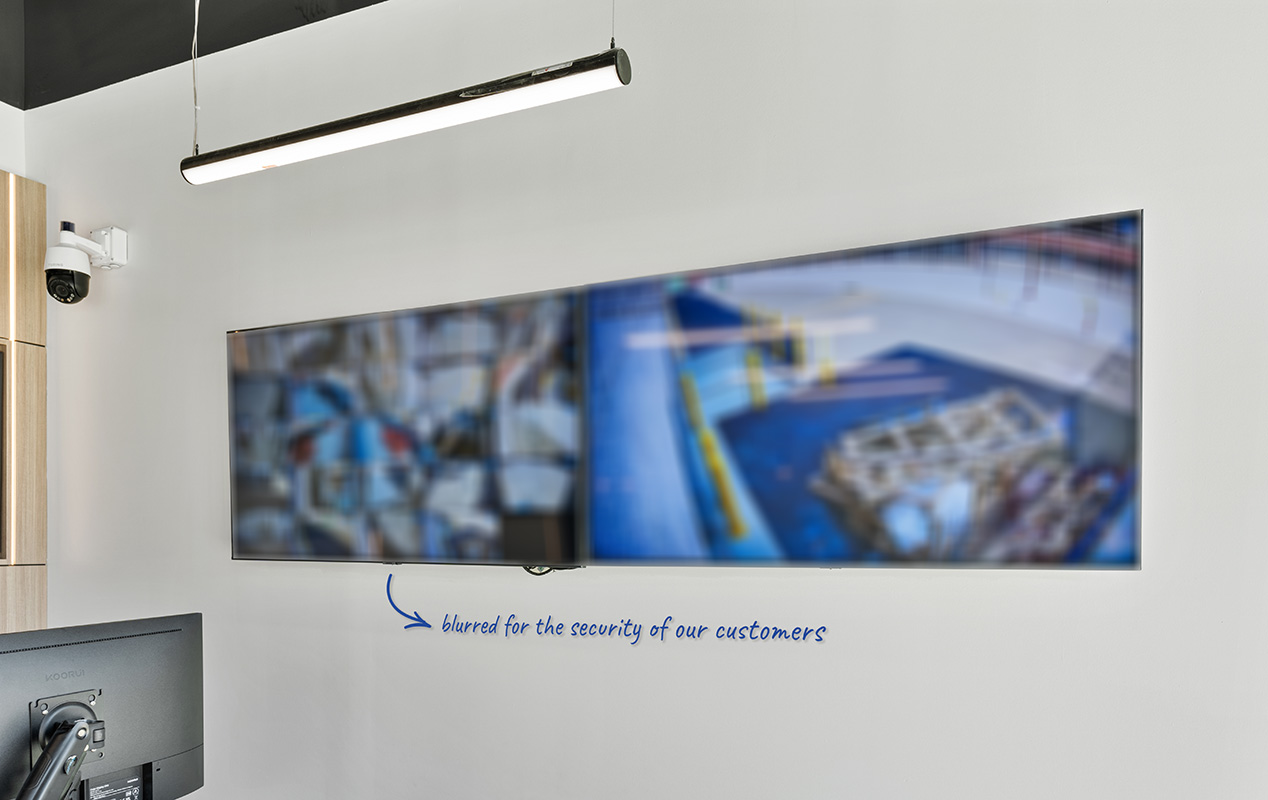
College Point has a historical reputation as an industrial zone. However, 14th Avenue is a major thoroughfare, not a dark, isolated back alley. It is a busy commercial corridor. The best facilities here invest heavily in what security experts call "visible deterrence" and "digital monitoring."
What to look for: You want a facility that doesn't just rely on a padlock. Look for 24-hour video surveillance that covers not just the front gate, but the interior hallways and loading bays.
The "Bright Light" Standard: Visit the facility or look at photos. Is it well-lit? Modern LED lighting in hallways is a standard safety feature that prevents dark corners. A facility like SecureSpace typically prioritizes this "bright and clean" aesthetic, which provides a much greater sense of personal safety for evening visits than older, dimly lit warehouses.
This is a valid and prudent question. College Point is a peninsula, and water is a reality of life here.
The Elevation Factor: Not all of College Point is at the same elevation. 14th Avenue sits slightly inland from the immediate waterfront, offering some natural buffer.
The Facility Defense: Modern construction accounts for this risk. Look for facilities where the ground floor units are raised or where there is a robust drainage system. However, for absolute peace of mind, if you are storing irreplaceable heirlooms or sensitive documents, simply ask for a unit on the second floor or higher. Modern elevators make the access just as easy as the ground floor, and you remove the flood variable entirely from the equation.
It certainly can be. But the secret of the 14th Avenue location is that it allows you to bypass the worst of the congestion.
The Bronx Hack: If you are coming from the Bronx, you exit immediately after the bridge. You do not get stuck in the merge traffic that backs up toward the Van Wyck Expressway. You exit before the bottleneck begins.
The Local Roads: Residents of Whitestone and Flushing know to use College Point Boulevard or Parsons Boulevard to flank the highway. You can navigate to 14th Avenue without ever touching the expressway if your GPS shows red.
While College Point is largely car-centric, it is not transit-void.
The Q65 Bus: This route runs right through the area. It connects to the 7 train at Main Street Flushing. While it is not ideal for moving heavy furniture, for a "check-in" visit to grab a few files or swap out some clothes, it is a reliable and inexpensive link.
Man with a Van: For the initial move-in, local "Man with a Van" services in Queens are plentiful and often significantly cheaper than big moving companies. Because the facility has loading bays, these drivers prefer it over street-side drop-offs. The ease of access means the job gets done faster, which often results in a lower final bill for hourly movers.
We have discussed the "what" and the "where," but we must also address the "why." Why does 131-21 14th Ave consistently appear as a strong option for these specific ZIP codes? It ultimately comes down to a contrast between Modernity and Legacy.
Many storage facilities in Queens and the Bronx are converted factories. They are old buildings repurposed for storage. They often feature freight elevators that break down, loading docks that are too high for SUVs (designed for semi-trucks), and layouts that feel like confusing mazes.
A modern facility like SecureSpace is purpose-built for self-storage.
The Loading Experience: It is designed for regular people driving sedans, minivans, and SUVs, not just professional truckers. The covered loading area means you can unload your Honda CR-V without getting soaked in a rainstorm or freezing in the wind.
The Climate Systems: New HVAC systems are more efficient and reliable than retrofitted ones in 100-year-old brick buildings, providing more consistent protection for your belongings.
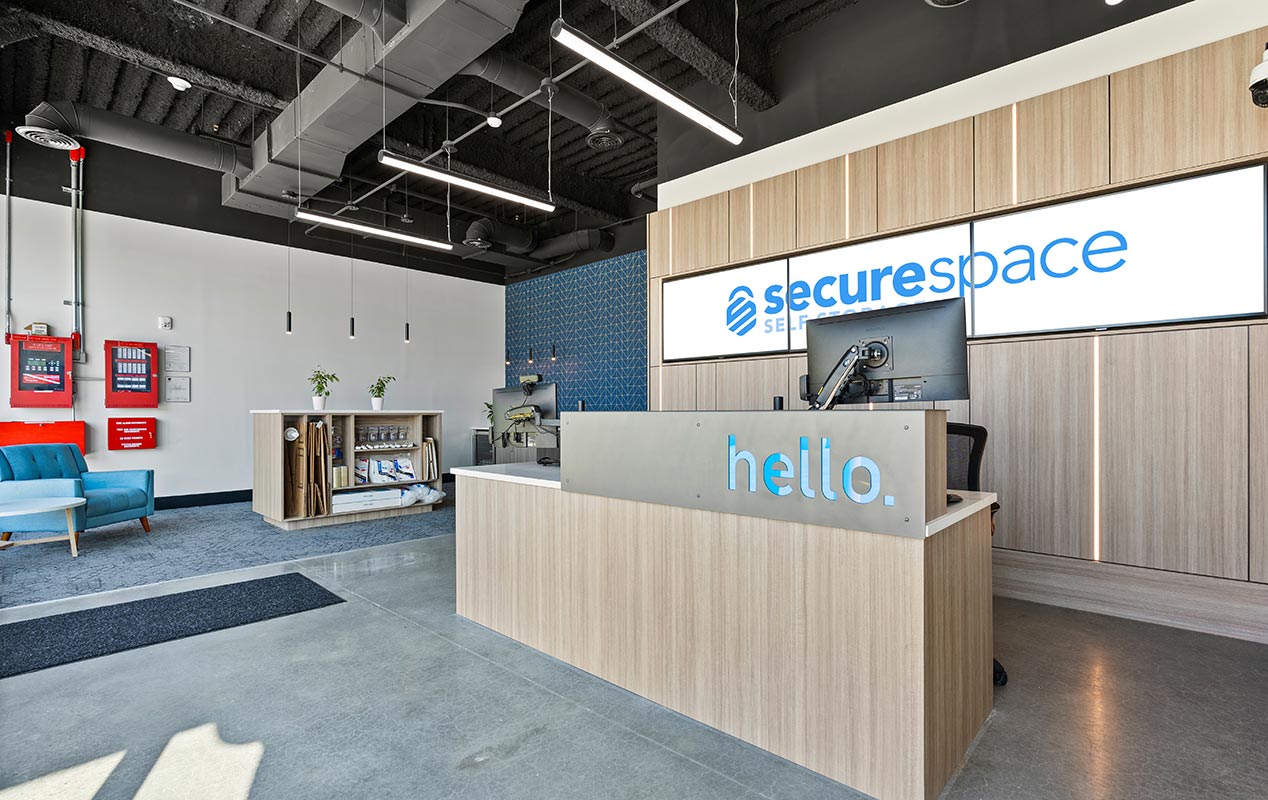
The Digital Interface: The ability to rent online, pay online, and manage access codes via a smartphone fits the lifestyle of the busy professional in Astoria or the business owner in Flushing who does not have time to sit in a leasing office signing paper forms.
It is not just about storing "stuff." It is about the user experience of accessing that stuff. When you are tired, stressed from a move, or rushing to get holiday decorations, the difference between a dark, damp converted factory and a bright, modern facility is immense.
To further support your decision, we need to move beyond generalities and get into the physics of storage. New York apartments and homes have specific layouts that dictate what you are moving and how it should be stored.
If you are moving from a pre-war building, you likely have specific types of belongings:
Heavy Solid Wood Furniture: Dressers, wardrobes (necessitated by the lack of closets), and solid dining sets.
Odd Shapes: Sleigh beds, large dining tables that don't fold, and vintage armoires.
The Storage Implication: You cannot rely on "volume" estimates found on generic websites. You need "floor area." A 5x5 unit might hold 20 boxes, but it won't hold a Queen mattress set plus a vintage armoire.
Recommendation: For pre-war 1-bedroom moves, you should strongly consider bumping up to a 5x10 or 5x15 unit. You need the linear wall space to line up the furniture properly without stacking heavy items dangerously high.
If you are in a post-war condo or semi-detached house:
Modular Furniture: IKEA or Wayfair items that can often be disassembled.
Standard Box Sizes: Your items are likely more uniform and stackable.
The Storage Implication: You can pack denser and higher.
Recommendation: You might fit a modern 1-bedroom apartment's contents into a 5x5 or 5x10 unit if you are willing to disassemble the bed frame and stack boxes safely to the ceiling.
For many residents in 11357 or 10465, the 5x5 unit serves as the "Garage Annex."
Winter: It holds the patio furniture, the BBQ grill (thoroughly cleaned!), and the bicycles.
Summer: It swaps to hold the snow blower, the sleds, and the heavy winter coats.
The Key: This rotation requires discipline. A 5x5 is small (25 sq ft). Use reliable shelving to maximize the vertical space for the smaller items so the floor remains free for the bulky lawnmower or snowblower.
Since we are near the water, humidity is the enemy.
Desiccants are your friend: Throw a few silica gel packets into your electronics boxes and your wardrobe boxes to absorb residual moisture.
Furniture Feet: Never put wood furniture directly on the concrete floor. Even in climate-controlled units, concrete can hold temperature differently than air, leading to condensation. Lay down a plastic sheet or use pallets or 2x4s to create an air gap.
The "Breathe" Rule: Do not wrap wood furniture in plastic tight enough to seal it. Wood needs to breathe. Use furniture pads or cotton blankets, then loosely drape plastic over the top for dust protection.
To maximize your unit and ensure safety, follow a strict layering protocol.
Foundation: Create a foundation with pallets or 2x4s to ensure an airflow gap under your items.
Perimeter: Place the heaviest, sturdiest furniture (dressers, desks) against the walls to create a solid perimeter.
Aisle: Leave a center aisle clear to the back wall. This allows you to walk into the unit and access items without unloading everything.
Verticality: Stack boxes to the ceiling, placing the heaviest boxes at the bottom and lighter, fragile items only at the very top.
Whether you are in 10465 (Throgs Neck) looking across the water, or in 11357 (Whitestone) looking down the street, the decision to rent storage is fundamentally a decision to invest in your own peace of mind.
It is the peace of mind that comes from knowing your basement renovation won't ruin your furniture. It is the peace of knowing your business inventory is safe, dry, and secure. It is the relief of coming home to an apartment in Jackson Heights that isn't cluttered with winter coats in July.
By choosing a location that balances geographic accessibility (14th Avenue) with modern amenities (Climate Control, Security, Covered Loading), you aren't just renting a metal box. You are buying an extension of your home that works as hard as you do.
Take the time to assess your size needs honestly, pack with the local climate in mind, and choose a facility that respects your time and your belongings. In the dense, chaotic, wonderful landscape of New York City, a little extra space is the ultimate luxury. And here in College Point, that luxury is within easy, practical reach.
Everything you need to store your belongings securely, on your schedule.
Visit us online