Last updated Jul 10, 2026
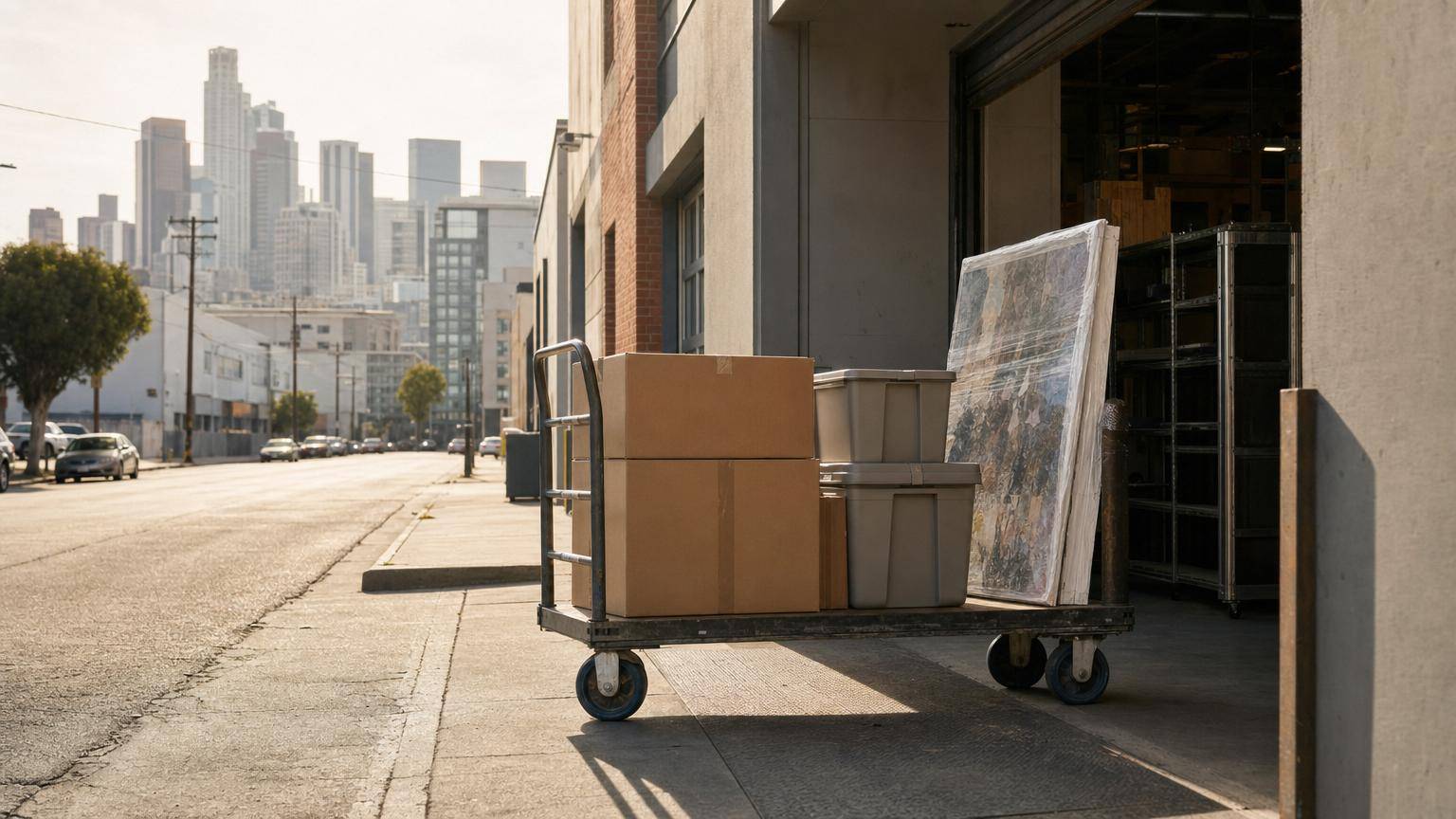
In the rapidly densifying urban fabric of Downtown Los Angeles (DTLA), the effective management of physical space has transitioned from a mere convenience to a critical logistical requirement for both residential viability and commercial efficiency. The metropolitan area, particularly within the 90021 and 90015 zip codes, is currently undergoing a profound transformation characterized by the adaptive reuse of industrial heritage sites into residential lofts and the intensification of commercial velocity in the Fashion District. In this context, the externalization of storage—moving static assets out of high-cost living or retail square footage into dedicated facilities—becomes a primary strategy for operational sustainability.
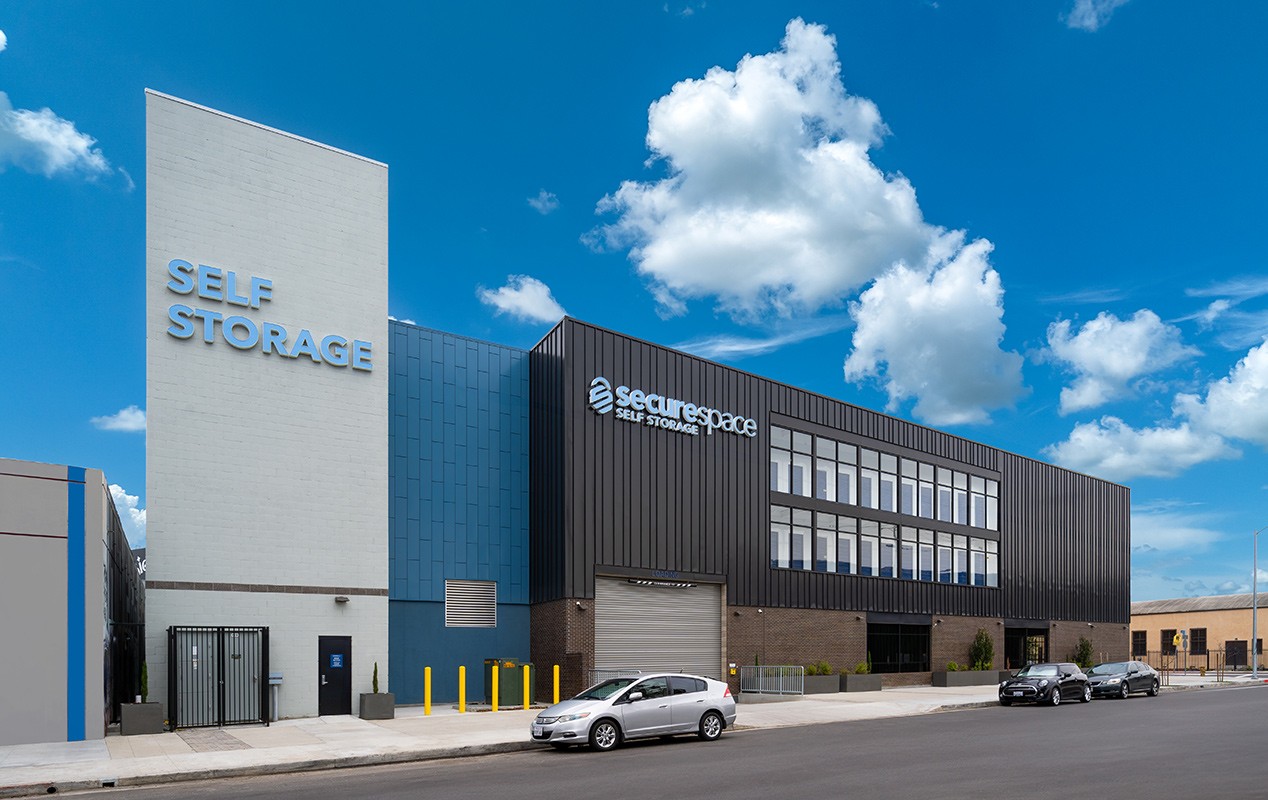
This report provides an exhaustive, expert-level analysis of the self-storage landscape centered on the SecureSpace Self Storage facility located at 1535 Essex Street, Los Angeles, CA 90021. Positioned at the nexus of the I-10 corridor and the Arts District, this facility serves as a "logistical lung" for the surrounding neighborhoods, allowing for the rapid intake and expulsion of goods in a city defined by its spatial constraints.
The analysis that follows is not a brochure; it is a hyper-local decision guide designed for the discerning tenant—whether a loft-dwelling creative, a Fashion District wholesaler, or a USC student navigating the "gap lease" phenomenon. It dissects the facility's role through a "Mixed Market" lens, addressing the specific "in-between" questions of access, preservation, and urban navigation that general listings overlook. By avoiding absolute claims and sales language, this report aims to provide a rigorous, objective assessment of how 1535 Essex Street functions as a node in the complex supply chain of daily Los Angeles life.
The site at 1535 Essex Street functions as a strategic anchor within the "Wholesale District/Arts District" zone of the 90021 zip code. Its location is defined primarily by its adjacency to the Interstate 10 (Santa Monica Freeway), the primary east-west artery of Southern California. This adjacency is not merely a feature of convenience but a fundamental logistical asset. For residents in the dense urban cores of the Historic Core (90013) or Bunker Hill (90012), accessing storage often involves navigating the congested surface streets of downtown. However, the Essex Street location allows for direct freeway access via exits such as San Pedro Street (Exit 14B) and Central Avenue (Exit 15A), bypassing the internal gridlock of the city center.
Geographically, the facility sits at a unique convergence point. To the west lies the high-velocity commercial zone of the Fashion District (90015); to the east, the residential density of Boyle Heights (90033); and to the southwest, the academic hub of the University of Southern California (90007). This positioning allows the facility to serve a diverse catchment area with varying needs—from the bulk inventory management of textile merchants to the seasonal displacement of student housing.
The site is also situated within a "buffer zone" between heavy industrial use and emerging residential developments. The area is characterized by wider streets designed for industrial transport, which, unlike the narrow, one-way alleys of the Jewelry District, facilitates the maneuvering of larger moving trucks and commercial vehicles. This accessibility is a critical factor for tenants who may be utilizing professional movers or renting 26-foot trucks, as it mitigates the risk of navigation errors and parking citations that plague moves in denser parts of the city.
In the context of Downtown Los Angeles, "hyper-local" does not simply mean "nearby." It refers to the specific micro-conditions of a neighborhood—the width of the streets, the hours of the loading zones, the type of housing stock, and the specific environmental risks. For 1535 Essex Street, the hyper-local context is defined by the interplay between industrial legacy and modern residential needs.
The facility is one of only three storage locations within a one-mile radius of downtown. This scarcity is significant given the supply-demand imbalance in the area; the three-mile radius supply of self-storage sits at approximately 2.3 square feet per capita, drastically lower than the national average of 7.0 square feet. This deficit underscores the strategic importance of the Essex Street facility. It is not merely a competitor in a crowded market; it is a critical infrastructure component in an underserved zone.
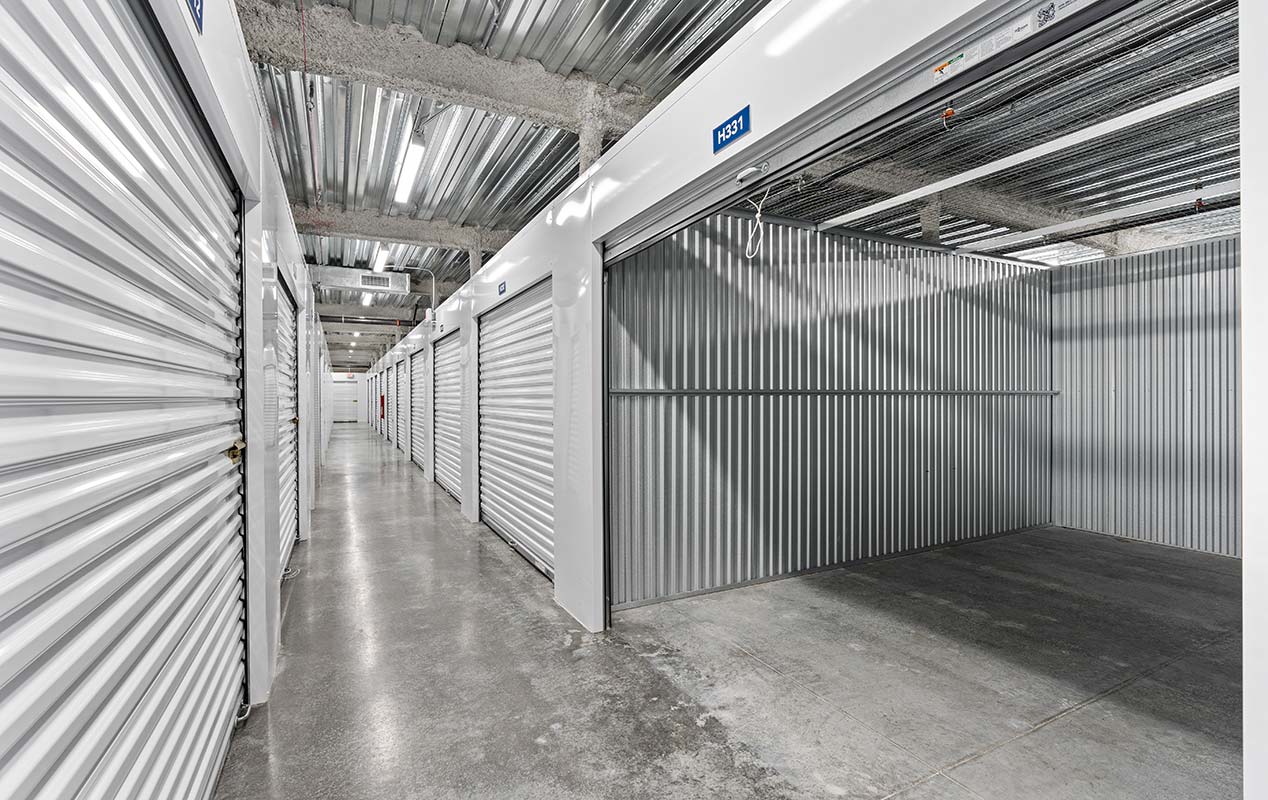
Furthermore, the "Mixed Market" nature of the area means the facility must simultaneously cater to drastically different user profiles. A fashion wholesaler storing fabric rolls has fundamentally different access and climate requirements than a musician storing vintage instruments or a family storing heirlooms during a remodel. The facility's design—featuring multi-level climate control and diverse unit sizes—reflects an architectural response to this heterogeneous demand.
The 90021 zip code, housing the Arts District, presents a unique "adaptive reuse" storage profile. This neighborhood has transitioned from a pure industrial zone to a high-end residential enclave, yet the housing stock remains heavily influenced by its warehouse origins. Residents typically inhabit converted lofts—spaces celebrated for their expansive volume, high ceilings, and open floor plans. However, these architectural features come with a functional trade-off: a severe lack of built-in storage infrastructure.
In a typical Arts District loft, closets are often nonexistent or improvised. The open-concept aesthetic, while visually striking, provides no place to conceal the mundane accumulations of daily life—seasonal clothing, cleaning supplies, or recreational gear. Consequently, for the 90021 resident, external storage is not a luxury for excess goods; it is a structural necessity for maintaining the livability of the home. The storage unit becomes a "detached closet," an extension of the apartment that houses the items that would clutter the open visual lines of a loft.
Moreover, the demographic of the Arts District creates a demand for "creative inventory" preservation. Many residents are active artists, designers, or makers who require space for large-format canvases, sculptures, or production equipment. These items are often bulky, irregularly shaped, and sensitive to environmental fluctuations. The proximity of 1535 Essex allows these creators to treat their unit as a secure archive or staging area, accessible enough for frequent retrieval but distinct from their living and working spaces.
Directly west of the facility lies the Fashion District (90015), a hub of intense commercial activity centered on textiles, apparel, and wholesale trade. Unlike the residential focus of the Arts District, the storage demand here is driven by commercial velocity. Businesses in this zone operate on rapid inventory cycles, with seasons changing fast and stock needing to move fluidly between showrooms, warehouses, and retail floors.
Retail and showroom space in the Fashion District is at a premium. The cost per square foot for a street-level storefront or a Santee Alley stall is significantly higher than that of a storage unit. As a result, local businesses utilize facilities like SecureSpace as "satellite warehouses". This strategy allows them to maximize their high-value showroom space for display and sales while keeping bulk inventory nearby but off-site.
The specific requirement for this demographic is logistical efficiency. A business owner cannot afford to spend hours navigating a complex entry process to retrieve a box of samples. The "velocity" of the Fashion District demands features like drive-up access, large loading docks capable of handling pallets, and wide elevators that accommodate rolling garment racks. The facility's infrastructure supports this need, allowing for the rapid ingress and egress of goods that is essential for maintaining the pulse of a wholesale operation.
To the east, across the LA River, Boyle Heights (90033) presents a starkly different demographic and storage profile. This neighborhood is characterized by high residential density, often featuring multi-generational households living in single-family homes or apartment complexes. The housing stock is older, and space is often shared among extended family members, leading to a condition of "spatial compression."
For households in Boyle Heights, the storage need is driven by displacement management. As families grow, children return home, or elders move in, the available square footage per person shrinks. The need to store furniture, heirlooms, and seasonal items becomes acute, yet there is no room within the primary residence. SecureSpace serves as a "pressure release valve" for these households. It offers a secure, climate-controlled environment for items that hold deep sentimental or functional value—such as holiday decorations, winter clothing, or archived documents—but simply cannot fit within the crowded residential footprint.
Additionally, parking in Boyle Heights is a notorious challenge, with street cleaning restrictions and permit zones creating a constant battle for curb space. The facility's potential for vehicle storage or simply providing a secure place to offload items that would otherwise clutter a garage (if one exists) is a significant value add for this community. The "Mixed Market" lens acknowledges that for 90033 residents, storage is often about reclaiming living space for people rather than just storing things.
Located to the southwest, the University of Southern California (USC) in zip code 90007 generates a highly predictable, cyclical demand for storage. The student population represents a "transient" demographic, with housing needs that fluctuate wildly based on the academic calendar.
The primary driver for this group is the "Gap Lease" phenomenon. Students often face a logistical gap of anywhere from a few days to a few weeks between the end of a spring lease and the start of a fall lease, or during summer breaks when they may return home. Carrying all possessions back to a parent's home out of state is often cost-prohibitive. 1535 Essex Street provides a strategic solution for this "in-between" state.
For the student demographic, lease flexibility is paramount. A long-term contract is a liability; they require month-to-month options that align with their semester schedules. Security is also a major concern, as students often store high-value electronics (computers, gaming consoles) and textbooks. The facility's tailored solutions for students suggest an operational awareness of these needs, likely offering streamlined digital leasing processes that allow students (or their parents) to secure space remotely before the chaotic move-out week begins.
Residents of the Historic Core (90013) and the Jewelry District (90014) live in some of the densest, most vertically oriented environments in Los Angeles. These neighborhoods are defined by high-rise adaptive reuse projects—old bank buildings and department stores converted into apartments. While centrally located, these units often suffer from the same lack of storage as Arts District lofts, but with even smaller square footage footprints.
For the Vertical Dweller, the challenge is not just storage space but access. Navigating a move in the Historic Core involves dealing with loading zones that are constantly occupied by delivery trucks, strict elevator reservation times, and the general chaos of Broadway or Spring Street traffic. 1535 Essex offers a relief point. By moving bulk items to a facility with a dedicated loading dock and parking, residents can de-clutter their high-rise apartments without the daily struggle of managing excess inventory in a building with limited service elevator access. The facility acts as an "external closet" that is easily accessible by car, bypassing the logistical friction of the Historic Core's narrow streets.
One of the most critical "in-between" questions for prospective renters—often realized only after the lease is signed—concerns the physical act of moving goods into the unit. At 1535 Essex Street, the infrastructure is designed to mitigate the physical strain of urban logistics through a covered loading bay.
In the context of the Los Angeles climate, this feature is of paramount importance. While rain is infrequent, the intense solar exposure and heat of the LA basin can damage sensitive items during the unloading process. A covered bay provides a "climate buffer," allowing tenants to transfer goods from their vehicle to the climate-controlled interior without direct exposure to the searing midday sun or the occasional winter downpour. This protection is vital for items like wax-based art, delicate electronics, or antique wood furniture that can suffer from thermal shock.
Furthermore, the presence of a loading dock implies the ability to accommodate larger vehicles. For commercial tenants in the Fashion District using box trucks, or residents hiring professional movers, a loading dock—as opposed to a simple street-level entrance—dramatically reduces load-in times. Professional movers often charge by the hour; the efficiency gained by backing a truck directly up to a dock, rather than shuttling items from a curbside parking spot, translates directly into cost savings and reduced physical fatigue.
As a multi-story facility spanning four floors and nearly 100,000 square feet, 1535 Essex relies on large, freight-capable elevators to facilitate vertical movement. The distinction between a "passenger" elevator and a "freight" elevator is crucial for storage. Passenger elevators are often too narrow for large furniture items like sofas or king-sized mattresses. The facility's elevators are specifically designed to accommodate furniture dollies, mattress carts, and pallet jacks, ensuring that a unit on the 4th floor is as functionally accessible as one on the ground floor.
The facility also features complimentary carts and dollies. This seemingly minor amenity is a significant logistical multiplier. It allows a single individual to move multiple boxes or heavy items with relative ease, reducing the number of trips required between the vehicle and the unit. For the "DIY Mover"—a common profile among students and young professionals—this infrastructure turns a back-breaking task into a manageable process.
The security apparatus at 1535 Essex is not a single feature but a layered system designed to provide "defense in depth."
The Hard Perimeter: The security begins at the street level with a gated entrance. This ensures that only authorized vehicles can enter the loading and parking zones. In an urban environment like DTLA, where unauthorized loitering or vehicle break-ins can be a concern, this "hard perimeter" is essential for tenant safety and peace of mind.
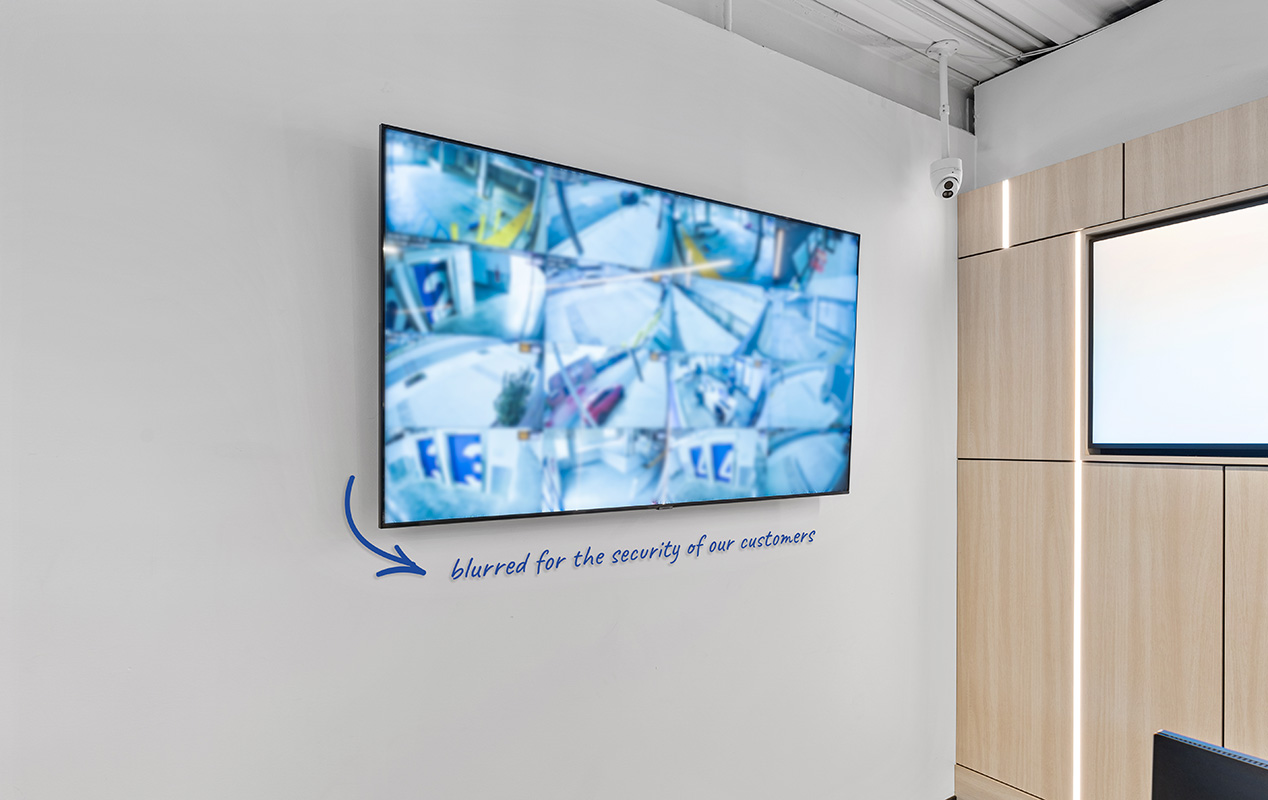
Digital Surveillance: Inside the perimeter, the facility employs 24-hour digital video recording. Cameras are strategically placed to monitor entry points, hallways, and elevators, creating a digital audit trail of all activity within the facility.
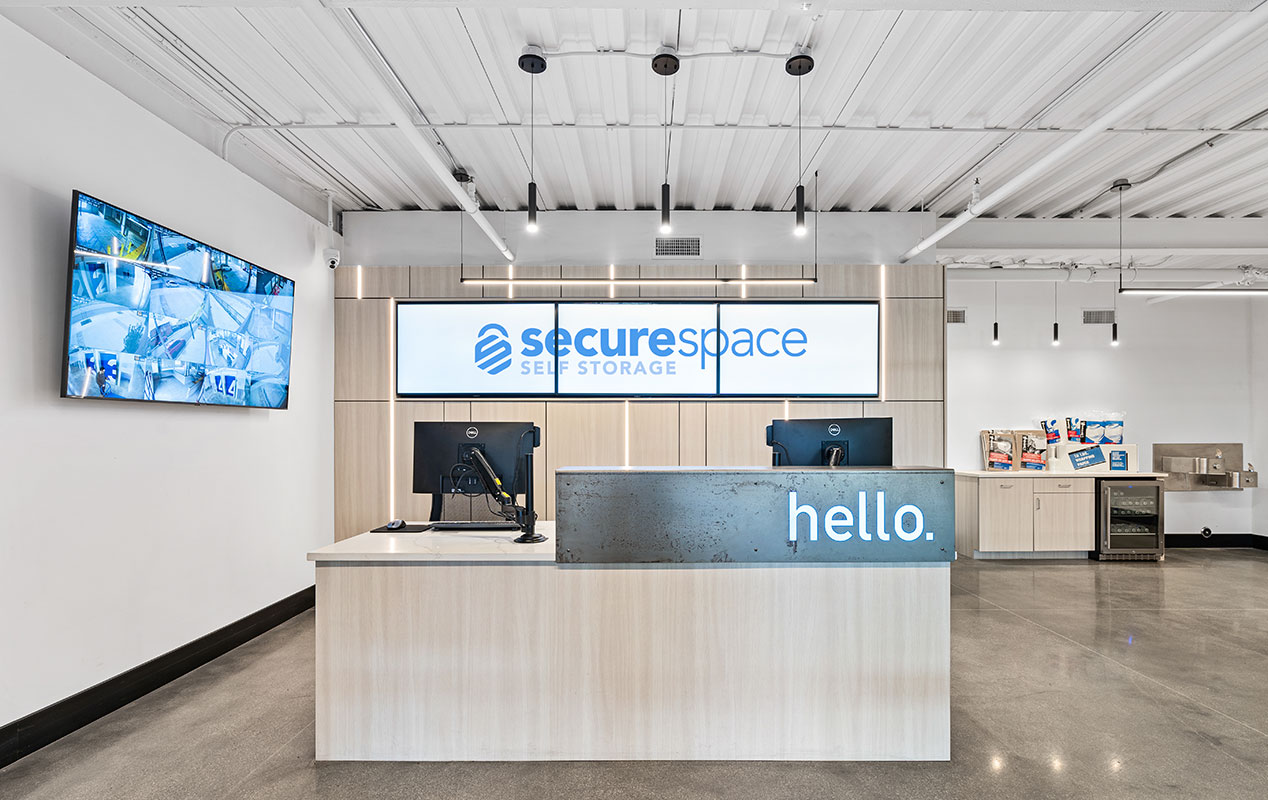
Human Oversight: Crucially, the facility features an on-site manager. This human presence is a significant differentiator in an industry that is increasingly moving toward fully automated, unmanned "kiosk" models. An on-site manager provides active deterrence, operational oversight, and immediate assistance in the event of an issue. For tenants storing high-value items—whether commercial inventory or personal heirlooms—this "human-in-the-loop" security model offers a higher tier of reassurance than purely automated systems.
Unit-Level Security: Finally, individual units are secured with electronic gate access and personal locks. The integration of contactless renting allows tenants to manage their access codes via digital platforms, reducing the risk of lost keys or shared codes.
Navigating to 1535 Essex Street requires an understanding of the micro-traffic patterns of the I-10 corridor. The facility is touted as being "directly accessible" from the I-10, a claim that holds up under scrutiny but requires specific navigational knowledge. The facility is located south of the I-10, near the convergence of the I-10 and the CA-60.
For drivers approaching from the West (Santa Monica, Culver City), the most strategic exits are San Pedro St (Exit 14B) or Central Ave (Exit 15A). These exits deposit the driver onto the surface streets of the Fashion District, just a few blocks from Essex Street. The transition from freeway velocity to local street congestion can be abrupt. The streets here—16th St, Washington Blvd—are often congested with delivery trucks servicing the industrial businesses.
For drivers approaching from the East (Inland Empire, SGV), the exit at Santa Fe Ave (Exit 16A) or Alameda St is often the most direct route. This approach takes the driver through the heart of the Arts District.
The "In-Between" challenge here is timing. The I-10 is one of the busiest freeways in the world. Tenants should plan their visits during "off-peak" logistical hours to avoid the gridlock. The optimal windows are typically mid-morning (10:00 AM - 11:30 AM) and mid-afternoon (1:30 PM - 3:00 PM). These windows avoid the morning rush, the lunch hour congestion, and the early departure of warehouse shifts in the afternoon.
Downtown Los Angeles is a maze of one-way streets, designed to facilitate the flow of commuters but often confusing for the occasional visitor. While major arteries like Spring St and Main St are well-known one-way thoroughfares, the smaller industrial streets around Essex can also present challenges. Drivers should be aware that navigation apps like Waze or Google Maps are essential for real-time adjustments, as road work or temporary closures for filming or construction are common in the area.
The specific approach to 1535 Essex typically involves turning onto Essex Street from a larger cross-street like Washington Blvd or 16th St. Drivers should be prepared for the presence of heavy trucks turning wide; patience is a virtue in this industrial zone.
Street parking in Downtown LA is a notorious friction point, regulated by a complex system of color-coded curbs. While 1535 Essex offers on-site parking for customers while they are at the facility, overflow situations or the need to visit nearby businesses may require street parking. Understanding the rules is vital to avoiding costly citations:
Yellow Zones: These are commercial loading zones. In Los Angeles, they are typically enforced Mon–Sat, 7am–6pm. Crucially, after 6pm and on Sundays, they often revert to open parking (unless specific signage says otherwise). This is a critical "hack" for tenants moving items in the evening or on weekends.
Green Zones: These indicate short-term parking (usually 15 or 30 minutes). They are ideal for quick stops to sign documents or drop off a single box, but should not be used for a full move-in.
Red Zones: Absolute "No Stopping" zones. Never park here, even for a minute. The risk of immediate towing is high, especially in fire lanes or near hydrants.
Street Cleaning: The neighborhoods in 90021 and 90015 have specific street sweeping schedules. These are strictly enforced. Always check the posted signs for the specific day and time (e.g., "No Parking Tuesday 8am-10am"). Never assume a street is safe just because it is empty.
For tenants renting a moving truck (U-Haul, Penske), the logistics shift from "parking" to "loading." Large moving trucks often cannot fit into standard parking stalls or structures with low clearance.
The Clearance Advantage: Reviews for 1535 Essex highlight a "garage with a huge gate to fit any truck". This confirms that the facility is designed to accommodate the height and turning radius of larger moving vehicles, likely up to 26 feet. This is a massive advantage over facilities that require curbside unloading.
Curbside Risks: Unloading a moving truck from the curb in DTLA is fraught with risk—from traffic hazards to parking citations for blocking lanes. The ability to pull the truck inside the secure perimeter of the facility provides not only security for the goods but safety for the movers.
Los Angeles is often perceived as having a benign climate, but for stored goods, the reality is more hostile. The city experiences significant temperature fluctuations, and the "Urban Heat Island" effect in Downtown can push temperatures well into the 90s or 100s during summer and autumn months.
Thermal Cycling: Without climate control, the temperature inside a standard metal storage unit can spike during the day and drop at night. This "thermal cycling" causes materials to expand and contract repeatedly. Over time, this leads to warping in wood furniture, cracking in leather, and the degradation of adhesives in electronics and book bindings.
Humidity Management: While LA is generally dry, periods of humidity (such as "June Gloom" or winter storms) can introduce moisture. Conversely, extreme dryness can make paper and fabrics brittle. Climate-controlled units maintain a stable temperature range, mitigating these extremes and creating a "stasis" environment for sensitive items.
A hyper-local concern for Los Angeles storage—one that is often overlooked—is particulate matter. The LA basin is prone to smog, and increasingly, wildfire ash.
The Ash Threat: During fire season (typically late spring through autumn), wildfire smoke can carry fine ash miles from the burn zone. This ash is not just dust; it is often acidic and abrasive. If it settles on stored fabrics, art, or electronics, it can cause chemical damage or permanent staining.
Mitigation Strategy: Indoor, climate-controlled units at 1535 Essex offer a sealed environment that filters out external air, significantly reducing ash infiltration compared to drive-up, outdoor units.
Packing for Particulates: For maximum protection, tenants should use plastic bins with airtight seals rather than cardboard boxes. Cardboard is porous and can absorb moisture and odors; it offers little protection against fine ash. For delicate fabrics (fashion inventory), breathable garment bags inside sealed containers are recommended to prevent yellowing while blocking dust.
Fashion Inventory (90015): The Fashion District tenant must protect against "creasing" and "yellowing." Vertical wardrobe boxes are essential for hanging garments to prevent permanent creases. Utilizing acid-free tissue paper between layers prevents discoloration over time.
Art & Archival (90021): The Arts District tenant storing canvases or paper must prioritize climate control to prevent mold (foxing) on paper and warping of stretcher bars. Art should never be stored directly on the concrete floor; raising it on pallets or shelving allows for airflow and protects against potential moisture wicking.
Electronics (General): Heat is the enemy of batteries and circuits. Extreme heat can cause batteries to leak and capacitors to fail. Climate control is non-negotiable for storing computers, cameras, or vintage audio equipment.
Selecting the correct unit size is a geometric puzzle that directly impacts the monthly budget. In the high-cost environment of Los Angeles, paying for "air" is inefficient. In the context of 1535 Essex, unit sizes typically range from small lockers to large warehouse-style spaces. Understanding the capacity of these units is key to optimization.
Unit Size — Approx Sq. Ft. — Ideal For... — Comparable To...
5' x 5' — 25 sq. ft. — Boxes, suitcases, seasonal gear, small furniture. — Walk-in closet
5' x 10' — 50 sq. ft. — Studio apartment contents (mattress, sofa, boxes). — Large walk-in closet / Small shed
10' x 10' — 100 sq. ft. — 1-Bedroom apartment (including appliances). — Average bedroom
10' x 15' — 150 sq. ft. — 2-Bedroom apartment or small house. — Large master bedroom
10' x 20' — 200 sq. ft. — 3-Bedroom house or Vehicle Storage. — Standard one-car garage
A critical, often overlooked dimension in self-storage is height. Storage units typically have ceiling heights of around 8 feet.
Volume vs. Area: A 5x5 unit offers 25 square feet of floor, but 200 cubic feet of volume.
Optimization Strategy: To maximize value, tenants must think vertically. Shelving units (freestanding metal racks) are the most effective force multiplier in storage. By placing a rack in a 5x5 unit, a tenant can store 4x the amount of boxes without crushing the bottom layer.
Mattress Storage: Mattresses should always be stored vertically (on their long edge) to save floor space. They should be wrapped in a protective plastic cover to prevent dust ingress and potential damage from friction against the wall.
The way a unit is packed determines its utility.
The "Aisle" Method: For units larger than 5x10, always leave a center aisle. This allows access to items at the back of the unit without having to unpack the front.
Labeling: All boxes should be labeled on the side, not the top, so labels are visible when stacked.
Heavy-to-Light: Heavier boxes must go on the bottom to prevent crushing.
Frequency of Use: Items needed frequently (documents, seasonal clothes) should be placed near the door. Long-term archival items go in the back.
A common scenario for USC students and renters in Los Angeles is the "Gap Lease"—the awkward period (often 3 to 10 days) between the end of one lease and the start of another.
The Challenge: Leases often end on the 31st of the month, but the new lease may not begin until the 1st or even the 5th. This creates a period of homelessness for the tenant's possessions.
The Solution: SecureSpace functions as a "logistical bridge." The month-to-month rental agreement allows for short-term usage. Tenants can move their entire household into a 10x10 or 10x15 unit, stay with a friend or in a hotel for the gap days, and then move out.
Cost vs. Convenience: While moving twice (Apartment -> Storage -> Apartment) is labor-intensive, it is often the only viable option when lease dates do not align. The covered loading dock at Essex St significantly reduces the "pain" of this double-move by streamlining the physical labor.
Successful moving in DTLA requires a disciplined schedule to avoid traffic and heat:
08:00 AM: Begin loading the truck at the origin (e.g., the apartment).
10:30 AM: Transit to 1535 Essex St. Aim to arrive after the morning rush hour traffic on the I-10 has subsided but before lunch.
11:00 AM: Check-in. Use the covered loading bay to unload. By this time, the sun is high, so the shade of the bay is crucial for crew comfort and protecting goods.
12:30 PM: Lunch Break. The facility is near Little Tokyo and Grand Central Market, offering world-class dining options for a mid-move break. This is a "lifestyle" benefit of the location—the ability to turn a grueling moving day into a culinary excursion.
02:00 PM: Final organization of the unit. Ensure heavy items are at the bottom, labels are facing out, and a walkway is left for access.
03:30 PM: Departure. Leave the area before the heavy I-10 East/West afternoon commute begins in earnest.
For those renting trucks, be aware of specific regulations.
Permits: While parking inside the facility is private, if you must park on the street to load at your apartment, you may need a moving permit from LADOT to reserve curb space.
Route Planning: Ensure your route to Essex St does not involve low bridges or weight-restricted residential streets. Stick to major commercial corridors like Washington Blvd and Alameda St.
SecureSpace Self Storage at 1535 Essex Street represents a high-value logistical asset for the Downtown Los Angeles ecosystem. Its value proposition is defined not just by the "space" it provides, but by its strategic accessibility and infrastructure.
For the Arts District Resident (90021): It is a climate-controlled vault for creative output and lifestyle gear, effectively compensating for the open but storage-poor nature of loft living.
For the Fashion District Business (90015): It serves as a scalable supply chain node, offering a loading dock and proximity to retail centers without the prohibitive overhead of commercial warehousing.
For the USC Student (90007): It is a secure, flexible bridge over the troubled waters of lease gaps and semester breaks, offering peace of mind for high-value electronics and textbooks.
For the Boyle Heights Family (90033): It acts as a pressure release valve for multi-generational homes, providing secure overflow space for cherished possessions.
The facility's modern infrastructure—characterized by covered loading, high-tech security layers, and climate control—addresses the specific environmental and security risks of the area. While navigating the traffic of the I-10 and understanding local parking regulations require careful planning, the location's centrality makes it an unavoidable and highly effective hub for anyone managing the complex physics of living and working in Central Los Angeles. By viewing this facility not as a passive garage but as an active component of their urban infrastructure, tenants can significantly enhance their quality of life and operational efficiency in Downtown Los Angeles.
Everything you need to store your belongings securely, on your schedule.
Visit us online