Last updated Jul 10, 2026
In the heart of the Puget Sound region, specifically within the bustling corridors of Federal Way, North East Tacoma, and the surrounding valleys of Milton and Edgewood, the concept of "space" is in a constant state of flux. This region, defined by its strategic position between Seattle and Tacoma, serves as a dynamic transition zone for thousands of families, professionals, and businesses. Here, storage is rarely about the passive accumulation of "stuff." Instead, it represents the active management of life's transitions—the "in-between" moments that define the local experience.
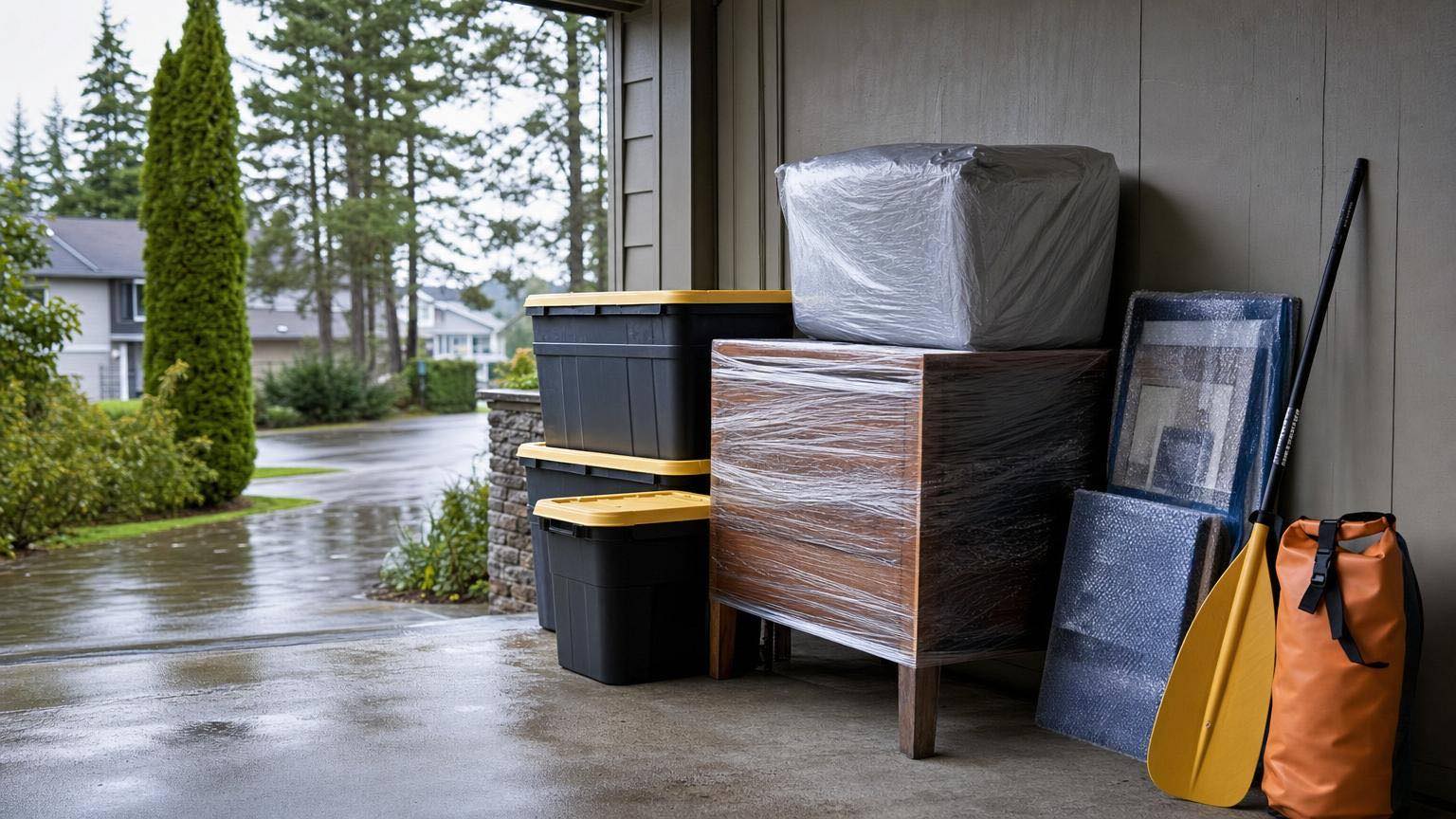
For residents of Federal Way (98003, 98023), North East Tacoma (98422), Milton (98354), and Pacific (98047), the decision to seek external storage is often triggered by the unique geography and housing evolution of the Pacific Northwest. It might be the renovation of a classic 1970s split-level home in Twin Lakes, where opening up a floor plan requires a temporary "surge tank" for furniture. It might be the downsizing journey from a sprawling lot in Edgewood to a streamlined condo in the City Center, necessitating a strategic culling of decades of possessions. Or perhaps it is the simple, perennial battle to reclaim the garage from the damp grasp of the rainy season, finding a dry haven for the camping gear, kayaks, and holiday decorations that define the Northwest lifestyle.
However, the search for storage in this specific corridor is not a generic task; it is a complex logistical puzzle. The area is defined by its relationship to major arteries—Interstate 5, Pacific Highway (Hwy 99), and the valleys that separate the residential "hills" from the commercial "flats." Finding a storage location is not merely a calculation of square footage and price; it is about finding a facility that fits seamlessly into the natural rhythm of daily errands, avoids the notorious gridlock of the I-5/Hwy 18 interchange, and offers a secure environment capable of mitigating the region's pervasive humidity.
This guide is designed to be the definitive, expert-level resource for residents in these ZIP codes. It moves beyond the superficial advice found on generic aggregator sites to address the hyper-local reality: the steep driveways of Marine Hills that make portable storage containers impractical, the strict Homeowners Association (HOA) restrictions in Redondo that ban boat parking, and the subtle traffic patterns that make a facility on 16th Ave S far more accessible than one buried deep in the industrial tideflats of Fife.
Most first-time storage renters in the Federal Way area underestimate the complexity of the local landscape until they are knee-deep in boxes. Through extensive analysis of local traffic data, housing characteristics, and consumer reviews, we have identified three critical factors that should drive every storage decision in this market:
In South King County, distance is measured in minutes, not miles. A facility might appear to be conveniently located on a digital map, but if accessing it requires crossing the congested I-5/Hwy 18 interchange or navigating the dense retail traffic on S 320th St near The Commons during rush hour, a "quick trip" to drop off a box can easily transform into a stressful 45-minute chore. The "Traffic Tax" is the hidden cost of time and frustration levied by poor location choices. Smart storage decisions prioritize facilities positioned on arterial "back roads"—like 16th Ave S—that allow residents to bypass the commercial chokepoints while remaining centrally located.
In the Puget Sound convergence zone, "dry" is a relative and often fleeting term. The region experiences high humidity levels for a significant portion of the year, creating a persistent threat to stored goods. Without the mitigation provided by climate-controlled options or advanced packing techniques, items stored in standard outdoor drive-up units are vulnerable to the pervasive dampness that characterizes the local climate. Understanding the physics of dew points and condensation inside a steel storage unit is essential for preserving wood furniture, electronics, and sensitive textiles.
How often you need to visit your unit is the single most important variable in determining the "right" facility. A business owner storing inventory needs daily access and wide drive aisles for loading vehicles. A homeowner storing seasonal holiday decorations may only visit twice a year. The "friction" of access—determined by gate hours, proximity to daily commute routes, and the physical layout of the facility—must match the user's frequency needs. A cheap unit that is difficult to access quickly becomes a "black hole" where items are forgotten and abandoned.
This report breaks down these factors by neighborhood, providing a granular, expert-level analysis of how to make the smartest storage decision for your specific location, housing type, and lifestyle.
The storage needs of a resident in a condo near The Commons differ vastly from those of a homeowner in a gated community in North East Tacoma. This section analyzes the specific "storage triggers" and logistical considerations for the primary neighborhoods served by the 16th Ave S location, moving street by street to uncover the real-world dynamics of storage in South King County.
The Neighborhood Profile:
The 98023 ZIP code is the residential anchor of western Federal Way. It is characterized by established suburban subdivisions, winding streets, and a distinctive mix of housing stock ranging from 1970s split-level homes to larger, view-oriented properties in Marine Hills. The presence of the Twin Lakes Golf and Country Club and the proximity to Dash Point State Park create a quiet, recreational atmosphere that appeals to families and retirees alike.
The Storage Triggers:
Strict HOA Restrictions: One of the primary drivers for storage in this area is the enforcement of neighborhood covenants. Many subdivisions in Twin Lakes and Marine Hills have strict Covenants, Conditions, and Restrictions (CC&Rs) regarding the parking of recreational vehicles (RVs), boats, and trailers. The Twin Lakes HOA, for example, explicitly prohibits street parking for these vehicles and often requires them to be parked in designated off-street areas or garages, which many properties lack. For residents who own boats to enjoy the nearby Puget Sound, this creates an immediate and non-negotiable need for secure, off-site vehicle storage.
The "Split-Level" Renovation Challenge: A significant portion of the housing stock in Twin Lakes comprises split-level or tri-level homes built in the 1970s and 80s. These homes are currently prime targets for modernization—opening up floor plans, updating kitchens, and finishing basements to create "great rooms". A renovation in a split-level home is uniquely disruptive; unlike a sprawling ranch where one wing can be sealed off, a split-level remodel often impacts the central circulation of the home. There is no "back room" to hide furniture in. Consequently, storage becomes a temporary "surge tank" for household goods during these intensive 3-6 month projects.
Decluttering for Views: In neighborhoods like Marine Hills, where property value is often tied to panoramic views of the Puget Sound and the Olympic Mountains, decluttering is a strategic move for resale. Removing bulky furniture to open up sightlines and create a sense of spaciousness is a common tactic realtors advise before listing a home. This "staging storage" requires a clean, accessible unit where items can be kept in showroom condition.
Logistics & Route:
Residents in 98023 often dread the trek to the I-5 corridor. The traffic patterns around the mall and the freeway entrances can be stifling. The most efficient route to the 16th Ave S facility for these residents is via SW 356th St or SW 320th St, cutting across to Pacific Highway or 16th Ave S directly. This route avoids the heavy commercial traffic near The Commons. The location on 16th Ave S feels like a natural extension of the neighborhood commute—a "back road" convenience rather than a highway excursion.
The Neighborhood Profile:
Geographically isolated from the rest of Tacoma by the industrial tideflats, the 98422 ZIP code is a peninsula community that often functions more like a southern extension of Federal Way than a northern appendage of Tacoma. It features newer developments, high-end custom homes in Browns Point, and a significant number of residents who commute north to Seattle or Bellevue for work.
The Storage Triggers:
The "Commuter Shield": Residents here face a significant psychological and physical barrier when it comes to driving south into Tacoma for services: the congestion around the Port of Tacoma and the infamous I-5 curve. Driving north on local roads (like Norpoint Way NE which turns into 16th Ave S) is often faster, more predictable, and less stressful. This makes a Federal Way storage location practically more accessible than one in Tacoma proper.
High-Value Recreation: This is a boating community. With the Tyee Marina and multiple points of access to Commencement Bay nearby, boat storage is a premium need. However, the steep topography of the area—defined by cliffs and hillside lots—means many properties lack the flat driveway space required to park a trailer safely. Even if HOA rules allowed it, the physics of the terrain often do not.
Garage Reclaiming: Newer developments in NE Tacoma often feature smaller lots with maximized interior square footage. This trade-off often leaves smaller, tighter garages that quickly fill with outdoor gear, kayaks, and holiday decor, forcing vehicles into the driveway. Reclaiming the garage for parking often requires an external storage release valve.
Logistics & Route:
The "back door" route is the secret weapon for 98422 residents. Instead of taking I-5, locals take Norpoint Way NE, which seamlessly becomes 16th Ave S as you cross the county line. This makes the SecureSpace location on 16th Ave S uniquely accessible—it is practically a straight shot north, requiring zero highway driving and avoiding the industrial grime of the port area.
The Neighborhood Profile:
This is the dense, commercial heart of the city. It contains a high concentration of apartment complexes, condos, and senior living facilities centered around The Commons mall and the transit center. It is walkable, busy, and space-constrained.
The Storage Triggers:
Apartment Overflow: With studio and one-bedroom apartments in complexes like Park 16 averaging around 675 sq. ft., closet space is at a premium. Residents effectively use 5x5 or 5x10 storage units as a "detached closet" for seasonal wardrobes, camping gear, and sports equipment that simply won't fit in the apartment.
Transitional Living: The high rental population means frequent moves. "Gap storage"—holding items for 2-4 weeks between lease start dates—is a common scenario. This requires a facility with flexible month-to-month leases and easy administrative processes.
Business Inventory: Small business owners operating out of the city center often lack back-room storage. A secure, climate-controlled unit serves as a cost-effective warehouse for document archiving, retail stock, or promotional materials.
Logistics & Route:
For 98003 residents, proximity is key. The facility at 34202 16th Ave S is centrally located but set back enough to offer easy drive-up access without the hassle of a downtown parking garage. It serves as a "neighborhood pantry" for stuff—close enough to visit weekly without extensive planning.
The Neighborhood Profile:
Historically rural areas that are rapidly suburbanizing, Milton and Edgewood ("The Hill" and "The Valley") offer larger lots and a mix of old farmhouses and new construction. The transition from agricultural roots to bedroom communities creates unique storage dynamics.
The Storage Triggers:
The "New Build" Downsize: Long-time residents selling large tracts of land to developers often move into smaller, newer homes in the same area. This drastic reduction in acreage and barn space necessitates storage for tools, equipment, and family heirlooms that don't fit the modern minimalist aesthetic of the new construction.
RV & Boat Storage: While some lots are large, new HOA-governed subdivisions in Edgewood often ban outdoor storage of recreational vehicles, pushing owners to find secure facilities nearby.
Seasonal Equipment: The larger lots in this area require more maintenance equipment—riding mowers, aerators, etc.—that may need off-season storage to keep the garage clear for vehicles during the winter.
Logistics & Route:
Residents here utilize Military Road S or Pacific Highway to head north. The drive to 16th Ave S is a quick run up the hill, avoiding the congestion of the Fife valley floor and providing a convenient stop on the way to services in Federal Way.
The Neighborhood Profile:
Situated in the valley floor, Pacific and Algona are tight-knit communities with a mix of industrial zones and residential pockets. The area is defined by its flatness and its susceptibility to environmental factors like flooding.
The Storage Triggers:
Flood Zone Mitigation: Being in the White River valley, some properties are in or near flood zones. Residents often use storage units on higher ground (like the 16th Ave S location) to safeguard heirlooms, documents, and valuable electronics from potential water damage during heavy rain events.
Space Maximization: Homes in Algona are often smaller, older bungalows with limited integrated storage. External units provide necessary breathing room for growing families.
Logistics & Route:
The drive north on West Valley Highway or Pacific Highway is a straightforward commute. The facility's location provides a secure, elevated alternative to valley-floor storage options.
Federal Way is a quintessential "Mixed Market," meaning it doesn't fit neatly into just "urban" or "suburban" categories. It is a blend, and the storage needs reflect this diversity. Here are the most common scenarios played out by locals, illustrating how different life events translate into specific storage requirements.
Scenario: You live in a 2,200 sq. ft. home in Adelaide or Twin Lakes. You have finally decided to knock down the wall between the kitchen and the dining room to create that open-concept living space you've seen on HGTV.
The Problem: You don't just need to move the dining table; you need to clear the entire main floor to protect your furniture from drywall dust, paint fumes, and the inevitable traffic of contractors.
The Storage Solution:
Size: A 10x20 unit is often the standard recommendation for a 3-4 bedroom household renovation. It can hold the contents of a living room, dining room, and kitchen comfortably, including large appliances if necessary.
Type: Drive-up access is critical here. You will likely be moving heavy furniture (sofas, china hutches, dining tables) and want to back a moving truck or trailer right up to the door rather than navigating elevators and hallways with heavy dollies.
Duration: Most renovations run longer than expected. Plan for 3-6 months. A month-to-month lease is essential flexibility, allowing you to extend the rental if the contractors encounter delays.
Scenario: You reside in a one-bedroom apartment at The Cove or Park 16. You are an avid hiker and skier, but your gear is overtaking your limited closet space.
The Problem: Your living room looks like an REI explosion. You want your apartment to feel like a home, not a gear locker, but you need your equipment to be accessible for weekend trips.
The Storage Solution:
Size: A 5x5 or 5x10 unit is the "sweet spot" for this demographic. A 5x5 (25 sq. ft.) is roughly the size of a large walk-in closet and can hold boxes of seasonal clothes, skis, camping bins, and a bike.
Type: Interior, climate-controlled units are best for this application. Outdoor gear often involves fabrics and technical materials that can degrade or grow mold if left in a damp, unheated garage-style unit.
Location: You need a facility close to your route home so you can grab your gear on a Friday evening without a significant detour.
Scenario: You live in Redondo or Browns Point. You bought a 24-foot boat to enjoy the Sound.
The Problem: Your driveway is too steep to park it safely, or your HOA sent you a "courtesy notice" reminding you that boats cannot be visible from the street for more than 48 hours.
The Storage Solution:
Size: A 10x30 parking space or enclosed unit is standard for boat/RV storage.
Security: This is the paramount concern. You are storing a high-value asset that is mobile. You need a facility with recorded video surveillance, secure gate access, and high-visibility lighting.
Access: Wide drive aisles are non-negotiable. Backing a boat trailer into a tight spot in a cramped facility is a recipe for stress and potential damage.
Scenario: You are managing the estate of a parent in a senior living facility in Federal Way, or navigating a separation.
The Problem: You have a house full of possessions that need to be sorted, but you cannot keep them in the home. You need a neutral, secure space to process items at your own pace.
The Storage Solution:
Size: Variable, but often a 10x15 provides enough room to organize items into "keep," "sell," and "donate" piles.
Access: Extended access hours are crucial, as you may be visiting after work or on weekends to sort through boxes.
Environment: A calm, clean, well-lit facility reduces the emotional burden of visiting.
Making a storage decision in a rush often leads to regret later—wishing you had a larger unit, a better location, or climate control. Use this checklist to validate your choice before you sign the lease.
[ ] The "Errand Loop": Is the facility on your natural path? For 16th Ave S, does it fit into your commute to/from work or your grocery run to Costco or Fred Meyer?
[ ] The Gate Hours: Do the access hours match your lifestyle? If you are an early riser who wants to grab your fishing gear at 5 AM, standard 9 AM gate hours won't work. (Note: SecureSpace typically offers 6 AM - 9 PM access, which covers most active lifestyles).
[ ] The "Drive-Up" Factor: If you are visiting frequently (weekly), a drive-up unit saves unparalleled amounts of physical effort compared to an elevator-access unit.
[ ] Item Sensitivity: Are you storing wood furniture, electronics, photos, or leather? In Federal Way's humid climate, these items require climate control or rigorous moisture mitigation (desiccants, wrapping).
[ ] The "Mold Risk" Assessment: If you are storing in a non-climate-controlled unit, are your items packed in plastic bins with tight seals? Cardboard absorbs moisture from the air and can become a breeding ground for mildew in unheated spaces.
[ ] Visibility: Does the facility feel open and well-lit?
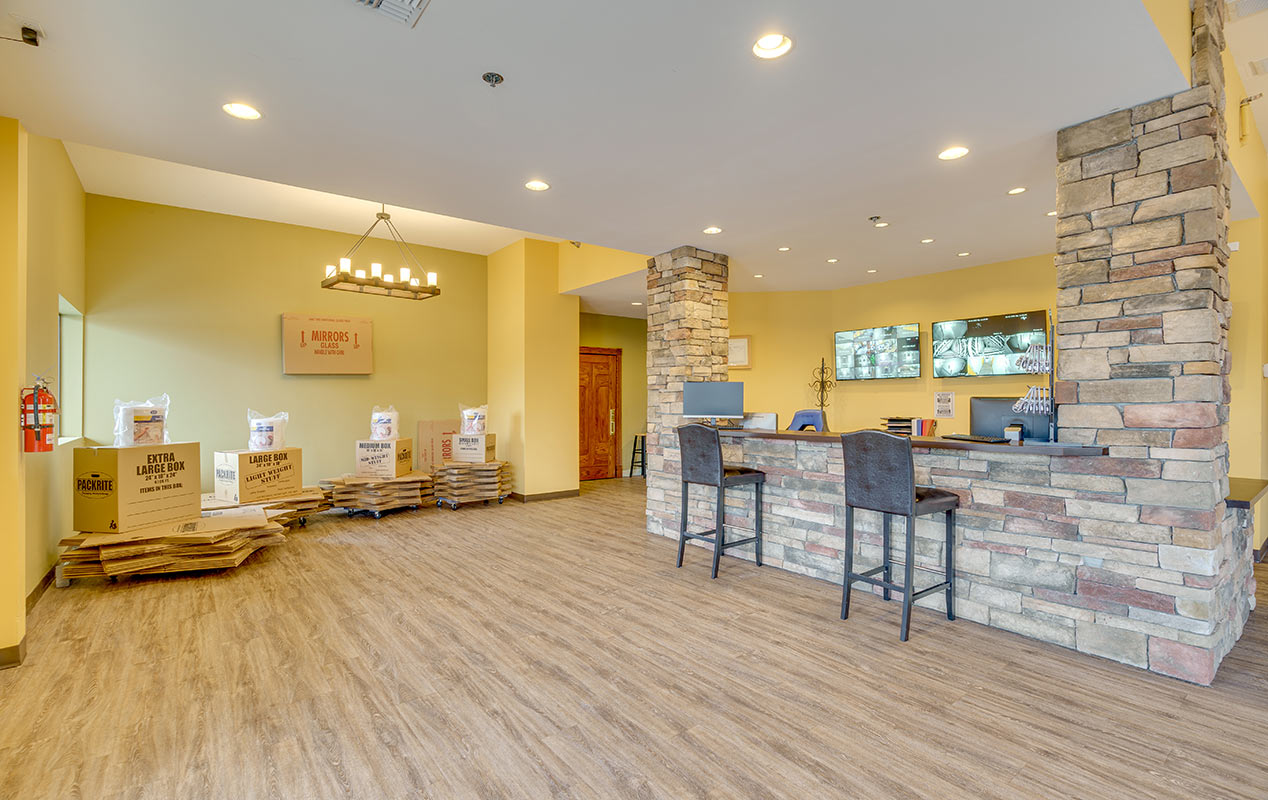
[ ] Staff Presence: Is there an on-site manager? Reviews for local facilities often highlight the presence of staff (like the managers mentioned in local reviews) as a key trust factor. A facility with active management is less likely to have security lapses.
Storing in Federal Way means storing in a maritime climate. The air is damp for 8 months of the year, and humidity is a constant companion. Simply throwing items in a box and locking the door is not enough. Here is how locals effectively protect their belongings.
Skip the Cardboard: Cardboard is essentially a sponge. It wicks moisture from the concrete floor and the ambient air. For long-term storage in this region, invest in clear plastic totes with latching lids. These provide a vapor barrier that cardboard cannot match. If you must use boxes for short-term moves, use new, sturdy boxes and tape them completely shut.
The "Airflow" Stack: Do not push furniture or boxes flush against the wall. Leave a 1-2 inch gap between your items and the facility walls to allow air to circulate. This prevents the formation of "micro-climates" of stagnant air where mold thrives. Similarly, use pallets or shelving to keep items off the concrete floor, which can conduct cold and moisture.
Desiccants are Mandatory: For enclosed units, placing a bucket of moisture absorber (like DampRid) or silica gel packets in drawers, boxes, and the corners of the unit is a cheap insurance policy against that musty smell. Check and replace these regularly.
Valuables at the Back: If you are storing a mix of items, place the most valuable or sensitive items (TVs, tools, electronics) at the back of the unit, buried behind the "boring" stuff like mattresses, old clothes, and kitchenware. This makes them harder to reach and less visible from the door.
Inventory List: Keep a digital inventory (photos on your phone) of what is in the unit. If you ever need to file an insurance claim, memory is unreliable.
Q: "How important is location if I only need access once a month?"
A: It is more important than you think. "Once a month" often turns into "never" if the facility is a hassle to get to. If you have to fight traffic on S 320th or get on I-5 to reach your unit, you will subconsciously avoid going there, and your storage unit will become a "black hole" of forgotten items. A location like 34202 16th Ave S, which is accessible via back roads from multiple neighborhoods, lowers the "friction" of visiting, making it more likely you'll actually use and manage your stored items efficiently.
Q: "I have a 1-bedroom apartment. What size do I really need?"
A: Most people overestimate their space needs. For a standard 1-bedroom apartment (approx. 700 sq. ft.), a 5x10 unit is usually sufficient if you stack well. It fits a queen mattress, a sofa, a dresser, and about 15-20 boxes. If you are just storing "overflow" (seasonal gear, files, extra clothes), a 5x5 unit is plenty.
Q: "Is 'Climate Control' just a marketing upsell?"
A: In Arizona? Maybe. In Washington? No. While the temperature fluctuations here are moderate, the humidity is high. Climate-controlled units are typically interior units that maintain a steady temperature range. This stability is what keeps the relative humidity lower, protecting wood from warping, vinyl from cracking, and fabrics from mildew. If you are storing anything other than plastic patio furniture or garage tools, climate control is a functional necessity for preservation.
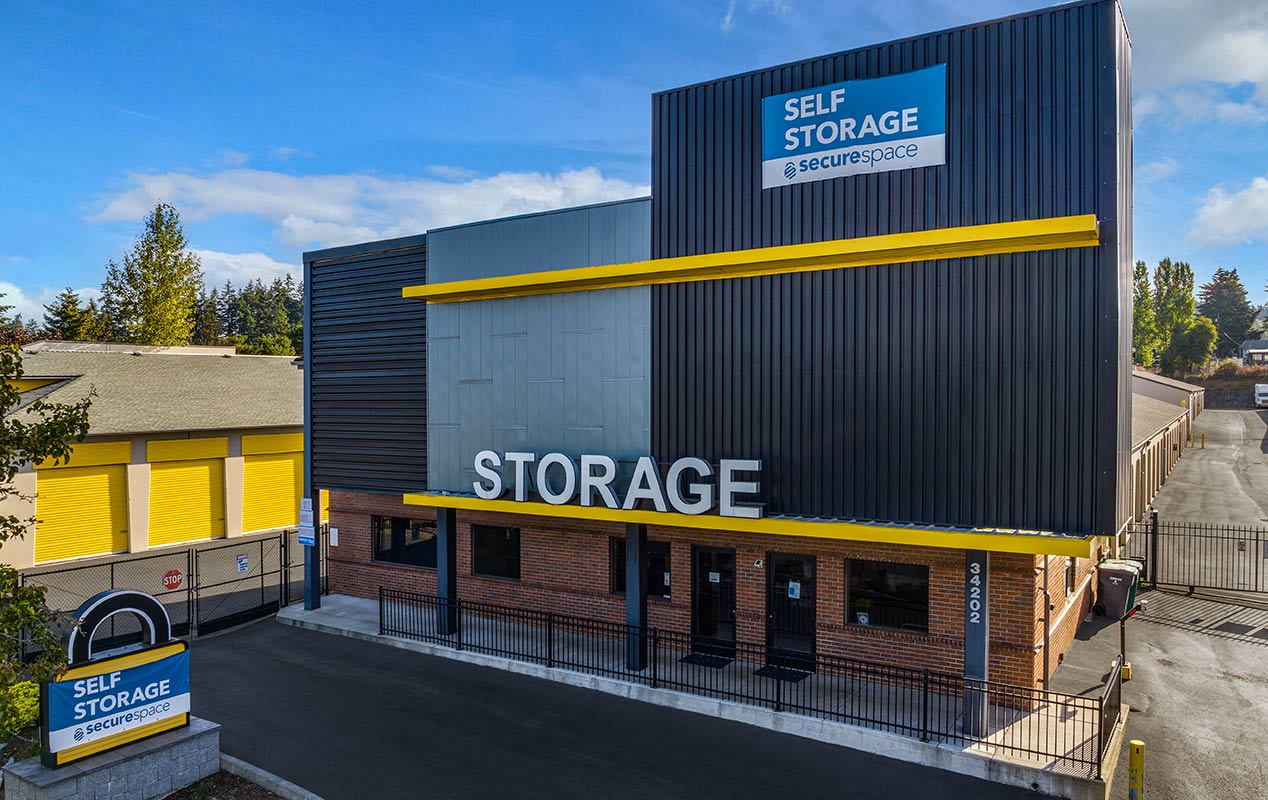
When you look at the map of storage options in Federal Way, SecureSpace Self Storage at 34202 16th Ave S stands out not for flashy marketing, but for logistical logic.
The "Back Road" Advantage: It sits on 16th Ave S, a crucial arterial that runs parallel to I-5 but avoids its chaos. For residents of NE Tacoma (98422), it is a straight shot north. For Twin Lakes (98023), it is a quick drive east. It connects the residential hills to the commercial valley without forcing you through the commercial choke points.
Modern Infrastructure: Storage is an industry where "age matters." Older facilities often suffer from decades of wear—damp concrete, older gate systems, and narrow driveways. This facility represents a modern standard: wide drive aisles for trucks, digital video recording, and bright LED lighting that makes evening visits feel safe and welcoming.
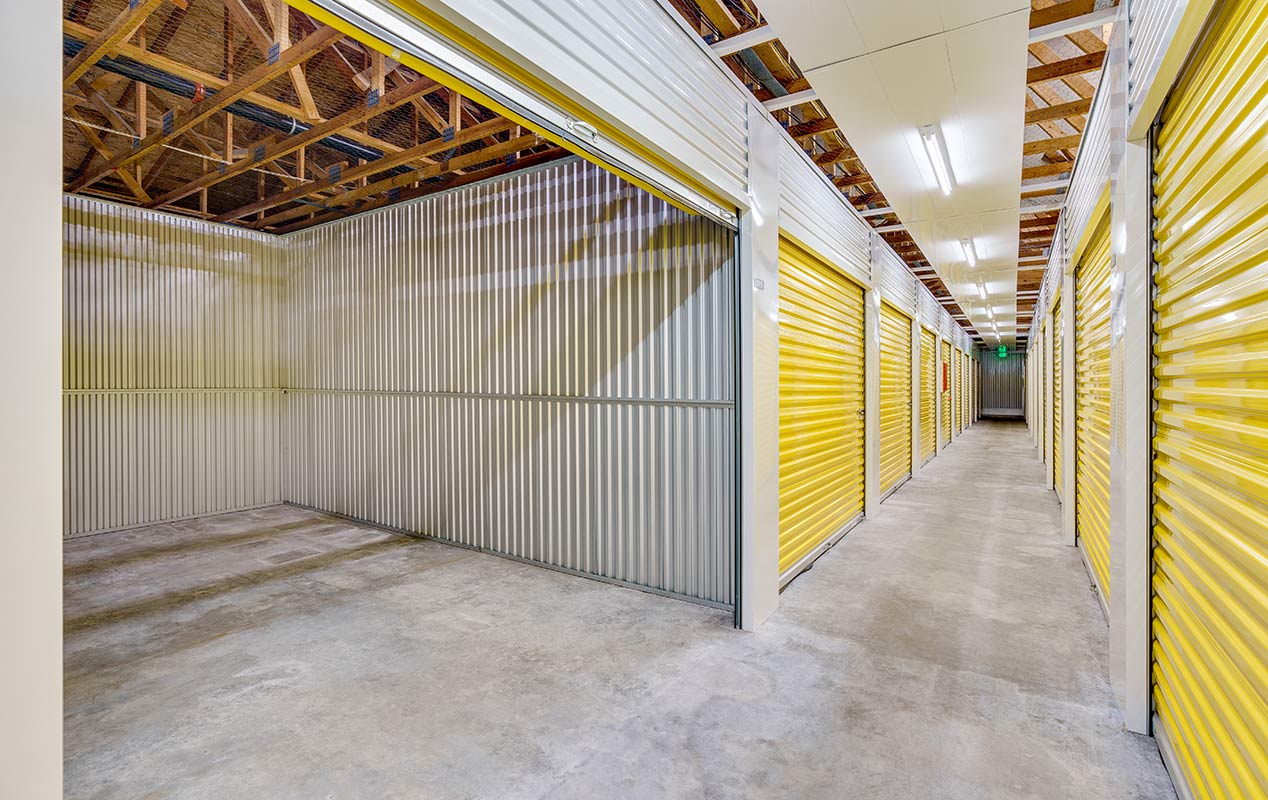
The "Goldilocks" Size Mix: It offers a balanced mix of drive-up units (for the renovation/move scenarios) and interior climate-controlled units (for the apartment overflow/preservation scenarios). It isn't just a "warehouse in a field"; it's a facility designed for the mixed-market needs of the community.
Choosing a storage unit is the last step in a usually stressful process—a move, a remodel, a life change. You don't need the storage unit to be another source of stress. You need it to be the "easy part."
By focusing on a location that offers the right logistical fit—avoiding traffic, serving your specific neighborhood's needs, and providing the modern features that combat the local climate—you turn a chore into a solution. The facility on 16th Ave S offers that balance. It is local, it is accessible, and it is built to handle the reality of life in the Pacific Northwest.
When you drive away from the gate, the feeling shouldn't be "I hope my stuff is okay." It should be "I don't have to think about that anymore." That is the value of a smart storage decision.
| Feature | Why it Matters in Federal Way |
| Drive-Up Access | Essential for renovations and heavy furniture moving; saves back strain during rainy loading/unloading. |
| Climate Control | Critical defense against PNW humidity for electronics, wood, leather, and fabrics. |
| Month-to-Month Lease | Provides flexibility for undefined project timelines (remodels, home sales). |
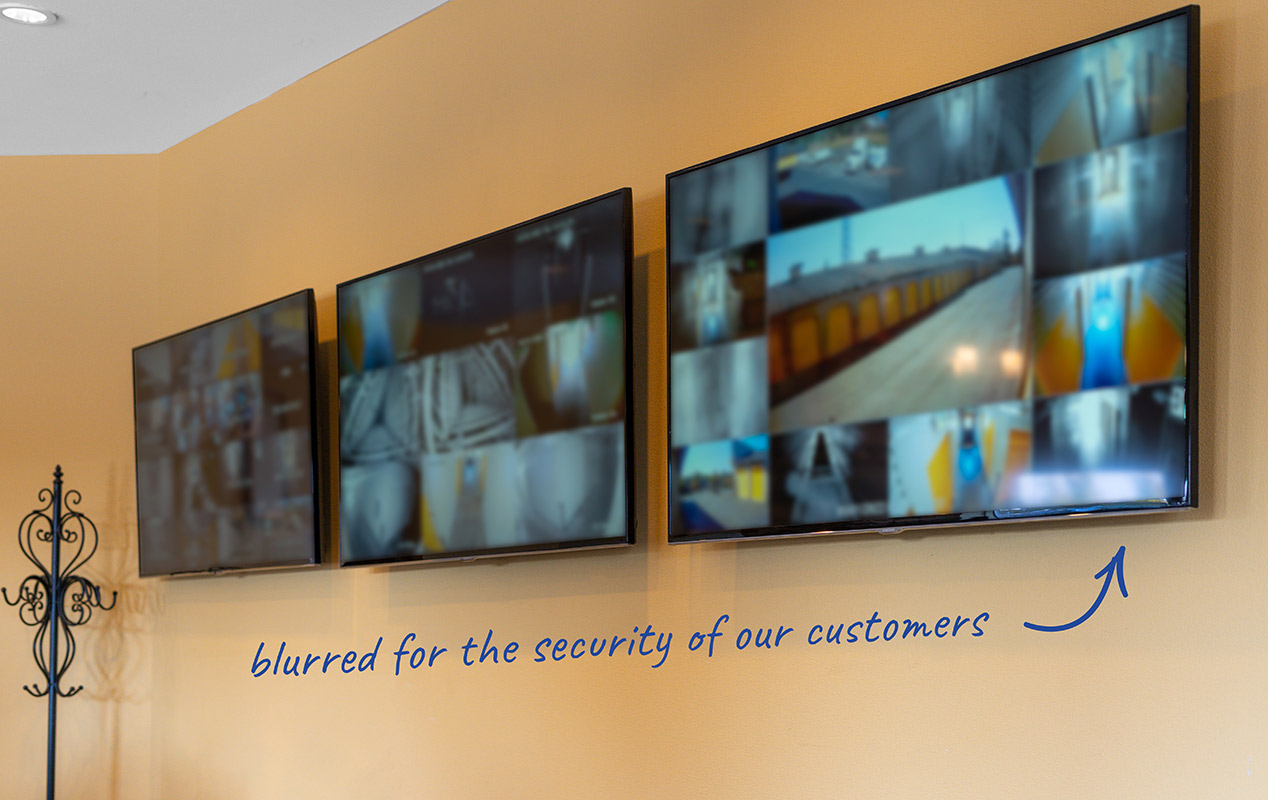
| Video Surveillance | Standard requirement for peace of mind, especially for vehicle/boat storage. |
| Wide Drive Aisles | Necessary for maneuvering moving trucks or boat trailers without stress. |
Everything you need to store your belongings securely, on your schedule.
Visit us online