Last updated Jul 10, 2026
In the densely woven urban fabric of Philadelphia, specifically along the eastern bank of the Schuylkill River where the industrial legacy of Grays Ferry (19146) intersects with the academic intensity of University City (19104) and the historic elegance of Rittenhouse Square (19103), space is not merely a commodity—it is a logistical puzzle of high complexity. For residents and businesses operating within this specific corridor, the decision to seek off-site storage is rarely a function of simple accumulation. Rather, it is driven by the severe architectural constraints of Victorian-era rowhomes, the rigid vertical logistics of high-rise luxury condominiums, and the transient, high-velocity lifestyle of the region's dense population of academic and medical professionals.
This report serves as a definitive, hyper-local operational guide for individuals living or working within the gravitational pull of the Grays Ferry Avenue artery. Unlike generic storage advice that focuses on packing tape and box sizes, this analysis prioritizes the "last mile" of storage logistics: the specific traffic friction of Exit 346B off I-76, the thermodynamic nuances of protecting antique furniture from Philadelphia's notorious basement humidity, and the strategic advantages of location for commuters crossing the Benjamin Franklin or Walt Whitman bridges from Camden (08102).
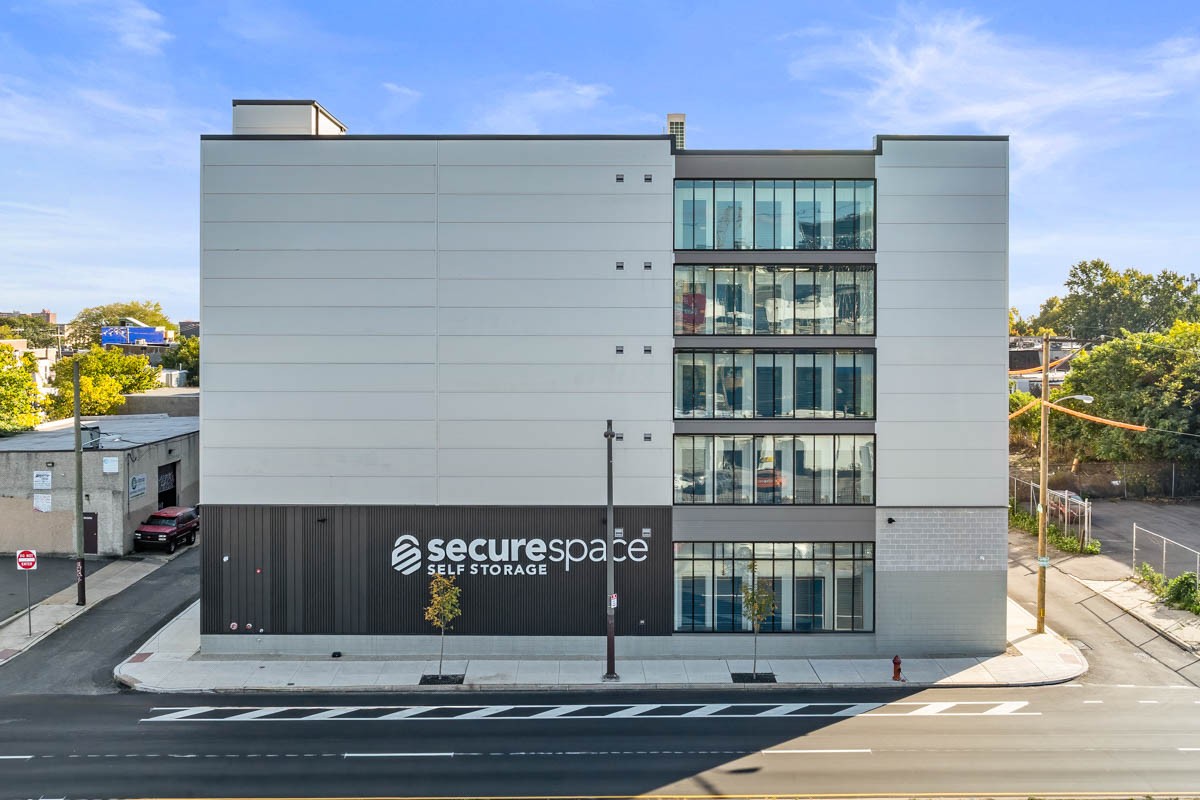
The facility located at 3114 Grays Ferry Avenue occupies a distinct logistical nexus. It is positioned at the interface of residential South Philadelphia and the commercial and academic arteries of West Philadelphia. Understanding the utility of this specific geographic point requires an in-depth analysis of more than just square footage; it necessitates a granular understanding of how the city moves, how its buildings breathe, and how its residents navigate the built environment. This document prioritizes logistical clarity and operational efficiency, aiming to drastically reduce the cognitive load for neighbors in the midst of relocation, renovation, or significant life transitions.
The Grays Ferry and Graduate Hospital area represents a "Mixed" market type, a classification that is essential for understanding availability cycles. Unlike suburban markets defined solely by residential homeowners with stable, long-term storage needs, or industrial zones defined by commercial tenants, this corridor is a hybrid ecosystem. It serves the University of Pennsylvania student needing temporary summer storage for a dorm room's worth of belongings, the Rittenhouse empty-nester downsizing from a 4,000 square foot brownstone to a 1,500 square foot condo, and the Point Breeze general contractor storing tools and materials to avoid theft from work trucks.
This diversity of user types creates intense competition for specific unit sizes at specific times of the year. Understanding these cyclical pressures—such as the "May Rush" of student move-outs or the "Spring Renovation" season in the rowhome districts—is critical for securing the right space at the right time. A failure to anticipate these cycles can result in a lack of inventory, forcing residents to seek storage solutions far outside their convenient radius, negating the benefits of local proximity.
When researching self-storage, most prospective tenants focus primarily on two variables: price and unit dimensions. However, in the context of Philadelphia's unique urban environment and housing stock, there are three "hidden" logistical factors that often have a far greater impact on the long-term satisfaction and safety of the storage experience: The Moisture Gradient, The Traffic Bottleneck, and The Vertical Loading Challenge.
One of the most pervasive misconceptions in Philadelphia real estate—particularly in historic neighborhoods like Graduate Hospital (19146), Bella Vista (19147), and Fairmount (19130)—is the viability of the rowhome basement for long-term storage. The vast majority of housing stock in these zip codes consists of brick-foundation rowhomes built in the late 19th and early 20th centuries. These structures were not designed with modern waterproofing standards in mind.
The foundations of these historic homes are semi-permeable, constructed from brick or rubble stone that allows moisture from the surrounding soil to migrate through the masonry via capillary action. This phenomenon, often referred to as hydrostatic pressure, creates a persistently high-humidity environment that is catastrophic for certain materials. In a standard Philadelphia basement, relative humidity can spike well above 60-70% during the humid summer months. At this saturation level, latent moisture encourages the growth of mold and mildew on organic materials such as wood, leather, and paper. Furthermore, high humidity accelerates oxidation on electronics and metal components, leading to rust and circuit failure.
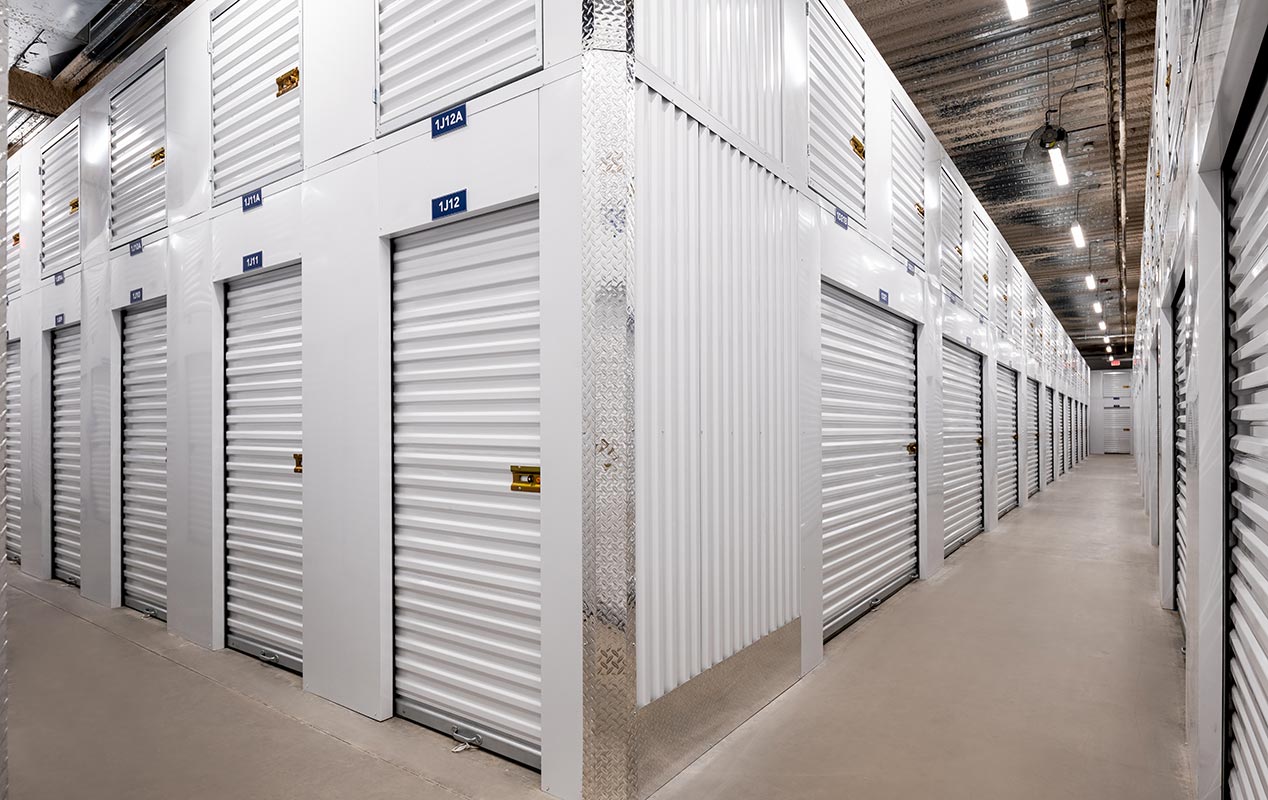
Facilities like the one at 3114 Grays Ferry Avenue are purpose-built with industrial-grade HVAC systems designed not just to moderate temperature, but to actively manage relative humidity. This is the crucial differentiator that many first-time renters miss. "Temperature controlled" simply ensures your items don't freeze in winter or melt in summer; "Climate controlled" ensures they do not succumb to biological decay. For residents of 19146 dealing with the pervasive "basement smell", transferring items to an upper-level, climate-regulated facility is often the only way to arrest deterioration and preserve value.
Logistics is fundamentally about flow. A storage unit is useless if accessing it requires a 45-minute battle with gridlock. The location at 3114 Grays Ferry Avenue benefits from a specific traffic anomaly: its proximity to I-76 Exit 346B.
Residents of Rittenhouse (19103) or Fitler Square often assume they must drive deep into South Philadelphia or out to the suburbs to find adequate storage. However, Grays Ferry Avenue acts as a diagonal arterial slash, bypassing the intense gridlock of Broad Street and the narrow, one-way mazes of the Graduate Hospital neighborhood. This arterial access allows for a rapid ingress and egress that is impossible in more central locations.
For those coming from University City (19104), the University Avenue Bridge provides a direct, high-capacity link that avoids the often-congested South Street Bridge. This makes the "last mile" to the facility significantly faster than locations buried deeper in the residential grid. Understanding these bridge dynamics is essential for anyone planning a move during rush hour or major city events.
In dense neighborhoods like Graduate Hospital or Point Breeze, "loading" usually implies double-parking on a narrow street, hazard lights flashing, while anxiously watching for the Philadelphia Parking Authority (PPA) or dealing with irate neighbors honking to get by. This high-stress environment leads to rushed packing and potential damage to items.
A critical, often overlooked feature of modern urban facilities is the covered loading bay. The facility at 3114 Grays Ferry features a covered drive-in area. This is not merely a luxury; in Philadelphia, where precipitation averages 41 inches annually and winter brings slush and ice, a covered dock changes the physics of moving. It allows for the transfer of mattresses, wooden furniture, and electronics without exposing them to the elements. In contrast, street-side unloading in 19146 exposes belongings to rain, snow, and sidewalk grime, creating immediate risks to the integrity of the items being stored.
Before committing to a specific unit size or type, residents should run their specific inventory and lifestyle scenario through this practical filter. This checklist is tailored to the specific constraints of the Philadelphia market and housing stock.
Vehicle Clearance and Logistics: Are you renting a moving truck? Standard 26' U-Haul trucks require a clearance height of roughly 12 feet. While box trucks vary, the covered loading area at 3114 Grays Ferry is designed for modern logistics. However, it is imperative to verify your rental truck's specific height against the facility's bay clearance before driving off the rental lot to avoid costly roof damage.
Frequency of Visits: High Frequency (Weekly): If you are a business owner storing inventory or a pharmaceutical representative storing samples, you require a facility with extended access hours (typically 6am-10pm) and immediate proximity to arterial roads like I-76. The friction of a difficult commute compounds quickly with frequent visits. Low Frequency (Seasonal): If you are storing holiday decorations, winter tires, or seasonal wardrobes, "deep storage" on upper floors—which are often priced more competitively—is a perfectly acceptable option. The extra time taken to use the elevator is negligible when you only visit twice a year.
The "Elevator Reservation" Reality: If you reside in a high-rise condominium in 19103 (e.g., The Dorchester, The Laurel, or The Murano), your move-out process is governed by strict elevator reservation windows. Does the storage facility's access hours align with your building's allowed move-out times? For example, if your building only permits moves Monday through Friday from 9am to 5pm, a facility with 24/7 access won't help you leave your apartment, but it will allow you to unload at the facility at your own pace after the strict window closes at your residence.
Score your inventory to determine if Climate Control is a non-negotiable requirement.
Zone 1: Highly Vulnerable (Must be Climate Controlled) Electronics: Plasma televisions, computers, vintage audio gear, and gaming consoles. Humidity kills capacitors and corrodes circuit boards. Wood Furniture: Antique mahogany, veneers, and solid wood tables. Humidity fluctuations cause wood to swell and contract, leading to warping and cracking. Textiles: Vintage clothes, leather sofas, and mattresses. These are prime targets for mold growth in high humidity. Paper/Art: Tax records, diplomas, oil paintings, and photographs. Humidity causes foxing (browning) and warping of paper fibers.
Zone 2: Moderately Vulnerable Appliances: Washers, dryers, and refrigerators. These must be fully drained and dried before storage to prevent internal mold, but the metal exteriors are generally resilient.
Zone 3: Low Vulnerability (Standard Drive-Up is Acceptable) Patio Furniture: Wicker, resin, and treated metal furniture designed for outdoor use. Construction Gear: Ladders, PVC pipe, ceramic tile, and tools.
Philadelphia rowhomes have deceptively small doorways and narrow stairwells. A standard rowhome door might be only 28-30 inches wide. This architectural constraint dictates what you can store and how it must be prepared.
The Sofa Test: Can your sofa stand vertically? You may need to disassemble furniture (remove legs, separate sectional pieces) before it leaves the house to ensure it fits through the vestibule.
Unit Sizing Heuristics: 5x5 (The "Dorm Room"): Fits 6-8 boxes plus a twin mattress set stored vertically. This is the perfect size for student summer storage. 5x10 (The "One Bedroom"): Fits a queen mattress, a sofa (stored on end), a dresser, and 10-15 boxes. This is ideal for decluttering a standard 1-bedroom apartment in Graduate Hospital. 10x10 (The "Renovation"): Fits the contents of a living room plus a dining room. This size is essential for rowhome renovations where you need to clear an entire floor to protect furniture from drywall dust.
The utility of the Grays Ferry location varies drastically depending on where the tenant is originating from. This section breaks down the specific "use case" and logistical considerations for residents in the primary catchment area.
The Context: This is the facility's "home turf." It is a neighborhood defined by rapid gentrification, active renovation, and extreme parking scarcity. The housing stock is predominantly rowhomes, many of which are undergoing significant updates.
The Renovation Driver:
Zip code 19146 sees a high volume of rowhome renovations—kitchen expansions, basement dig-outs, and roof deck additions.
The Dust Containment Strategy: During a renovation, dust is the enemy. It is pervasive and abrasive. Storing furniture in the "back room" or basement usually results in damage from fine particulate matter. A short-term rental (3-6 months) at 3114 Grays Ferry allows homeowners to clear the entire work zone, ensuring that upholstery and electronics remain pristine during the messy demolition and drywall phases.
The Odunde Festival Factor: Residents of Graduate Hospital are intimately familiar with the Odunde Festival, typically held in June. During this event, street parking and vehicular access are non-existent for a 15-block radius centered on 23rd and South Streets. Planning a move-in or move-out during this weekend is logistically impossible. Residents must check the local calendar; if Odunde is approaching, move items before the street closures go into effect to avoid being trapped.
The "Rowhome Purge" and Closet Extension:
Historic rowhomes notoriously lack closet space. Residents often resort to using a "spare bedroom" as a walk-in closet.
The Solution: A 5x5 locker at SecureSpace acts as an external walk-in closet for seasonal rotation. This allows residents to swap out winter coats, skis, and heavy bedding in the summer, and golf clubs, patio cushions, and beach gear in the winter, effectively doubling their home's usable storage space.
The Context: This area hosts a transient population dominated by the academic calendar of the University of Pennsylvania and Drexel University. The need for storage is acute, cyclical, and time-sensitive.
The "May Scramble" and Supply Shocks:
Between May 7th and May 20th, thousands of students from UPenn and Drexel vacate their dorms and apartments simultaneously.
The Inventory Crisis: During this narrow window, small units (5x5, 5x10) vanish from the market city-wide due to the massive spike in demand.
The Strategic Reservation: Students should reserve units by mid-April to guarantee availability. The Grays Ferry location is strategically located just across the University Avenue Bridge, making it one of the closest modern facilities to the dorms, yet slightly removed from the immediate campus gridlock on 34th and Chestnut Streets.
Logistics: A standard UberXL or a friend's SUV can make the trip from the dorms (e.g., the Quad or Drexel's residence halls) to 3114 Grays Ferry in under 10 minutes (traffic permitting), bypassing the I-76 congestion that plagues facilities located further west or north.
The Context: This zip code represents some of the highest-value real estate in the city, characterized by vertical living in luxury condos and historic preservation in brownstones.
The "Condo Constraints":
Buildings like The Dorchester, The Laurel, or The Murano operate with strict logistical rules. Tenants cannot simply move items in or out at will.
The COI Requirement: High-rise management often requires professional movers to provide a Certificate of Insurance (COI) to cover potential damage to common areas. While self-storage facilities generally do not require COIs for tenants to enter, if you are hiring movers to transport items into the facility, you must ensure the movers are compliant with both the condo association's rules and the facility's policies.
The Luxury Storage Need: Residents in this area are often storing high-value items—antiques, fine art, and wine collections. The climate control features at 3114 Grays Ferry are not optional for this demographic; they are a baseline requirement for insurance purposes and asset preservation.
The Context: Why would a resident of New Jersey cross a bridge to store items in Philadelphia? The answer lies in the specific dynamics of commuting and security.
The "Tax & Security" Arbitrage:
The Commuter Route: Many residents of Camden work in Philadelphia. 3114 Grays Ferry is easily accessible via the Ben Franklin or Walt Whitman bridges, linking directly to the I-76 corridor. This allows a commuter to drop off tools, inventory, or personal items on their way into the city for work, optimizing their route rather than driving back to a facility in the suburbs.
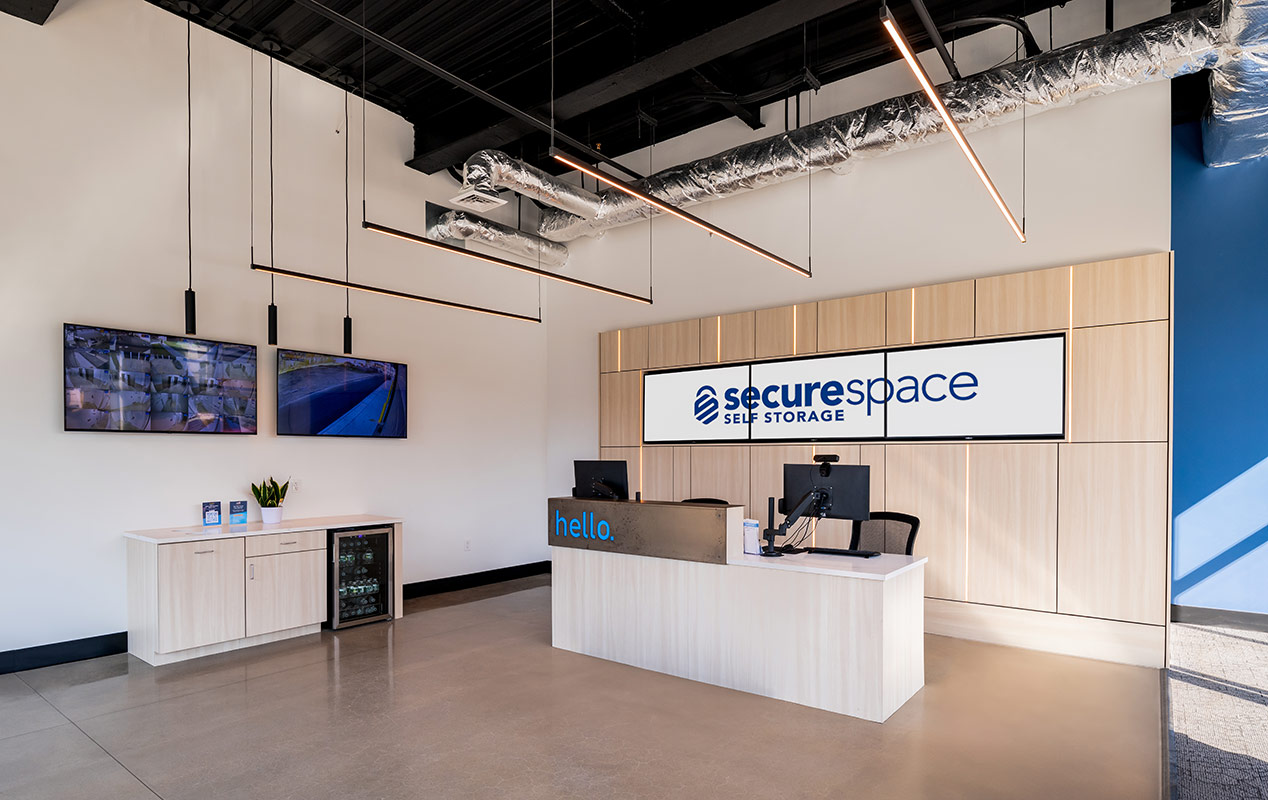
Security Perceptions: While Camden has areas of revitalization, some residents perceive the newer, Class-A facilities in Philadelphia (like SecureSpace) as offering superior security technology (cameras, controlled access, on-site management) compared to older, legacy stock in industrial zones of New Jersey.
The Toll Calculation: The toll on the Ben Franklin Bridge is one-way (entering PA is free; leaving PA incurs a cost). However, for a commuter already paying the toll for their daily work commute, the marginal cost of accessing a unit in Philadelphia is effectively zero. This makes the cross-river strategy economically viable for daily commuters.
For those residing in 19145 (South Philadelphia) or 19147 (Bella Vista), the drive to Grays Ferry is a strategic bypass of local congestion.
The Washington Avenue Alternative: Many residents initially look for storage options along Washington Avenue. However, this corridor is notoriously congested with commercial traffic, double-parked delivery trucks, and construction vehicles. Driving west to Grays Ferry often allows for a smoother approach via the wider Grays Ferry Avenue, which offers better lane capacity and flow than the interior streets of South Philadelphia.
The Wawa Connection: Locals know that logistics often run on coffee and fuel. The facility's proximity to Wawa locations (e.g., on Penrose Avenue or near the airport) is a subtle but significant convenience factor. For those using storage to hold camping gear or weekend equipment, the facility is situated near key transit routes that align with "getting out of town," making it a convenient pitstop before hitting I-76 West.
Residents in this area share a specific set of anxieties regarding storage, born from the realities of city living. Addressing these directly reduces decision friction and builds trust.
The Reality: Older storage facilities in Philadelphia were often converted factories or warehouses with drafty windows, poor insulation, and permeable envelopes.
The Mitigation: Modern construction (ground-up builds like 3114 Grays Ferry) utilizes sealed building envelopes. This, combined with positive pressure from HVAC systems, keeps street dust (a major issue near the I-76 corridor) and humidity out. This is a structural advantage over "adaptive reuse" facilities that may still battle the legacy of their industrial past.
The Reality: Grays Ferry Avenue is a busy arterial road with significant traffic. It is not a quiet suburban cul-de-sac, and personal safety is a valid concern for urban residents.
The Mitigation: Safety in storage is defined by lighting and access control. The facility utilizes "Logged Access" and extensive video monitoring. More importantly, the internal loading bay provides a secure, well-lit buffer zone. You are not unloading on the sidewalk exposed to the street; you are unloading inside the facility's perimeter. This distinction is vital for peace of mind, especially during winter evenings when sunset occurs as early as 4:45 PM.
The Reality: The self-storage industry is known for "teaser rates" that increase shortly after move-in.
The Mitigation: While pricing in the industry is dynamic, the "Month-to-Month" lease structure offers tenants flexibility. The key for the consumer is to verify the "Admin Fee" and insurance requirements upfront. Most modern facilities require tenant insurance—check if your existing homeowner's or renter's policy (common for Rittenhouse and Graduate Hospital residents) covers off-site storage. Providing proof of your own insurance can often waive the facility's monthly insurance fee, resulting in long-term savings.
Why choose 3114 Grays Ferry Avenue over a competitor two miles away? The answer lies in the convergence of convenience and infrastructure.
The "Dry Transfer" Guarantee: In a city that sees heavy rain and snow, the covered loading area is the single most important physical feature. It guarantees that your mattress doesn't get soaked during the 5 minutes it takes to move it from the truck to the elevator. This risk is non-negligible in open-lot facilities where exposure to the elements is unavoidable.
The "Exit 346B" Efficiency: For anyone living in 19104, 19146, or commuting via I-76, this location requires the least amount of "surface street" driving. You get off the highway, you store, and you get back on. You avoid the 15-minute crawl through Center City traffic lights, saving valuable time.
The Modern Tech Stack: Features like "Motion Guard" (monitoring activity inside the unit) appeal to the tech-forward demographic of University City and the security-conscious residents of Rittenhouse. It moves storage from "passive warehousing" to "active monitoring," aligning with the expectations of modern consumers.
The "Mixed" Sizing: Because the facility serves both students (who need 5x5 units) and contractors (who need 10x20 units), the inventory mix is often more diverse than a facility in a purely residential zone (which has mostly household sizes) or a purely industrial zone (which has mostly massive warehouse sizes).
The decision to store items at SecureSpace Philadelphia Grays Ferry should be viewed not just as renting a metal box, but as acquiring a logistical annex to your urban life. For the rowhome resident, it is the attic you don't have. For the condo dweller, it is the basement you lost. For the student, it is the bridge between semesters.
By understanding the specific dynamics of the Grays Ferry corridor—the traffic patterns, the climate risks, and the loading logistics—you transform a stressful chore into a managed, efficient process. This facility, by virtue of its modern construction and strategic placement at the gateway to West and South Philadelphia, offers a compelling solution for those seeking to reclaim space in one of America's densest cities.
Final Recommendation:
For Students: Book by April 15th to beat the rush. Focus on 5x5 units.
For Renovators: Book 2 weeks before demolition begins. Measure your sofa diagonally to ensure fit. Choose Climate Control to protect against dust and humidity.
For Commuters: Test the drive during your actual commute window to verify the efficiency of the I-76 exit.
To truly serve the local population, we must drill down into the granular details of life in the primary catchment areas. Each zip code represents a distinct "lifestyle archetype" with unique storage needs and logistical constraints.
Demographics & Housing Stock:
This area is characterized by 2-3 story masonry rowhomes. Many were built in the 1920s and are currently undergoing significant modernization. The typical resident is a young professional or a young family. Space is at a premium, and storage solutions must be efficient.
The "Roof Deck" Paradox: Many residents in 19146 add roof decks to gain outdoor space. However, roof deck furniture (cushions, wicker, rugs) cannot survive a Philly winter exposed to freeze-thaw cycles.
Storage Use Case: A small 5x5 unit is often rented solely to winterize expensive outdoor furniture from November to March. This extends the life of the furniture by years, easily offsetting the rental cost.
The "English Basement": Many Point Breeze homes have finished basements that are technically "livable" but suffer from dampness. Residents often learn the hard way that storing winter coats or leather boots in these basements leads to mildew.
Storage Use Case: Seasonal wardrobe rotation. Moving high-value textiles to a climate-controlled unit at 3114 Grays Ferry preserves the fabric integrity that a basement closet destroys.
Demographics & Housing Stock:
Dominated by students (undergraduate and graduate) and faculty. Housing is a mix of dormitories, Victorian twin conversions, and new mid-rise apartments.
The "Summer Gap": The academic calendar creates a homeless period for belongings. Students from the West Coast or international locations cannot haul a dorm room's worth of gear home.
Storage Use Case: The "Locker" or 5x5 unit. Students often pool resources—two roommates splitting a 5x10 unit is a common and cost-effective strategy.
The "Parental Logistics": For parents helping move students out, the covered loading bay is a major stress reducer. It allows parents to pull a station wagon or SUV out of the active flow of traffic (unlike street-side loading at dorms) and pack methodically.
Demographics & Housing Stock:
Affluent, older demographic or high-income professionals. Living in condos or large historic brownstones.
The "Downsizing" Cycle: Empty nesters moving from the Main Line to a Rittenhouse condo often have more furniture than space. They aren't ready to sell the family heirlooms but can't fit them in a 2-bedroom condo.
Storage Use Case: Long-term preservation of antiques. This user requires the highest tier of climate control and security. They are less price-sensitive but highly quality-sensitive.
The "Event" Storage: Cultural institutions and businesses in this zip code often need off-site storage for event materials (galas, fundraisers) that are used only once a year. The proximity of Grays Ferry to the Rittenhouse commercial district (a 5-minute drive via 23rd St) makes it an operational annex for these businesses.
Traffic in Philadelphia is not just about volume; it's about "flow friction."
The Grays Ferry Bridge: This bridge is a crucial connector. Unlike the South Street Bridge, which feeds directly into the dense/narrow grid of 27th/South Streets, the Grays Ferry Bridge feeds into a wider arterial road. For someone hauling a trailer or driving a rental truck, the wider lanes of Grays Ferry Avenue are significantly less stressful than the tight corners of the residential grid.
The "Left Turn" Challenge: Accessing the facility requires navigating the median and traffic flow on Grays Ferry Ave. The facility's location near the I-76 ramps means traffic moves fast.
Tip: When exiting the facility to return to Center City, be aware of the "No Left Turn" or difficult merge situations during rush hour (4pm-6pm). It is often easier to turn right and loop around via 34th street or Vare Ave to reset your direction than to try to cross multiple lanes of aggressive peak-hour traffic.
Why does it matter so much here?
Philadelphia sits in a humid subtropical climate zone.
Summer: Dew points regularly exceed 70°F. When hot, humid air enters a cool space (like a basement or unconditioned storage unit), condensation occurs.
Winter: Cold, dry air can cause wood to crack and veneers to lift.
The SecureSpace Solution: Modern climate control systems don't just "cool"; they dehumidify. They maintain a set point (usually between 55°F and 80°F) that keeps relative humidity in the "safe zone" (35%-55%). For the resident storing a $5,000 leather sectional or a collection of first-edition books, this is the difference between preservation and destruction.
To ensure a "low-stress" experience, we recommend the following timeline for new tenants:
3 Weeks Out:
Audit your items. Discard what you don't need. (Don't pay to store trash).
Measure your largest item. (Sofa length, mattress size).
Reserve the unit. (Online reservation often locks in a rate and guarantees availability, which is crucial in May/June).
1 Week Out:
Check your insurance. Does your homeowner's policy cover "items off premises"? If yes, get a copy of the declarations page to show the facility manager. This saves you the monthly cost of their insurance policy.
Buy Supplies: Don't wait until move day. Buy mattress covers and high-quality boxes. (The facility sells them, but having them beforehand allows you to pack at your own pace).
Move Day:
Aim for a Tuesday or Wednesday. Avoid weekends if possible. Traffic on Grays Ferry Ave is lighter, and the loading bays will be less crowded.
Check the "Odunde" Calendar. If it's early June, verify road closures.
Use the Carts. The facility provides flatbed carts. Park in the covered bay, load the cart, and take the elevator. Do not try to carry heavy boxes by hand; the facility is large, and the walk to your unit might be longer than you expect.
While residential storage is the primary focus, the Grays Ferry corridor is also a hub for small businesses, particularly contractors and "last-mile" logistics providers servicing Center City.
The "Contractor's Pantry": For general contractors working on rowhome renovations in 19146, 3114 Grays Ferry offers a secure depot for tools and materials.
Security Benefit: Leaving expensive tools in a van on the street in South Philly is a high-risk proposition. The facility's security measures provide a much safer alternative.
Access Benefit: The 6am access start time allows contractors to pick up equipment before the job site opens, aligning with the construction industry's early schedule.
The "Pharmaceutical Rep": With the proximity to the Hospital of the University of Pennsylvania (HUP) and CHOP, many medical sales reps live or work in the area.
Climate Control: Pharmaceutical samples and sensitive medical equipment often have strict temperature storage requirements. The facility's climate-controlled environment ensures compliance with these standards, which a car trunk or home garage cannot guarantee.
Value in self-storage is not just the monthly rental rate. It is the sum of:
The Safety of the Goods: (Climate control + Security)
The Efficiency of Access: (Time saved in traffic + Ease of loading)
The Flexibility of Terms: (Month-to-month leases)
When viewed through this holistic lens, the facility at 3114 Grays Ferry Avenue presents a compelling value proposition for the residents of the Schuylkill banks. It addresses the specific pain points of the neighborhood—damp basements, tight parking, and hectic schedules—with a modern, infrastructure-grade solution. It is not just storage; it is a logistical upgrade for your life in the city.
Everything you need to store your belongings securely, on your schedule.
Visit us online