Last updated Jul 10, 2026
The rapid urbanization of the Ewa Plain has fundamentally altered the lifestyle equations for residents of West Oahu. Kapolei, designated as the "Second City," was master-planned to function as an autonomous urban center, relieving pressure on Honolulu proper. However, this transformation from acres of sugar cane and red dirt scrubland into a dense matrix of residential subdivisions, commercial hubs, and industrial zones has created a unique set of spatial challenges for the population of the 96707 zip code. For residents spanning from the mauka slopes of Makakilo to the makai shoreline of Kalaeloa, the management of physical assets—furniture, recreational gear, renovation materials, and sentimental archives—has moved from a simple household chore to a complex logistical decision.
The decision to seek external storage in this region is rarely a result of mere accumulation; rather, it is a structural necessity driven by the intersection of three powerful forces: the high-density architecture of modern master-planned communities, the stringent regulatory environment of Homeowners Associations (HOAs), and the aggressive environmental factors unique to the Leeward Coast. The "Red Dirt" that defines the landscape is not just a visual marker but a pervasive particulate threat to personal property. The salt air, carried by trade winds from the nearby coast, accelerates corrosion at rates significantly higher than in Central Oahu. Furthermore, the logistical bottlenecks of the H-1 Freeway dictate that location and accessibility are not just conveniences but essential components of the "total cost" of storage.
This report serves as an exhaustive decision guide for residents actively researching self-storage options within the immediate vicinity of Kapolei Kai Street. It analyzes the specific micro-market dynamics of the 96707 area, offering a nuanced evaluation of how facility infrastructure, location, and operational protocols impact the preservation of goods and the efficiency of daily life. The focus is on the strategic utility of facilities positioned at the commercial-industrial interface—specifically the corridor along Kapolei Kai Street—which acts as a logistical fulcrum between residential density and transport accessibility. By prioritizing the protection of assets against environmental degradation and optimizing for traffic patterns, residents can transform a storage rental from a distress purchase into a strategic extension of their living space.
To fully grasp the storage market in Kapolei, one must first deconstruct the housing market. Unlike the sprawling lots of older mainland suburbs, Kapolei's residential footprint is defined by "New Urbanism"—a design philosophy that prioritizes walkability, shared community spaces, and higher density. This architectural approach, while fostering community interaction, systematically reduces private storage capacity.
A defining feature of Kapolei's newest and most popular developments—specifically Mehana, Ho'opili, and the Villages of Kapolei—is the strict regulation of garage space. In these communities, the garage is legally and functionally defined as a parking structure, not a storage locker. This distinction is enforced by active and rigorous HOAs, creating a "space squeeze" for residents.
In the Mehana neighborhood, often cited as a model for modern living in Kapolei, the architectural design frequently features "alley-loaded" garages or shared motor courts. These designs maximize curb appeal and pedestrian safety but severely limit the utilitarian flexibility of the property. Research indicates that the standard two-car garage in these developments is dimensionally tight, often leaving less than two feet of clearance once two modern vehicles—such as the SUVs or trucks popular among Hawaii residents—are parked inside.
The regulatory environment exacerbates this spatial limitation. HOA covenants in communities like Mehana often contain explicit clauses prohibiting the use of garages for storage if such use precludes the parking of the designated number of vehicles. The logic behind these rules is to prevent street congestion, as on-street parking is often scarce, permit-restricted, or time-limited. Residents are thus caught in a bind: they cannot park on the street due to lack of space or the risk of ticketing, but they cannot use their garage for storage without risking fines or towing.
Data comparisons of housing typologies reveal a significant "storage deficit." A traditional single-family home built in Ewa Beach in the 1980s might offer approximately 400 square feet of garage storage, plus potential shed or attic space. In contrast, a modern townhome in Mehana or Ho'opili effectively offers zero square feet of garage storage due to the strict enforcement of parking requirements, and virtually no attic or shed capability. This structural reduction in on-site storage capacity forces residents to outsource their storage needs. For a resident of Mehana, renting a unit at a nearby facility like the one on Kapolei Kai Street is not an optional luxury; it is the functional equivalent of the "third bay" of their garage—a necessary annex to maintain compliance with community rules while securing household goods.
The neighborhood of Makakilo, perched on the slopes of the Waianae Range overlooking the Ewa Plain, presents a distinct set of logistical challenges. While Makakilo offers larger lots and stunning views, the topography itself is a barrier to efficient storage.
The primary issue in Upper Makakilo is the gradient. Many driveways are aggressively steep, making them unsuitable for the long-term storage of boats, trailers, or extra vehicles. Attempting to store a boat on a 20% grade is not only physically difficult but often violates safety codes and HOA aesthetics rules. Furthermore, the winding, narrow streets of Makakilo make on-street parking hazardous and often restricted to ensure emergency vehicle access.
Renovation projects in Makakilo highlight this logistical bottleneck. When homeowners undertake significant remodeling, staging materials on-site becomes a nightmare due to the slope. There is often no flat ground to place a "PODS" container or stack lumber without blocking the driveway or the street. Consequently, a storage unit located at the base of the hill—in the flat industrial district near Kapolei Kai Street—serves as an essential logistical staging ground. It allows Makakilo residents to rotate seasonal items, stage renovation materials, or store recreational vehicles without the stress of navigating steep grades with heavy loads or violating street parking rules.
Hawaii leads the nation in multi-generational households, a trend driven by the high cost of living and strong cultural values regarding family. In Kapolei, the solution to this density is often the "Ohana Unit" or Accessory Dwelling Unit (ADU). Homeowners frequently convert existing garages, lanais, or ground-floor rooms into separate living quarters for aging parents or adult children.
While socially beneficial, the creation of an Ohana unit immediately subtracts from the home's primary storage footprint. A garage conversion, for instance, eliminates the primary storage repository for the entire household. The items that previously occupied that space—holiday decorations, camping gear, tools, archives—are displaced. Furthermore, the ADUs themselves are strictly size-limited by county ordinance. On lots smaller than 5,000 square feet, an ADU is typically capped at 400 square feet of living area. On larger lots, the limit increases to 800 square feet. This compact living arrangement mandates a minimalist lifestyle for the occupants, forcing non-essential items to be stored off-site. The "Ohana squeeze" effectively doubles the storage demand for a single property: the main house loses its storage to create the unit, and the new unit has no internal storage of its own.
Choosing a storage facility in the 96707 zip code involves a risk assessment that goes beyond simple security. The environment of the Ewa Plain is uniquely hostile to stored goods. The combination of industrial activity, geological composition, and coastal weather patterns creates a "corrosion zone" that can rapidly degrade unprotected assets. Facilities that lack modern, purpose-built climate control and sealing technology pose a severe risk to the long-term value of property.
The soil in Kapolei and the surrounding Ewa Plain is iconic for its deep, rusty red hue—a result of high iron oxide content from decomposed volcanic basalt. This "Red Dirt" is extremely fine, behaving more like talcum powder or industrial particulate than standard soil.
The infiltration capability of red dust is notorious. In older, drive-up storage units that rely on roll-up doors, this dust permeates every unsealed crack. Wind-driven red dust can bypass standard weather stripping, coating items in a thick layer of grime within weeks. The chemical nature of the dust—essentially rust—makes it highly abrasive and prone to staining. Red dirt stains are notoriously difficult, often impossible, to remove from porous fabrics, upholstery, light-colored woods, and plastics.
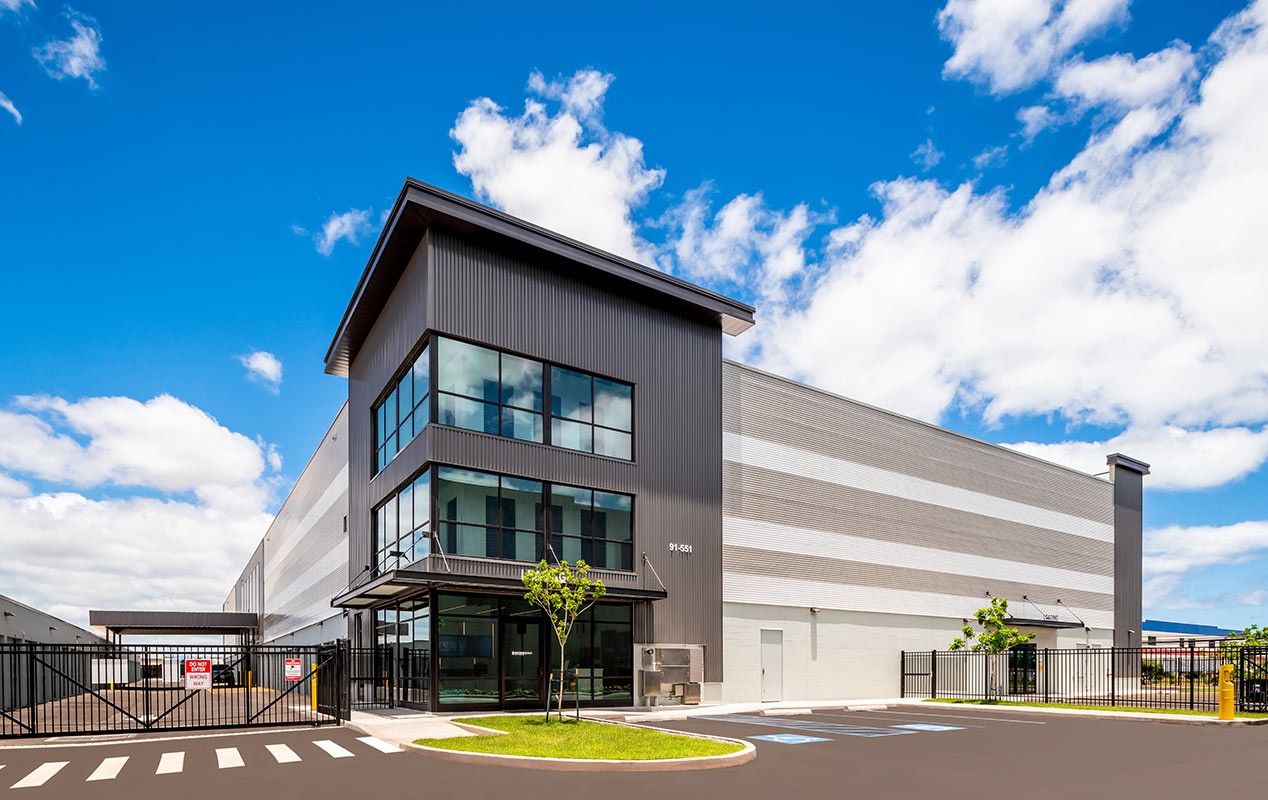
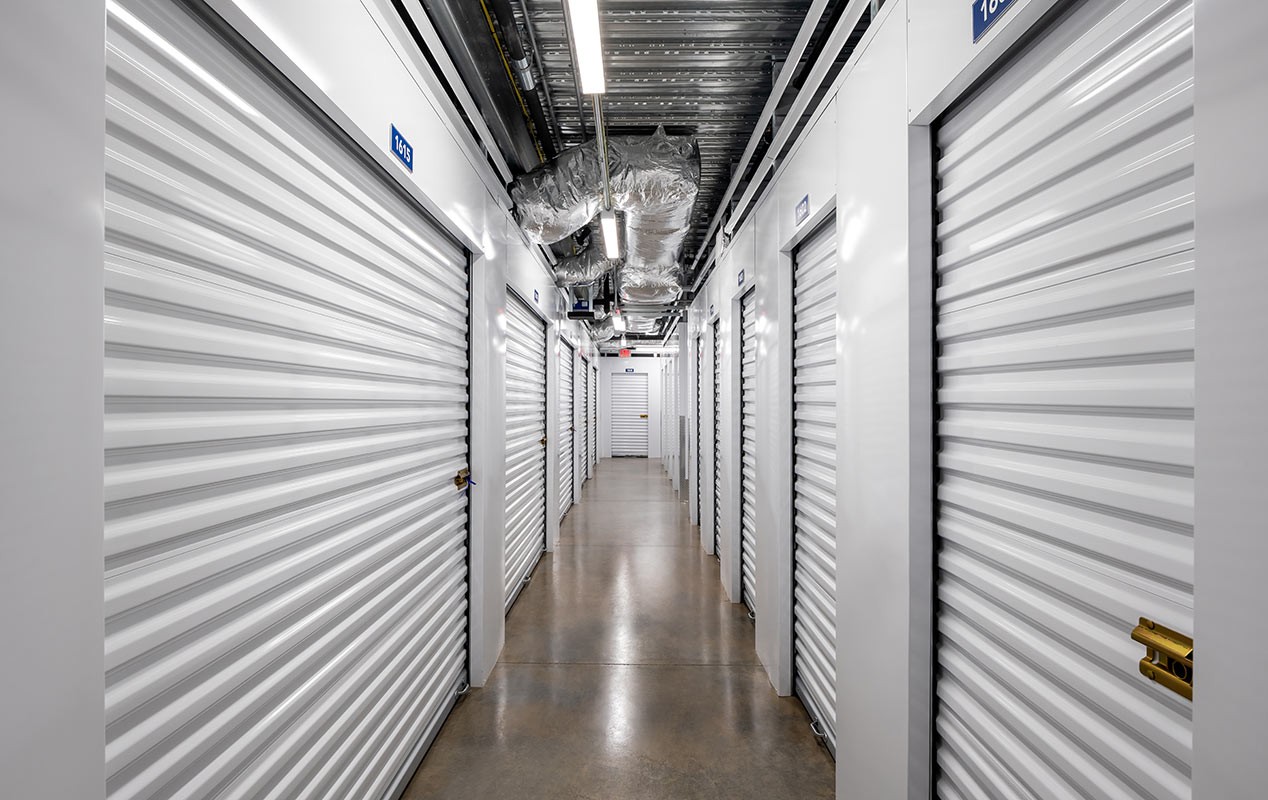
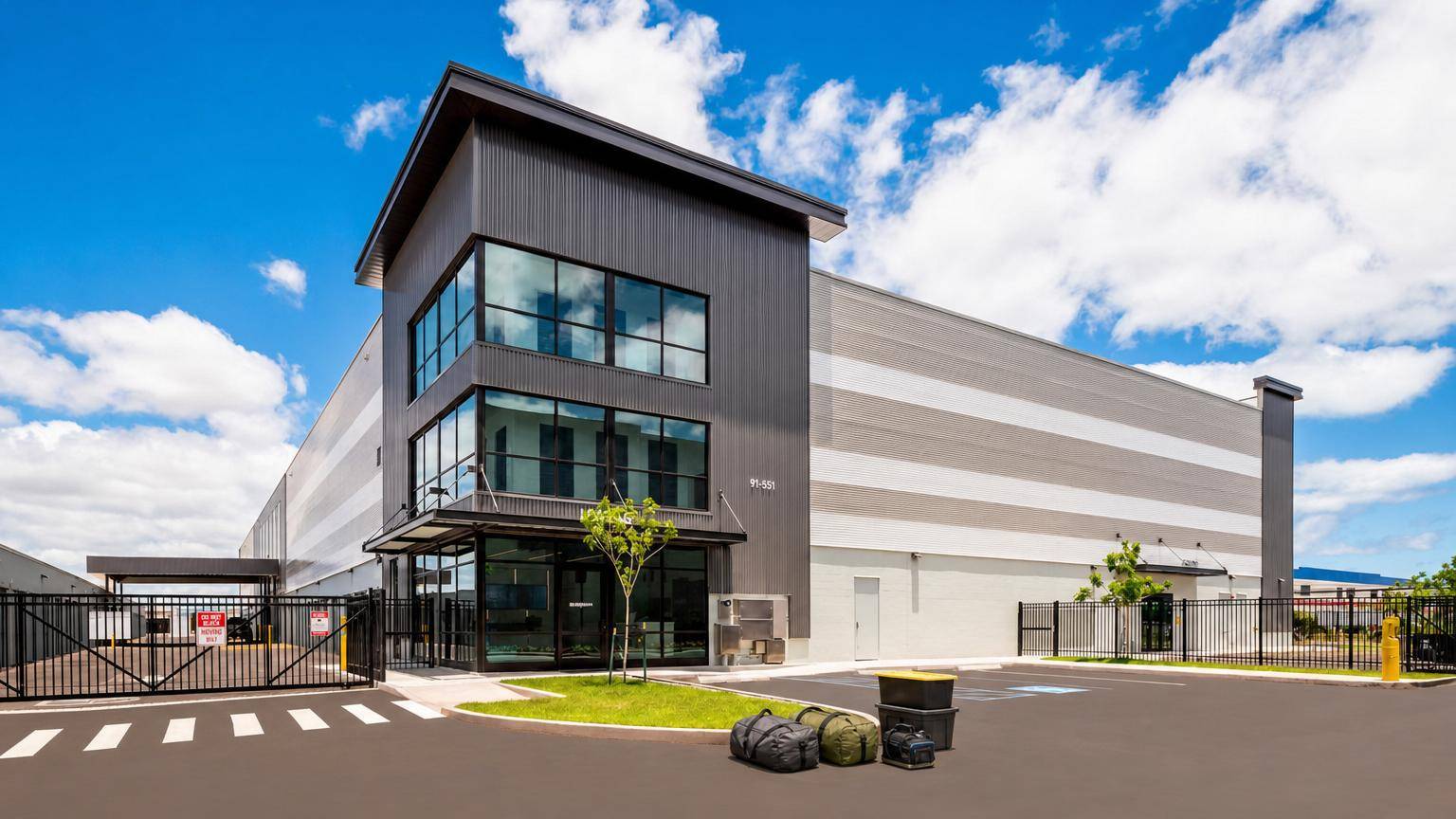
For residents of Kapolei, the distinction between an outdoor drive-up unit and an indoor facility is critical. The facility at 91-551 Kapolei Kai Street, which features multi-story construction with interior corridors, provides a structural "double barrier" against red dirt. The external building shell blocks the primary wind load, while the interior corridors function as airlocks, allowing dust to settle before it reaches the individual unit doors. For residents storing furniture, clothing, or mattresses, this "airlock" effect is the only reliable defense against the pervasive red dust of the region.
Kapolei is situated on the leeward coast, with strong trade winds blowing salt spray inland from the breakwaters of Kalaeloa and Barbers Point. While the ocean breeze is pleasant for residents, it is chemically aggressive toward metals.
Salt air accelerates oxidation through galvanic corrosion. Electronics, appliances, bicycles, tools, and metal furniture are highly susceptible to rust if left in non-climate-controlled environments. The mechanism is exacerbated by humidity; the salt particles on surfaces absorb moisture from the air, creating a highly conductive brine that eats away at circuits, chrome finishes, and structural joints. The "sweat" effect—where high humidity combined with temperature fluctuations causes metal items to condensate—further accelerates this destruction.
Mitigation requires more than just shade; it requires humidity control. Modern climate-controlled units maintain a stable relative humidity, preventing the condensation cycles that drive corrosion. For residents of Ewa Beach and Kapolei, storing electronics or high-value metal goods in a standard outdoor unit is essentially subjecting them to a slow-motion salt fog test.
The leeward side of Oahu is characterized by high temperatures and variable humidity. While often drier than the windward side, Kapolei still experiences humidity levels sufficient to support mold growth, particularly during the rainy season or "Kona weather" periods.
Mold thrives in relative humidity above 60%. Hawaii's ambient humidity frequently exceeds this threshold. Vulnerable items include leather goods (shoes, handbags), paper documents, photographs, and solid wood furniture. Once mold spores colonize these organic materials, remediation is difficult and often destructive.
It is crucial for consumers to distinguish between "temperature control" and true "climate control." Some older facilities offer cooled units that lower the temperature but do not actively dehumidify the air. In some cases, cooling air without removing moisture can actually increase relative humidity, worsening the mold risk. Modern facilities, like the SecureSpace location, utilize HVAC systems designed to regulate both temperature and humidity, creating an environment that inhibits fungal growth and prevents the "musty" smell associated with long-term storage in the tropics.
The Ewa Plain was historically agricultural land, utilized for sugar cane and pineapple cultivation. This legacy has left behind robust populations of pests, including field mice, the large "B-52" flying cockroaches, and centipedes.
Cardboard boxes are a primary attractant. The starch-based glues used in corrugated cardboard serve as a food source for roaches and silverfish. Furthermore, older storage facilities with ground-level units often have structural gaps—aging rubber seals on doors or cracks in the foundation—that allow pests easy entry. Mice can squeeze through gaps as small as a dime, and centipedes can navigate even tighter crevices.
Facility hygiene and construction age are critical differentiators. Newer construction, such as the facility on Kapolei Kai Street, benefits from tighter building envelopes and modern pest exclusion designs. Multi-story facilities also reduce the risk of rodent entry for upper-level units compared to single-story drive-up rows, which are directly accessible from the ground.
In the logistics industry, the "Last Mile"—the final leg of delivery—is considered the most expensive and complex. For self-storage users in Kapolei, the "Last Mile" is the drive from their residence to their unit. The unique traffic patterns of West Oahu make this a critical consideration for reducing the "friction" of using storage.
The H-1 Freeway is the lifeline of Oahu, but during peak commuting hours (6:00 AM – 9:00 AM and 3:00 PM – 6:30 PM), it suffers from severe congestion. The positioning of a storage facility relative to the H-1 exits determines its accessibility.
The facility at 91-551 Kapolei Kai St is strategically positioned at the nexus of the residential and industrial zones. Located near the Kapolei Access Road and Kalaeloa Blvd exits, it sits outside the deepest congestion of the residential subdivisions. Facilities located deep within residential areas—such as those buried in the back of the Kapolei Business Park or near schools—require navigating through school zones, stop signs, and speed bumps. In contrast, the Kapolei Kai location allows for faster "touch-and-go" visits, utilizing arterial roads designed for commercial traffic. This reduces the time penalty of visiting the unit, making it easier to integrate storage into a daily commute or errand run.
Successful storage management involves "trip chaining"—integrating facility visits into existing routines. The Kapolei Kai Street location benefits from its adjacency to major commercial centers:
Kapolei Commons: Home to Target, Costco, and Home Depot.
Ka Makana Ali'i: A regional mall with Macy's and extensive dining options.
Ko Olina: A resort area with lagoons and recreational facilities.
The optimal workflow for a Kapolei resident involves combining errands. A resident can leave Costco with bulk supplies, stop at their storage unit to offload "overflow" items (e.g., extra paper goods, seasonal decorations, bulk non-perishables), and then head home to Mehana or Makakilo. This proximity transforms the storage unit into a pantry annex or a logistics hub, rather than a remote warehouse that requires a dedicated, time-consuming trip.
With many Kapolei residents commuting to "Town" (Honolulu) or Pearl Harbor for work, the daily schedule is extended. The operational hours of a facility are therefore a key accessibility metric.
The 6 AM - 10 PM Window: The access hours at SecureSpace (6am - 10pm) are calibrated to the working professional's schedule. This window allows a resident to stop by before the morning commute (e.g., to grab tools or surf gear) or after a late shift or dinner. Facilities with restricted "office hours" access often lock out working professionals during the week, relegating access to crowded weekends.
24/7 Support Systems: The presence of 24/7 agent availability via phone or intercom provides a critical safety net. If a gate code fails at 9 PM on a Tuesday, having immediate support prevents a wasted trip and the frustration of being locked out—a common complaint at unmanned, older facilities with legacy technology.
Kapolei serves as a primary residential choice for military families stationed at Joint Base Pearl Harbor-Hickam (JBPHH), Schofield Barracks, and Coast Guard Station Barbers Point. For this demographic, storage needs are driven by the strict federal regulations and timelines associated with military service.
When moving to Hawaii (OCONUS), military members are allocated a specific weight allowance for household goods (HHG). However, the physical reality of Hawaii housing often conflicts with these allowances. Homes in Ewa Beach and Kapolei are often smaller than their mainland counterparts in Texas or North Carolina. This creates a "volume mismatch" where the furniture that fit in a mainland ranch house will not fit in an island townhouse.
While the military offers Non-Temporary Storage (NTS) at origin or destination, this government-managed storage is often inaccessible for the duration of the tour. Once items are crated in NTS, they cannot be retrieved until the service member moves out or separates. Commercial self-storage offers the necessary flexibility to keep items—such as extra gear, hobby equipment, or off-season uniforms—accessible throughout the assignment. This "overflow" capacity is essential for maintaining a comfortable living space in military housing or private rentals.
"Professional Books, Papers, and Equipment" (PBP&E) is a category of goods that does not count against the standard weight allowance, but it does consume physical space in the home.
Gear Storage: The proximity of the Kapolei Kai facility to the H-1 makes it an ideal "off-site locker" for field gear, rucksacks, and specialized equipment. The climate control is essential for preventing mildew on nylon gear and rust on dive knives or multi-tools.
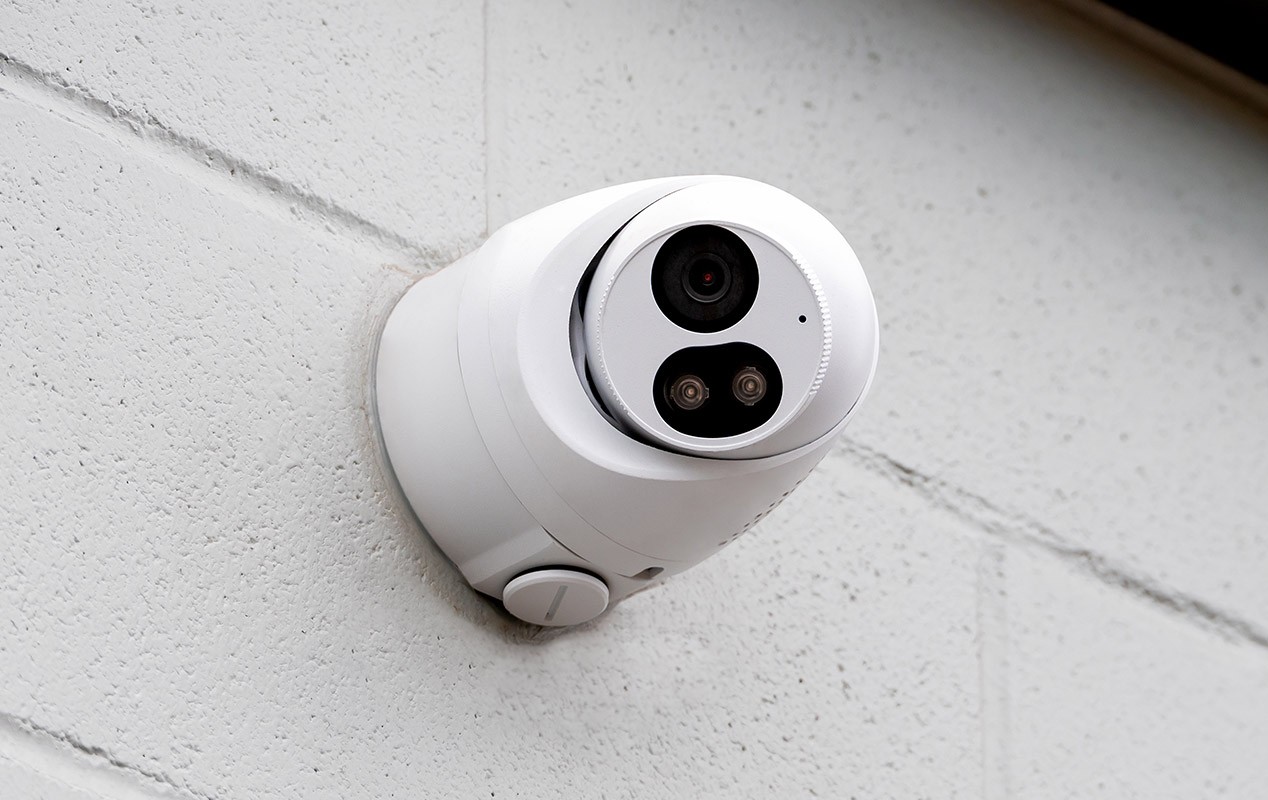
Deployment Prep: Before a deployment, single service members or families often need to downsize or secure high-value items (motorcycles, electronics) in a monitored facility. The advanced security features of modern facilities—such as high-definition video surveillance and individualized gate access codes—provide the peace of mind necessary for deployed personnel to focus on their mission.
Ask for the Military Rate: Most reputable facilities in Kapolei, including SecureSpace, recognize the military presence and offer discounts. It is standard practice to inquire about these rates during the rental process.
Auto-Pay is Mandatory: For service members facing deployment or field training exercises, setting up auto-pay is a critical safeguard. It prevents the risk of missing a payment due to lack of internet access or operational tempo, ensuring goods are not subject to lien or auction.
Power of Attorney: If deploying, it is vital to ensure a spouse or trusted friend has access rights and, if necessary, a Power of Attorney to manage the unit. This administrative step prevents legal gridlock if issues arise with the unit while the service member is downrange.
Renovating a home in Hawaii is a test of endurance, distinct from the mainland experience. In the 2025-2026 period, the combination of labor shortages, high interest rates, and unique shipping logistics has extended project timelines significantly.
The reliance on maritime shipping for construction materials introduces a variable of uncertainty that mainland homeowners rarely face. Materials coming from the mainland or Asia can be delayed at the docks due to logistics bottlenecks or labor issues. A kitchen remodel that might take 8 weeks in California can easily stretch to 6 months in Kapolei due to waiting on cabinets, tiles, or fixtures.
Shipping Delays: The Jones Act and global supply chain friction mean that "just-in-time" delivery is often impossible. Contractors often require materials to be on-island before demolition begins to avoid stalled projects.
Permit Backlogs: While the Honolulu Department of Planning and Permitting (DPP) has implemented measures to reduce wait times, backlogs for building permits persist. Projects often stall for months waiting for plan approval or inspections, leaving homeowners in a state of limbo.
Smart homeowners in Kapolei use self-storage to "de-risk" their renovations, using the unit as a staging ground to decouple the material supply chain from the construction timeline.
Material Staging: Instead of cluttering the garage or living room with boxes of tile, flooring, and fixtures waiting for the contractor, homeowners store them in a secure unit. This protects valuable materials from theft and damage while ensuring they are available immediately when the contractor is ready.
Furniture Protection: When demolition begins, the red dirt and drywall dust become airborne. Storing furniture off-site protects it from this pervasive dust, which can ruin upholstery.
The "Pack Out" Strategy: Clearing the entire renovation zone before work starts speeds up the contractors' work, as they do not have to constantly move furniture around the site. This can reduce labor costs and prevent accidental damage to belongings.
Kapolei's proximity to world-class beaches—White Plains, Ko Olina, and Nimitz Beach—makes outdoor recreation a core part of the local lifestyle. However, the gear required for these activities is bulky and often incompatible with apartment or townhome living.
Stand-up paddleboards (SUPs), longboards, kayaks, and outrigger canoe paddles are difficult to store in compact Ohana units or townhomes with small lanais. Storing them outside exposes them to UV damage and theft. A storage unit at a facility like SecureSpace serves as a "Waterman's Locker."
Accessibility: The ground-floor access or large elevators at modern facilities make it easy to move long boards in and out.
Rinse and Store: While storage units typically do not have drains, wiping down gear and storing it in a climate-controlled environment prevents the degradation of materials (like foam and fiberglass) caused by extreme heat cycles in a car or outdoor shed.
When researching storage in Kapolei, residents will encounter a mix of options, from national chains like Public Storage and Extra Space Storage to local operators. While direct disparagement is unprofessional, a comparative analysis of features based on public data reveals clear distinctions in the "value proposition" offered by modern facilities versus legacy infrastructure.
Feature — The "Legacy" Facility Experience (General Market) — The Modern Facility Standard (e.g., SecureSpace) — Why It Matters in Kapolei
Climate Control — Often retrofitted or partial. "Temperature controlled" but not actively humidity regulated. — Purpose-built HVAC with humidity monitoring. — Critical: Prevents mold and salt corrosion in Ewa Plain humidity.
Pest Control — Established populations of pests in older structures. Cardboard/debris often visible. — New construction; tighter seals; proactive integrated pest management. — High Impact: Prevents roach/rodent infestation of furniture.
Security Tech — Analog cameras; keypads often broken or "open during day." — High-def digital video; individual unit alarms; app-based gate access. — Peace of Mind: High theft deterrence for military gear/valuables.
Access Logistics — Narrow driveways; limited turning radius for moving trucks. — Designed for modern logistics; covered loading bays; wide elevators. — Convenience: Makes moving in/out of Makakilo (steep hills) easier.
Pricing Model — Aggressive "Teaser Rates" ($1 promo) followed by rapid, steep hikes. — Competitive market rates with transparency focus. — Financial Health: avoids "rent shock" 3 months into a 12-month deployment.
A unit that is nominally $20 cheaper per month but allows a mattress to develop mold or electronics to corrode is not a bargain. The cost of replacing a single mildewed sofa or rusted bicycle far exceeds the cumulative price difference between a standard unit and a premium climate-controlled unit. In the harsh environment of the Ewa Plain, quality acts as an insurance policy for personal property.
Successfully storing items in Kapolei requires specific packing techniques to counter the local environment. Adopting these protocols will ensure that goods emerge from storage in the same condition they entered.
Avoid: Standard cardboard boxes. They absorb ambient humidity, becoming soft and structurally unsound over time. More importantly, the starch-based glue used in their construction is a powerful attractant for roaches and silverfish.
Adopt: Clear plastic bins with latching lids. These containers provide a waterproof and dust-proof barrier, essential for blocking Red Dirt. They are also stackable and do not attract pests.
Tip: Place a silica gel desiccant pack inside each bin before sealing to manage any trapped moisture.
Furniture: Do not simply drape a sheet over a sofa. Use plastic shrink wrap or specialized heavy-duty mattress covers. Tape the openings shut completely. Red dust particles are fine enough to settle upwards into crevices due to air currents, so a comprehensive seal is necessary.
Electronics: Bag all electronics in anti-static plastic before boxing. This prevents dust from settling on circuit boards and insulating components, which can cause overheating upon reuse.
Spacing: Do not push items tight against the walls of the unit. Leave a 1-2 inch gap around the perimeter to allow air to circulate. This prevents the formation of condensation pockets that can breed mold.
Pallets: Even in a clean, modern unit, never store cardboard or fabric directly on the concrete floor. Concrete can wick moisture from the ground. Use wooden pallets or plastic shelving to create a thermal break and airflow gap under the goods.
For the resident of Kapolei, the decision to rent storage is driven by the unique convergence of high-density housing, strict HOA governance, and a challenging tropical environment. The "default" option of stuffing a garage is often legally or spatially impossible in communities like Mehana and Ho'opili, while the geography of Makakilo makes on-site storage logistically difficult.
While there are several options in the 96707 zip code, the facility at 91-551 Kapolei Kai St distinguishes itself through its architectural fitness for the environment. Its location mitigates the worst of the H-1 traffic bottlenecks; its modern construction offers a robust defense against Red Dirt and pests; and its climate control systems are essential for the long-term preservation of assets in the Ewa Plain.
When factoring in the "Total Cost"—including the potential replacement cost of damaged goods, the value of time spent in traffic, and the peace of mind provided by advanced security—the choice for a premium, well-located facility becomes the rational, economic decision.
Verify Climate Control: Ask specifically about humidity regulation, not just temperature. Ensure the system is designed to dehumidify.
Check the Loading Bay: Is it covered? Hawaii rain squalls can appear suddenly. A covered bay protects furniture from getting soaked during the move-in process.
Inspect the Corners: Look for Red Dirt ingress in the hallways. A clean hallway indicates a well-sealed building envelope.
Review the Hours: Ensure the gate access hours align with your commute and shift schedule, particularly if you work early or late shifts.
By following this guide, residents can transform storage from a burdensome necessity into a strategic asset that simplifies life in Oahu's Second City.
Everything you need to store your belongings securely, on your schedule.
Visit us online