Last updated Jul 10, 2026
Living in the New York City metropolitan area—whether you are navigating the historic cobblestones of DUMBO (11201), managing a multi-generational home in Richmond Hill (11418), or squeezing into a walk-up in the Lower East Side (10002)—eventually leads to a singular, universal realization: space is the ultimate luxury. In a city defined by verticality and density, the square footage of our living environments rarely matches the scale of our lives. We accumulate history, we inherit furniture, we pursue hobbies that require gear, and we undertake renovations that displace our households.
For residents of Queens and Brooklyn, the search for storage is rarely about simply "hoarding stuff." It is a strategic logistical maneuver. It is about reclaiming your living room from the seasonal creep of winter coats and camping gear. It is about navigating the complex, months-long timeline of a co-op renovation in Brooklyn Heights. It is about finding a safe harbor for business inventory that has outgrown a spare bedroom in Middle Village. The decision to rent a storage unit is often triggered by a life event—a move, a birth, a death, a business expansion, or a home improvement project—that forces a reevaluation of the physical space we occupy.
This guide is designed for the residents of our specific catchment area—spanning the dense urbanity of Lower Manhattan to the residential rows of Queens. We understand that you are not just looking for a metal box; you are looking for a solution to a logistical puzzle involving traffic patterns on the Long Island Expressway (LIE), the unpredictability of Alternate Side Parking, and the specific dimensions of a pre-war elevator (or lack thereof). We recognize that the needs of a tenant in a Bushwick (11237) railroad apartment differ vastly from those of a homeowner in Kew Gardens (11415) with a driveway. This report aims to bridge those differences, offering a unified, hyper-local framework for making a low-stress decision about self-storage.
Why are you looking at a facility on Borden Avenue in Maspeth (11378)? Because for many of us, Maspeth represents the "logistical sweet spot." It sits at the intersection of accessibility and space. It acts as a pressure relief valve for the congested neighborhoods that surround it.
The geometry of access to Maspeth creates a unique advantage for residents across multiple boroughs. The location acts as a central hub, providing accessible storage solutions for residents in congested zones like Lower Manhattan and Williamsburg, as well as residential hubs in Queens. Logistically, Maspeth sits at the nexus of major arteries. For residents of Williamsburg (11211), the facility is a straight shot over the Koszciuszko Bridge or via Grand Avenue, bypassing the internal congestion of Brooklyn's residential grid. For those in the Lower East Side (10002) and Seaport (10038), the Williamsburg Bridge feeds directly into the highways leading to Maspeth, allowing for a "reverse commute" of belongings—moving items away from the density of Manhattan into a zone designed for logistics. Similarly, for the residential corridors of Queens, the Long Island Expressway (LIE) serves as a direct conduit to the facility, making it a convenient waypoint for those commuting between boroughs.
For the Williamsburg (11211) resident: It is a quick shoot over the bridge, avoiding the crushing congestion of intra-Brooklyn driving and the parking nightmares of North Brooklyn.
For the Lower Manhattan (10038) dweller: It provides a flood-safe elevation and a facility designed for vehicles, unlike the cramped basement lockers often found in the city's flood zones.
For the Queens local (11379, 11424): It is a neighborhood fixture, an industrial zone that allows for wide driveways and covered loading docks—luxuries that are physically impossible in denser residential zones.
This report is not a sales pitch. It is a comprehensive decision framework. It aggregates hyper-local data—from flood zone maps in the Seaport to parking regulations in Bushwick—to help you determine exactly what you need, avoid common pitfalls, and decide if this Maspeth location is the logistical partner your life requires right now.
Before we dive into the specifics of unit sizes and packing tape, we need to address the "unknown unknowns." Most first-time storage renters in NYC and the surrounding boroughs make decisions based on two factors: Price and Proximity (as the crow flies). While these are critical, they are incomplete metrics in a city as complex as New York. Experienced New Yorkers know that these metrics are often misleading. A facility might be three blocks away, but if it has no loading dock and you live on a one-way street with a bike lane, moving in will be a nightmare. Conversely, a facility like the one at 59-20 Borden Ave might be a 15-minute drive, but its infrastructure can save you hours of labor and hundreds of dollars in parking tickets.
In neighborhoods like Bushwick (11237) or Brooklyn Heights (11201), the challenge isn't just getting your stuff to the building; it's getting it inside. The urban landscape is often hostile to the act of moving.
The Double-Park Dilemma: Many urban storage facilities in converted warehouses lack off-street parking. This leaves you double-parking a U-Haul on a busy avenue, rushing to unload while watching for meter maids or blocking a bus lane. In areas like Downtown Brooklyn or Williamsburg, this can result in significant stress and potential fines.
The Maspeth Advantage: Industrial zones like Maspeth are zoned for logistics. Facilities here, including SecureSpace, often feature dedicated loading bays and drive-up access. This means you pull your vehicle into the facility or right up to the door.
Insight: For a renovation project where you are visiting the unit weekly to swap tools or furniture, the ability to park legally and unload without stress is worth more than saving a few dollars on monthly rent at a facility with no parking. The "soft cost" of stress and the "hard cost" of parking tickets must be factored into your decision.
Residents in Seaport (10038) and Red Hook are acutely aware of humidity and moisture. When moving items from a damp basement or a non-climate-controlled apartment, you might think standard storage is fine. However, the New York climate poses specific risks.
The Humidity Factor: In the humid NYC summers, a non-climate-controlled metal box can become an oven. For items like wood furniture (common in the brownstones of Bed-Stuy, 11216), vinyl records (a staple in Williamsburg, 11211), or electronics, temperature fluctuation is the enemy. Wood expands and contracts, glue melts, and archival paper degrades.
Modern Standards: Newer facilities in the area often prioritize climate-controlled units that regulate temperature and humidity ranges, mitigating the risk of warping, cracking, or mildew that can occur in older, garage-style storage. If you are storing items of sentimental or financial value, climate control is often a necessary insurance policy against the elements.
"I need 24-hour access." Do you? Really? This is a common requirement stated by first-time renters, but often it is based on a hypothetical scenario rather than actual usage patterns.
The Reality: Most personal storage users visit their unit once at move-in and then sparingly afterwards. Even business users (e.g., a contractor in Glendale, 11385) typically operate during extended business hours. The need to access a unit at 3:00 AM is extremely rare for the average residential user.
Security Trade-off: Facilities with strict access hours often have better security profiles because there is no foot traffic during the graveyard shift. SecureSpace Maspeth generally operates with extended access hours rather than open-door 24/7 policies for the general public, balancing convenience with the security of a "locked down" facility at night. It is crucial to verify specific gate hours for your unit type, as they can differ from office hours, but generally, the access windows provided cover the vast majority of use cases.
To help you move from "thinking about storage" to "booking the right unit," we have developed a decision matrix tailored to the housing stock and lifestyles of Queens and Brooklyn. This checklist is designed to clarify your actual needs versus your perceived needs.
Forget "square footage" for a moment. Thinking in terms of raw area can be abstract and misleading. Instead, think in terms of "Rooms vs. Tetris." What specific furniture and box counts are you actually moving? We have broken this down by housing type to match the local market.
Visualizing capacity is the number one difficulty for users. Abstract dimensions (5x10) mean nothing. Seeing "12 boxes + 1 sofa" means everything. Below is a breakdown of what realistically fits in the most popular unit sizes available at the Maspeth facility.
5' x 5' (25 Sq. Ft.) - Studio / 1BR (e.g., LES 10002) - The "Walk-in Closet": Fits a twin mattress set, a chest of drawers, several stackable chairs, and approximately 5-10 medium boxes. Ideal for seasonal rotations (skis, winter coats, AC units) or decluttering a single closet. Vertical stacking is key here.
5' x 10' (50 Sq. Ft.) - Pre-war Walk-up (e.g., Bushwick 11237) - The "Small Bedroom": Fits a queen-sized mattress set, a dresser, a TV stand, a bicycle, and 10-20 medium boxes. Perfect for clearing a bedroom to sublet or renovate, or for storing the contents of a studio apartment during a move.
10' x 10' (100 Sq. Ft.) - Brownstone / Rowhouse (e.g., Bed-Stuy 11216) - The "Living Room": Can hold the contents of a one-bedroom apartment or a large living room and dining area. Fits a sofa, refrigerator, washer/dryer, patio furniture, and dozens of boxes. Ideal for renovation staging (1-2 rooms) where you need to clear floor space.
10' x 15' (150 Sq. Ft.) - Small Business / Large Apt (e.g., Maspeth 11378) - The "Master Suite": Fits the contents of a two-bedroom apartment. capable of holding large appliances, piano, couches, tables, and extensive inventory. Allows for shelving units to organize business inventory for easy retrieval.
10' x 20' (200 Sq. Ft.) - Single Family Home (e.g., Kew Gardens 11415) - The "One-Car Garage": Necessary for a whole house move or major downsizing. Fits appliances, large sectional sofas, multi-room furniture sets, garage equipment, and hundreds of boxes. Essentially a vehicle-sized space.
Once you have determined the size, you must consider the logistics of your specific situation.
Will you be driving a personal car or a rental truck?
If Truck: Confirm the facility has clearance height for a 10ft+ truck. SecureSpace Maspeth has covered loading, but it is always wise to check clearance for high-roof Sprinters or Box trucks to ensure you can pull all the way in.
How often will you visit?
Once a Season: Location matters less; prioritize price and climate control.
Weekly (Business/Renovation): Prioritize Drive-Up Access and covered loading. You do not want to be hauling drywall or inventory in the rain.
What is your packing strategy?
Bins: Best for damp protection and stacking.
Cardboard: Cheaper, but vulnerable to moisture and crushing.
In this section, we analyze the specific "pain points" of our primary service areas and how a strategic storage unit at 59-20 Borden Ave acts as the solution. We have grouped these neighborhoods by lifestyle and logistical profile.
ZIP Codes: 10002 (LES), 10013 (Tribeca/Chinatown), 10038 (Seaport), 11211 (Williamsburg), 11249 (Williamsburg Waterfront).
Residents in the Lower East Side (10002) and Seaport (10038) often live in some of the city's most space-constrained environments. Pre-war tenements and modern micro-studios leave zero room for overflow. Furthermore, the Seaport is a known flood zone.
The Flood Risk: Ground-level storage in these zones is risky. The legacy of Superstorm Sandy looms large in ZIP code 10038. Basements flood. Storing valuables at a facility in Maspeth (which sits on higher ground and offers upper-level units via elevator) provides peace of mind against coastal storm surges that threaten Lower Manhattan. The geographic separation from the waterfront is a tangible security feature.
The Commute Logic: Why Maspeth? For a resident of Williamsburg (11211) or the LES, driving deep into Brooklyn or Queens can take an hour. However, Borden Ave is strategically located near the Williamsburg Bridge and the Queens-Midtown Tunnel exits. It allows you to "reverse commute" your stuff—moving it away from the congestion into a zone designed for trucks and loading.
The Williamsburg "Luxury" Trap: New developments in 11249 often charge exorbitant rates for tiny basement cages. Renting a larger, climate-controlled unit in Maspeth often costs significantly less per square foot, even factoring in a short Uber XL or Zipcar trip. The "luxury" of the building often comes with a "luxury" price tag for storage that offers less protection and accessibility than a dedicated facility.
The best time to access your unit from these zones is early Saturday morning (before 10 AM). You can cross the Williamsburg Bridge or the Kosciuszko Bridge in minutes, load/unload at the covered dock in Maspeth, and be back in the city for brunch before the traffic builds. This "reverse commute" leverages the infrastructure when it is least utilized.
ZIP Codes: 11201 (Brooklyn Heights), 11205 (Clinton Hill), 11216 (Bed-Stuy), 11233 (Stuyvesant Heights), 11238 (Prospect Heights), 11221 (Bushwick/Bed-Stuy), 11237 (Bushwick).
If you live in a 4th-floor walk-up in Bushwick (11237) or a brownstone in Bed-Stuy (11216), your relationship with your belongings is defined by gravity. Every item you own must be carried up and down stairs.
The Seasonal Lug: Do you really want to carry a window AC unit, a heavy winter coat collection, and holiday decorations up and down four flights of narrow stairs every year? The physical toll of vertical living is real.
The Solution: Use your Maspeth unit as a "ground-level attic." Store the heavy, seasonal items here. You only have to carry them down once. When you need them, you drive up to the loading dock—no stairs involved at the facility—and grab what you need. This transforms your storage unit into an extension of your home that is far easier to access than your own attic or basement.
Renovation Staging: Brooklyn Heights (11201) and Clinton Hill (11205) are historic districts full of renovation projects. When refinishing floors or updating a kitchen, you need to clear the room entirely. A 10x10 unit acts as a temporary living room.
Parking Note: Parking a moving truck on the narrow, tree-lined streets of Brooklyn Heights is a permit nightmare. Using a "pod" is often illegal or impossible due to narrow streets and historic district regulations. A shuttle run to Maspeth allows you to clear the house quickly without leaving a container on the street for weeks, avoiding the ire of neighbors and the city.
ZIP Codes: 11378 (Maspeth), 11379 (Middle Village), 11385 (Ridgewood/Glendale), 11415 (Kew Gardens), 11418 (Richmond Hill), 11421 (Woodhaven), 11424 (Kew Gardens Hills).
In neighborhoods like Richmond Hill (11418) and Middle Village (11379), housing stock is often single-family or two-family homes, frequently occupied by multiple generations. The dynamics of these households are fluid.
The "Boomerang" Room: When an adult child moves back home, or an elderly parent moves in, the "spare room" (often full of 30 years of family archives) needs to be cleared immediately. The storage unit becomes the "overflow valve" that allows the home to adapt to new occupants without discarding family history.
The Business Pivot: This area has a high density of tradespeople and small business owners (contractors, caterers, e-commerce). A Drive-Up Unit in Maspeth is effectively a warehouse for these businesses. It offers a secure place to park tools and inventory that is safer than a van parked on the street and cheaper than commercial warehouse space.
The Driveway Advantage: Unlike the city dwellers, residents in Kew Gardens (11415) often have cars. The short drive to Borden Ave is part of the weekly routine. The facility's location near the LIE and Grand Ave makes it an easy stop on the way to a job site or errand run.
While our primary focus is on the ZIP codes listed above, the reality of Maspeth is that it sits on a logistics crossroads. Even if you don't live in the immediate vicinity, you likely drive past it. Understanding how this facility integrates into your existing travel patterns is key to making storage a convenience rather than a chore.
The "Errand Orbit":
Residents of Forest Hills (11375) or Rego Park (11374) often travel down Queens Boulevard or the LIE to reach Brooklyn or Manhattan. SecureSpace Maspeth at 59-20 Borden Ave is located just off these major arteries.
The Strategy: Choose a storage location that is on your existing route, not one that requires a detour. If you commute from Queens to Brooklyn for work, this location is a natural waypoint. You can stop, grab your golf clubs or tools, and continue your commute with minimal time loss. It transforms the "storage run" from a special trip into a simple stop on the way home.
The Public Transit Factor:
For those in 11237 (Bushwick) or 11206 (Williamsburg) without cars, the Q59 and Q58 buses serve the Maspeth area, though the "Last Mile" often requires a short walk or taxi. However, storage is fundamentally a "vehicle-dependent" activity for most movers. The abundance of Zipcar spots and truck rental agencies in the surrounding industrial zones facilitates the "occasional use" model for car-free residents. The facility's location is accessible enough via rideshare or short-term rental that not owning a car is not a barrier to entry, provided one plans the logistics of the move-in day carefully.
When researching storage in an industrial area like Maspeth, prospective renters often have specific anxieties. Let's address them with transparency and local context.
The Context: Maspeth is an industrial and residential mix. Borden Ave is a busy thoroughfare for logistics.
The Reality: Unlike a dark alley in a residential zone, industrial zones are often well-lit and monitored. SecureSpace Maspeth employs modern security measures, including video recording and well-lit surroundings. The presence of commercial activity often means continuous monitoring of the area.
Advice: While the facility has extended access hours, we always recommend new customers visit during the day first to get comfortable with the layout. The facility's design emphasizes visibility, which is a key deterrent.
The Context: NYC has a pest problem; this is a fact of city life.
The Mitigation: Professional storage facilities maintain strict pest control contracts that are far more aggressive than the average residential landlord. The construction of modern facilities like SecureSpace includes pest mitigation in the building envelope itself.
Your Role: You can further protect your items by avoiding the use of grocery store cardboard boxes (which can harbor pests) and instead using sealed plastic bins. Never store food items—this is the number one cause of pest issues in any facility.
The Context: Humidity in NY fluctuates wildly. Summers are swampy; winters are dry.
The Solution: Climate-controlled units are available at this location. These units are kept within a temperature range that prevents the extreme swings that cause condensation. For residents of 11237 or 10002 storing fabrics, mattresses, or electronics, this is a non-negotiable feature we highly recommend. It ensures that the environment inside the unit remains stable regardless of the weather outside.
The Answer: No. This is the single biggest advantage of the Borden Ave location.
The Detail: The facility offers off-street parking and a covered loading area. You are not fighting for a spot on the street. You are not blocking a bike lane. You are pulling into a private, dedicated space to unload at your own pace. For anyone who has tried to move out of a brownstone in 11216 while dodging traffic, this feature alone is worth the rental price.
We have avoided "selling" you on this facility, but we must highlight why 59-20 Borden Ave consistently appears as a top choice for residents in our researched ZIP codes. It comes down to Functional Fit and how the facility aligns with the logistical realities of New York life.
1. The "Vehicle-First" Design:
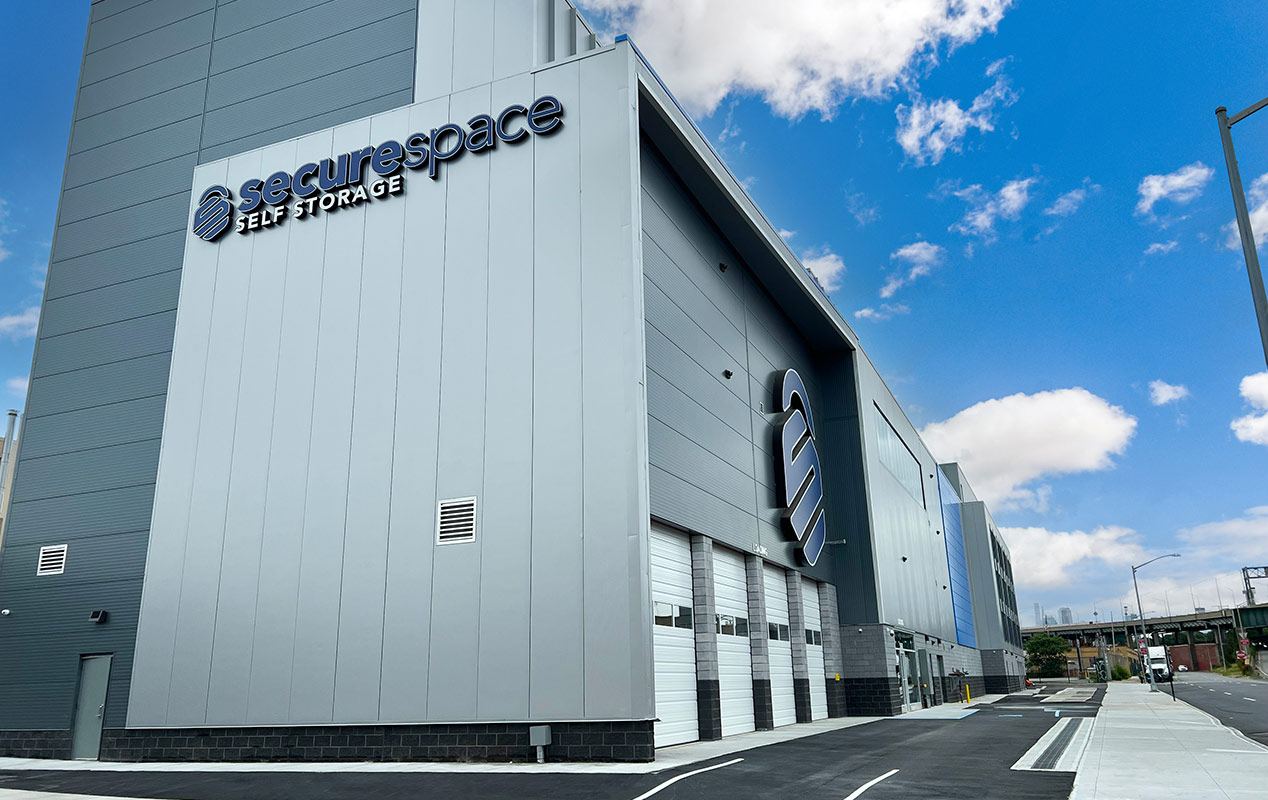
Most storage facilities in Manhattan or dense Brooklyn are retrofitted into old buildings. They have tiny elevators, narrow hallways, and no parking. This SecureSpace location is purpose-built for storage. The wide driveways, large elevators, and drive-up units are designed for the reality of moving. It acknowledges that you are likely arriving in a vehicle and need space to maneuver. The facility is designed around the truck, not the pedestrian, which is the correct priority for storage.
2. The Renovation Partner:
For the hundreds of homeowners in Richmond Hill (11418) and Maspeth (11378) undergoing renovations, the facility offers flexibility. You can rent a large unit for 3 months to clear your house, then downsize to a locker for just the seasonal items once the work is done. The proximity allows for the frequent "back-and-forth" trips that renovations require. You are not locked into a single size; the facility can adapt as your project progresses.
3. The "In-Between" Solution:
For those in transition—between leases in Williamsburg, moving from a dorm to an apartment, or handling an estate in Queens—Maspeth offers a calm, neutral ground. It is close enough to be accessible but removed enough from the chaotic residential streets to make the actual work of moving less stressful. It provides a buffer zone where you can organize your life without the pressure of a ticking clock on a double-parked truck.
Deciding on a storage unit is the final step in a long process of decluttering, moving, or reorganizing your life. It is often a stressful time. The goal of this guide has been to reduce that stress by providing the local context you need to make an informed decision.
If you live in Lower Manhattan, North Brooklyn, or Central Queens, the SecureSpace facility at 59-20 Borden Ave offers a compelling mix of accessibility, modern amenities, and logistical ease. It is not just about the space; it is about the experience of using that space—the ability to park, the protection of a covered dock, and the certainty of a secure environment.
Your Next Steps:
Measure your largest item. (Will that sofa fit in the elevator? Here, yes. In a walk-up, maybe not).
Check the traffic. (Map the drive from your apartment to Borden Ave at your likely visiting time).
Visit the facility. (Walk the hallways. Check the loading dock. See if it feels right).
Storage is a tool. When chosen correctly, it stops being a monthly bill and starts being an asset that makes your NYC life a little bit more breathable.
Note: The following sections provide granular detail for residents of specific primary ZIP codes, addressing the unique architectural and logistical challenges of each zone.
(ZIPs: 10002, 10013, 10038, 11211, 11249)
Residents in these ZIP codes face a trifecta of storage challenges: High Cost per Square Foot, Flood Vulnerability, and Extreme Congestion.
The Seaport and parts of the Lower East Side are increasingly vulnerable to tidal flooding.
The Risk: Basement storage in residential buildings here is a gamble. Saltwater damages furniture, electronics, and documents instantly. The risk is not just theoretical; it is a recurring issue in these low-lying zones.
The Maspeth Fix: Moving vulnerable items to 59-20 Borden Ave places them well outside the immediate coastal flood zones of Lower Manhattan. The facility's construction and elevation offer a layer of security that a basement locker in Zone A cannot. It is a simple geographic hedge against the unpredictability of the East River.
New high-rises on the Williamsburg waterfront often market "storage cages" as a luxury amenity.
The Reality: These cages are often tiny, overpriced, and subject to waiting lists. They are also typically located in the bowels of the building, requiring navigation through service elevators shared with move-ins and garbage removal. The convenience is often overstated.
The Comparison: For the price of a small cage in 11249, you can often rent a walk-in-closet-sized unit in Maspeth. The trade-off is the 15-minute drive, but the gain is substantial capacity. You get a real room, not a chicken wire cage.
(ZIPs: 11216, 11233, 11205, 11221, 11237)
The defining feature of these neighborhoods is the Stoop and the Staircase.
Moving items in and out of a brownstone or limestone rowhouse usually involves navigating a steep front stoop, followed by narrow interior hallways.
Impact on Storage: You do not want to be moving items in and out frequently. The goal is Seasonal Batching.
Strategy: Rent a 5x10 or 10x10 unit in Maspeth. Twice a year (Spring and Fall), rent a Zipvan. Load it up with everything for the season—skis, coats, heavy bedding, holiday decor. Do one trip. The Covered Loading Area at SecureSpace means you can unload efficiently into carts, minimizing the physical toll. This strategy reduces the number of times you have to navigate your stoop to two days a year.
Many apartments in Bushwick are "railroad" style—long, narrow, with rooms leading into one another.
The Problem: Clutter in a railroad apartment blocks flow. A bike in the hallway is a major obstruction.
The Fix: Maspeth is incredibly close to Bushwick. A Drive-Up Unit is ideal for storing bicycles, musical equipment (amps, drums), and art supplies that clutter these narrow living spaces. It serves as the external garage that these apartments lack.
(ZIPs: 11379, 11415, 11418, 11424)
These neighborhoods are characterized by Stability and Family.
In Kew Gardens (11415) and Richmond Hill (11418), many long-term homeowners are looking to renovate or downsize as children move out.
The Challenge: You can't renovate a room that is full of furniture.
The Solution: A short-term rental (3-6 months) of a 10x20 unit allows you to empty an entire floor of the house. This speeds up contractors (who don't have to work around piles of boxes) and protects your furniture from dust and paint.
Proximity: Being in Maspeth/Middle Village means you can pop by the unit to grab a specific box or file without it being a day-long expedition. It integrates into your local life.
Maspeth and Ridgewood are hubs for small businesses—contractors, caterers, and makers.
The Need: Secure, accessible storage for inventory and tools. Leaving tools in a van overnight on the street is a security risk.
The Maspeth Fix: SecureSpace offers a secure perimeter. Parking your inventory here is safer than street parking. The extended access hours (check specific unit policies) allow you to pick up equipment early before a job, making it a functional part of your business operations.
Moving your belongings from your home to a storage unit in New York is a logistical operation that requires knowledge of the "Rules of the Road." Understanding these rules can save you from costly fines and significant delays.
One of the most common mistakes made by renters of U-Hauls or other moving trucks is driving on parkways. In New York State, trucks and commercial vehicles are strictly prohibited on parkways. This includes the Grand Central Parkway, the Belt Parkway, and the Jackie Robinson Parkway. These roads have low bridges that will peel the roof off a moving truck like a sardine can.
The Maspeth Route: When driving to 59-20 Borden Ave, you must stick to the Long Island Expressway (I-495) or the Brooklyn-Queens Expressway (I-278). These are designated truck routes. Local streets like Grand Avenue and Metropolitan Avenue are also safe for trucks.
Tip: Always use a GPS app designed for trucks (like Hammer or Sygic Truck) rather than standard Google Maps, which might route you onto a parkway to save time.
If you are using a commercial vehicle (which includes most rental trucks with commercial plates), you are subject to different parking rules than a passenger car.
No Standing Zones: You cannot park a commercial vehicle in a "No Standing" zone, even to load or unload.
Double Parking: While common, double parking is technically illegal and can result in a ticket. However, in many residential neighborhoods, it is the only option. The key is to never block a bike lane, a hydrant, or a crosswalk.
The Maspeth Advantage: By choosing a facility with off-street parking, you eliminate the parking risk at the destination. You only have to worry about the parking at your origin point. This cuts your exposure to parking tickets in half.
The roads leading to Maspeth—specifically the BQE and the LIE—are notorious for potholes and uneven pavement. This vibration can damage fragile items during transit.
Packing for Potholes: When packing boxes, use double-walled cardboard for fragile items like china or glass. Use plenty of bubble wrap and ensure there is no empty space in the box for items to shift.
Truck Loading: When loading the truck, ensure that items are strapped down. A loose stack of boxes will topple when the truck hits a pothole on the Kosciuszko Bridge. Use ratchet straps or rope to secure the load to the side rails of the truck.
Storage in New York is an endurance sport for your belongings. They must survive humidity, temperature swings, and the potential for pests. Here is how to pack for longevity.
For long-term storage in NYC, clear plastic bins are superior to cardboard boxes.
Moisture Protection: Plastic is impervious to the humidity that can make cardboard soggy and weak over time.
Pest Protection: Plastic bins with latching lids are far more resistant to pests than cardboard, which can be chewed through or used as nesting material.
Visibility: Clear bins allow you to see what is inside without opening them, which is a huge time-saver when you are looking for that one specific holiday ornament.
Stacking: Plastic bins stack securely, reducing the risk of a "box avalanche."
If you are storing clothes, linens, or rugs, never store them in plastic bags (like garbage bags). Plastic traps moisture and can lead to mildew.
Wardrobe Boxes: Use wardrobe boxes for hanging clothes. They allow air to circulate.
Vacuum Bags: Vacuum-sealed bags are great for saving space with comforters and pillows, but ensure they are completely dry before sealing.
Cedar & Lavender: Place cedar blocks or lavender sachets in with your textiles. They are natural pest deterrents and keep items smelling fresh. Avoid mothballs, which leave a lingering odor that is almost impossible to remove.
Electronics and vintage media (vinyl records, cassette tapes) are highly sensitive to heat and humidity.
Climate Control: These items must be stored in a climate-controlled unit. The fluctuation of temperature in a standard unit can cause components to degrade and vinyl to warp.
Original Packaging: If possible, store electronics in their original boxes with the original styrofoam inserts. This provides the best protection against impact.
Batteries: Remove all batteries from electronic devices before storage. Batteries can leak and corrode the terminals, destroying the device.
Understanding the specific features of the SecureSpace Maspeth facility allows you to maximize the value of your rental.
The facility is a modern, multi-story building designed specifically for self-storage. This is a significant upgrade from converted factories or warehouses, which often have eccentric layouts and bottlenecks.
Loading Area: The covered loading area is a standout feature. It protects you and your belongings from rain and snow during the move-in process. It also provides a well-lit, secure environment for unloading.
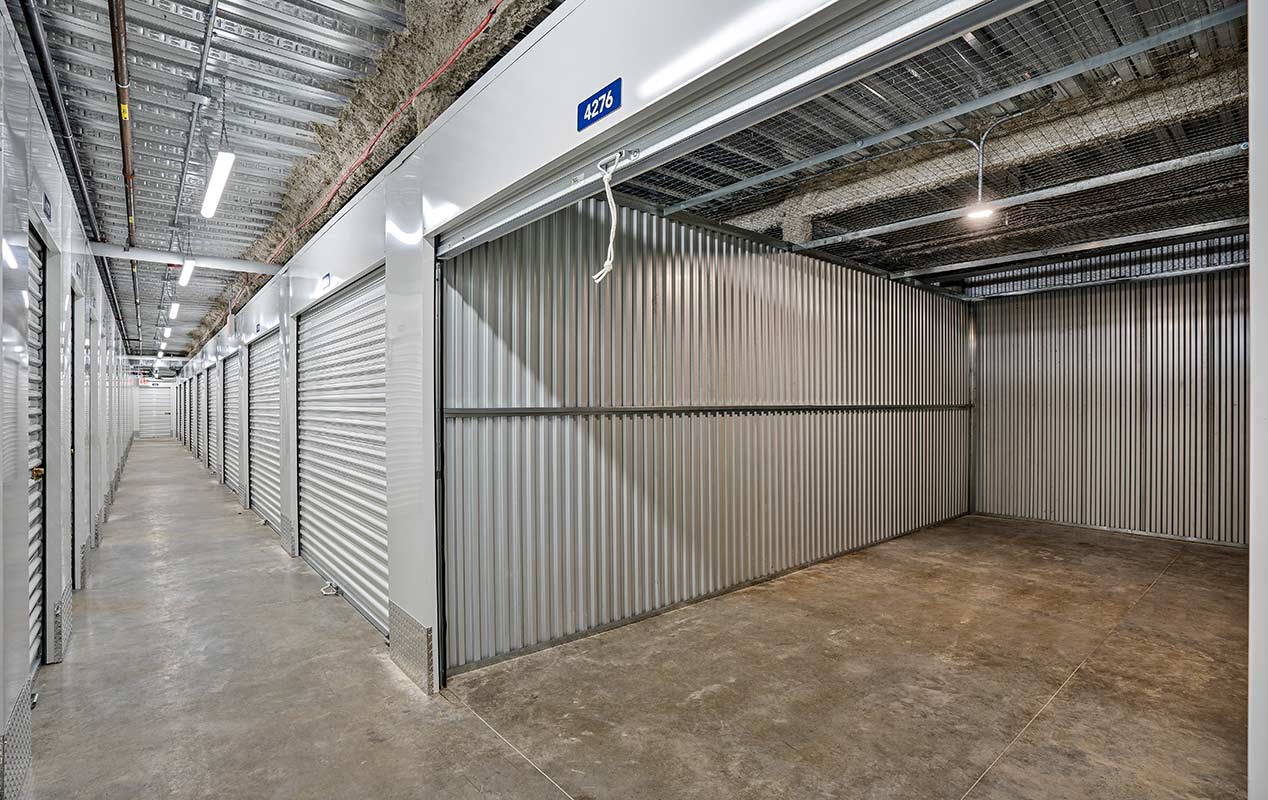
Elevators: The facility is equipped with large, freight-capacity elevators. This means you can fit a sofa standing on end or a fully loaded cart without having to maneuver awkwardly.
Drive-Up Units: For those who need the ultimate convenience, drive-up units allow you to pull your vehicle directly up to the unit door. This is ideal for businesses with heavy inventory or frequent access needs.
Security is a top priority for any storage user.
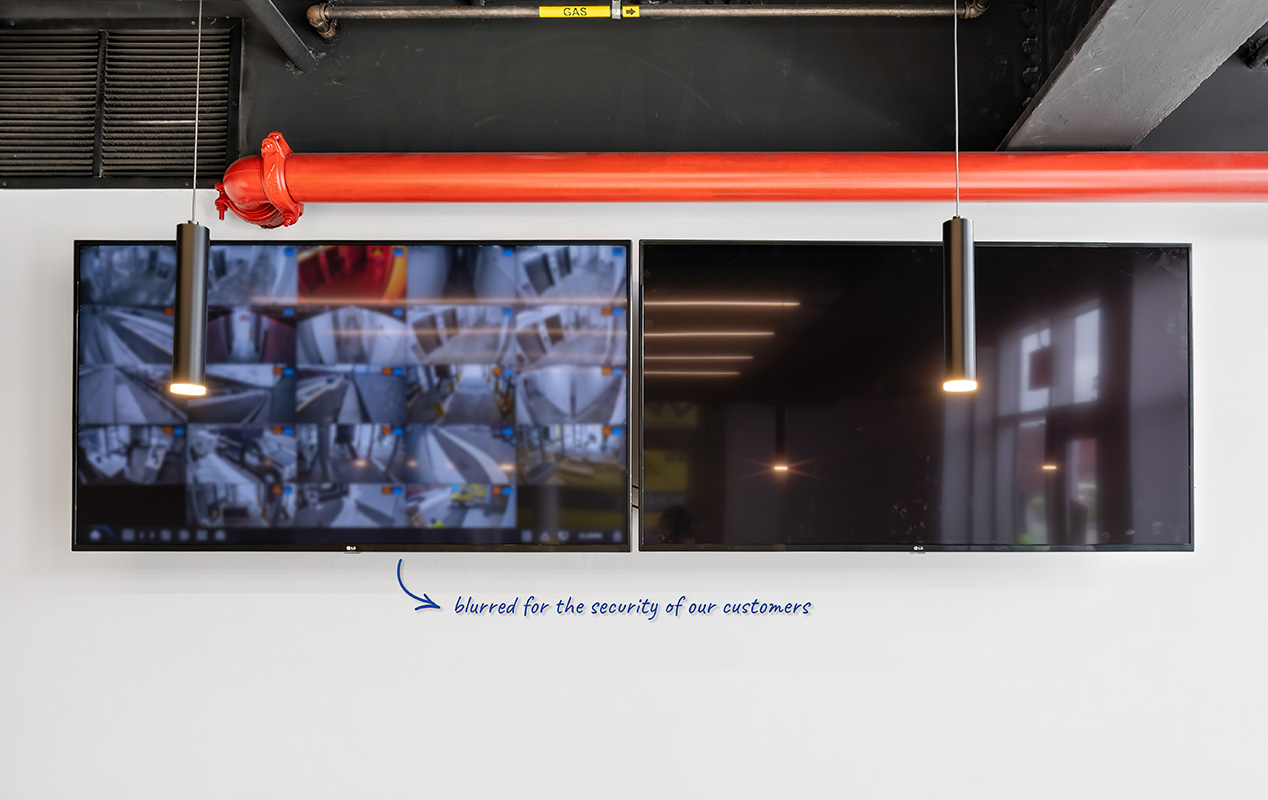
Surveillance: The facility utilizes a network of digital video cameras to monitor activity on the premises.
Access Control: Access to the facility is controlled via electronic gates and keypads. This ensures that only authorized tenants and staff can enter the property.
Lighting: The facility is designed with bright LED lighting in hallways and loading areas. This eliminates dark corners and creates a safer environment for tenants visiting during evening hours.
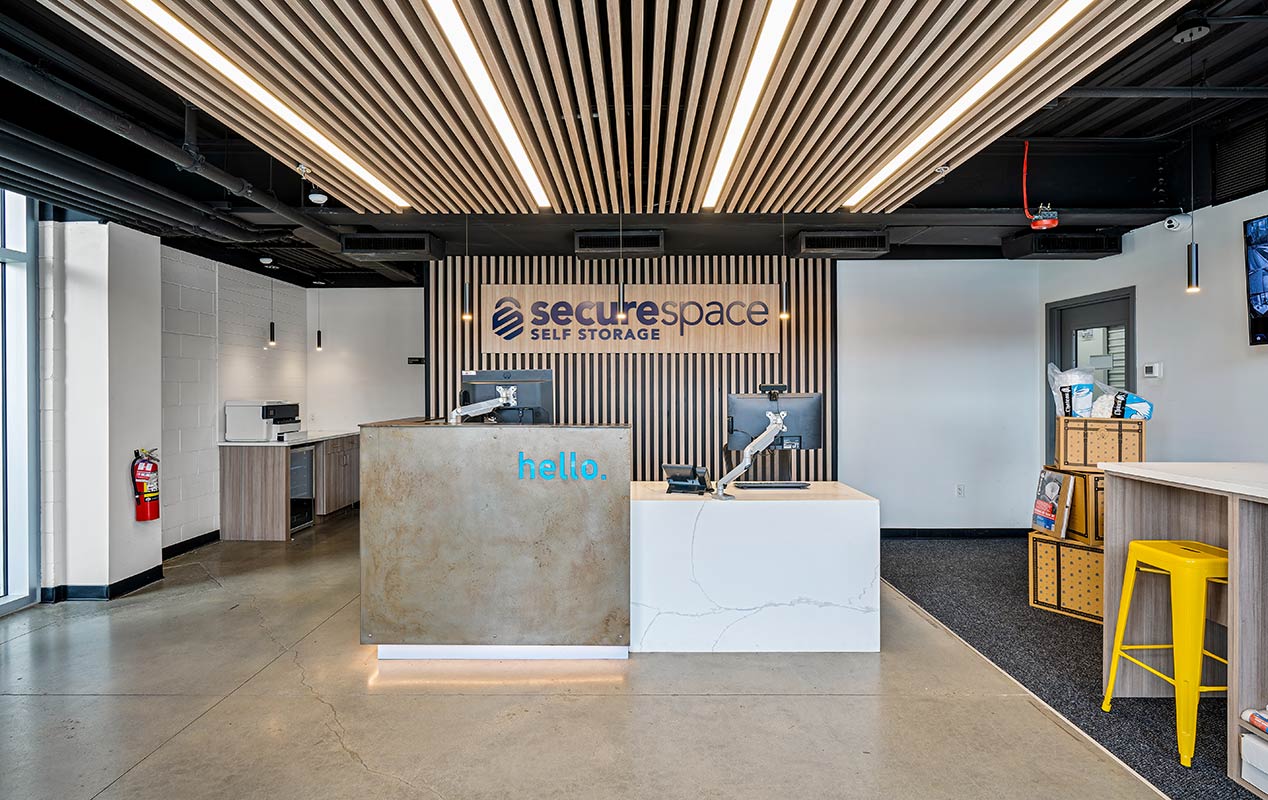
The on-site management team is a resource that is often overlooked.
Expert Advice: The staff can help you estimate the size of the unit you need, often saving you money by preventing you from renting a unit that is too large.
Supplies: The office typically stocks a range of moving supplies, including boxes, tape, and locks. This is a convenient back-up if you run out of tape mid-move.
By understanding the specific features and advantages of the 59-20 Borden Ave location, you can tailor your storage strategy to leverage its strengths, ensuring a smooth and efficient experience. Whether you are a Manhattanite escaping the flood zone, a Brooklynite dodging staircases, or a Queens resident expanding your home, this facility offers a robust solution to the perennial New York problem of space.
Everything you need to store your belongings securely, on your schedule.
Visit us online