Last updated Jul 10, 2026
The corridor defined by Interstate 880 to the west, Interstate 680 to the east, and Highway 237 to the north represents one of the most dynamic and spatially constrained living environments in the United States. This region—encompassing Milpitas (95035), North San Jose (95134, 95131), and the eastern edge of Santa Clara (95054)—is not merely a suburban expanse. It is a high-density, high-value zone where the cost of residential square footage forces a constant evaluation of utility versus retention. For residents living in this triangle, the decision to seek external storage is rarely a simple act of hoarding excess belongings. Instead, it is a strategic maneuver to reclaim vital living space in an environment that demands efficiency, mobility, and adaptability.
The search for storage in this specific corner of Silicon Valley often begins with a trigger event. It might be a relocation into a high-density residential complex like the ones dominating the Rivermark area or the new transit-oriented developments near the Great Mall. It might be a comprehensive renovation of a mid-century ranch home in the established neighborhoods off Calaveras Boulevard, where opening up floor plans requires the temporary displacement of an entire household's contents. Or, it might be the simple, frustrating realization that a "two-car" tandem garage is effectively useless for parking two modern vehicles if even a moderate amount of camping gear or holiday decorations shares the space.
However, once the need is identified, the process of selecting a facility is often fraught with "in-between" questions that standard marketing pages and broad aggregators fail to address. Residents find themselves asking questions that are deeply rooted in the local geography and lifestyle: How often will I actually drive to the unit given the traffic patterns on Great Mall Parkway? Is the savings of a facility five miles away worth the time cost of navigating the 880 interchange during rush hour? Will my electronics and solid wood furniture survive the subtle but persistent humidity found near the Alviso border?
This guide is designed to answer those specific, hyper-local questions. It is not a sales pitch. It is a comprehensive, researched analysis of the storage ecosystem surrounding South Main Street in Milpitas. By examining the micro-climates, traffic engineering, housing stocks, and lifestyle rhythms of this specific locale, the report aims to provide the clarity needed to make a decision that feels right—not just for a budget, but for long-term peace of mind. The focus here is on the "Main Street" corridor and how it functions as a logistical relief valve for residents who might otherwise be trapped in the retail congestion of the Great Mall loop or the industrial mazes of North San Jose.
When researching storage options, the initial focus for most individuals is invariably on two metrics: price and unit size. While these are critical baseline factors, they are often the least predictive of long-term satisfaction in the Milpitas market. The reality of storing items in the South Bay introduces a set of hidden variables—local externalities that can turn a "cheap" unit into a source of constant frustration or damage. In the context of 324 S Main St and its surrounding neighborhoods, three hidden variables tend to dictate the quality of the storage experience: Access Frequency vs. Traffic Friction, Micro-Climate Environmental Control, and the Security Mindset required in a mixed-use zone.
In the Bay Area, and specifically in the localized traffic ecosystem of Milpitas and Santa Clara, distance is measured in minutes, not miles. A facility that appears geographically proximate on a map but requires navigating a notorious bottleneck can effectively double or triple the "transaction cost" of retrieving an item. This concept is best understood through the "20-Minute Rule": if a round trip to the storage unit, including loading and unloading, cannot be completed within a reasonable window, the utility of the storage unit drops precipitously. The unit becomes a "black hole" where items go to be forgotten, rather than a functional extension of the home.
For residents in ZIP codes like 95134 (North San Jose) or 95054 (Santa Clara), the traffic patterns dictate feasibility. The Great Mall Parkway is a major arterial that suffers from heavy retail congestion, particularly on weekends and weekday evenings. Facilities located deep within the retail loop or requiring turns across multiple lanes of heavy traffic impose a high friction cost. In contrast, the South Main Street corridor functions as a parallel artery. For residents utilizing Montague Expressway or secondary connectors, South Main Street allows for a bypass of the 880/237 interchange complexes. If a resident plans to visit their unit more than once a month—perhaps to swap seasonal wardrobes, retrieve camping gear for a weekend trip to the Sierras, or access business inventory—this accessibility becomes the primary driver of value. The ability to "slip in and out" via Main Street, rather than queuing for light cycles on Great Mall Parkway, fundamentally changes how the storage space is used.
Milpitas sits in a unique climatic pocket that is often misunderstood by those new to the area. To the immediate west lies Alviso (95002) and the vast salt ponds and wetlands of the San Francisco Bay. This proximity brings a higher baseline humidity level to the area, particularly in the evenings and early mornings, compared to the drier inland valleys further south in San Jose or Campbell. While Milpitas summers are characterized as warm and arid, with daytime temperatures regularly reaching into the 80s, the "marine layer" influence is a consistent environmental factor.
For residents storing sensitive items—such as consumer electronics, solid wood furniture, archival documents, or textiles—the distinction between "indoor" and "outdoor" storage is paramount. The temperature in Milpitas can swing significantly from the midday high to the evening low. In a standard, non-climate-controlled outdoor unit (often a metal roll-up door facing the elements), the internal temperature can fluctuate rapidly, leading to condensation cycles. Over months or years, this can warp wood, corrode circuit boards, or encourage mildew on fabrics. An internal, climate-controlled environment acts as a thermal buffer. By maintaining a more consistent temperature range, it protects items against the diurnal temperature swings and the humidity fluctuations inherent to the bay-adjacent geography. For residents of Alviso or North San Jose, where the marine influence is strongest, this protection is often non-negotiable for long-term preservation.
The 95035 ZIP code and its neighbors are a patchwork of quiet residential streets, high-density transit villages, and bustling industrial/commercial zones. Security in this context implies more than just a padlock on a door. It requires a facility design that prioritizes visibility, monitoring, and active management. The expectation of the local demographic—often tech-savvy professionals accustomed to smart home systems and secure corporate campuses—is for a storage facility to match that level of sophistication.
Modern storage architecture in this area is characterized by bright, clinical lighting, controlled gate access with individual codes, and pervasive digital surveillance. The "Security Mindset" is about the psychological comfort of the user. It is the difference between visiting a dimly lit facility in an industrial cul-de-sac versus entering a well-lit, managed property on a main thoroughfare. For residents who may be accessing their units after work hours or during the shorter days of winter, the sense of personal safety provided by high visibility and onsite management is a critical component of the decision matrix. The presence of cameras and secure access points signals to potential bad actors that the facility is a "hard target," thereby reducing the risk profile for the stored contents.
Before committing to a lease, it is essential to move beyond abstract concepts and apply a practical decision framework. This checklist is tailored specifically to the housing stock and lifestyle constraints of the 95035, 95134, and 95054 areas. It addresses the physical realities of the homes people live in and the logistical challenges they face during transitions.
A significant portion of the housing inventory in North San Jose and particularly the Rivermark area of Santa Clara (95054) consists of townhomes and high-density detached homes featuring tandem garages. These long, narrow garages are designed to fit two cars parked nose-to-tail. However, in practice, the utility of a tandem garage is often compromised by the accumulation of household goods. The inner half of the garage—the "deep" space—becomes a storage depot for everything from bicycles to holiday boxes, rendering it unusable for a vehicle.
This forces one car onto the street or into guest parking, which is often scarce or regulated in these planned communities. The decision checklist here involves a simple calculation: measure the "dead space" in the garage currently occupied by storage. If the household is sacrificing a secure, covered parking spot to store items that are rarely used, the cost of that inconvenience must be weighed. This includes potential parking tickets, the degradation of the vehicle's finish from sun exposure, and the security risk of street parking. Often, the monthly cost of a 5x10 or 10x10 storage unit is less than the perceived cost of losing a garage space. A storage unit allows the garage to return to its intended function: housing vehicles.
Newer residential developments in Berryessa (95133) and near the Milpitas BART station often feature three-story floor plans. These "vertical living" arrangements typically place the garage on the ground floor, the main living area on the second, and bedrooms on the third. This architectural style introduces a significant friction to decluttering: gravity. Moving heavy items—seasonal wardrobes, portable AC units, luggage, or holiday decor—up and down two or three flights of narrow staircases is physically demanding and often discourages residents from rotating their items.
Consequently, items that should be in storage often end up cluttering prime living space on the upper floors simply because the effort to move them to the garage is too high. An off-site storage unit with elevator access or ground-floor loading capabilities acts as an external closet. It changes the workflow of storage. Instead of hauling heavy bins up to a third-floor attic or bedroom closet, they can be moved once to a facility with flat, rolling cart access. For residents in these vertical homes, the convenience of a facility with elevators and carts is a major ergonomic advantage.
Milpitas possesses a rich stock of older, single-family homes built in the 1960s and 70s, particularly in the neighborhoods east of 880 and north of Calaveras Boulevard. Many of these homes are now undergoing comprehensive renovations to modernize layouts, update electrical systems, or abate older materials. A major renovation is a chaotic event that generates dust, debris, and requires the constant shifting of furniture.
The "Renovation Buffer" check asks homeowners to realistically assess the scope of their project. If a renovation is planned to last more than a few weeks, the "shuffle" method—moving furniture from room to room to stay ahead of the contractors—often extends the project timeline and risks damage to the belongings. Drywall dust is notoriously pervasive and difficult to clean from upholstered furniture. A short-term storage rental (typically 3 to 6 months) allows contractors to work faster in an empty space and protects the homeowner's belongings from the inevitable dust and paint fumes. It essentially "pauses" the existence of the furniture in a clean, secure environment until the home is ready to receive it again.
Another critical component of the checklist is an honest assessment of duration. Storage needs generally fall into two categories: transitional (short-term) and lifestyle (long-term).
Transitional: Moving, renovation, or student summer storage. The priority here is flexibility. Residents should look for month-to-month lease agreements that do not lock them into long-term contracts. The ability to vacate with short notice is key.
Lifestyle: Business inventory, hobby gear, or downsizing overflow. The priority here is stability and location. If the unit is to be kept for a year or more, the location's convenience becomes the dominant factor in satisfaction.
Storage needs are not uniform across the South Bay; they are dictated by where a person lives and how their specific home is constructed. The storage requirements of a family in a sprawling ranch home in the Milpitas hills are vastly different from those of a tech worker in a corporate apartment in North San Jose. Here, we break down the specific storage dynamics of the primary neighborhoods serving the 324 S Main St location.
The Vibe:
The 95035 ZIP code represents the heart of the city. It is a diverse tapestry that weaves together established suburban tracts, emerging mixed-use developments, and vital commercial hubs. This is the area most directly served by the South Main Street location, and its residents feel the pulse of the city's transformation most acutely.
The Housing Mix:
Residents in 95035 face a dichotomy of housing types. To the east of Interstate 680, the landscape is dominated by larger, single-family detached homes, often situated on hillsides or in quiet cul-de-sacs. These homes, many built in previous decades, often feature traditional layouts. Conversely, along the Main Street corridor and in the vicinity of the Great Mall, the housing stock shifts dramatically to dense apartment complexes, condominiums, and townhomes. This mix creates a dual demand profile for storage.
The Storage Trigger:
For the single-family homeowner in the hills or the older neighborhoods, the trigger is often about reclaiming the garage. In the 95035 ZIP code, the garage has historically doubled as a workshop, a home gym, a laundry room, or a band practice space. When these secondary uses clash with the primary need for storage—or the desire to actually park a car—the need for an external "shed" becomes apparent. The accumulation of decades of living in one place often results in a surplus of items that have sentimental but not functional value.
For the apartment dweller on Main Street, the trigger is lifestyle expansion. Residents here pay a premium for location—proximity to the Great Mall, transit lines, and employment centers. However, this often comes at the cost of square footage. Closet space is finite. A nearby storage unit effectively adds a "spare room" to the apartment layout. It allows for the ownership of bulky items—kayaks, large holiday displays, or extensive wardrobes—that simply would not fit in a standard one-bedroom or two-bedroom apartment. This effectively lowers the cost of living by removing the need to upgrade to a larger apartment solely for storage purposes.
Why Location Matters:
Residents in 95035 benefit most directly from the "Main Street" access. Being able to drive straight down Main Street to the facility, avoiding the 880/237 interchange or the congested loop around the Great Mall, changes the psychology of using storage. It becomes a quick, low-stress errand—something that can be done on the way to the grocery store or after picking up dinner—rather than a planned logistical journey.
The Vibe:
The 95054 ZIP code, particularly the Rivermark master-planned community, exudes an air of manicured precision. It is a high-demand area, popular with tech professionals and young families, characterized by walkable streets, integrated retail, and parks. However, it was designed with density as a core principle.
The Housing Mix:
High-density townhomes and condominiums dominate the Rivermark landscape. The architecture is attractive and modern, but it relies heavily on vertical space. As previously noted, the tandem garage is a ubiquitous feature in this neighborhood. This design choice, while efficient for land use, creates significant friction for daily living when the garage is used for storage.
The Storage Trigger:
The primary trigger for 95054 residents is The Car Shuffle. The daily frustration of moving one car to extract the other is compounded when the "dead" space in the garage is filled with boxes. Rivermark residents often reach a breaking point where the desire for a seamless morning commute outweighs the cost of storage. Many use storage to clear the deep part of the garage, finally allowing for legitimate, stress-free two-car parking. Additionally, the Homeowners Association (HOA) rules in such planned communities can be strict regarding exterior appearance and garage usage, further driving the need for off-site storage solutions.
Why Location Matters:
The drive from 95054 to South Main Street via Montague Expressway is a strategic route. It represents a "straight shot" that often moves against the grain of the heaviest rush hour traffic, or at least provides a reliable alternative to the highway. It is often faster for a Rivermark resident to access Main Street Milpitas than to navigate deep into the interior of Santa Clara for storage. The location serves as a convenient satellite closet for the density-constrained households of Rivermark.
The Vibe:
This area is the "engine room" of Silicon Valley. It is defined by massive corporate campuses—Cisco, Samsung, and others—interspersed with large-scale apartment communities like those found in the "Golden Triangle." It is a zone of high economic activity and significant transience.
The Housing Mix:
The housing stock here is predominantly large apartment complexes and corporate housing units. Turnover is high as people relocate for new roles or contracts. The population is often younger, mobile, and professionally focused.
The Storage Trigger:
Transitional Living is the dominant theme. Many residents in these ZIP codes are in between life stages—perhaps moving from a corporate apartment to a purchased home, waiting for a lease to start, or consolidating households after a marriage or partnership. The flexibility of month-to-month leases is a key requirement here. Furthermore, the "tech enthusiast" demographic in this area often owns high-value but bulky equipment—server racks, multiple monitor setups, 3D printers, or gaming rigs—that require climate-controlled preservation when not in immediate use. The high cost of rent per square foot in North San Jose makes renting a storage unit a rational economic choice compared to renting a larger apartment to house this equipment.
Why Location Matters:
Proximity to the workplace is the key driver. For someone working in North San Jose, the 324 S Main St location is often directly on the commute route home. The ability to stop by the unit after work, before hitting the full force of the 880 traffic, is a significant logistical advantage. It integrates the storage unit into the daily work-life loop.
The Vibe:
Berryessa is a neighborhood in rapid transition. It is evolving from a quiet district of older orchards and 1970s ranch homes into a vibrant, transit-oriented hub anchored by the Berryessa BART station. This creates a unique blend of long-time residents and new arrivals.
The Housing Mix:
The area features a distinct blend of older single-family homes and brand-new, multi-story townhomes (such as the Apex community). This mix creates diverse storage needs within a single ZIP code.
The Storage Trigger:
For the long-time residents, the trigger is often The Downsize. As older generations look to move from large family homes to smaller condos or retirement communities, they face the daunting task of sorting through decades of possessions. Storage provides a staging ground for this process, allowing them to declutter the home for sale without immediately discarding family heirlooms.
Conversely, for the young families moving into the new townhomes, the trigger is The Upgrade. They are often moving into homes with high square footage but surprisingly low storage volume (fewer closets, open floor plans). They need external space to compensate for the sleek, minimalist design of their new dwellings.
Why Location Matters:
Berryessa residents are accustomed to using the 680 corridor and the local arterials. Accessing Main Street via Landess Avenue or Montague Expressway constitutes a quick, local drive that avoids the highway entirely. This "back road" access is highly valued during peak traffic times.
The Vibe:
Alviso is unique. It is a historic, nautical enclave with a strong sense of community, sitting at sea level on the edge of the bay. It has a distinct identity separate from the sprawling tech parks nearby.
The Housing Mix:
The housing stock includes historic homes, some dating back significantly, alongside newer infill developments. The defining characteristic, however, is the geography: it is a low-lying area.
The Storage Trigger:
Environmental Protection and Risk Mitigation. Alviso is in a flood zone. While remediation efforts by the water district have improved the situation, the risk is never zero. Furthermore, the salt air and humidity from the Bay can be tough on items stored in drafty sheds or older garages. Residents here often seek storage not just for space, but for elevation and preservation. Moving irreplaceable photos, documents, or valuable electronics to a modern, indoor facility in Milpitas is a form of insurance. It gets the items "up and dry," away from the potential for water intrusion or salt air corrosion.
Why Location Matters:
It is a short drive east on Highway 237 or surface streets to reach Main Street. The move is literally a move to higher ground. The SecureSpace facility offers a modern, elevated, and climate-controlled environment that is difficult to replicate in the older structures of Alviso.
Every community has its specific anxieties and pain points when it comes to services. In Milpitas and the surrounding areas, these revolve primarily around traffic congestion, air quality (odors), and the security of belongings in a dense urban environment. Addressing these concerns directly is essential for a low-stress storage experience.
Traffic in Milpitas is a frequent topic of conversation and a genuine source of daily stress. The convergence of Interstates 880 and 680, along with Highway 237, creates predictable and often severe bottlenecks. However, the "local secret" is the relative efficiency of the north-south surface streets compared to the highway interchanges.
South Main Street serves as a pressure release valve for the 880 corridor. Unlike storage facilities that are buried deep within the Great Mall loop—which can become a gridlock trap during holiday shopping seasons or weekend sales events—a location on Main Street offers a more predictable entry and exit profile. The ability to enter the facility directly from a major arterial, without navigating complex retail parking structures or waiting through multiple light cycles at Great Mall Parkway intersections, is a significant time-saver.
Insight: When visiting a facility in this area, strategic approach planning is key. From the south (San Jose/North Valley), approaching via Main Street is often clearer than attempting to exit the highway at Great Mall Parkway in the afternoon. From the west (Santa Clara), using Montague Expressway to Main Street is a high-capacity route that generally moves well, even when the 880 is stalled.
It is the "elephant in the room" for Milpitas residents: the infamous "Milpitas Odor". Originating from a combination of the Newby Island organic waste processing facilities, the regional wastewater treatment plant, and the natural marshlands of the bay, it is an intermittent but real phenomenon. It is particularly noticeable in the afternoons when the breeze picks up from the bay, carrying the scent inland.
The Storage Implication:
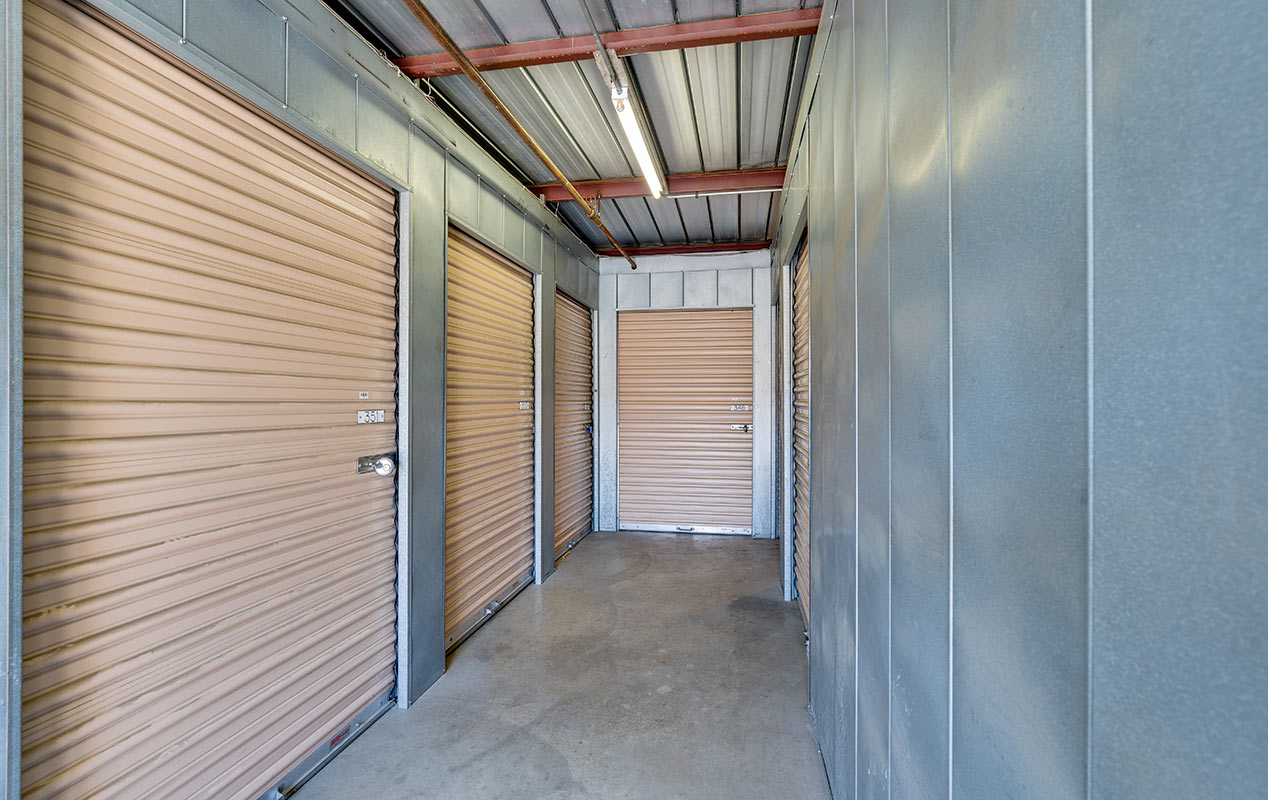
This environmental reality has direct implications for storage. If a resident is sensitive to odors, or if they are storing porous materials that can absorb scents—such as clothing, upholstery, mattresses, or unfinished wood—indoor storage is vastly preferable to drive-up, outdoor units. An older-style storage facility with exterior roll-up doors essentially exposes the contents to the ambient air every time the door is opened, and even when closed, seals may not be airtight.
In contrast, a modern indoor facility with central air circulation and climate control helps filter the ambient air, providing a more neutral environment for belongings. The building envelope itself acts as a barrier against the outdoor air quality issues. This is a subtle but critical advantage of modern, multi-story facilities over older, single-story "garage row" styles in this specific micro-climate. For residents of 95035 and 95134, choosing an indoor unit is a defensive measure against the local air quality challenges.
Because the area is a mix of high-traffic commercial zones, industrial parks, and residential neighborhoods, security is a top priority for prospective renters. The question "Is it safe?" is common, but no place can offer a guarantee of absolute safety. The better question for a researcher to ask is, "Is the facility designed to deter and monitor?"
What to Look For:
Sightlines and Lighting: Modern facilities prioritize visibility. They are built with bright LED lighting in hallways and motion sensors that activate as soon as someone enters a corridor. This eliminates the "dark alley" feeling often associated with older storage complexes.
Active Deterrence: The presence of an on-site manager and controlled access points (such as keypads at elevators and gates) layers the security. It ensures that only authorized individuals can access specific floors or zones.
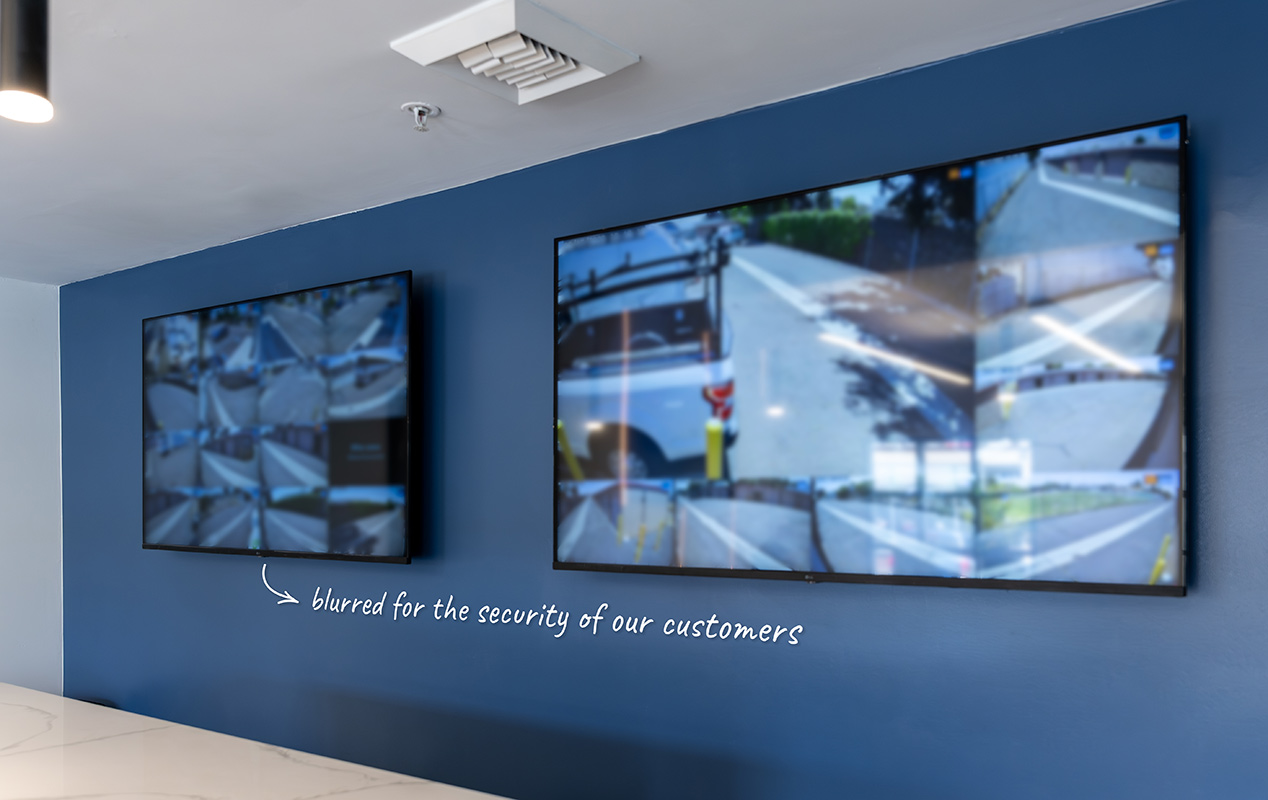
Digital Surveillance: High-definition video recording that covers access points, hallways, and loading bays is standard in modern facilities.
This "active deterrence" architecture is what provides peace of mind in an urban environment. It signals that the facility is managed and monitored, making it a less attractive target for opportunistic crime compared to unmonitored or poorly lit alternatives.
Once the decision to use storage has been made and the location selected, the next step is optimization. How does a resident get the most value out of their leased square footage while ensuring their items remain in pristine condition? This section covers specific strategies for the Milpitas environment.
Even in an indoor, climate-controlled unit, adhering to best practices for packing is essential for long-term preservation in the Bay Area climate.
Airflow is Key: Do not pack boxes tightly against the walls of the unit. Leave at least an inch of "breathing room" between the stack and the wall. This allows air to circulate around the items, preventing any potential moisture pockets from forming. This is simple physics that pays dividends in preventing mildew.
Elevate Everything: Even in a dry, modern unit, keeping boxes off the floor is a best practice. Use wooden pallets (often available for free at hardware stores) or simple plastic shelving units. This is especially relevant for Alviso residents who may be bringing items into storage that have already been exposed to humid environments. You want to allow air to flow under the boxes as well as around them to ensure they dry out completely.
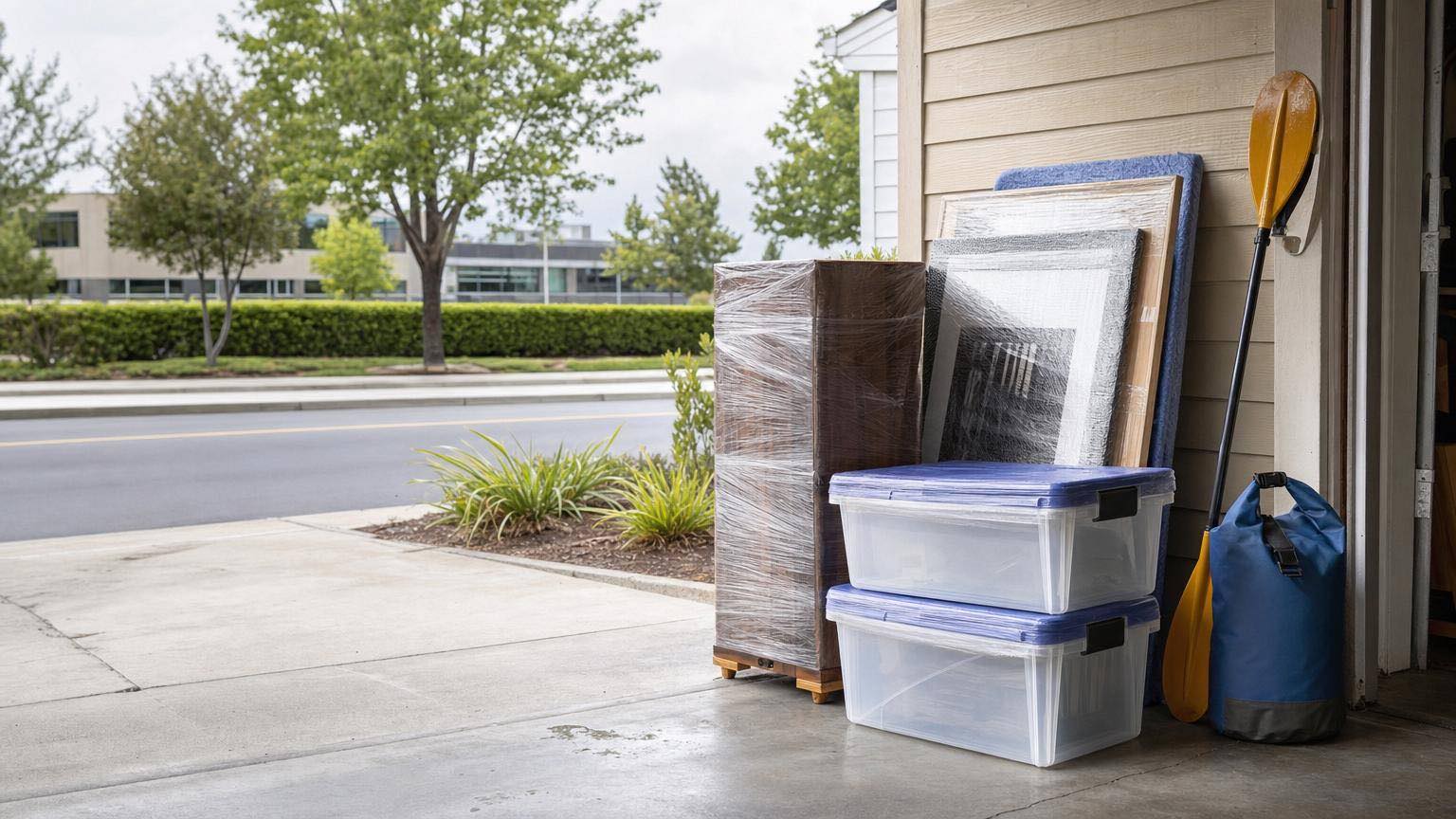
Material Matters: For long-term storage (12 months or more), clear plastic bins with latching lids are superior to cardboard boxes. Cardboard is porous and can absorb ambient moisture over time, becoming soft. It is also attractive to pests like silverfish, which are common in valley climates. Plastic bins are impervious to moisture and pests, and their transparency makes finding items significantly easier.
Because access is convenient at the Main Street location—thanks to the lack of retail gridlock—residents do not need to pack as if they will never see their items again. A common mistake is to bury frequently used items at the back of the unit. Instead, use the "A-B" sorting method:
"A" Items (Front of Unit): These are items you might need access to within the next 3 to 6 months. Examples include seasonal holiday decor, camping gear for an upcoming trip, quarterly tax documents, or seasonal wardrobes. These should be placed near the door or along the center aisle.
"B" Items (Back of Unit): These are long-term storage items. Heirloom furniture, archived files that rarely need to be referenced, or baby clothes saved for a future child. These can be stacked deeper in the unit.
Pro Tip: Leave a center aisle. Even in a small 5x10 unit, leaving a narrow path down the center allows you to reach the back of the unit without having to move every single box. It feels like a waste of square footage initially, but the frustration it saves later is immeasurable.
Planning the move-in logistics can save significant time and money.
Truck Rentals: If your personal vehicle is too small to move large furniture, check if the facility offers truck rentals or has partnerships with local providers. A dedicated moving truck with a ramp is safer and faster than making ten trips in a sedan.
Route Planning: Plan your route to the facility to avoid the peak rush hour windows (typically 4:30 PM to 6:30 PM on weekdays). Saturday mornings are often the ideal time for moving in, as traffic on Main Street is lighter and the facility staff are available to assist with questions.
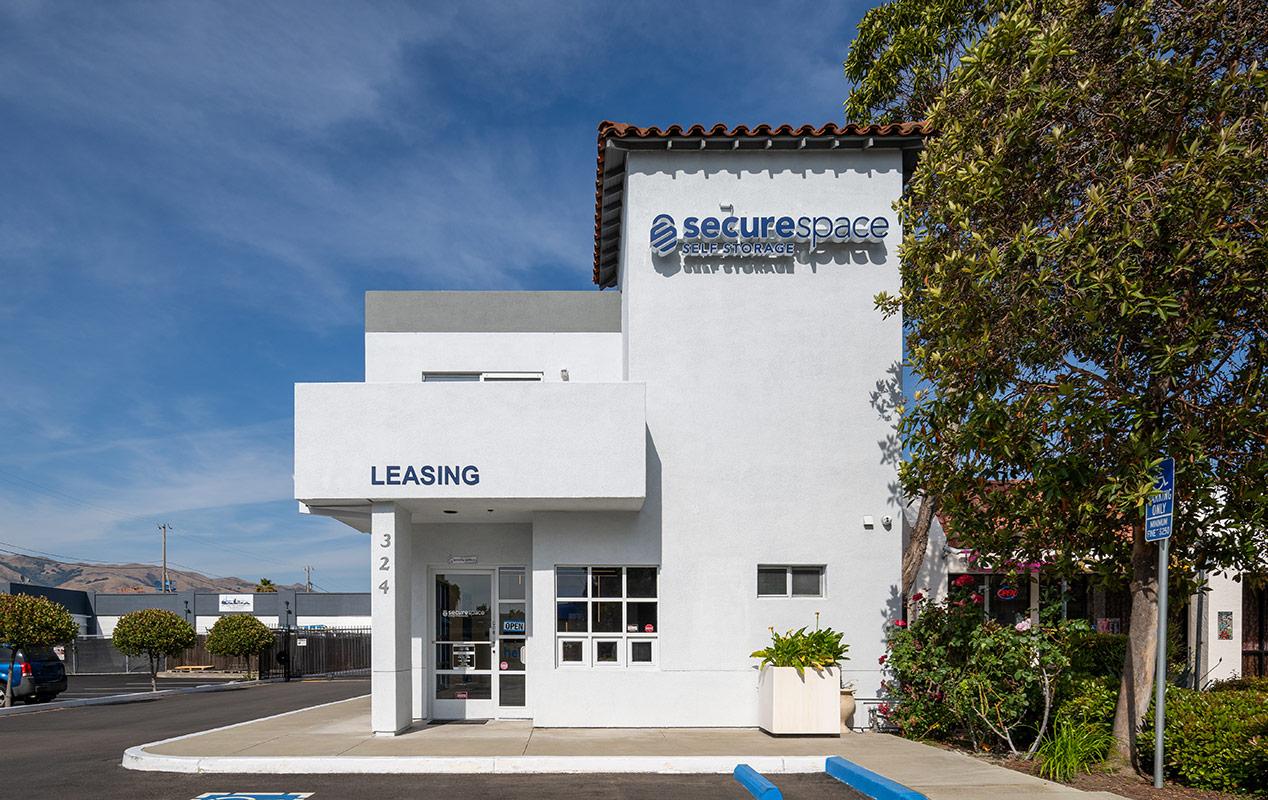
We have analyzed the traffic patterns, the housing typologies, the micro-climate, and the security concerns. When these factors are synthesized, the logic behind the location at 324 S Main St becomes clear. It is not about simply finding a place to put boxes; it is about finding a solution that fits the specific logistical and environmental realities of living in Milpitas, Santa Clara, and North San Jose.
For the commuter working in North San Jose, it offers a slipstream access point that avoids the worst of the Great Mall gridlock, integrating seamlessly into the drive home.
For the Rivermark resident, it solves the tandem garage puzzle with a quick, low-stress drive down Montague Expressway, restoring the garage to its primary purpose.
For the Alviso local, it provides a high-and-dry preservation solution, protecting history and home from flood risks and salt air.
For the Renovator in central Milpitas, it offers a flexible, clean extension of the home during the chaotic construction phase, keeping belongings safe from dust and damage.
Storage is, ultimately, a tool. It is a tool to create space in life—mental space, physical space, and creative space. By choosing a facility that aligns with the realities of the local environment and personal logistics, residents turn a potential chore into a streamlined solution.
Making a decision about storage can feel overwhelming, but it does not have to be. By understanding the specific dynamics of the Milpitas market—from the humidity of the bay to the traffic of the boulevards—residents can choose a solution that serves them effectively. The goal is not just to store "stuff." It is to curate the living environment so that the home remains a place of rest, not a warehouse. Whether the need is for a small 5x5 locker for off-season skis or a large 10x20 unit for a whole-home remodel, the right space is available. It is simply a matter of finding the one that fits the life being lived.
While this report focuses on the decision-making process, having a quick reference to local resources can be invaluable for new movers or those deep in a renovation project.
Moving Supplies: While the facility offers a retail selection of boxes and packing materials, residents often supplement this with trips to big-box hardware stores. The Home Depot located at 1177 Great Mall Dr is a convenient nearby resource for lumber, heavy-duty shelving, or other moving-related hardware.
Groceries and Essentials: For those combining their storage trip with other errands, the facility is well-situated. Safeway is located at 555 E Calaveras Blvd, and a Walmart is nearby at 301 Ranch Dr. Trader Joe's also serves the area, making it easy to accomplish multiple tasks in one trip.
Donation Centers: Before storing items, it is often wise to purge what is no longer needed. Local charities in Milpitas are often in need of gently used household goods. Donating prior to moving items into storage saves space and money.
Truck Rentals: If a personal vehicle is insufficient for the move, check if the facility offers truck rentals or has partnerships with local providers. This can simplify the logistics significantly.
This guide has aimed to be exhaustive, practical, and neighborly. The intention is to help residents navigate the unique storage landscape of Milpitas with confidence. Welcome to the neighborhood—or at least, to a more spacious, organized version of it.
Note: This report is based on local research and data available as of early 2026. Market conditions, traffic patterns, and facility amenities are subject to change.
Everything you need to store your belongings securely, on your schedule.
Visit us online