Last updated Jul 10, 2026
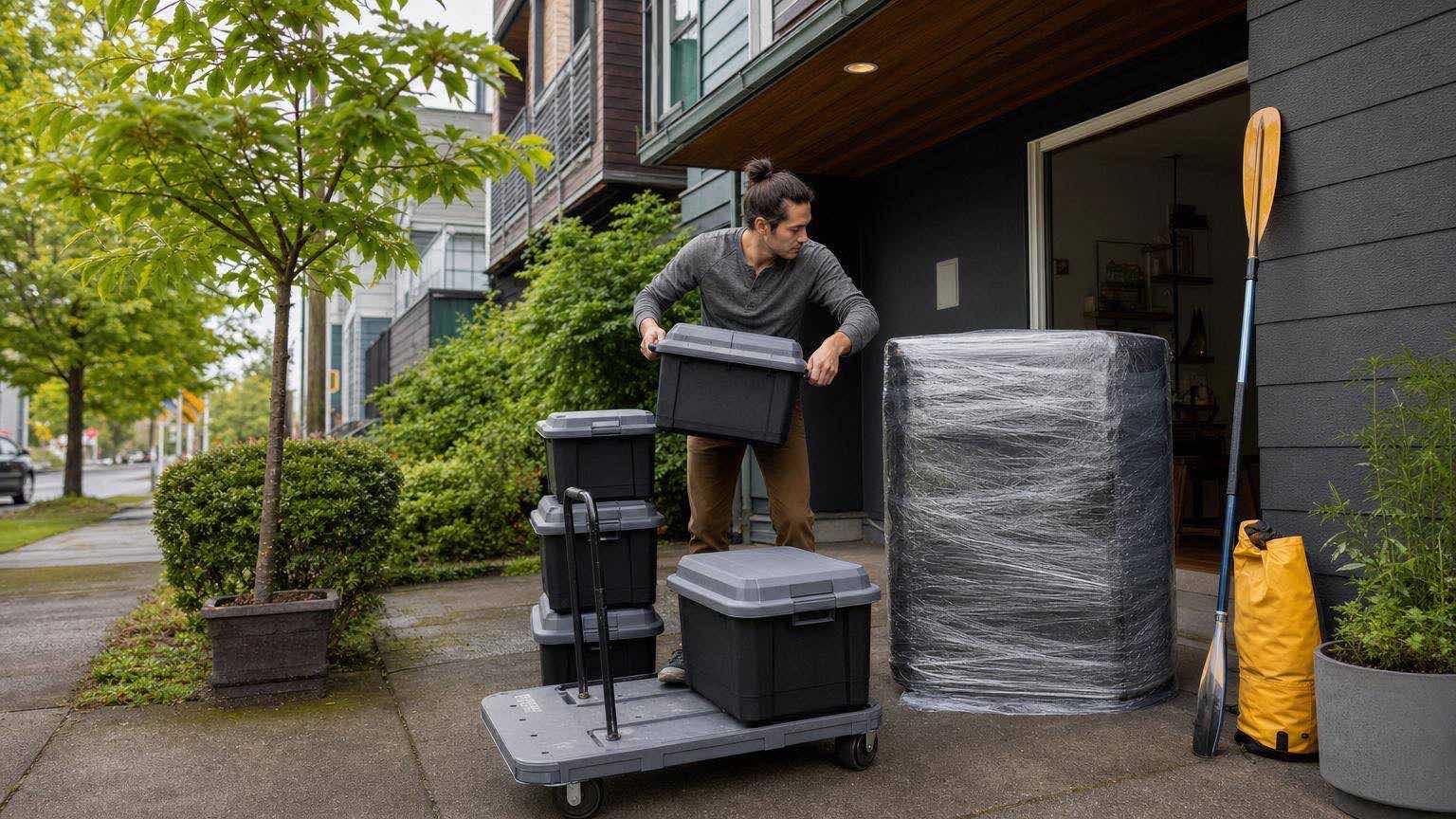
In the dense, rain-swept urban fabric of Northeast Portland, space is a currency that fluctuates with the seasons, the housing market, and the rhythms of family life. For residents of Cully, Concordia, Woodlawn, and the surrounding ZIP codes of 97211, 97212, and 97218, the decision to rent self-storage is rarely a simple transaction regarding "extra stuff." It is a strategic response to the architectural constraints of historic bungalows, the unpredictable timelines of municipal home renovation permits, and the gear-heavy lifestyle mandated by the Pacific Northwest environment.
This comprehensive report serves as a decision guide for individuals and businesses actively researching storage solutions in the vicinity of 3737 NE Columbia Boulevard, specifically focusing on the SecureSpace Self Storage facility. Unlike generic storage aggregators that treat every 10x10 unit as a commodity, this analysis is rooted in the hyper-local reality of Northeast Portland. We examine the friction points of the Columbia Corridor industrial zone, the micro-climates that threaten stored belongings with mildew, and the specific traffic patterns that can turn a simple errand into a logistical headache.
The following analysis draws upon urban planning data, local housing market trends, traffic flow studies of the Columbia Boulevard freight corridor, and technical specifications of modern climate-controlled infrastructure. It is designed to answer the "in-between" questions—those nuanced logistical queries that brochures overlook but which define the actual user experience—providing a roadmap for optimizing your storage strategy in NE Portland. We will explore how the intersection of industrial zoning and residential needs creates a unique "mixed market," and how savvy residents can leverage this facility to extend their living footprint without expanding their mortgage.
To understand the value proposition of storage at 3737 NE Columbia Blvd, one must first understand the unique urban geography it occupies. The facility sits at a distinct and often misunderstood interface: the border between the residential neighborhoods of Northeast Portland and the heavy industrial "working river" zone of the Columbia Corridor. This is not merely a zoning line; it is a transition in lifestyle, traffic behavior, and environmental exposure.
The location is not merely a coordinate; it is a transition zone. To the south lie the residential grids of Cully (97218), Concordia (97211), and Woodlawn, characterized by 20th-century housing stock, narrow streets, and a vibrant community atmosphere. To the north and west lies the Columbia Corridor, the economic engine of Portland, dominated by freight logistics, warehousing, and proximity to Portland International Airport (PDX).
This juxtaposition creates a specific "mixed market" for storage. The facility serves two distinct masters, and understanding which category you fall into is essential for selecting the right unit:
The Residential Overflow: Homeowners and renters from 97211 and 97218 seeking to declutter historic homes that lack adequate closet space or dry basements. These users are often driven by seasonal rotations—camping gear in winter, holiday decor in summer—or by life transitions such as renovations or downsizing.
The Commercial User: Small businesses, contractors, and e-commerce sellers who require inventory space accessible to the airport and the I-5/I-205 freight arteries. For these users, the facility acts as a micro-distribution center, offering a cost-effective alternative to commercial warehousing leases.
In logistics, the "last mile" is the most expensive and complex part of delivery. For self-storage, the "last mile" is the user's drive from their driveway to the unit door. For residents of 97211, this drive is short but deceptively complex due to the nature of Columbia Boulevard. Unlike a neighborhood storage unit tucked behind a grocery store on a quiet street, accessing 3737 NE Columbia Blvd requires engaging with a major freight arterial. This means navigating alongside semi-trucks, managing speed differentials, and understanding the median strip configurations that dictate turning movements.
However, the trade-off is often superior infrastructure. Facilities in industrial zones like this are typically purpose-built, modern structures with better loading bays and security than their retrofitted residential counterparts. The decision to store here is an acceptance of a trade: You trade the quaintness of a neighborhood drive for the efficiency and security of an industrial-grade facility. This trade-off is usually favorable for users who visit their unit less than once a week; for daily users, the traffic friction of Columbia Boulevard may become a significant deterrent.
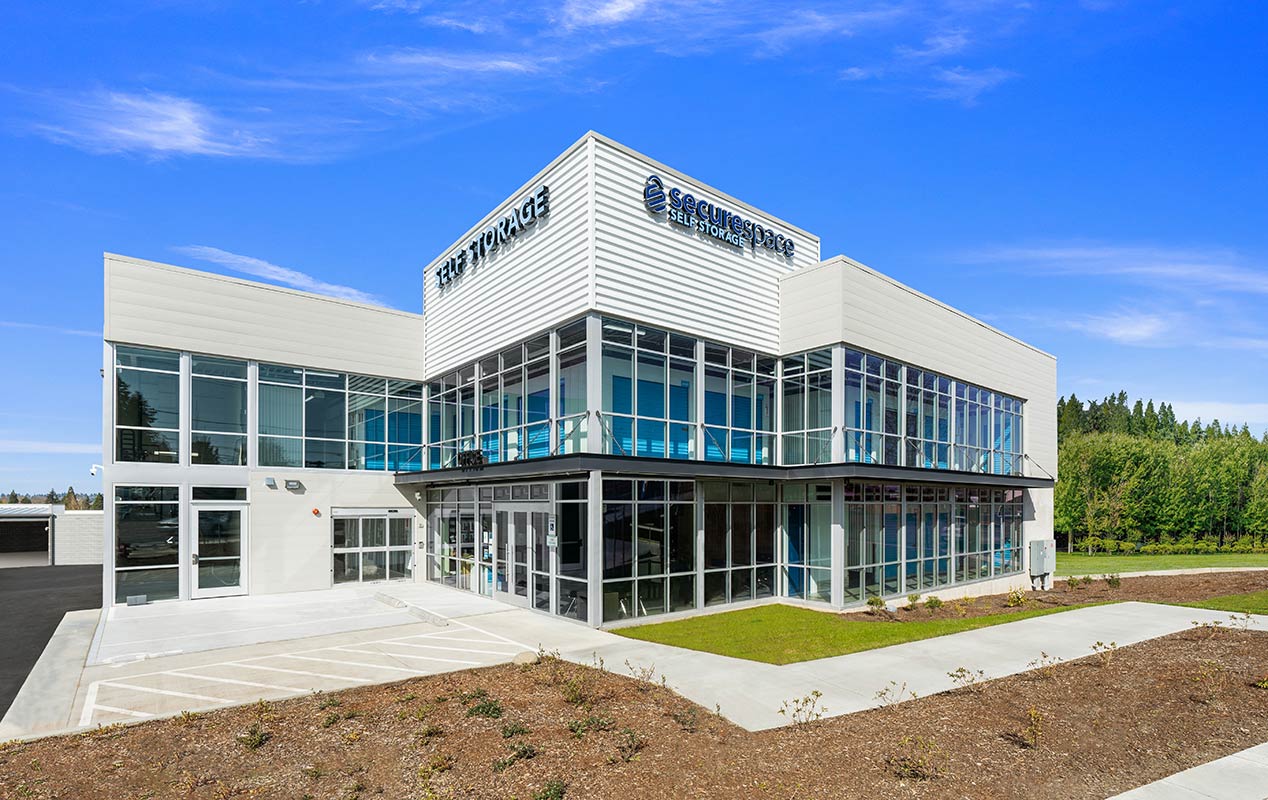
The facility at 3737 NE Columbia Blvd represents the new wave of "Generation 3" self-storage: multi-story, climate-controlled, and highly automated. Understanding its specific physical attributes is essential for matching your needs to the asset. It is not merely a garage; it is a secure, conditioned building that functions more like a hotel for goods than a shed.
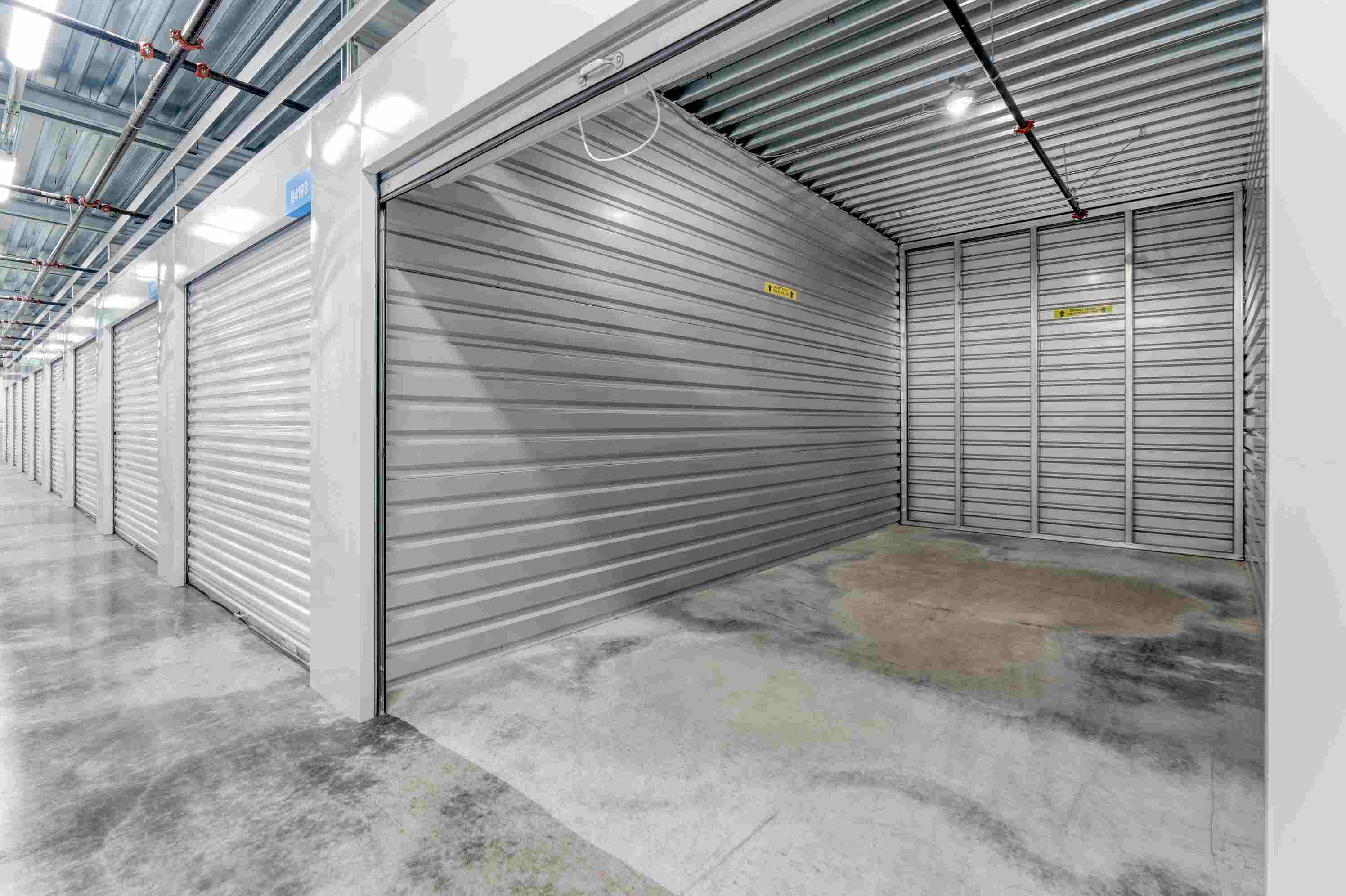
The facility is a multi-story, 100% climate-controlled building. This is a critical differentiator from the older "drive-up" style rows of garage doors often found in outer Portland or further east in Gresham. The vertical nature of the facility introduces specific logistical considerations that potential renters must weigh against their specific inventory types.
Elevator Dynamics: The presence of large elevators is a double-edged sword. It ensures climate protection—units are internal, insulated, and protected from the driving rain—but it adds a step to the moving process. For users with heavy furniture, the "elevator burden" must be calculated. While the facility provides flatbed carts to mitigate this, peak-time congestion (typically weekends between 10:00 AM and 2:00 PM) can lead to wait times at the elevator banks.
Loading Bay Infrastructure: Modern facilities typically feature covered loading bays. In the rainy Pacific Northwest, where precipitation occurs roughly 150 days a year, this is a non-negotiable amenity for many. Being able to unload a mattress without it getting soaked during a November drizzle is a significant logistical advantage over outdoor drive-up units. The covered bay acts as a staging area, allowing users to organize their load in a dry environment before moving it upstairs.
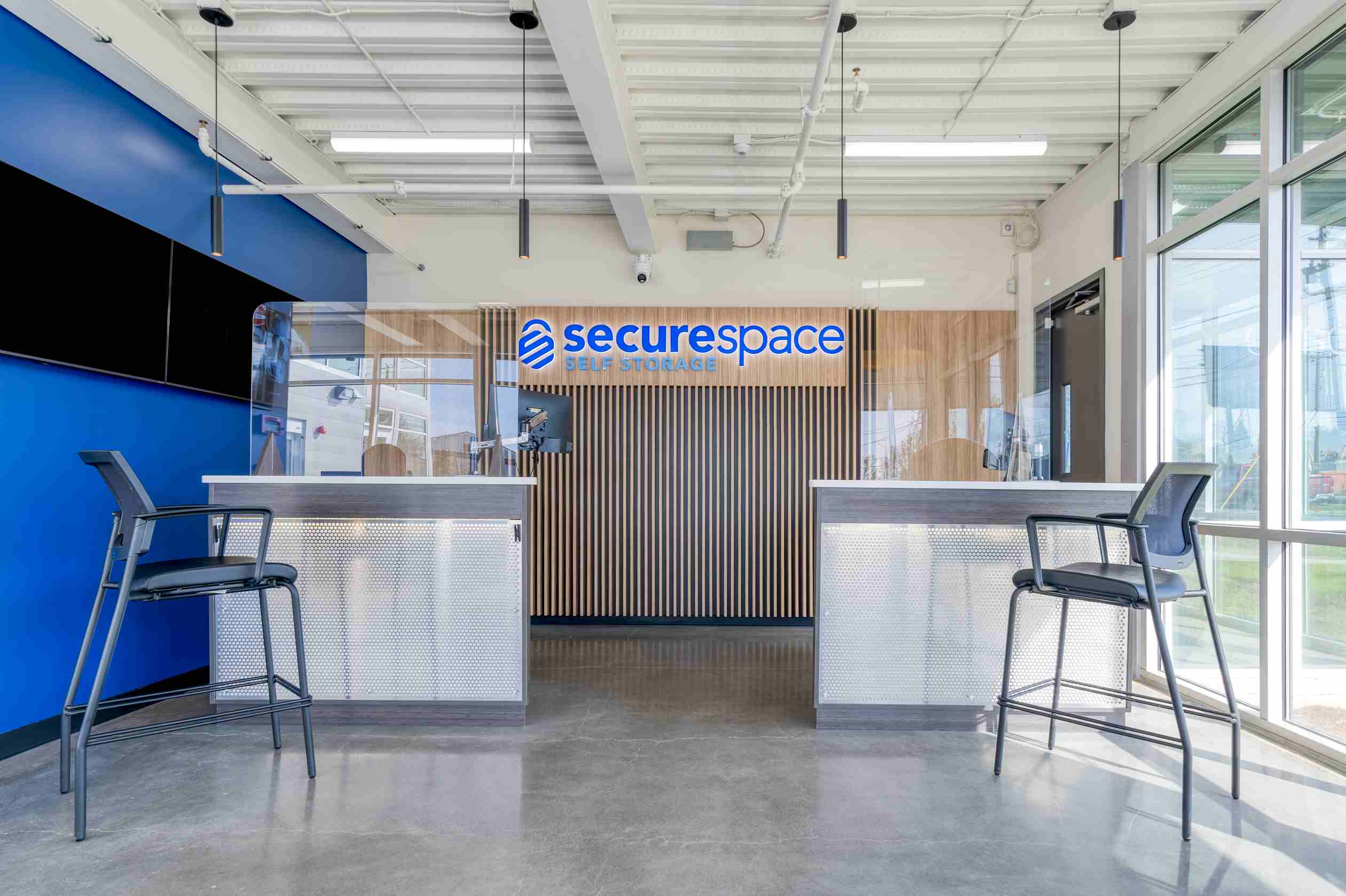
Security Infrastructure in an Industrial Zone: The facility emphasizes "enhanced facility security" including cameras and gated access. In an industrial area that can feel desolate at night, these features are paramount. The "brightly lit" descriptor used in their marketing is functionally important for safety during winter months when sunset occurs as early as 4:30 PM. The psychological comfort of a well-lit, gated environment cannot be overstated for users visiting alone after work hours.
Potential renters often inspect the unit size but ignore the "in-between" spaces that dictate the ease of use. The width of hallways, the turning radius around corners, and the general cleanliness of the common areas are vital for the user experience.
Maneuverability: Wide, well-lit hallways allow for easy maneuvering of large items like sofas or king-size mattresses. In older facilities, narrow corridors can make turning a long sofa into a unit nearly impossible.
Pest Mitigation: Reviews consistently highlight the facility as "clean" and "pristine". In storage, cleanliness is a proxy for pest control. A clean facility suggests active management of the refuse and debris that attract rodents—a crucial consideration in an area near the Columbia Slough waterways where wildlife is abundant. Active cleanliness protocols reduce the specific scent trails that rodents follow, thereby protecting your goods from one of the most destructive forces in storage.
To assist in decision-making, it is helpful to compare the modern vertical attributes of SecureSpace against the traditional drive-up model that dominates older stock in the region. The following table outlines the trade-offs involved.
Feature Category — SecureSpace NE Portland (Modern Vertical) — Typical Legacy Drive-Up Facility (97211 Area) — Implications for the User
Climate Stability — High: Interior units, regulated temp/humidity. — Low/Variable: Uninsulated metal doors, susceptible to condensation. — Critical for electronics, art, wood furniture, and documents.
Loading Experience — Protected: Covered loading bays protect from rain. — Exposed: Direct drive-up, but exposed to rain/wind during loading. — Covered bays are superior for Portland winters; drive-up is faster in dry summer months.
Security Layering — Multi-Layer: Perimeter gate + Building Code + Unit Lock + Cameras. — Single-Layer: Perimeter gate + Unit Lock. — Higher security for high-value items; more codes to enter for quick visits.
Pest Protection — High: Sealed building envelope; fewer entry points. — Moderate: Roll-up doors often have small gaps at the bottom. — Vertical units are generally safer from rodents than ground-level exterior units.
Access Speed — Moderate: Requires parking, cart loading, elevator travel. — Fast: Drive directly to the door. — Drive-up is better for contractors needing daily tool access; Vertical is better for long-term storage.
Cellular Signal — Low: Metal structure blocks RF signals (Faraday Cage effect). — Moderate: Signal usually available immediately outside the unit door. — Download access codes and maps before entering the elevator at SecureSpace.
Table 1: Comparative Analysis of Facility Types in Northeast Portland. This comparison highlights that while the modern facility offers superior protection, it demands a slightly more involved access process involving elevators and carts.
Accessing 3737 NE Columbia Blvd requires specific situational awareness. Columbia Boulevard is not a standard street; it is a priority truck route managed by the Portland Bureau of Transportation (PBOT) to facilitate freight movement. The traffic dynamics here are dictated by freight schedules and industrial shift changes, not just school runs or commuter flows. Understanding these patterns is essential for a stress-free storage experience.
One of the most critical "in-between" logistical details for this location is the median strip on Columbia Boulevard. Medians are installed to improve safety by reducing cross-traffic turns, but they significantly alter the approach strategy for drivers.
Eastbound Approach (From I-5/Kenton/St. Johns): If you are traveling east from the I-5 corridor or the Kenton neighborhood, the facility is generally on your right (assuming the standard addressing convention where odd numbers are on the north side, though verification via map is crucial). Access is typically a direct right turn into the driveway. This is the path of least resistance.
Westbound Approach (From I-205/Airport/Cully): This is where the median becomes a factor. If the facility is on the opposite side of the road from your direction of travel, the median strip prevents a direct left turn into the driveway. Drivers must identify the nearest "turn-around" point.
The "Loop" Maneuver: Drivers coming from the airport area should anticipate passing the facility and making a U-turn at a designated break in the median or a signalized intersection. Common turn-around points on Columbia Blvd include the intersections at NE 33rd Avenue or NE 42nd Avenue.
Safety Note: U-turns on Columbia Blvd must be executed with caution due to the high speed of opposing freight traffic. It is often safer to turn right onto a side street (like NE 33rd), perform a block circle or legal U-turn on the quieter street, and then re-enter Columbia Blvd at a signalized intersection to head Eastbound.
Columbia Boulevard experiences specific congestion peaks that differ from residential streets. The flow is dominated by heavy logistics, which creates a different driving environment.
The Shift Change (3:00 PM - 4:00 PM): Many industrial businesses and distribution centers operate on shifts that end earlier than the standard 5:00 PM corporate day. Consequently, the "rush hour" on Columbia Blvd often begins closer to 3:00 PM. Users looking to visit their storage unit should expect heavy traffic and aggressive lane changes from commercial vehicles during this window.
The Freight Factor: Trucks have large blind spots and require wide turning radii. When renting a moving truck (e.g., a 26-foot U-Haul) to move into your unit, novice drivers must be hyper-aware of these heavy vehicles. Merging onto Columbia Blvd from the facility requires patience; do not attempt to "shoot the gap" in front of a loaded semi-truck. A fully loaded truck traveling at 45 mph requires significantly more braking distance than a passenger car.
Successful storage trips often require support services. Whether it's refueling a rental truck before returning it to avoid penalties or grabbing hydration during a strenuous move, knowing the local waypoints is helpful.
Fuel & Hydration: There is a 7-Eleven located at 4715 NE Columbia Blvd (approx. 1 mile east) and another at 1516 NE Killingsworth St. These serve as critical waypoints for refueling rental trucks or grabbing water.
Food: While the immediate vicinity is industrial, the nearby Cully neighborhood offers respite. Local eateries and the Corner Bakery Cafe can provide necessary breaks during a long day of moving.
Hardware/Supplies: For last-minute packing tape or forgotten tools, residents often have to travel back towards the commercial hubs on NE 82nd or NE 33rd, as the immediate industrial zone lacks retail hardware stores.
For residents of 97211 and 97218, the primary driver for external storage is often the failure of the home environment to protect goods. Portland's climate is classified as Warm-Summer Mediterranean (Csb), but the long, wet winters create a specific hazard: persistently high relative humidity.
From October through May, Portland's outdoor humidity frequently exceeds 80%. In older homes common to Concordia and Woodlawn—many built in the 1920s with unsealed basements—this moisture infiltrates storage areas. The hydrostatic pressure from saturated soil pushes moisture through concrete foundations, raising the indoor humidity of basements even if no standing water is visible.
The "Basement Trap": A basement might not flood, but the vapor pressure can still destroy items. Cardboard boxes are hygroscopic; they absorb ambient moisture from the air. Over a winter, a cardboard box sitting on a basement floor can lose its structural integrity and become a breeding ground for mildew.
The Climate-Controlled Advantage: Facilities like SecureSpace maintain a stable temperature and, crucially, regulated humidity. By keeping the temperature above the dew point, they prevent condensation from forming on cool surfaces (like electronics or metal furniture). This is the technical reason why climate control is not just a luxury but a preservation requirement in the Pacific Northwest.
Is the monthly cost of a storage unit worth it? The calculation depends on the "spoilage cost" of the items stored. Residents often underestimate the damage caused by "slow" moisture—the kind that takes six months to manifest as a musty smell or a patch of mold.
Item Category — Basement Risk Level — Mechanism of Damage — Recommendation
Electronics — Critical — Corrosion of contacts; internal mold in cooling fans due to condensation cycles. — MUST STORE OFF-SITE (Climate Controlled)
Photos/Paper — Critical — Irreversible sticking of pages; fading; mold spotting (foxing) caused by cellulose absorption. — MUST STORE OFF-SITE (Climate Controlled)
Upholstered Furniture — High — Mold growth deep in foam cushions; musty odors that are impossible to remove. — High Priority for Climate Control
Camping Gear — High — Delamination of waterproof coatings (hydrolysis) on tents; mold on sleeping bags destroying loft. — High Priority (See Section 6)
Holiday Decor (Plastic) — Low — Generally resistant, provided boxes are plastic bins, not cardboard. — Safe for Basement (in sealed bins)
Tools (Metal) — Medium — Surface rust on un-oiled metal surfaces due to condensation. — Safe for Basement (if oiled/maintained)
Table 2: Risk Assessment for Basement Storage in Portland. This table highlights that the cost of replacing a single mold-ruined 4-person tent ($400+) or a collection of family photos (priceless) often exceeds the annual cost of a small 5x5 climate-controlled unit.
To maximize the efficacy of your storage unit, specific protocols should be followed based on the material being stored.
Wood Furniture: Fluctuations in humidity cause wood to expand and contract, leading to cracking or warping. Climate control minimizes this. Tip: Clean wood surfaces with a high-quality wood cleaner before storage to remove oils that might attract mold.
Textiles and Mattresses: These must be stored 100% dry. Use a breathable mattress cover, not a sealed plastic bag which can trap residual moisture and cause sweating.
Leather: Leather is highly susceptible to mildew in high humidity. Clean and condition leather goods before storage to create a protective barrier.
Portland residents are defined by their gear. The proximity of 3737 NE Columbia Blvd to the Columbia Slough and major cycling routes makes it a strategic hub for lifestyle storage. It is not just about storing "junk"; it is about staging your adventures.
Apartment living in neighborhoods like Concordia often means limited bike storage. Some buildings charge extra for bike rooms, and balconies are notorious for rusting chains due to exposure.
The Rust Factor: Storing a bike on a balcony in 97211 during winter will lead to a rusted chain and seized cables within months due to the constant moisture and potential exposure to road salts if ridden occasionally.
The Unit Solution: A 5x5 unit can hold multiple bikes vertically using tension poles or freestanding racks. Storing them at SecureSpace allows for "grab-and-go" access without cluttering a small apartment.
Winter Prep: Before storing for the season, clean the chain thoroughly to remove road grime, apply a wet lube (heavier oil) to protect against corrosion, and inflate tires to the recommended pressure to prevent flat spots from developing over months of inactivity.
The facility is uniquely positioned near the Columbia Slough, a prime paddling destination. Access points like Whitaker Ponds (7040 NE 47th Ave) and 16550 NE Airport Way are a short drive from NE Columbia Blvd.
Proximity to Launch: The short transit time means you can decide to go for a paddle on a whim without the hassle of loading a kayak onto a roof rack from a difficult basement storage spot.
Storage Logic: Kayaks are bulky (10-14 feet) and UV-sensitive. Storing them in a garage often consumes valuable parking space, and outdoor storage degrades the plastic hull. A 10x15 unit allows for storing kayaks on racks along the wall, keeping them secure and UV-protected. This effectively turns the storage unit into a "boathouse" for urban dwellers.
The "Pacific Northwest Mold" is the enemy of camping gear. Tents packed away slightly damp will be destroyed by spring through a process called hydrolysis, where the waterproof coating breaks down and becomes sticky and smelly.
The Protocol: Dry Completely: Never move gear directly from the campsite to storage. Dry it in your living room or yard first until it is bone dry. Loose Storage: Do not store sleeping bags compressed in their stuff sacks; this destroys the loft (insulation). Hang them or store them in large cotton sacks to allow them to breathe. Desiccants: In a storage unit, use moisture absorbers (like DampRid) or silica packets in bins as a fail-safe.
The storage needs of a resident in a Woodlawn bungalow differ from those of a Concordia student. Understanding the micro-demographics helps in selecting the right unit size and lease term.
Cully is known for large lots and an agrarian feel, a stark contrast to the density of inner Portland.
The Need: While lots are large, secure indoor space is often scarce. Residents may have ample yard space for a trailer but lack a dry, secure place for the cushions, tools, or high-value equipment that goes in the trailer.
The Strategy: Use the unit for high-value density. Keep the boat in the driveway (if allowed) but store the outboard motor and electronics in the SecureSpace unit to prevent theft and weather damage. This hybrid approach maximizes security for the most vulnerable components while utilizing home space for the bulk.
Home to the University of Oregon Portland Campus (formerly Concordia University), this area sees student turnover and rental shifts.
The Need: "Gap Storage" for students between semesters or leases. 5x5 units are highly competitive in May and August due to the academic calendar.
The Strategy: Reserve early (April) to secure a small unit. Use the facility's online reservation system to lock in a rate before the summer surge. Sharing a unit with a roommate is a common strategy to reduce costs, but ensure both names are on the access list to prevent lockout issues.
Historic homes in Woodlawn (bungalows, Foursquares) are prime targets for renovation.
The Need: Clearing rooms for floor refinishing or remodeling. Dust from sanding floors can ruin upholstered furniture in adjacent rooms.
The Strategy: Renting a larger unit (10x15 or 10x20) for a 3-6 month window. Moving furniture off-site not only protects it but speeds up the contractor's work, potentially saving labor costs that exceed the storage rent.
Home renovation in Portland is a test of patience. The City of Portland's permitting process can be lengthy, with timelines for permit issuance stretching weeks or months depending on complexity and bureau backlog.
Homeowners often rent a unit for "two months," expecting a quick remodel. In reality, supply chain delays for materials and permit backlogs often extend projects to 6-9 months. The timeline for obtaining a permit for a major addition or alteration can be unpredictable, and once construction starts, weather delays or discovery of dry rot can further stall progress.
Insight: When budgeting for storage during a renovation, triple your contractor's time estimate. If they say 2 months, budget for 6 months of storage. This prevents financial stress if the project drags on.
The "Tetris" Effect: You cannot effectively live in a house undergoing major renovation if you are constantly shuffling boxes from room to room. Moving furniture off-site to 3737 NE Columbia Blvd speeds up the contractor's work (saving labor costs) and protects your furniture from drywall dust, which is notoriously difficult to clean from upholstery.
For those selling homes in Alameda or Beaumont (higher price points), storage is an investment in staging.
Decluttering: Removing 30-50% of furniture and personal items makes rooms look larger and allows buyers to envision themselves in the space.
ROI: The cost of a storage unit for 3 months (approx. $300-$500) is negligible compared to the potential $10k-$50k increase in sale price from a well-staged, spacious-feeling home. The visual impact of a decluttered closet or a spacious garage can be the difference between a standard offer and a bidding war.
The industrial zoning of NE Columbia Blvd makes this facility particularly robust for business use. It sits in the heart of Portland's logistics hub, offering capabilities that residential-zone storage cannot match.
With Air Cargo Rd and PDX less than 2 miles away, this location is a strategic forward operating base for e-commerce sellers.
Inbound/Outbound: Easy access for courier vans (FedEx/UPS/DHL) to pick up or drop off inventory without navigating narrow residential streets.
Scalability: Businesses can rent multiple units—one for active picking, one for deep storage—without the overhead of a commercial warehouse lease (NNN lease), which typically requires a 3-5 year commitment.
A common "hidden" issue in modern storage facilities—especially those built with heavy steel framing and metal siding—is poor cell signal inside the units. This can be disastrous for a business user trying to update an inventory database or a mover trying to call for directions.
The Phenomenon: Metal roofs and walls act as a Faraday cage, blocking RF signals. This is physics, not a service failure.
The Workarounds: Download Offline Maps/Lists: Before entering the elevator/building, download your inventory spreadsheet or moving checklist to your device. Wi-Fi Calling: Check if the facility offers tenant Wi-Fi (often available near the office) and enable Wi-Fi calling on your phone. Practical Tip: Step out to the hallway or loading bay for calls; signals penetrate windows and large doors better than deep internal corridors.
Industrial areas, particularly those near water sources like the Columbia Slough, have higher rodent pressures than residential zones. While the facility itself maintains cleanliness, the external environment is a factor.
Facility Defense: SecureSpace's new construction helps (sealed concrete, new doors), but user vigilance is required.
User Defense: No Food: Never store food inventory (even canned goods can attract pests if damaged). Plastic Bins: Use heavy-duty plastic totes with latching lids instead of cardboard. Rats can chew through cardboard in minutes; heavy plastic is a deterrent. Pallets: Keep items off the floor using pallets or shelving units to allow for airflow and visual inspection.
The question of safety is paramount, especially given the facility's location in an industrial corridor that empties out after dark.
NE Columbia Blvd at night is often described as a "liminal space"—deserted rather than actively dangerous, but the isolation has its own risks. The heavy truck traffic diminishes, and the area becomes very quiet.
Lighting: The facility itself is brightly lit, which creates a "safe island" effect. However, the surrounding streets may be dark.
Access Hours: Access is typically 6:00 AM to 10:00 PM.
Recommendation: Plan visits during daylight hours or early evening. If visiting late at night, bring a passenger. The isolation of the industrial park means fewer eyes on the street, so situational awareness is key.
Modern facilities like this one use Bluetooth and App-based access. This is a significant safety upgrade over traditional keypads.
Contactless Entry: You can open gates and doors via your phone. This is a safety feature—you don't have to roll down your window or get out of your car to punch a keypad in the rain or dark.
Digital Logs: The system keeps a log of entry/exit, adding a layer of digital accountability to who is on-site. Knowing that every entry is digitally tracked deters casual theft or unauthorized access.
Navigating the financial aspect of storage requires understanding the pricing models and contractual obligations.
Storage pricing is dynamic, often changing daily based on occupancy algorithms (similar to airline tickets).
Web Rates vs. Walk-In: Always book online. Online rates are almost invariably lower than walk-in rates.
The "Teaser" Rate: Be aware that "First Month Free" or extremely low introductory rates are often followed by rent increases after 3-6 months. Read the contract for "rate adjustment" clauses.
To assist in finalizing your decision, use the following matrix to determine the optimal storage configuration for your needs.
Decision Factor — If "YES", Choose This: — Reasoning
Storing Business Inventory? — Ground Floor or Near Elevator — Speed of access is money. Minimize travel time from loading bay to unit.
Storing Electronics/Photos? — Climate Controlled (Interior) — Essential to prevent corrosion and mold. Do not use drive-up.
Accessing Daily? — Drive-Up (if available) or Ground Floor — Vertical travel time adds up. If you need tools daily, you need the quickest path.
Storing for Renovation (3+ mos)? — Upper Floor (Cheaper) — If you don't need access, take the savings of an upper-floor unit.
Storing Heavy Furniture? — Near Elevator — Reduce the distance you have to push a flatbed cart.
Table 3: Strategic Decision Matrix for Unit Selection. This table synthesizes the logic of unit selection based on user behavior and inventory sensitivity.
For the residents of Northeast Portland, 3737 NE Columbia Blvd offers more than just a metal box. It provides a strategic release valve for the pressures of modern urban life—whether that's the squeeze of a growing family in a small bungalow, the chaos of a remodel, or the gear-intensive joy of exploring the Pacific Northwest.
By understanding the "in-between" details—the traffic flow of the median strip, the humidity science of the basement, and the connectivity challenges of the steel structure—you can transform this facility from a monthly bill into a powerful logistical asset.
Final Recommendation:
For the Homeowner: Use it to reclaim your basement for living space, not storage. The cost per square foot of a finished basement is far higher than the cost of a storage unit.
For the Business: Treat it as a micro-warehouse. Leverage the loading bays and airport proximity to streamline your supply chain.
For the Adventurer: Make it your "gear locker." Keep the mud and mold out of your apartment and your equipment ready for the next launch at the Slough.
The choice to store at 3737 NE Columbia Blvd is a choice for efficiency and preservation. It is an acknowledgment that in the wet, vibrant, and ever-changing landscape of Portland, the smartest way to manage your space is sometimes to move it down the road.
Everything you need to store your belongings securely, on your schedule.
Visit us online