Last updated Jul 10, 2026
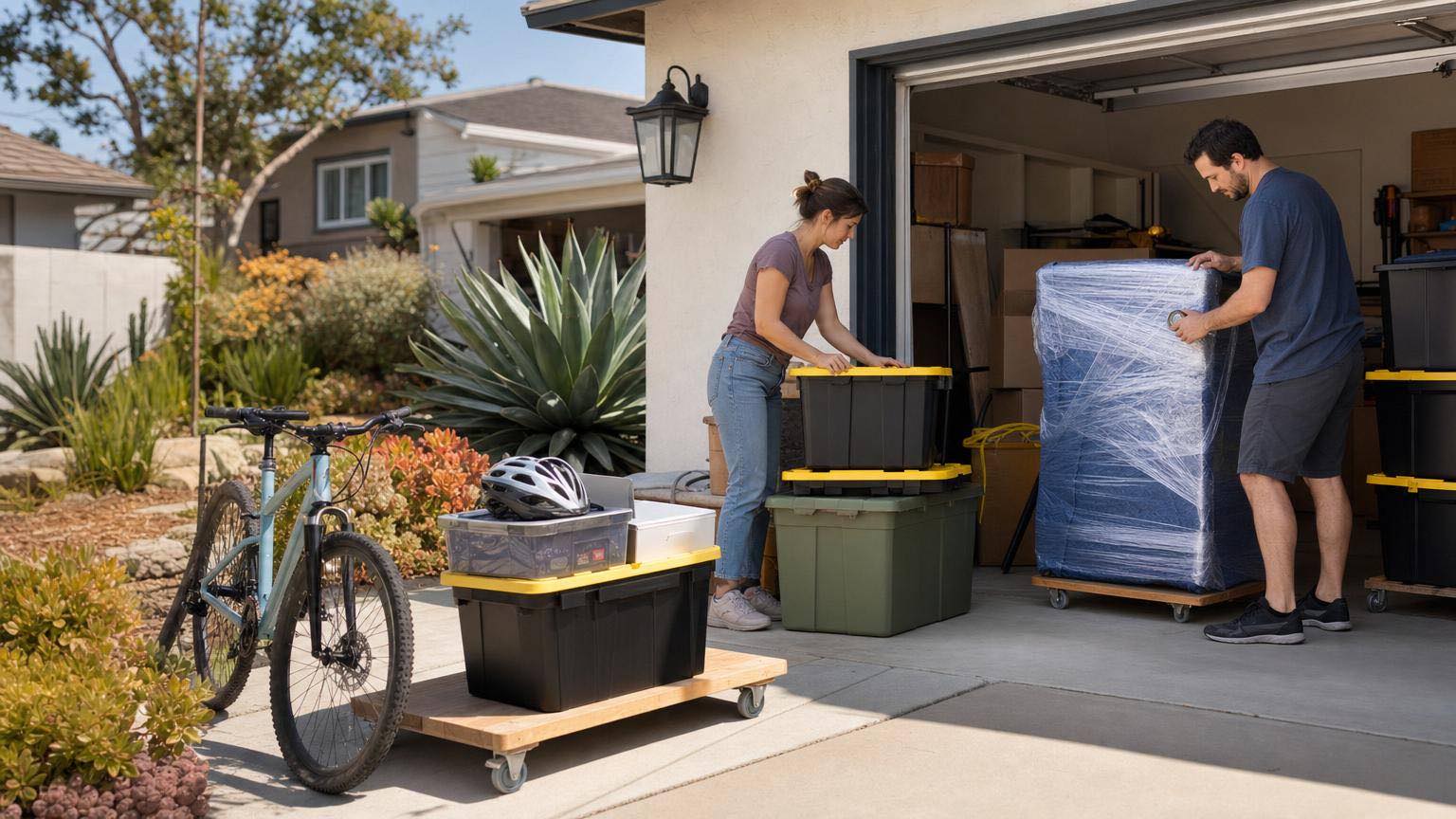
If you are reading this document, you are likely navigating a moment of significant transition. Few individuals in the Vista or Carlsbad area wake up on a Saturday morning and decide to research self-storage facilities purely for leisure. You are here because the fundamental parameters of your life are shifting. Perhaps you are downsizing from a sprawling family estate in Shadowridge to a more manageable condo, managing a complex renovation on an historic property in Olde Carlsbad, or simply realizing that your garage has transformed from a vehicle storage space into a warehouse for e-bikes, surfboards, and seasonal clutter.
In the professional storage and logistics industry, experts often refer to the "Four Ds" as the primary drivers of demand: Death, Divorce, Dislocation, and Downsizing. However, in the specific micro-market of North County San Diego, there is a distinct "Fifth D" that drives the local economy of space: Density. As our neighborhoods—from the rolling, master-planned hills of 92081 to the dense, coastal-adjacent streets of 92008—become more desirable and consequently more expensive, square footage is rapidly becoming our most premium asset.
This guide serves as a comprehensive research document, written by a local market researcher for the benefit of local residents. It is designed to address the specific, often unspoken questions that arise during these transitional periods—the logistical, practical, and geographical nuances of storing your possessions in Vista, California. This report moves beyond generic advice about "units" and "locks" to explore the granular realities of the local landscape: avoiding the notorious gridlock on Highway 78, navigating the micro-climates that can silently rust high-end bicycles, and understanding the strict Homeowner Association (HOA) parking regulations that govern specific zip codes in our region.
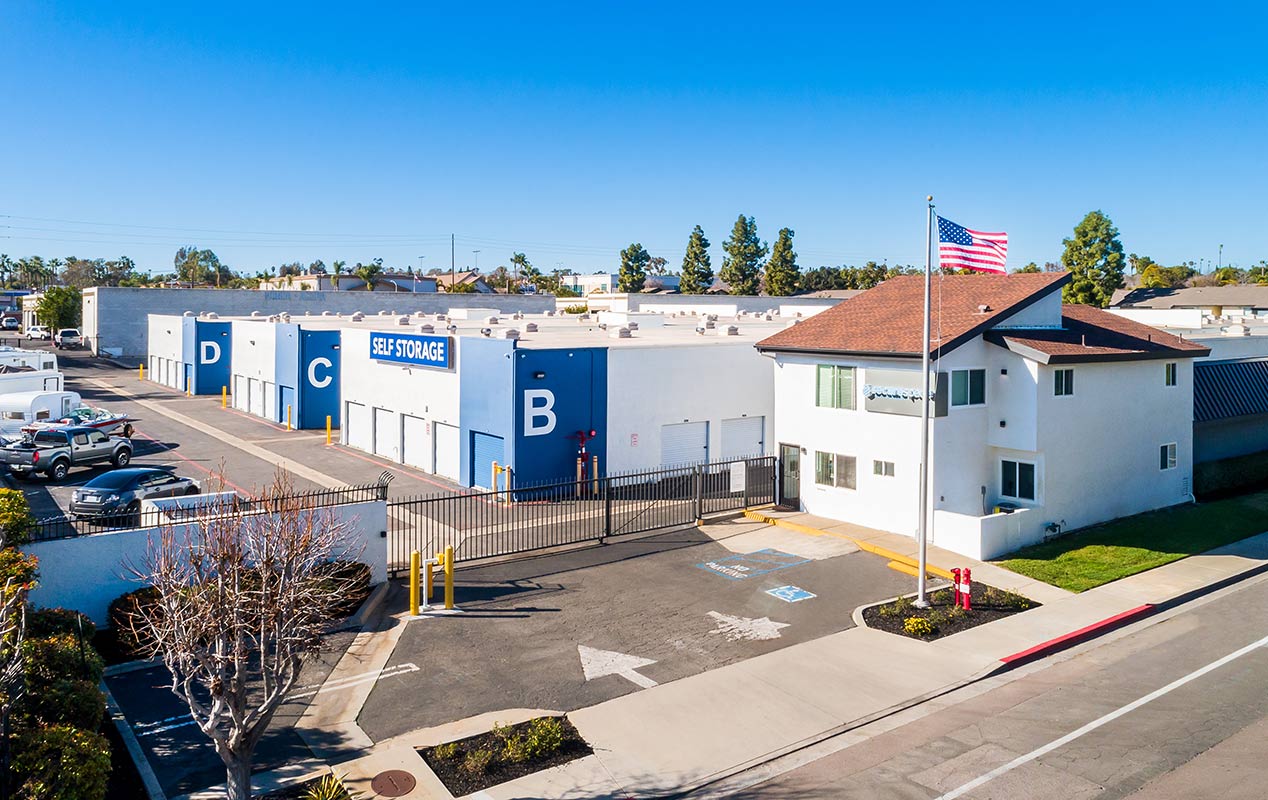
While you are likely evaluating the facility at 220 Huff St, Vista, CA 92083, this location is strategic for reasons that extend far beyond a simple pin on a map. This report will exhaustively analyze why this specific coordinate matters, helping you determine if it aligns with the rhythm of your daily life, your commute, and your specific storage requirements.
To understand storage in Vista, one must first understand the psychology of the Southern California homeowner. Unlike other regions where basements and attics provide ample overflow space, San Diego architecture is defined by its lack of subterranean storage. The garage, therefore, becomes the primary vessel for overflow. However, in an era of increasing vehicle sizes and decreasing lot sizes, the garage is under siege.
Local housing data indicates a shift toward maximizing living space, often at the expense of storage utility. In zip codes like 92083 and 92010, the trend of converting garages into Accessory Dwelling Units (ADUs) is accelerating, driven by state laws encouraging density. When a garage becomes a rental unit or a home office, the household's "stuff" loses its home. This displacement is the primary driver for the surge in local self-storage usage—it is not about hoarding; it is about the functional displacement of the traditional storage utility of the single-family home.
This document is structured to be a reference manual. You do not need to read it linearly.
For the Commuter: Focus on Section 2, which analyzes traffic patterns and the strategic advantage of the Emerald Drive corridor.
For the Homeowner: Refer to Section 3 for a deep dive into your specific zip code (92081, 92008, 92010) and the unique storage triggers found there.
For the Preservationist: Section 4 details the science of the marine layer and why "mild" weather is a myth when it comes to long-term preservation.
For the Logistician: Section 6 offers a master class in packing and moving specifically for the North County lifestyle.
In many parts of the United States, a storage facility located "five miles away" implies a predictable ten-minute drive. In North County San Diego, specifically along the volatile Highway 78 corridor, "five miles" is a deceptive metric. Depending on the time of day, the direction of travel, and the current state of the I-5 interchange, five miles can easily transform into a thirty-minute ordeal.
When researching storage options, most prospective tenants draw a simple radius circle on a map. This is a fundamental strategic error in the Vista/Carlsbad market. Instead of radius, one must analyze traffic arteries and friction points.
Highway 78 is the arterial lifeline of North County, connecting the coastal communities of Oceanside and Carlsbad with the inland hubs of Vista, San Marcos, and Escondido. However, it is also a notorious bottleneck. Local traffic data and commuter reports indicate that Highway 78 is reliably congested from 10:00 AM to 6:00 PM, with severe choke points manifesting between the I-5 interchange and Nordahl Road.
The psychological impact of this congestion on storage usage cannot be overstated. If accessing your storage unit requires merging onto Highway 78 during peak hours, the "friction cost" of visiting the unit becomes prohibitively high. You will likely defer visits, allowing items to languish, or struggle to retrieve seasonal gear when needed. The barrier of sitting in stop-and-go traffic discourages the active use of the unit, turning it from a helpful resource into a "black hole" where items are forgotten.
Traffic density maps and historical speed data reveal that the stretch of Highway 78 passing through Vista is particularly susceptible to "phantom jams"—slowdowns caused not by accidents, but by the sheer volume of vehicles merging from on-ramps like Emerald Drive, Vista Village Drive, and Sycamore Avenue.
Morning Rush (7:00 AM - 9:00 AM): Westbound traffic is heavy as residents commute toward coastal employment centers and the I-5.
Evening Rush (3:00 PM - 7:00 PM): Eastbound traffic creates a wall of red lights, often backing up from the I-15 interchange all the way to Vista.
The Weekend Surge: Unlike typical commuter routes, Highway 78 sees significant congestion on weekends due to recreational traffic heading to beaches or inland shopping districts.
The facility at 220 Huff St is positioned strategically near the Emerald Drive exit. This geographic detail provides a significant tactical advantage over facilities located near the West Vista Way or Civic Center Drive exits.
The "Back Door" Access:
Emerald Drive functions as a "back door" into the storage zone for residents of neighboring zip codes. Unlike the West Vista Way exit, which feeds into one of the most statistically dangerous and congested intersections in the city, Emerald Drive offers lower-density access.
For residents of Carlsbad (92008/92010) and Shadowridge (92081), this positioning allows for surface-street commuting. By utilizing arteries like Melrose Drive, which runs parallel to the highway system, users can navigate from their homes to their storage units without ever touching the freeway. This predictability is invaluable for those integrating storage visits into a busy schedule of errands, school runs, or work commutes.
Before committing to a lease, it is crucial to perform an honest audit of your anticipated visitation frequency. This variable dictates how much "location convenience" you actually require.
Deep Storage vs. Active Storage:
Deep Storage: If your objective is to store heirlooms, tax documents, or furniture for a distant future move, your visitation frequency may be as low as once or twice a year. In this scenario, location is secondary to price and climate stability.
Active Storage: If you are storing lifestyle assets—surfboards, e-bikes, camping gear, or inventory for a side business—you may visit the unit weekly. For this "Active User," the location at Huff St becomes critical. It sits at the nexus of residential zones and commercial transit routes, minimizing the "detour time" required to access your gear.
The data suggests that most users underestimate their visit frequency. What begins as "storage" often evolves into "extra closet space," increasing the importance of a convenient location like Huff St over time.
Storage needs are not uniform across the North County region; they are heavily influenced by the specific housing stock, HOA regulations, and lifestyle patterns of your neighborhood. The following analysis breaks down the unique triggers and solutions for the primary zip codes surrounding the Vista facility.
The Housing Landscape:
Shadowridge is a distinctive master-planned community characterized by a mix of single-family homes and a high density of condominiums and apartment complexes (e.g., Shadowridge Park, Shadowridge Village). The aesthetic of the neighborhood is strictly controlled, creating a polished, cohesive visual environment.
The Local Problem: The "Garage Deficit" and HOA Constraints
Residents of 92081 face a specific set of challenges derived from the community's design and governance:
Strict Parking Rules: Most Homeowner Associations (HOAs) in Shadowridge maintain rigorous prohibitions against the parking of recreational vehicles, boats, or trailers in driveways or on the street. Rules often stipulate that vehicles must be moved every 24 to 72 hours, and "unsightly" commercial vehicles are frequently banned from overnight street parking.
The Carport Reality: A significant portion of the housing stock, particularly in the condo sector, relies on carports or shared garages rather than private, attached garages. Even where garages exist, they are often "compact" layouts from the 1980s that struggle to accommodate modern SUVs alongside storage boxes.
The "Tow-Away" Threat: Reviews of local complexes frequently cite aggressive towing enforcement for unauthorized parking or storage use in shared areas, creating a low-level anxiety for residents trying to manage overflow.
The Strategic Solution at 220 Huff St:
For Shadowridge residents, a storage unit at this location effectively functions as a detached, secure garage.
Drive-Up Access is Essential: If you are displaced from your home garage by HOA rules or space constraints, prioritizing a Drive-Up Unit is highly recommended. This unit type allows you to pull your vehicle directly up to the door, mimicking the utility of a home garage for loading camping gear, tools, or sports equipment.
The Surface Street Commute: The route from Shadowridge to Huff St is exceptionally efficient. By utilizing Sycamore Avenue or South Melrose Drive, residents can reach the facility in under 10 minutes, completely bypassing the unpredictable traffic on Highway 78. This accessibility transforms the unit from "remote storage" to an accessible extension of the home.
The Housing Landscape:
Zip code 92008 features a desirable stock of historic, mid-century, and custom homes. While architecturally charming, these homes were constructed in eras (1950s-1970s) when the average household possessed fewer material goods and smaller vehicles.
The Local Problem: Historic Constraints and Renovation Complexities
The Small Garage Syndrome: Older homes in this area often feature shallow, detached garages. These structures, originally designed for smaller sedans, are frequently inadequate for modern storage needs, forcing homeowners to choose between parking their car or storing their belongings.
The Renovation Gauntlet: Renovating a home in the Coastal Zone or historic districts of Carlsbad is a complex bureaucratic process. Permitting can be rigorous, and projects often extend months longer than anticipated due to regulatory reviews. During these extended projects, on-site storage (like portable pods) may be restricted by city ordinances regarding street placement or duration.
The Strategic Solution at 220 Huff St:
The "Renovation Bridge": For homeowners in 92008 undergoing remodeling, an off-site unit acts as a crucial staging area. A 10x20 unit can typically hold the contents of a 3-bedroom home, allowing contractors clear access to the workspace. This protects furniture from dust and damage and accelerates the renovation timeline by removing physical obstacles.
Climate Control for Heirlooms: Residents of historic homes often possess vintage furniture or original fixtures. For these items, Climate Control is non-negotiable (see Section 4). The Huff St facility's provision of modern climate-controlled units ensures that sensitive materials are protected from the humidity fluctuations common in coastal-adjacent zones.
The Housing Landscape:
The immediate vicinity of the facility (92083) and the areas stretching north into 92084 represent a mix of suburban tract housing, semi-rural lots, and increasing density through infill development.
The Local Problem: Business Integration and Density
Vista has a vibrant, entrepreneurial economy with a high density of small business owners, tradespeople, and service providers.
The "Home Office" Squeeze: Many residents run businesses from their homes but lack the space for inventory or equipment. Using a residential garage for commercial inventory often violates zoning ordinances or HOA covenants.
ADU Displacements: As noted, the conversion of garages into ADUs is prevalent here. This creates an immediate, permanent deficit of roughly 400 square feet of storage space for the main household.
The Strategic Solution at 220 Huff St:
Legitimizing Business Storage: A storage unit provides a legitimate, commercially zoned extension for business operations. Units at Huff St can serve as depots for inventory, tools, or archives, keeping the home environment professional and clutter-free.
Commercial Access: The facility's proximity to Sycamore Avenue, a major commercial corridor, makes it an ideal logistics hub for businesses that need to grab equipment before heading to a job site.
One of the most pervasive misconceptions about self-storage in San Diego County is the belief that "the weather is mild, so I don't need climate control." While the weather is indeed pleasant for humans, the specific atmospheric conditions of Vista can be detrimental to inanimate objects over time.
Vista occupies a unique micro-climate known as a "transition zone." It is inland enough to experience significant heat (regularly exceeding 90°F in late summer) but coastal enough to be subject to the daily inundation of the Marine Layer.
The Mechanism of Decay:
The marine layer is a cool, moist air mass that pushes inland from the Pacific Ocean, often reaching 10-15 miles inland, covering Vista in low clouds and fog during the night and early morning.
Humidity Cycling: This phenomenon creates a daily cycle of high humidity (night/morning) followed by dry heat (afternoon).
The Dew Point Danger: When cool, moist air meets items stored in a non-insulated metal garage door unit, condensation can occur. Even without visible water, the fluctuation in Relative Humidity (RH) is the primary enemy.
Wood: Wood is hygroscopic; it absorbs moisture when RH is high and releases it when RH is low. This constant expansion and contraction leads to warping, cracking, and glue failure in furniture.
Metal: The salt-laden air that drifts inland accelerates oxidation. Untreated metal surfaces on bicycles, tools, or classic cars can develop surface rust surprisingly quickly in this environment due to the saline influence combined with humidity cycling.
The facility at 220 Huff St offers both standard and climate-controlled options. Making the right choice depends on the specific chemical properties of what you are storing. Use this checklist to evaluate your needs:
Electronics (Computers, TVs, Audio Gear): YES. Circuit boards are highly susceptible to corrosion from moisture. Heat can also degrade internal components.
Photos/Documents/Artwork: YES. High humidity causes photos to stick together, paper to yellow (acidification), and canvas to slacken.
Leather/Upholstery: YES. Leather is skin; it needs to breathe but not sweat. Trapped humidity in a standard unit can lead to rapid mold and mildew growth on leather sofas or jackets.
Garage Tools/Garden Gear: NO. Standard drive-up units are perfectly sufficient for rakes, shovels, and plastic bins.
Wine Collections: YES (Specialty). North County has a burgeoning wine culture. Wine requires strict temperature stability (ideally around 55°F). General climate control is better than a garage, but true oenophiles should inquire about specific "Wine Storage" options if available, as standard units may still fluctuate within a "room temperature" range rather than "cellar temperature".
Selecting the correct unit size is often the most stressful part of the storage process. Generic online calculators often fail to account for the specific "shape" of modern life.
Rather than thinking in square feet, it is often more helpful to think in terms of "rooms" and "density."
The "Shadowridge Condo" Move (1-2 Bedroom):
Typical Living Space: 800 - 1,100 sq ft.
Storage Need: 10x10 Unit. This size generally accommodates the contents of a two-bedroom apartment. Crucially, it provides enough space for appliances (washer/dryer sets are often tenant-owned in this area), mattresses, and a standard living room suite.
Packing Tip: Condos often lack deep closets. Use the height of the 10x10 unit (typically 8-10 feet) to stack upwards, maximizing cubic footage.
The "Vista Single Family" Renovation (3-4 Bedroom):
Typical Living Space: 1,800 - 2,400 sq ft.
Storage Need: 10x20 Unit. Roughly equivalent to a standard one-car garage. This unit is the workhorse for major life transitions. It can hold the contents of a 3-4 bedroom home, or act as a "garage away from home" for a classic car plus surrounding boxes.
The "Active Closet" (Gear Only):
Typical Contents: E-bikes, surfboards, golf clubs, seasonal bins.
Storage Need: 5x10 Unit. Think of this as a large walk-in closet. It is perfect for clearing the clutter from your primary residence without losing access to your lifestyle gear. This size is particularly popular in 92008 where square footage is at a premium.
The items stored in Vista differ from those in other regions. Here is how to pack the specific gear common to North County:
Surfboards: Risk: Pressure dings and delamination from heat. Strategy: Do not stack boards flat at the bottom of a pile. Store them vertically in the back corner of the unit. Use towels or pool noodles to cushion the tails and separate the boards. If possible, keep them in board bags for an extra layer of thermal insulation.
E-Bikes: Risk: Battery degradation. Strategy: Lithium-ion batteries are sensitive to extreme temperatures. If you are renting a non-climate-controlled drive-up unit and the internal temperature is likely to exceed 80-90°F in summer, remove the battery and store it at home in a cool, stable environment. The frame and motor can stay in the unit, but the battery should travel with you.
Wine Collections: Risk: Spoilage from temperature fluctuation. Strategy: Store bottles on their sides to keep the cork moist. Ensure the unit is dark (light strikes can damage wine). If you are investing in serious storage, verify the specific temperature range of the "Wine Storage" options at Huff St, as standard climate control (typically 60-80°F) is different from cellar conditioning (55°F).
Successfully moving items into storage involves more than just lifting boxes. It requires a strategy that accounts for local conditions, traffic, and facility infrastructure.
Because 220 Huff St is local to your residence, you have the luxury of the "Rolling Move."
The Big Bang: Renting a truck and doing it all in one day. This is necessary for long-distance moves but stressful and exhausting locally.
The Rolling Move: Renting the unit a week before your big deadline. Move one carload a night after work. This allows you to organize the unit thoughtfully (shelving, pathways) rather than just jamming everything in.
Pro Tip: Use the "cool hours" (6:00 PM - 8:00 PM) for these mini-moves to avoid the midday heat and the peak traffic on the 78.
When you arrive at 220 Huff St, the physical infrastructure becomes your reality.
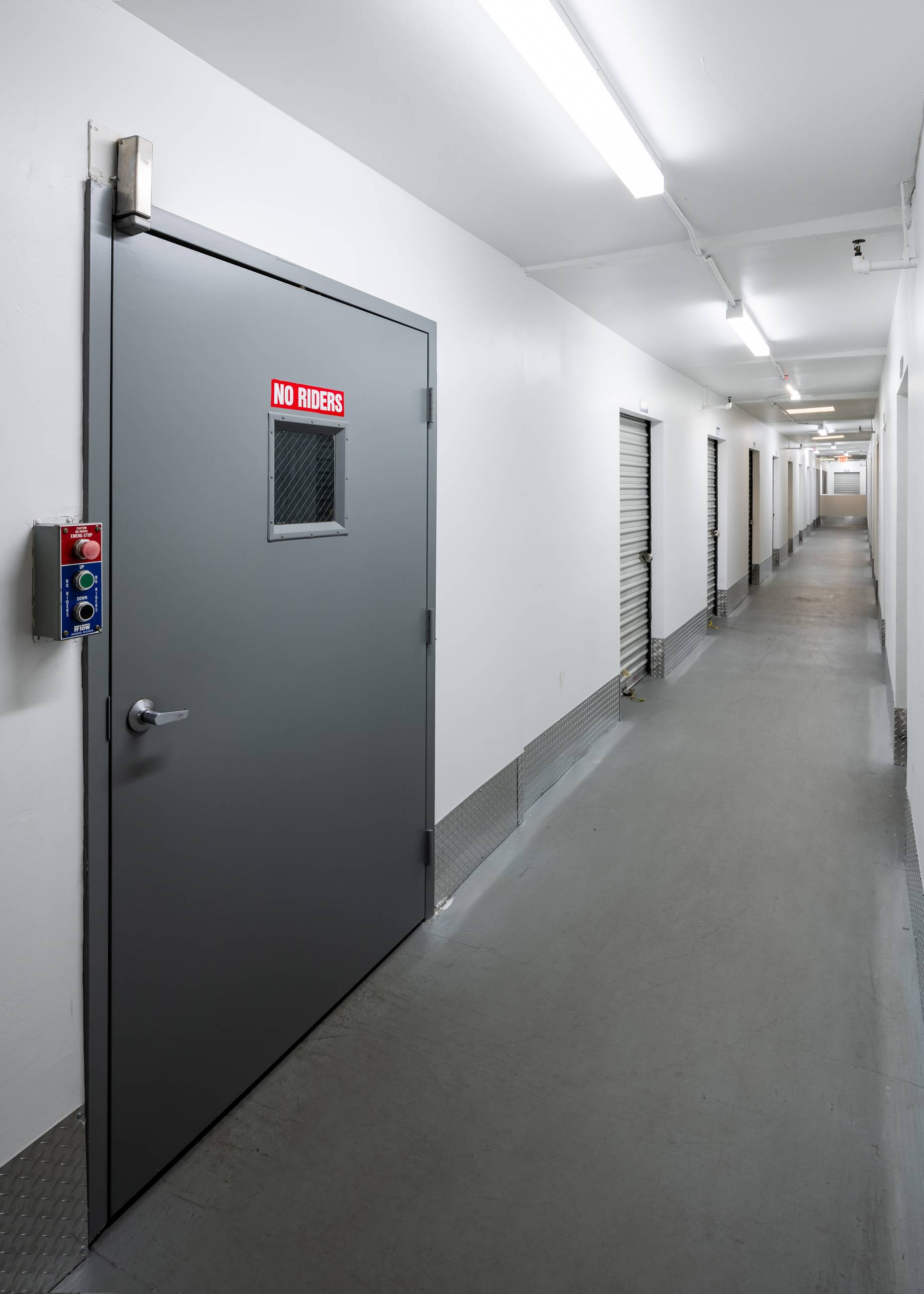
Elevator Logistics: If you are renting a second-floor unit (which often carries a lower monthly rate), the elevator is your lifeline. Check: Are there flatbed carts available? (Usually yes). Plan: Park as close to the loading bay as possible. Designate one person to manage the elevator (holding doors, moving the cart) while others load/unload the vehicle.
Heat Management: Moving in July or August in Vista can be physically punishing. The asphalt radiates heat. Hydration: Bring a cooler. Timing: Start as early as access allows (typically 6:00 AM) to beat the sun. By 11:00 AM, the efficiency of your moving crew (or friends) will drop precipitously due to heat.
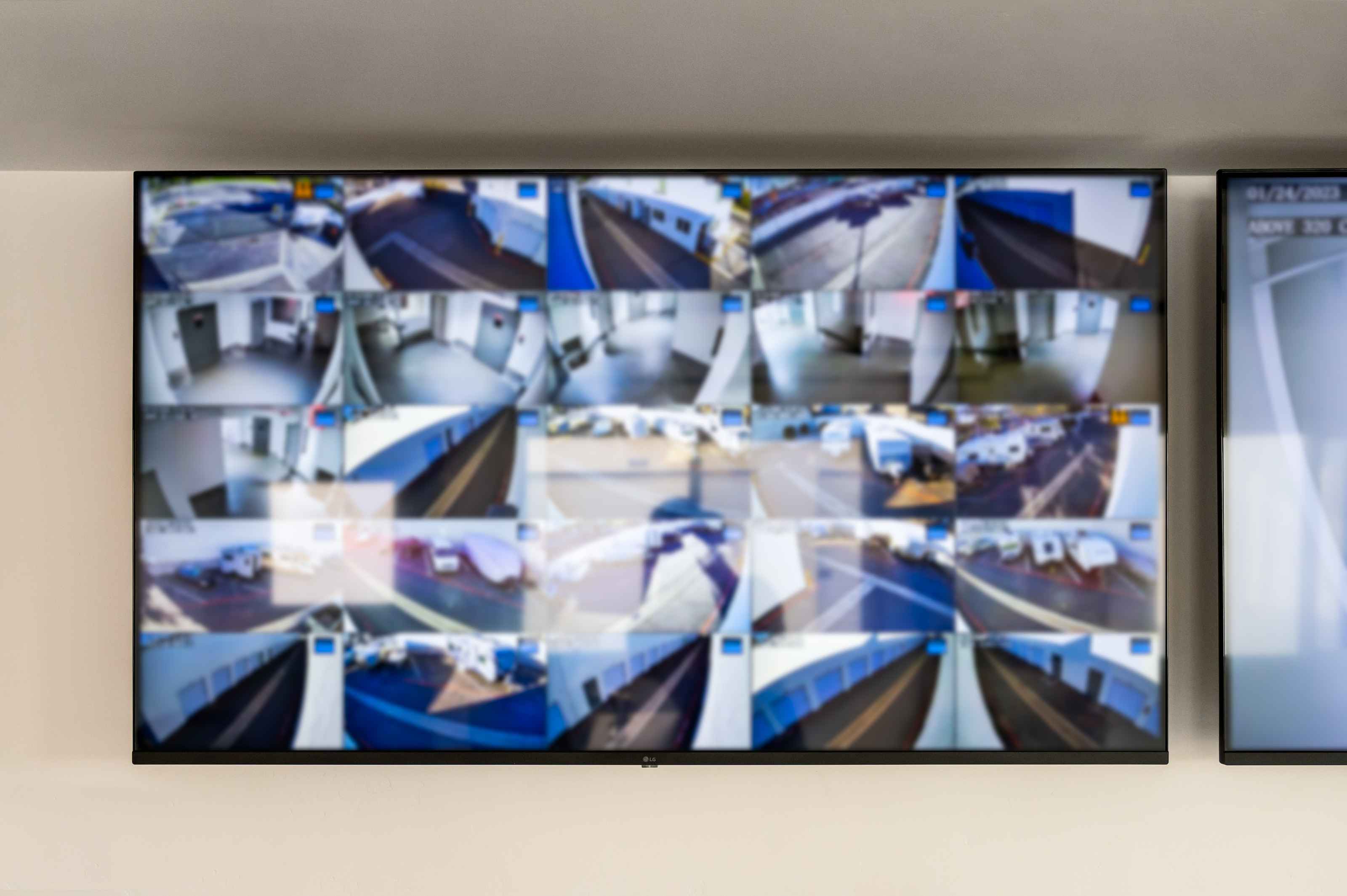
When evaluating the facility, look beyond the cameras. You want to assess the active management culture.
The "Walk" Test: When you tour the facility, look at the floors. Are they clean? Is there trash in the hallways? A clean facility indicates that managers are actively walking the property, which is the best deterrent against theft.
Gate Protocols: Understand the access system. Huff St typically employs coded gate access. Ensure you have your code saved on your phone (screenshot it) as cell signal can sometimes be spotty inside large metal buildings.
When you visit 220 Huff St—or any facility—do not simply ask "How much is the rent?" That information is available online. Instead, ask the questions that reveal the living experience of the facility. These inquiries will help you determine if the location is managed in a way that aligns with your expectations for safety and convenience.
Security is not just about hardware; it is about human behavior.
Question: "How often do managers walk the property?"
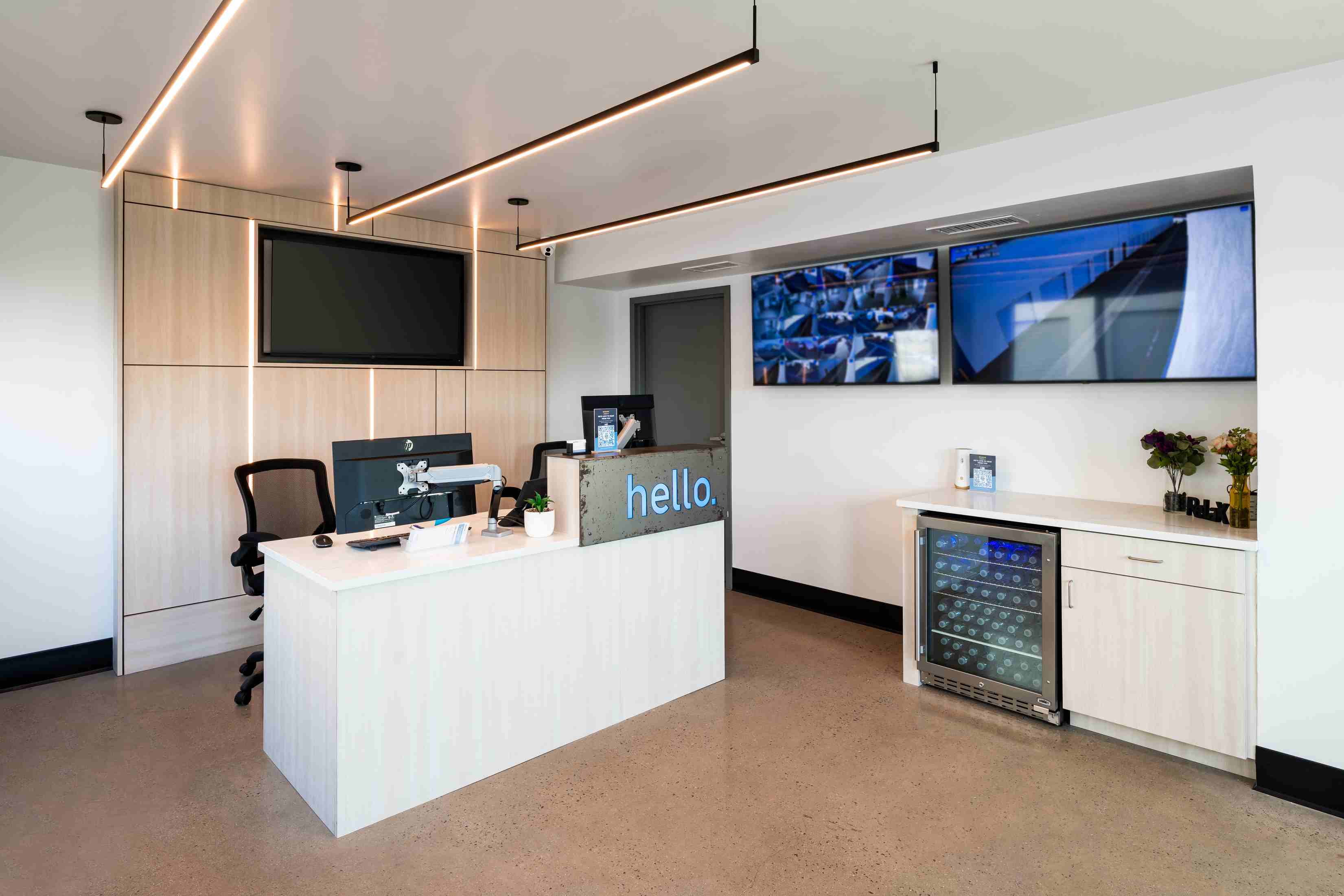
Why it matters: A facility with an on-site manager who actively patrols the corridors is infinitely more secure than one with 100 cameras but no human presence. The Huff St location lists specific "Manager Hours" alongside "Access Hours", implying a structured human presence.
Observation: Look for signs of "active ownership." Are lightbulbs replaced promptly? are the latches on empty units oiled? These small details signal that the staff is attentive, which translates to better oversight of your belongings.
Question: "Is there a covered loading area? How large is the elevator?"
Why it matters: If you are moving during a rare rainy day or the common scorching heat, a covered loading dock is a game-changer. Furthermore, if you have large furniture (sofas, king mattresses), you need to know if they will fit in the elevator stand-up or if you will have to maneuver them up stairs.
Context: The Huff St facility confirms elevator access, but verifying the dimensions relative to your largest item prevents moving-day panic.
Distinction: "Office Hours" are when you can buy boxes, pay a bill, or speak to a human. "Access Hours" are when your gate code will actually open the door.
Huff St Specifics: Daily access is typically 6:00 AM - 10:00 PM. This is a "Goldilocks" window—wide enough for early morning surfers and late-night workers to get their gear, but closed overnight to prevent loitering and enhance security.
Warning: Do not assume 24-hour access. Most secure facilities restrict overnight access to minimize risk. If you have a business that requires 2:00 AM inventory pulls, you must discuss this explicitly with the manager.
Throughout this report, we have analyzed traffic, climate, housing stock, and logistics. When we synthesize these data points, the facility at 220 Huff St emerges as a logical fit for the specific lifestyle patterns of Vista, Carlsbad, and Shadowridge residents.
The Traffic Hedge: The location sits in a geographic "sweet spot." It is accessible from Highway 78 for those coming from distance, but crucially, it is reachable via clear surface streets (Emerald/Melrose) for locals. This redundancy means you are never "trapped" by a freeway accident from accessing your belongings. For locals, this reliability is often worth more than saving a few dollars at a facility deep in a congestion zone.
The Mixed-Use Versatility: The facility offers both Drive-Up Access (critical for the trade/business/active user) and Climate Control/Elevator Access (critical for the historic home renovator or long-term storer). This versatility means you do not have to compromise on your specific preservation needs to get a convenient location.
Modern Infrastructure: As a SecureSpace facility, the location typically features modern security technology, bright LED lighting, and clean corridors. This addresses the primary psychological barrier many users have: the fear of "dark, dingy" storage. It feels like a professional extension of your home, not a forgotten basement.
Storage is rarely about the "stuff" itself. It is about the space the stuff leaves behind. It is about the reclaiming of a garage so you can park your car inside for the first time in years. It is about the peace of mind during a chaotic renovation, knowing your furniture is safe from dust and damage. It is about knowing your business inventory is secure so you can sleep at night without worrying about theft from your work truck.
By understanding the local landscape—the traffic patterns of the 78, the humidity of the marine layer, and the specific regulatory environment of your neighborhood—you can make a decision that solves your problem not just for today, but for the duration of your storage need.
The facility at 220 Huff St represents a modern, logical solution to these very local challenges. It is positioned to be a helpful, integrated extension of your home, allowing you to navigate the transitions of life—moves, renovations, growth—with a little more space and a lot less stress.
[ ] Audit your belongings: Decide what is "storage worthy" vs. donation. Be ruthless; you are paying for space.
[ ] Reserve your unit: Prices in the storage industry fluctuate based on demand. Securing a unit online often locks in a rate and allows you to choose a specific unit location (e.g., near the elevator).
[ ] Check your insurance: Does your homeowners/renters policy cover off-site storage? If not, you will need to purchase the facility's tenant insurance to ensure you are covered against fire, theft, or damage.
[ ] Acquire supplies: Do not use used grocery boxes for long-term storage (they can attract pests and are structurally weak). Buy uniform, sturdy moving boxes that stack well.
[ ] Plan the route: Test the drive to 220 Huff St at the specific time you plan to move (e.g., Saturday morning) to check for unexpected traffic patterns.
[ ] Prepare the items: Clean appliances (defrost fridges), drain fuel from lawn mowers/equipment, and disassemble large furniture to save space.
[ ] Gate Code: Have your access code ready on your phone (screenshot it).
[ ] Load Strategy: Place heavy boxes on the bottom, lighter on top. Leave a walkway in the center of your unit so you can access items in the back without unloading everything.
[ ] Lock it up: Use a high-quality disc lock (often required or recommended by facilities) for maximum security. Avoid standard padlocks which are easily cut.
Everything you need to store your belongings securely, on your schedule.
Visit us online