Last updated Jul 10, 2026
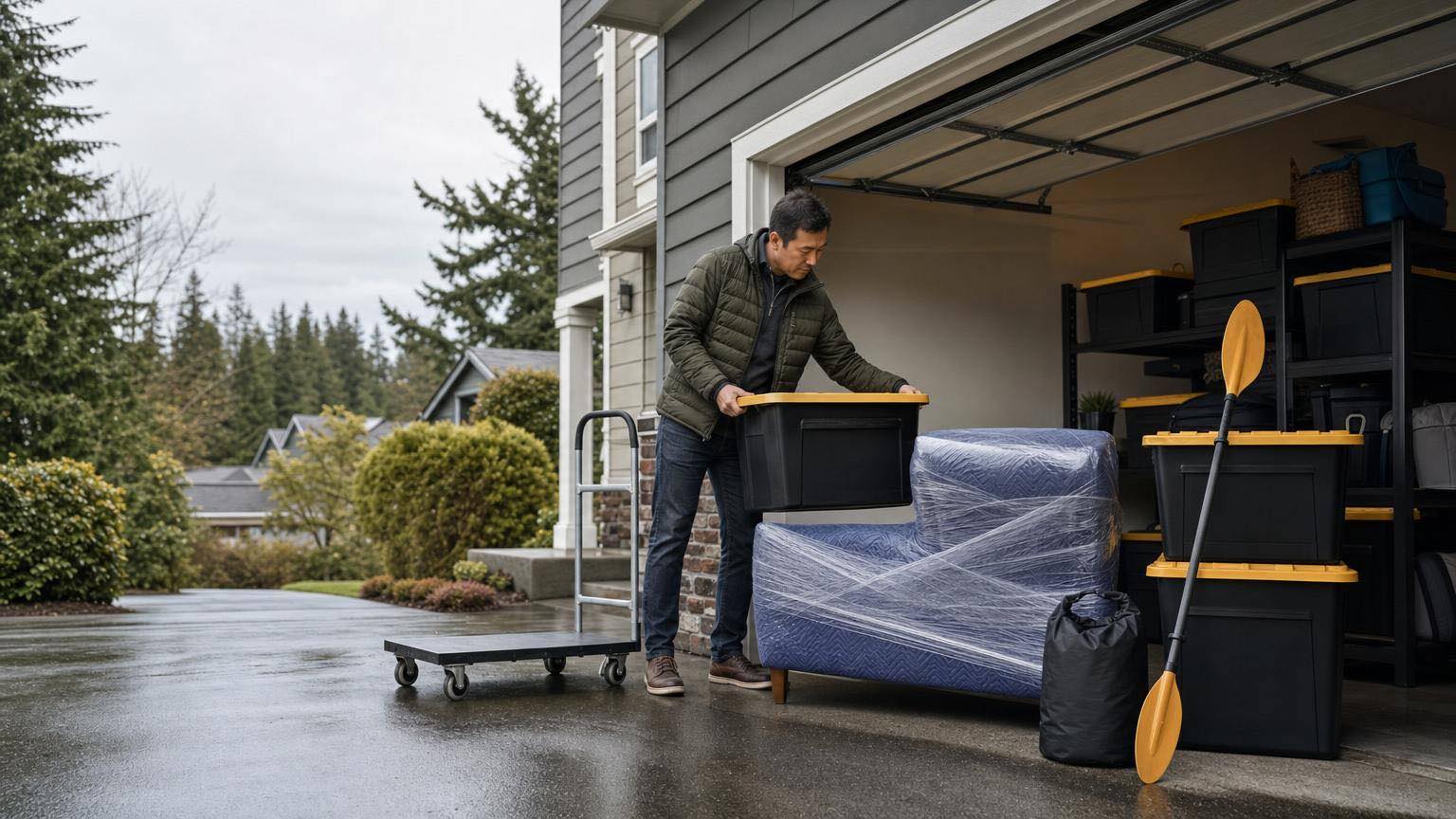
To understand the necessity of external storage in North Seattle is to understand the unique friction of the city itself. This is a region defined not merely by its stunning geography—the verdant squeeze between the saltwater expanse of Puget Sound and the freshwater depth of Lake Washington—but by the intricate, often challenging logistics of navigating that space. For residents of Lake City, Shoreline, View Ridge, and the bustling University District, space is a currency that fluctuates violently with the seasons, the housing market, and the ever-present rhythm of the academic and construction calendars.
We are operating in a "Mixed Market" environment. North Seattle is neither purely suburban, with its sprawling lots and empty barns, nor is it purely urban, with high-rise density and minimal car ownership. It is a complex hybrid. You have mid-century ramblers in Shoreline sitting just miles from high-density, mixed-use developments in Lake City. You have the quiet, tree-lined streets of Blue Ridge contrasting with the arterial intensity of Aurora Avenue. Navigating storage here isn't just about finding a metal box with a lock; it is about finding a facility that fits into the logistical flow of your life—one that accounts for the rain, the traffic patterns of State Route 522, and the specific preservation needs of items in a maritime climate.
This report serves as an exhaustive guide for residents living within the gravitational pull of the NE 130th Street corridor. It is designed not merely as a directory, but as a decision-support tool for individuals facing a transition. Whether you are a homeowner in Wedgwood preparing for a "down-to-the-studs" renovation that will displace your household for nine months, a student in the U-District facing the June scramble, or a resident of a new micro-studio in Northgate realizing that "efficient living" often means "zero closet space", this document provides the strategic context needed to manage your physical assets.
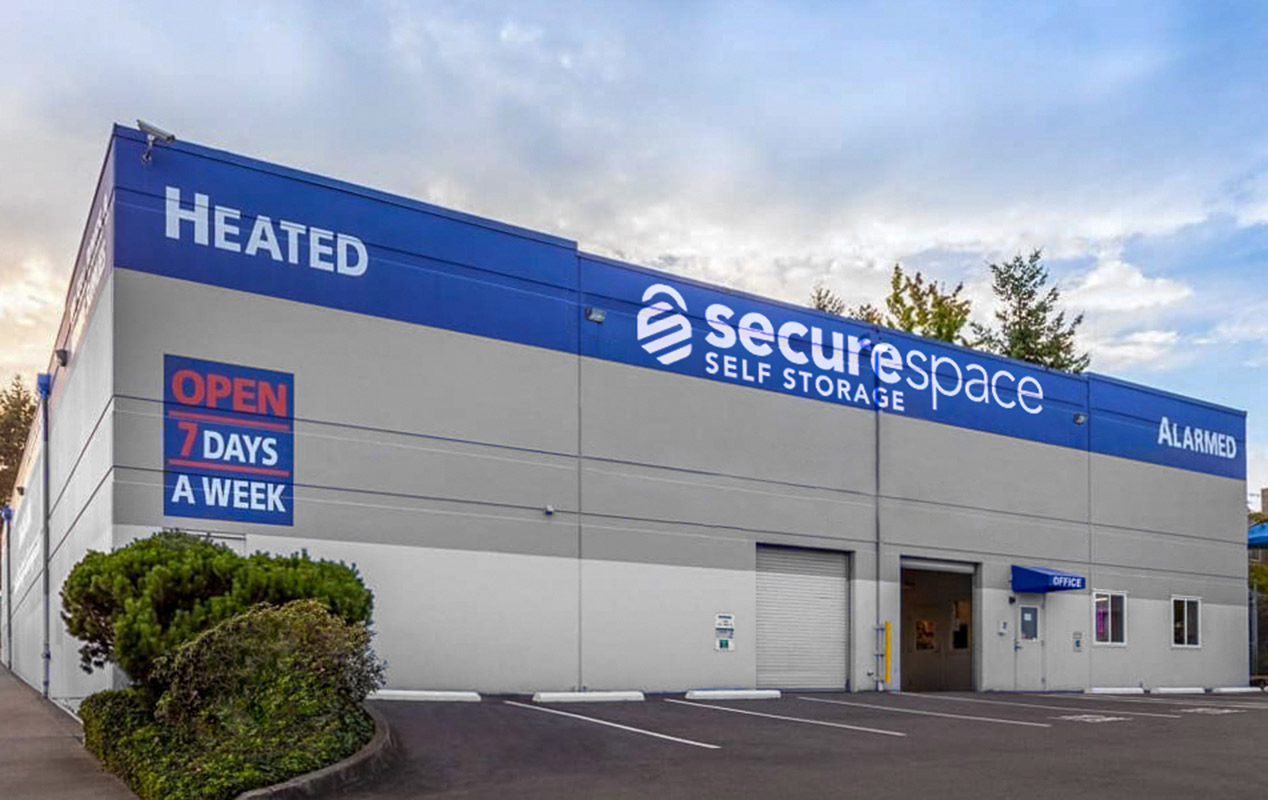
While this guide focuses on the area surrounding the SecureSpace Self Storage facility at 3116 NE 130th St in Lake City—a location that sits at a critical logistical crossroads—the insights herein are applicable to anyone managing physical space in the 98125 zip code and its neighbors. We will strip away the marketing fluff to focus on the operational realities: ingress/egress difficulties caused by recent "Vision Zero" road diets, the science of humidity control in an area where the dew point is a constant threat, and the "time-cost" of accessing your belongings during peak Seattle congestion.
When residents begin the search for off-site storage, they often default to two variables: price and proximity. While these are valid, they are incomplete. In the context of North Seattle, three "invisible" factors often have a far greater impact on the user experience and the long-term safety of belongings.
A facility might be two miles away "as the crow flies," but in Seattle, geography is destiny and traffic is the law. The concept of a "Traffic-Shed" refers to the area from which a location is accessible within a reasonable time window during peak congestion. Most locals don't realize that crossing I-5 or navigating Aurora Avenue (Highway 99) can add 15 to 20 minutes to a short trip.
The location at 3116 NE 130th St benefits from a unique "permeability." It sits on a direct east-west connector (NE 130th) that links the high-speed transit of I-5 to the commercial density of Lake City Way, without forcing drivers into the bottleneck of Northgate Way or the construction-heavy zones of 145th Street. This means a resident in Haller Lake (West of I-5) can reach the facility nearly as fast as someone in Wedgwood, despite the highway barrier. Conversely, attempting to reach a facility on 145th St during rush hour often involves navigating significant backups due to the proximity to the county line and complex interchanges.
Locals may be unaware of recent and upcoming changes to street engineering that directly affect accessibility. The Seattle Department of Transportation (SDOT) has implemented "Vision Zero" improvements along NE 130th St and surrounding arterials. This includes a "road diet," reducing lanes to improve safety and adding protected turn lanes.
The Mechanism: The street has been redesigned from four lanes to three lanes: one vehicle lane in each direction and a center turn lane.
The Implication: While this makes the road safer by reducing speeding (dropping the limit from 30 mph to 25 mph), it restricts impulsive turning. Accessing a facility now requires knowledge of the approach. For 3116 NE 130th St, the presence of a center turn lane is a critical logistical detail that prevents "arrival anxiety"—the stress of trying to turn left against oncoming traffic without a dedicated pocket. Without this center lane, a driver waiting to turn left would block the only travel lane, causing immediate congestion and stress; the new configuration mitigates this specific friction point.
Seattle's reputation for rain is well-known, but the storage danger isn't water falling from the sky—it is the water in the air. The Pacific Northwest maintains high Relative Humidity (RH) year-round.
The Myth: "My garage is dry, so my stuff is safe."
The Reality: An unheated garage in Seattle fluctuates in temperature. When warm, moist air cools down at night, it hits the "Dew Point," causing invisible condensation on surfaces. This is the primary driver of mildew on upholstery and warping of wood veneers.
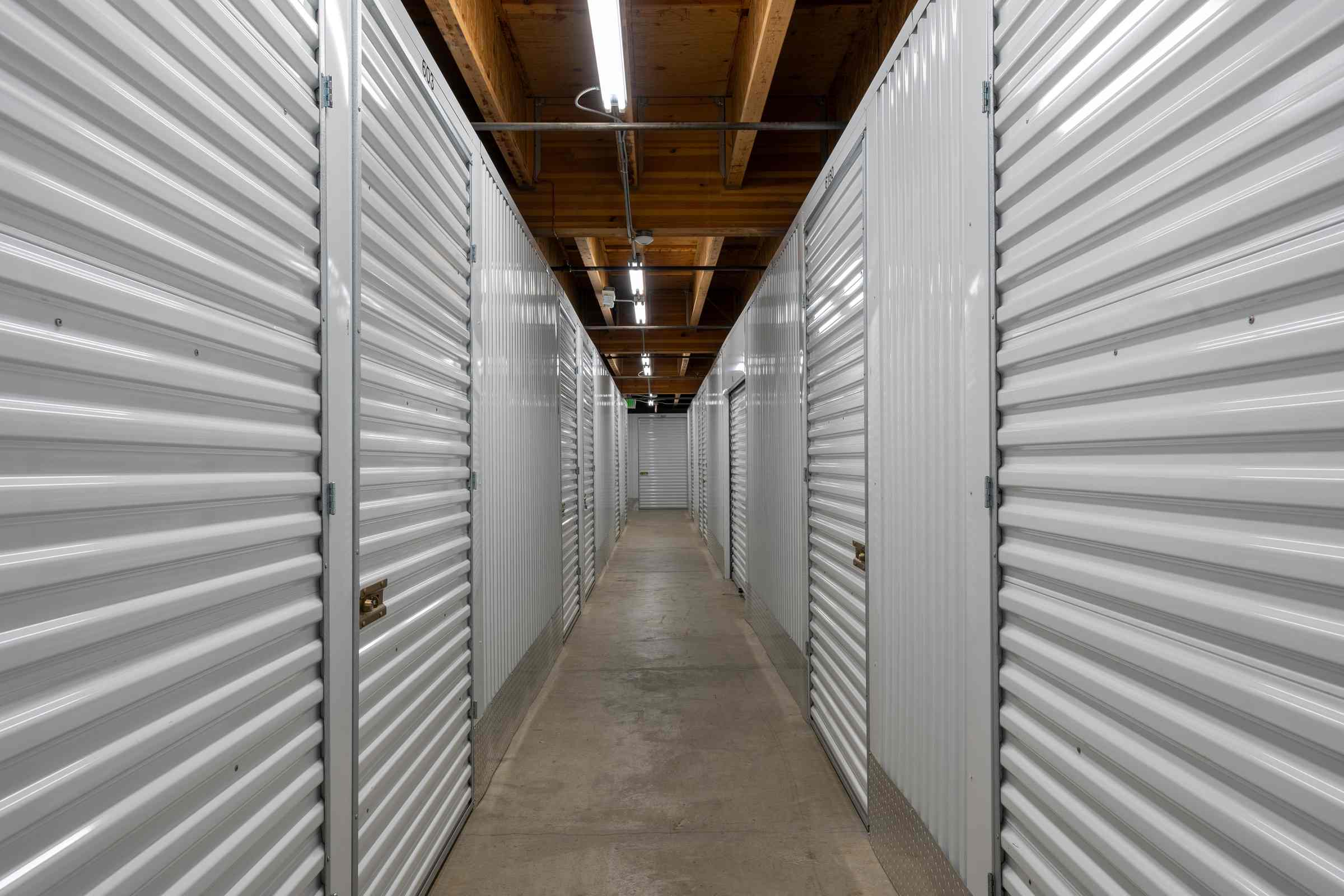
The Solution: This is where the distinction between "Heated Storage" and "Climate Controlled" becomes vital. Most locals don't realize that simply keeping the air temperature above the dew point (via heating) is often sufficient for furniture, whereas true climate control (cooling and dehumidification) is necessary for archives, wine, or art. The Lake City facility offers heated options, which acts as a thermal shield against the damp Seattle winter. This is not just a comfort feature; it is a preservation strategy.
Before committing to a unit, residents should run their needs through this decision matrix. This checklist is tailored to the specific housing mix and environmental conditions of King County's northern sector.
Covered Loading - Low Priority If: You are storing waterproof bins or garden tools. High Priority If: You are storing mattresses, sofas, or electronics. Why it Matters in North Seattle: Seattle rains ~150 days a year. Exposed loading means wet furniture, which leads to trapped moisture and mold inside your unit. The facility at 3116 NE 130th St features a covered loading area, protecting goods during the critical transition from truck to building.
Elevator Size - Low Priority If: You are storing boxes and small items. High Priority If: You are moving a 3+ bedroom home or large appliances. Why it Matters in North Seattle: Large elevators reduce "trip fatigue." Moving a sectional sofa upstairs requires industrial-sized lifts, not passenger elevators. SecureSpace facilities typically feature extra-large elevators designed specifically for this throughput.
Heated/Climate Control - Low Priority If: You are storing garage items (tires, tools, plastic). High Priority If: You are storing wood furniture, books, photos, or textiles. Why it Matters in North Seattle: The only defense against the PNW's pervasive mildew is consistent temperature regulation. Heated units keep the ambient temperature above the dew point, preventing condensation.
Access Hours - Low Priority If: You only need seasonal access (Christmas decor). High Priority If: You are a business owner or working a shift schedule. Why it Matters in North Seattle: Traffic on Lake City Way is unpredictable. Extended access hours (e.g., daily 6am - 10pm) allow you to visit off-peak, avoiding the commuter crush.
Drive-Up Access - Low Priority If: You have light items and value climate control more. High Priority If: You are a contractor or have heavy, frequent turnover of goods. Why it Matters in North Seattle: While convenient, drive-up units in Seattle are often exterior and thus more exposed to temperature swings than interior heated units. They are best for durable goods.
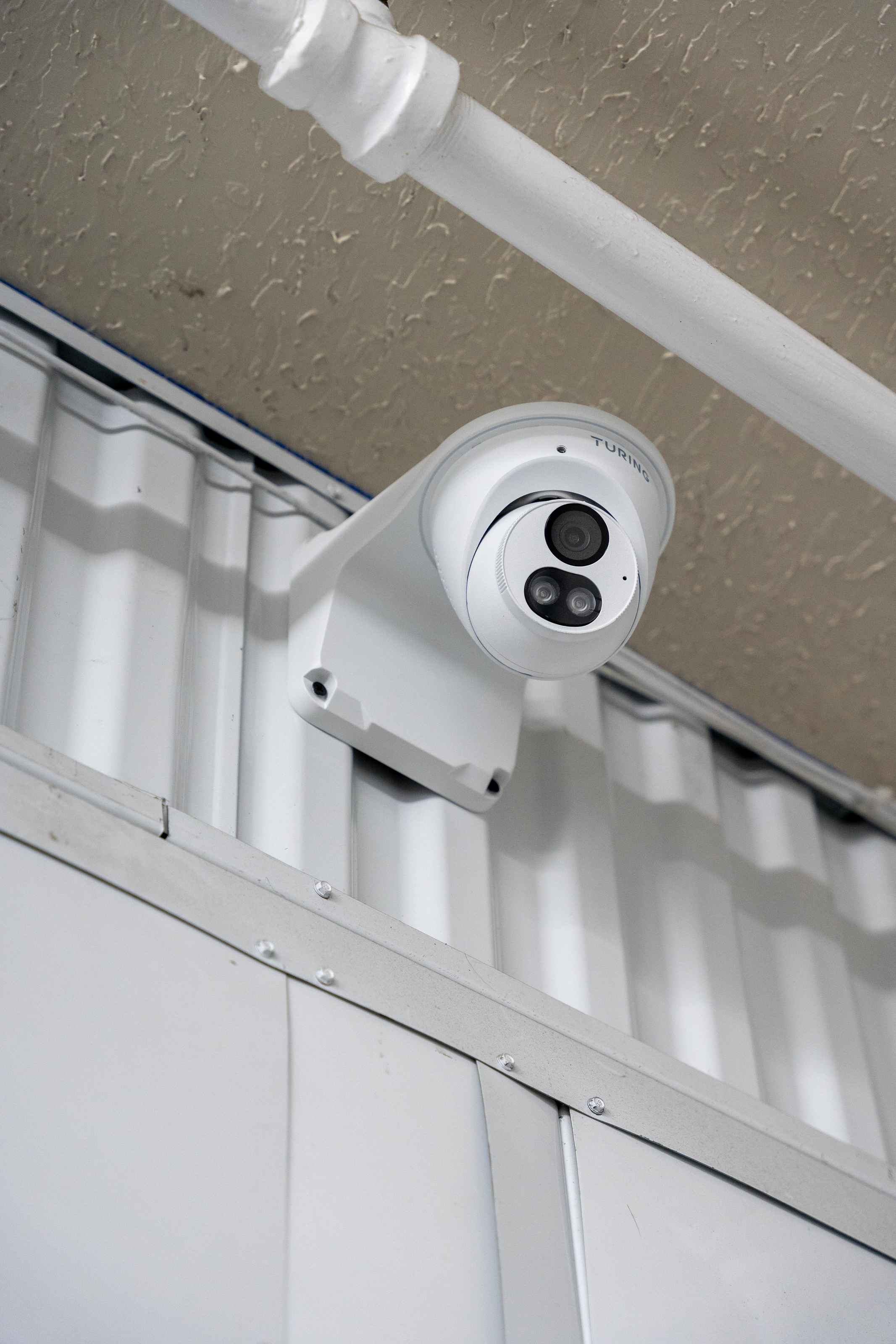
Security Tech - Low Priority If: You are storing low-value overflow. High Priority If: You are storing business inventory or family heirlooms. Why it Matters in North Seattle: Lake City is an urban environment. Features like video recording, monitored gates, and logged access provide an audit trail that simple padlocks cannot. The SecureSpace facility utilizes continuous digital surveillance and computer-controlled access.
The need for storage is universal, but the driver of that need is hyper-local. A student in 98105 has a fundamentally different logistical profile than a retiree in 98155. This section breaks down the specific storage dynamics for each primary zip code in the service area, analyzing housing stock, lifestyle patterns, and geographic constraints.
The Persona: The Urban Adapter.
The Context: This zip code is the epicenter of North Seattle's density boom. As the "Civic Core" of Lake City continues to develop, we see a rapid replacement of older, single-story commercial buildings with mixed-use apartment complexes. Simultaneously, Northgate is transforming into a transit-oriented hub following the arrival of the Link Light Rail.
The Storage Need:
Micro-Living Relief: New apartments in Seattle are among the smallest in the nation. The average size of a new Seattle apartment has dropped to approximately 689 square feet, with studios in developments like Verdant on 15th Ave NE offering significantly less living space. For residents in these units, closet space is virtually non-existent. A 5x5 or 5x10 storage unit essentially functions as a detached walk-in closet, allowing for the rotation of seasonal wardrobes and recreational gear that simply cannot fit in a sub-400 sq ft studio.
The "In-Between" Spaces: With high rental turnover—rents in the area have seen significant volatility—many 98125 residents are in a perpetual state of "in-between." They are moving from roommate situations to solo studios, or upgrading from apartments to townhomes. The flexible month-to-month leases available at facilities like SecureSpace allow for these fluid transitions without the commitment of long-term contracts. Local Insight: Residents here benefit most from the proximity. The SecureSpace facility at 3116 NE 130th St is walkable for many in the northern sector of Lake City, a rare amenity that allows for car-free access to belongings.
The Persona: The Seasonal Migrant.
The Context: Home to the University of Washington, this zip code operates on a strict clock: the Quarter System. The population swells in September and contracts violently in June.
The Storage Need:
The "Summer Gap": The academic calendar creates a predictable crisis. Spring quarter typically ends in mid-June (e.g., June 13, 2026), but autumn leases for off-campus housing often don't start until September. This leaves a critical 3-month gap where dorm furniture, winter clothes, and bicycles must be housed.
Shared Housing Tetris: Students living in shared houses in Ravenna or Bryant often lack secure space for individual valuables. A locker-sized unit or a shared 5x10 becomes a secure depository for electronics or sentimental items that can't be left in a potentially unlocked house with high foot traffic. Local Insight: For 98105 residents, the drive to Lake City (via 25th Ave NE or Lake City Way) is often faster and less congested than trying to find storage south toward Capitol Hill or downtown. The facility's online rental capability allows students to secure a unit before finals week chaos ensues.
The Persona: The Home Improver.
The Context: These neighborhoods are characterized by stable, long-term homeownership and a stock of high-quality mid-century homes. However, "mid-century" often means "outdated infrastructure" requiring significant renovation.
The Storage Need:
The Remodel Surge: Whole-house remodels in Seattle are common here, often taking 6-12 months to complete due to permitting complexities and labor constraints. Homeowners typically need to clear out entire floors to allow contractors to work. A 10x20 unit serves as the staging ground for furniture that needs to be protected from drywall dust and paint fumes.
Estate Management: As an area with many older residents, there is a frequent need for "transition storage"—holding the contents of a parent's home while it is being prepared for sale. This requires sensitive handling and, crucially, climate control to protect antiques and heirlooms. Local Insight: Residents here often have high-value items (pianos, mid-century modern furniture). The "Heated Storage" feature at the Lake City facility is non-negotiable for preserving the glue and finish on these vintage assets.
The Persona: The Commuter Pragmatist.
The Context: Bisected by Aurora Avenue (Highway 99), this area is a mix of commercial strips and quiet residential pockets. It is a practical, working-class to middle-class zone where utility matters.
The Storage Need:
Traffic Avoidance: Residents here know that Aurora is a choke point. Accessing storage via the east-west arterial of N 130th St / NE 130th St allows them to cut across the city without engaging in the stop-and-go misery of the highway. The recent Vision Zero improvements have made this cross-town trip slower but more predictable.
Business Inventory: Many small business owners and contractors live or operate in this zone. They require drive-up access or covered loading to move tools and inventory (landscaping gear, plumbing supplies) without exposing them to the rain. Local Insight: The recent road diet on N 130th St has changed the flow. While it has slowed traffic, it has also made the approach to the facility more deliberate. Residents coming from the west should plan their approach to utilize the new center turn lanes effectively, avoiding the need to make stressful turns across traffic.
The Persona: The Family Manager.
The Context: This is the land of larger lots, Douglas Firs, and active families. It feels suburban but is just minutes from the city limits.
The Storage Need:
Recreational Overload: Families here utilize the outdoors. Kayaks, paddleboards, camping gear, and bikes for four people take up immense space. While these homes have garages, they are often filled with cars or converted into workshops.
The Holiday Rotate: With more space comes more decoration. The "Christmas in July" phenomenon involves moving large volumes of holiday decor in and out of storage. Local Insight: For 98155, the Lake City facility is "on the way" to the city. It allows families to grab their gear on the way out for a weekend trip or drop it off on the way back, without a significant detour. The proximity to Lake City Way (SR 522) makes this a natural logistical waypoint.
The Persona: The Asset Protector.
The Context: Perched on the bluff overlooking Puget Sound, Broadview is one of the wealthiest enclaves in the region. The homes are large, and the possessions are often valuable.
The Storage Need:
Luxury Overflow: Residents here are "Urban Sophisticates" who may collect art, wine, or classic cars. They require storage that equals the quality of their homes—secure, clean, and rigorously climate-controlled.
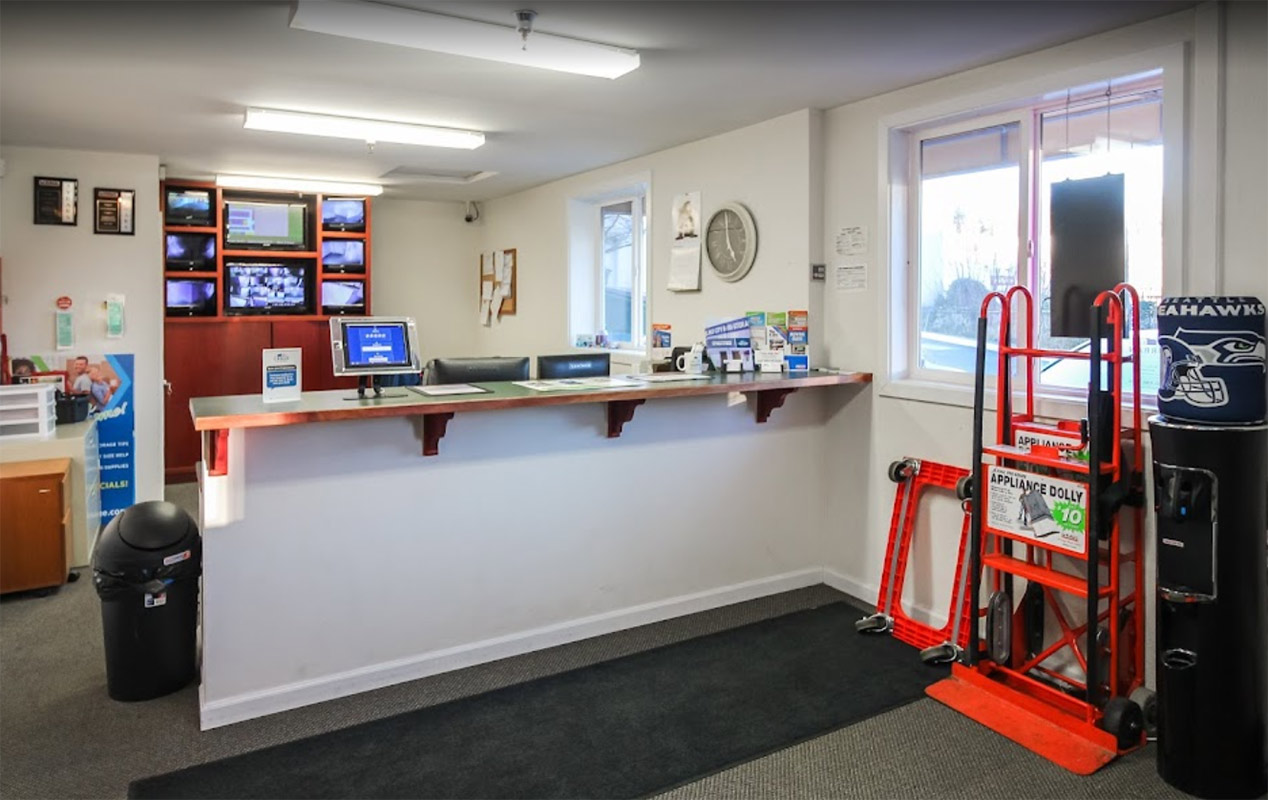
Privacy & Security: High-net-worth individuals prioritize discretion and security systems. The "state-of-the-art" security mentions (cameras, logged access) are the primary selling points for this demographic. Local Insight: The "Trust Factor" is paramount. Broadview residents are willing to pay a premium for a facility that feels managed and monitored, rather than a remote, unstaffed outpost. The existence of an on-site manager during business hours provides a necessary layer of reassurance.
The Persona: The Corridor Commuter.
The Context: These areas feed into Seattle via SR 522 (Lake City Way) and I-5.
The Storage Need:
The "Hub" Strategy: Why store near home if you work in the city? Storing items at the Lake City facility (essentially the gateway to North Seattle) allows commuters to access goods during their daily transit. It effectively decentralizes their storage, keeping it closer to their center of activity or commerce.
Bridge Avoidance: For Kirkland (98034) residents, crossing the water is a psychological barrier. However, for those who commute around the lake via Bothell/Kenmore, Lake City is a natural waypoint. Local Insight: Traffic on SR 522 is heavy. A facility located just off this main artery (like on NE 130th) allows for a quick "pit stop" without getting stuck in the deep neighborhood grid of Seattle proper.
The Persona: The Lifestyle Maximizer.
The Context: Dense, vibrant, and incredibly active. Residents here are likely to own a kayak, three bikes, and climbing gear, all squeezed into a craftsman bungalow with a damp basement.
The Storage Need:
The Basement Fail: Older homes in 98103 are notorious for wet basements. Storing cardboard boxes or textiles there is a recipe for mold. Off-site heated storage is often cheaper than a basement waterproofing renovation.
Gear Staging: With Green Lake as a focal point, having easy access to paddleboards and kayaks is essential. While some boat houses exist, they have long waitlists and limited capacity. A storage unit serves as a private boathouse. Local Insight: This demographic values the "Covered Loading" area immensely. Loading a kayak or expensive road bike onto a rack in the pouring rain is miserable; doing it in a covered bay is a luxury.
When discussing storage with a Seattleite, certain anxieties always surface. These aren't just preferences; they are deep-seated concerns born from experience with the local environment.
Newcomers often underestimate the tenacity of Pacific Northwest mold. It doesn't require a leak; it only requires stagnation and a temperature drop.
The Mechanism: When the air temperature in a storage unit drops below the dew point, the water vapor in the air condenses into liquid water on the coldest surfaces—usually metal tools, mirrors, or the corners of a concrete floor. This microscopic layer of water feeds dormant mold spores.
The SecureSpace Advantage: By maintaining a "Heated" environment, the facility ensures the air temperature remains above the dew point. This doesn't just keep you warm while you pack; it physically prevents the phase change of water from gas to liquid on your belongings. This is a critical distinction that "unheated drive-up" units cannot offer.
There is a specific misery reserved for moving a mattress in a November downpour. The sponge-like foam absorbs water instantly, which is then sealed into a storage unit to rot.
The Amenity as Necessity: The "Covered Loading Area" at 3116 NE 130th St is not a luxury; it is an operational necessity for 8 months of the year. It allows the transfer of goods from truck to elevator without a single drop of rain touching them. For locals, this feature alone often dictates the choice of facility.
Lake City is an urban neighborhood. Like any dense area in Seattle, security is a top-of-mind concern.
The Layers of Defense: Residents look for more than a gate code. They look for "passive surveillance" (good lighting that eliminates shadows) and "active surveillance" (cameras). The presence of an on-site manager and logged access points creates a "chain of custody" for entry that deters casual opportunism. The facility's modern construction implies a higher standard of digital security integration compared to older, padlock-only lots.
"How long is 'temporary'?" Remodels: Plan for 50% longer than your contractor says. A 6-month kitchen remodel often bleeds into 9 months. Storage contracts should be month-to-month to accommodate this unpredictability. Students: You need exactly mid-June to late-September. Do not get locked into a 6-month minimum.
"Will it fit?" 5x5: Dorm room (boxes, mini-fridge). 5x10: Studio apartment OR motorcycle + gear. 10x10: 1-Bedroom apartment OR construction staging for a kitchen remodel. 10x20: Whole home (3-bed) or a car. Tip: Verticality matters. Facilities with tall ceilings allow you to stack lighter boxes, increasing the effective volume of a small floor plan.
In the end, storage is rarely about the "stuff." It is about the transition. It is about the couple in View Ridge making space for a new baby, the student in the U-District heading home for a much-needed break, or the family in Shoreline finally tackling that renovation they've planned for years.
The facility at 3116 NE 130th St offers a compelling proposition for these moments. It isn't just a warehouse; it is a piece of logistical infrastructure designed for the specific challenges of North Seattle. By mitigating the "Traffic Friction" via its strategic location, neutralizing the "Mold Risk" via heated units, and eliminating the "Rain Factor" via covered loading, it removes the friction from an already stressful process.
For the locals navigating the complex currents of life in the 206 and 425 area codes, the decision often comes down to this: Is it worth saving a few dollars to drive an extra 20 minutes in traffic, only to unload in the rain? The answer, almost universally, is no. The true value lies in the seamless, dry, and secure extension of your home, right where the city meets the suburbs.
From I-5 North/South: Exit at NE 130th St (Exit 174). Head East. The facility is on the left before Lake City Way.
From Lake City Way (Southbound): Turn Right on NE 130th St.
From Lake City Way (Northbound): Turn Left on NE 130th St (Use the dedicated turn lane).
Warning: Avoid cutting through residential streets (like 15th Ave NE) during school zone hours due to traffic calming measures. Stick to the arterials.
Everything you need to store your belongings securely, on your schedule.
Visit us online