Last updated Jul 10, 2026
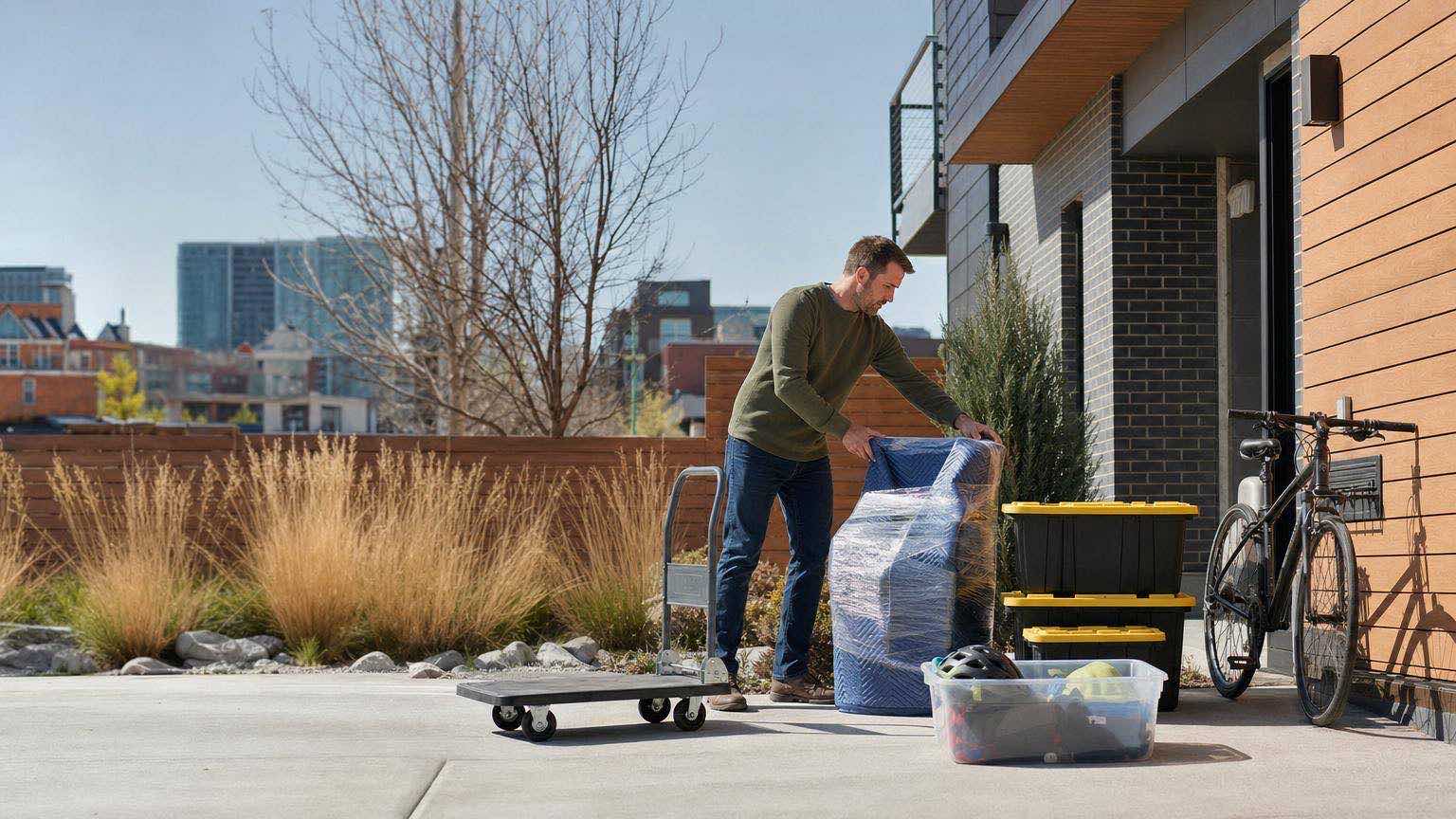
For residents of Northeast Denver, the decision to utilize external storage is rarely a simple desire for incremental square footage; it is almost always a symptom of a significant life transition or a structural constraint of the local housing stock. In historic neighborhoods like Park Hill (80207), the driving force is often the architectural friction of expanding a 1920s bungalow to accommodate a 2020s lifestyle—a process that inevitably involves dust, displacement, and the complex logistics of the "pop-top" renovation. In the master-planned districts of Central Park (80238), the pressure comes from a different source: the "New Urbanist" design philosophy that prioritizes walkability and shared green spaces over private garage capacity, creating a persistent conflict between the active Colorado lifestyle and the restrictive dimensions of alley-loaded lots.
Further east, near the Anschutz Medical Campus in Aurora (80045, 80010), the storage narrative shifts again. Here, the triggers are professional and academic, dictated by the rigid timelines of the National Resident Matching Program (NRMP) and the rotational nature of medical education. For these residents, storage is a strategic buffer during the high-stress relocation periods associated with Match Day and fellowship transitions.
This guide is designed for the local resident standing in the center of a living room filled with boxes, or staring at a contractor's Gantt chart, attempting to manage the logistics of their life for the next six to twelve months. It is written to navigate the specific realities of this corner of Denver—where the I-70 corridor meets the historic residential grid, where construction on Quebec Street dictates daily commute times, and where the semi-arid High Plains climate poses invisible but significant risks to wood, leather, and electronics.
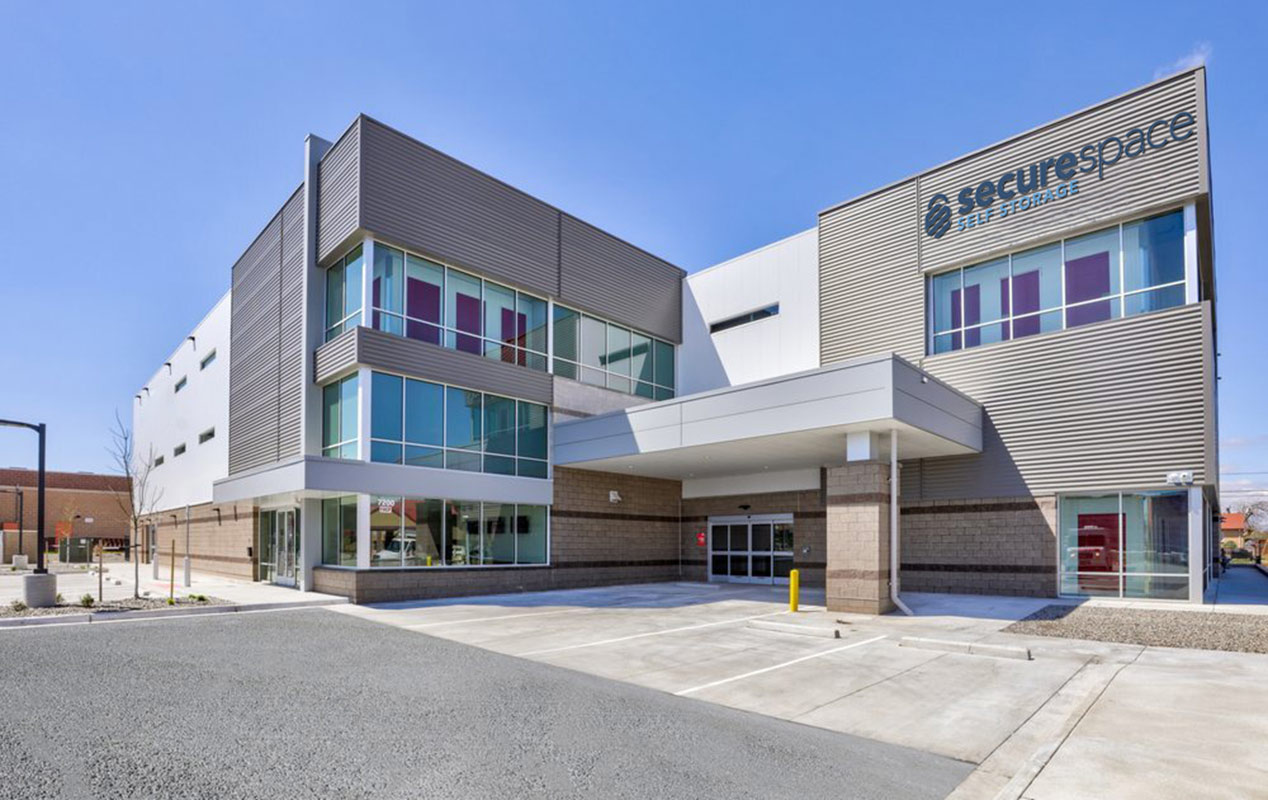
We focus specifically on the logistical dynamics surrounding the storage hub at 7200 E 36th Ave, a location that sits at the strategic intersection of Denver's historic past (Park Hill) and its master-planned future (Central Park). This document serves as an operational manual for your possessions during a period of change, prioritizing access patterns, climate science, and neighborhood-specific use cases over marketing rhetoric. By the end of this report, you will understand not just where to store, but how to store in a way that protects your peace of mind as much as your property.
For any resident in 80207 or 80238, the primary consideration for storage is rarely just the internal square footage of the unit; it is the friction of the "driveway-to-gate" journey. Storage is only functionally useful if it fits seamlessly into your existing movement patterns. In this specific sector of Northeast Denver, accessibility is defined by two dominant variables: the heavy congestion of the I-70 corridor and the ongoing infrastructural evolution of Quebec Street.
Quebec Street serves as the carotid artery of Northeast Denver, acting as the primary north-south connector linking the residential blocks of Park Hill and Central Park to the interstate system. However, locals know that relying on Quebec Street comes with significant caveats. The Quebec Pedestrian and Mobility Improvements Project has introduced a regime of intermittent lane closures, sidewalk construction, and drainage updates, particularly between 12th Avenue and Montview Boulevard. These improvements, while necessary for long-term walkability, create immediate bottlenecks that ripple northward toward I-70.
For a resident of South Park Hill (80220) or Hale, driving north to a storage unit can feel like running a gauntlet if one blindly follows a GPS route that prioritizes Quebec Street. The strategic advantage of the location at 7200 E 36th Ave lies in its East-West orientation. 36th Avenue acts as a critical "local bypass," a pressure relief valve that allows savvy residents to skirt the heaviest zones of congestion.
The Insider's Approach to Access:
From North Park Hill (80207): Residents can bypass the Quebec bottleneck entirely by utilizing parallel residential streets such as Holly Street or Dahlia Street to reach 35th or 36th Avenue. This route avoids the construction zones and the heavy commercial traffic often found on Colorado Boulevard, delivering the driver to the facility via a quiet, predictable approach.
From Central Park (80238): Residents situated in the newer developments of Central Park can utilize Central Park Boulevard to access 36th Avenue from the east. This route is particularly valuable as it bypasses the chaotic I-70/Quebec interchange, a junction frequently clogged with heavy-duty truck traffic and weekend ski congestion. By approaching from the east, residents utilize wide, modern arterials that are designed for smoother flow.
The facility's proximity to I-70 is a feature that cuts both ways, requiring a nuanced understanding of local traffic rhythms. While being "minutes from I-70" is often touted as a convenience, for a local, it requires strategic timing to avoid getting caught in the gravitational pull of interstate gridlock.
Strategic Timing for Storage Access:
Friday Afternoons: Westbound I-70 traffic often begins to back up past Quebec Street as early as 2:00 PM during peak seasons (winter ski season and summer camping season). If a storage run is planned for a Friday afternoon, approaching from the surface streets—using Monaco or Colorado Boulevard to reach 36th Avenue—is vastly superior to attempting to hop on the highway for a single exit.
Sunday Evenings: Eastbound return traffic from the mountains can clog the exits leading into Denver. However, because 36th Avenue runs parallel to the highway, it remains a viable escape route for locals moving items between the highway and the neighborhoods without getting stuck in the interchange deadlock. The roadway is wide enough to handle traffic but removed enough to avoid the standstill.
Unlike the industrial frontage roads located further west in Elyria Swansea (80216) or the dense commercial zones of Havana, 36th Avenue in this specific stretch functions as a transition zone. It possesses the width and turning radii necessary to comfortably accommodate 26-foot moving trucks—a daunting vehicle for the average non-professional driver to maneuver. This stands in sharp contrast to the tighter urban storage facilities found in Capitol Hill or Downtown, where narrow alleys and lack of loading docks can induce significant "collision anxiety." The approach to 7200 E 36th Ave offers predictable traffic flow and ample space, reducing the stress of the final mile of a move.
The initial search for storage is often driven by a simple calculation of volume: "I have too much stuff, and I need an empty room." However, the reality of storage in Denver reveals several second-order effects that most residents do not anticipate until they are deep in the process.
1. The "Appraisal Gap" in Renovations
For homeowners in Park Hill utilizing a Home Equity Line of Credit (HELOC) or refinancing to fund a major renovation, the appraisal is a critical milestone. A cluttered house often appraises lower than a staged, open one. Moving 30% of your belongings—specifically bulky furniture and non-essential boxes—into storage before the appraisal can tangibly impact the valuation of the home. Many locals realize too late that the cost of storage would have been offset multiple times over by the increased equity valuation of a decluttered home.
2. The Plaster Dust Factor
In the historic homes of 80207, renovation often involves the demolition of lath and plaster walls. This process creates a uniquely fine, invasive dust that penetrates even "sealed" rooms. Residents who attempt to store furniture in a spare bedroom or a taped-off dining room during a remodel often find their upholstery permanently embedded with grit. Moving soft goods (sofas, mattresses, curtains) to a separate facility is not merely about creating workspace; it is a preservation strategy to prevent irreversible damage to fabrics.
3. The HOA Compliance Trap
In Central Park (80238), the aesthetics of the neighborhood are strictly governed by HOA covenants. Unlike in older neighborhoods where a PODS container might sit in a driveway for a month with little complaint, Central Park rules are often much stricter regarding unsightly temporary storage containers on streets or alleyways. This regulatory environment makes off-site storage not just a preference for decluttering, but often a compliance necessity to avoid fines or neighborhood disputes during a transition.
Before committing to a unit, it is essential to move beyond vague estimates and apply a rigorous checklist to your specific situation. In Denver, "square footage" is less important than "cubic volume" and "access type."
High-Turnover Items (Camping Gear, Skis, Strollers): If you plan to access the unit weekly (e.g., for weekend trips), Drive-Up Access is the priority. The ability to pull a vehicle directly up to the door and load heavy coolers or awkward ski bags saves immense physical effort.
Deep Storage (Renovation Overflow, Archives, heirlooms): If the items will sit untouched for 6 months, an Interior / Climate-Controlled unit is superior. The dust protection is better, the temperature is stable, and the cost is often comparable or slightly higher for significantly better protection.
Consider the vehicle you will use for access.
The SUV/Crossover: Most Denver residents drive SUVs. Ensure the facility has wide drive aisles. 7200 E 36th Ave is designed with modern turning radii in mind, unlike older facilities tucked into tight industrial alleys where a 3-point turn is impossible.
The Rental Truck: If you are renting a 26-foot truck, verify the facility has a dedicated loading bay or sufficiently wide gates.
The "Urban Apartment" (1-Bedroom / Studio): Items: Queen mattress, 10-15 boxes, bicycle, ski gear, desk. Recommendation: 5x10 Unit. A 5x5 is often too tight for a queen mattress unless you are an expert at vertical stacking. A 5x10 allows for a small aisle to reach gear in the back.
The "Park Hill Renovation" (3-Bedroom Home): Items: Sectional sofa, dining table (legs off), refrigerator, 40+ boxes of kitchenware/books, rugs. Recommendation: 10x15 or 10x20 Unit. You need room to maneuver. When renovating, you will invariably need to retrieve something you "accidentally" packed. A larger unit allows for organized aisles rather than a solid wall of boxes.
The "Central Park Overflow" (Garage Extension): Items: Kayaks, 4 bicycles, camping totes, holiday decorations, patio furniture. Recommendation: 10x10 Drive-Up. Ease of access is the only metric that matters here.
The reason a resident in Park Hill needs storage is fundamentally different from why a resident in Anschutz or Central Park needs it. The housing stock dictates the storage requirement.
The Archetype: Brick Tudors, Bungalows, and Denver Squares (1920–1950).
The Trigger: The "Pop-Top" Renovation.
Park Hill is currently undergoing a significant wave of vertical expansions ("pop-tops") and basement excavations. These are major structural interventions that can take 6 to 12 months.
The Strategy: Rent the unit two weeks before the contractor arrives. Establish a "clean zone" for items that cannot be subjected to dust.
Climate Consideration: Because these renovations often span multiple seasons, furniture that is moved from a conditioned home into storage during the winter must be protected from thermal shock. A climate-controlled unit at 7200 E 36th Ave prevents the cracking of vintage wood furniture that can occur if left in an unheated garage during a Denver freeze.
The Archetype: Modern, energy-efficient homes with alley-loaded garages.
The Trigger: Lifestyle Accumulation vs. Garage Size.
Central Park was designed with a focus on community space, often resulting in smaller private lots and garages that are strictly functional for parking, not storage.
The Strategy: The "External Garage." Residents here use 7200 E 36th Ave as a rotational space.
Summer Mode: Skis, snowboards, and heavy winter coats go to the unit; camping gear comes home.
Winter Mode: Bikes, kayaks, and patio furniture go to the unit; skis come home.
Location Value: Because the facility is easily accessible via Central Park Blvd, it fits into the "errand loop" of a Saturday morning, making the rotation of gear less of a chore.
The Archetype: Apartments and rentals near the medical campus.
The Trigger: Match Day and Rotations.
For medical residents, life moves on the academic calendar. "Match Day" in March precipitates a flurry of moves in June and July.
The Strategy: The "Gap" Solution. Leases often end July 31st, but new fellowships or residencies might not align perfectly.
The Vehicle Dilemma: Many residents do away rotations and need a secure place to store a vehicle. The facility at 36th Ave offers vehicle storage options, a critical amenity near the urban core where street parking for long durations is risky or prohibited.
Remote Management: For incoming residents moving from out of state, the ability to handle leasing and paperwork remotely (email billing, digital lease signing) is a crucial feature that reduces the logistical burden of arrival.
Newcomers to Colorado often underestimate the environmental aggressiveness of the High Plains. It isn't just "cold"; the climate is characterized by extreme aridity and rapid thermal cycling.
Denver experiences a phenomenon known as the Freeze-Thaw Cycle, which creates a unique stress test for stored materials.
Daytime Solar Gain: The intense high-altitude sun strikes a metal drive-up door. Even in January, the internal temperature of an uninsulated unit can rise significantly.
Nighttime Radiative Cooling: As the sun sets, the thin atmosphere allows heat to escape rapidly, causing temperatures to plummet, often well below freezing.
The Result: This rapid expansion and contraction (thermal cycling) causes physical degradation: Wood Joints: Glues become brittle and fail; veneers delaminate as the wood expands and contracts at different rates than the substrate. Electronics: Condensation can form on circuit boards if the dew point is crossed rapidly, leading to corrosion and failure. Plastics: They become brittle and prone to shattering.
When to Choose Climate Control at 7200 E 36th Ave:
If your items are durable and "dead" (garden hoses, plastic totes of holiday decorations, simple metal tools), a standard drive-up unit is sufficient and cost-effective. However, if your items are "living" (wood furniture, leather, canvas art, electronics, vinyl records), climate control is mandatory in Denver to act as a thermal buffer.
Any facility located near major thoroughfares like Quebec Street and I-70 will inevitably deal with higher levels of particulate matter—road dust and soot.
The Defense for Drive-Up: Drive-up units are not hermetically sealed; the roll-up doors have small gaps to allow for airflow. If renting a drive-up unit, it is critical to use dust covers (plastic or cloth) for mattresses and upholstery.
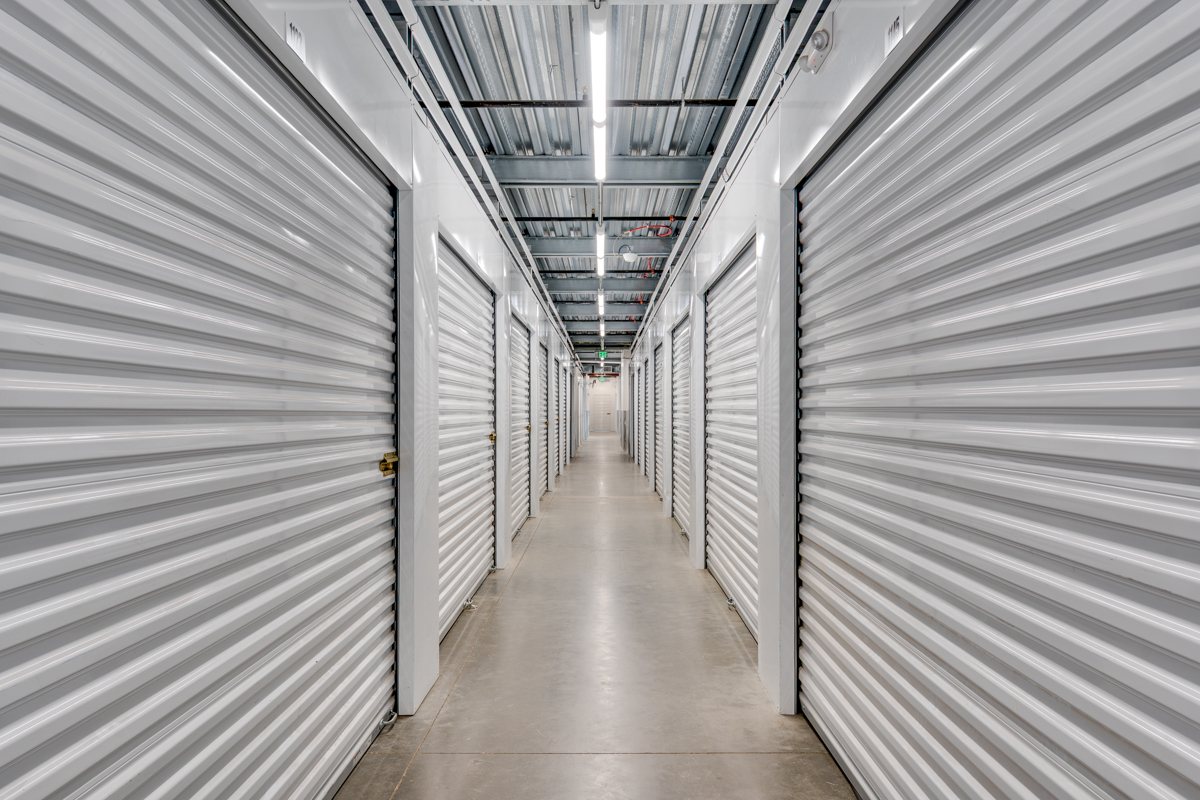
The Interior Advantage: Interior, climate-controlled units at this location are accessed via enclosed hallways and elevators. This creates a "double-door" airlock effect (exterior building door + unit door) that significantly reduces dust accumulation compared to exterior units.
In recent years, security has become a primary topic of conversation in Denver neighborhoods, particularly regarding property crime, "porch pirates," and garage break-ins.
Many residents in Capitol Hill (80203), Uptown, or newer complexes in Central Park rely on "storage cages" located within their building's shared parking garage.
The Risk: These cages are typically secured only by chain-link fencing and padlocks. They are located in low-traffic areas of the garage, making them prime targets for opportunistic theft. Once a thief gains access to the garage (often by tailgating a car), they have virtually unlimited time to cut locks without being disturbed.
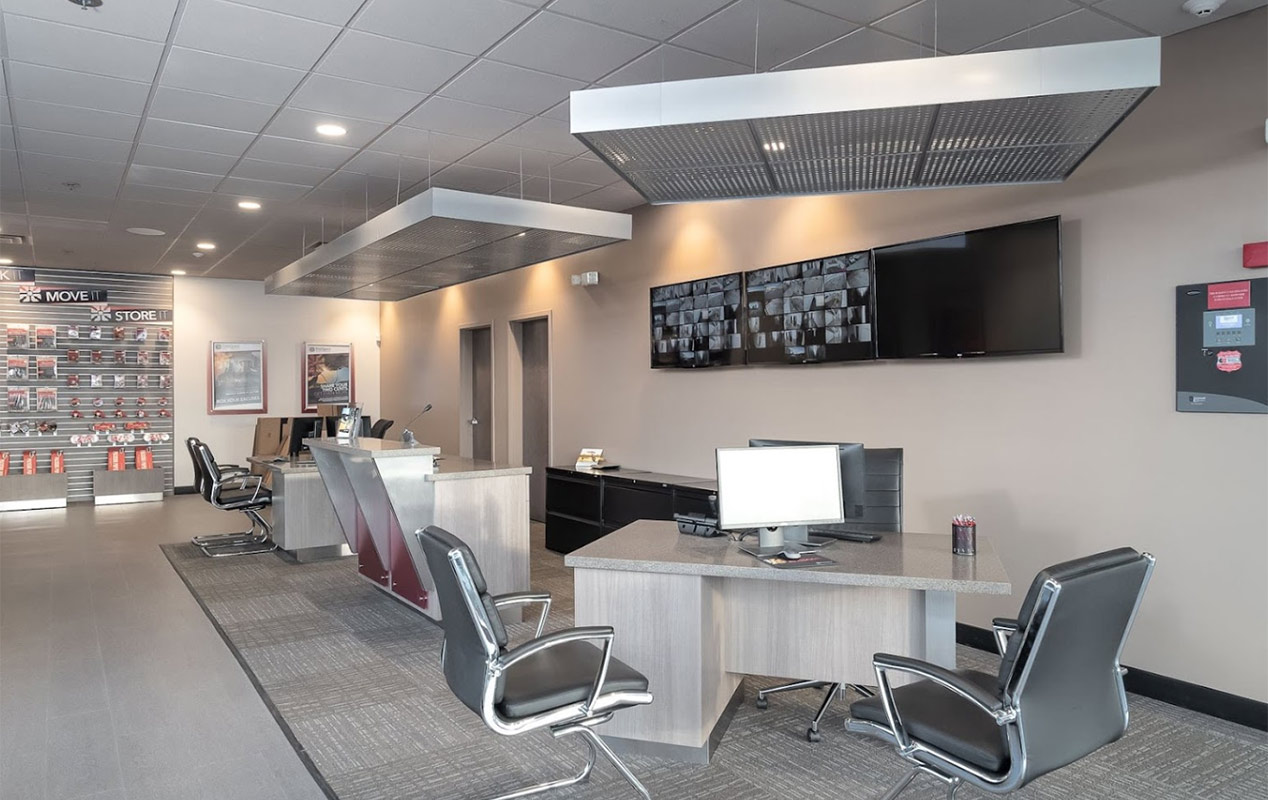
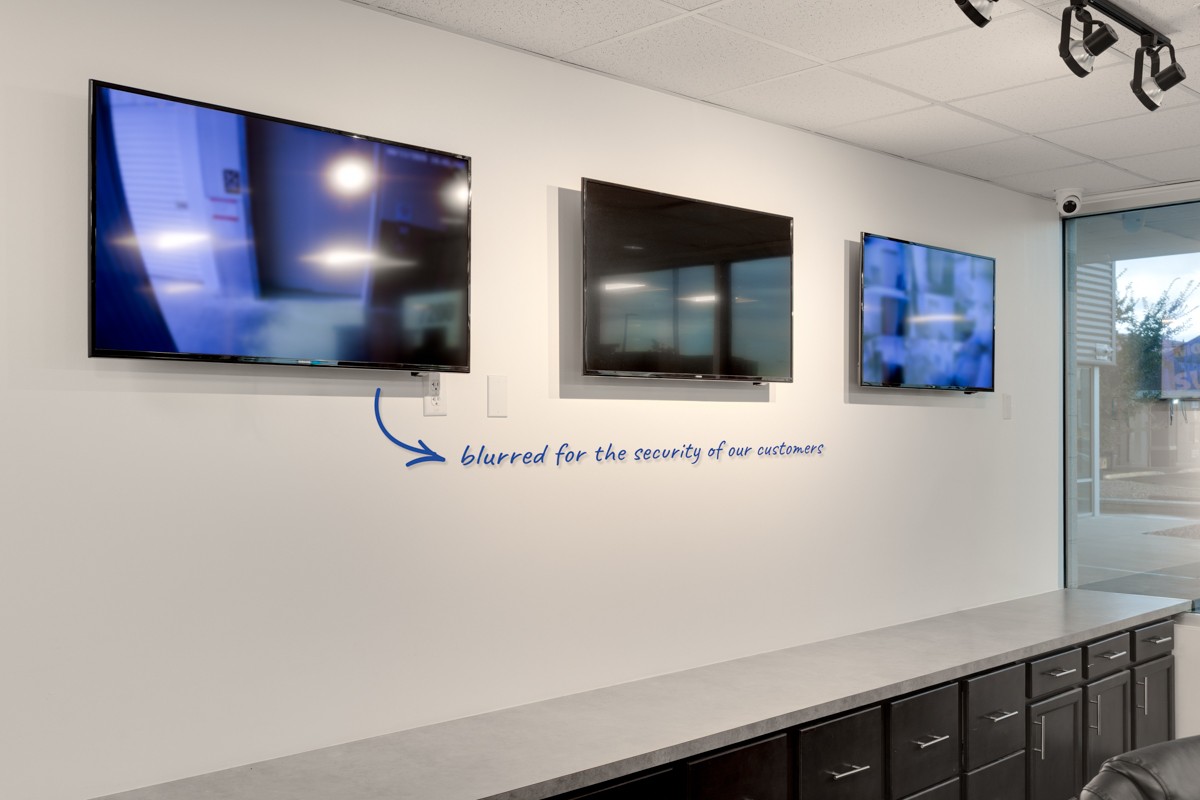
The Upgrade: A dedicated facility like SecureSpace operates on a fundamentally different security philosophy. Access is gated and controlled by individual codes. There is a digital record of every entry and exit. Video surveillance monitors high-traffic zones. While no facility is impenetrable, the "effort-to-reward" ratio for a potential thief is significantly worse at a monitored, access-controlled facility than in a quiet, unmonitored apartment garage.
When visiting 7200 E 36th Ave, prospective renters should look for these indicators of a modern security mindset:
Lighting: Is the facility well-lit at night? High-lumen LED lighting is one of the most effective passive deterrents.
Sightlines: Are the hallways clear and visible? Modern facilities are designed to eliminate "hiding spots" and blind corners.
Access Controls: Does the keypad system function reliably? Are gates kept closed? This location utilizes modern digital access systems, a significant step up from older facilities that may still rely on manual gate codes or have "propped open" access points.
Honest Answer: Occasionally. During weekday rush hour (4:30 PM - 6:00 PM), Quebec Street can be slow due to volume and construction.
The Fix: Leverage the weekend windows. Saturday mornings before 10:00 AM are typically quiet. Alternatively, utilize the 36th Avenue approach from the East (Central Park Blvd) or West (Monaco), which avoids the North/South drag of Quebec until the final moment of arrival.
Honest Answer: It depends entirely on which months.
April - September: You may be able to utilize standard storage for durable goods, though dust will be a factor.
October - March: The risk of freeze-thaw damage increases dramatically. If storing anything of monetary or sentimental value (antiques, electronics, instruments), the price premium for climate control is often less than the cost of repairing a cracked table or replacing warped vinyl records.
Honest Answer: Security is about layers. A facility with a perimeter fence, a keypad-controlled gate, and a keypad-controlled building entry offers three distinct layers of defense. This is a robust upgrade over the single layer (or zero layers) offered by residential storage cages or detached garages.
Storing items in Denver requires different protocols than storing them in a humid climate like Florida or a temperate one like Seattle. Here, we do not fight mold; we fight desiccation (drying out).
The Risk: Wood contains natural moisture. In Denver's average 15% humidity, wood loses this moisture to the air, causing it to shrink and crack.
The Protocol: Hydrate: Treat wood surfaces with a high-quality furniture oil or polish before storing to create a seal and retain moisture. Breathable Wrap: Wrap furniture in cotton or wool furniture pads, not plastic shrink wrap. Plastic can trap any condensation that forms during temperature shifts, creating a micro-climate that promotes rot or finish damage. Stability: Climate control is the only reliable way to prevent desiccation over long periods.
The Risk: Rust on edges and "dry bases" (oxidation of the P-Tex material).
The Protocol: Summer Wax: Apply a thick coat of storage wax (or all-temperature wax) to the base and do not scrape it off. This wax layer seals the base from oxygen, preventing it from drying out and turning white. Dry Edges: Ensure edges are completely dry before storage. Even a single drop of water can cause significant rust in a storage unit over a summer. Binding Care: Store skis in a neutral position to avoid putting unnecessary tension on the camber.
The Risk: Extreme cold drains batteries rapidly, and condensation can short-circuit components.
The Protocol: Remove Batteries: Never store devices with alkaline batteries inside. They will leak over time. Lithium-Ion Care: Store rechargeable devices at approximately 50% charge. Extreme cold or heat can permanently degrade the lifespan of Lithium-Ion batteries. Climate control is highly recommended for e-bikes, power tools, or portable electronics.
We avoid sales language here, but it is necessary to answer the question: Why does this specific building make sense for these neighborhoods?
The "New Build" Advantage: Compared to older facilities in industrial zones that are often converted warehouses, newer purpose-built facilities like this SecureSpace location typically feature modern design elements: Elevator Capacity: Modern freight elevators are designed to accommodate king-size mattresses and large sofas, unlike the smaller, cramped elevators found in older buildings. Wide Hallways: Corridors are designed with turning radii that account for modern furniture dimensions, reducing the struggle of moving bulky items. Fire Suppression: Adherence to modern fire codes provides a baseline of safety.
The Covered Loading Area: This is a "Denver Essential." When moving in February during a snowstorm, having a covered bay to unload the truck is the difference between a ruined mattress and a successful move. It transforms a weather-dependent chore into a predictable task.
The "In-Between" Location: It sits in the "Goldilocks" zone—not in the dense, difficult-to-park chaos of Downtown, but not as far out as the remote storage lots near DIA. It remains accessible to the residents of 80207 and 80238 without requiring a major expedition.
Choosing a storage unit is rarely the highlight of anyone's month. It usually signifies a stressful event—a move, a remodel, a breakup, or simply a house that has become too small for the life being lived inside it. The goal is to make the decision once, correctly, and then never worry about it again.
For residents of Park Hill, Central Park, and the surrounding Denver neighborhoods, the SecureSpace location at 7200 E 36th Ave offers a solution that fits the specific logistical puzzle of the area. It bridges the gap between the highway and the home. It offers the climate protection necessary for the high-altitude environment. And crucially, it provides a "relief valve" for the space constraints imposed by historic renovations and modern HOA limits.
When you drive down 36th Avenue, you aren't just looking for a metal door with a lock. You are looking for an extension of your home that is safe, accessible, and smart. By understanding the local traffic patterns, packing for the climate, and choosing the right unit for your specific archetype, you turn a logistical chore into a strategic asset.
Next Steps for the Smart Researcher:
Measure your largest item (usually a sofa or mattress). This dictates your minimum unit width (e.g., a 10-foot depth).
Check your insurance. Does your homeowners or renters policy cover off-site storage? Most do, which can save you money on duplicate insurance.
Visit once. Drive the route from your house to 7200 E 36th Ave during the time of day you'd likely visit. If the drive feels easy, the storage experience will be easy.
Everything you need to store your belongings securely, on your schedule.
Visit us online