Last updated Jul 10, 2026
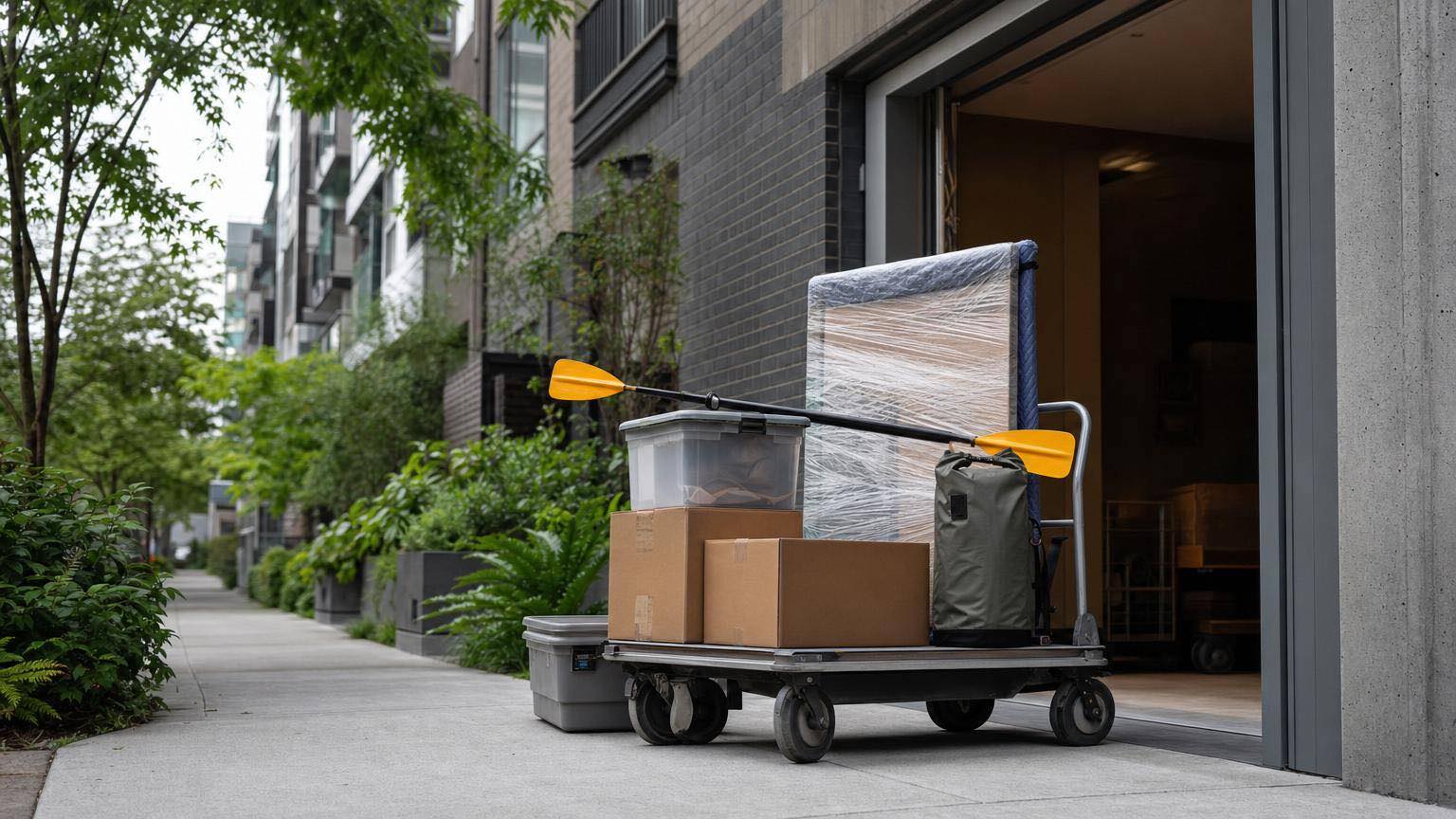
The urban fabric of Northwest Portland—encompassing the Pearl District, the Alphabet District (Nob Hill), and the emerging Slabtown enclave—presents a distinct paradox to its residents. It is a region characterized by high residential density, premium real estate values, and a lifestyle that frequently involves gear-intensive outdoor pursuits. However, the architectural reality of the housing stock, ranging from converted industrial lofts to historic Victorian walk-ups, rarely aligns with the volumetric requirements of the modern Pacific Northwest lifestyle. For the resident of the 97209 zip code, the management of physical possessions is not merely a housekeeping task; it is a complex logistical challenge defined by the scarcity of square footage, the vagaries of a maritime climate, and the constraints of urban infrastructure.
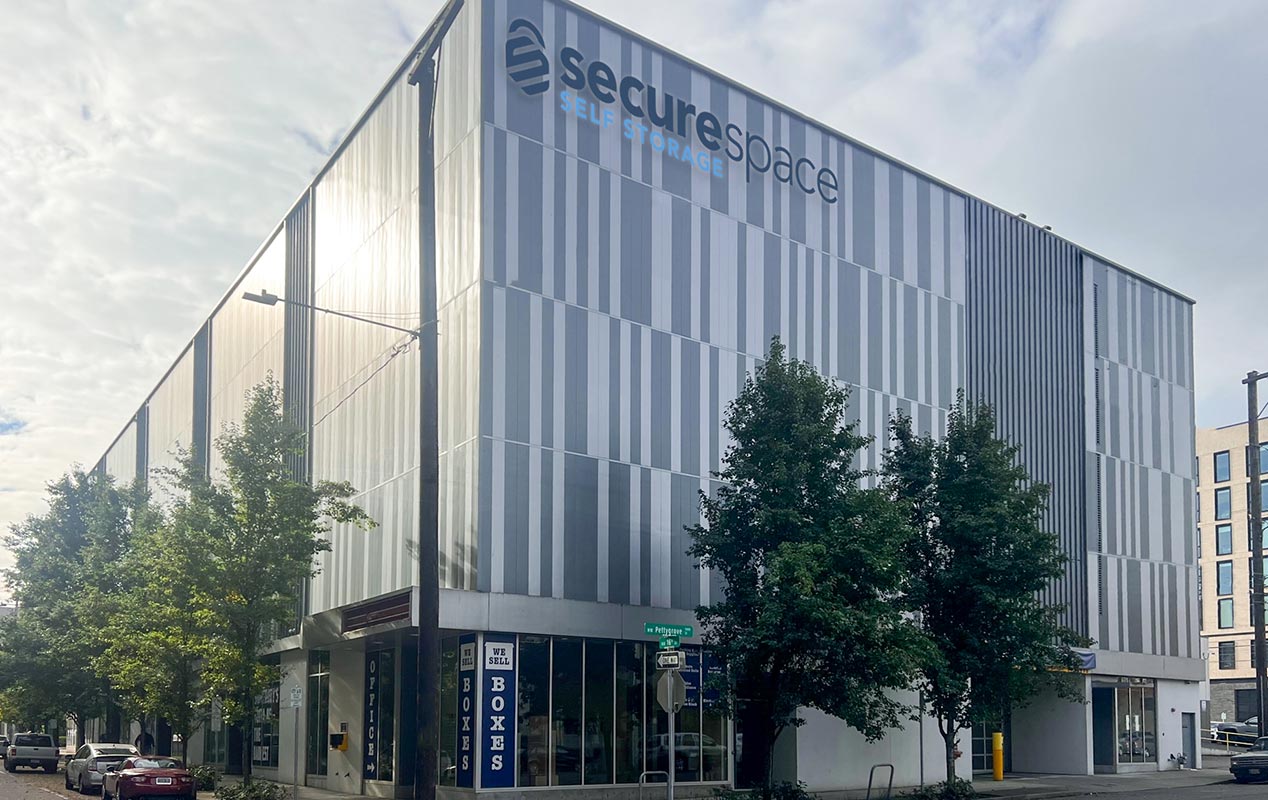
This report serves as an exhaustive operational guide for individuals navigating the storage landscape within this specific micro-geography. Our analysis moves beyond superficial price comparisons to evaluate the "total cost of logistics"—a metric that incorporates access efficiency, asset preservation against humidity, security in a dense urban environment, and the friction costs of moving goods through a grid of one-way streets and restricted parking zones. Central to this analysis is the evaluation of modern storage infrastructure, specifically focusing on the capabilities and strategic location of the facility situated at 1323 NW 16th Avenue. By dissecting the intersection of local traffic patterns, climate control physics, and security architecture, we aim to provide a decision-support framework that transforms storage from a distress purchase into a strategic lifestyle asset.
The decision to utilize external storage in this neighborhood is often driven by a mathematical arbitrage: the cost of residential square footage versus the cost of specialized storage space. With Pearl District apartments commanding premium rents, utilizing a bedroom or living area for the long-term warehousing of kayaks, ski gear, or seasonal wardrobes represents an inefficient allocation of capital. The strategic alternative—offloading these items to a purpose-built facility—requires a rigorous assessment of the "last mile" logistics. How easy is it to retrieve items on a Friday afternoon? Can a vehicle act as a staging ground without incurring parking fines? Is the facility engineered to counteract the pervasive mold risk of the Willamette Valley? This report addresses these questions with granular detail, focusing on the operational realities of the NW 16th Avenue corridor.
To understand the strategic value of a storage location, one must first master the street grid. The 97209 zip code is not a uniform plane; it is a complex network of one-way arterials, bridgeheads, and freeway access points that dictate the flow of traffic. The specific location of 1323 NW 16th Avenue places it at a logistical fulcrum, straddling the boundary between the high-rise intensity of the Pearl District and the mixed-use transition zone of the Northwest District.
The primary determinant of accessibility for any facility in this sector is the directionality of traffic. NW 16th Avenue is a designated one-way southbound arterial. This infrastructural fact has profound implications for the user experience, particularly during the high-stress operations of moving day.
The southbound flow means that the facility functions as a "capture point" for traffic exiting the I-405 freeway or filtering down from the northern residential blocks of the Pearl.
The Optimal Approach: Drivers approaching from the north (e.g., via NW Lovejoy or NW Northrup) can transition seamlessly onto NW 16th Avenue. The facility is situated on the right side of the street (assuming a standard city block orientation), allowing for a natural, non-crossing turn into the loading area. This is a critical safety factor when piloting a large moving truck, as it eliminates the need to cross oncoming lanes of traffic—a maneuver that is fraught with risk on two-way streets like W Burnside or highly congested corridors like NW 23rd Avenue.
The Penalty for Missed Turns: In a grid of alternating one-way streets, a missed entrance is not a simple U-turn. If a driver misses the entrance at NW 16th and Johnson, they are forced into a "block-circling" maneuver. This involves turning left or right onto a cross street (like NW Glisan, which is one-way eastbound), navigating to a northbound street (like NW 14th Avenue), and then looping back to a westbound street to re-enter NW 16th Avenue from the north. In a 26-foot rental truck, this three-block loop can add 10-15 minutes of travel time, increase fuel consumption, and significantly spike driver stress levels. Facilities located directly on the primary directional axis, with clear signage and wide aprons, mitigate this "navigational friction."
The site's proximity to the I-405 freeway (specifically the NW 16th Ave/Everett St ramps) offers a strategic advantage for users who live outside the immediate neighborhood or who use their storage unit as a staging ground for weekend excursions.
Departure Efficiency: Upon leaving the facility, a user can continue south on NW 16th Avenue and immediately access the on-ramps for I-405 South (toward Beaverton/Salem) or navigate via the Glisan/Everett couplet to access I-405 North (toward the Fremont Bridge/Seattle). This connectivity reduces the time spent on surface streets, allowing users to transition from "loading" to "transit" in under two minutes.
The "Escape Velocity" Factor: For the outdoor enthusiast, this proximity reduces the friction of leaving the city. Retrieving camping gear on a Friday afternoon does not require fighting through downtown core traffic; one simply hits the unit and merges onto the highway. This ease of egress encourages the active use of stored equipment, rather than letting it languish due to the hassle of retrieval.
The 97209 zip code is one of the most walkable and bikeable areas in the city. The facility's location plays a role in the "car-light" lifestyle of many residents.
Walking Distance: For residents of buildings like The Wyatt, The NV, or Modera Pearl, the facility is within a 5-10 minute walk. This proximity allows for "micro-trips"—walking over to grab a suitcase or a winter coat without moving a vehicle. This capability is transformative for residents who do not own cars or who treat their vehicle storage as a sunk cost to be minimized.
Cycling Infrastructure: NW Johnson Street and nearby corridors are part of the city's greenway network. The facility's location allows cyclists to retrieve panniers or bike trailers without navigating high-speed arterial traffic. Furthermore, the buffered bike lanes on NW 16th Avenue (implemented to improve safety at the Glisan/Everett intersection) provide a dedicated space for cyclists to approach the facility, separating them from the heavy vehicle flow.
The decision to rent storage is fundamentally an economic calculation. In the Pearl District and Northwest Portland, space is a currency, and the exchange rate between residential square footage and storage square footage drives the market.
Real estate data for the Pearl District illustrates a market defined by high costs per square foot.
Residential Baselines: Recent market reports indicate that the average rent for a studio apartment in the Pearl District is approximately $1,481 per month for 507 square feet. This establishes a baseline residential cost of $2.92 per square foot.
Larger Unit Scaling: As apartment sizes increase, the absolute cost rises dramatically. A two-bedroom unit averages nearly $3,000 per month. Despite the higher total rent, the efficiency of storage within these units does not necessarily improve; modern floor plans prioritize open living/dining areas and floor-to-ceiling windows over deep storage closets or pantries.
By contrast, modern self-storage in the same zip code operates at a significantly lower cost basis.
Cost Efficiency: A standard 5x5 storage unit (25 square feet) at a facility like SecureSpace on NW 16th can start at rates as low as $18/month during promotional periods, though standard pricing settles higher. Even assuming a normalized rate of roughly $50-$70 per month for a small climate-controlled unit, the cost per square foot is drastically lower than the $2.92/sq ft residential benchmark.
The "Clutter Tax": Consider a resident utilizing a 5x5 corner of their studio apartment to stack moving boxes, winter tires, and a tent. That 25-square-foot patch of floor is costing them roughly $73 per month in rent ($2.92 x 25). By moving those items to a storage unit, they effectively "buy back" that living space. If the storage unit costs less than $73/month, the resident has achieved a positive financial arbitrage while simultaneously improving the quality of their living environment.
The architectural trends in the Pearl District and Slabtown exacerbate this economic equation. Buildings like The Wyatt, The Cosmopolitan, or Modera Pearl are designed to maximize light and views. This often results in:
Minimal Closet Space: Walk-in closets are rare in studios and one-bedroom units.
Open Floor Plans: The lack of interior walls reduces the number of places to hide bulky items like vacuum cleaners or ironing boards.
Window Walls: Floor-to-ceiling glass precludes the placement of tall wardrobes or shelving units against exterior walls.
Consequently, the "storage density" of a modern 700-square-foot apartment is often lower than that of a 700-square-foot historic bungalow. This structural reality forces residents to either adopt extreme minimalism or secure external storage. The facility at NW 16th serves as an "external closet" for these buildings, providing the volumetric capacity that the architecture lacks.
The Pacific Northwest climate is the single most critical variable in long-term storage preservation. Portland's weather pattern is defined by a long, wet season stretching from October to June, characterized by high relative humidity and persistent precipitation. For the storage user, this is not a matter of comfort; it is a matter of physics and biology.
The primary enemy of stored goods in Portland is not theft or fire; it is mold. Mold spores are ubiquitous in the environment, but they require specific conditions to germinate and colonize surfaces: organic material (food), oxygen, and moisture.
The Critical Threshold: Mold growth accelerates significantly when relative humidity (RH) exceeds 60% for prolonged periods. In Portland, the outdoor RH frequently hovers between 80% and 90% during the winter months.
The Mechanism of Damage: When warm, moist air enters a cool, unheated storage unit, it contacts surfaces that may be colder than the dew point. This causes the water vapor in the air to condense into liquid water on the surface of the items. This microscopic layer of water is sufficient to sustain mold growth on leather, wood, paper, and fabrics.
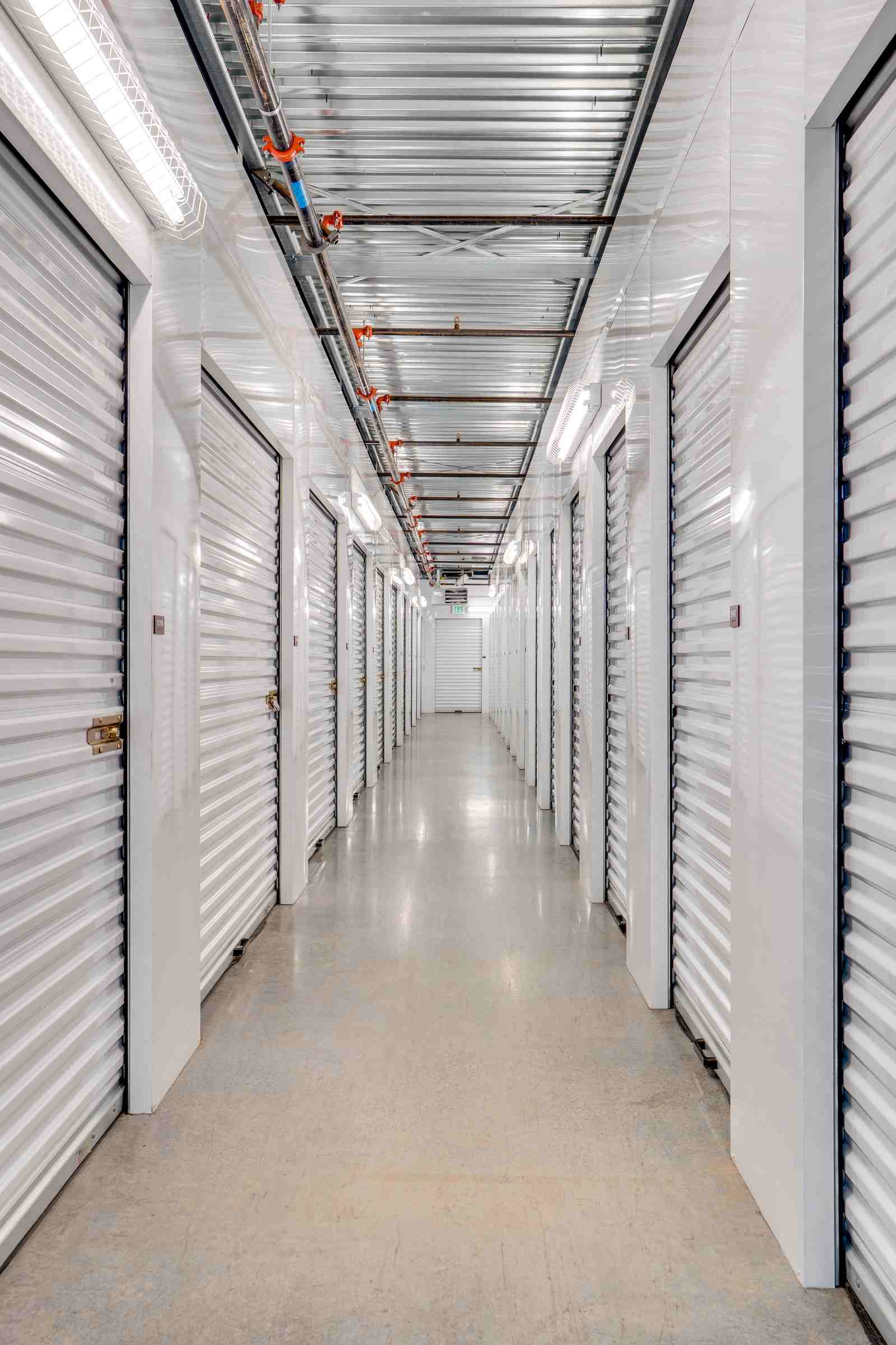
While the industry often uses the term "climate controlled," the specific implementation matters. The SecureSpace facility at 1323 NW 16th Avenue offers heated storage, a specific subset of climate control that is particularly effective in the Northwest.
The Physics of Heating: By raising the temperature of the air inside the facility, the HVAC system increases the air's capacity to hold moisture. This process lowers the relative humidity, even if the absolute water content remains the same.
Dew Point Management: Maintaining the interior temperature well above the dew point ensures that condensation cannot form on stored items. This is the gold standard for preventing the "musty smell" associated with basement storage.
Target Conditions: Effective preservation requires maintaining RH levels between 30% and 50%. Heated units are engineered to stay within this safety corridor, whereas unheated "drive-up" units (common in older facilities) are subject to the ambient humidity swings of the exterior environment.
Residents of the NW District often store high-value items that are particularly susceptible to hydro-degradation.
Performance Outdoor Gear: Down sleeping bags, technical shell jackets, and tents rely on loft and coating integrity. Storing down gear in a humid environment can lead to mildew penetrating the plumes, permanently destroying their insulating properties. Heated storage mimics the conditions of a residential closet, ensuring gear is ready for deployment.
Electronics and Media: Circuit boards in vintage amplifiers, gaming consoles, or hard drives can suffer from trace corrosion in high humidity. Vinyl records and paper archives (photos, tax documents) are hygroscopic, absorbing moisture and warping or sticking together.
Mid-Century Furniture: The Pearl District is a hub for design enthusiasts. Teak and walnut furniture, common in mid-century modern design, reacts to humidity fluctuations by expanding and contracting. This movement can crack veneers and loosen joinery over time. Stable, heated storage arrests this physical movement.
The most significant friction point in the self-storage lifecycle is the physical act of moving goods. In a suburban context, this might involve driving a pickup truck to a garage door. In the dense urban core of Portland, it involves navigating parking restrictions, weather events, and vertical transport systems. The operational design of the facility at NW 16th Avenue addresses these urban constraints directly.
Perhaps the single most valuable feature for the Portland user is the covered loading area.
Weather Independence: Moving during the rainy season is notoriously difficult. Cardboard boxes lose structural integrity when wet; mattresses soak up water like sponges; upholstered furniture risks immediate staining. A covered loading bay creates a dry "airlock" between the truck and the storage unit. Users can back their vehicle into the facility (or under a deep overhang), effectively removing the weather variable from the moving equation. This transforms moving from a "weather-permitting" activity to an "anytime" activity.
The "Tunnel" Effect: Unlike open lots where wind can blow rain sideways, a structural loading bay provides shelter from wind-driven precipitation, which is common during winter storms. This ensures that even the walk from the truck ramp to the elevator is dry.
While the covered bay is a strategic asset, it introduces physical constraints that users must plan for.
Height Clearances: Urban loading bays typically have height restrictions. Standard consumer rental vans (like the Mercedes Sprinter or Ford Transit) and smaller box trucks (10-foot or 15-foot U-Haul/Penske) generally fit without issue. However, the largest class of moving trucks (24-foot or 26-foot "Super Movers") often have box heights exceeding 12 or 13 feet. Users planning to rent the largest possible truck should verify the specific vertical clearance of the NW 16th entrance to avoid a "roof-shear" incident or the need to unload from the street.
Turning Radius: The approach from NW 16th Avenue (a one-way street) into the bay requires a specific turning radius. Smaller trucks can execute this turn in one motion. Larger trucks may require a wider swing, which can be challenging during peak traffic hours. The recommendation for "DIY" movers is to cap their rental truck size at 15 or 17 feet to ensure easy access to the internal bay.
In a multi-story facility, the elevator is the bottleneck of the entire operation.
Freight vs. Passenger: The facility at NW 16th utilizes large, industrial-grade elevators designed for freight. These differ from residential elevators in their depth (accommodating long sofas) and weight capacity.
Cycle Time Efficiency: "Old school" converted warehouses in the Pearl District often rely on vintage freight elevators that require manual door operation (the "scary freight elevator" trope) and move slowly. Modern elevators operate at higher speeds with automatic doors, significantly reducing the "cycle time" for each load. If a move requires 20 trips with a flatbed cart, saving 2 minutes per elevator cycle translates to saving 40 minutes of total move time.
Security Integration: The elevators are integrated into the access control system. They typically require a keypad code to operate or to access specific floors, adding a vertical layer of security that prevents unauthorized users from wandering to floors where they do not have a unit.
The streets surrounding the facility are governed by the City of Portland's "Zone M" parking regulations.
The Permit Constraint: Zone M creates a highly restricted parking environment designed to prioritize residents and businesses with permits. Visitors are often limited to short-term metered parking (2-4 hours).
The Commercial Loading Zone: While there are designated loading zones in the neighborhood, they are fiercely competed for by delivery drivers (UPS/FedEx) and gig-economy workers. Relying on street parking for a 4-hour move-in is a recipe for citation or extreme frustration.
The Drive-In Solution: By pulling into the facility's private loading bay, the user completely bypasses the Zone M regulatory framework. There is no meter to feed, no permit to display, and no parking enforcement officer to watch for. This legal and spatial decoupling from the street grid is a hidden economic benefit of the facility's design.
Security in downtown Portland is a paramount concern for residents. The 97209 zip code, while vibrant, is an urban environment subject to property crime risks, unauthorized camping, and general transient activity. A storage facility in this zone must operate as a fortress, employing a "Defense in Depth" strategy that exceeds the security standards of typical residential buildings.
The first line of defense is the physical perimeter.
Gated Entry: The facility employs an electronic gate system that requires a unique access code for entry and exit. This creates a "hard shell" around the loading areas and unit corridors. Unlike open parking lots where anyone can walk up to a unit door, the internal units at NW 16th are buffered by this perimeter control.
The "Logged Access" Audit Trail: Every interaction with a keypad is logged in a central database. Management knows exactly which user entered the facility, at what time, and how long they stayed. This digital audit trail acts as a powerful forensic tool and a deterrent to internal theft (since every user's presence is recorded).
Visual monitoring at the facility goes beyond a passive record.
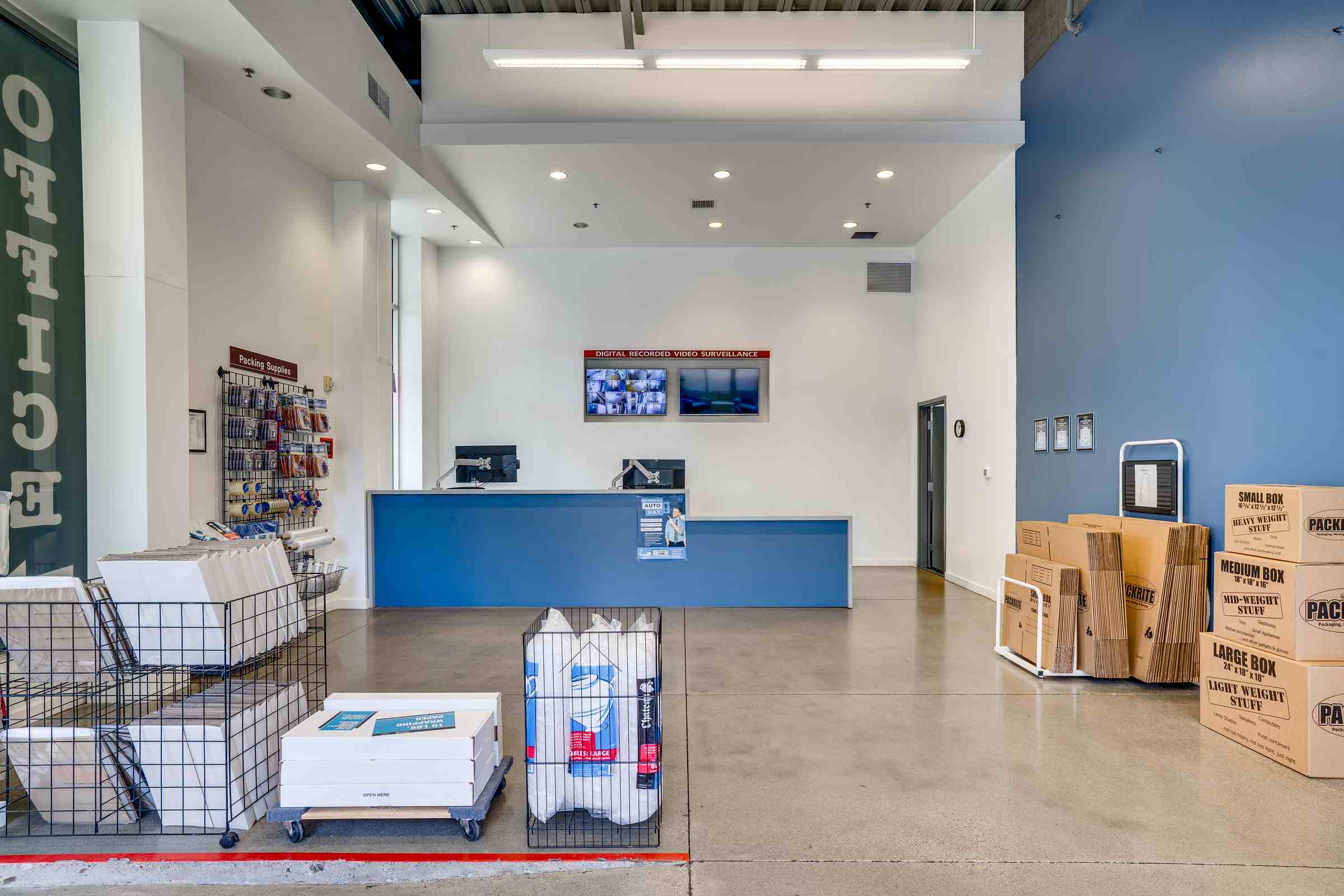
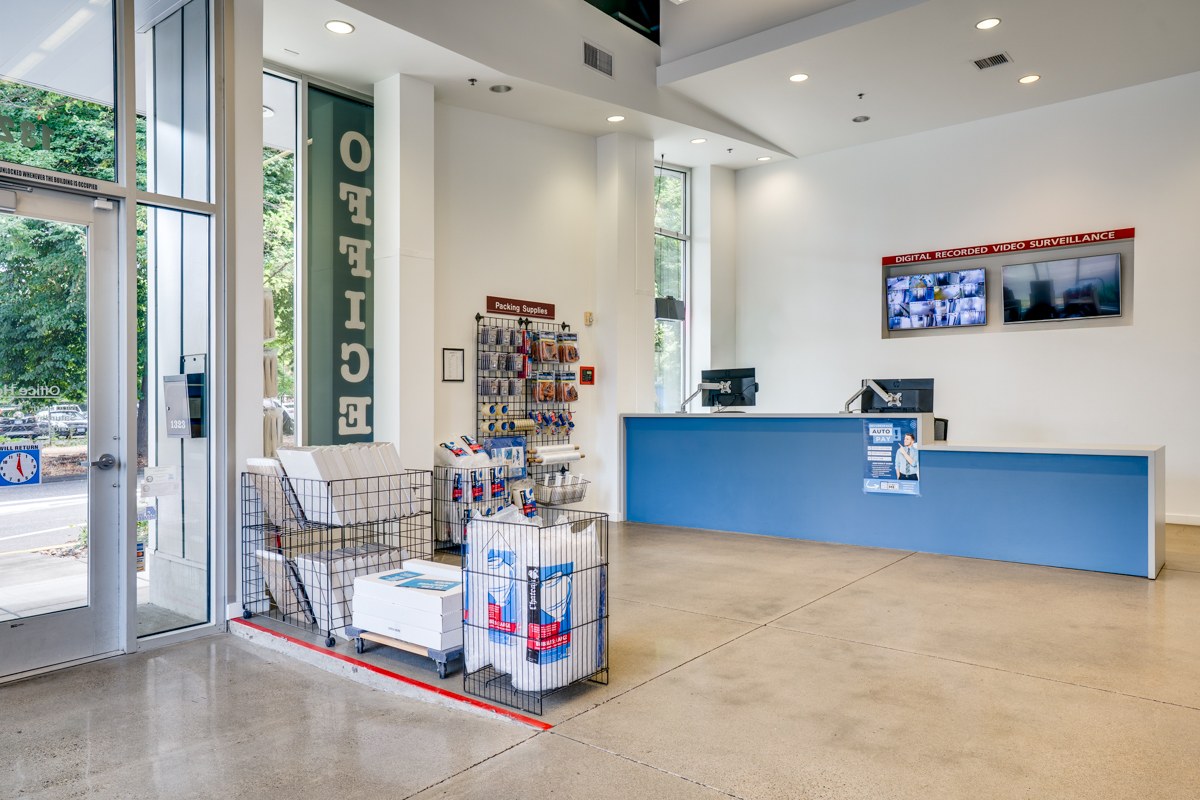
High-Definition Coverage: The facility utilizes "state-of-the-art surveillance systems" with cameras positioned at key choke points: entry gates, elevators, hallways, and loading bays.
Digital Video Recording (DVR): Footage is recorded digitally, ensuring high resolution and easy retrieval. This contrasts with older analog systems that might produce grainy, unusable images.
"Turing Enabled" Patrols: The mention of "Turing Enabled" suggests the integration of advanced technology, potentially including robotic security patrols or AI-enhanced video analytics that can detect loitering or unauthorized movement patterns during off-hours. This technological layer augments human oversight, providing "eyes on the glass" 24/7.
Despite the focus on technology, the presence of a human manager is a critical security asset.
Operational Hours: The facility is staffed during business hours (typically Mon-Fri 9:30am - 6pm, Sat 9am - 5:30pm).
The "Manager Factor": An on-site manager performs daily walkthroughs, checks for locks that may have been tampered with, ensures cleanliness, and monitors the loading bay. Their presence signals to potential bad actors that the facility is actively governed, not abandoned. Reviews specifically highlight staff members (e.g., Charles, Amber) who actively manage the environment, reinforcing a culture of vigilance.
To fully understand the utility of the NW 16th Avenue facility, one must analyze the specific housing stock of the surrounding neighborhoods. The facility sits at the confluence of two distinct architectural zones, each generating a unique "storage deficit."
To the east lies the Pearl District, a neighborhood of converted industrial lofts and modern high-rises.
Loft Living: Buildings like the Streetcar Lofts or Chown Pella offer high ceilings and open spaces but often lack defined closets or storage rooms. The "industrial chic" aesthetic minimizes built-in cabinetry.
Micro-Units and Studios: New developments like The NV or The Wyatt feature studio apartments (avg. ~500 sq ft) designed for efficiency. These units are optimized for "living," not "storing." There is often no space for a Christmas tree, a snowboard bag, or a collection of winter coats.
The Solution: For these residents, the SecureSpace facility acts as the "missing closet." Its proximity allows residents to treat the storage unit as an active part of their home, swapping items in and out as seasons change.
To the west lies the Alphabet District (Nob Hill), characterized by Victorian homes and early 20th-century brick apartment buildings.
Historic Constraints: These buildings were constructed in an era before the accumulation of modern consumer goods. Closets are shallow and narrow. Basements, if accessible, are often damp, shared spaces with poor security and high mold risk.
The "Walk-Up" Reality: Moving items in and out of a 3rd-floor walk-up is physically demanding. Residents are incentivized to keep heavy or bulky items (like AC units in winter or camping bins) out of the apartment to avoid the stairs.
The Solution: The facility provides a modern, elevator-accessible alternative to the damp, insecure basement. It offers the preservation environment that historic buildings cannot physically provide.
While 1323 NW 16th Avenue offers a compelling package, it exists within a competitive market. A fair assessment requires comparing it to local alternatives.
This locally owned operator is a neighborhood staple, housed in historic buildings.
Pros: Deep community roots, "character" buildings, friendly staff often cited in reviews.
Cons: The infrastructure is older. Reviews mention a "scary freight elevator" and loading docks that may not accommodate all vehicles or require stair access. The "covered" loading may be less enclosed than a modern drive-through bay. The environmental control may be less precise due to the age of the building envelope.
Competitors located further out (e.g., NE Columbia Blvd or industrial zones).
Pros: Often lower monthly rates due to cheaper land costs.
Cons: The "Time Tax." Driving 20-30 minutes each way to retrieve an item negates the convenience. For a Pearl District resident without a car, these locations are effectively inaccessible. The security in remote industrial areas may rely more on isolation than active surveillance.
The facility at NW 16th positions itself as the "Premium Urban" option.
Modernity: Being a newer or renovated facility, it likely features better lighting (LED vs. flickering fluorescent), faster elevators, and a tighter building seal against pests and moisture.
Tech-Forward: The emphasis on online leasing, digital access logs, and "Turing" security reflects a modern operational philosophy that aligns with the expectations of the tech-savvy Pearl District demographic.
In the modern service economy, the user interface is as important as the physical space. SecureSpace has optimized the "digital layer" of storage.
The traditional storage model—visiting an office during limited hours to sign paperwork—is obsolete.
Online Portal: Users can view real-time inventory, pricing, and unit locations on the website.
Digital Lease Signing: The entire rental agreement can be executed via smartphone. This allows a user to decide at 8 PM on a Tuesday that they need storage and secure a unit immediately.
Instant Access: Upon completing the digital lease, users typically receive their gate access code electronically. This "zero-contact" capability allows for a move-in process that is completely independent of office hours or staff availability (within access hour limits).
Autopay Integration: The ability to set up automatic payments via credit card or ACH prevents the common storage pitfall of accidental late fees or, in extreme cases, lien sales.
Remote Management: Users can update their contact info, insurance details, or upgrade their unit size through the online portal, maintaining control of their account from anywhere.
To illustrate the practical application of this facility, we examine three specific user profiles common to the 97209 zip code.
Profile: A couple living in a 1-bedroom loft in the Pearl. They own two kayaks, a full set of camping gear, skis, and wetsuits.
The Problem: Their apartment looks like an REI explosion. The gear is damp, bulky, and visually intrusive.
The Strategy: They rent a 5x10 heated unit at NW 16th.
The Workflow: On Friday afternoon, they drive their Subaru to the facility, pull into the covered bay, load the gear, and jump on I-405 within 2 minutes. On Sunday night, they return, rinse off mud (if facilities allow or at a car wash), and drop the gear back in the unit. The heated air dries the equipment during the week, preventing mildew. Their apartment remains a pristine sanctuary.
Profile: An entrepreneur running an online vintage clothing shop or a local pop-up retail brand.
The Problem: Retail storefronts in the Pearl are prohibitively expensive ($30-$50/sq ft). Holding inventory in a shop is a waste of capital.
The Strategy: They use a 10x10 or 10x15 unit as a "forward operating stockroom."
The Workflow: Inventory is delivered to the facility (leveraging the loading dock). The entrepreneur visits daily to pull orders or restock their pop-up. The high security ensures their valuable stock is safe. The central location allows for quick courier pickups or drop-offs.
Profile: A homeowner in the Alphabet District renovating their kitchen and living room.
The Problem: They need to clear the first floor of furniture for 3 months but want access to their items.
The Strategy: A short-term, month-to-month rental of a large unit (10x20).
The Workflow: Professional movers shuttle furniture to the facility. The proximity means the moving bill is low (minimal travel time). The "month-to-month" lease flexibility means they are not locked into a year-long contract if the renovation finishes early.
For the resident of Northwest Portland, the SecureSpace facility at 1323 NW 16th Avenue represents more than just a place to put boxes. It is a piece of urban infrastructure that solves the inherent friction of high-density living. By addressing the three critical variables of the local environment—moisture (via heating), access (via covered bays and location), and security (via layered technology)—it offers a solution that is operationally superior to both the "historic" local options and the "budget" suburban alternatives.
While the cost per square foot may reflect a premium over a facility in Gresham or Vancouver, the value proposition is found in the efficiency of usage. The time saved avoiding traffic, the money saved preventing mold damage to expensive gear, and the mental clarity gained from a decluttered home create a return on investment that justifies the expense. In the complex logistics of the 97209 zip code, this facility is the "path of least resistance" to a more organized, spacious life.
Facility Street: NW 16th Avenue.
Flow: One-Way Southbound.
Nearest Highway Access: I-405 North & South (via NW Everett/Glisan ramps).
Parking Zone: Zone M (Street parking restricted); Facility offers private loading bay.
Designation: Heated Storage.
Target Relative Humidity: ~30-50% (estimated standard for heated storage).
Risk Mitigation: Prevents mold, mildew, wood warping, electronics corrosion.
Access: Keypad (Gate & Elevator).
Surveillance: Digital Video Recording (24/7), "Turing Enabled" patrols.
Staffing: On-site manager during business hours.
Sizes: Small (5x5) to Large (10x30+).
Loading: Covered Drive-Thru / Drive-In Bay.
Move-In: Carts/Dollies available; Moving supplies sold on-site.
Leasing: Online/Contactless available; Month-to-Month terms.
Everything you need to store your belongings securely, on your schedule.
Visit us online