Last updated Jul 10, 2026
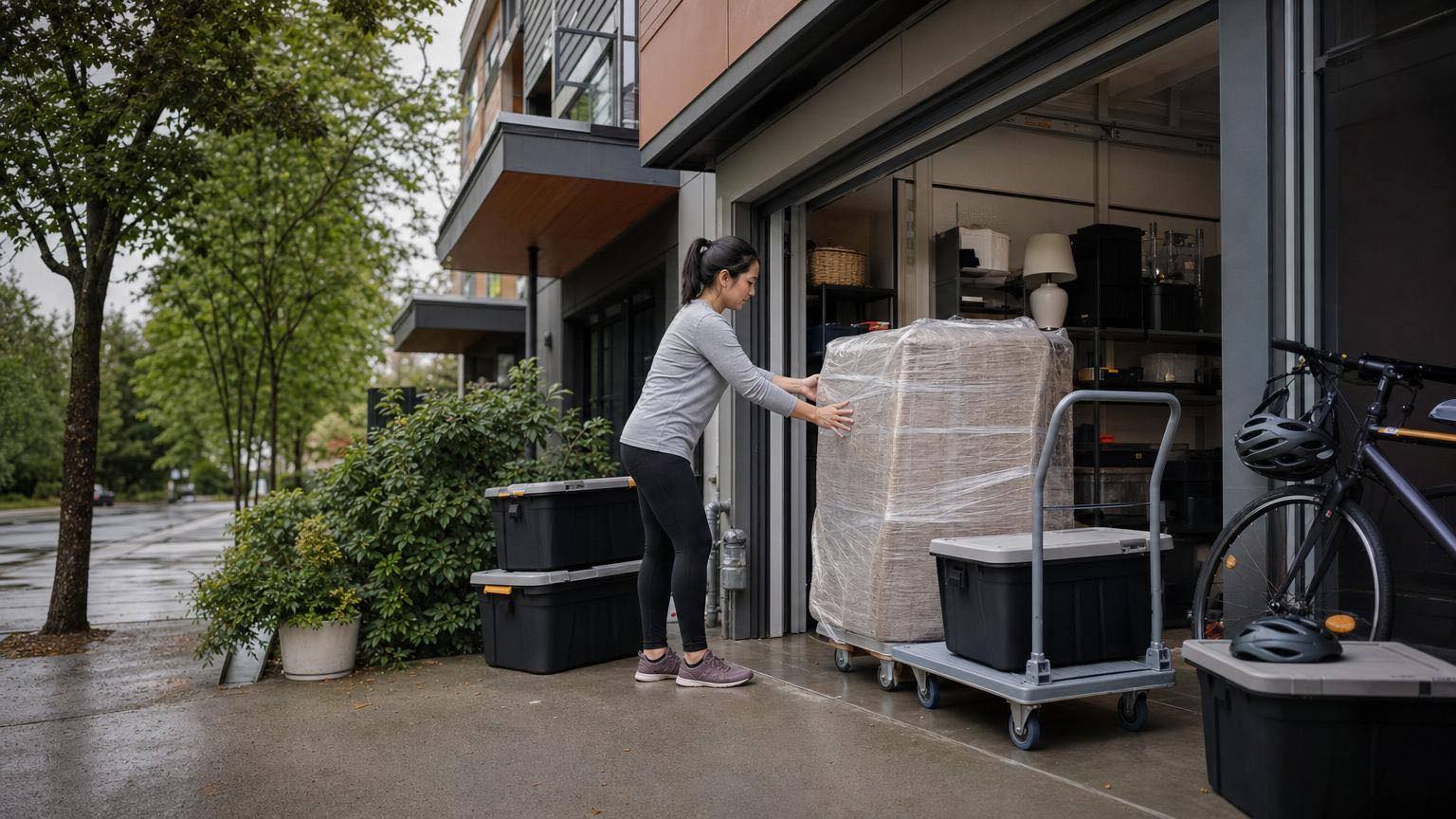
The decision to rent a self-storage unit is rarely born of spontaneity. It is almost always a lagging indicator of a life in transition. In the Centennial neighborhood of Southeast Portland—a community that straddles the blurred lines between the urban density of Portland proper and the suburban expanse of Gresham—these transitions are occurring at a velocity that outpaces the physical infrastructure of our homes. Whether you are standing in a living room on SE 148th Avenue, staring at a pile of boxes that represents a household merger, or you are a contractor in Powellhurst-Gilbert trying to find a secure staging ground for your tools, the friction is the same: you have more physical inventory than you have square footage.
This guide is not a brochure. It is a comprehensive, hyper-local analysis of the storage landscape at the intersection of Centennial, Gresham, and Powellhurst-Gilbert, with a specific, microscopic focus on the facility located at 16061 SE Division St—SecureSpace Self Storage Centennial. We are not here to sell you a unit. We are here to help you navigate the complex logistical reality of storing your possessions in a zip code defined by rapid development, challenging traffic patterns, and the relentless humidity of the Pacific Northwest.
To understand the utility of the facility at 16061 SE Division St, one must first understand the architectural and demographic soil upon which it sits. The Centennial neighborhood is often described by urban planners as a "transition zone." It is a geographic hinge, connecting the grid-locked, dense neighborhoods of Inner Southeast with the sprawling, car-centric layouts of East County.
The housing stock here is the primary driver of the local storage economy. The area is dominated by mid-century architecture—specifically, the ranch-style homes and split-levels built between 1950 and 1970. These homes, often found on winding streets like SE 160th or tucked behind the major arterials of Stark and Division, offer generous lot sizes by modern standards. However, they suffer from a critical flaw in the modern context: they were designed for a consumer era that no longer exists. The closets in a 1955 ranch house were built for a modest wardrobe, not for the accumulation of Costco bulk purchases, seasonal camping gear for trips to the Gorge, and the holiday decorations that have become standard for American families.
Furthermore, the neighborhood is undergoing a profound densification. We are witnessing a surge in multi-family housing developments along the Division corridor. Projects like Legin Commons at SE 77th and Cedar Commons at SE 115th are reshaping the rental market. While these developments bring vital housing density to the area, they often do so with efficient, compact floor plans that lack external storage. A resident moving from a three-bedroom house in Hazelwood to a two-bedroom apartment at Station 162 (just down the street from the storage facility) faces an immediate math problem: 1,500 square feet of possessions cannot fit into 800 square feet of living space. The storage unit, therefore, becomes the "external closet" for this new wave of density.
Another significant factor driving storage demand in this specific zip code (97236) is the "Renovation Economy." As housing prices in Portland's inner ring—neighborhoods like Richmond and Buckman—have skyrocketed, buyers have pushed east. They are purchasing those solid 1950s ranches in Centennial and Gresham and modernizing them.
This process often involves aggressive remodeling: tearing down load-bearing walls to create open floor plans, updating galley kitchens, and finishing basements to add accessory dwelling units (ADUs). You cannot live comfortably in a house while you are tearing out the drywall in the master bedroom. Local general contractors frequently advise homeowners to clear a room entirely before work begins to protect furniture from dust and damage. This creates a specific, acute demand for "project storage"—the short-term rental of a 10x15 or 10x20 unit to hold the contents of a living room for three to six months while the dust settles. SecureSpace, with its flexible month-to-month lease structures, positions itself to capture this specific market segment.
Finally, we must address the street itself. SE Division Street is not merely a road; it is a contested space. For decades, it was a high-speed arterial that served as a commuter sluice between Gresham and Portland. It was dangerous, loud, and hostile to pedestrians. In recent years, the Outer Division Safety Project initiated by the Portland Bureau of Transportation (PBOT) has radically transformed the physical landscape of the road.
The installation of protected bike lanes, enhanced pedestrian crossings, and—most critically for storage customers—continuous raised concrete center medians has changed the flow of goods and people. The facility at 16061 SE Division St sits squarely within this new infrastructure regime. The medians, designed to prevent dangerous cross-traffic turns, have created a "fortress" effect. Accessing the facility is no longer a simple matter of turning left; it is a tactical maneuver that requires planning, knowledge of U-turn allowances, and an understanding of the local street grid. This report will dedicate significant attention to this logistical hurdle, as it is the single most common complaint among uninitiated users.
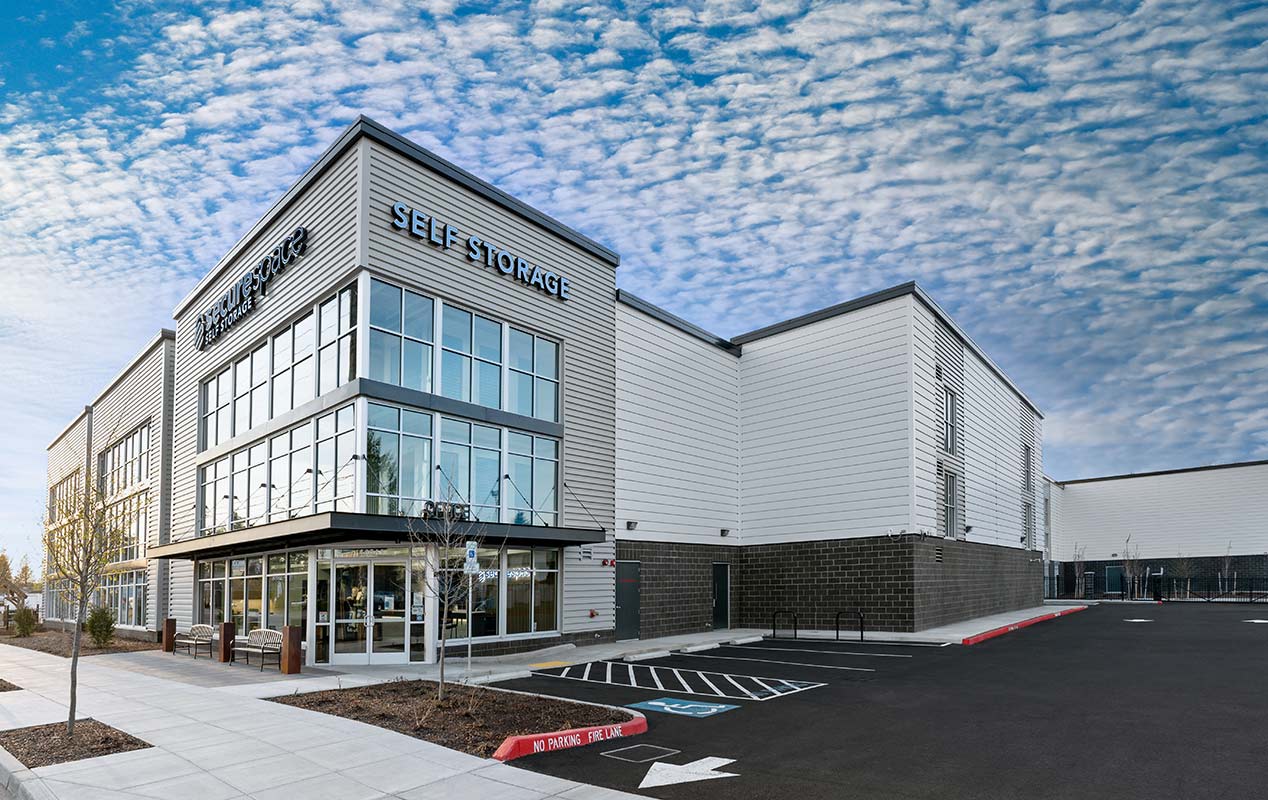
When you approach 16061 SE Division St, the first thing you notice is that it does not look like the storage facilities of the past. The self-storage industry has evolved through distinct generations, and understanding where SecureSpace fits in this lineage is crucial for evaluating its value proposition.
To appreciate what you are paying for at SecureSpace, it is helpful to contrast it with the older inventory available in Gresham and Troutdale.
Generation 1 (The Rural Model): Think of rows of single-story, metal garage doors accessible directly from a gravel or asphalt driveway. These are common further east in Gresham. They are convenient (drive-up access) but typically lack climate control and have porous security perimeters.
Generation 2 (The Conversion Model): These are older warehouses or commercial buildings converted into storage. They often have retrofitted elevators, maze-like corridors, and inconsistent HVAC systems.
Generation 3 (The SecureSpace Model): This is a purpose-built, vertical storage solution. The facility at 16061 SE Division represents this modern "Class A" asset class. It is a multi-story structure with over 110,000 square feet of rentable space.
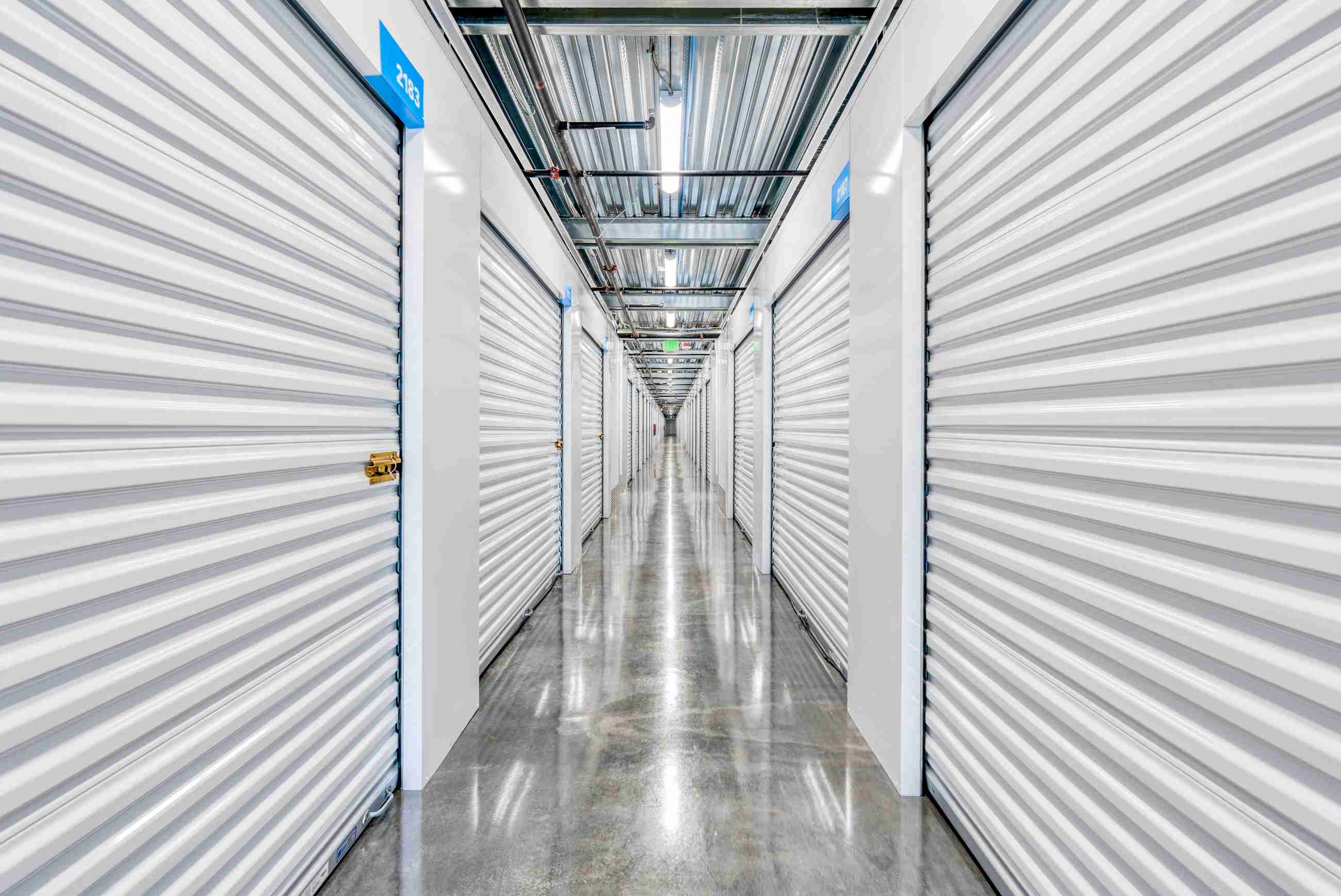
The verticality of the building is a double-edged sword for the user. On the positive side, it means that every unit is indoors, protected from the wind, rain, and street dust of Division St. On the negative side, verticality introduces friction. You cannot simply pull your truck up to your unit door. You must park in a loading bay, load your items onto a flatbed cart, navigate through a secure access door, call an elevator, and walk down a hallway. For a user moving a few boxes of files, this is negligible. For a user moving a four-bedroom house, this adds significant time—and if you are paying movers by the hour, time is money.
The "Secure" in SecureSpace is not accidental branding; it is the primary differentiator justifying the price premium over older competitors. In an area like Centennial, which has experienced fluctuating property crime rates associated with the rapid urbanization of the Outer Eastside, security is often the deciding factor for customers.
The facility employs a "layered" security architecture:
Perimeter Control: The site is fenced and gated. Access is controlled via electronic keypads that require a unique code for entry and exit. This creates a digital log of who is on the property at any given second.
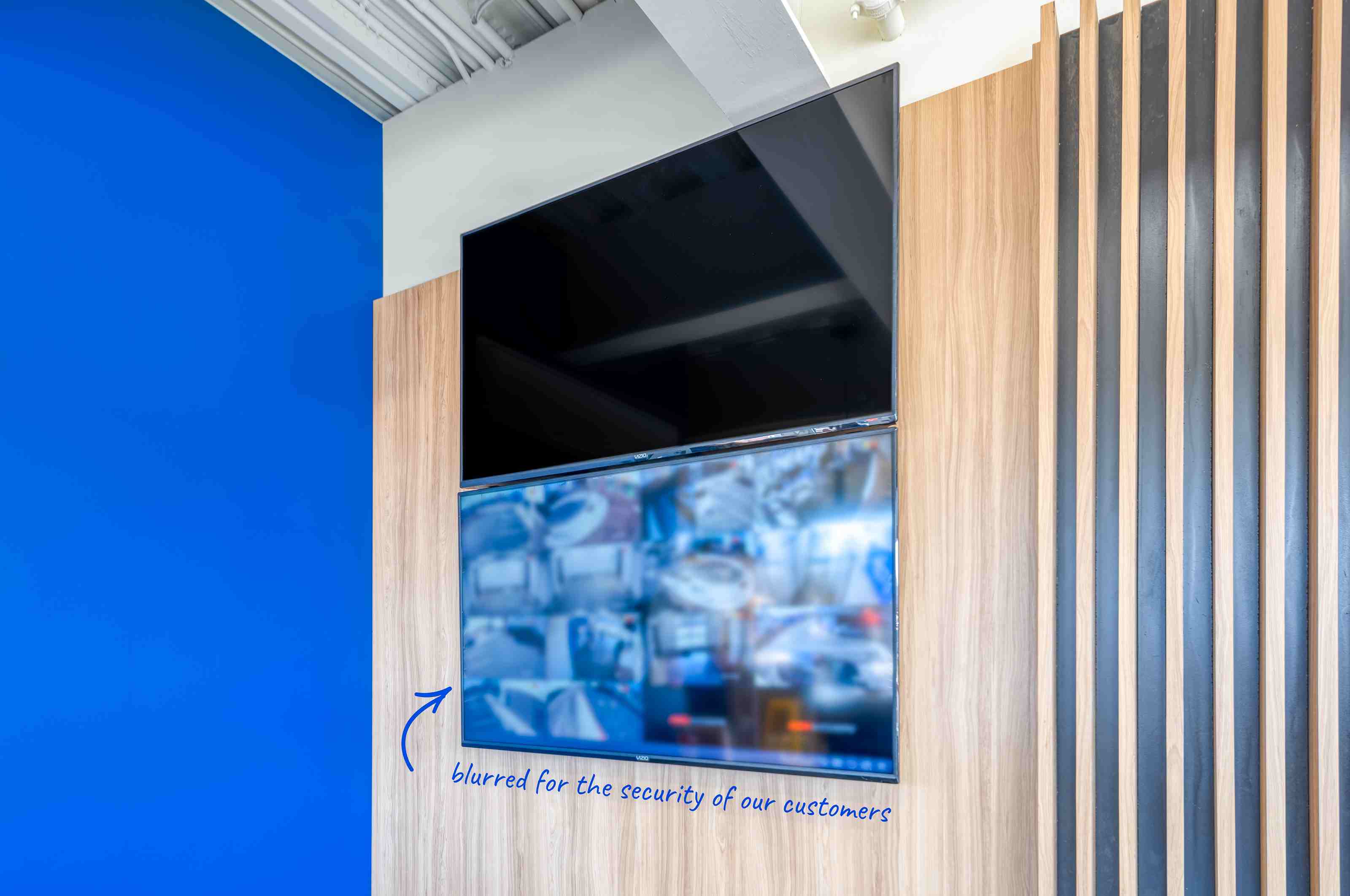
Visual Surveillance: The facility boasts "round-the-clock video recording". This is standard for the industry, but modern facilities typically cover more angles—hallways, elevators, and loading bays—than older Gen 1 facilities which may only monitor the main gate.
Illumination: Snippets emphasize "bright facility lighting". This is a critical, often overlooked feature in the Pacific Northwest. In December, sunset occurs as early as 4:30 PM. A dimly lit storage facility is an intimidating and dangerous place. High-lumen LED lighting in hallways and parking areas is a significant safety feature for users visiting after work hours.
Perhaps the most significant technical feature of this facility is its climate control system. In the arid Southwest, climate control is about cooling. In the Pacific Northwest, it is almost exclusively about humidity management.
We will explore the physics of this in greater depth in Section 4, but the operational reality is that this facility maintains an internal environment that is mechanically separated from the exterior weather. Large HVAC systems cycle air through the building to regulate temperature and, by extension, relative humidity. This prevents the "dew point" crashes that cause condensation on metal and plastic surfaces. For residents of 97236, where the winters are defined by months of near-100% humidity, this feature transforms the storage unit from a simple shelter into a preservation environment.
The operational tempo of the facility is designed for the residential user, not the commercial 24-hour user.
Gate Access Hours: Access is permitted from 6:00 AM to 10:00 PM, 7 days a week. This is a generous window for most households, but it is a hard constraint for commercial users (e.g., bakers, landscapers) who might need to load equipment at 4:30 AM. If your lifestyle requires 24-hour access, this facility is technically incompatible with your needs.
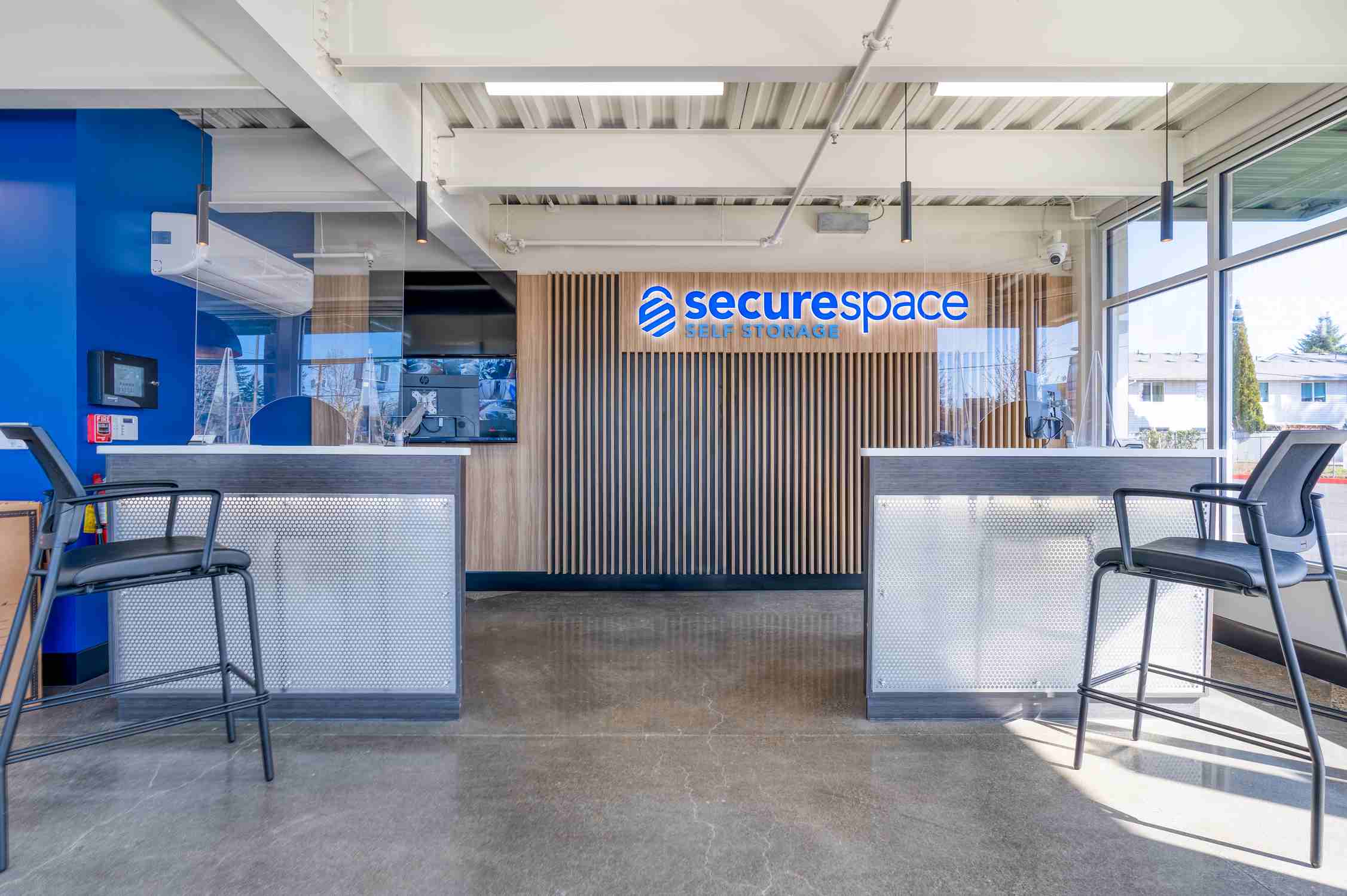
Office Hours: The on-site office is generally staffed from 9:30 AM to 6:00 PM on weekdays, with slightly reduced hours on weekends (Sat 9:00-5:30, Sun 10:00-4:00). The presence of Sunday office hours is a notable benefit. Many independent facilities in East County close their offices on Sundays. If you lose your gate code, get locked out of the elevator, or have a billing issue during a weekend move, having a human being on-site can be the difference between a successful move and a wasted truck rental.
It is essential to understand that pricing at modern facilities like SecureSpace is dynamic and algorithmic, similar to airline tickets.
The Web Rate: You will almost always find the lowest price online. Snippets highlight "lowest prices" and "half off" promotions that are exclusive to web bookings. Walking in the front door without a reservation often results in a higher "street rate."
The Admin Fee: Expect a one-time administration fee (typically around $29) at lease signing. This covers the setup of your account and gate codes.
The Price Hike Reality: A common theme in customer reviews for this facility—and the industry at large—is the post-introductory price increase. Leases are month-to-month. While this gives you flexibility to leave, it also gives the operator the right to adjust rates with 30 days' notice. It is prudent to budget for a 15-20% rate increase after your first 6 to 9 months of occupancy.
You can have the most secure, climate-controlled unit in Oregon, but if you cannot physically get your truck into the driveway, the facility is useless. The Outer Division Safety Project has fundamentally altered the access physics of this location, and understanding these traffic patterns is the single most critical "local knowledge" component of this guide.
SE Division Street, once a chaotic five-lane arterial with a "suicide lane" in the center, has been re-engineered by PBOT to reduce traffic fatalities. The centerpiece of this project is the installation of continuous raised concrete medians between SE 80th and SE 174th Avenues. These medians are designed to physically prevent drivers from making left turns across oncoming traffic, a maneuver that was historically a leading cause of T-bone collisions.
While effective for safety, these medians act as a "tank trap" for storage customers. SecureSpace Centennial is located on the North side of Division St.
The Westbound Approach (From Gresham): This is the easy path. If you are driving West from Gresham or Fairview, the facility is on your right. You simply slow down and turn right into the driveway.
The Eastbound Approach (From I-205/Portland): This is the challenge. If you are driving East from I-205 or 82nd Ave, you will see the facility on your left. However, you will be blocked by a concrete curb. You cannot turn left. You must drive past the facility and find a safe place to turn around.
The official traffic engineering solution for this "no left turn" problem is the U-turn. PBOT has designated certain intersections for U-turns. The nearest major signalized intersection east of the facility is SE 162nd Ave.
However, theory and practice diverge sharply here. Making a U-turn in a Honda Civic is manageable. Making a U-turn in a 26-foot U-Haul moving truck at a busy intersection like 162nd & Division is a harrowing experience. Snippets document the local frustration, with officials and residents alike describing U-turns as "terrifying" and noting that drivers often have to put their vehicles in reverse in the middle of the intersection because the turning radius is too tight. For a novice truck driver, attempting a U-turn at 162nd is a recipe for hopping a curb, blocking traffic, or causing a collision.
To avoid the "U-Turn of Terror," we recommend using specific loop routes that allow you to approach the facility from the correct direction (Westbound) or navigate around the median safely.
If you are driving a box truck (15 feet or larger), do not attempt a U-turn. Instead, execute this box maneuver:
Drive East on Division St, passing the facility on your left.
Turn Right at the signal onto SE 162nd Ave. The intersection has a dedicated right-turn lane, making this easy.
Drive South on 162nd Ave to SE Powell Blvd (approx. 0.5 miles).
Turn Left onto Powell Blvd (Eastbound), then quickly navigate to a Northbound arterial like SE 174th or SE 182nd.
Turn Left (North) and drive back up to SE Division St.
Turn Left onto Division St. You are now heading West.
Drive West past 162nd Ave. The facility will be on your Right.
Why this works: It eliminates all U-turns and replaces them with standard left/right turns at signalized intersections. It adds 5-8 minutes to your drive, but it reduces collision risk to near zero.
If you are in a passenger vehicle or cargo van, you can use a tighter loop closer to the facility:
Drive East on Division St.
Turn Left at SE 148th Ave (a major signalized intersection before the facility).
Navigate East on parallel residential streets. SE Stark St is a reliable parallel arterial to the north.
Drive East on Stark to SE 160th Ave or SE 162nd Ave.
Turn Right (South) and drive down to Division St.
Turn Right (West) onto Division.
The facility will be immediately on your Right (if you came down 162nd) or you will need to cross 160th carefully.
Warning: Be respectful of the neighborhood. The residential streets between Division and Stark are lined with homes and schools. Do not take a semi-truck through these streets.
Leaving the facility presents a similar constraint. Because of the median, you will likely be forced to turn Right (Westbound) out of the parking lot.
Heading to Portland/I-205? Easy. You are already heading the right way.
Heading to Gresham? You are pointing the wrong way. You must turn Right (West), drive to a signalized intersection (like SE 148th Ave), and make a U-turn or a series of left turns to reverse direction.
Understanding these patterns is vital. The frustration expressed in local reviews often stems from drivers who arrive unprepared for the median barriers. By planning your approach, you transform a stressful logistical failure into a routine driving maneuver.
In zip code 97236, we do not just worry about theft; we worry about the slow, silent destruction of moisture. The Pacific Northwest climate is defined not just by rain, but by persistent high humidity. Even when it is not actively raining, the air is saturated with water vapor. For storage customers, this atmospheric reality is the primary enemy of preservation.
When you lock a storage unit door, you create a microclimate. If that unit is not climate-controlled, the temperature inside the unit swings in tandem with the outside weather.
The Dew Point Danger: The critical concept here is the "dew point." When warm, moist air cools down (as it does every night in Portland), it loses its ability to hold water vapor. That water must go somewhere. It condenses on the coldest surfaces in the room. In a storage unit, those cold surfaces are often your metal lamp bases, the leather of your sofa, or the plastic wrap surrounding your mattress.
The "Wicking" Effect: Concrete floors are porous. In the PNW, the ground is often saturated. Moisture can migrate—or "wick"—up through the concrete slab of a building foundation. If you place a cardboard box directly on the concrete floor, the bottom of the box acts as a sponge. Over the course of a winter, that moisture will wick up into the box, causing the bottom to disintegrate and mold to migrate upward into your clothes or books.
The climate control system at SecureSpace Centennial functions as a defense engine against these physics. By mechanically regulating the temperature, the system keeps the internal environment of the unit relatively stable. Crucially, it prevents the temperature inside the unit from dropping below the dew point of the air. This prevents the condensation cycle that triggers mold growth and rust.
Verdict: For residents of the Outer Eastside, climate control is not a luxury "upgrade." Unless you are storing exclusively plastic lawn furniture, tires, or sealed garden tools, it is a preservation necessity. Storing wooden furniture, electronics, photographs, or textiles in a non-climate-controlled unit in Gresham during the winter is a gamble with high odds of damage.
Even with the benefit of SecureSpace's climate control, you should layer your defenses to ensure total protection. We recommend the following "PNW Protocols":
Never place anything directly on the floor. Even in a climate-controlled building, air circulation is lowest at floor level. Use wooden pallets or simple 2x4 lumber to create an "air gap" of 2-4 inches between the concrete and your belongings. This breaks the wicking path and allows HVAC airflow to circulate under your goods, keeping them dry.
Cardboard is an organic material. It absorbs moisture from the air and retains it. In a humid environment, cardboard boxes can become soft and lose their structural integrity. Furthermore, the glue in cardboard boxes attracts pests like silverfish. For long-term storage in Portland, invest in clear plastic totes with latching lids. These are impermeable to moisture and pest-resistant.
Active moisture removal is cheap insurance. Purchase a bucket of "DampRid" or silica gel packets and place them in the corners of your unit and inside your most sensitive boxes. These chemical absorbers pull excess moisture out of the air, acting as a localized dehumidifier for the micro-climates inside your stacked goods.
Do not store clothes, linens, or mattresses in sealed garbage bags or plastic wrap unless you have vacuum-sealed them perfectly. If you trap any ambient Portland air inside a plastic bag with your wool sweaters, you are trapping moisture with the organic material. The bag will act as a greenhouse for mildew. Use breathable cotton dust covers or canvas bags that allow the item to "breathe" and acclimatize to the controlled environment of the storage unit.
Who actually uses this facility? Based on the demographics, housing trends, and lifestyle patterns of the Centennial, Gresham, and Powellhurst-Gilbert areas, we can identify four primary "User Personas." Identifying which profile matches your situation will help you determine the right unit size and operational strategy.
The Situation: You have purchased a 1960s ranch home near SE 148th and Division. You are undertaking a major renovation—tearing down walls to open up the living space, redoing the original hardwood floors, or updating the kitchen.
The Need: You need to clear out the entire "public" wing of your house (living room, dining room, kitchen) for a period of 3 to 6 months.
The Strategy: Unit Size: You likely need a 10x15 or 10x20 unit. You are storing large furniture (sofas, dining tables, buffets) that cannot be stacked easily. You need floor space to maneuver these heavy items without scratching them. Access Tip: If possible, pay the premium for a ground-floor unit. While the elevators are large, fitting a 9-foot sectional sofa into a vertical lift is a geometry puzzle you do not want to solve on moving day. Ground-floor access allows you to roll heavy furniture directly from the loading bay to your door.
The Situation: You are moving from a larger single-family home in East County to a new, efficient unit at a complex like Station 162, Villa 162, or Legin Commons. You have decades of sentimental items—yearbooks, family photos, antiques—that simply will not fit in your new 600-square-foot footprint.
The Need: Long-term preservation of high-value, low-access items. You are looking for an "external walk-in closet."
The Strategy: Unit Size: A 5x5 or 5x10 is usually sufficient. Since you won't need to access these items frequently, you can stack boxes to the ceiling. Verticality: Invest in high-quality, free-standing metal shelving units to place inside your storage unit. This allows you to utilize the full vertical height of the unit (often 8-10 feet) safely, without crushing the bottom boxes. Climate Focus: This persona benefits most from SecureSpace's climate control. You are storing paper and wood products that are highly sensitive to humidity.
The Situation: You live in an apartment but spend your weekends exploring the Columbia River Gorge, Sandy River Delta, or Blue Lake Park. You own kayaks, mountain bikes, paddleboards, and extensive camping gear.
The Need: Accessible, secure storage for durable goods.
The Strategy: Unit Size: A 10x10 usually accommodates bikes and kayaks (stored vertically). Hours Awareness: This is where the gate hours (6:00 AM – 10:00 PM) are critical. If you plan a sunrise hike or fishing trip that requires a 4:00 AM departure, you cannot retrieve your gear that morning. You must pick it up the night before. Security Value: SecureSpace's cameras and gated access are vital here. High-end mountain bikes and outdoor gear are common targets for theft. The "layered" security of an indoor unit offers significantly more protection than a padlock on a shed.
The Situation: You run a local landscaping, construction, or e-commerce business in Powellhurst-Gilbert. You need space for inventory, tools, or archives that are cluttering your home office or garage.
The Need: Frequent access, inventory management, and security.
The Strategy: Unit Location: Request a unit close to the elevator or loading bay. You will be visiting frequently (perhaps daily), and saving 5 minutes of walking down a hallway adds up. Deliveries: Check with the office about their package acceptance policy. Some modern facilities will accept courier deliveries (Amazon, UPS, FedEx) on behalf of tenants, which can be a game-changer for e-commerce businesses that cannot leave packages on a residential porch.
Storage economics are not as straightforward as they appear on a billboard. The monthly rate you see advertised is rarely the rate you will pay for the duration of your stay. Understanding the financial mechanics of the industry will prevent "sticker shock" down the road.
SecureSpace, like most large operators, utilizes sophisticated yield management software. This means pricing is dynamic—it changes daily based on supply and demand algorithms.
The "Web Rate": The price listed on their website is almost always a discounted "teaser" rate designed to capture your business. It might be "50% off for the first 3 months" or simply a below-market rate for the first month.
The "Street Rate": If you walk into the office without a reservation, you may be quoted a higher standard rate. Always book online to lock in the promotional pricing before you arrive.
When calculating your move-in costs, do not just look at the rent.
Admin Fee: You will pay a non-refundable administration fee (typically $25-$30) to set up your account.
Insurance Requirement: You must have insurance coverage for your stored items. You generally have two options: Buy Theirs: The facility sells a tenant insurance policy. It is convenient and added directly to your monthly bill (usually $10-$20/month depending on coverage limits). Bring Your Own: Check your homeowners or renters insurance policy. Many policies include "off-premises coverage" for items in storage, though often at a lower limit (e.g., 10% of your total personal property coverage). If you have this coverage, bring your "Declaration Page" to the office when you sign the lease. This can save you hundreds of dollars a year.
Storage leases are almost universally month-to-month. This offers great flexibility—you can move out whenever you want with proper notice (usually 10-30 days).
The Risk: The flip side of this flexibility is that the facility can raise the rent with 30 days' notice. It is standard industry practice to aggressively raise rates on existing tenants after the first 6 to 9 months. Data suggests that long-term tenants often end up paying 20-30% more than the current street rate for a new customer.
Defense Strategy: If you receive a rate increase notice, do not just accept it. Call the office or customer service. Politely mention that you are considering moving out or point to the current lower online rates for new customers. While they may not match the new rate, they will often waive or reduce the increase to keep a paying tenant.
Before you sign the lease at SecureSpace, it is worth looking at the alternatives. How does it stack up against the competition in the 97236/97030 area?
If you drive east into Gresham, you will find numerous older, single-story facilities with drive-up access.
SecureSpace Pros: Superior security, cleanliness, pest control, and climate control. Better for household goods, electronics, and keepsakes.
Gresham Drive-Up Pros: Often cheaper (though the gap is narrowing). Easier access (drive right to the door). Better for vehicles, tools, and durable goods.
Verdict: If you are storing a lawnmower and a stack of tires, go to Gresham and save the money. If you are storing your grandmother's quilt or your tax records, pay the premium for SecureSpace.
Some new apartment complexes, like Division Street Lofts, offer small storage lockers or bike rooms for residents.
Comparison: These on-site lockers are incredibly convenient for daily-use items (strollers, laundry carts). However, they are typically very expensive on a per-square-foot basis compared to a dedicated self-storage unit.
Verdict: Use your apartment's storage for things you need weekly. Use SecureSpace for the things you need seasonally or annually.
There are other major chains (Public Storage, Extra Space) along the 182nd Ave and Powell Blvd corridors.
Comparison: The amenities are often similar (Gen 2 or Gen 3 facilities). The differentiator for SecureSpace is primarily the newness of the building (it is cleaner and less prone to legacy pest issues) and the staffing model (7-day office presence).
Verdict: SecureSpace often wins on "store experience" and cleanliness, but check the current web rates for competitors. If a competitor on 182nd is offering a significantly lower rate, it may be worth the slightly older infrastructure.
SecureSpace Self Storage Centennial represents a significant upgrade in the storage infrastructure of the Outer Eastside. It brings a "Class A," downtown-quality storage product to a neighborhood that has historically been served by older, rural-style facilities. For residents of Centennial, Powellhurst-Gilbert, and West Gresham, it offers a secure, clean, and climate-controlled extension of the home.
However, its location on the re-engineered SE Division Street imposes a "logistical tax." The median barriers prevent easy left-turn access, forcing drivers to navigate a complex series of loops or U-turns. This is a manageable inconvenience if you are prepared for it, but a major frustration if you are not.
Your Final Checklist:
Audit Your Items: Do you really need climate control? (If it's wood, paper, or fabric, the answer is Yes).
Check the Route: Plan your Eastbound approach using the "Gresham Loop" or "Neighborhood Hook" to avoid the median frustration.
Pack for Humidity: Buy the pallets. Buy the plastic totes. Buy the desiccants.
Book Online: Never pay the street rate.
Watch the Bill: Expect a rate adjustment in 6-9 months and be ready to negotiate.
If you can navigate the concrete medians and the physics of Portland's moisture, SecureSpace Centennial is likely the safest and most reliable place for your possessions in zip code 97236.
Everything you need to store your belongings securely, on your schedule.
Visit us online