Last updated Jul 10, 2026
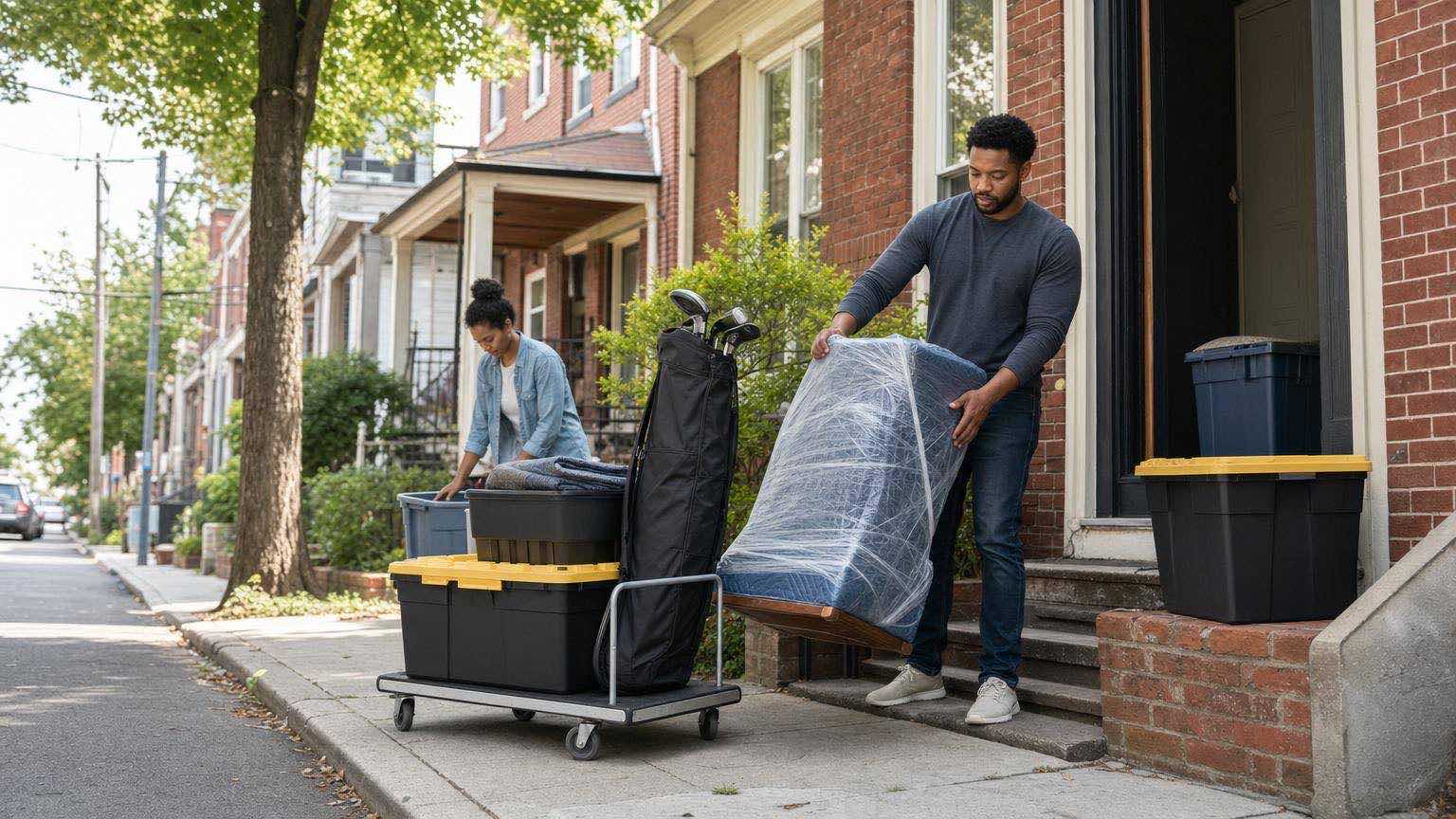
Philadelphia is defined by its distinctive architectural character, its fierce neighborhood loyalties, and, inevitably, its physical constraints. It is a city of "neighborhoods," where crossing a single street can shift the vibe from academic bustling to quiet residential enclave. But across almost every ZIP code—from the dense row home corridors of North Philadelphia to the historic trinities of Fairmount and the soaring high-rises of Center City—residents share a common struggle: space is the most valuable, and often the most scarce, commodity.
For those living in 19132 and the surrounding areas, the decision to seek self-storage is rarely born out of a simple desire to accumulate more material goods. Rather, it is usually a strategic move to reclaim quality of life. It is a logistical response to the pressures of urban living, a way to navigate stressful transitions, or a method for managing the complex hurdles of maintaining a home in a city where "spare rooms" are a luxury.
The search for storage in this specific geography is different than it is in the sprawling suburbs of the collar counties. In the suburbs, storage often acts as a passive "garage extension," a place to dump items that might be used once a year. In Glenwood and North Philadelphia, storage functions more as a "release valve" for the home. It allows a growing family in a three-bedroom row home to clear out a dedicated room for a new baby without sacrificing generations of family heirlooms. It enables a Temple University student to return home for the summer without the immense cost and hassle of renting a moving truck for a long-distance haul. It permits a local contractor to keep valuable tools and materials safe and accessible without risking them in a parked van on the street overnight.
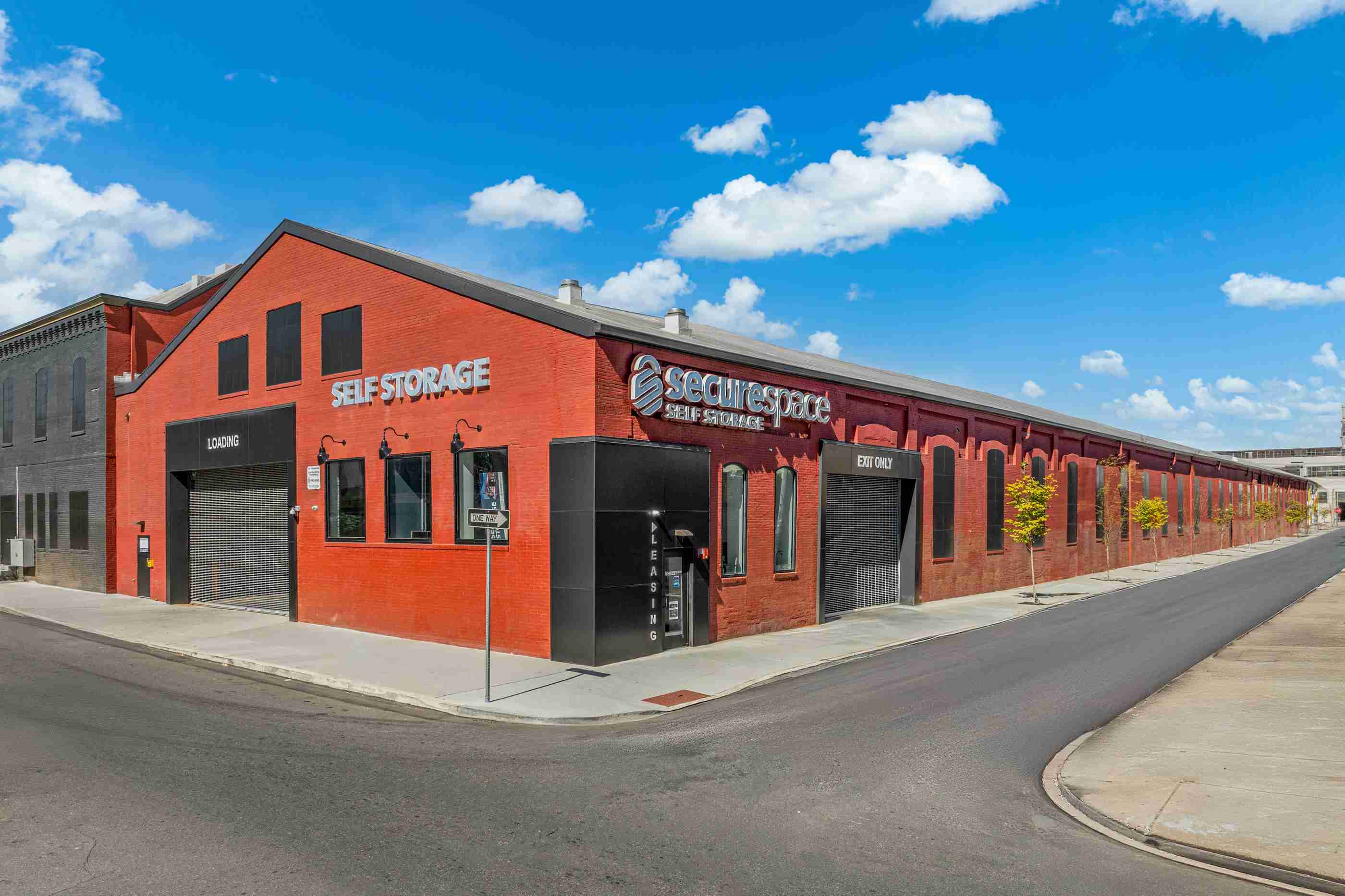
The facility at 2501 North 15th Street, known as SecureSpace Self Storage Philadelphia Glenwood, sits at a unique and pivotal crossroads within this urban ecosystem. Its location is not arbitrary; it is positioned near major arterial roads like Roosevelt Boulevard (US-1) and Broad Street (PA-611), making it a logistical hub. It is accessible enough for commuters crossing the bridge from New Jersey (ZIPs 08102, 08103) to utilize as a waypoint, yet it remains local enough for residents of Strawberry Mansion (19121) and Glenwood (19132) to treat as a true neighborhood amenity.
This guide is written for the active researcher—the resident who is currently navigating the "in-between" moments of life. Whether you are moving, renovating, downsizing, or simply reorganizing, the questions you have likely go beyond "how much is it?" You are likely asking: Will my things be safe here? How do I get a couch to the third floor? Is climate control actually necessary in a Philly summer?
This report aims to answer those deeper questions. It explores why this specific geography matters, helps you evaluate if this location fits your logistical habits, and provides a roadmap for navigating the storage process without the typical stress associated with moving in the city.
The search for storage usually begins with a simple query about price or unit size. However, experienced Philadelphians know that the real decision factors—the ones that determine whether you will regret your choice six months from now—are often environmental and structural. The specific housing stock of Philadelphia, predominantly row homes built in the late 19th and early 20th centuries, presents unique challenges that make off-site storage not just a convenience, but often a preservation necessity.
One of the most common mistakes local residents make is assuming their basement is a viable, long-term storage solution. In ZIP codes like 19132 (Glenwood), 19121 (Brewerytown), and 19130 (Fairmount), many homes sit on foundations made of rubble stone or brick. These structures were built over a century ago, often without the modern waterproofing standards we expect today.
These basements were originally designed for coal storage and utilities, not for storing cardboard boxes of tax documents, winter linens, sensitive electronics, or upholstered furniture. The walls in these basements are often porous, allowing moisture to seep in through hydrostatic pressure. This is particularly acute in low-lying areas near the river wards or in neighborhoods where the municipal water infrastructure is aging and prone to leaks.
The Mold Risk: High humidity in these subterranean spaces creates an ideal breeding ground for mold and mildew. Cardboard is particularly vulnerable; it wicks moisture from the air, acting like a sponge. Within a single humid Philadelphia summer, where dew points can remain high for weeks, a box of books or photos stored in a typical row home basement can be effectively ruined. The smell of mildew is often the first sign, but by then, the damage to paper and fabric is often irreversible.
The "Finished" Basement Trap: Even in renovated homes—a common sight in gentrifying areas like 19130 and 19121—"finished" basements often struggle with humidity control. Unless the homeowner is running industrial-grade dehumidifiers 24/7, the relative humidity can still spike well above safe levels for delicate items. The energy cost of running such units year-round can be significant, often rivaling the cost of a small storage unit.
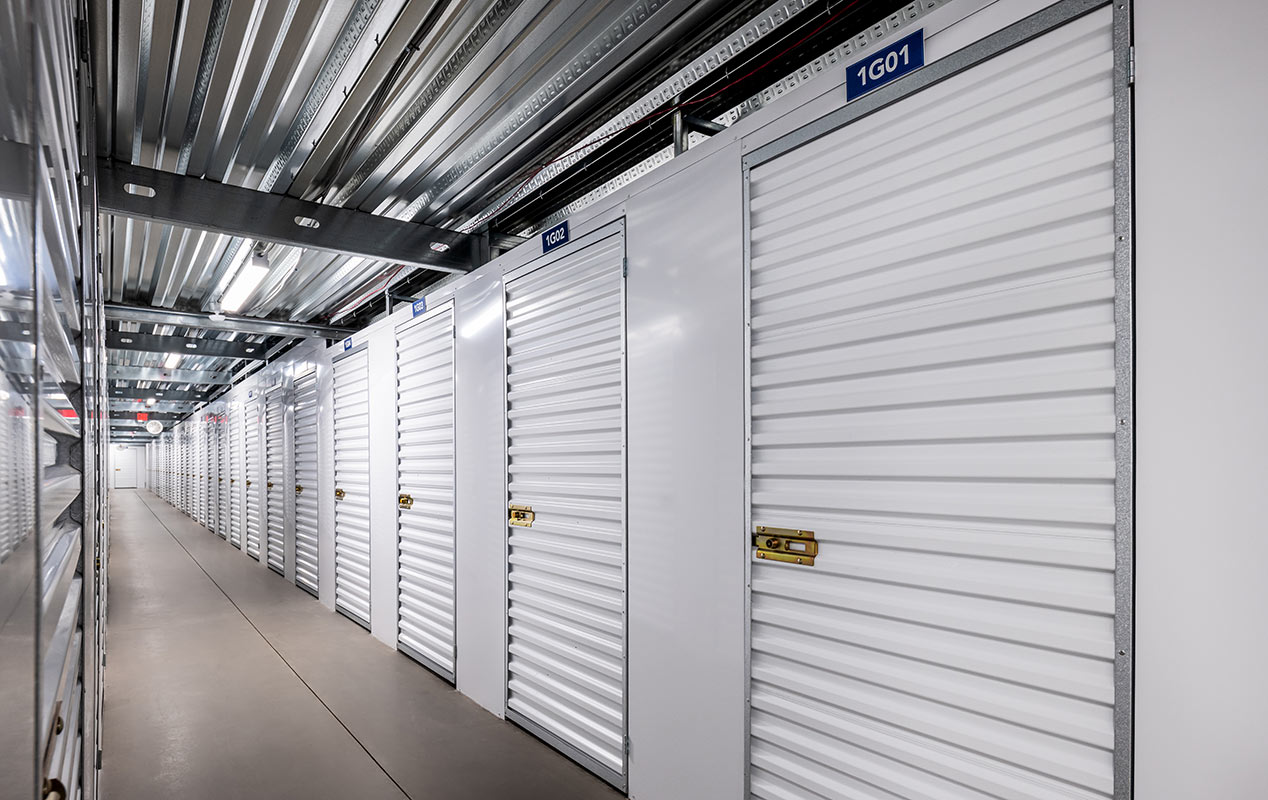
The Preservation Solution: This is where a facility like SecureSpace Glenwood becomes critical. The facility offers climate-controlled units, which are designed to mitigate the temperature extremes and humidity fluctuations that destroy items in residential basements. For residents in these zones, renting a small 5x5 unit to store archives, art, or seasonal wardrobes is often a more cost-effective and safer strategy than risking them in a damp basement.
In dense urban neighborhoods like 19140 (Hunting Park) and 19133 (Fairhill), residents often face what is colloquially known as the "Stoop Tax"—the unfortunate reality that items left unsecured, whether on a porch, in a backyard, or visible in a parked car, are at risk of theft or vandalism.
Vehicle Storage: Many residents, lacking garage space, resort to using their vehicles as temporary storage lockers. It is not uncommon to see cars parked on the street filled with tools, sports gear, or boxes of donations waiting to be dropped off. In dense urban areas, this behavior invites break-ins. A car window is a fragile barrier between a thief and valuable possessions.
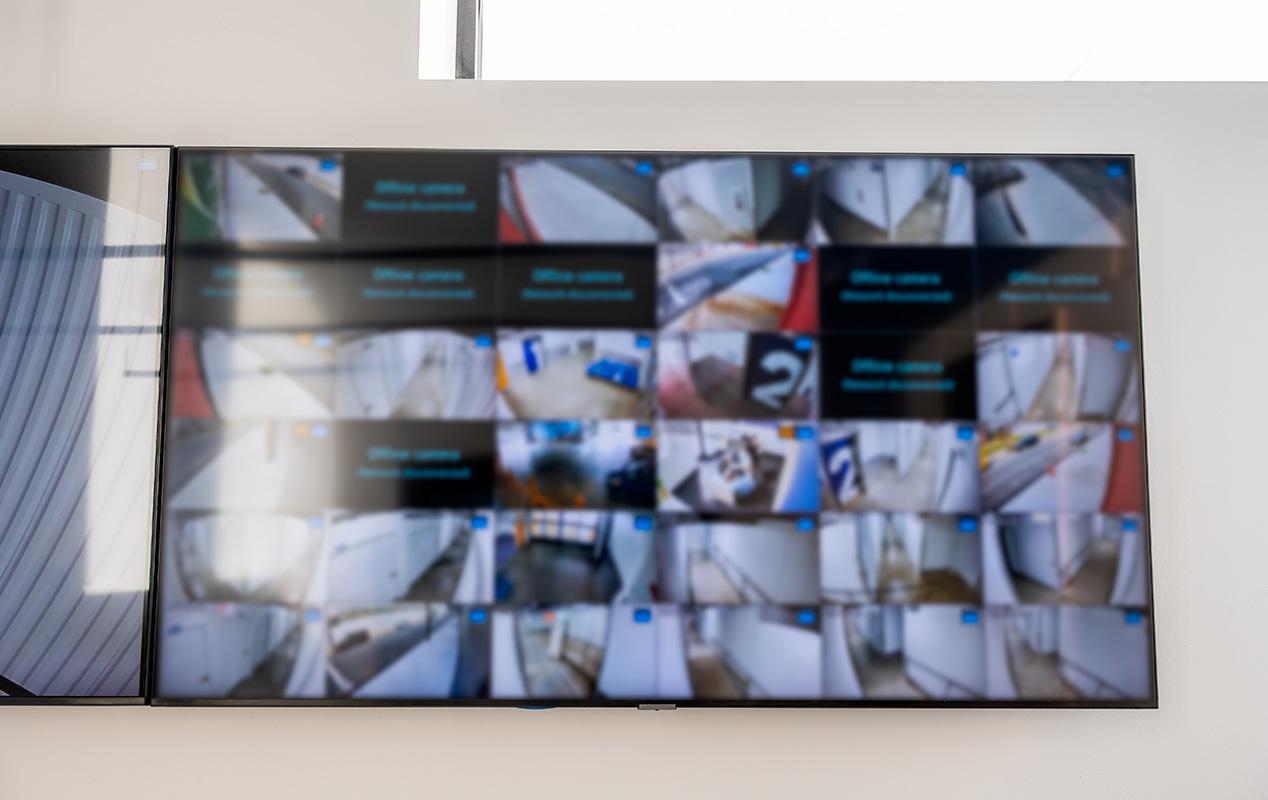
The Secure Alternative: SecureSpace Glenwood features modern security measures including video cameras, fenced perimeters, and lighting. Moving these "trunk items" into a small locker not only frees up vehicle space for actual passengers but significantly reduces the risk of smash-and-grab theft. The facility's electronic gate access ensures that only authorized tenants can enter the perimeter, providing a layer of security that street parking simply cannot match. For a contractor living in 19132, the cost of a small unit is often far less than the deductible on an insurance claim for stolen tools.
Pennsylvania experiences a robust four-season climate, with sweltering, humid summers and freezing, dry winters. The temperature swings can be drastic, sometimes shifting 30 to 40 degrees in a single day during the transition months of spring and fall.
Standard vs. Climate Control: A standard "drive-up" garage-style unit—the type often found in rural Pennsylvania or industrial parks—exposes items to these ambient temperature swings. For sturdy, non-porous items like lawnmowers, plastic garden tools, or metal patio furniture, this is generally acceptable.
The Inner City Need: However, most urban residents are not storing lawn tractors. They are storing household goods: electronics, wood furniture, mattresses, musical instruments, and clothing. These items are sensitive to thermal expansion and contraction. Wood warps, glue dries out, screens crack, and fabrics yellow or degrade. The SecureSpace Glenwood facility's focus on climate-controlled options directly addresses the preservation needs of the urban tenant who is storing life essentials rather than just yard maintenance equipment.
Before committing to a unit, it is essential to move beyond the sticker price and consider the logistics of your specific situation. A "cheap" unit located 30 minutes away becomes expensive once you factor in the gas, the value of your time, and the stress of fighting traffic on the Schuylkill Expressway (I-76) or Roosevelt Boulevard just to retrieve a box of winter coats.
The first question to ask yourself is: How often will I actually visit the unit?
Active Storage (Weekly/Monthly): If you are a business owner in 19132 storing inventory, a pharmaceutical rep storing samples, or a contractor storing tools, you need a location that is part of your daily route. SecureSpace Glenwood's location on N 15th Street is pivotal here. It avoids the deep congestion of the Center City grid while remaining accessible from the suburbs via commute routes. The access hours (typically 9:00 AM - 6:00 PM daily) are optimized for business hours and daylight visits, ensuring you can grab what you need and get to your job site or client meeting.
Deep Storage (Seasonal/Yearly): If you are storing winter tires, holiday decorations, or tax archives, distance matters slightly less, but security matters more. You want a facility where you know your items are monitored even if you don't visit for six months. The presence of video surveillance and an on-site office provides that "watched" feeling necessary for long-term peace of mind. You don't want to worry about your items every time a storm hits or a news report mentions local crime.
Standard storage advice often underestimates the sheer volume of material that accumulates in high-density city living. We become masters of "Tetris," packing closets and corners to capacity. When you unpack those spaces into a storage unit, the volume can be shocking.
The "1-Bedroom" Variable: A 1-bedroom apartment in a modern complex in 19121 (Brewerytown) might have minimal furniture but dozens of boxes of clothes, gear, and hobbies. Conversely, a 1-bedroom trinity in 19147 (Queen Village) might be sparsely decorated but contain custom, narrow furniture that cannot be disassembled and requires significant floor space to store safely.
Vertical Packing: To maximize value in a 5x5 or 5x10 unit (popular sizes at this facility), you must pack vertically. This facility offers elevators, which is a game-changer for vertical packing. It means you can stack heavy plastic bins high without exhausting yourself hauling them up narrow stairs—a common misery in older, walk-up storage facilities in the city.
The Dorm Room Factor: For students in 19122 (Temple Area), a 5x5 unit is often the "Goldilocks" size. It perfectly fits a mini-fridge, a microwave, several large duffel bags of clothes, and boxes of books. It's small enough to be affordable on a student budget but large enough to hold the contents of a typical dorm room.
How will you get your stuff there? This is often the most stressful part of the process, and the facility's infrastructure plays a huge role.
The Moving Truck: If you are renting a U-Haul or hiring professional movers, you need a facility that can handle large vehicles. SecureSpace Glenwood explicitly allows 18-wheeler drop-off. This is a rare and valuable feature in urban storage. Many facilities in South Philly or Center City have tight, alley-based loading docks that can't fit anything larger than a standard cargo van. The ability to bring a large truck directly to the facility simplifies "big moves" from ZIPs like 19004 (Bala Cynwyd) or 19119 (Mt. Airy), where households are larger and moving trucks are a necessity.
The Car Load: For smaller runs—the "station wagon load"—the facility offers parking. This avoids the dreaded "double parking" dance common on narrow Philly streets, allowing you to unload at your own pace without traffic honking behind you or the fear of a PPA ticket.
Cart Availability: The facility provides handcarts for tenant use. This seems like a small detail until you are trying to move twenty boxes of books. Having quality carts available on-site means you don't need to buy or rent your own dolly.
The need for storage manifests differently depending on which block you call home. The housing stock, demographics, and daily rhythms of Philadelphia's neighborhoods create distinct "storage profiles." The following sections break down the specific triggers and logistical realities for the primary ZIP codes served by this location.
The Neighborhoods: Glenwood, Strawberry Mansion, Brewerytown, Stanton, Hunting Park.
The Vibe: A mix of historic row homes, new construction condos, and multi-generational family households.
The Storage Trigger: Renovation and Displacement.
In these ZIP codes, the housing stock is undergoing rapid and visible change. Many residents are renovating older row home shells, a process that generates immense dust and requires rooms to be cleared. Others are dealing with the space constraints of multi-generational living—grandparents, parents, and children sharing a single row home footprint.
The Strategy: For residents here, SecureSpace Glenwood acts as a neighborhood extension. It is close enough—often walking distance or a very short drive—to visit frequently.
The "Renovation Shuffle": If you are renovating a row home in 19121, you likely don't have a garage. You can't put a PODS container on the street without a complex, expensive permit process (and the risk of vandalism or complaints). A storage unit offers a secure, off-site "container" where materials, tools, and furniture can be swapped in and out as the project progresses from room to room.
Access Route: Local streets like Diamond St or Lehigh Ave feed directly toward N 15th St. The facility's location avoids the worst of the Broad Street congestion during rush hour if you approach from the side streets.
The Neighborhoods: Temple Campus, Yorktown, Cecil B. Moore.
The Vibe: Academic, transient, seasonal, energetic.
The Storage Trigger: The Semester Gap.
For the thousands of students living in 19122, the months of May and August are chaotic. Leases end, dorms close, and students scatter to internships or home.
The Strategy: Hauling a mini-fridge, futon, and winter clothes back to parents' homes in the suburbs or out of state is expensive and illogical. A 5x5 unit is the perfect size for a student's life: it fits boxes, a desk chair, and that awkward mini-fridge.
Sharing Economy: It is common for roommates to split a 10x10 unit, dividing the cost and the space. This location is practically on campus for many, meaning an Uber XL or a Zipcar cargo van is all that's needed for the move—no U-Haul required. This is a critical advantage for students who may not be old enough to rent a large moving truck or comfortable driving one in the city.
Timing Warning: Units fill up fast in late April and early May. Students should reserve space well before finals week to avoid being left without a spot.
The Neighborhoods: Fairmount, Art Museum Area, Spring Garden.
The Vibe: Historic charm, young families, limited parking.
The Storage Trigger: The Growing Family in a Small Footprint.
Fairmount is famous for its beautiful but compact homes. As couples have children, the "spare room" becomes the nursery, and the "office" becomes the playroom. The high value of real estate per square foot in 19130 makes it economically sensible to rent storage rather than buy a larger home.
The Strategy: Storage acts as the new attic. Residents in 19130 use this facility to store seasonal gear—bikes, kayaks for the Schuylkill River, camping gear—that clutters their limited living space.
The Logistics: Driving from Fairmount to N 15th St is a straight shot north. It is often easier and faster than heading south to the crowded facilities on Washington Ave. The secure parking at the facility is a major draw for Fairmount residents who are used to circling their own blocks for 20 minutes to find a spot and appreciate a dedicated loading zone.
The Neighborhoods: Logan Square, Rittenhouse, Chinatown, Old City.
The Vibe: Vertical living, doormen, elevators, low car ownership.
The Storage Trigger: Lifestyle Management and Micro-Living.
Residents here often live in high-rises with expensive square footage. Paying for an extra bedroom in a Center City condo just to store golf clubs, winter coats, and luggage is poor economics.
The Strategy: Renting a climate-controlled unit at SecureSpace Glenwood is significantly cheaper per square foot than renting a larger apartment in 19103. It allows residents to maintain a minimalist aesthetic in their apartments while keeping their possessions accessible.
The "Car-Free" Move: Many Center City residents don't own cars. They rely on services like Man With A Van or Zipcar. This facility's loading area is designed to accommodate these services efficiently, ensuring that the hourly meter on your movers doesn't run up while they wait for a dock.
The Neighborhoods: Main Line suburbs, Camden waterfront, Cooper Grant.
The Vibe: Commuters, larger homes, bridge crossers.
The Storage Trigger: Convenience on the Route.
Why would someone from Camden (08102) or Bala Cynwyd (19004) store items in North Philly? Because they work there, or drive through it.
The Strategy: For New Jersey residents who commute via the Ben Franklin Bridge to jobs at Temple Hospital, Temple University, or businesses in North Philly, this facility is "on the way." It avoids the toll costs of crossing back and forth just to visit a storage unit if they are already in the city for work. Storing in PA can also sometimes offer different tax implications for businesses depending on their specific situation.
The Cost Factor: Storage rates in the city can sometimes be competitive compared to the premium suburbs of the Main Line (19004). For a Bala Cynwyd resident downsizing a large home, driving 15 minutes down City Ave/Roosevelt Blvd to store heirlooms in a secure, climate-controlled facility can result in significant monthly savings.
The Neighborhoods: Historic Germantown, Wissahickon, East Falls.
The Vibe: Green, historic, slightly more suburban feel within the city.
The Storage Trigger: Overflow and Seasonal Swaps.
These neighborhoods feature larger stone homes, often with basements and attics, but the dampness issues common to the region still plague them.
The Strategy: Residents here often use storage for items that are too sensitive for their unconditioned attics or basements—antique furniture, large art collections, or extensive libraries.
The Route: Access via Germantown Avenue or Wayne Avenue makes this facility a natural southern extension for Germantown and Mt. Airy residents. It's a direct drive that avoids the highway, making it an easy Saturday morning errand.
The Neighborhoods: Frankford, Bridesburg, Kensington, Port Richmond.
The Vibe: Dense row home communities, industrial roots, tight-knit.
The Storage Trigger: Density and Business Inventory.
These areas are incredibly dense, with parking often being a major challenge. Small business owners (contractors, landscapers, online resellers) often struggle to find space for inventory and equipment.
The Strategy: A storage unit serves as a small warehouse. It is safer than a work van and cheaper than commercial industrial space.
The Route: Roosevelt Boulevard and Aramingo Avenue act as funnels, bringing residents from these ZIPs quickly toward the facility. The ability to drop off inventory with a large vehicle is a key selling point for business users in these areas.
The Neighborhoods: University City, Powelton Village, Wynnefield.
The Vibe: Academic, majestic Victorian homes, student housing.
The Storage Trigger: Institutional Overflow.
With UPenn and Drexel nearby, the storage needs here are similar to the Temple area but often involve university staff and faculty as well as students.
The Strategy: For residents in the large Victorian twins of West Philly, maintaining the historic integrity of the home often means not cluttering it with modern debris. Storage allows them to curate their living space.
The Route: Accessing the facility via Girard Avenue or crossing the river at Spring Garden Street is straightforward, avoiding the heavy congestion of the Schuylkill Expressway during peak times.
Philadelphia traffic is a force of nature. It follows its own rhythm, and understanding how to get to 2501 North 15th Street efficiently can make the difference between a quick errand and a frustrating afternoon.
Broad Street is the spine of the city. The facility is located just blocks from North Broad, making it incredibly easy to find.
The Tip: Avoid Broad Street directly during rush hour (8:00 AM - 9:30 AM, 4:00 PM - 6:00 PM) or during Temple University events at the Liacouras Center, when traffic can grind to a halt. Instead, use parallel arterials like 15th Street (southbound) or 16th Street (northbound), which often move faster and offer direct access to the facility's entrance.
For those coming from 19124 (Frankford) or 19140 (Hunting Park), Roosevelt Boulevard connects closely to the area.
The Tip: The transition from the Boulevard to the local grid can be confusing. Use GPS directions specifically for "2501 N 15th St" rather than just the neighborhood name. This ensures you are routed to the main gate on 15th Street rather than getting routed to a back alley or side street.
For residents of 08102 and 08103 in Camden, the Ben Franklin Bridge is your gateway.
The Tip: Combine your storage trip with other city errands. Since you are paying a toll to enter PA (approx. $5.00 for passenger cars), make the trip count. The facility's proximity to Center City means you can drop off items and then head to dinner in 19107 or shopping in 19103 without a massive detour.
Toll Strategy: Remember that tolls are generally collected only entering Pennsylvania (westbound). The return trip to NJ is toll-free on the Ben Franklin Bridge.
The Route: Access via Kelly Drive to Hunting Park Ave is a scenic and relatively fast route. This avoids the I-76 gridlock entirely, making this location a viable option for Manayunk residents who want to avoid the high prices and difficult access of storage facilities located directly in their hilly, space-constrained neighborhood.
When researching storage in this specific part of Philadelphia, certain questions inevitably arise. These aren't just generic FAQs; they are the specific worries of the neighborhood.
This is the most common question for anyone considering storage in an urban environment like North Philadelphia.
The Reality: Security is a primary operational focus for SecureSpace. The facility is equipped with video cameras, fenced perimeters, and lighting.
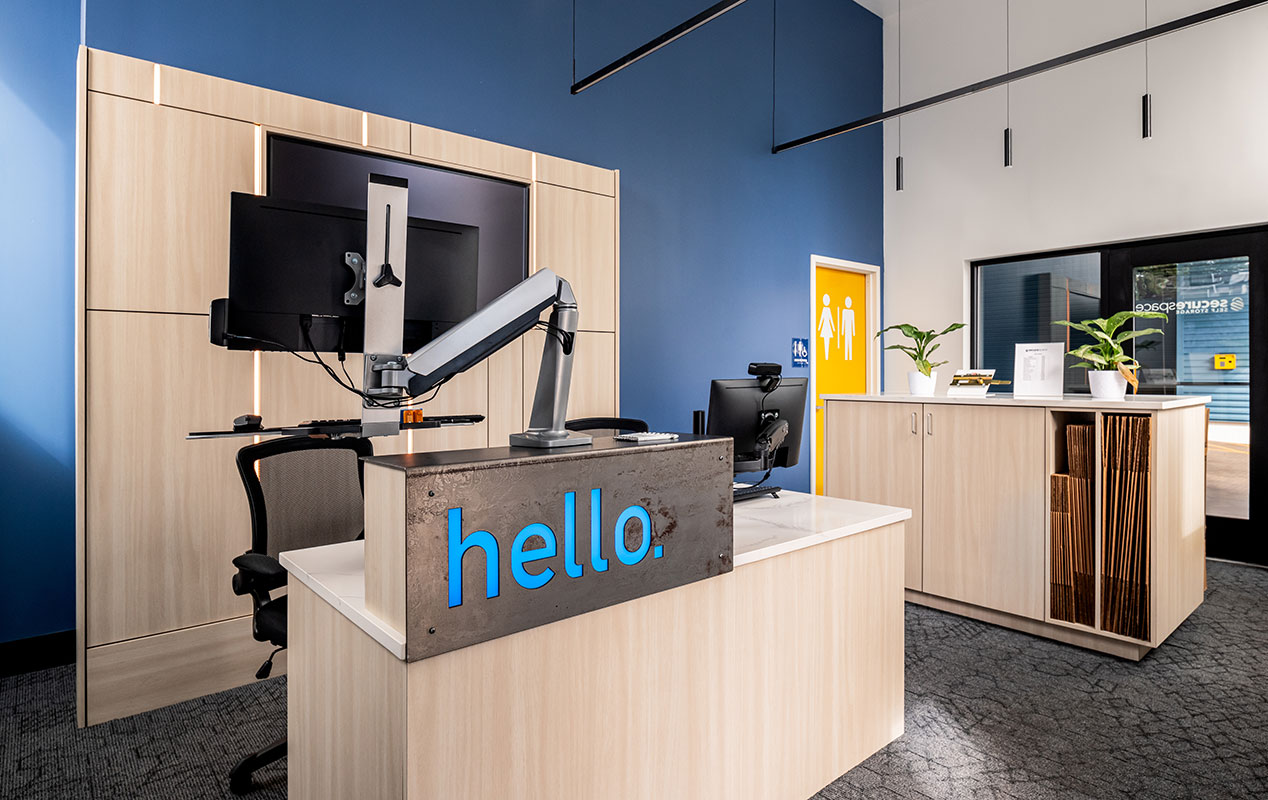
The Mindset: Security is about layers. The first layer is the fence and gate, which restricts casual foot traffic. The second is the digital recording. The third is the on-site office presence during the day. For a resident of 19132, this facility offers a level of "hardened" security that a residential row home simply cannot match. It is safer to have your expensive tools, seasonal gear, or inventory behind a steel gate with camera monitoring than in a backyard shed or the trunk of a car parked on the street.
The Concern: Many Philly streets are too narrow for anything larger than a box truck. Drivers fear getting stuck or having no place to unload.
The Answer: Yes. The facility explicitly lists 18 Wheeler Dropoff as a feature. This indicates wide turning radiuses and high clearance—a massive logistical advantage. You can rent the "big truck" to do your move in one trip, confident that you won't get jammed at the destination. This is a significant stress reliever for DIY movers.
The Concern: Urban density often means pests—mice, roaches, and insects are a reality of city life.
The Answer: Cleanliness is a frequent point of praise in reviews for this location. Professional storage facilities maintain rigorous pest control contracts that residential properties often lack. By moving items out of a damp, accessible basement and into a clean, dedicated facility, you are actively protecting them from the pests that thrive in residential clutter.
The Concern: Does it actually matter, or is it just an upsell?
The Answer: In Philadelphia, yes, it matters. The region's humidity swings are the enemy of wood, paper, and fabric. "Climate controlled" in this context doesn't mean "room temperature" (70 degrees) at all times, but it does mean the environment is managed to prevent the extreme freezing and baking that occurs in outdoor garages or unconditioned attics. This moderation is the key to preventing the warping of furniture, the cracking of leather, and the growth of mildew.
Ultimately, the choice of SecureSpace Glenwood comes down to how it integrates into your daily life. It is not trying to be a luxury resort; it is a practical, high-utility infrastructure tool for city living.
The "9-to-6" Match: The access hours (typically 9:00 AM - 6:00 PM) align with the times when people actually want to be moving things—during daylight hours when visibility is good and businesses are open. It discourages late-night activity, which actually contributes to the overall security and quiet of the facility.
The "Mixed Use" Flexibility: Whether you are a student with three boxes, a homeowner with a whole house of furniture, or a business with pallets of inventory, the facility has a unit size to match. The mix of 5x5 lockers up to 10x30 large units means you never have to pay for space you aren't using.
The Technology Layer: Features like email billing, auto-pay, and online paperwork appeal to the busy professional in 19130 or 19103 who manages their life from a smartphone. You can handle the admin side of storage without ever having to sit at a desk.
Living in Philadelphia requires a certain logistical savvy. We learn to parallel park in tight spaces, we learn which streets flood in heavy rain, and we learn how to make the most of our historic, sometimes cramped, homes.
Storage is simply another tool in that kit. SecureSpace Self Storage Philadelphia Glenwood offers a solution that is tailored to the needs of this area. It provides the dryness that basements lack, the security that porches lack, and the space that apartments lack.
For the resident of 19132 dealing with renovations, the student in 19122 heading home for summer, or the commuter from 19004 needing a convenient drop-off point, this facility represents more than just a metal box. It represents peace of mind. It is the knowledge that your belongings are safe, dry, and accessible, waiting for you whenever you are ready to bring them home. It allows you to stop worrying about where to put things, and start enjoying the space you have.
Everything you need to store your belongings securely, on your schedule.
Visit us online