Last updated Jul 10, 2026
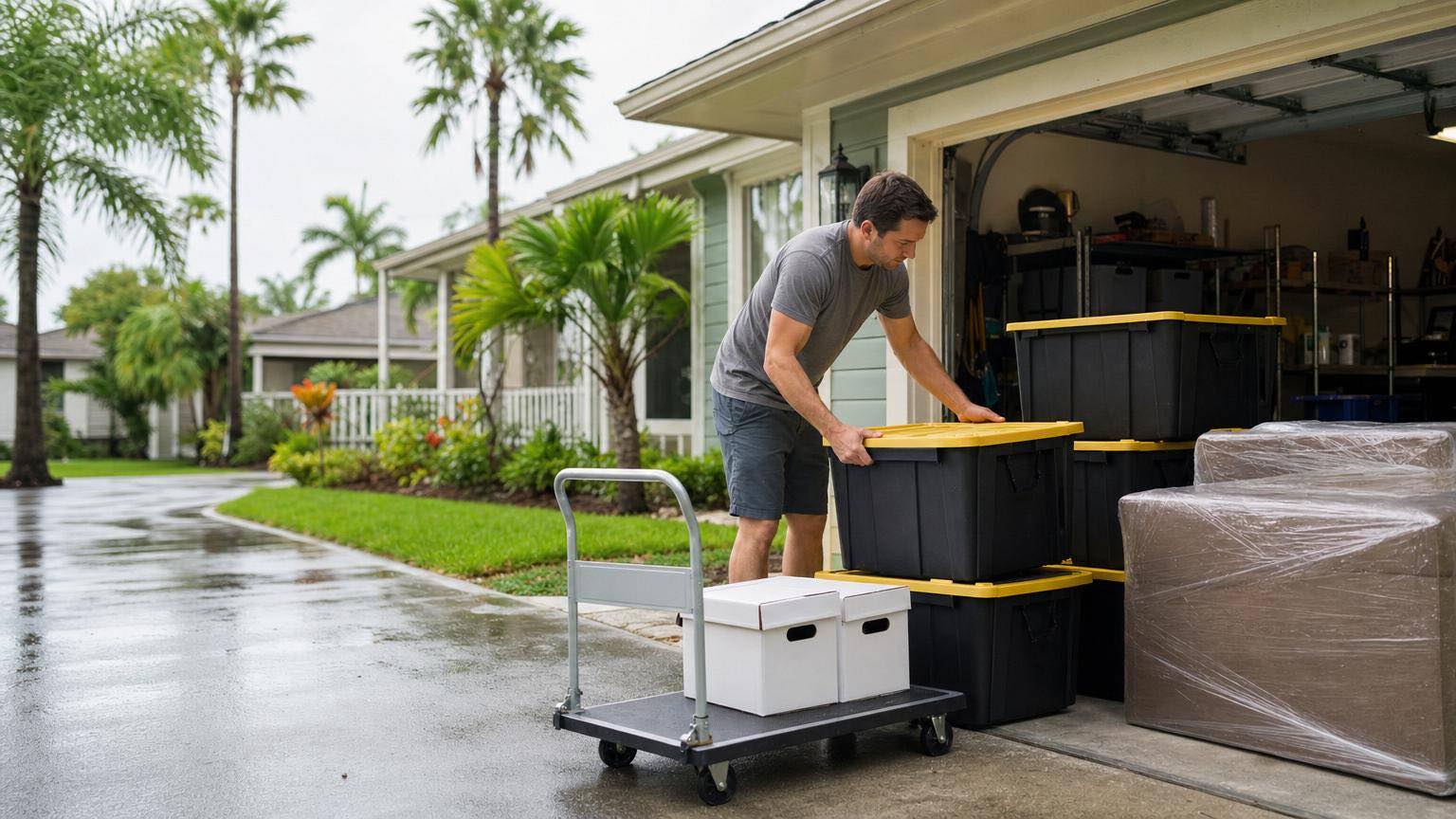
In the rapidly evolving landscape of South Hillsborough County, specifically within the interwoven communities of Riverview, Gibsonton, and the Boyette corridor, the utilization of external storage has transitioned from a discretionary luxury to a logistical imperative. For residents situated in the 33578, 33569, and 33534 ZIP codes, this shift is driven by a unique confluence of high-density residential development, restrictive regulatory environments regarding vehicle storage, and the demanding climatological realities of the Florida Gulf Coast.
The decision to seek storage in Riverview is rarely impulsive. It is almost invariably a calculated response to specific, often stressful, life transitions: the gap between selling a home and the delayed completion of new construction, the urgent need to declutter for a renovation in an established neighborhood, or the acquisition of recreational assets like boats and RVs that are effectively zoned out of residential driveways by strict Homeowners Associations (HOAs).
This comprehensive report serves as an exhaustive, hyper-local decision guide for residents specifically researching storage options in the vicinity of Gibsonton Drive and US Highway 301. By synthesizing data on local traffic patterns, housing stock characteristics, recent legislative changes in Florida HOA law (specifically House Bill 1203), and the physics of humidity control in subtropical environments, this analysis provides a strategic blueprint for making an informed, low-stress storage decision.
The findings suggest that for residents in this specific market, "value" is defined less by the lowest monthly rate and more by logistical efficiency—specifically, the ability to access a facility without navigating the most severe bottlenecks of the I-75/Gibsonton interchange—and asset preservation through modern climate control infrastructure.
The storage market in Riverview is distinct from urban centers like downtown Tampa or rural areas further east. Newcomers and long-time residents alike often harbor misconceptions that lead to frustration. Understanding the "unrealized realities" of this specific market is the first step toward a successful storage experience.
A defining characteristic of the housing stock in the 33578 ZIP code (encompassing communities like South Fork and Panther Trace West) is the "Garage Deficit." Modern residential architecture in this region often features two-car garages that, while technically meeting square footage requirements, are functionally incapable of housing two modern SUVs and the typical accumulation of household goods.
Once essential infrastructure is added—water softeners, secondary refrigerators, and hurricane shutter storage—the "two-car" garage effectively becomes a 1.5-car space. This reality forces a binary choice: park vehicles in the driveway (exposing them to the fierce Florida sun and potential HOA citations) or displace stored items to an external facility. In Riverview, a storage unit often functions not as a place for "extra stuff," but as the detached garage that the property lacks, allowing the actual garage to fulfill its primary purpose of vehicle protection.
Riverview is a landscape dominated by deed-restricted communities. For years, the friction between homeowners wishing to park work trucks, boats, or RVs and HOAs enforcing aesthetic standards has been a primary driver of storage demand. The recent passage of Florida House Bill 1203 (2024) has introduced significant confusion into this dynamic.
Many residents operate under the mistaken belief that HB 1203 grants a "blank check" for driveway parking. While the bill does limit an HOA's ability to restrict the parking of personal vehicles (including pickup trucks) and work vehicles that are not commercial motor vehicles in driveways, it creates a dangerous ambiguity regarding recreational assets.
The Trap: Restrictions on "recreational vehicles" (RVs, boats on trailers) often remain enforceable if they are distinct from "personal vehicles" in the community's governing documents.
The Consequence: Residents who cancel their storage leases anticipating driveway freedom often find themselves facing a new cycle of citations, fines, and the threat of liens.
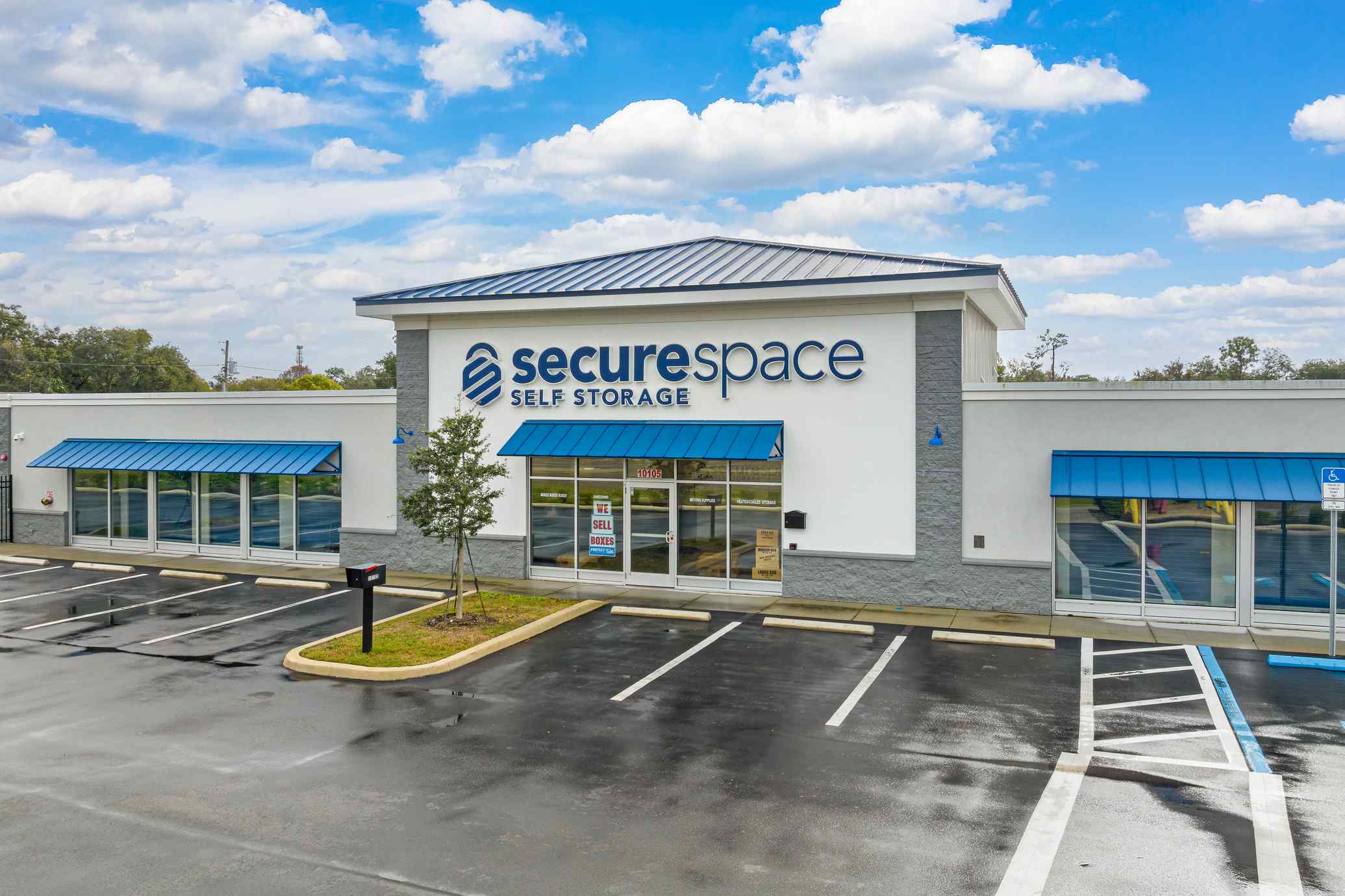
The Strategic Move: For risk-averse residents, maintaining off-site parking for boats and RVs remains the only guaranteed method to avoid legal entanglements with aggressive HOAs. The facility at 10105 Gibsonton Drive offers "rentable parking spaces," which directly addresses this displaced fleet, providing a secure, compliant haven that avoids the regulatory gray zones of residential driveways.
The location at 10105 Gibsonton Drive sits in a unique "transitional zone." To the west lies the older, maritime-influenced, and industrially adjacent community of Gibsonton (33534). To the east lie the master-planned, highly manicured subdivisions of Riverview (33578/33569).
This "mixed market" positioning means the facility must serve two distinct user profiles with very different needs:
The Suburban Household: Needs climate control for furniture, holiday decor, and document archives. Their primary concern is cleanliness, pest control, and ease of access during weekend errand runs.
The Local Trade/Business: Needs drive-up access for equipment, tools, and inventory. This demographic, often coming from the 33534 area, values maneuverability for trucks and extended access hours.
Understanding which "user profile" you fit into is crucial for selecting the right unit type and avoiding overpayment for unnecessary features or under-provisioning for critical needs.
Before committing to a lease, residents should rigorously evaluate their needs against the specific constraints of the local environment. This checklist helps filter the noise of marketing claims and focuses on functional requirements.
How often will you actually visit the unit? This variable dictates the importance of location efficiency relative to price.
High Frequency (Weekly): If you are a business owner accessing inventory, a pharmaceutical rep storing samples, or a homeowner rotating hobby gear (golf clubs, fishing tackle) every weekend, location efficiency is paramount.
The Commute Cost: The traffic congestion on Gibsonton Drive is non-trivial. Saving $15/month at a facility that requires crossing the US-301 intersection during rush hour or driving 3 miles further east into the Boyette congestion zone can cost you 30-45 minutes per trip. For high-frequency users west of 301, the SecureSpace location offers an optimal "intercept" point that avoids the deepest congestion.
Low Frequency (Monthly/Seasonal): If you are storing holiday decorations, tax documents, or seasonal wardrobes, you might prioritize price over immediate access. However, the risk of "out of sight, out of mind" neglect increases with distance. A facility that is difficult to reach is a facility you will never visit to check on your goods.
Riverview's climate is classified as humid subtropical, but for storage purposes, it should be viewed as "hostile." The combination of high heat and saturation-level humidity poses a direct, chemical threat to stored goods.
The Mold Threshold: Mold can begin to germinate on organic materials (wood, paper, leather, cotton) in as little as 24-48 hours if relative humidity (RH) exceeds 60%. In Riverview, ambient outdoor RH regularly exceeds 70-80% for months at a time.
The "Climate Controlled" Nuance: It is crucial to understand that "climate controlled" usually refers to temperature management (keeping the unit between 55°F and 80°F). However, strictly controlling temperature also indirectly manages humidity (since air conditioning removes moisture).
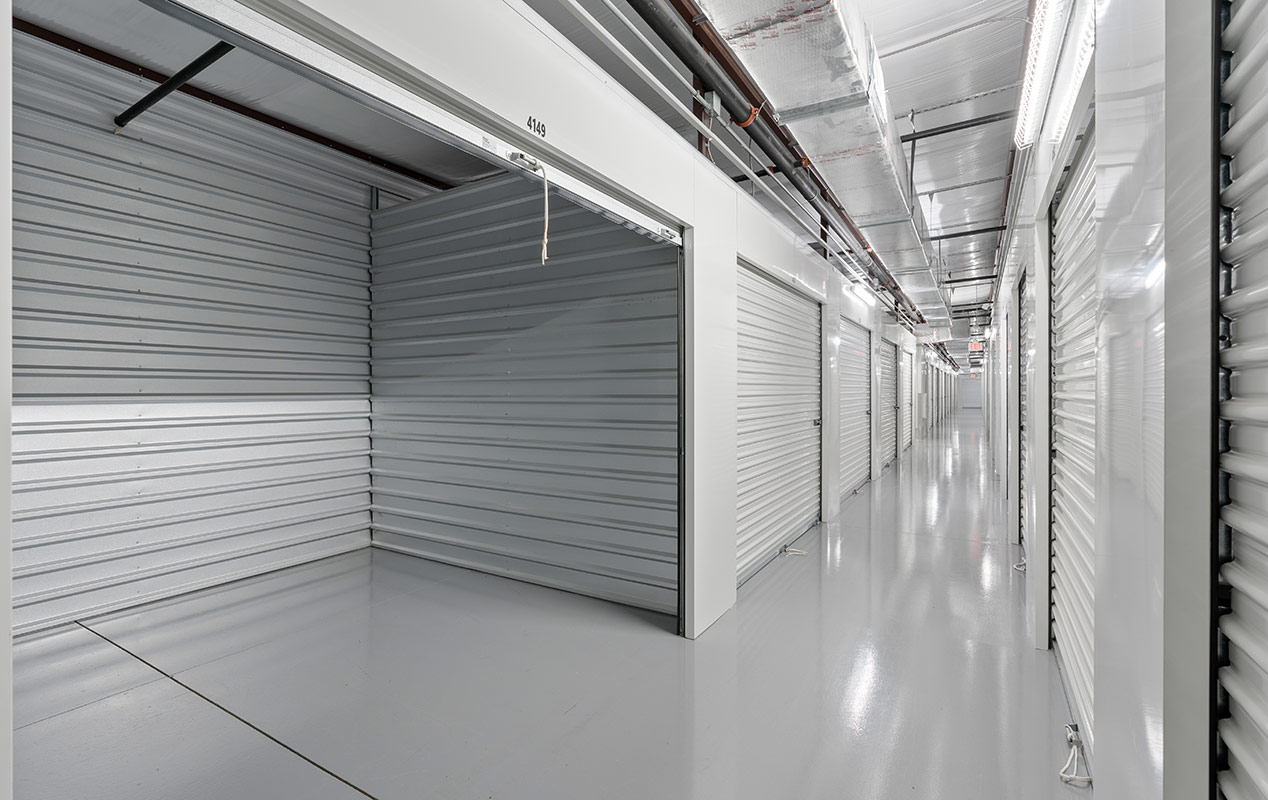
The Verdict: For residents in 33578 storing household goods, paying the premium for climate control is not an upgrade; it is an insurance policy against mildew. A non-climate-controlled unit (drive-up) is essentially a concrete oven suitable only for lawn equipment, jet skis, or sealed plastic bins.
The facility at 10105 Gibsonton Drive is notable for being a "100% single story" layout. In the storage industry, this is a polarizing feature with significant implications for the user experience.
The Advantage (Loading Efficiency): The absence of elevators removes the single biggest bottleneck in self-storage moving. There is no waiting for a shared freight elevator, no struggle to maneuver carts through narrow vestibules, and no long walks down upper-floor corridors. Single-story access typically implies shorter travel distances from the loading bay to the unit door, which is a massive benefit during the sweltering Florida summer.
The Disadvantage (Flood Risk Management): The trade-off is verticality. You cannot rent a second-floor unit to mechanically mitigate flood risk. This necessitates a strategic approach to packing (discussed in Section 6) to create artificial elevation within the unit.
The storage needs in this market are not monolithic. They vary sharply by ZIP code, driven by the age of the housing stock, the density of development, and the specific lifestyle patterns of the residents.
The Scenario: This ZIP code is the epicenter of the "new construction" storage driver. Thousands of families are moving into newly built homes in communities like South Fork, often transitioning from larger homes elsewhere or from temporary apartment living.
The Routine: Residents here are commuters. They rely on US-301 and I-75 to reach jobs in Tampa or MacDill AFB. Their storage visits are squeezed into the margins of the workday—early mornings or evenings on the way home.
Why Storage Helps:
The "Closing Gap": New construction timelines are notoriously fluid. A common scenario involves a buyer selling their previous home with a fixed closing date, only to find their new Riverview home is delayed by 4-8 weeks due to permitting or material shortages. This creates an urgent, frantic need to store an entire household (3-4 bedrooms) for a short, indefinite period. The ability to secure large units (10x20 or 10x30) on a month-to-month basis is a critical safety valve for this demographic.
HOA Compliance: As discussed, the strict enforcement of parking rules in these master-planned communities drives a steady demand for external parking spaces for boats and trailers.
The Scenario: This area represents the "mature" Riverview market. Homes in Boyette and Rivercrest are often 15-20 years old, situated on slightly larger lots with mature landscaping.
The Routine: Life here revolves around established schools (Riverview High) and local retail centers. Traffic on Boyette Road is heavy, making trips west toward US-301 a calculated effort.
Why Storage Helps:
The Renovation Pulse: As the housing stock ages, kitchen and bathroom renovations are surging. A typical kitchen remodel in the Tampa Bay area can take 6-14 weeks. Residents cannot simply shift furniture into another room; they need to clear the space entirely for contractors. A local storage unit becomes the temporary "staging area" for the contents of the renovation zone.
Lifecycle Downsizing: Many original owners in these neighborhoods are reaching the "empty nest" phase and looking to downsize. Storage serves as the intermediate step between a 2,500 sq. ft. family home and a smaller condo or active adult community, providing a space to sort decades of accumulation at a deliberate pace.
The Scenario: To the west lies Gibsonton, a community with a distinct identity rooted in maritime history and the carnival industry. The housing mix is eclectic, ranging from historic compounds to new, affordable subdivisions.
The Routine: Traffic here is heavily influenced by US-41 and the industrial corridors near the port.
Why Storage Helps:
Flood Risk Mitigation: Significant portions of 33534 lie in higher-risk flood zones (Zone AE) due to proximity to the Alafia River and the bay. Residents with heirlooms, legal documents, or valuable electronics often seek climate-controlled storage in higher-elevation areas (like the commercial corridor of Gibsonton Drive) as a permanent risk mitigation strategy against storm surge.
Business Logistics: The area has a high density of independent trade businesses (landscaping, construction, marine services). These operators often use storage units as "micro-warehouses" for equipment and inventory that cannot be securely stored at a residential address or in an open truck bed.
While the primary demand comes from the immediate vicinity, the facility's location on a major arterial road makes it relevant for residents in adjacent areas.
Residents in Brandon (to the north) and Lithia (to the east) generally have their own local storage options. However, the SecureSpace location becomes relevant for those who commute via the I-75/Gibsonton interchange.
The "On the Way" Factor: For a professional living in Lithia but working in downtown Tampa or near the airport, stopping at a facility near the highway exit is often more convenient than driving deep into the suburbs to a local facility. The ability to grab golf clubs or drop off inventory immediately after exiting the interstate can save significant time compared to navigating the school-zone traffic of FishHawk or Bloomingdale.
Storage is often a grudge purchase, accompanied by anxiety about safety, conditions, and logistics. Here, we address the specific concerns prevalent in the Riverview market.
One of the most acute concerns for locals is the traffic congestion on Gibsonton Drive, particularly the segment between I-75 and US-301.
The "Median Cut" Dynamic: The facility is located on the north side of Gibsonton Drive.
Westbound Access: For residents coming from Boyette or Riverview (heading toward I-75), access is a direct right turn. This is the optimal flow.
Eastbound Access: For residents coming from I-75 or Gibsonton (heading toward US-301), access requires navigating a median cut to turn left across traffic. During peak evening rush hour (4:30 PM - 6:30 PM), the stacking of vehicles in turn lanes can make this maneuver challenging.
The Strategic Insight: Residents west of the facility (Gibsonton area) should plan their visits for off-peak hours or utilize the traffic light at the main intersection to make a U-turn if the median cut is blocked. Residents east of the facility (Riverview/Boyette) have the easiest access on their outbound commute.
In a rapidly growing, mixed-market area, security is a top priority. Residents often ask, "Is it safe?"
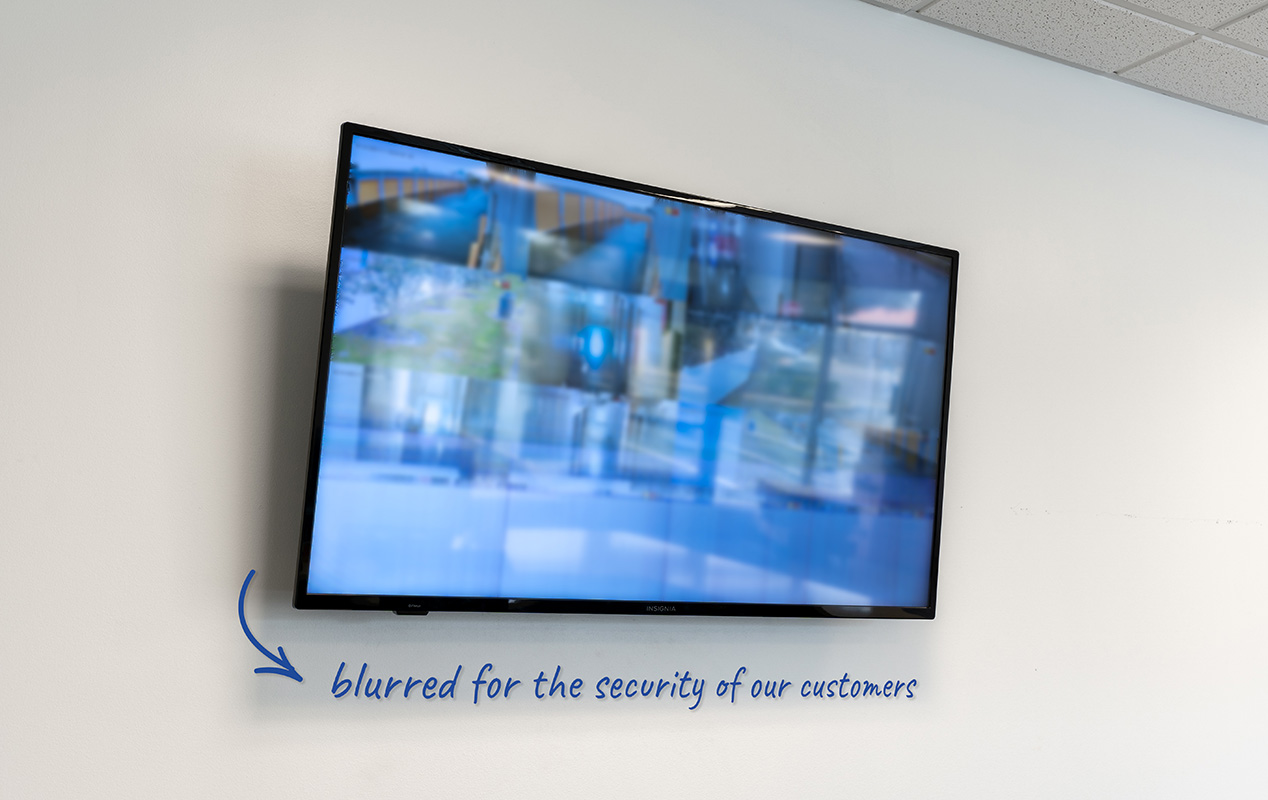
The Modern Tech Baseline: As a newly built/branded facility (circa 2021), SecureSpace typically deploys a modern security tech stack that contrasts sharply with older "gen-1" facilities. This usually includes high-definition digital surveillance (capable of reading license plates, unlike grainy analog tape), bright LED lighting (crucial for evening visits), and app-based or integrated keypad access that logs entry and exit events.
The Visibility Factor: The facility's prominent location on a major, high-traffic thoroughfare offers a layer of "passive security." Unlike facilities tucked away in dark industrial cul-de-sacs, this location is highly visible to passing traffic and law enforcement, which can act as a deterrent to casual crime.
While the single-story layout is excellent for loading, it requires specific attention to flood resilience.
The Concern: "If it floods, my unit is on the ground floor."
The Reality: While the facility is built to modern code (likely with slab elevation requirements), severe tropical events can impact any ground-level structure.
The Mitigation: Residents storing water-sensitive items should invest in shelving units to keep boxes 4-6 inches off the concrete floor. This inexpensive step protects against minor water intrusion from wind-driven rain, cleaning mishaps, or even condensation "sweat" on the concrete slab, providing a critical buffer even if a major flood event never occurs.
When stripped of marketing rhetoric, the value of the SecureSpace Riverview location emerges from how well it aligns with the actual, lived patterns of the local population.
It Solves the "Last Mile" Problem: For residents of 33578 and 33569, this facility is positioned at the gateway to their neighborhoods. It allows them to intercept their storage needs—whether grabbing a kayak for the weekend or dropping off holiday decor—without adding a significant detour to their daily commute.
It Addresses the Regulatory Gap: By offering parking spaces, it provides a direct, legal solution to the HOA/HB 1203 conflict that plagues boat and RV owners in South Fork and Panther Trace.
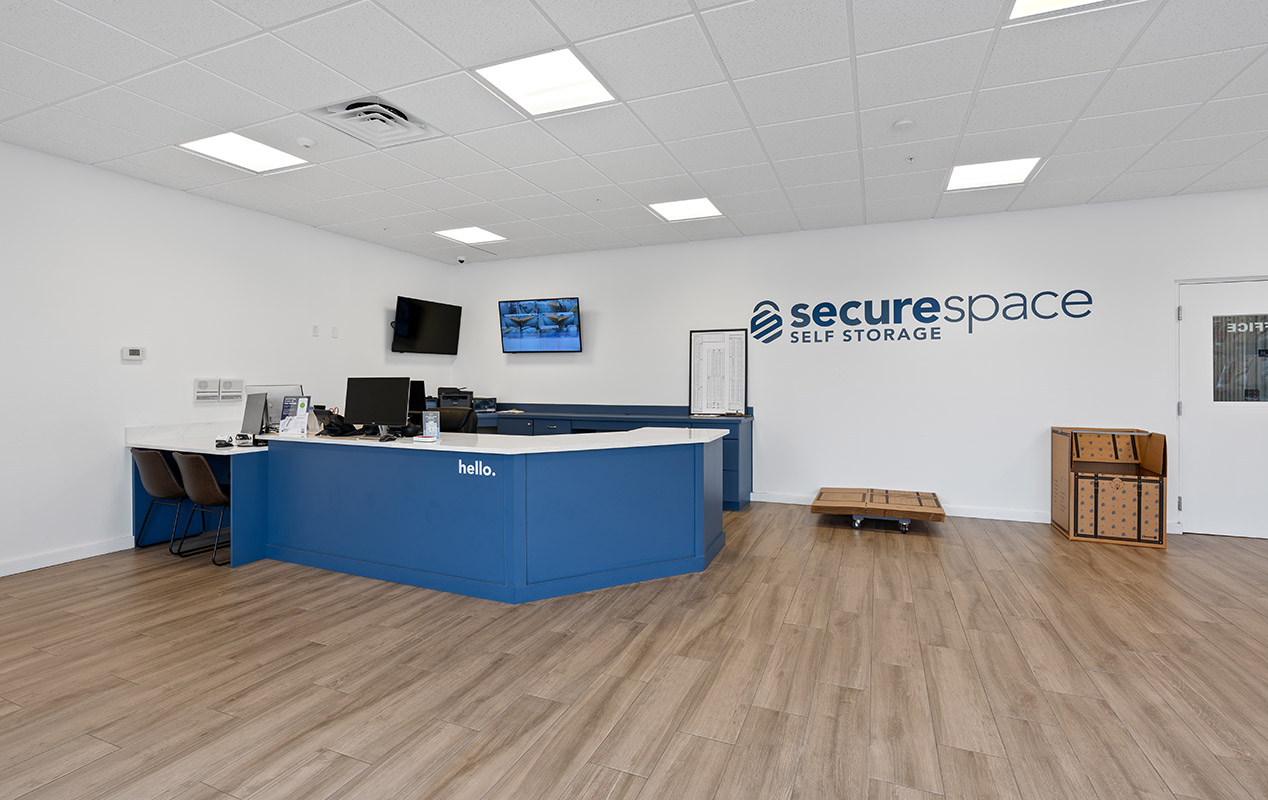
It Mitigates the "Drudgery" of Moving: The single-story layout, combined with modern contactless rental options, removes the two biggest friction points of storage: the physical exhaustion of elevators and the administrative hassle of front-desk paperwork. For a busy professional or a parent juggling a renovation, this reduction in "friction" is a quantifiable value.
For the residents of Riverview, self-storage is not merely about acquiring extra square footage; it is a tool for lifestyle enablement. It allows the new homeowner in South Fork to reclaim their garage for its intended purpose. It permits the renovator in Boyette to upgrade their home without living in chaos. It enables the boat owner in Panther Trace to pursue their passion without engaging in a legal battle with their HOA.
The SecureSpace facility at 10105 Gibsonton Drive represents a strategic node in this ecosystem. Its modern infrastructure, advantageous location relative to major traffic flows, and diverse unit mix make it a robust solution for the specific "mixed market" needs of South Hillsborough County.
By approaching this decision with a clear understanding of the local regulatory environment, traffic dynamics, and climate risks, residents can transform a storage rental from a monthly obligation into a genuine asset for their quality of life. The "smart" decision is not simply finding the lowest price per square foot; it is finding the extension of your home that offers the security, access, and environmental protection that life in Riverview demands.
Everything you need to store your belongings securely, on your schedule.
Visit us online