Last updated Jul 10, 2026
The decision to seek external storage in San Jose is rarely born from a simple desire to hoard; rather, it is a calculated response to the unique pressures of living in one of the nation's most dynamic and spatially constrained real estate markets. For residents of the neighborhoods surrounding the intersection of Hedding Street and Coleman Avenue—spanning the historic craftsman bungalows of the Rose Garden to the high-density modern developments of North San Jose—space is a currency as valuable as any equity portfolio. The operational reality of the 95110 ZIP code and its neighbors is defined by a distinct set of logistical challenges: the relentless traffic patterns of the I-880 corridor, the micro-climatic shifts of the Santa Clara Valley floor, and the architectural limitations of housing stock that ranges from 1920s historic preservation zones to 2020s efficient micro-apartments.
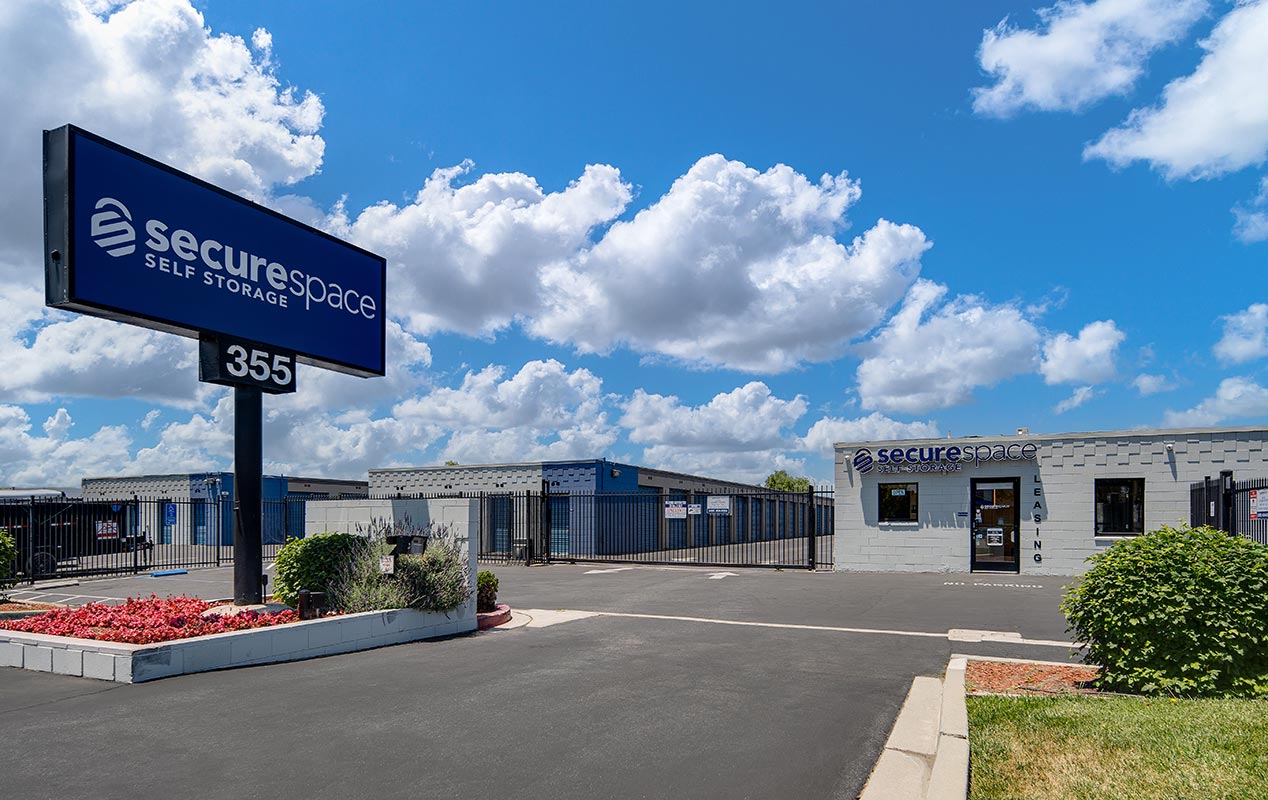
This report serves as a comprehensive decision-making framework for the local resident actively researching storage options. It moves beyond the superficial metrics of price per square foot to analyze the functional utility of the SecureSpace Self Storage facility located at 355 W Hedding St. By examining the facility through the lens of local lifestyle patterns—commute flows, renovation cycles, academic calendars, and urban density—we aim to answer the "in-between" questions that determine whether a storage solution becomes a streamlined asset or a logistical burden. The analysis is grounded in the specific context of San Jose's mixed-market environment, where suburban preservation meets urban intensification, requiring a nuanced approach to asset management and spatial planning.
The facility in question sits at a logistical nexus. Located just off the Coleman Avenue exit of I-880, it occupies a position that is geographically central yet operationally distinct from the deeply congested downtown grid. For residents of Japantown (95112), Santa Clara (95050), and the Alameda corridor (95126), this location represents a potential release valve for the pressures of modern urban living. However, determining if it is the correct fit requires a detailed examination of one's specific access needs, the environmental sensitivity of the items to be stored, and the integration of the facility into existing movement patterns. This guide provides the data and insights necessary to make that determination with confidence.
In the sprawling urban geography of the South Bay, "proximity" is a relative term defined more by time and traffic flow than by linear distance. A facility might be two miles away as the crow flies, but if accessing it requires crossing the congested arteries of Highway 87 or navigating the one-way grid of downtown San Jose during an SAP Center event, those two miles can translate into forty minutes of frustration. The strategic value of the 355 W Hedding St location lies in its integration with what local planners and residents informally recognize as the "Coleman Loop"—a high-frequency commercial and commuter corridor that serves as a logistical backbone for the surrounding neighborhoods.
The concept of "trip chaining"—combining multiple errands into a single continuous journey—is essential for efficiency in San Jose. The Hedding facility is situated adjacent to major regional draws, most notably the Costco on Coleman Avenue and the San Jose Market Center. For a resident of the Rose Garden (95126) or Northside (95112), a trip to Costco is often a weekly or bi-weekly ritual. By locating storage assets along this existing route, residents effectively eliminate the "storage trip" as a standalone obligation. Instead, a stop at the storage unit becomes a 10-minute detour within an already established itinerary.
This efficiency is particularly relevant for small business owners and contractors who frequent the hardware suppliers and home improvement centers located along the Coleman and De La Cruz corridors. The ability to load inventory or tools at a storage unit and immediately access the I-880 on-ramp or the commercial centers of Santa Clara transforms the storage unit from a static warehouse into an active logistical staging ground. The facility's extended access hours, typically running from 7:00 AM to 7:00 PM, align with these commercial rhythms, allowing for early morning pickups before the job site or evening drop-offs after the commute.
Understanding the specific traffic behaviors of the Hedding/Coleman intersection is vital for minimizing stress. While the location offers excellent freeway access, it is not immune to the region's congestion. Coleman Avenue serves as a primary connector between the airport, the downtown core, and the dense residential zones of Santa Clara. During peak commute hours, generally 3:00 PM to 7:00 PM on weekdays, traffic volume on Coleman increases significantly as commuters bypass the 101/880 interchange.
However, the specific positioning of the facility on W Hedding St offers a tactical advantage. W Hedding often acts as a secondary arterial, less prone to the gridlock of the main thoroughfares like The Alameda or El Camino Real. Residents approaching from the east (Japantown/Northside) can utilize Hedding St to cross under the freeways, avoiding the bottleneck at the Taylor St/87 interchange. For those coming from the west (Santa Clara/University), the Coleman exit provides a direct line that avoids the deep downtown one-way systems. The analysis of traffic patterns suggests that weekends, particularly Sunday mornings, and mid-day weekdays represent the "green zones" for low-friction access, ideal for moving large loads or organizing a unit.
For a significant subset of the local population—consultants, sales representatives, and gig-economy workers—the proximity to San Jose Mineta International Airport (SJC) is a defining feature. The facility is located mere minutes from the airport terminals, separated only by the Guadalupe River parklands. This proximity creates a specific utility for "fly-in, fly-out" professionals who may need to store trade show materials, product samples, or personal vehicles while traveling. The ability to drop off a vehicle or equipment at a secure location and immediately proceed to the terminal shuttle or rideshare pickup creates a seamless transition that remote storage locations cannot match. This "commuter logic" extends to those utilizing the nearby Caltrain College Park station, integrating storage access into the multi-modal transit habits that are becoming increasingly common in the Bay Area.
While location dictates convenience, the environmental conditions of the storage unit dictate the longevity of the items stored. The Santa Clara Valley creates a specific micro-climate that, while pleasant for humans, can be aggressive toward sensitive materials. The decision between a standard drive-up unit and an interior climate-controlled unit is not merely a matter of comfort; it is a matter of preservation physics.
San Jose experiences a Mediterranean climate characterized by warm, dry summers and mild, wet winters. However, the valley floor is subject to significant diurnal temperature variations. In the height of summer, daytime temperatures can easily exceed 85°F, while dropping into the 50s at night. In a non-insulated environment—such as a typical residential garage or a standard outdoor storage shed—these fluctuations are amplified. The internal temperature of a metal-roofed structure in the sun can spike well above 100°F during the day.
This phenomenon, known as "thermal cycling," is the primary enemy of many stored goods. Materials like wood, vinyl, and certain plastics expand and contract with temperature changes. Over time, this constant movement weakens joints in antique furniture, warps vinyl records, and degrades the adhesives in book bindings and electronics. For residents of 95126 and 95112, who often store historic home artifacts or high-value collections, the garage is statistically the most dangerous place for these items.
The SecureSpace facility at 355 W Hedding addresses this through the provision of interior, climate-controlled units. "Climate control" in this context refers to a system that actively manages the temperature range within the building, preventing the extreme highs and lows found outdoors. It does not necessarily mean the unit is kept at a precise "room temperature" like a living room, but rather that it is maintained within a band that prevents thermal shock.
The benefits of this system extend beyond temperature. By enclosing units within a larger building envelope, the facility significantly reduces the ingress of dust and particulate matter—a persistent issue in the valley due to local construction and pollen. For electronics, documents, and upholstery, this reduction in dust accumulation is as critical as temperature regulation. The interior nature of these units creates a stable, cleaner environment that mimics the conditions of a closet inside the home, rather than a shed in the yard.
While San Jose is generally dry, the winter months bring rain and increased humidity. In a poorly ventilated space, this moisture can become trapped, leading to mildew growth on fabrics and papers. Climate-controlled environments typically utilize HVAC systems that circulate air and manage humidity levels as a byproduct of temperature control. This is particularly relevant for residents in older neighborhoods like Japantown, where basements or older garages may be prone to dampness. Transferring items to a modern, elevated facility protects them from the ground-level moisture issues that can plague residential storage in flood-prone zones near the Guadalupe River.
The most common error in self-storage is selecting a unit based solely on price, only to discover it fails to meet the physical requirements of the items. To assist in this decision, we have developed a comparative framework that maps user scenarios to unit attributes.
Residents often underestimate the vertical volume available in a modern storage unit. A 5x5 unit, while sounding small, offers 25 square feet of floor space. However, with typical 8-foot ceilings, this translates to 200 cubic feet of volume. For residents of 95110 apartments, this verticality is key. By utilizing shelving or stacking robust boxes, a 5x5 unit can swallow the contents of a large walk-in closet—seasonal wardrobes, camping gear, and holiday decorations—clearing critical floor space in the apartment.
For larger transitions, such as clearing a room for a renovation in 95126, the 10x10 unit is the standard benchmark. This size roughly equates to an average bedroom. It can accommodate a mattress set, dresser, sofa, and dozens of boxes. The crucial factor here is "access paths." If you pack a 10x10 floor-to-ceiling, retrieving a specific item from the back becomes impossible. Renters anticipating frequent access should size up to a 10x15 to allow for an aisle, or commit to a meticulous inventory system.
The choice between drive-up and interior units is largely a trade-off between convenience and cleanliness.
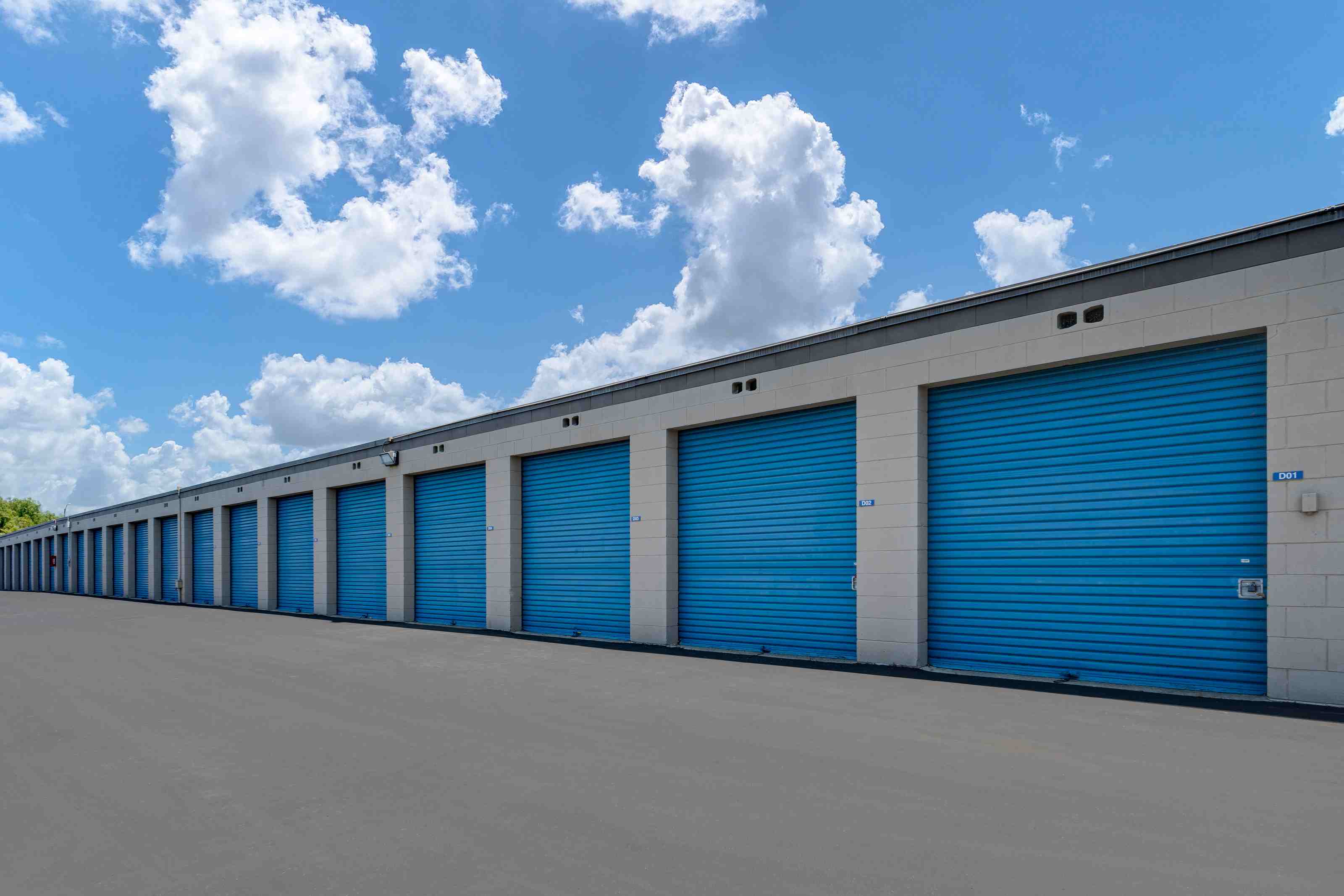
Drive-Up Units: These units function like a garage. You pull your vehicle directly to the door, minimizing the physical effort of carrying heavy items. This is the optimal choice for businesses moving inventory daily, or for storing heavy equipment like lawnmowers or motorcycles. However, these units are exposed to the ambient outside temperature and dust.
Interior Units: Accessed via hallways and elevators, these units require more effort to load (using carts). However, they offer superior protection from the elements and pests. For anyone storing household goods, clothes, or furniture, the interior unit is generally the superior choice for long-term preservation.
San Jose's dense neighborhoods, particularly Northside and Downtown, suffer from chronic parking shortages. Street parking is often permitted, timed, or subject to aggressive street sweeping enforcement. For residents with a second vehicle, a classic car, or a recreational vehicle, the dedicated parking options at the Hedding facility offer a solution that is both secure and legal. Unlike street parking, where a car left for 72 hours is subject to towing, a stored vehicle is secure for the long term. The facility offers specific parking spaces designed for this purpose, removing the anxiety of ticket patrols and vandalism risks associated with street parking in 95110.
In an urban environment like San Jose, where property crime is a tangible concern for residents, the security infrastructure of a storage facility is not a luxury—it is the primary product. The "peace of mind" touted in marketing must be backed by verifiable technology and operational protocols. The SecureSpace Hedding location represents a shift from the passive security of older "padlock and fence" facilities to a modern, active surveillance model.
Effective security is built on layers of deterrence and detection. The foundation at 355 W Hedding is the controlled access perimeter. Entry is restricted to authorized tenants via unique keypad codes, ensuring that traffic within the facility is tracked and logged. This "logged access" creates a digital paper trail of every person who enters and exits the property, a critical investigative tool that discourages casual opportunists.
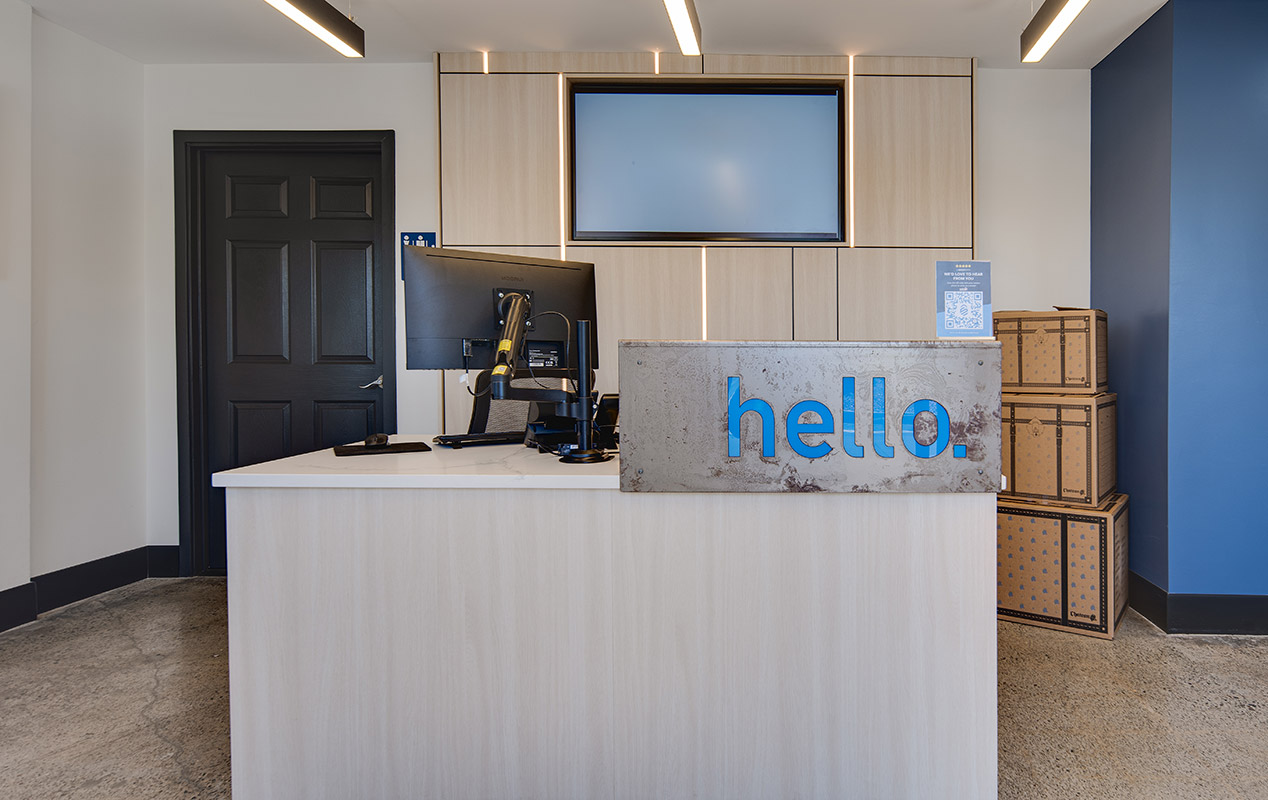
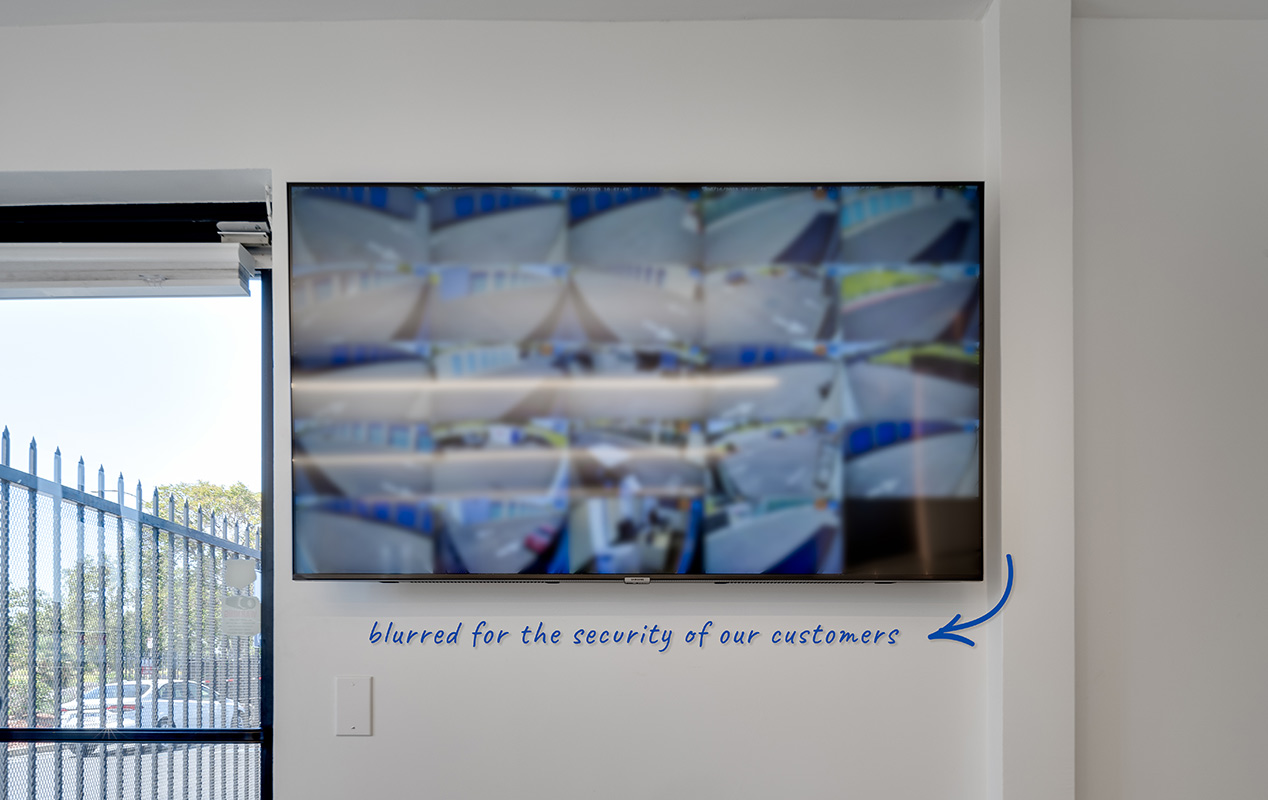
Supporting this physical barrier is a network of video surveillance cameras that monitor key transit points, hallways, and drive aisles 24/7. The visibility of these cameras acts as a primary deterrent. Furthermore, the presence of an on-site manager during business hours adds a human element of vigilance that automated "ghost" facilities cannot replicate. The manager performs physical walkthroughs and oversees the general order of the property, identifying potential issues (like a lock not fully engaged) before they become security breaches.
Where this facility differentiates itself is in the integration of individual unit monitoring technology, specifically the "Motion Guard" system available on select units. In a standard storage scenario, a breach of a unit door might go unnoticed until the next physical check. Motion Guard changes this dynamic by placing a sensor inside the unit itself.
If motion is detected within the locked unit, the system triggers an immediate alert. This alert is transmitted directly to the tenant's mobile device via text or app notification. This real-time feedback loop empowers the tenant to verify if they are accessing the unit or if an unauthorized event is occurring. Simultaneously, the system can trigger an audible alarm at the unit to startle the intruder. For residents storing high-value items—such as contractors with expensive tools or collectors with sensitive archives—this technology provides a level of granular security that transforms the unit into a smart, monitored vault.
Often overlooked, protection against pests is a critical component of security. The lush riparian corridor of the Guadalupe River, while a natural asset for the city, supports a robust ecosystem of wildlife, including rodents. A secure unit must be secure against all intruders, biological included. The facility employs a professional pest control program to monitor and mitigate this risk. The construction of the modern buildings, with sealed thresholds and concrete floors, further aids in excluding pests that easily penetrate older wooden garage structures in neighborhoods like Japantown.
The historic fabric of Japantown and Northside creates a specific tension between charm and capacity. Residents here prize the walkability and cultural heritage of the neighborhood, but often struggle with the logistical realities of 1920s infrastructure in a 2020s world.
A defining feature of the residential streets between North 1st and North 6th is the detached rear garage. Built in an era when households had one small vehicle (if any), these structures are often too narrow for modern SUVs and lack insulation. Residents face a binary choice: use the garage for the car and have zero storage, or use the garage for storage and park the car on the street.
Given the parking permit restrictions and street sweeping schedules in 95112, parking on the street is a hassle. The strategic move for many is to offload the "garage clutter"—holiday decorations, camping gear, old files—to a nearby unit at Hedding. This reclaims the garage for the vehicle, protecting one of the household's most expensive assets from sun damage, theft, and parking tickets. The proximity of the Hedding facility (less than a mile from the heart of Japantown) makes this off-site closet feel like a natural extension of the property.
Japantown is a vibrant commercial district with a dense concentration of restaurants, retail shops, and community organizations. Commercial rents in this walkable zone are high, making "back-of-house" storage expensive. Local business owners utilize the Hedding facility as a satellite stockroom.
Inventory Overflow: Retailers store off-season merchandise or bulk packaging supplies, keeping their prime retail square footage clear for products and customers.
Event Logistics: The neighborhood hosts major cultural events like the Obon Festival. The tents, staging, lanterns, and cooking equipment needed for these events are massive but used infrequently. Community groups utilize large drive-up units to store this infrastructure securely year-round, accessing it only during the setup weeks.
The 95126 ZIP code is synonymous with historic preservation and architectural grandeur. However, maintaining these "Grand Dames" of San Jose requires a logistical support system that the homes themselves often cannot provide.
Renovating a home in the Rose Garden or Shasta-Hanchett Park is a complex endeavor, often involving strict historic preservation permits and extended timelines. During these projects, which can stretch for months, homeowners face the challenge of protecting their possessions from the inevitable dust and chaos of construction.
Dust Control: Plaster dust from demolition is pervasive and abrasive. It embeds in upholstered furniture, curtains, and mattresses, often ruining them.
The Staging Strategy: Savvy homeowners utilize a 10x20 unit at the Hedding facility to completely clear the work zone before hammers swing. This not only protects the furniture but also speeds up the contractor's work, as crews don't have to constantly shuffle sofas around the room. The climate-controlled environment ensures that antique wood furniture does not warp or crack while out of the house.
Residents in this affluent enclave often possess collections that outgrow their home's display space—wine, art, first-edition books, or vintage vinyl. The basements of historic homes (where they exist) are often damp, and attics are scorching hot. Neither is suitable for preservation.
The Climate Necessity: For these items, the climate-controlled units at Hedding are non-negotiable. The stable temperature and humidity levels prevent the degradation that would occur in a home environment subject to the valley's thermal swings.
Security Assurance: The Motion Guard system appeals strongly to this demographic, offering an added layer of digital surveillance for high-value assets that insurance policies may require.
While located in Santa Clara, the university's ecosystem spills over into the storage market of the Hedding corridor. The student population operates on a distinct "academic time" that creates predictable, acute needs for storage.
The academic year at SCU typically ends in mid-June, with leases for off-campus housing often expiring around the same time. However, new leases for the fall term may not begin until August or September. This creates a "homelessness for stuff"—a 6 to 10-week gap where a student's entire life (bed, desk, clothes, mini-fridge) has nowhere to go.
The Bridging Strategy: Rather than hauling furniture back to parents' homes in SoCal or out of state—or worse, selling it at a loss and rebuying in fall—students utilize 5x10 units as a summer bridge.
Cost Sharing: It is common for a group of 3-4 housemates to collectively rent a 10x10 unit, splitting the cost. This makes the storage solution incredibly economical per person.
Timing is Everything: Demand spikes violently in late May. The smart move is to reserve a unit in April to guarantee availability and lock in a rate before the rush.
SCU has a high participation rate in study abroad programs. A student departing for a semester in Europe needs a secure repository for their car and personal effects.
Vehicle Storage: Leaving a car on the street near campus for 4 months is a guaranteed way to get it towed or vandalized. The secure parking at Hedding provides a safe harbor for the vehicle.
Peace of Mind: For parents co-signing these leases, the security features of the facility (cameras, gated access) provide reassurance that the student's belongings will be intact upon their return.
Willow Glen feels like a separate town within the city, characterized by its "Main Street" charm on Lincoln Avenue and a strong focus on family life and community traditions.
Willow Glen is regionally famous for its holiday spirit, particularly the elaborate Christmas decorations that adorn entire blocks. The storage footprint for this festive infrastructure is significant.
Reclaiming the Garage: As families grow, the garage often evolves into a home gym, a workshop, or a playroom. The dozens of bins of Halloween and Christmas decor become displaced.
The Seasonal Hub: Residents use a small interior unit at Hedding as a dedicated "Holiday Locker." This keeps the decorations organized and out of the way for 11 months of the year. The facility's location near the highway makes it easy to grab the bins on a weekend to start the decorating process.
As older residents in Willow Glen look to downsize from large family homes to smaller condos or retirement communities, they face the emotional and logistical task of sorting decades of possessions.
The Decisive Pause: A storage unit provides a "staging area" for this process. Rather than being forced to discard items immediately, downsizers can move heirlooms to a unit, allowing them to sort through them at a manageable pace and distribute them to family members over time. This reduces the stress of the move and prevents regret over hasty disposal decisions.
The northern flank of the city has transformed rapidly with the arrival of BART and high-density housing developments. This vertical living creates a "square footage crisis" for active residents.
Residents in these new developments often choose the area for its transit links and proximity to tech campuses. They are often young, active professionals who spend weekends in Tahoe, Santa Cruz, or Yosemite.
The Gear Problem: Modern apartments have minimal storage. Storing a kayak, a mountain bike, or muddy camping gear in a carpeted 1-bedroom apartment is impractical.
The Off-Site Solution: A ground-floor drive-up unit at Hedding serves as a mudroom/garage. Residents can drive in, load up their gear for the weekend, and drop it off Sunday night before returning to their pristine apartment. The location's immediate access to I-880 facilitates this "get up and go" lifestyle.
For the thousands of San Jose residents undertaking home improvements, storage is a critical tool in the project management kit. A messy site is a delayed site.
Objective: Remove all non-essential items from the construction zone and adjacent rooms.
Unit Choice: A 10x20 Drive-Up unit is ideal. It mimics a garage, allowing for rapid unloading of furniture.
Tip: Label boxes by room. When you move back in, you can direct movers to put "Living Room" boxes in the living room, saving days of sorting.
Objective: Receive and store materials.
The Problem: Ordering a vanity, lighting fixtures, or appliances often involves long lead times. If they arrive early, storing them on the job site risks damage from workers or theft.
The Fix: Ship items to your home or office, inspect them, and immediately move them to the unit. They stay safe and clean until the exact day the contractor is ready to install them.
Objective: Controlled move-in.
The Strategy: Do not rush to empty the unit. Bring back essential furniture first. Live in the renovated space for a few weeks to understand the new flow. Then, selectively bring back decor and secondary items. This prevents the "clutter creep" that often happens when you dump everything back in at once.
For San Jose's small business community, the 355 W Hedding facility offers a cost-effective alternative to commercial warehousing.
Online sellers running businesses from home in 95110 often overrun their living space with inventory.
Scalability: A storage unit allows a business to scale inventory up for Q4 (holiday season) and scale down in Q1 without signing a long-term commercial lease.
Organization: Shelving units can be installed in the unit to create a professional picking and packing environment.
Sales representatives and technicians covering the South Bay need a central depot.
The "Trunk" Extension: Instead of driving around with thousands of dollars of samples or parts in their car (a theft risk), reps use a small central unit to restock their vehicle daily.
Airport Synergy: The proximity to SJC allows flying reps to drop off trade show booths or large cases before heading to the airport, saving on oversized baggage fees and transport hassles.
Before you commit to a lease, run your specific situation through this final filter to ensure the Hedding location is the right match.
Scenario: You are clearing out a 1-bedroom apartment in 95112.
The Mistake: Renting a 5x5 because it "sounds big enough" for boxes, forgetting the mattress.
The Reality: A 5x5 is a walk-in closet—great for boxes and seasonal gear. A 5x10 is required if you have a queen mattress and a sofa. A 10x10 handles the contents of a standard 1-bedroom apartment (approx. 750 sq. ft.).
Pro Tip: Ceiling height matters. This facility offers first-floor access which often makes utilizing vertical space (stacking) significantly easier than navigating elevators with heavy furniture.
Scenario: You are a business owner in 95131 storing inventory.
High Frequency: If you need to grab stock daily, drive-up access is non-negotiable. It saves hours of labor over the course of a month. The Hedding location has substantial drive-up inventory.
Low Frequency: If you are storing renovation overflow from a house in 95126, an interior unit is often cleaner (less dust ingress) and offers better climate protection.
Scenario: You live in a condo in 95110 with only one parking spot.
The Need: Storing a recreational vehicle or an extra car.
The Fit: San Jose has strict street parking rules, especially near the airport and downtown. This facility provides dedicated parking options for vehicles, a critical amenity where street sweeping tickets are a constant threat.
The decision to rent storage at SecureSpace San Jose Hedding is ultimately a decision to regain control over your environment. In a city defined by movement—of traffic, of technology, of housing markets—having a static, secure anchor for your possessions provides a profound sense of stability.
This facility is not just a collection of metal doors; it is a piece of infrastructure that supports the varied lifestyles of the Coleman corridor. It allows the Japantown resident to keep their historic home uncluttered. It enables the Rose Garden homeowner to preserve their investments during a renovation. It gives the Santa Clara student a bridge between years. And it offers the commuter a strategic waypoint in their daily journey.
By aligning state-of-the-art security technology like Motion Guard with the practical necessities of drive-up access and climate control, the location bridges the gap between a simple warehouse and a modern service. For the resident of 95110 and its neighbors, it represents the smart, low-stress choice—a way to expand your footprint without expanding your mortgage, right in the heart of the city.
Everything you need to store your belongings securely, on your schedule.
Visit us online