Last updated Jul 10, 2026
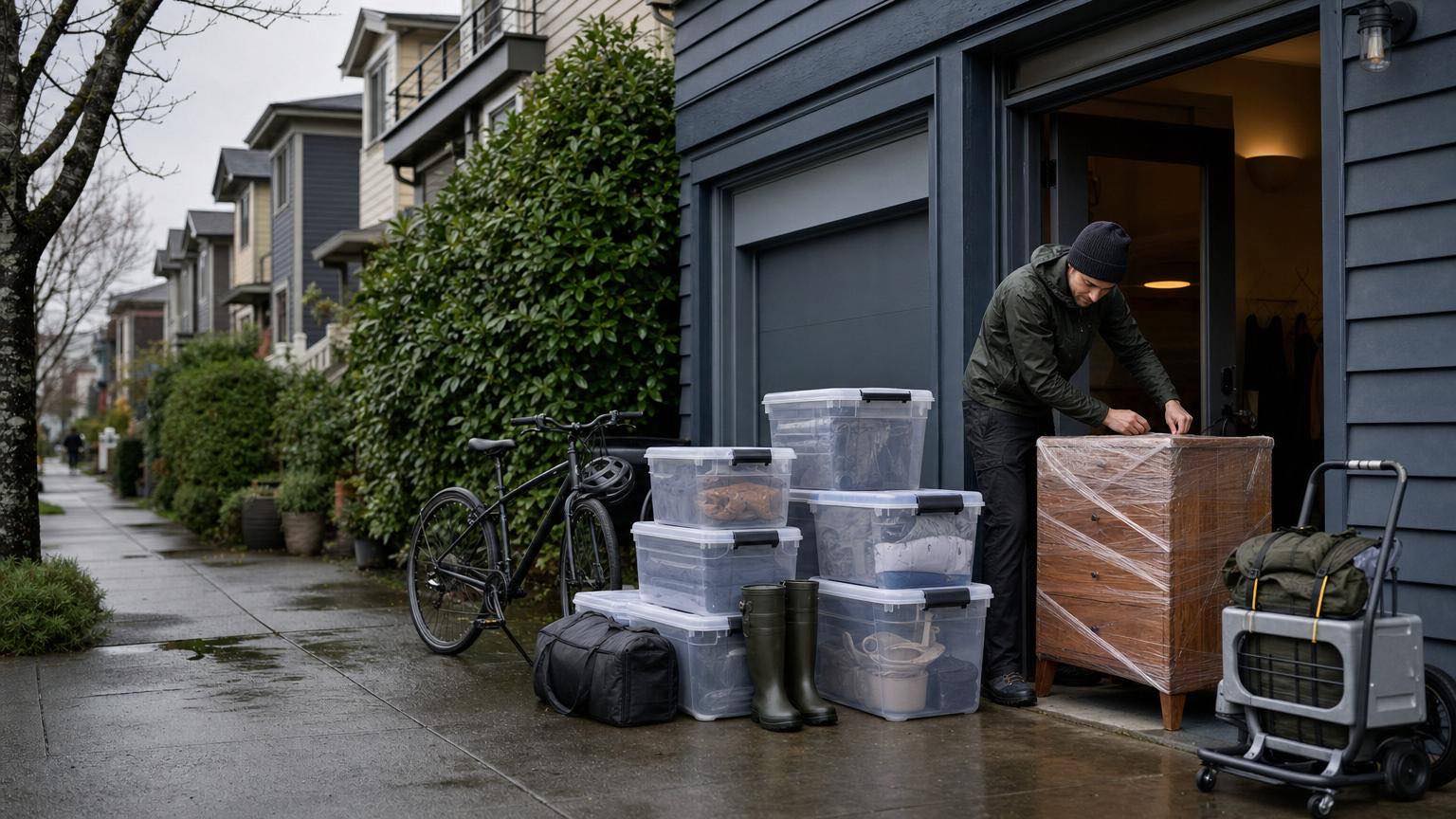
In many regions of the United States, the utilization of self-storage is a straightforward transactional engagement driven primarily by surplus accumulation. The operational model is simple: an individual possesses an excess of material goods, locates a secure repository on the periphery of a residential zone, secures the unit, and minimizes subsequent interaction. However, in the Pacific Northwest—and specifically within the dense, maritime-influenced neighborhoods of North Seattle such as Ballard, Magnolia, and Queen Anne—the storage equation is fundamentally distinct. Here, the decision to rent storage is rarely a function of simple hoarding; rather, it is a strategic logistical response to a unique convergence of environmental pressures, rapid urban densification, and complex transportation geography.
For residents investigating storage options within the 98107, 98199, and 98119 ZIP codes, the process is not merely about finding "space." It is about navigating the specific architectural constraints of the local housing stock—from the "skinny" townhomes of Ballard lacking garages to the moisture-prone basements of historic Craftsman homes in Wallingford. It involves a complex calculus of traffic patterns, specifically the bottlenecks created by the Ship Canal crossings, and a constant vigilance against the pervasive humidity of the Salish Sea air.
This report serves as a definitive, expert-level guide for residents actively researching storage solutions in this hyper-local market. It moves beyond superficial marketing rhetoric to address the substantive "in-between" questions that define the user experience: the physics of moisture control in a marine climate, the logistical choreography of navigating the Ballard Bridge during peak maritime traffic, and the spatial geometry required to fit a modern one-bedroom apartment into a storage unit. By analyzing the interplay between local geography, climate science, and urban housing trends, this document aims to equip the reader with the insights necessary to make a low-stress, durable decision that aligns with the realities of life in Seattle.
One of the most critical, yet frequently underestimated, variables in the selection of a storage facility in North Seattle is the reality of the area's traffic topography. The concept of "proximity" is relative in a city defined by water barriers; a facility may be geographically close but logistically distant if the route necessitates crossing the Ship Canal during peak hours.
For residents in Magnolia (98199), Queen Anne (98119/98109), and Ballard (98107), the Ballard Bridge serves as the primary logistical chokepoint. It functions not only as a commuter artery but also as a federally regulated drawbridge that prioritizes maritime traffic. This dual function creates a variable "time tax" on any trip involving the crossing.
The Magnolia Reality: Geographically, Magnolia functions as a peninsula with limited access points. Residents effectively live on an island. To access commercial services or storage, they must traverse the bridge. Consequently, choosing a storage facility located immediately across the Ballard Bridge on the north side offers a strategic advantage. It allows residents to "land" in South Ballard, perform their storage tasks, and potentially combine the trip with errands at the major retail hubs along 15th Ave NW or Market Street. This contrasts with facilities located deep in the industrial zones of Interbay, which may lack the modern climate-control infrastructure found in newer developments, or those further north in Greenwood, which require navigating the entirety of Ballard's internal traffic.
The 15th Ave NW Corridor and Construction Impacts: The recent and ongoing "15th Ave W/NW and Ballard Bridge Paving & Safety Project" has fundamentally reshaped traffic flows in the corridor. While these improvements—including repaving, new pedestrian signals, and transit lanes—enhance long-term safety, they currently contribute to congestion and altered turn patterns. A storage facility located just off this main arterial—specifically on a parallel route like the historic Ballard Avenue NW—provides a significant logistical benefit. It affords the user accessibility to the main corridor without forcing them to engage directly with the high-speed, high-volume stress of 15th Ave NW for ingress and egress. The ability to utilize surface streets such as Leary Way or Shilshole Ave NW as "escape valves" when the main arterial is backed up is a critical site-selection criterion.
Queen Anne Accessibility: For those residing on the north slope of Queen Anne or in Interbay, the northbound commute across the bridge is a daily ritual. A location in the southern quadrant of Ballard (specifically near the 4700 block of Ballard Ave NW) acts as a natural entry point after crossing the canal. This positioning avoids the deeper congestion found further north near NW 65th St or the commercial density of Market Street, creating a "quick-in, quick-out" dynamic for users approaching from the south.
Prospective renters are advised to perform a "Drive-By Test" at 5:00 PM on a weekday to simulate the actual conditions of access.
Approach Vector: Evaluate the lane changes required to enter the facility. Is there a dedicated turn lane, or must one impede traffic flow to enter? The presence of a dedicated turning lane or a quiet side-street entrance is a major reducer of driver stress.
The Drawbridge Variable: Check the bridge opening schedule. Maritime traffic often peaks on summer afternoons. A facility that is accessible via alternative routes (e.g., from the east via Fremont) provides redundancy when the bridge is raised.
Parking & Loading Infrastructure: Upon arrival, the availability of dedicated infrastructure is paramount. In dense urban neighborhoods like Ballard, street parking is highly competitive. A facility offering a dedicated, off-street loading area—preferably covered to mitigate rain exposure—is not a luxury; it is an operational necessity.
Discussions regarding storage in Seattle are incomplete without addressing the physics of moisture. While the region is renowned for precipitation, the primary threat to stored goods is relative humidity and the resulting potential for microbial growth (mold and mildew).
The "Mild" Danger: Seattle's winter climate is characterized by temperatures consistently hovering between 40°F and 50°F. Unlike regions with hard freezes that halt mold growth, Seattle's "mild" winters maintain the ideal temperature range for fungal proliferation. This creates a persistent risk for porous materials such as wood, leather, upholstery, and paper documents.
Heated vs. Climate Controlled: In many national markets, "climate controlled" is synonymous with air conditioning, designed to combat heat. In the Pacific Northwest, the more relevant and critical feature is heating. By maintaining the ambient temperature of a unit slightly above the outdoor dew point, a heated facility effectively lowers the relative humidity of the air within the unit. This physics-based approach prevents moisture from condensing on cool surfaces. When evaluating options, users should prioritize facilities that explicitly mention "heated" units, as this indicates an infrastructure designed specifically for the cool, damp local winter, rather than a generic cooling system.
The Loading Dock Exposure Risk: The transition from vehicle to unit is a critical point of vulnerability. Transferring a mattress or sofa from a truck to a storage unit during a rainstorm introduces moisture into the item immediately before long-term storage. Once that moisture is trapped inside a mattress cover or plastic wrap, no amount of internal climate control can fully extract it. Consequently, covered loading areas are a critical infrastructure requirement for preserving asset value. If a facility requires users to park on the street and transport items through the elements, the risk of moisture damage increases significantly.
Storage requirements are not uniform; they are heavily dictated by the specific housing typologies and lifestyle patterns of the surrounding neighborhoods. The following analysis breaks down the storage triggers and logistical considerations for residents across the primary ZIP codes.
The Context: Ballard has experienced one of the most aggressive urban transformations in Seattle. The historic fabric of the neighborhood—once dominated by fishing industry cottages—has been overlaid with a dense network of mixed-use condo buildings and townhouse developments, particularly in the blocks surrounding Market Street and Ballard Avenue.
The Housing Shift: The quintessential Ballard bungalow is increasingly being replaced or flanked by modern "skinny" townhomes. While these structures maximize vertical square footage, they often do so at the expense of storage utility. Garages, if present, are often too compact for both a vehicle and storage, or are replaced by carports that leave gear exposed to the elements. These homes typically lack the basements found in older stock, eliminating the traditional "junk room."
The Storage Trigger: Residents in 98107 are frequently "lifestyle storers." The proximity to Shilshole Bay and Golden Gardens Park drives ownership of outdoor equipment such as kayaks, paddleboards, and bicycles. Additionally, the easy access to the mountains via I-5 drives ownership of ski and snowboard gear. The storage need here is not for static hoarding but for the rotation of active lifestyle gear that simply does not fit in a 1,200-square-foot townhome.
Why Location Matters: For the urban resident of Ballard, the storage unit functions as an external closet. Accessibility must be high-frictionless. A facility located on Ballard Ave NW places the resident's gear directly within their daily sphere of activity—adjacent to the Sunday Farmer's Market, the brewery district, and routine grocery runs. This proximity supports a "grab-and-go" lifestyle where retrieving a paddleboard for a twilight session at Golden Gardens does not require a major logistical detour.
The Context: Magnolia retains a distinct character as a bastion of single-family homes, often situated on larger lots with significant landscaping. However, a demographic shift is underway as long-time residents seek to downsize from 3,000-square-foot family homes to smaller, lower-maintenance condos or apartments in nearby urban hubs like Interbay or Ballard.
The Housing Shift: The "empty nester" transition is a primary market driver in 98199. The move from a large house to a smaller footprint necessitates a staging ground for decades of accumulated possessions—furniture, family heirlooms, and archival records. These are items that families are not yet ready to discard but which cannot be accommodated in a new, streamlined living space.
The Storage Trigger: This scenario creates a need for "transitional storage" that often evolves into long-term preservation. Security and environmental stability are paramount here, as the items being stored often hold significant sentimental or financial value (e.g., antiques, fine art, family photo archives).
Why Location Matters: As previously noted, the bridge is the defining barrier. A Magnolia resident is generally averse to driving deep into North Seattle or navigating the congestion of the University District. A facility located just across the bridge in Ballard serves as a convenient "off-island" vault. It offers the modern amenities (elevators, advanced security, climate control) that are often lacking in the older, industrial-zoned facilities found in the Interbay valley, while remaining just minutes from home.
The Context: Queen Anne is defined by its dramatic topography. The steep gradients and narrow, winding streets of the "Counterbalance" and the north slope present unique challenges for logistics and home maintenance.
The Housing Shift: Renovation is a constant activity on Queen Anne Hill. Homeowners modernizing classic Craftsman or Tudor homes often require the complete clearance of specific floors or zones for extended periods. This "project storage" requires a clean, secure extension of the home.
The Storage Trigger: The need here is often for temporary but high-volume space to house high-end furniture, appliances, and fixtures during a remodel. The protection of these assets from dust and damage is the primary goal.
Why Location Matters: Operating a moving truck on the steep hills of Queen Anne is logistically hazardous. Residents and movers alike prefer to load the vehicle once, navigate down the hill, and deposit the contents in a facility with flat, easy access. The route down 15th Ave W to Ballard is a direct, arterial descent that avoids the complexities of cross-town traffic or the congestion of downtown Seattle. A facility in South Ballard serves as the logical "staging area" for Queen Anne projects.
The Context: These neighborhoods represent a blend of historic charm and intense urban density. The "Center of the Universe" in Fremont is vibrant but spatially constrained, with a high concentration of shared housing and older rental stock.
The Housing Shift: Basement apartments and shared living arrangements are common in 98103. However, the older housing stock often suffers from damp basements, rendering on-site storage unsafe for clothing, electronics, or paper goods.
The Storage Trigger: The primary driver is "overflow storage" and "environmental protection." Residents need to create breathing room in shared houses or protect valuable items from the moisture inherent in unsealed basements.
Why Location Matters: Residents of Wallingford and Fremont frequently travel west toward Ballard for dining, nightlife, and shopping. A storage location in Ballard aligns with the natural "flow" of their weekly errands, whereas traveling north to Shoreline or south to SoDo feels like a departure from their neighborhood orbit. Utilizing Leary Way provides a flat, industrial route that avoids the congestion of N 45th St, making it ideal for transporting goods.
In the dry climates of Arizona or Nevada, storage can be a passive activity. In the Pacific Northwest, however, the "set it and forget it" mentality is a recipe for damage. The environment is chemically active; humidity levels fluctuate diurnally and seasonally, dust settles, and pests seek thermal refuge. Successful storage in Seattle requires a proactive, defensive strategy that acknowledges the atmospheric realities of the region.
To ensure that belongings are retrieved in the same condition they were stored, residents must employ a multi-layered defense strategy against moisture ingress.
Layer 1: The Facility Infrastructure: This is the foundational layer of defense. A facility equipped with heated units actively manipulates the psychrometric properties of the air. By raising the temperature, the system lowers the relative humidity, increasing the air's capacity to hold moisture rather than depositing it on surfaces. This is vastly superior to unheated "drive-up" units for sensitive items like electronics, wood furniture, and natural fabrics, which are susceptible to warping and mold growth in damp conditions.
Layer 2: The Packing Material: The choice of packing materials is critical. Residents should avoid the use of sealed plastic bags for the long-term storage of fabrics or leather. Plastic can trap residual moisture inside with the item, creating a micro-greenhouse effect that accelerates mold growth. Instead, breathable covers (such as cotton sheets or specific mattress bags with ventilation) should be used for furniture. Wardrobe boxes are effective for clothing as they allow air to circulate around the garments, preventing the musty odors associated with stagnant air.
Layer 3: The Chemical Buffer: Even within a heated unit, the addition of a moisture absorber provides a necessary safety margin. Silica Gel: This desiccant is most effective in small, sealed environments. It is ideal for use inside plastic bins containing electronics, photographs, or documents. It aggressively adsorbs moisture in tight spaces, keeping the micro-environment dry. Calcium Chloride (e.g., DampRid): This is effective for the larger, open space of the unit itself. However, caution is required; the liquid brine collected by these systems is corrosive. Users must ensure the bucket is stable and positioned where it cannot tip over. The "Air Gap" Principle: A critical rule of physics in storage is to never place furniture directly against an exterior wall or directly on a concrete floor. Concrete is porous and can wick moisture from the ground. Users should utilize pallets or the facility's shelving to create airflow underneath items. Furthermore, leaving a small gap between stacks of boxes and the walls allows the building's ventilation system to circulate warm, dry air around the goods, disrupting the stagnant pockets where mold thrives.
For the Seattle market, the consensus among experts leans heavily toward plastic bins, though with specific caveats.
The Case for Plastic: Plastic containers offer a waterproof barrier against external threats, such as a roof leak or a liquid spill in a neighboring unit. They are also impervious to pests like silverfish and cockroaches, which are attracted to the starch-based glues used in cardboard boxes. Clear bins provide the additional utility of visibility, allowing users to identify contents without breaking the seal.
The Caveat: The impermeability of plastic is a double-edged sword. If damp items (e.g., a tent that wasn't fully dried, or clothes slightly damp from a dryer) are packed into a plastic bin, they will mold. It is imperative that all contents be bone dry before sealing.
The Role of Cardboard: High-quality, double-walled cardboard boxes are acceptable for short-term moves (1-3 months). However, for long-term storage (6 months or more) in a humid climate, cardboard can absorb ambient moisture over time. This hygroscopic nature causes the boxes to soften, particularly at the bottom of a stack, leading to structural failure and potential collapse. If cardboard is used, it should be new, sturdy, and kept strictly off the floor.
Security in an urban environment like 98107 extends beyond a perimeter fence; it is a function of technology and visibility. The era of the passive night watchman has been superseded by integrated digital systems.
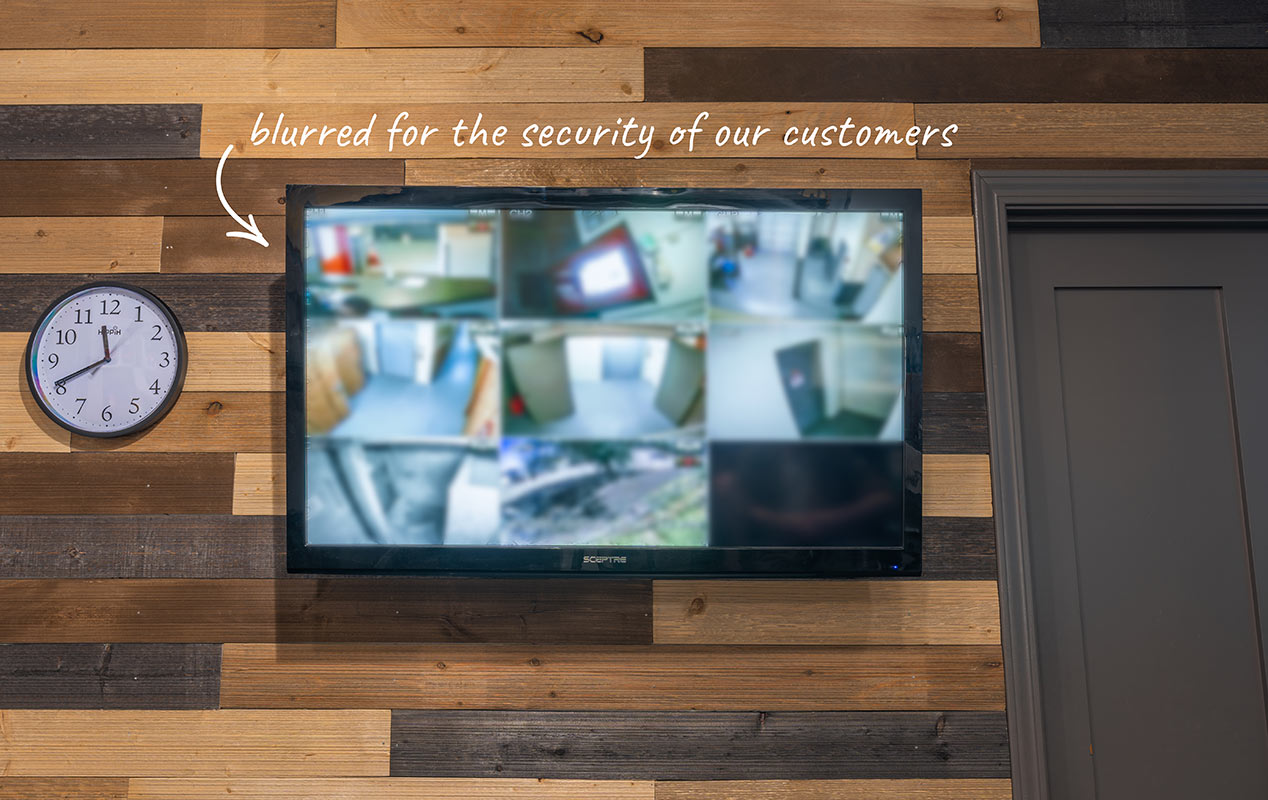
Individual Door Alarms: A key feature to verify is whether every unit door is individually alarmed. In advanced facilities, opening a unit door without first entering a valid access code at the gate or keypad triggers an immediate alarm. This level of granularity is standard in modern, multi-story facilities but remains rare in older drive-up rows.
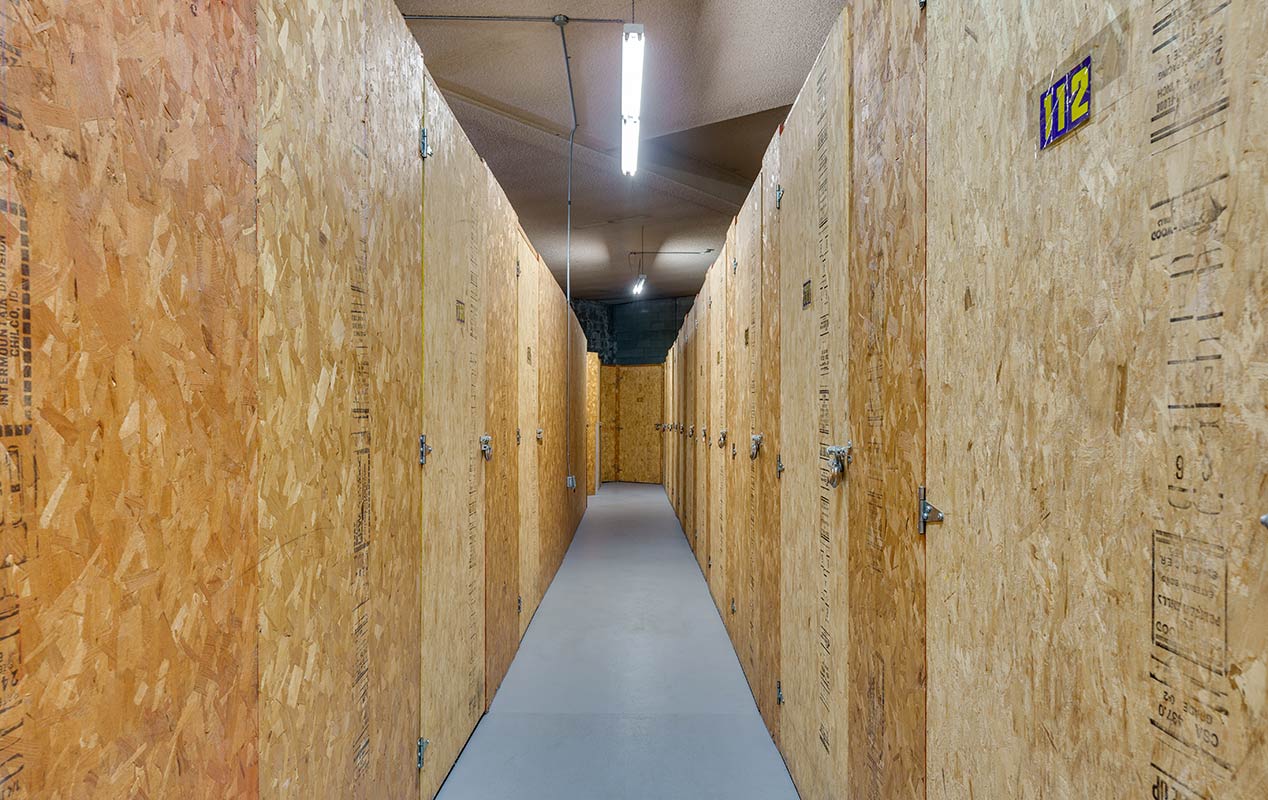
Bright Lighting: Perceptual security is as important as physical security. A well-lit hallway acts as a deterrent and a comfort factor. Motion-sensor LED lighting that illuminates the path ahead of the user is a critical feature to look for during a facility tour. It ensures that there are no dark corners and allows for safe operation during evening visits.
The "Clean" Factor: Cleanliness serves as a proxy for security. A facility that is meticulously swept, free of debris, and well-maintained signals that management is present, attentive, and actively monitoring the space. Conversely, neglect in maintenance often correlates with neglect in security monitoring and pest control.
The design and functionality of the loading area are often the most undervalued aspects of a storage facility until the day of the move. In Seattle, the loading experience can be the difference between a smooth operation and a ruined inventory.
Covered Loading: Given the frequency of precipitation in the region, a covered loading bay is non-negotiable for serious storage needs. A facility that offers a drive-in, covered loading area allows users to back a truck or van completely out of the rain. This infrastructure protects mattresses, sofas, and electronics from water damage during the critical transfer phase and significantly reduces the stress of moving in inclement weather.
Elevator Capacity: For units located on upper floors, the dimensions and capacity of the elevator are critical constraints. A standard passenger elevator is often insufficient for moving a Queen-size mattress or a large sofa without awkward maneuvering. Modern facilities typically specify "freight-sized" or high-capacity elevators designed to accommodate long items and heavy dollies, facilitating a more efficient move.
Carts and Dollies: The availability of material handling equipment is a key efficiency multiplier. Does the facility provide flatbed carts? Attempting to move twenty boxes by hand is physically exhausting and inefficient. A facility that maintains a fleet of sturdy, freely available carts in the loading bay demonstrates an understanding of the logistical realities of moving.
It is crucial for renters to distinguish between the two distinct timeframes that govern facility operation.
Office Hours: This is the window during which administrative staff are present to facilitate rentals, sell supplies, or address billing inquiries (typically 9:00 AM – 6:00 PM).
Access Hours: This is the window during which existing tenants can access their units (typically extended, e.g., 6:00 AM – 10:00 PM).
The "24-Hour" Myth: While often requested, true 24-hour access is increasingly rare in urban residential storage due to security liabilities. For the vast majority of residential users, access until the late evening is sufficient. The trade-off for restricted overnight access is often a higher security profile; a facility that is closed and alarmed at night is generally more secure than one with open traffic at 3:00 AM. Predictable, monitored access hours contribute to a safer environment for all users.
A common error among first-time storage users is the underestimation of volumetric requirements. The "efficiency" of packing a unit tightly often comes at the cost of accessibility. It is generally strategically superior to rent a slightly larger unit that allows for an aisle, rather than a smaller unit packed so densely that it requires total excavation to retrieve a single item.
The following table translates common Seattle housing scenarios into specific storage unit requirements, based on typical local floor plans.
Your Home Size — The Scenario — Recommended Unit Size — Why?
Studio / Micro-Unit (400-500 sq ft) — Moving out completely or long-term travel. — 5x10 — This size fits a Queen mattress, a small sofa, a TV, and approximately 15-20 boxes. It is roughly equivalent to a large walk-in closet.
1-Bedroom Apartment (600-800 sq ft) — Renovation displacement or Gap Move. — 5x15 or 10x10 — A 5x10 is typically too tight for a fully furnished 1-bedroom if the inventory includes a sectional sofa or a dining set. The 5x15 configuration provides necessary depth for long items and a walkway.
2-Bedroom Condo (900-1100 sq ft) — Downsizing transition or full Remodel. — 10x10 — This unit holds the contents of two bedrooms (mattresses, dressers) plus living room furniture. High stacking is required to maximize the 800 cubic feet of volume.
Townhouse (1200+ sq ft) — Whole house storage during major work. — 10x15 or 10x20 — Townhomes often contain appliances (washer/dryer) and garage gear (bikes/racks) in addition to furniture. The extra square footage is needed for these bulky, non-stackable items.
Just "Gear" (No Furniture) — Ski/Camp/Kayak lifestyle storage. — 5x5 or 5x10 — A 5x5 is ideal for the vertical storage of skis and stacked bins of camping gear. Note: If storing a sea kayak, check the diagonal length of the unit or ceiling height first to ensure fit.
Verticality: Renters pay for volume (cubic feet), not just floor space (square feet). To maximize value, users should invest in sturdy shelving units (plastic or metal) to stack bins safely to the ceiling. This prevents crushing of lower boxes and keeps items organized.
Disassembly: The disassembly of furniture is a high-leverage activity. Removing legs from tables and breaking down bed frames can save a massive amount of space and prevent damage during transport. Taping screws and hardware to the furniture piece ensures reassembly is possible later.
The Aisle: For any unit larger than a 5x5, creating a narrow aisle down the center is essential. The laws of probability dictate that the item needed most urgently will be in the box at the very back of the unit. An aisle preserves access without requiring a complete unpack.
While price is undeniably a primary factor in the decision-making process, the lowest headline rate often conceals hidden costs, particularly in the demanding environment of Seattle.
The "Moisture Tax": A lower-cost, unheated drive-up unit might offer a monthly saving of $30, but if the lack of climate control leads to mold growth on a mattress or sofa, the replacement cost (potentially exceeding $1,000) far outweighs the rental savings.
The "Time Tax": A facility located 5 miles further north in Shoreline might be less expensive, but if accessing it requires a 45-minute drive through Greenwood congestion, the friction of distance will deter frequent use. For residents who value their time, the premium for a local facility is often recouped in travel time savings.
The Insurance Requirement: Almost all reputable facilities require tenant insurance to protect stored goods. Before purchasing a policy from the facility, residents should check their existing homeowners or renters insurance policy. Many policies provide coverage for off-site storage. Bringing a declaration page to the lease signing can often waive the facility's separate insurance fee, resulting in immediate savings.
To ensure a facility meets the specific needs of a Seattle resident, prospective renters should ask the following targeted questions before committing:
"Is the loading area covered, and does it have direct elevator access?" (This confirms the facility's suitability for rainy-day moves).
"Do you have freight elevators, or are they standard passenger size?" (This determines the feasibility of moving large furniture items).
"How is the building heated, and is there a target temperature range?" (This confirms active climate management rather than passive protection).
"Are there individual door alarms on every unit?" (This validates the security infrastructure level).
"Can I use my own lock, or is a specific type required?" (Cylinder locks are the industry standard for security; checking if one can be brought from a previous rental or must be purchased is a valid budget question).
Choosing a storage unit in Ballard, Magnolia, or Queen Anne is a decision that extends beyond simple square footage cost. It is about selecting a partner in urban logistics. It involves the assurance that when navigating the Ballard Bridge in a November rainstorm, there is a dry, warm, and secure destination for one's belongings. It is about the confidence that a family heirloom will remain preserved against the persistent dampness of the Pacific Northwest winter.
By focusing on location efficiency (proximity to daily routes), climate protection (heated units), and modern infrastructure (covered loading), residents can transform a stressful logistical challenge into a manageable component of urban living. Whether the need is driven by a renovation on Queen Anne Hill, a downsizing move in Magnolia, or the simple accumulation of lifestyle gear in Ballard, the optimal storage decision is the one that provides security and accessibility without requiring constant worry.
Landscape: A unique convergence of industrial maritime history and a modern influx of technology workers and young families.
Key Arterials: Market St, 15th Ave NW, Ballard Ave NW, Shilshole Ave.
Storage Use Case: The Condo Overflow. With the completion of new mixed-use developments like "Ballard Yards" and others that often minimize basement storage, residents require a "second closet" for seasonal items.
Specific Tip: For residents on the west side (Sunset Hill), avoid crossing 15th Ave NW during rush hour if possible. Choosing a facility that allows access via Seaview Ave or 32nd Ave NW enables one to bypass the central congestion points, turning a stressful commute into a manageable local trip.
Landscape: Quiet, residential, hilly, and relatively isolated from the city grid.
Key Arterials: W Dravus St, W Emerson St, Magnolia Bridge.
Storage Use Case: The Empty Nest Purge. Large, view-oriented homes shedding decades of accumulation as owners transition to smaller spaces.
Specific Tip: Utilize the "Dravus Cut-through." When heading to Ballard for storage, taking W Dravus St to 15th Ave W is often faster than the W Emerson St options during periods of bridge activity. This route provides a more direct insertion into the traffic flow across the bridge.
Landscape: Characterized by steep slopes, historic architecture, and narrow, tree-lined streets.
Key Arterials: Queen Anne Ave N, W Mercer St, 15th Ave W.
Storage Use Case: Renovation Staging. The need to clear rooms for contractors without cluttering the remaining living space.
Specific Tip: It is inadvisable to attempt a self-move with a large rental truck on the steeper grades of the hill. The risk of mechanical strain or accident is high. The preferred strategy is to hire professional movers to shuttle items down to a facility on the flatlands (Interbay/Ballard). The cost of movers is often justified by the risk mitigation on the "Counterbalance."
Landscape: Dense, artistic, and bustling with activity.
Key Arterials: N 45th St, Fremont Ave N, Aurora Ave N (Hwy 99).
Storage Use Case: Small Business & Apartment Living.
Specific Tip: Utilizing Leary Way to access Ballard storage allows residents to avoid the intense congestion of N 45th St and the bottlenecks associated with the Fremont Bridge. It is a flat, industrial route that is far more navigable for moving vans and loaded vehicles.
Everything you need to store your belongings securely, on your schedule.
Visit us online