Last updated Jul 10, 2026
For residents of the Interbay peninsula and its surrounding hills—Magnolia, Queen Anne, and Ballard—the decision to secure external storage is rarely a simple matter of "finding extra space." It is a complex calculation involving urban logistics, real estate fluidity, traffic psychology, and the specific climactic challenges of the Pacific Northwest. In a city defined by water boundaries and steep topography, the "value" of a storage unit is not determined merely by its square footage or its monthly rate, but by its ability to reduce friction in daily life.
This comprehensive report serves as an exhaustive, hyper-local guide for individuals actively researching storage options near 2707 West Commodore Way. It bridges the gap between the abstract concept of "self-storage" and the concrete realities of living in ZIP codes 98199, 98119, 98107, and the adjacent downtown corridors. By analyzing local housing stock—from the historic Craftsman homes of Lawton Park to the micro-studios of Belltown—and correlating this with traffic patterns (specifically the impact of the 15th Ave W projects) and the unique moisture profiles of the Puget Sound waterfront, this document provides a decision-making framework that prioritizes access efficiency, asset preservation, and long-term peace of mind.
The findings detailed in the following sections indicate that for residents of these specific neighborhoods, the optimal storage solution is one that functions as a "logistical lung"—a breathing room accessible enough to be part of a weekly routine, yet situated to bypass the area's most notorious bottlenecks. This guide offers no sales pitches; rather, it provides a logistical blueprint for making a low-stress decision in a high-density, rain-prone market.
To understand the storage needs of this region, one must first understand its geography. Living in Magnolia (98199) or Queen Anne (98119) creates a unique "island" psychology. While geographically connected to the greater Seattle landmass, the limited access points—the Magnolia Bridge, the Dravus Street cut, and the Emerson overpass—dictate the rhythm of daily life. These neighborhoods are enclaves, separated from the arterial flow of the city by steep grades and the Interbay rail corridor.
When a resident needs to move physical goods—whether it is a seasonal swap of patio furniture or a full household relocation—they are not just calculating the volume of the items; they are calculating the logistical friction of crossing the "Interbay Gap." Research indicates that residents in these zones often delay storage decisions until a crisis point (a move, a renovation, or a sudden downsizing) because the perceived effort of accessing a facility feels daunting if it involves crossing multiple bridges or navigating the congestion of 15th Ave W.
The Commodore Way corridor, however, occupies a unique position in this landscape. Situated on the valley floor but accessible via the "back door" routes of Dravus Street and 21st Avenue West, it serves as a release valve for the pressure of the hills. It allows residents of the "island" neighborhoods to access necessary expansion space without fully merging into the highway traffic that defines the commute to other parts of the city.
Most general advice on the internet assumes that storage is a static, permanent state—a place where things go to be forgotten. However, for the 98199 and 98107 markets, storage is frequently transitional and dynamic. The data suggests three primary drivers for this specific location, each requiring a different approach to unit selection:
With housing stock in Magnolia and Queen Anne often dating to the mid-20th century or earlier (Classic Craftsman, Tudor, and Mid-Century Modern), extensive remodels are a common feature of neighborhood life. The surge in Detached Accessory Dwelling Unit (DADU) construction has accelerated this trend. Homeowners find themselves needing a "staging area" that is close enough to visit weekly to retrieve tools or materials, but secure enough to keep high-value fixtures and furniture out of the dust zone. For these users, the facility becomes an extension of the job site—a clean room for project management.
As neighborhoods like Ballard (98107) and Lower Queen Anne (98109) continue to densify with the construction of micro-apartments and condos, residents are losing "garage utility". The typical Seattle lifestyle involves a significant amount of gear—skis, kayaks, camping equipment, bicycles—that defines the Pacific Northwest experience but ruins the feng shui of a 600-square-foot apartment. These residents require an external closet: a place that is accessible at 6:00 AM on a Saturday before a trip to the mountains, and accessible again at 9:00 PM on a Sunday to drop off wet gear.
There is a significant demographic shift occurring in neighborhoods like Lawton Park and View Ridge, where long-time residents are transitioning from 4-bedroom family homes to condos in Interbay, Downtown, or retirement communities. This process often involves the difficult task of sorting through decades of accumulated possessions. Storage serves as a temporal bridge, allowing these residents to move into their new, smaller homes without forcing immediate, emotional decisions about heirlooms and family history. It buys time—the most valuable commodity during a major life transition.
Perhaps the most critical, yet overlooked, factor in local storage decisions is the specific micro-climate of the Interbay valley. Sandwiched between Puget Sound to the west and the Ship Canal to the north, this area sits in a convergence zone of moisture. The relative humidity often hovers between high levels for significant portions of the year, creating a "marine layer" effect that can permeate unsealed environments.
"White fuzzy mold" is a documented, recurring issue for residents storing items in unheated garages, basements, or inferior storage sheds in this area. The cool, damp air of the Pacific Northwest does not require a leak to cause damage; it simply requires stagnation. For this reason, this report will heavily emphasize the distinction between "storing" (putting things in a box) and "preservation" (managing the environment around the box). In ZIP 98199, climate awareness is not an optional add-on; it is the baseline requirement for protecting property.
When residents of Seattle begin researching storage, the initial queries are almost always focused on "cheapest price" or "closest location." While these are valid metrics, veteran locals and industry experts know that three hidden factors—traffic flow, weather logistics, and verticality—are the actual determinants of customer satisfaction and long-term stress levels.
The ongoing construction, seismic retrofitting, and paving projects on 15th Ave W and the Ballard Bridge have fundamentally altered the "time cost" of travel in the Interbay corridor. These projects are necessary for the city's infrastructure, but they create significant friction for anyone attempting to perform errands during peak hours.
A storage facility located directly on 15th Ave W might appear convenient on a map. However, the reality of navigating this arterial road often involves contending with lane closures, prohibited left turns, and heavy freight traffic moving between the industrial zones. Trying to merge a loaded vehicle into 40mph traffic or waiting through multiple light cycles to make a turn can add 20 to 30 minutes to what should be a simple drop-off errand.
The "locals' route" utilizes W Commodore Way and the Dravus Street overpass. This route allows residents of Magnolia and Queen Anne to access the valley floor without necessarily merging into the mainline congestion of 15th Ave W. Commodore Way runs parallel to the Ship Canal, acting as a frontage road that bypasses the densest traffic knots.
Insight: When choosing a facility, one of the most important "hidden" features is the ability to access it via side streets. The location at 2707 W Commodore Way benefits from this dual-access nature, allowing users to "drop in" from the residential hills via 21st Ave W or Dravus, execute their logistics, and retreat back to the neighborhood without fighting the bridge traffic.
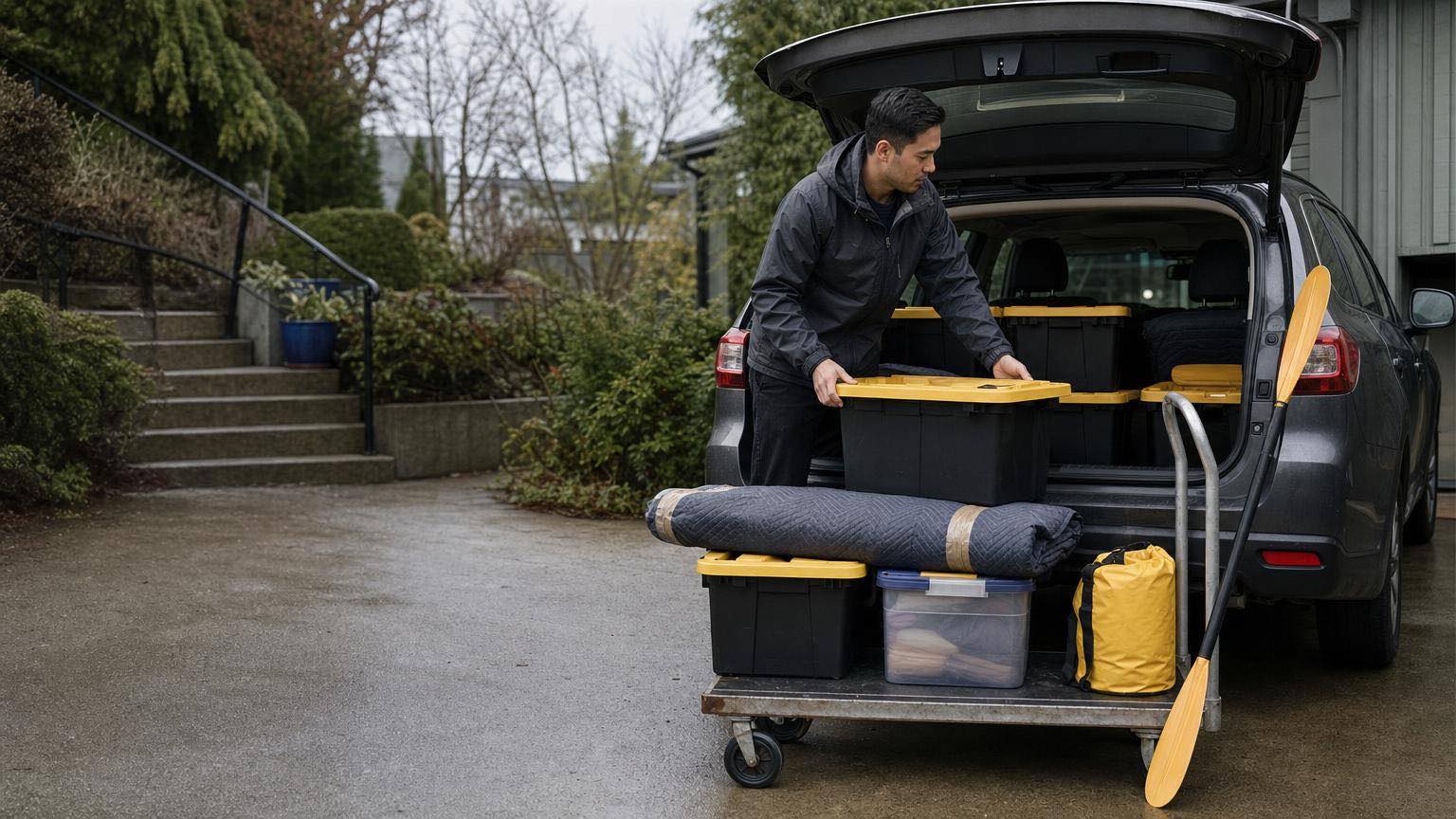
Seattle experiences measureable precipitation approximately 150 days a year. Yet, a surprising number of first-time storage renters forget to check for covered loading areas until they are standing in the rain with a mattress.
Consider a common local scenario: A resident rents a unit in July, during the pristine Seattle summer. In November, they decide to retrieve a sofa or a set of boxes. It is 45 degrees and pouring rain. If the facility only offers outdoor parking or exposed loading docks, the items will get wet during the transition from the truck to the building. Even a small amount of moisture absorbed by upholstery or cardboard can lead to mildew issues once the item is placed back into storage.
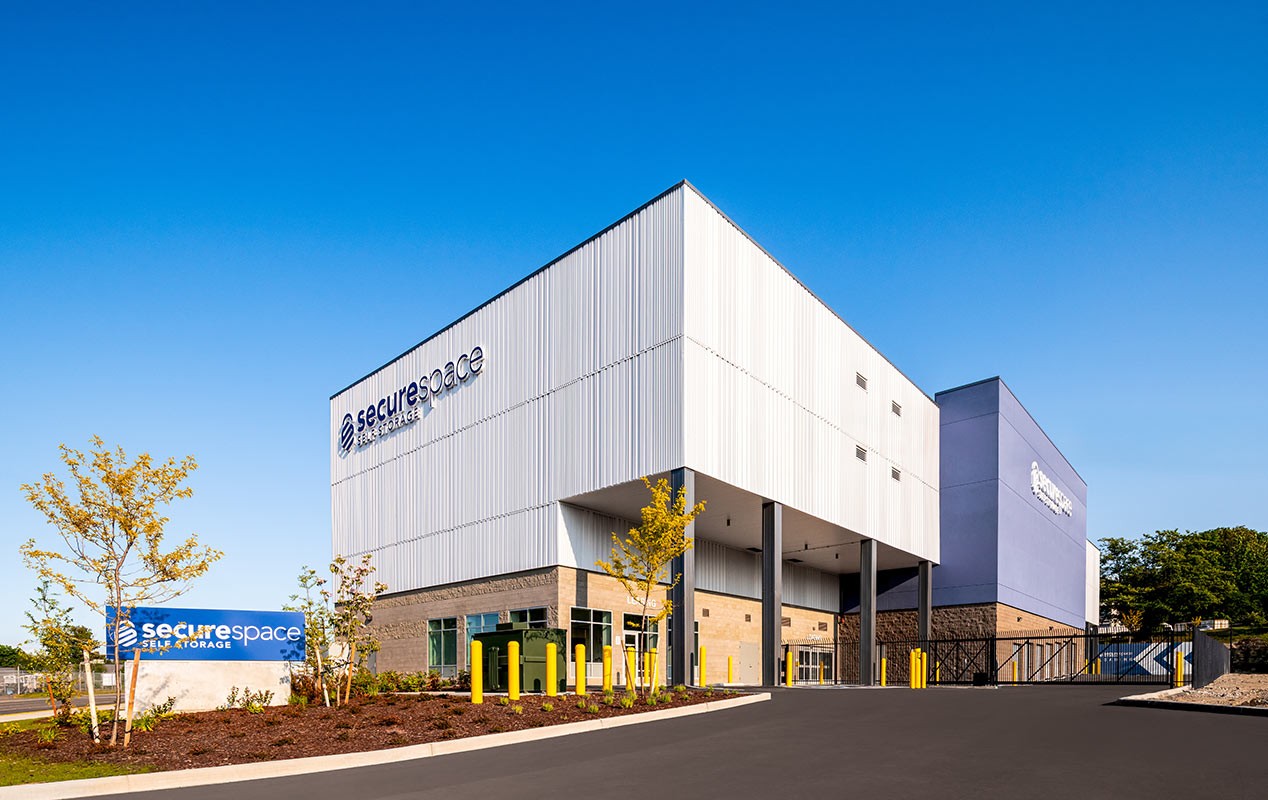
The Standard: Modern facilities in this zone, such as the new construction at 2707 W Commodore, are increasingly designed with drive-through or covered loading bays. In ZIP 98199, this is not a luxury amenity; it is a preservation necessity. It transforms the loading process from a weather-dependent gamble into a predictable, dry event.
Tip: If you absolutely must use a facility without covered loading, you must purchase heavy-duty plastic mattress covers and shrink wrap before you leave your house. Do not rely on the facility having them in stock, and do not rely on a "break in the weather."
Magnolia and Queen Anne are defined by their hills. The views are spectacular, but the logistics of moving heavy objects on steep grades are treacherous.
Parking a 26-foot moving truck on a 15% grade in Upper Queen Anne (98119) is dangerous and exhausting. Ramps become slides, and loading heavy furniture requires fighting gravity every inch of the way. Professional movers charge extra for "long carries" or difficult access for this very reason.
The Flat Ground Strategy: For many residents, renting a storage unit acts as a "flat ground staging area." Instead of trying to load a massive truck on a steep residential street, they use a smaller cargo van to shuttle items from their hill-top home to the flat valley facility in Interbay. Once the items are in the unit, they can be organized, sorted, and eventually loaded onto a larger truck at the facility's secure, flat loading dock. This strategy minimizes the risk of injury and damage during the moving process.
Before committing to a rental contract, potential users should run through a practical checklist to ensure the facility aligns with their actual usage patterns. This goes beyond price and size to the functional reality of using the space.
[ ] The "Turn" Test: Can you enter and exit the facility without crossing multiple lanes of oncoming traffic? Ideally, access should be controlled via a signalized intersection like Dravus St or a quiet side street like Commodore Way.
[ ] The "Rain" Test: Is there a roof over the loading dock? If not, how close can the truck get to the elevator? Measure the distance you will have to walk in the rain.
[ ] The "Cart" Ratio: Does the facility have ample flatbed carts available? Newer facilities typically stock these heavily near the elevators to prevent bottlenecks on busy weekends.
[ ] Hours vs. Reality: Do you genuinely need 24-hour access, or is the standard 6am–10pm window sufficient? Most residential users never visit past 9pm, but commercial users (like fishermen or bakers) might require extended hours.
[ ] Climate Control Verification: Is the unit heated and cooled? In 98199, "climate-controlled" typically means the temperature is moderated to prevent freezing in winter and extreme heat in summer. This temperature stability is the primary mechanism for controlling relative humidity.
[ ] Elevator Dimensions: Will your longest item (e.g., an 8-foot sofa or a king-size mattress) fit in the elevator? Look for facilities with "freight" or "extra large" elevator designations.
[ ] The "Lip" Check: Is there a raised lip at the unit door? Some drive-up units have a 1-inch weather lip to stop rain water. While necessary for weatherproofing, this can be an obstacle for heavy wheeled items, so bring a small ramp or piece of plywood if you plan to roll heavy machinery in.
[ ] Month-to-Month Contracts: Storage needs change faster than anticipated. Ensure you are not locked into a long-term lease. The industry standard is month-to-month, allowing you to move out with notice as your renovation finishes or your move completes.
[ ] Digital Management: Can you set up autopay and manage your account online? In a city with Seattle's traffic, the ability to handle administrative tasks without driving to the office is a significant time-saver.
The storage needs of a resident in a View Ridge craftsman are fundamentally different from those of a Belltown condo owner. The following sections break down the specific strategies for the primary neighborhoods served by the Commodore Way location.
The Vibe: Magnolia is characterized by high-value single-family homes, established families, and a significant amount of "accumulated life." Residents here tend to have heirlooms, high-quality furniture, and extensive recreational gear.
The Trigger: Home renovations are surging in 98199, particularly the construction of DADUs and basement remodels.
The Strategy:
For Renovators: The most common mistake during a Magnolia renovation is trying to shuffle furniture from room to room to stay ahead of the contractors. This extends the timeline, increases dust exposure, and often results in damaged furniture. The superior strategy is to move the entire contents of the affected floor to a 10x20 unit on Commodore Way. This effectively creates an off-site guest room for your possessions, allowing the work to proceed faster.
For Boaters/RVers: The proximity to the marina means many residents own boat cushions, sails, and RV gear. The "Marine Climate" is real here. If you store these items, you must use a climate-controlled interior unit, not an exterior drive-up, to prevent mildew growth on fabrics.
Access Route: Use W Government Way to Gilman Ave W, then drop down to W Dravus St. This route allows you to slip under the 15th Ave W traffic and access the facility directly.
The Vibe: A mix of grand historic homes on the "Upper" hill and dense, modern apartments in "Lower" Queen Anne.
The Trigger: Space constraints and slope logistics.
The Strategy:
For Apartment Dwellers: Residents in 98109 and 98119 often face "seasonal overflow"—skis in winter, paddleboards in summer, AC units in winter. A 5x5 locker is usually sufficient for this rotation. The key is finding a facility with extended access hours (6am-10pm) so you can grab your skis before a dawn patrol trip to the mountains.
The "Hill" Hack: As mentioned in Part II, if you are moving out of a house in Upper Queen Anne, utilize the storage facility as a transfer station. Shuttle boxes to the facility using a smaller vehicle over the course of a week, rather than trying to load a massive truck on a narrow, steep street in one stressful day.
Access Route: Drop down 15th Ave W (southbound) or take 10th Ave W to Dravus. The Dravus interchange is your gateway to the valley.
The Vibe: Rapidly densifying with new townhomes and mixed-use developments. This is the domain of young professionals and active urbanites.
The Trigger: Micro-living. New "luxury" apartments often charge exorbitant fees ($200+) for a small storage cage in the building basement, which may not be secure or climate-controlled.
The Strategy:
The Price Arbitrage: There is a distinct mathematical advantage to be found here. Compare the cost per square foot of renting a larger apartment vs. a smaller apartment plus a storage unit. Often, renting a 1-bedroom apartment and a separate 10x10 storage unit is significantly cheaper than renting a 2-bedroom apartment just to hold extra stuff.
Business Overflow: Small business owners in Ballard (breweries, makers, e-commerce) use storage for inventory. For these users, covered loading is non-negotiable. You cannot risk cardboard inventory getting soggy during a restocking run.
The Vibe: High-rise living and business districts.
The Trigger: Corporate downsizing and vertical constraints.
The Strategy:
The Commute Link: Residents driving home from work in South Lake Union or Downtown to homes in Magnolia pass right by Commodore Way. This location allows for "trip-chaining"—stopping at storage on the way home—rather than making a dedicated trip on the weekend.
Business Archives: As downtown offices shrink due to hybrid work models, businesses are archiving files and surplus furniture. A climate-controlled unit in Interbay is significantly cheaper per square foot than Class A office space in 98101.
Choosing the right size unit is often the source of the most anxiety for new renters. Visualizing empty space is difficult. Instead of abstract dimensions, it is more helpful to look at common local scenarios and the "standard" solutions that work for them.
Goal: Decluttering seasonal gear (skis, camping), holiday decorations, and off-season clothes. Recommended Size: 5x5 Unit. Think of this as a large walk-in closet. It is perfect for stackable bins and vertical storage of long items like skis.
Goal: Moving the entire contents of the apartment. Recommended Size: 5x10 to 10x10 Unit. A 5x10 fits a queen bed and boxes; a 10x10 fits the sofa, dining table, and living room furniture comfortably.
Goal: Remodeling one major room (e.g., kitchen or master bedroom). Recommended Size: 10x10 Unit. This provides enough space to clear the room entirely, protecting furniture from dust and damage, while allowing some walking room to access items if needed.
Goal: Whole house move or major renovation of multiple floors. Recommended Size: 10x20 Unit. This is roughly the size of a standard one-car garage. It can hold the contents of a 3-4 bedroom home if packed professionally.
Goal: Archiving documents and files. Recommended Size: 5x10 Climate Controlled. This size accommodates standard filing cabinets or shelving units for banker's boxes.
Goal: Storing inventory or equipment. Recommended Size: 10x15 to 10x20. Drive-up access is often preferred here for speed, but ensure the items are not moisture-sensitive.
Concern: "Will my stuff get moldy?"
Reality: In Seattle, if air doesn't move and temperature isn't managed, mold grows. This is true in your basement, your garage, and in storage.
The Fix:
Select Climate Control: Units with active air circulation and temperature moderation keep the dew point stable, preventing condensation on your items.
The "Desiccant" Defense: Even in climate control, locals often place a bucket of DampRid or silica gel packets in their unit as an insurance policy. It is a cheap and effective way to scavenge any ambient moisture introduced during loading.
The Cardboard Rule: Avoid storing cardboard boxes directly on the concrete floor. Concrete can wick moisture from the ground. Use pallets (often found for free) or plastic shelving. While cardboard is okay for short terms (moving), plastic bins with latching lids are superior for long-term Seattle storage because cardboard absorbs ambient moisture like a sponge.
Concern: "Is it safe?"
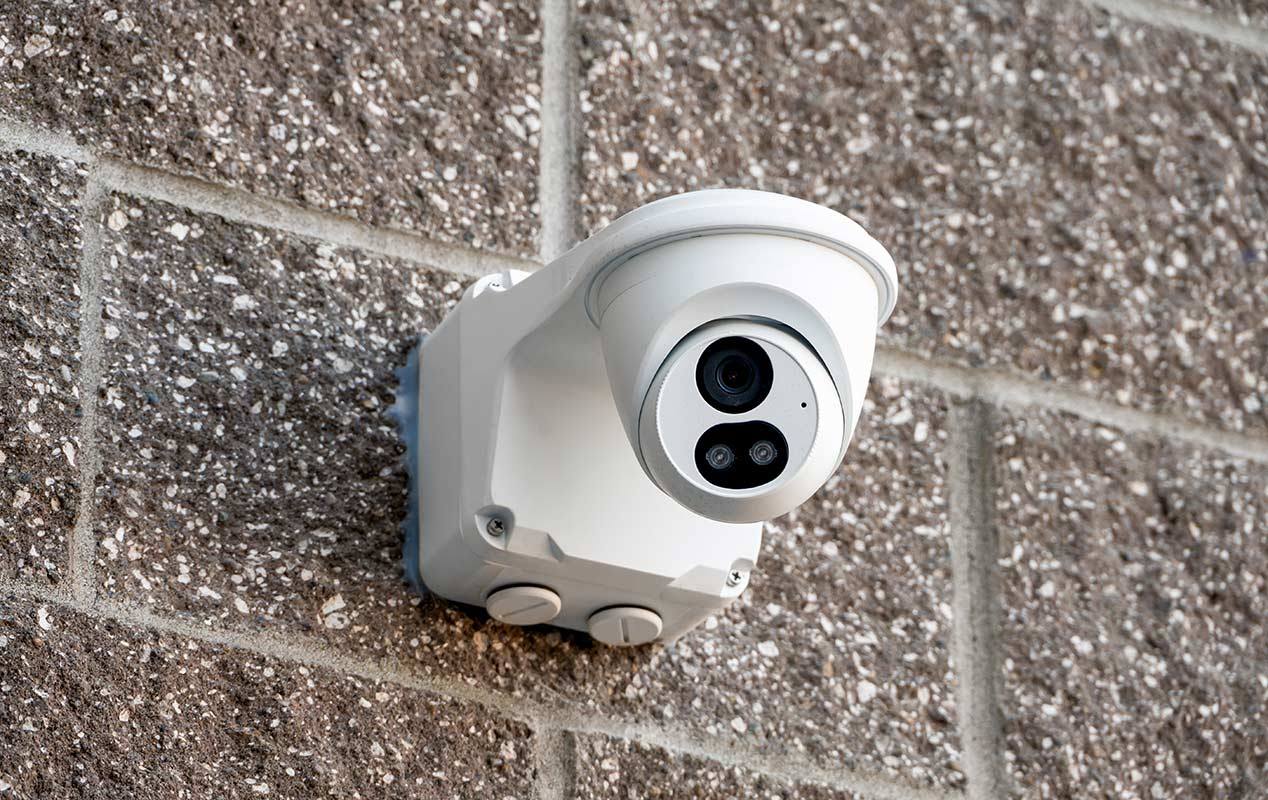
Reality: Security is a mindset, not a guarantee. No facility can promise absolute safety, but modern design significantly reduces risk through "Crime Prevention Through Environmental Design" (CPTED).
What to Look For:
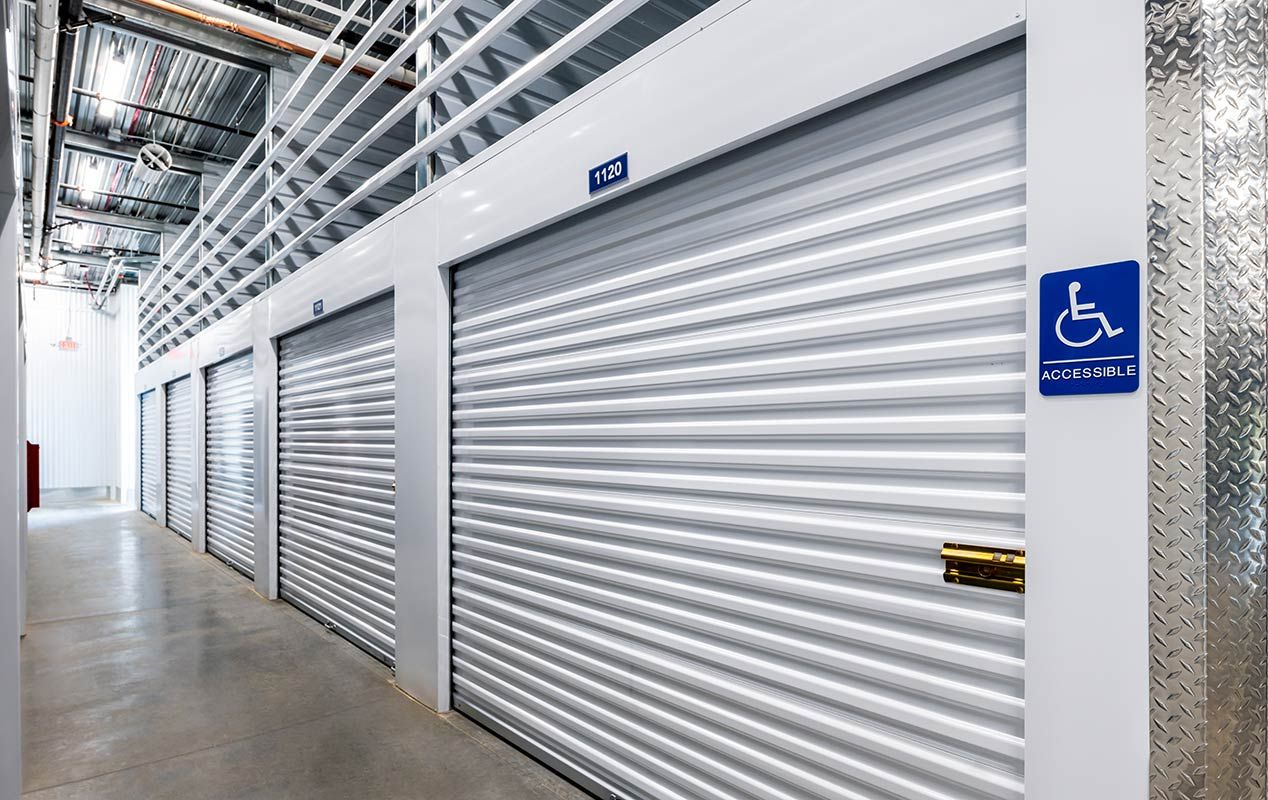
Bright Lighting: A well-lit hallway is the best deterrent. Look for facilities with motion-sensor LED lighting that illuminates corridors as soon as you enter.
Electronic Access: Keypads at the main gate are standard, but look for facilities that also require codes for the elevator and at the specific floor level. This "layering" provides friction against unauthorized entry.
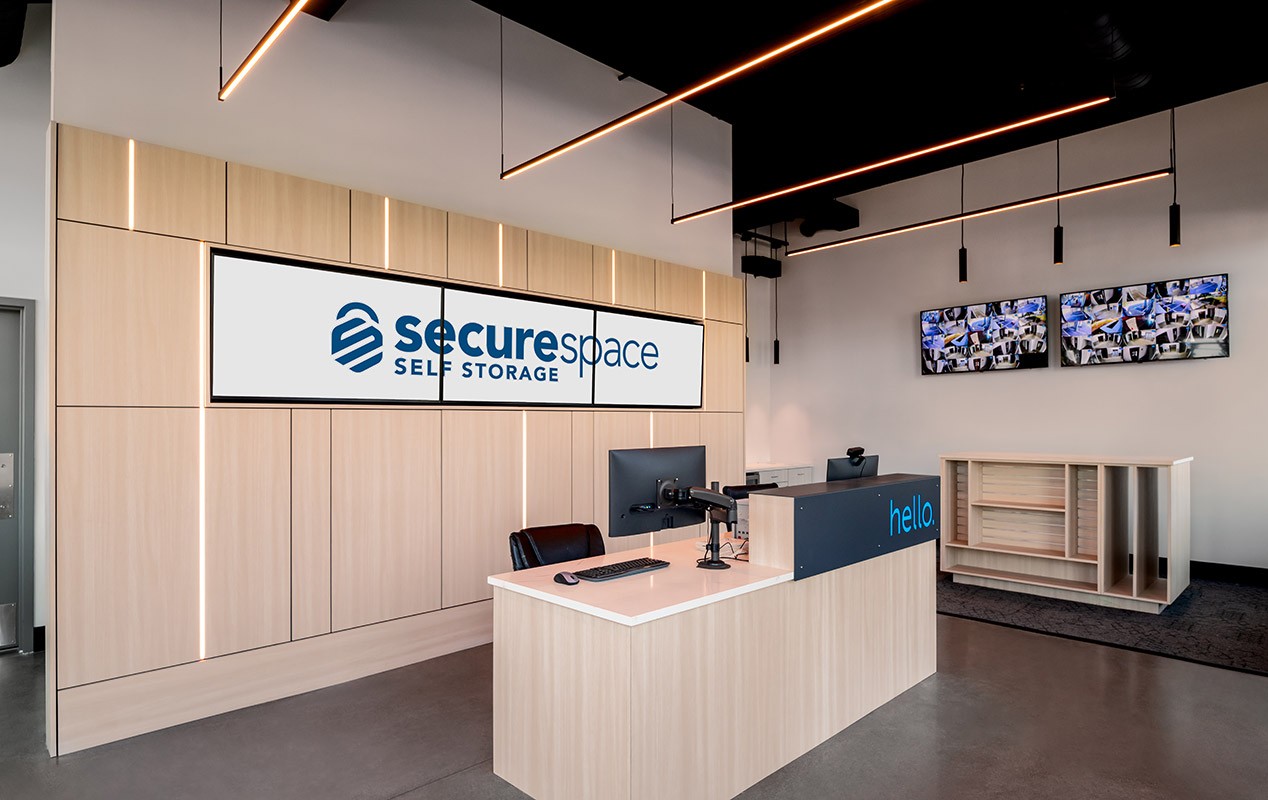
The "Manager" Factor: A facility with a visible, on-site manager during the day (like the team often present at Commodore Way) serves as a human deterrent that automated kiosks cannot replicate.
Concern: "Where do I park the truck?"
Reality: On-street parking in the industrial zones of Magnolia/Interbay is hit-or-miss and often occupied by commuters.
The Fix: Look for a facility with a dedicated, covered loading bay. This is the single biggest stress-reducer in the local storage experience. It means you can back a U-Haul out of the drizzle, open the roll-up door, and unload without your mattress acting as a wick for rainwater. At 2707 W Commodore, the covered loading area is designed specifically to accommodate this need.
This guide aims to be neutral and educational, but in the specific context of 98199/98119/98107, the facility at 2707 West Commodore Way solves several specific geometric and climatic problems for locals that other locations may not.
Because this facility sits near the intersection of W Dravus St and 15th Ave W, it is uniquely accessible from both the east (Queen Anne) and west (Magnolia) sides of the railroad tracks. This positioning allows you to access the facility without being forced to drive the full length of the 15th Ave construction zone. You can "drop in" via Dravus, bypass the main highway congestion, and exit back up the hill to your home. It is a strategic location that minimizes exposure to the area's worst traffic bottlenecks.
Storage facilities built in the last 2-3 years operate under stricter building codes regarding insulation, fire safety, and energy efficiency than older warehouses converted for storage use.
Climate Consistency: Newer HVAC systems and insulation envelopes are more efficient at maintaining stable internal conditions. This is critical for fighting the "Seattle Mold" issues described earlier.
Cleanliness: New construction means less accumulated dust and a lower risk of established pest issues compared to facilities that have been operating for 30 years.
As noted repeatedly, the covered loading area is the "killer feature" for this ZIP code. It transforms moving from a weather-dependent gamble into a predictable errand. Whether it is drizzling or pouring, your items stay dry during the transition from vehicle to elevator. For anyone moving upholstered furniture, artwork, or electronics in the Pacific Northwest, this feature alone often justifies the choice.
While Magnolia, Queen Anne, and Ballard are the primary markets, this location serves a broader "commuter shed" that includes several secondary ZIP codes.
The Route: For those in Loyal Heights or North Beach, the drive down 15th Ave NW is a direct shot. While there are storage facilities further north, the Commodore location offers a modern, high-security option for those who work in the city.
The Commute: Residents can easily access the facility on their way to or from downtown, making it convenient for retrieving items without a dedicated weekend trip.
The Spillover: As downtown living spaces become smaller and more expensive, residents look to the periphery for storage. Interbay offers a quick drive (or Uber/Lyft ride) for accessing stored gear.
Business Logistics: For businesses in the downtown core, storing archives or event materials in Interbay avoids the high costs and loading dock restrictions of downtown buildings.
Choosing storage in Seattle is ultimately about mitigating risk: the risk of traffic delays, the risk of rain damage to your belongings, and the risk of clutter overwhelming your living space.
For residents of Magnolia, Queen Anne, and Ballard, the facility at 2707 West Commodore Way offers a strategic solution to these risks. It is positioned to bypass the worst of the bridge traffic, designed to handle the wettest weather, and managed to provide the clean, modern security that urban residents expect.
Final Recommendation:
Do not just guess at a size or pick the first place you see on a map.
Visit the facility. Seeing a 5x5 unit in person often changes your mind about what you need.
Ask about the loading bay. Confirm that it fits the vehicle you plan to use.
Pack for the climate. Use plastic bins, elevate your items, and use desiccants.
By treating storage as a logistical extension of your home rather than a dark basement, you can reclaim your living space without sacrificing your peace of mind.
This guide was compiled using hyper-local data regarding traffic patterns, housing stock, and climate conditions specific to the 98199, 98119, and 98107 ZIP codes. All operational details regarding the facility (hours, features) are current as of early 2026 but subject to change.
In the current Seattle market, the cost of residential real estate in neighborhoods like Ballard and Queen Anne averages between $400 and $600 per square foot for purchase, with rental rates often exceeding $3.50 per square foot.
Insight: For seasonal items (skis, holiday decor, camping gear) that occupy 20-50 square feet of living space, renting a 5x5 storage unit ($25 sq ft/year approx) is mathematically superior to renting a larger apartment solely to house those items. This "Arbitrage" is a key driver for the 98107 (Ballard) demographic.
The proximity to Fishermen's Terminal (just across the water) makes Commodore Way a strategic overflow zone for commercial maritime users. While the Terminal offers gear lockers, they are often full or waitlisted.
Use Case: Commercial fishermen use 10x20 drive-up units for net mending equipment, hydraulic parts, and dry goods that do not fit in the tight confines of a vessel or the damp dockside lockers.
Constraint: These users require early/late access (matching the 6am-10pm window) and heavy-duty loading carts.
The 15th Ave W / Ballard Bridge Paving Project is a critical variable for the next 18 months.
The Disruption: Lane reductions and weekend closures of the Ballard Bridge force traffic onto Dravus St and Emerson St.
The Commodore Advantage: Because W Commodore Way runs parallel to the Ship Canal and under the 15th Ave approach, it effectively acts as a frontage road. Users can navigate from Magnolia (via 27th Ave W) or Queen Anne (via W Nickerson St to 15th Ave ramp) with minimized exposure to the mainline backups.
Warning: During full bridge closures, all routes are congested. Users should plan visits for off-peak hours (mid-day weekdays or Sunday mornings).
The Interbay valley is a "convergence zone" for fog and damp air coming off the Sound.
Humidity: Relative humidity often exceeds 70-80% in winter.
The "Wick" Effect: Cardboard boxes placed on concrete floors will absorb moisture through capillary action.
The Protocol: Elevation: Use pallets (often available for free at industrial sites) or plastic shelving units to get items 2 inches off the floor. Spacing: Leave a 1-inch "breathing room" gap between stacks of boxes and the wall. This allows the climate-controlled air to circulate around the items, rather than trapping stagnant air pockets. Materials: Use clear plastic bins. They are waterproof, stackable, and allow you to see contents without opening (breaking the seal).
Everything you need to store your belongings securely, on your schedule.
Visit us online