Last updated Jul 10, 2026
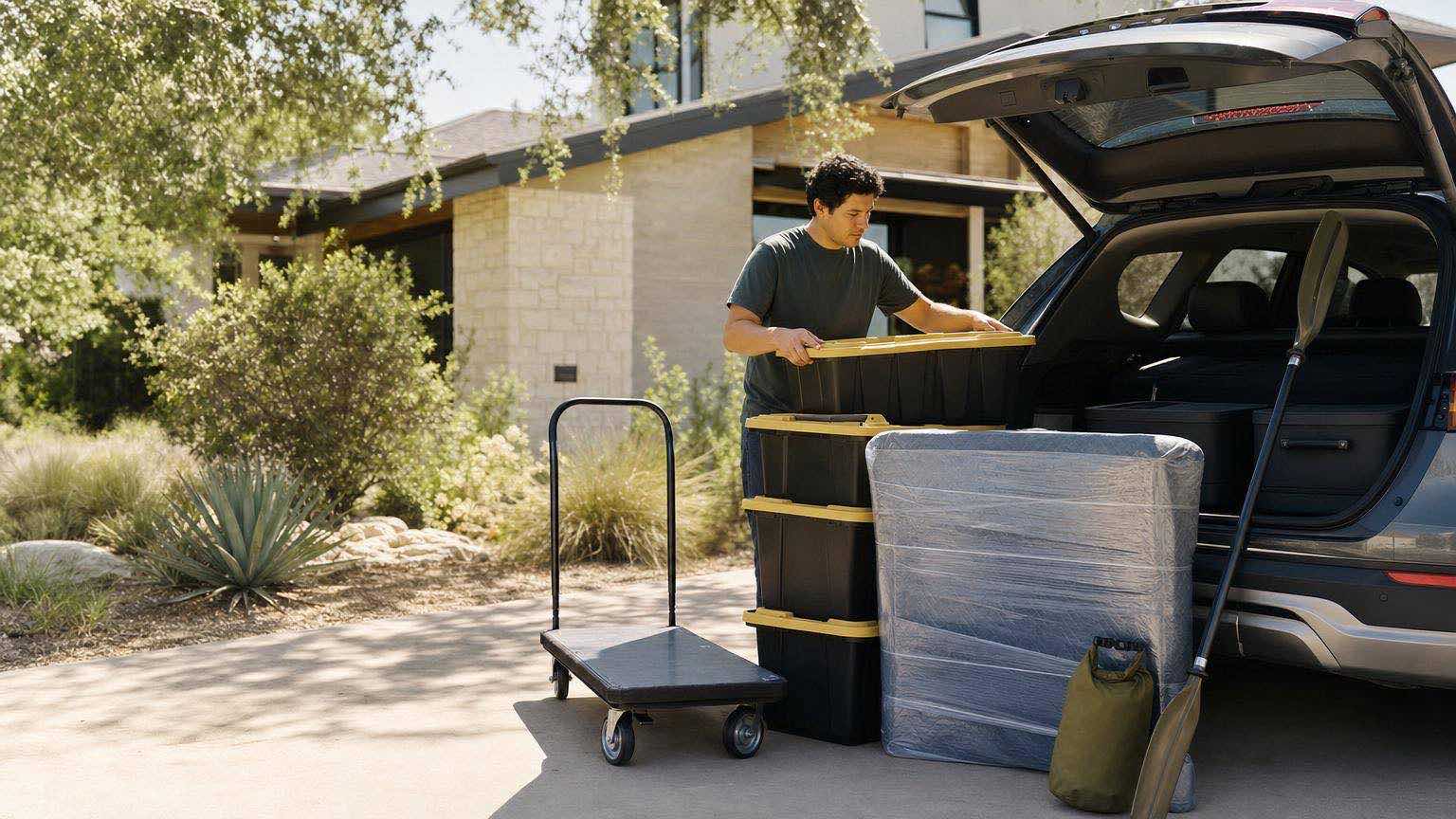
If you are reading this, you are likely standing in a garage in 78745 that won't close, staring at a closet in 78704 that is bursting at the seams, or perhaps navigating the complex logistical ballet of a move into a new build in Easton Park. You are not alone. In the last five years, the conversation around space in South Austin has shifted dramatically. It is no longer just about "putting things away"; it is about managing a lifestyle that has outpaced the square footage of our homes. The rapid evolution of Austin's housing market has created a unique set of pressures on residents, forcing a re-evaluation of how we utilize the space we own versus the space we rent.
South Austin is a tapestry of distinct eras, each with its own architectural limitations and spatial challenges. We have the mid-century charm of the neighborhoods off South Congress, where closets were designed for a modest 1950s wardrobe, not the gear-heavy lifestyle of a modern Austinite. We have the established 1980s suburbia of William Cannon, where garages are often converted into workshops or home gyms, displacing the vehicles they were meant to house. And then we have the rapid, modern expansion pushing southeast towards the airport—communities like Easton Park and Dove Springs—where density and design often prioritize living space over storage utility, leaving residents with two-car garages that barely fit two cars, let alone a lawnmower, holiday decorations, and a kayak.
The friction between density and lifestyle is palpable. Residents in 78704 pay a premium for location, sacrificing square footage for proximity to Zilker Park and South Congress. This trade-off necessitates a secondary storage strategy, essentially outsourcing the attic or basement that their bungalow lacks. Conversely, homeowners in 78744 deal with strict Homeowners Association (HOA) covenants that prohibit sheds or visible storage, forcing them to seek off-site solutions for boats, trailers, or even extra vehicles.
This guide is not a sales pitch. It is a comprehensive resource born from deep local research and the collective experience of your neighbors. It is designed to help you navigate the specific logistical realities of storing items near the intersection of I-35 and William Cannon—a nexus of activity, traffic, and commerce that serves as the gateway to South Austin. Whether you are renovating a fixer-upper in 78745, downsizing to an apartment in 78741, or just trying to reclaim your guest room from a mountain of boxes, the goal here is to help you make a decision you won't regret six months from now.
We will cover the nuances that standard search engines miss: how the massive I-35 Capital Express construction project impacts dust levels in outdoor units, why "climate control" is a non-negotiable factor for Austin summers (it's not just about heat, it's about humidity), and how to time your visits to avoid the notorious gridlock at Exit 227. This is your hyper-local handbook for making space in a city that is growing faster than its closets.
To understand why storage is such a critical utility in this specific part of Austin, one must visualize the geography of "space friction." The different zip codes surrounding the I-35 corridor each contribute a unique type of pressure to the system.
In the dense urban core of 78704, the friction is financial and spatial. The cost per square foot is among the highest in the city, meaning that using a spare bedroom for storage is an incredibly expensive allocation of resources. The homes here—often historic bungalows or modern infill condos—rarely feature expansive storage solutions. The friction here is the "High Density / Low Storage" dynamic, where residents must look outward to find affordable space for their belongings.
Moving southeast to 78744, particularly in master-planned communities like Easton Park, the friction is regulatory and structural. Here, strict HOA guidelines prevent the construction of backyard sheds or the parking of recreational vehicles in driveways. Simultaneously, modern "zero-lot-line" homes often feature compact garages that are barely sufficient for two vehicles. This creates a "Strict HOAs / Small Garages" pressure zone, where residents are legally and physically constrained from storing large items on their own property.
In the established neighborhoods of 78745, situated west of I-35, the friction is often transitional. This area is the "Renovation Zone," where older housing stock from the 70s and 80s is being aggressively updated. Homeowners here need temporary surge capacity to clear out rooms for new flooring, popcorn ceiling removal, or kitchen overhauls. The friction is temporary but intense, requiring flexible, accessible storage that acts as a staging ground for the home's transformation.
Finally, the I-35 Central Corridor itself acts as the "Access Hub." It is the artery that connects these distinct pressure zones. However, it is also a source of friction itself due to traffic congestion and construction. The ability to access storage without getting trapped in the gridlock of the William Cannon underpass is a primary determinant of satisfaction for users in all these zones.
The initial thought process for storage usually begins with a simple online search for "storage near me." However, in South Austin, "near" is a relative term defined not by miles, but by traffic patterns, turnaround lanes, and the time of day. A facility might be geographically close "as the crow flies," but if it requires navigating a congested intersection or making a treacherous left turn across three lanes of traffic during rush hour, it is effectively miles away.
Most people underestimate three critical factors when they first consider a facility on the I-35 Frontage Road, specifically near the 8200 block:
If you live in 78748 or far South Austin, a facility on the southbound frontage road might initially seem inconvenient if you look strictly at a map. You might assume you have to drive north to William Cannon to turn around, engaging with one of the city's most notorious bottlenecks. However, seasoned locals know that the traffic engineering in this area offers specific relief valves. Avoiding the left turn at William Cannon during rush hour is worth its weight in gold. Accessing a facility via a dedicated exit (like Exit 227 for Slaughter Lane) often proves faster than navigating the internal arteries of Manchaca or South First during school drop-off times. The ability to use the "Texas U-turn" lanes at Slaughter allows for a seamless loop, permitting access to the facility without ever entering the main intersection's light cycle.
Austin is currently undergoing one of the most significant infrastructure projects in its history—the I-35 Capital Express South expansion. This massive undertaking involves adding high-occupancy vehicle lanes, reconstructing bridges, and widening the thoroughfare from Ben White Boulevard down to Slaughter Lane. This means years of construction, shifting lanes, and, crucially, dust.
Many older storage facilities in the area offer standard "drive-up" units with unsealed exterior metal doors. While convenient for loading, these units are vulnerable to the fine particulate matter—silica dust, exhaust soot, and road grime—kicked up by the heavy machinery and highway traffic just yards away. In this specific local context, an enclosed, interior unit isn't just a luxury; it is a barrier between your upholstery and the grit of roadwork. Items stored in non-sealed exterior units along this corridor are liable to be coated in a fine layer of gray dust within weeks.
Newcomers to Texas, particularly those from drier climates, often equate "climate control" with "air conditioning for comfort." They imagine it is about keeping them cool while they unpack boxes. In reality, in Austin's Zone 8b climate, it is about keeping the humidity below the mold threshold.
In 78745 and 78744, where humidity can swing wildly from 40% to 90% in a single day, storing wood furniture, electronics, or even cardboard boxes in a non-climate-controlled environment is a gamble. The "oven effect" of a metal exterior unit in August can reach internal temperatures of over 130 degrees Fahrenheit. This heat can bake adhesives, warp vinyl records, and degrade the plasticizers in electronics. But the moisture is the silent killer. When a humid front moves in from the Gulf, condensation can form on cool metal surfaces inside a non-conditioned unit, leading to mildew growth on fabrics and paper. True climate control regulates humidity, which is the primary preservation factor in Central Texas.
Before you commit to a unit, it is essential to run through a decision checklist tailored to the specific housing stock and lifestyle rhythms of South Austin. This isn't about generic advice; it's about how your specific location impacts your needs.
High Frequency (Weekly Access): Are you a business owner in 78719 storing inventory? Or a pharmaceutical rep needing daily access to samples? If so, you need a location that minimizes "traffic friction." This means analyzing how many traffic lights stand between your home base and the facility. Being directly off the I-35 frontage road offers a strategic advantage: you merge on, you merge off. You aren't snaking through neighborhood speed bumps or getting stuck behind a school bus on a two-lane road in 78748. The proximity to the highway reduces the "time-to-door" metric significantly.
Low Frequency (Seasonal/Long-term): If you are storing holiday decorations, tax documents, or seasonal camping gear that you only access twice a year, your priority shifts from "speed of access" to "preservation and security." Here, the integrity of the building envelope matters more than the exit ramp. You want a facility that is sealed tight against pests and weather, even if it takes an extra five minutes to get to the unit door.
The Contractor's Truck: If you drive a Ford F-250 or a Sprinter van—common vehicles for the tradespeople living in 78744 and 78745—you need to ensure the facility has wide drive aisles and high clearance. Older facilities in dense areas like 78704 often have tight corners and narrow rows designed for the sedans of the 1990s, not the wide-body work trucks of today. Navigating a trailer or a long-bed truck through a cramped facility is a recipe for property damage and frustration.
The Family SUV: Can you pull up to a covered loading bay? In July, unloading a minivan in direct sunlight is not just uncomfortable; it is a health hazard. The radiant heat from asphalt can make the process exhausting. A large, covered loading area is a feature that feels irrelevant in December but becomes essential in August. It allows you to take your time unloading without the sun beating down on you or your sensitive items.
Level 1 (Impervious): Garden tools, plastic bins, patio furniture, glazed ceramics. These items can handle temperature fluctuations and minor dust. Standard storage is often sufficient, provided it is pest-controlled.
Level 2 (Sensitive): Mattresses, clothing, books, documents, upholstered furniture. These items are prone to mildew and pest damage. Humidity control is highly recommended to prevent the "storage smell" and fabric deterioration.
Level 3 (Critical): Vinyl records (a huge category in the music-centric 78704), solid wood antiques (common in 78745 renovations), electronics, artwork, photographs, and wine. For these items, climate-controlled, interior storage is mandatory. The fluctuations in temperature causes wood to expand and contract, leading to cracking. Heat warps vinyl and melts photographic emulsions.
Storage needs are not uniform across the city. The challenges facing a renter in a Travis Heights apartment are vastly different from those of a homeowner in a Shady Hollow subdivision. Let's break down the specific housing dynamics and storage triggers of the primary zip codes surrounding 8200 S I-35 to see how they align with local storage solutions.
The Neighborhood Vibe:
78745 is the heart of "Old South Austin" meeting new investment. It is a sprawling zip code characterized by 1970s and 80s ranch-style homes, large trees, and a wave of rapid infill development. It feels established yet evolving, with a mix of long-time residents and young families moving in to renovate.
The Trigger: Renovation and "The Project"
If you live in 78745, chances are you or your neighbor are in the middle of a remodel. The housing stock here is prime for updates—removing popcorn ceilings, opening up galley kitchens, and replacing carpets with hardwood. We see a high volume of residents needing storage for 3-6 months to clear out rooms for these projects. You simply cannot refinish floors with furniture in the room.
Furthermore, the "garage workshop" is a staple of this zip code. Many residents are makers, musicians, or DIY enthusiasts who convert their garages into studios or woodshops. This displaces the lawn equipment, holiday decor, and camping gear that would normally live there, creating a permanent need for off-site storage.
The Challenge:
These older homes often have single-car garages that are already full or converted. Closets in 1970s builds are notoriously small by modern standards (often just reach-in, not walk-in). There is very little "flex space" within the home's envelope.
Why This Location Works:
For a resident in 78745, the facility at 8200 S I-35 is effectively "neighborhood" storage. It sits on the eastern edge of the zip code. The connectivity via William Cannon means you can get from West Gate or Manchaca to the frontage road in 10-15 minutes. This proximity allows for "micro-moves"—dropping off a load of furniture in a pickup truck on a Tuesday evening before the contractor arrives on Wednesday morning. It facilitates the renovation lifestyle by acting as a staging area.
Strategic Tip:
Use the "back roads" if I-35 is backed up. Cooper Lane and South Congress Avenue offer parallel routes that dump you out near the facility without touching the interstate main lanes. This local knowledge prevents you from getting stuck in highway traffic when you just want to drop off a few boxes.
The Neighborhood Vibe:
Trendy, expensive, walkable, and compact. 78704 is where the "Austin lifestyle" is most concentrated—and where square footage is the most expensive. It is home to Zilker Park, South Congress boutiques, and some of the city's best dining.
The Trigger: Lifestyle Overflow
Residents in 78704 often trade space for location. You might be paying a premium for a 700-square-foot bungalow in Travis Heights or a modern condo on South Lamar. The result? You have a fantastic location but no place for the kayak, the mountain bike, the camping gear, or the winter wardrobe. The lifestyle that attracts people to Austin—outdoor recreation, music, festivals—requires gear that the homes in 78704 simply cannot accommodate.
The Challenge:
The primary challenge here is the Cost Per Square Foot. Renting a larger apartment or buying a bigger house to store your gear can cost an extra $500-$1,000 a month in mortgage or rent. A storage unit is a fraction of that cost, allowing residents to "expand" their footprint without moving.
The Access Route:
Taking South Congress south to the facility is a straight shot. It avoids the worst of the Ben White/Highway 71 interchange confusion. For 78704 residents, this location serves as a "remote attic." It's close enough to visit on a Saturday morning to swap out seasonal gear but far enough out to be more affordable than the hyper-central storage options on Lamar or Ben White, which often command a premium due to land value.
The Neighborhood Vibe:
Boomtown. Massive master-planned communities like Easton Park are redefining this zip code. What was once rural or industrial is now row after row of modern, energy-efficient homes.
The Trigger: The "Garage-less" Garage and HOA Constraints
New builds in neighborhoods like Easton Park are aesthetically pleasing, but they often come with a hidden flaw: the garages are small. To maximize living space (air-conditioned square footage), builders often minimize the garage footprint. Many residents find that their "two-car garage" cannot actually fit two modern SUVs, especially if they try to add shelving.
Furthermore, strict HOA covenants are a defining feature of these communities. Rules often prohibit parking on the street overnight, parking trailers or boats in driveways, or having visible sheds in the backyard. Residents who own recreational vehicles, boats, or even just a third car often find themselves in violation of deed restrictions if they keep them on-site.
The Challenge:
Compliance. You need a place to put the items that the HOA won't let you keep visible. You also need space for the items that simply won't fit in a shallow garage.
Why This Location Works:
78744 sits directly east of I-35. Crossing the highway at William Cannon or Slaughter Lane brings you right to the facility. For Easton Park residents, this is a quick 10-minute drive west. It allows you to maintain HOA compliance without selling your toys. The facility's modern security features (cameras, gated access) also appeal to the demographic moving into these higher-end master-planned communities who are accustomed to app-based amenities and high security standards.
The Neighborhood Vibe:
Established suburbia. Neighborhoods like Shady Hollow and Tanglewood define this area. Lots are generally larger than in 78745 or 78744, and the population skews slightly older, with many residents having lived in their homes for decades.
The Trigger: Life Transitions and Downsizing
This area has a high density of "empty nesters." The trigger for storage here is often downsizing—moving from a 4-bedroom family home into a smaller garden home or condo. Alternatively, it is dealing with inherited items from parents. When you are sorting through thirty years of memories, you can't always make immediate decisions. Storage buys you time.
The Access Route:
Using Slaughter Lane to access the I-35 frontage road is the standard path. The facility's location just north of Slaughter makes it an easy "right turn" loop for these residents. They can exit the neighborhood, hit the facility, and return without engaging in the heavier traffic further north.
78741 (East Riverside): This area is heavy on multi-family housing and student populations servicing UT and St. Edward's University. The "Lease Gap" is the primary driver here. Students often have to move out of one apartment in late July but can't move into the next until mid-August. This creates a frantic need for 1-month storage. This location serves as a viable option because it is just a short drive down I-35 or Hwy 71, offering a secure spot for furniture during that homeless gap month.
78719 (The Airport/Industrial Zone): This zip code is dominated by the airport and industrial businesses. Small business owners here often use storage as "flex warehousing." Instead of leasing expensive commercial warehouse space with long terms, they use large storage units to hold inventory, tools, or promotional materials. The proximity to the airport and major highways (Hwy 71 and I-35) makes this location a logistical hub for sales reps who cover the South Austin territory.
While most people ask "how much is a 10x10?", the real questions—the ones that determine if you'll be happy with your rental—are more nuanced. These are the questions you should be asking based on the specific realities of this location.
It is more important than you think, but not for the reason you expect. It isn't about the drive time; it's about the drive stress.
In South Austin, crossing I-35 is a psychological barrier. If your storage unit is on the "wrong" side of the highway and requires navigating a congested underpass (like William Cannon) every time you want to grab your camping gear, you will eventually stop using your gear. The friction of the trip outweighs the benefit of the activity.
This SecureSpace location is positioned on the southbound frontage road. If you live in 78745 or 78704, you are already on the correct side or have easy access via South Congress. You don't have to fight the William Cannon underpass traffic to get in. You can simply exit, pull in, and unload. When you leave, the Slaughter Lane turnaround (the "Texas U-Turn") offers a protected lane to head back north without waiting for a light. That subtle difference in traffic flow reduces the "friction" of visiting your unit significantly. For someone visiting once a month, a stressful trip makes the chore feel like a burden; an easy trip makes it feel like an errand.
Packing for storage in Ohio is about preventing freezing. Packing for storage in Austin is about preventing "The Melt" and managing humidity.
Avoid Sealed Plastic Bags for Textiles: It sounds counter-intuitive, but in a humid climate, trapping air inside a plastic bag can create a micro-climate of mildew if there is any moisture present in the fabric when packed. If you pack a comforter on a humid day and seal it in plastic, you are sealing the moisture in with it. Use breathable cotton bags or wardrobe boxes for clothes, even in climate-controlled units. This allows the fabric to breathe and equilibrate with the controlled environment.
The "Desiccant" Rule: Throw silica gel packets into your electronics boxes, dresser drawers, and bins of photos. Even with building-wide climate control, opening your unit door on a rainy Tuesday lets in a burst of 90% humidity air. Desiccants act as a buffer, absorbing that immediate moisture spike before it can settle on your items.
Vacuum Seal with Caution: For down comforters or puffy jackets, vacuum sealing saves space. But for leather, delicate vintage fabrics, or natural fibers, it can cause permanent creasing. In the heat of transport (e.g., in your car trunk on the way to the unit), the plastic can also outgas or stick to items. Use acid-free tissue paper to separate items.
Wax and Vinyl: Candles will melt in a non-climate-controlled unit in Austin. Period. Vinyl records will warp. If you have a collection of LPs, do not even consider a drive-up exterior unit. They must be in an interior, climate-controlled environment to survive the summer.
We see three distinct timelines in this area, and knowing which one you are on helps you plan your budget and packing strategy:
The "Lease Gap" (1 Month): Extremely common in July/August due to the UT and general apartment turnover cycle in 78741 and 78704. This is a frantic 2-week to 1-month rental. Tip: Book this in May. Units of the right size (5x10 or 10x10) vanish by mid-July.
The "Renovation" (3-6 Months): Common in 78745. This usually extends 50% longer than the contractor promises. If your contractor says the kitchen will take 3 months, plan for 6. Pack your "daily use" items at the front of the unit because you will likely need to retrieve something you thought you wouldn't need.
The "Lifestyle" Extension (Indefinite): Common in 78704 and 78744. This is the permanent extension of your closet or garage. These renters often stay for years. For this group, organization within the unit is key—shelving units are a must to make the vertical space usable long-term.
Regret in storage usually comes from three things: Dust, Heat, and Access Pain.
Dust Regret: You rented a drive-up unit to save money, but the construction on I-35 covered your mattress in gray silt. Solution: Choose an interior unit.
Heat Regret: You stored your grandmother's antique dresser in a garage-style unit, and the veneer peeled off due to the heat cycling. Solution: Choose climate control.
Access Regret: You chose a facility 5 miles further away because it was $10 cheaper, but now you never go there because the traffic on Ben White is a nightmare. Solution: Choose the location that fits your traffic pattern.
Traffic in Austin is a living, breathing adversary. It changes with the school year, the construction schedule, and the time of day. Knowing how to approach 8200 S I-35 can save you 20 minutes of frustration and keep your blood pressure down.
William Cannon Drive at I-35 is one of the most congested intersections in South Austin. It serves as a major funnel for traffic heading west to 78745 and east to 78744. It is notorious for accidents, long light cycles, and aggressive lane changes.
The Insider Move:
From 78745 (West of I-35): Do not take William Cannon all the way to I-35. Instead, cut south to Slaughter Lane or use South Congress Avenue. South Congress runs parallel to I-35 and deposits you onto the frontage road just north of the facility, completely bypassing the William Cannon/I-35 interchange. It is a slower speed limit (45 mph vs highway speeds), but it moves consistently.
From 78744 (East of I-35): If you are coming from Easton Park, take William Cannon west, but stay in the far left turnaround lane if you can, or better yet, go south to Slaughter Lane via Thaxton Rd or McKinney Falls Pkwy and U-turn there. The Slaughter intersection generally flows better than William Cannon for U-turns because it has dedicated U-turn lanes that are separated from the main intersection traffic.
From 78704 (North): Simply hop on South Congress. It turns into a pseudo-highway south of Ben White and merges seamlessly into the frontage road area near the facility. It is a more relaxing drive than the I-35 main lanes and prevents you from getting trapped in the "exit lane crush" where drivers dive across lanes to make the William Cannon exit.
With the I-35 Capital Express South project in full swing, lane closures are frequent, especially at night. The Frontage Road is often used as a relief valve when main lanes are shut down for bridge work.
Pro Tip: Check the TxDOT Austin Twitter feed or Google Maps before you leave. If the main lanes are closed, the frontage road (where the facility is) effectively becomes the highway, turning into a parking lot.
The "Golden Hour": Weekend mornings (Saturday & Sunday, 8:00 AM – 10:00 AM) are the absolute best times to move. Traffic is lightest, the construction crews are often on a break or reduced schedule, and the facility is open. You can pull right up to the loading bay without waiting.
In a highway-adjacent location, dust is a real enemy. The constant vibration and air movement from 18-wheelers on I-35 kick up a fine "road grime."
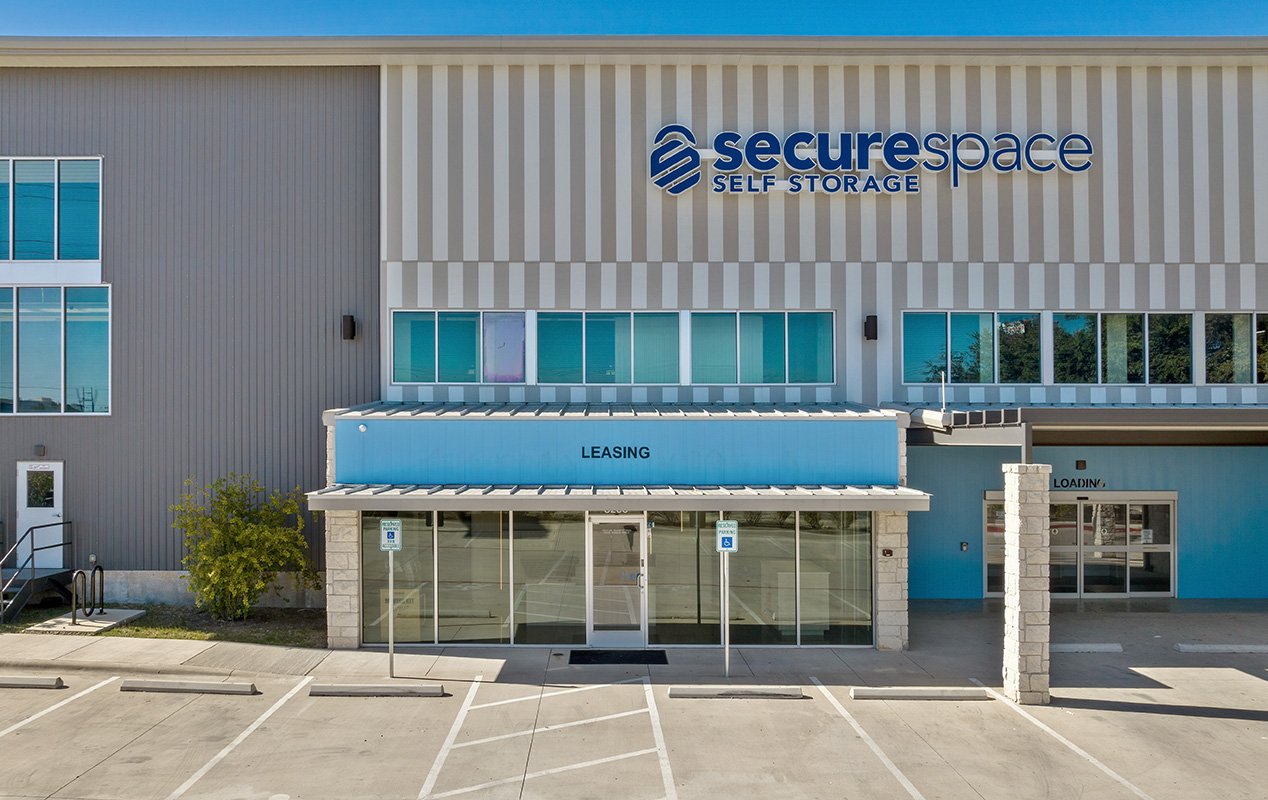
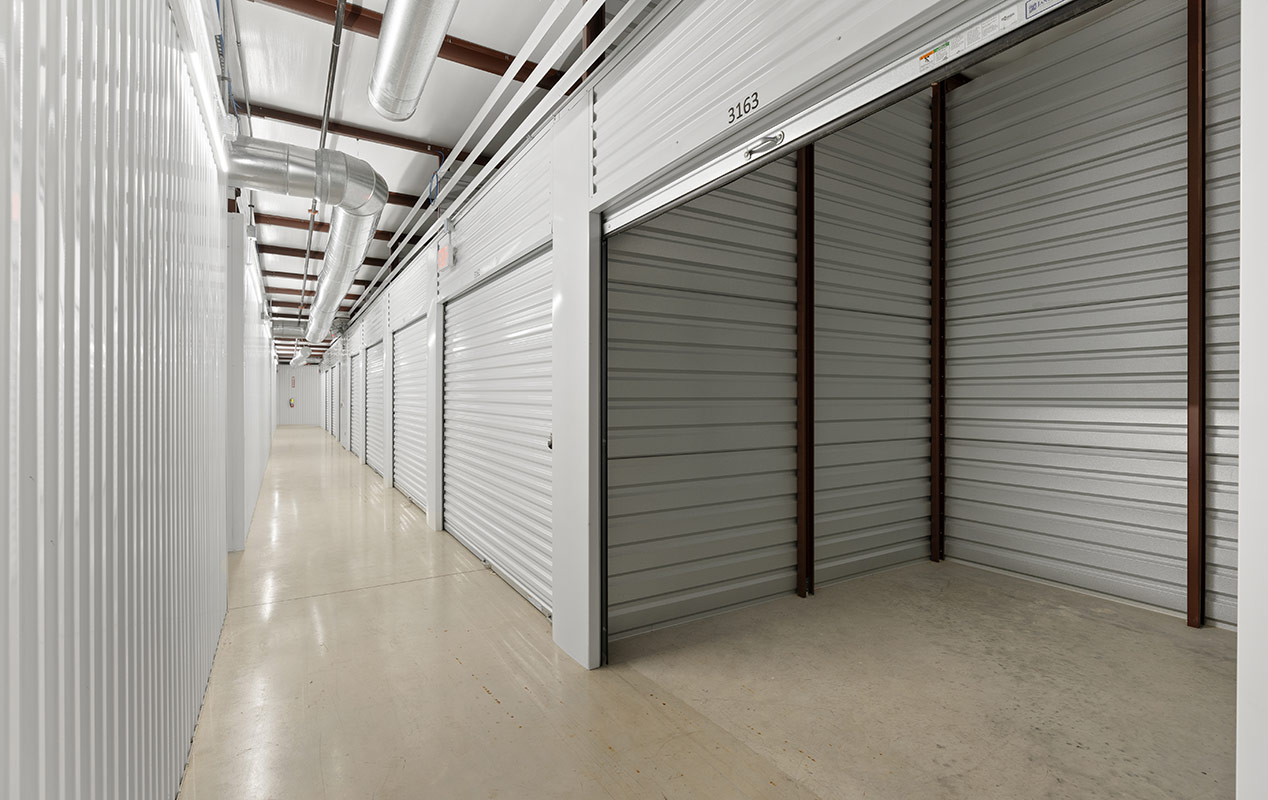
The Fix: This is where the type of facility matters enormously. An enclosed, multi-story facility (like the structure at 8200 S I-35) acts as a physical shield. The interior hallways serve as an airlock. The outer doors close, and the air inside is settled. Drive-up units with roll-up doors facing the highway are far more susceptible to dust intrusion through the gaps in the door seals. If you are storing electronics, mattresses, or upholstery, the interior unit is the only responsible choice in this specific location.
Pests: South Austin has a healthy population of critters—field mice, roaches, and scorpions are part of the ecosystem, especially near the greenbelts in 78745 and 78748. Facilities that are newer and constructed with sealed masonry generally offer better pest exclusion than older metal-row buildings where gaps can form over time.
This is the elephant in the room for every storage renter. While no one can predict pricing, the market in Austin is competitive.
The Strategy: Focus on value over the raw baseline number. A $50 unit that ruins $2,000 worth of furniture due to humidity is not a deal; it is a liability. A $100 unit that preserves your items and saves you 4 hours of driving a month is a bargain. In 78745, where home prices are rising, think of storage as the cheapest "addition" you can build on your house. It allows you to utilize your $300/sq ft living room for living, rather than storing boxes.
"Safety" is a feeling, but "Security" is a set of features. In the 78745/William Cannon area, which is a busy urban corridor, security is a top priority for residents.
What to Look For:
Bright Lighting: Visit the facility after dusk. Is the parking lot bright? Does it feel welcoming? LED lighting that eliminates dark corners is a modern standard.
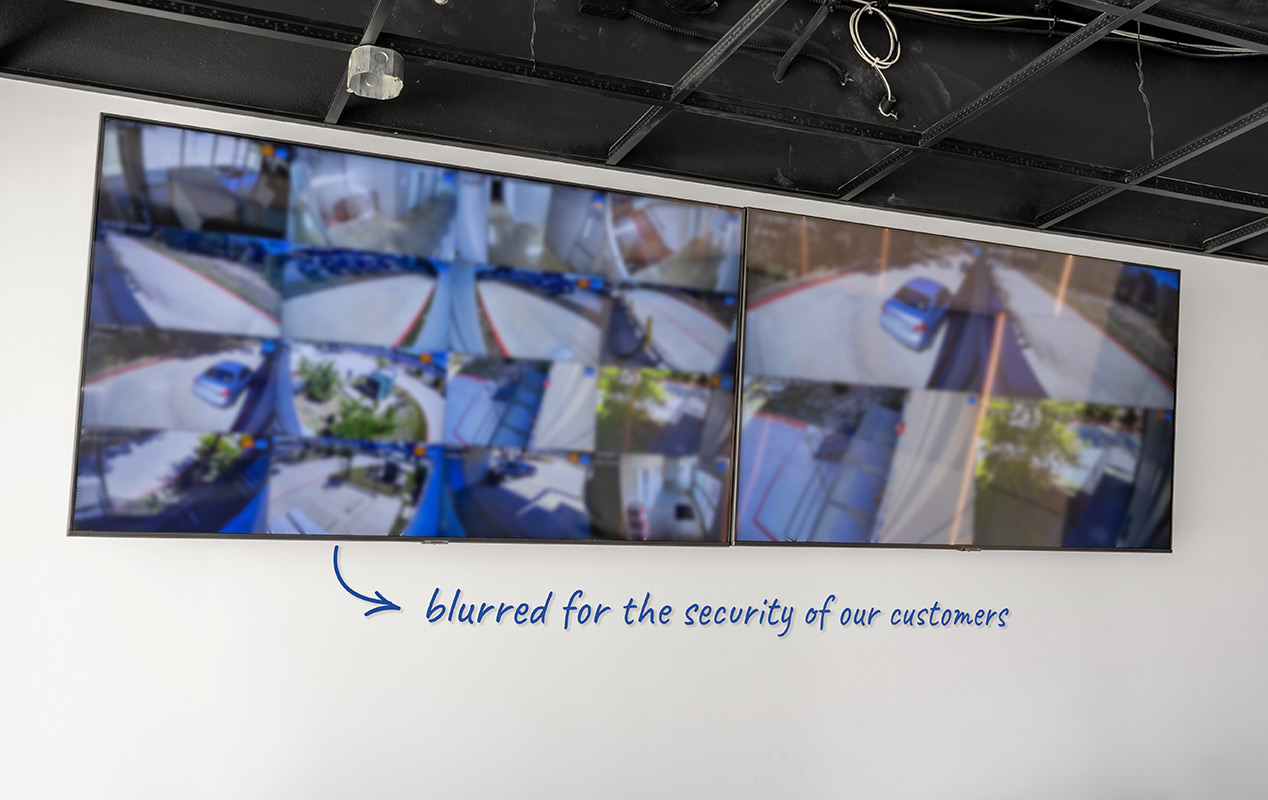
Cameras: Are they visible? Do they cover the entry points and the hallways? The presence of cameras acts as a deterrent.
Controlled Access: Does the elevator require a code? This "vertical zoning" adds a significant layer of security that single-story drive-up facilities lack. It means that someone on the 1st floor cannot wander to the 3rd floor; they can only access the floor their unit is on. This compartmentalization restricts movement and increases security.
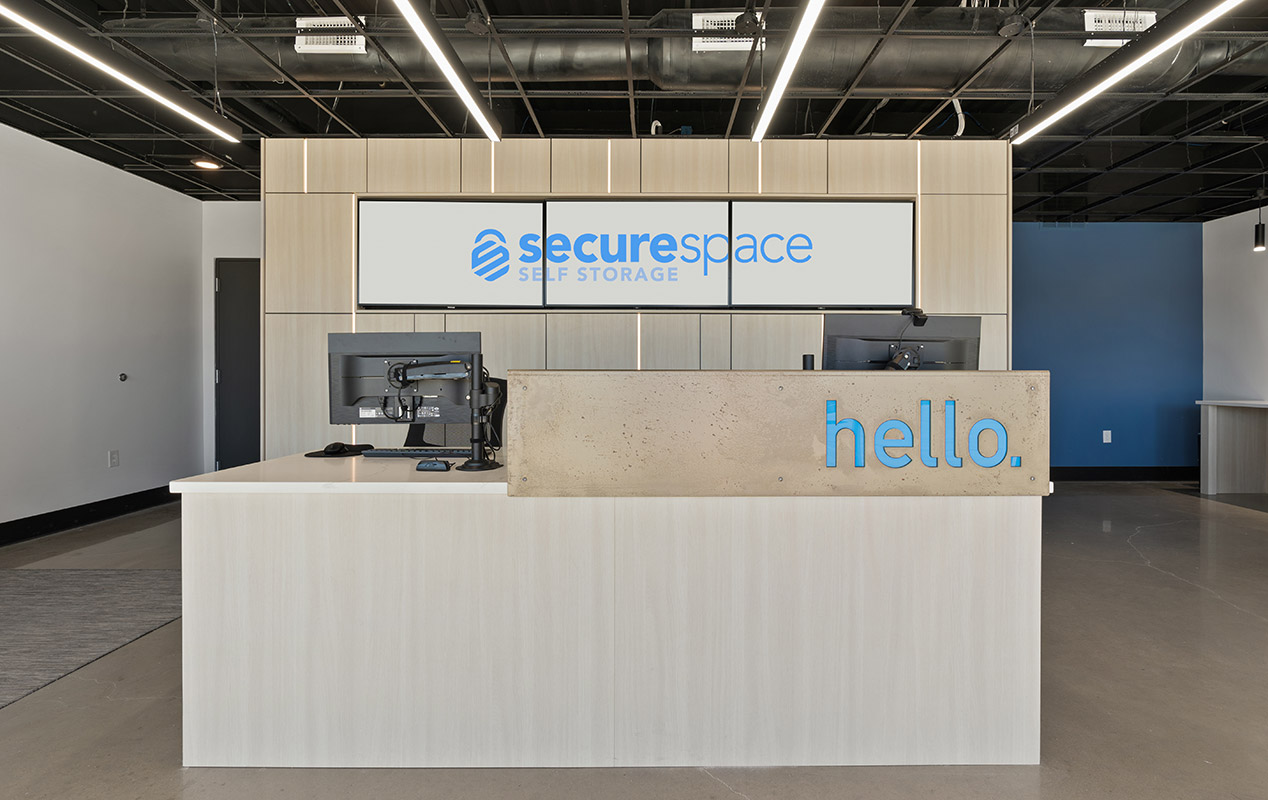
Staff Presence: A facility with an on-site office usually has better oversight than a fully automated, unmanned kiosk location. Having a human being who walks the property and checks the locks is an invaluable security feature.
When you look at the map of South Austin, 8200 S I-35 Frontage Rd stands out not just for its visibility, but for its utility. It sits at a convergence point that makes it relevant to a wide swath of the population.
It bridges the "Old" and "New" Austin: It is equidistant from the established, renovating neighborhoods of 78745 and the booming new builds of 78744. It serves the contractor needing to store tools for a renovation and the new homeowner needing to store the boat the HOA won't allow.
It solves the "Climate" Problem: In a region defined by humidity and heat, a modern, enclosed facility offers a level of protection that older, non-climate-controlled stock simply cannot match. It serves as an insurance policy for your belongings against the Texas weather.
It respects the "Traffic" Reality: By being positioned on the southbound side, it allows for easy "swoop in" access for anyone coming from downtown or 78704, and easy "loop back" access for those in 78748 via Slaughter Lane. It minimizes the time spent in the gridlock of William Cannon, acknowledging that your time is valuable.
Storage is rarely about the "stuff." It is about the transition. It is about the peace of mind that comes from decluttering a home office so you can focus on your remote work. It is about protecting a grandmother's dining table while you renovate the house she left you. It is about making a 900-square-foot apartment in 78704 feel like a palace because the winter gear is elsewhere.
For residents of South Austin, the decision often comes down to a balance of protection and access. You need a place that is easy to get to when you need it—whether that's grabbing a kayak for a Lady Bird Lake run or retrieving holiday decor—but secure enough that you don't worry about it when you don't.
The facility at 8200 S I-35 fits this specific local equation. It offers the modern, climate-controlled protection required by our aggressive weather, positioned at a logistical sweet spot that savvy locals can navigate with ease. It isn't just a metal box; it's a neighborhood amenity that helps South Austin breathe a little easier.
Make your choice based on how you live, how you drive, and what you value. And remember: the best storage unit is the one that keeps your things safe while you are busy living your life in this incredible city.
(A quick reference for the day of the move)
Best Time to Move: Saturday or Sunday, 8:00 AM – 10:00 AM. (Avoids I-35 commuter traffic and William Cannon lunch rush).
Box Recommendation: Use small, uniform boxes for ease of stacking on carts. Heavy items in small boxes; light items in large boxes.
Hydration: If moving between May and September, bring a cooler with water. The loading bay is covered, but the Texas air is not.
Traffic Check: Always check Waze for "I-35 Frontage Road" closures before leaving home to avoid getting stuck in construction traffic.
Safety: Ensure your vehicle is locked when inside the loading bay. While secure, it is a transient space.
Everything you need to store your belongings securely, on your schedule.
Visit us online