Last updated Jul 10, 2026
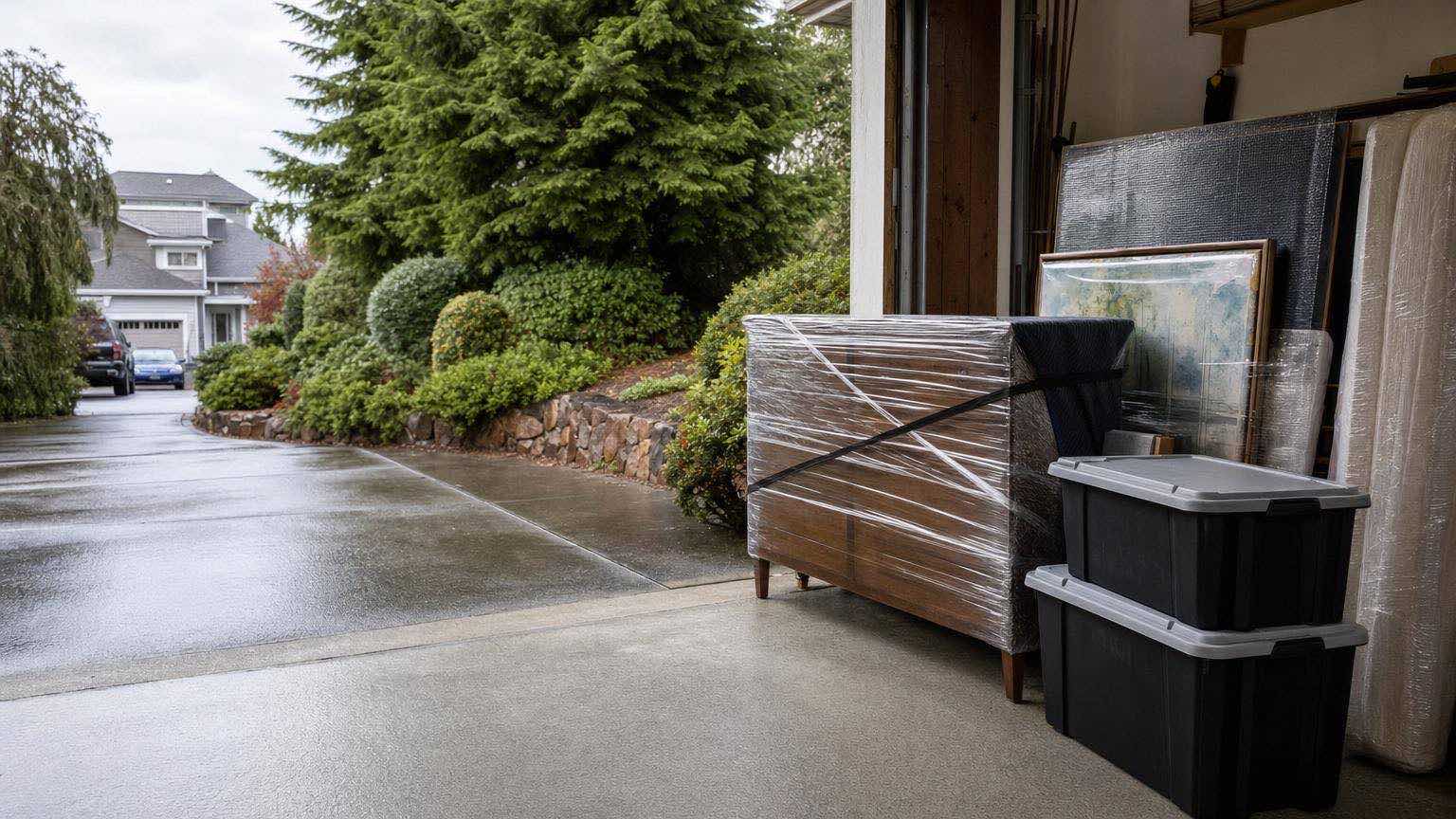
The contemporary urban experience in the Puget Sound region, particularly within the southern corridors of Seattle, is increasingly defined by a spatial paradox. As residential density intensifies through zoning reforms and the proliferation of Detached Accessory Dwelling Units (DADUs), the physical capacity of the average household to retain possessions is inversely correlating with the accumulation of goods. This phenomenon is acute in South Seattle—spanning the zip codes of 98108 (Beacon Hill/Georgetown), 98118 (Columbia City), and the 98116/98126/98136 peninsula of West Seattle—where the architectural heritage of Craftsman bungalows clashes with the logistical demands of modern living.
This report provides an exhaustive analysis of the factors necessitating off-site storage in this hyper-local market. It moves beyond superficial comparisons of unit pricing to examine the structural determinants of storage decisions: the hydrologic and atmospheric realities of the Pacific Northwest climate, the traffic engineering anomalies of the Interstate 5 corridor, and the specific zoning constraints of Seattle's residential renovation boom.
The analysis centers on the emergence of specialized logistics hubs in the industrial interface zones, specifically the facility located at 6305 Corgiat Drive South. This location, situated at the nexus of residential uplands and industrial transport corridors, represents a strategic solution to the "last mile" problem of personal logistics. By examining traffic patterns, moisture mitigation physics, and urban crime prevention theories, this report serves as a definitive guide for residents navigating the complex decision matrix of asset preservation and spatial management in South Seattle.
To understand the necessity of external storage in this region, one must first deconstruct the urban fabric of the neighborhoods in question. The area is characterized by a topographical and zoning split: the residential "ridges" (Beacon Hill, West Seattle) and the industrial "valleys" (Georgetown, SoDo, the Duwamish Waterway). This separation creates distinct logistical challenges for residents attempting to manage excess inventory.
Beacon Hill functions as a primary residential spine south of downtown Seattle. The housing stock here is predominantly mid-century and earlier, often lacking the expansive garages found in suburban developments further south in Kent or Renton.
Topographical Isolation: While physically close to the industrial district, Beacon Hill is separated by steep grades. Residents require efficient arterial descent routes to access services. The Swift Avenue and Albro Place corridors serve as the primary "spillways" for traffic moving from the residential ridge to the I-5 logistics corridor.
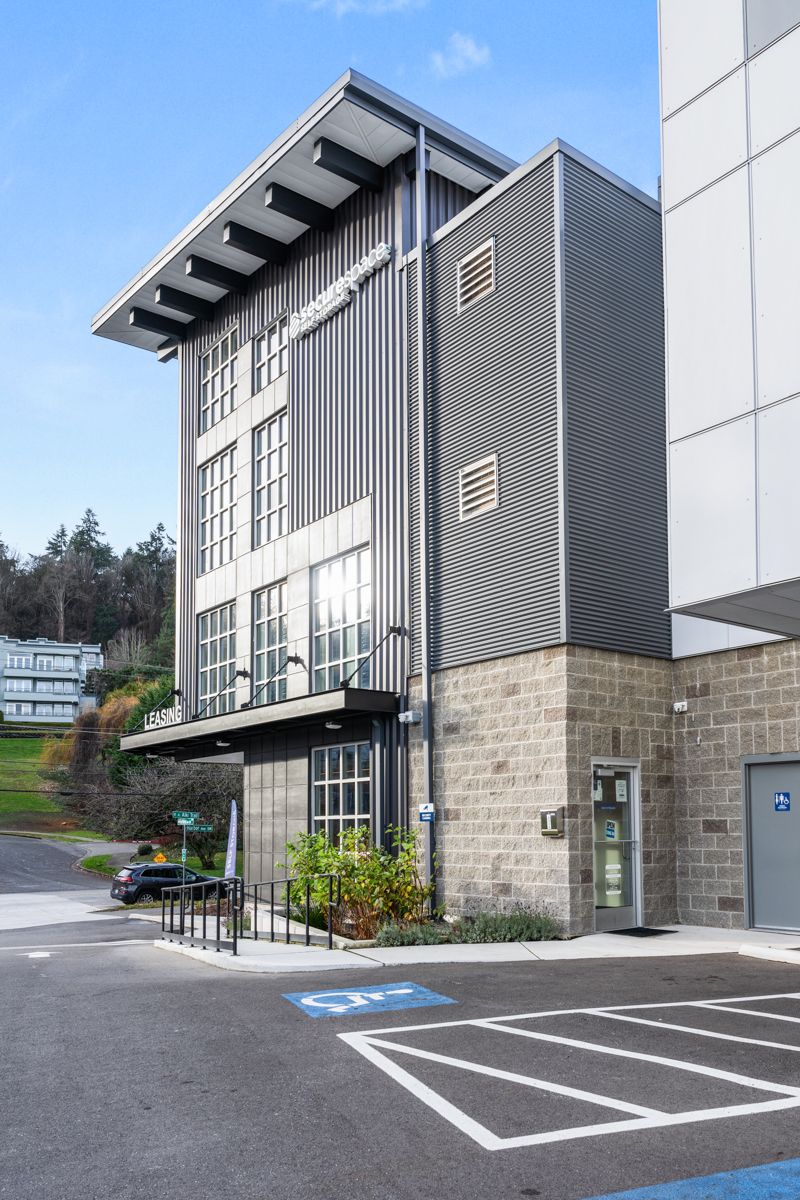
Zoning Interface: The transition from Residential (NR) zones to Industrial (IG1/IG2) zones is abrupt. This proximity, however, offers a strategic advantage: residents are minutes away from industrial-grade infrastructure that is effectively banned in residential clusters. The Corgiat Drive location leverages this interface, sitting firmly in an industrial zone (allowing for large truck access and high-security fencing) while being immediately adjacent to the residential catchment area.
West Seattle operates as a distinct geopolitical and logistical entity due to its separation by the Duwamish River. The trauma of the West Seattle Bridge closure (2020-2022) fundamentally altered the commuter psychology of the peninsula's 80,000+ residents.
The Psychological Toll of the Commute: Even with the bridge reopened, West Seattle residents are highly sensitive to "bridge friction." The prospect of traveling north to Ballard or east to Bellevue for services is viewed as a high-friction activity.
The Southbound Logistics Flow: Traffic engineering data suggests that the most efficient egress from West Seattle for logistics purposes is the eastbound crossing of the West Seattle Bridge, merging directly onto I-5 South. The Albro Place exit (Exit 161) is the first major interchange encountered, acting as a natural "intercept point" for residents. This makes the Corgiat Drive facility logistically closer in time to West Seattle than many facilities geographically closer but buried in the congestion of Delridge or White Center.
In contrast to the south end, the dense urban cores of Capitol Hill (98122) and Downtown (98101) face a critical infrastructure failure regarding personal storage: the lack of loading zones.
The Loading Zone Crisis: Residents in these areas frequently report "nightmarish" logistics when attempting to move goods. The density of street parking, combined with the lack of dedicated loading bays in older apartment buildings, forces users to double-park or carry items extended distances.
The Value of the Reverse Commute: For a Capitol Hill resident, driving 10-15 minutes south against the flow of morning traffic to a facility with dedicated, covered parking (like the Beacon Hill location) is often faster and less stressful than attempting to access a facility within their own neighborhood that lacks parking infrastructure.
The primary driver for seeking professional storage in the Pacific Northwest is not merely a lack of space, but the environmental hostility of the region towards stored goods. The climate of Seattle is characterized by prolonged periods of high relative humidity (RH) and moderate temperatures, creating an ideal incubation zone for biological degradation.
Residents often default to using garages, sheds, or basements for storage, operating under the false assumption that "dry from rain" equals "safe." In Seattle, this is a fallacy.
Relative Humidity Dynamics: The average RH in Seattle frequently exceeds 80% during the winter months. Organic materials (wood, leather, paper, cotton) are hygroscopic; they absorb moisture from the air until they reach equilibrium. When the equilibrium moisture content (EMC) of wood exceeds 20%, it becomes susceptible to fungal decay.
The Condensation Cycle: Unheated garages in 98108 and surrounding zip codes often consist of single-pane windows and uninsulated concrete slabs. During temperature fluctuations—common in the shoulder seasons—warm, moist air contacts cold surfaces (tools, electronics, concrete), causing condensation. This liquid water is the primary catalyst for rust on bicycles and mold on upholstery.
The specific pathogen of concern in Seattle storage scenarios is Stachybotrys chartarum (black mold) and various Aspergillus species.
Growth Conditions: Mold requires a food source (cellulose in boxes, drywall, wood) and moisture. It does not require standing water; high humidity alone is sufficient. Once established, remediation is difficult and often requires the total disposal of porous items like mattresses and sofas.
The Garage as a Petri Dish: Anecdotal evidence from local forums highlights a recurring narrative: residents store furniture in a garage for a remodel, only to find it covered in green or white fuzz six months later. This effectively imposes a "tax" on garage storage equal to the value of the ruined goods.
The technological countermeasure to this environmental threat is active climate control, distinct from mere "temperature control."
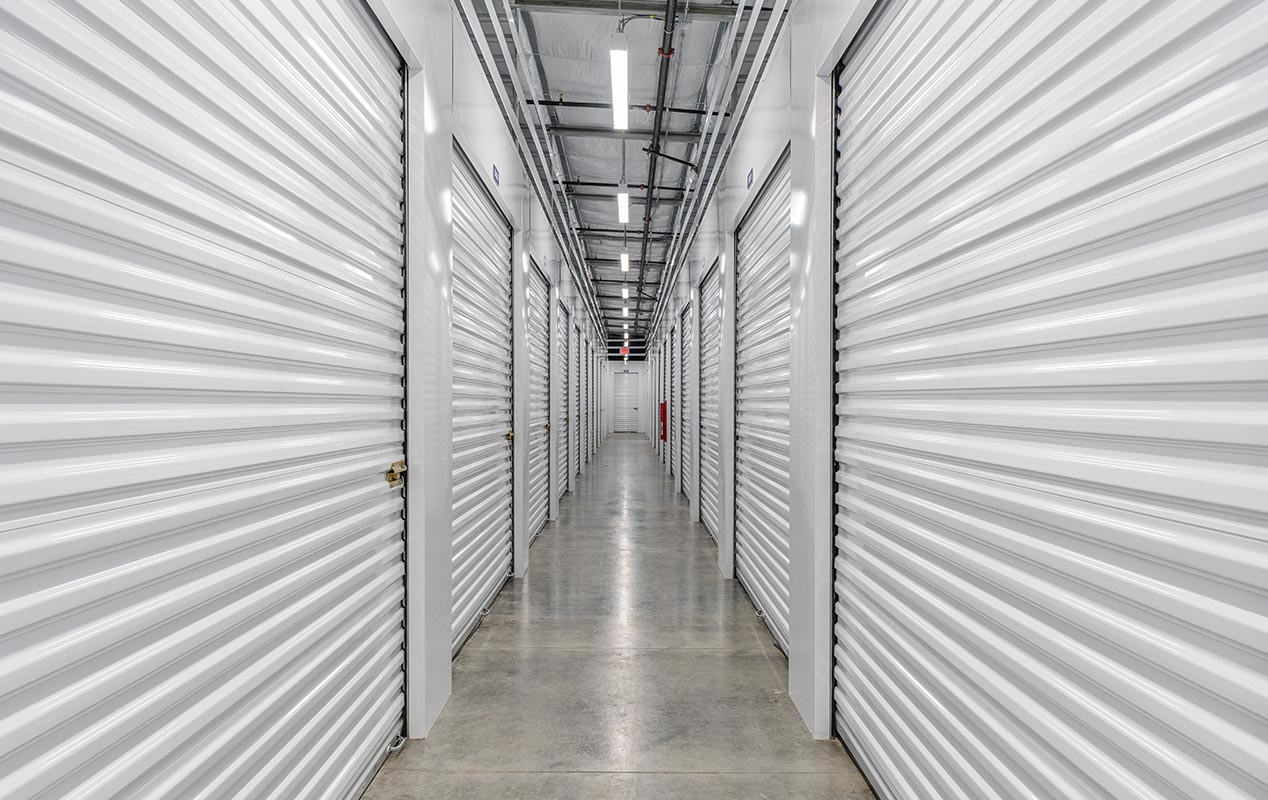
Dehumidification vs. Heating: While heating a unit (as seen in some older facilities) reduces RH by raising the temperature, modern climate control (HVAC) actively removes moisture. The SecureSpace Beacon Hill facility utilizes modern HVAC systems designed to maintain the environment within the "preservation zone" of 55°F–80°F and, crucially, keeps humidity in check.
The Peloton and Electronics Factor: High-value modern exercise equipment, such as Peloton bikes, features complex electronics and touchscreens. User manuals and community wisdom explicitly warn against storing these devices in non-climate-controlled environments. The fluctuation in temperature can cause screen delamination, while humidity causes internal corrosion of the PCBs (Printed Circuit Boards). For a resident of Beacon Hill or West Seattle with a $2,000 piece of equipment, the monthly cost of a climate-controlled unit is a fraction of the replacement cost.
For a storage facility to be functional, it must be accessible. In the context of South Seattle traffic, "accessibility" is defined by traffic engineering and freeway interchange geometry. The SecureSpace facility at 6305 Corgiat Drive South benefits from a specific set of infrastructural advantages that distinguish it from competitors buried deeper in the industrial grid.
The Interstate 5 corridor through Seattle is notorious for congestion, but Exit 161 (Albro Place/Swift Ave) functions as a unique pressure release valve for local traffic.
The Bypass Mechanism: Unlike Exit 162 (Corson/Michigan), which funnels traffic into the heavy freight corridors of Georgetown where semi-trucks frequently block intersections, Exit 161 deposits vehicles onto Swift Avenue and Albro Place. These arterials are elevated and less prone to the gridlock associated with the Port of Seattle traffic.
Direct Access: From the exit ramp, the route to Corgiat Drive South is short and involves minimal turns, reducing the "cognitive load" of the drive. This is particularly important when driving a rented moving truck or towing a trailer, where navigating complex industrial intersections can be stressful.
Corgiat Drive South is a truncated street—a dead end that terminates near the facility. In urban planning terms, this is a significant asset for a storage facility.
Traffic Calming: Because Corgiat Drive is not a through-street, there is zero pass-through traffic. The only vehicles on the road are there for specific business purposes. This creates a safer, calmer environment for loading and unloading compared to facilities located on busy arterials like 4th Avenue South or Aurora Avenue.
Security Implications: The dead-end geography acts as a natural filter. Loitering vehicles or individuals are immediately conspicuous, which enhances the effectiveness of security monitoring systems. This "natural surveillance" is a core tenet of Crime Prevention Through Environmental Design (CPTED).
Perhaps the most critical infrastructural feature for the Pacific Northwest user is the covered loading area.
The Dry Chain: In a region with 150+ rain days annually, the ability to move goods from a vehicle to a unit without exposing them to water is paramount. "Drive-up" units, often touted as convenient, force the user to stand in the rain while unlocking doors and managing items.
Ergonomics: The covered loading bay at SecureSpace is designed for high-volume transfers. It allows for the staging of goods on dry concrete before loading onto carts. The facility provides large, freight-capable elevators, enabling the use of rolling carts to move heavy furniture. This contrasts sharply with older, garden-style facilities where users may have to navigate curbs, uneven pavement, or stairs.
A primary driver of storage demand in Seattle is the booming construction sector, specifically the renovation of existing homes and the addition of DADUs.
Recent zoning changes in Seattle have liberalized the construction of DADUs, leading to a surge in backyard cottage construction.
The Garage Sacrifice: To build a DADU, homeowners often must demolish an existing detached garage or convert it into living space. This instantly displaces years of accumulated household goods—tools, seasonal decorations, camping gear—creating an immediate deficit of 200-400 square feet of storage.
Construction Timelines: The permitting and construction process for a DADU or major remodel in Seattle typically spans 6 to 9 months, with some projects extending beyond a year due to backlog. This defines the "storage horizon" for these users: they need a medium-term solution (not just one month) that ensures the safety of their displaced goods until the new structure is complete.
During a major renovation, the "staging" of furniture becomes a logistical puzzle.
The Protection Mandate: Furniture left in a home during drywall sanding or flooring installation will be permeated by fine dust. Professional contractors and movers strongly advise moving all soft goods (sofas, mattresses) off-site to a clean facility.
The 10x20 Solution: For a standard Seattle remodel involving a living room, dining room, and one or two bedrooms, the 10x20 unit is the industry standard requirement. It offers 200 square feet of floor space, roughly equivalent to a one-car garage, allowing for the organized stacking of furniture without crushing fragile items.
Selecting the correct unit size is often a source of anxiety for new renters. The following analysis maps specific Seattle inventory types to the appropriate unit dimensions, correcting common misconceptions.
Standard size guides often fail to account for the specific geometry of Pacific Northwest lifestyle items.
Item Type — Dimensions / Notes — Recommended Unit Size — Critical Considerations
Sea Kayak — 12-14 ft length — 10x15 or 10x20 — A 10x10 unit has a diagonal of ~14.1 ft, but maneuvering a rigid hull into this space is nearly impossible once other items are present. Vertical storage is risky for hull integrity. Do not attempt to store a 12ft+ kayak in a 10x10.
Peloton Bike — 4ft x 2ft footprint — 5x5 or 5x10 — Requires climate control to protect the touchscreen and bearings. Fits easily in a 5x5 if stored with boxes, but a 5x10 allows for access without moving other items.
King/Queen Mattress — 80" length (Queen) — 5x10 — A queen mattress fits vertically in a 5x10 unit with 8ft ceilings. It will not fit flat. A mattress bag is mandatory for hygiene.
DADU Displacement — Contents of 1-car garage — 10x20 — Demolishing a garage requires a 10x20 to absorb the displaced volume (lawnmower, tools, boxes, bikes).
Studio Apartment — ~500 sq ft living space — 5x10 — Sufficient for a bed, dresser, TV, and boxes. If large sofas or dining tables are included, upgrade to 10x10.
For residents in micro-apartments in Columbia City or the new developments along the Light Rail corridor:
The 5x5 "Locker": This unit functions as a walk-in closet. It is the most economical choice for storing seasonal wardrobes (ski gear in summer, camping gear in winter), archival documents, and holiday decorations.
The 5x10 "Spare Room": This is the most versatile unit for the urban dweller. It provides enough depth to store a motorcycle (check specific facility rules on fluids), a bicycle fleet, or the contents of a single bedroom during a transition.
Security in the industrial zones of South Seattle is a valid concern for potential renters. The SecureSpace facility addresses this through a layered security approach that leverages both technology and environmental design.
Modern storage security has moved beyond simple padlocks.
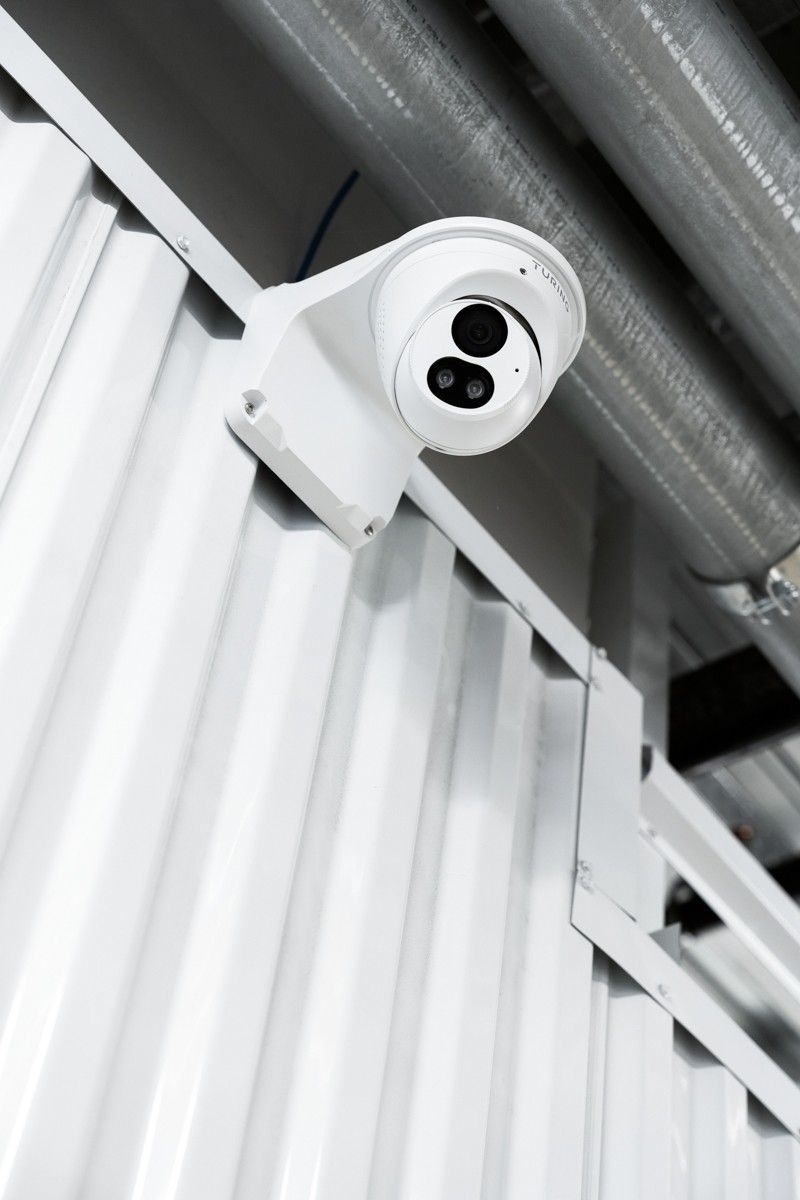
Surveillance Density: The facility employs high-definition digital video recording with extensive coverage. The presence of cameras acts as a psychological deterrent to opportunistic theft.
Access Control: The use of unique access codes and app-based entry logs creates a digital audit trail of every person who enters and exits the facility. This "contactless" system also prevents "tailgating" (following another car in) by ensuring that the gate operation is tied to specific user credentials.
The physical layout of the Corgiat Drive facility contributes to its security profile.
Lighting as a Weapon: High-intensity LED lighting is deployed throughout the facility. In CPTED theory, illumination is the primary deterrent for illicit activity, as it increases the perceived risk of being observed. The bright lighting also improves safety for users accessing units during the dark winter evenings.
Perimeter Integrity: The facility is fully fenced, creating a hard perimeter that channels all access through the controlled gate points. The location at the end of a dead-end street further reduces the volume of random traffic, making any loitering vehicles immediately suspicious.
While the Industrial District has a higher rate of property crime than some residential enclaves, the specific block of Corgiat Drive benefits from its isolation from the main pedestrian corridors of Georgetown. Crime mapping data often shows "hot spots" near major retail or transit hubs; industrial cul-de-sacs often have lower incident rates due to the lack of casual foot traffic. The active presence of on-site management during the day further hardens the target.
The economics of self-storage in Seattle are dynamic, driven by algorithmic pricing models. Residents must navigate "teaser rates" to find true value.
A common complaint in the Seattle storage market involves aggressive introductory offers (e.g., "$1 Move-In") that are followed by rapid, significant rent increases—sometimes exceeding 70% within the first few months.
The Churn Model: Some competitors operate on a high-churn model, banking on the fact that once a customer has moved their goods in, the "friction cost" of moving out is too high to leave when the price spikes.
The SecureSpace Approach: While all storage pricing is subject to market demand, SecureSpace typically positions its offers (such as "50% off for the first 2 months") as a transparent incentive. Reviews often highlight the helpfulness of staff in explaining the pricing structure, contrasting with the "bait and switch" tactics reported elsewhere.
There is a distinct arbitrage opportunity for residents willing to drive to the industrial zone.
Land Value Differential: Storage facilities in high-density residential zones (Queen Anne, Capitol Hill) sit on some of the most expensive land in the city. This cost is passed on to the renter.
The Price Gap: Data indicates that a 10x10 unit in a prime residential neighborhood can cost 20-30% more than a comparable unit in the industrial district just a few miles away. By driving the extra 10 minutes to Corgiat Drive, residents can secure a modern, climate-controlled unit for the price of an older, non-climate-controlled unit in the city core. This represents a significant optimization of the household budget.
The move-in process is the most physically demanding aspect of storage. The SecureSpace facility offers several operational advantages that mitigate this stress.
Elevator Access: The facility features large, freight-capable elevators. This allows users to stack boxes on flatbed carts (available on-site) and move them vertically with ease. This is often superior to "drive-up" units which may require lifting items over a high threshold or weather lip to enter the unit.
Moving Supplies: The on-site sale of moving supplies (boxes, tape, locks) adds a layer of convenience. While these items can be purchased elsewhere, the ability to grab an extra roll of tape or a mattress bag immediately when needed prevents project delays.
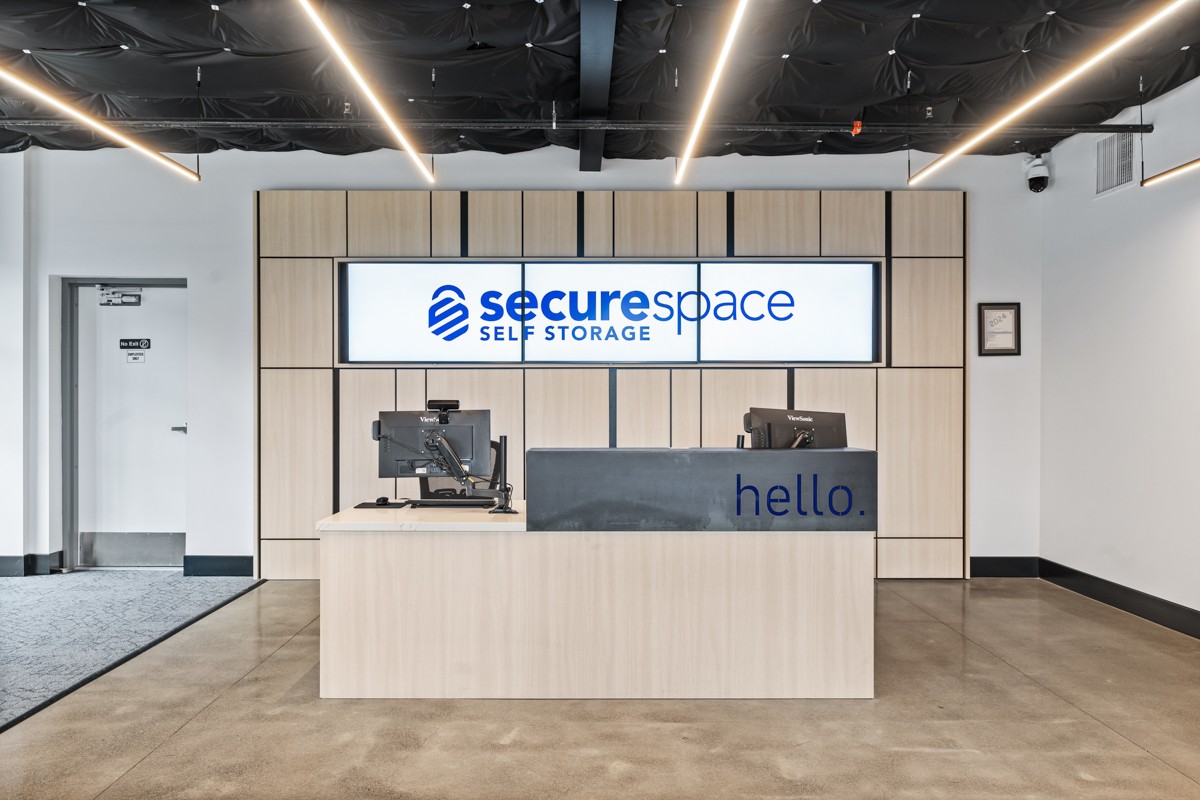
Manager Support: Reviews consistently praise the on-site management team (specifically mentioning staff like "Vivian" and "Briana") for their assistance during the move-in process. In an industry often moving towards full automation (kiosks), the presence of helpful human staff is a significant value-add for resolving code issues or sizing questions in real-time.
For the residents of South Seattle, West Seattle, and the surrounding residential corridors, the decision to utilize the SecureSpace Self Storage facility at 6305 Corgiat Drive South is supported by a convergence of logistical, environmental, and economic factors.
Strategic Location: The facility leverages the unique traffic engineering of Exit 161 (Albro Place) to provide a low-friction access point that bypasses the region's worst congestion. It serves as an effective "intercept" for West Seattle commuters and a convenient hub for Beacon Hill residents.
Environmental Necessity: The Pacific Northwest climate mandates the use of climate-controlled storage for the preservation of furniture, electronics, and archives. The "moisture tax" levied by unheated garages makes professional storage the only prudent choice for high-value items.
Renovation Infrastructure: As the region undergoes a densification wave through DADU construction, the facility offers the requisite capacity and accessibility to support homeowners through the displacement of renovation projects.
Operational Excellence: With covered loading bays, modern security infrastructure, and a customer-centric management approach, the facility mitigates the physical and psychological stress of moving.
In the complex spatial equation of modern Seattle living, 6305 Corgiat Drive South represents not just a storage unit, but a calculated infrastructure decision that enhances the livability and resilience of the urban household.
Everything you need to store your belongings securely, on your schedule.
Visit us online