Last updated Jul 10, 2026
The decision to secure self-storage in West Seattle is fundamentally different from storage decisions made in mainland metropolitan areas. Residents of the peninsula operate within a unique logistical "island" ecosystem, defined by a restricted number of ingress/egress points, a distinct microclimate heavily influenced by Puget Sound aerosols, and a rapidly densifying housing market that is aggressively displacing residential storage capacity. Unlike a resident of Bellevue or Northgate, who might choose a facility based on a simple two-mile radius, the West Seattleite must calculate "bridge risk," "salt-air corrosion vectors," and "elevation logistics" before committing to a lease.
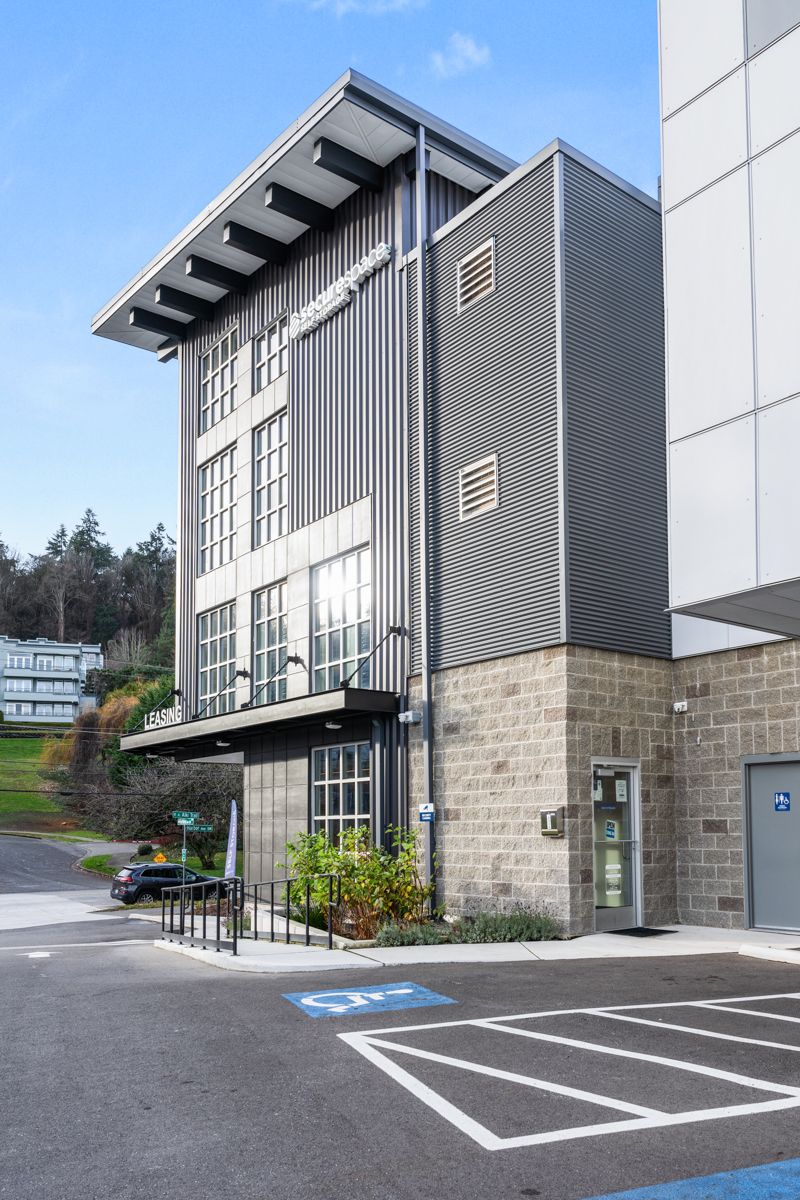
This comprehensive decision guide analyzes the self-storage landscape of West Seattle for the 2026 fiscal year, with a specific focus on the strategic utility of the facility located at 2328 Harbor Avenue Southwest. Situated at the nexus of the industrial port zone and the premium residential shoreline of Alki, this location offers a unique set of advantages that address the specific pain points of peninsula living—namely, traffic unpredictability and environmental degradation.
Our analysis, based on extensive local data, infrastructure reports, and consumer feedback, suggests that the optimal storage strategy for West Seattle residents involves prioritizing logistical resilience and climate defense over raw square-footage costs. The Harbor Avenue corridor, by virtue of its positioning "downstream" of the major traffic bottlenecks and its modern infrastructure designed to combat marine moisture, represents the most prudent choice for protecting assets in this specific geography.
This report will detail the specific logistical frictions of the West Seattle peninsula, the physics of storing goods in a high-salinity environment, and the comparative risks of competitor facilities in the Delridge and White Center corridors. It serves not as a sales brochure, but as a tactical manual for managing physical assets in one of Seattle's most dynamic and challenging neighborhoods.
To understand storage in West Seattle, one must first understand the geography of traffic. The peninsula is effectively an island, tethered to the economic core of Seattle by a fragile network of bridges. For a storage tenant, the reliability of these connections dictates the usability of their unit. If a facility takes 45 minutes to reach during a bridge closure, it effectively becomes dead space—a "storage tomb" rather than an accessible extension of the home.
For residents of zip codes 98116 (Alki/Admiral) and 98126 (North Delridge/High Point), "distance" is not measured in miles but in "bridge proximity." The psychological and practical reality of living on the peninsula is defined by the functional status of the West Seattle High-Rise Bridge and the Spokane Street Swing Bridge (Low Bridge).
The facility at 2328 Harbor Avenue SW occupies a unique tactical position in this landscape. Located in the North Admiral sector, it sits geographically below the residential hills but adjacent to the primary egress points. This positioning offers a distinct logistical advantage over storage options located further south along Delridge Way SW or 35th Ave SW.
When traffic congestion spikes on Fauntleroy Way or Delridge Way—common occurrences during peak commute hours or when an accident restricts bridge throughput—the Harbor Avenue corridor typically remains a viable "back door" route. Residents of Alki and North Admiral can access the facility via the shoreline road (Alki Ave SW to Harbor Ave SW) without ever entering the heavy congestion zones of the Alaska Junction, the Fauntleroy ferry lineup, or the Delridge triangle.
This "North End" positioning creates a firewall against the worst of West Seattle's internal gridlock. If a resident in the Junction needs to access a unit on a Saturday afternoon, traveling north to Harbor Avenue moves them away from the commercial density. Conversely, traveling south to a facility in White Center or Burien forces them to navigate the arterial chokepoints of Morgan Street and 35th Ave SW, adding significant friction to the trip.
The facility is a exceptionally short drive from Alki Beach and the West Seattle Junction. For residents utilizing storage for recreational gear—such as kayaks, paddleboards, or windsurfing equipment—this location allows for retrieval en route to the water. A user can drive down the hill, load their gear at the facility, and be at the Alki boat launch in under five minutes. This contrasts sharply with storage options located inland, which would require a user to drive away from the water to retrieve gear, then backtrack through neighborhood traffic to reach the beach.
The Spokane Street Swing Bridge (Low Bridge) is a critical piece of infrastructure for freight, transit, and emergency access. However, it is an aging mechanical structure prone to reliability issues. Research indicates ongoing rehabilitation work extending through 2025 and 2026, including critical repairs to hydraulic turn cylinders and manifolds.
Strategic Implication for Storage:
During periods when the Low Bridge is closed or restricted for maintenance, surface traffic on West Marginal Way and Delridge Way often gridlocks as freight trucks and detoured traffic saturate the lower roadways. A storage facility located deep in the Delridge corridor becomes difficult to access during these events.
Harbor Avenue Resilience: A facility on Harbor Avenue allows North End residents to bypass the worst of this industrial congestion. By approaching from the north (Admiral Way or Alki Ave), tenants can access their units without interacting with the snarled traffic around the Chelan Cafe intersection or the Delridge on-ramps.
Emergency Egress: In the event of a total bridge stoppage where traffic is diverted south to the First Avenue South Bridge or South Park, Harbor Avenue remains a clear conduit to the northern tip of the peninsula, ensuring that access to stored goods is not cut off by arterial paralysis.
Looking ahead to 2026, the broader Seattle traffic ecosystem faces significant disruption from the "Revive I-5" project. Major construction work is scheduled for the northbound lanes of the Ship Canal Bridge and other sections of I-5, with expected lane reductions and full weekend closures.
Why this impacts your storage decision:
If you are storing items that you intend to move out of West Seattle frequently (e.g., business inventory for downtown clients, camping gear for trips to the Cascades, or trade show materials), you need a facility that minimizes the "friction" of getting onto the highway network.
Direct On-Ramp Access: The Harbor Avenue location feeds directly onto the lower level of the West Seattle Bridge / Spokane Street viaduct system. This allows users to "pulse" onto the highway network during windows of lower traffic, rather than spending 15-20 minutes fighting neighborhood traffic just to reach the on-ramp.
The "Reverse Commute" Effect: Most storage visits occur on weekends. With I-5 construction likely to push traffic onto alternate routes, the internal streets of West Seattle (35th, California) will see increased pressure from drivers seeking shortcuts. Staying on the periphery—on Harbor Avenue—keeps tenants out of the neighborhood cross-traffic.
The facility's location near Terminal 5 and the Port of Seattle operations adds an industrial context to the area. While this means sharing the road with container trucks, it offers significant advantages for moving logistics.
Move-In Efficiency: The roadways serving the port (Harbor Ave, Spokane St) are designed for heavy loads and wide turns. If a tenant is renting a large moving truck (15ft+), navigating the tight, car-lined residential streets of High Point or the crowded arterials of the Junction can be highly stressful and prone to accidents. Harbor Avenue offers wider lanes and clearer sightlines, reducing the stress of maneuvering a rental truck.
24/7 Surveillance Culture: The proximity to the port means the entire area has a heightened security posture. Port security patrols, abundant lighting, and constant activity create a zone that is generally less prone to the casual vandalism sometimes seen in quieter, unmonitored residential alleys. SecureSpace fits into this environment with its own robust security measures, benefiting from the generally "watched" nature of the port zone.
In the Pacific Northwest, and specifically on the West Seattle peninsula, storage is not merely about space; it is about preservation. The local microclimate is defined by two relentless forces: Atmospheric Moisture and Marine Aerosols (Salt Air). A standard, unconditioned garage or an older "drive-up" unit often fails to protect against these elements, leading to the "silent destroyers" of stored goods: mold growth and galvanic corrosion.
Harbor Avenue is arguably the "saltiest" strip in West Seattle. It runs directly along the waterline, facing the prevailing winds off Elliott Bay. While the view is beautiful, the air carries a heavy load of microscopic salt crystals (chlorides).
The Chemistry of Corrosion: Salt creates an electrolytic environment that dramatically accelerates the oxidation of metals. This process, known as galvanic corrosion, attacks electronics, bicycles, camping stoves, and metal furniture connections. If a tenant stores these items in a unit with direct outdoor airflow (like many older drive-up facilities in the Delridge industrial valley), the fluctuating humidity combined with salt deposition invites rapid rust formation.
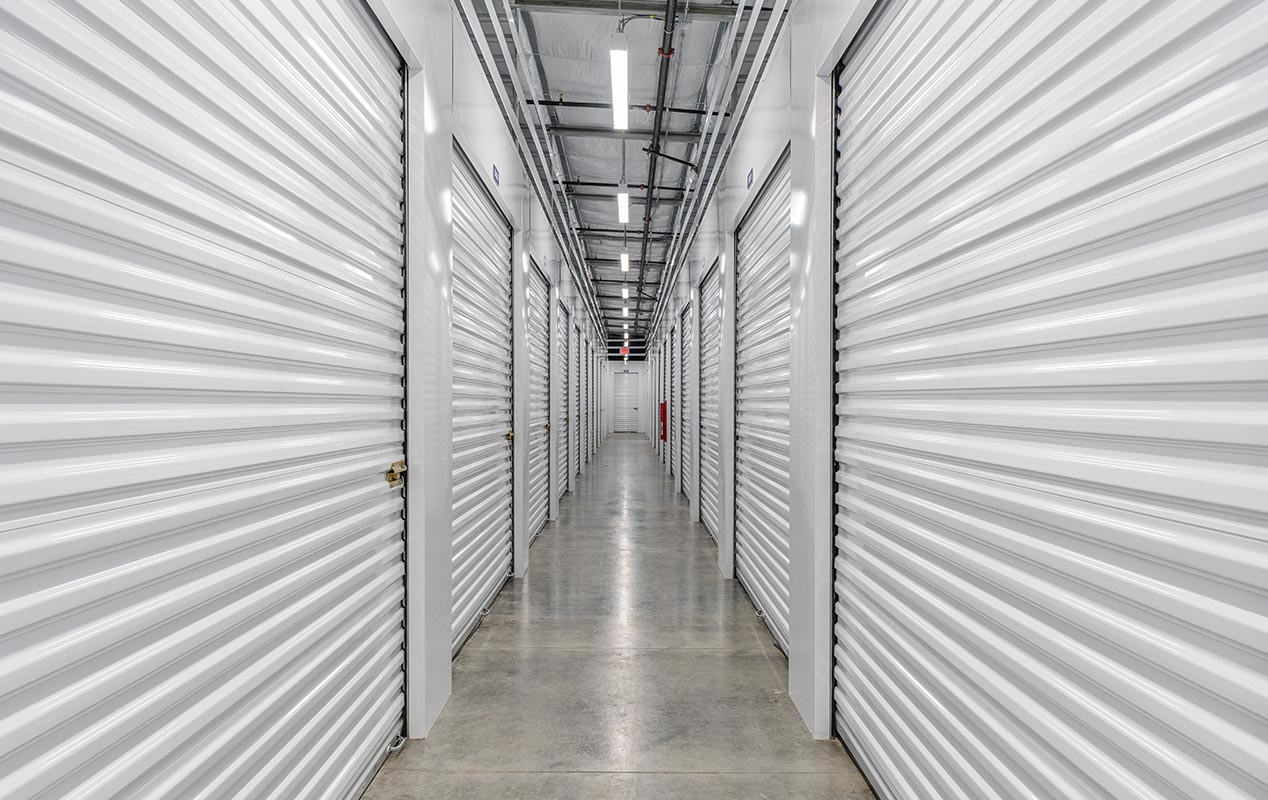
The SecureSpace Solution: The facility at 2328 Harbor Ave SW mitigates this risk through its architectural design. It offers indoor, climate-controlled units. By storing items inside a sealed building, typically on upper floors accessed by elevators, the volume of salt-laden air circulating around belongings is drastically reduced. The building's HVAC systems filter the air intake, removing particulates and aerosols that would otherwise settle on valuables.
Preservation Tip: Even within a climate-controlled unit, it is advisable to cover metal items with breathable cotton sheets. Do not use plastic, which can trap internal moisture; cotton allows the item to "breathe" while adding a final layer of filtration against dust and any residual aerosols.
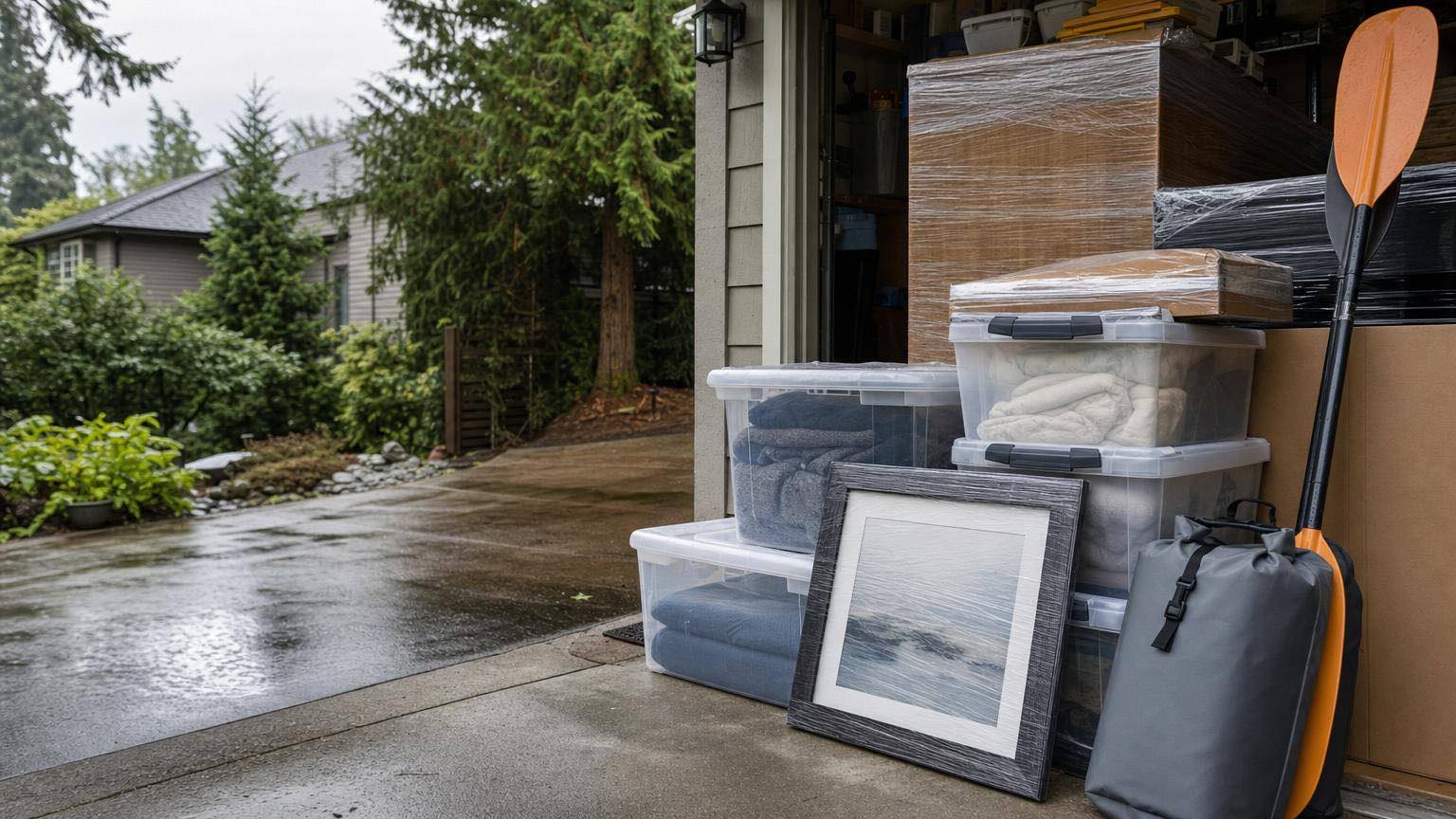
Seattle rain is characterized not by its intensity, but by its persistence. The region's "drizzle" is capable of soaking a mattress, a sofa, or a box of books in the five to ten minutes it takes to move an item from a truck to a storage unit. Once that moisture is absorbed into the item, it travels into the unit, potentially becoming a catalyst for mold growth.
The "Dry Chain" of Custody: A critical feature of the SecureSpace West Seattle facility is its Covered Loading Area. This infrastructure allows tenants to back a truck or van completely out of the elements before opening the cargo doors. This ensures a "dry chain of custody" from the vehicle to the elevator to the unit. Tenants can unload at their own pace without rushing to beat a squall, reducing the risk of injury or damage.
Competitor Contrast: Many older facilities in the area (e.g., some Public Storage locations on Delridge Way or the U-Haul lots on 35th Ave SW) rely on open-air unloading zones or exposed drive-up doors. In these scenarios, if it rains on moving day—a high probability in Seattle—items will get wet.
Real-World Impact: Reviews for competitor sites frequently mention "mold," "dampness," and "leaks" as major grievances. The covered loading bay at SecureSpace is a direct architectural countermeasure to this specific regional problem, protecting the integrity of stored goods before they even enter the unit.
Mold requires two primary ingredients: a food source (cellulose found in cardboard boxes, wood furniture, or fabric) and moisture. In unheated storage units, rapid temperature swings can cause condensation to form on surfaces when the metal door or concrete floor gets cold—a phenomenon related to the "dew point."
Climate Control vs. Heated Storage: SecureSpace offers units that are "Climate Controlled". It is important to distinguish this from units that are merely "Heated." True climate control manages humidity levels in addition to temperature. By keeping the temperature stable (typically between 55°F and 80°F), the system prevents the rapid cooling of air that causes it to release its moisture as condensation on stored items.
Ground Floor vs. Upper Floors: While "First Floor Access" is often touted as a premium convenience feature, there is a strong argument for choosing an upper floor unit in a waterfront location like Harbor Avenue. Upper floors are physically further removed from ground dampness, rising water tables during king tides, and potential pest entry points. The facility's large, freight-capable elevators make accessing these units painless, effectively neutralizing the inconvenience of vertical travel while gaining the preservation benefits of elevation.
The demographics and housing stock of West Seattle are shifting. The peninsula is seeing a move towards higher density—condos in the Junction, apartments on Alki—and a simultaneous boom in Accessory Dwelling Unit (ADU) construction in the single-family zones. These trends are changing what people store and why they store it. This section breaks down storage needs by specific West Seattle neighborhood profiles.
Seattle's push for increased urban density has led to a surge in Accessory Dwelling Units (ADUs) and Detached Accessory Dwelling Units (DADUs). Current regulations allow DADUs up to 1,000 square feet, often consuming the backyard space where a shed or garage might have stood.
The Garage Conversion: Many homeowners in the Admiral (98116) and Genesee (98126) neighborhoods are converting existing garages into living spaces or home offices to generate rental income or accommodate multi-generational living.
The Storage Conundrum: The immediate casualty of a garage conversion is storage space. The lawnmower, the holiday decorations, the tools, and the camping gear must go somewhere.
The 5x10 Solution: A 5x10 unit at SecureSpace (approx. 50 sq ft) is roughly the size of a large walk-in closet or a small garden shed. It effectively functions as a "satellite garage" for a homeowner who has monetized their actual garage. It fits a lawnmower, a stack of heavy duty totes, and seasonal tires.
Economic Logic: Converting a garage can generate significant monthly rental income (often $1,500-$2,000+ for an ADU in West Seattle). The cost of a 5x10 storage unit (often starting around $26-$44/mo with online promotions) is a fraction of the revenue generated by the converted space, making it a highly rational economic decision for the homeowner.
Apartments in West Seattle, particularly the new mixed-use builds in the Junction or the luxury condos along Alki Ave SW, are shrinking in average square footage. The average 1-bedroom apartment in the area hovers around 655 square feet.
The "Active Gear" Paradox: West Seattleites are culturally defined by an active outdoor lifestyle—kayaking, skiing, cycling, and hiking. Yet, modern "efficiency" apartments rarely include adequate gear lockers or secure bike storage.
Kayak Storage Strategy: A standard recreational kayak (10-12 feet) is nearly impossible to store in a 650 sq ft apartment without dominating the living space. A 10x10 unit at SecureSpace allows for the storage of a kayak diagonally (providing approximately 14ft of diagonal space) or on a vertical rack.
Location Synergy: Because the SecureSpace facility is located so close to the Alki boat launch and the Seacrest Park cove, it acts as a private "boathouse." A resident can pick up their kayak on the way to the water and drop it off immediately after, keeping wet, sandy gear out of their apartment and vehicle.
Ski Gear Preservation: The "off-season" for skis (April to November) is the "on-season" for humidity and mold. Storing skis in a climate-controlled unit at SecureSpace prevents the rusting of metal edges and the drying out or delamination of bases that can occur in hot, dry attics or damp, unconditioned basements.
For local business owners (e.g., cafes in the Junction, contractors based in Delridge), the high cost of retail square footage makes on-site storage inefficient.
Inventory Overflow: A 10x20 unit serves as an off-site stockroom. The proximity to the bridge allows for quick restocking trips to suppliers in SODO or Georgetown without the full commute time penalty of driving to a warehouse in Kent or Tukwila.
Document Archiving: The climate-controlled environment is essential for storing paper records, blueprints, and tax documents. Paper is highly hygroscopic (absorbs moisture) and will yellow, warp, or mold in non-conditioned spaces. SecureSpace provides the stable humidity required for long-term document preservation.
Why choose this specific SecureSpace location over the competitors scattered across the peninsula? The answer lies in the "Hardware" (the physical building attributes) and the "Software" (the service and security protocols).
In an era where property crime is a top concern for Seattle residents, SecureSpace has invested heavily in active monitoring and access control systems.
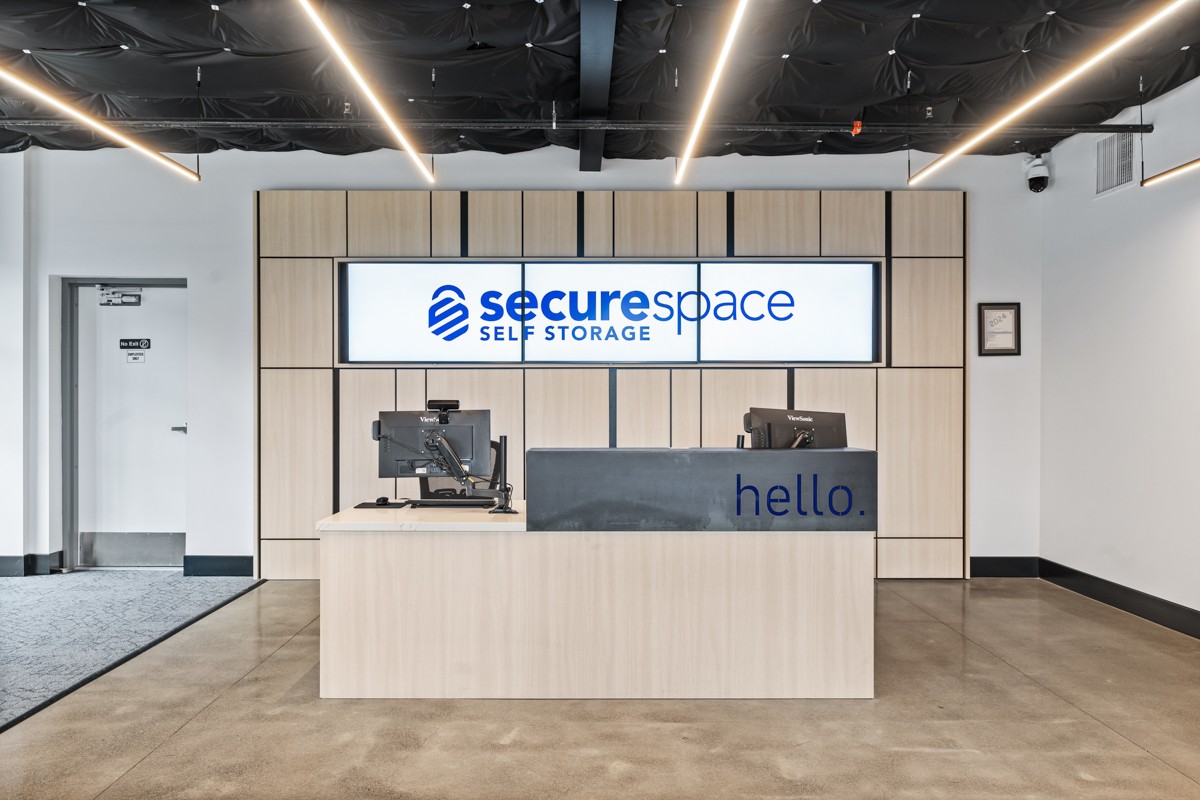
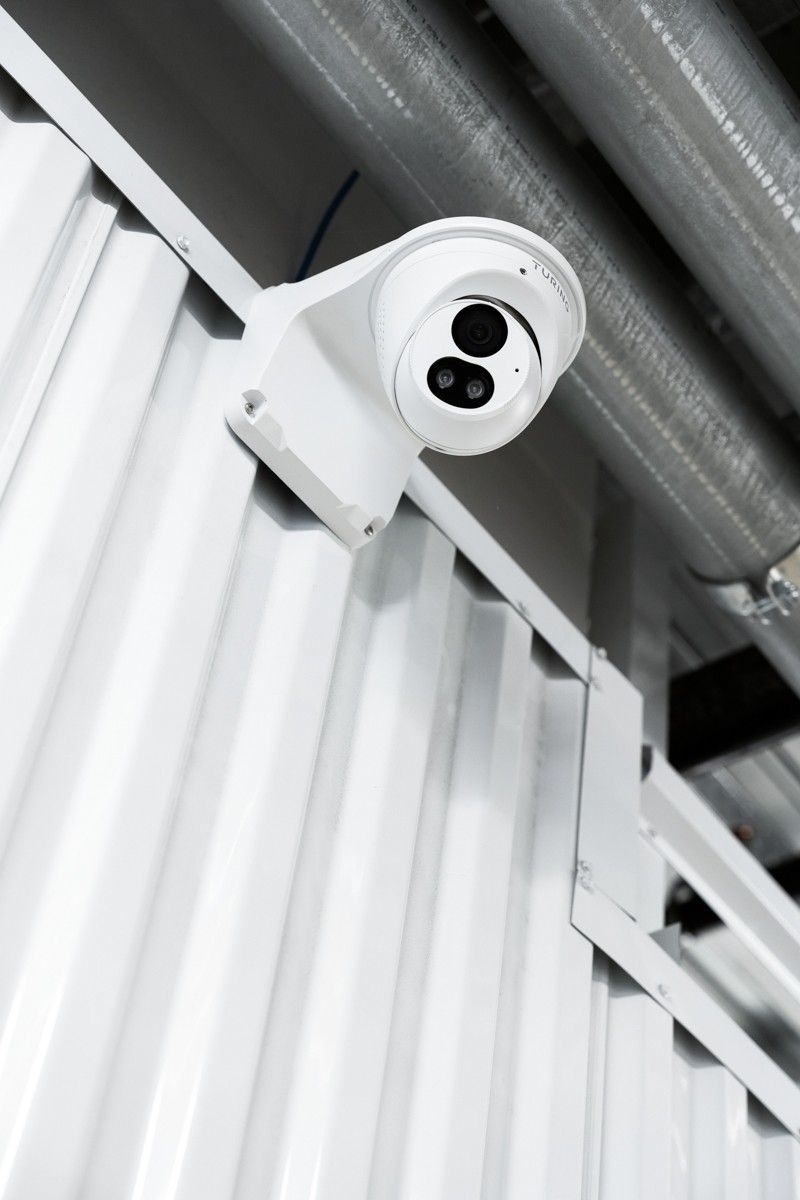
24/7 Digital Surveillance: The facility employs a comprehensive digital surveillance system that covers key access points, hallways, and elevators. This provides a higher level of accountability than older analog systems. The digital nature of the footage allows for easier retrieval and review in the event of an incident.
Motion Guard Technology: Select units are equipped with "Motion Guard" features. This technology likely integrates individual unit monitoring, alerting management to unexpected movement inside a unit when the tenant is not logged as "on-site." This adds a layer of individualized security that goes beyond the perimeter fence.
Gated Access Control: The facility is fully gated with electronic keypad access. This prevents unauthorized foot traffic—a common issue at open-lot facilities where "tailgating" (following a valid user through a gate) is easier to accomplish.
One of the most frequent complaints about older storage facilities in industrial zones (like Delridge or SODO) is rodent activity.
The "New Build" Advantage: As a modern, multi-story facility, SecureSpace West Seattle has better structural integrity than converted warehouses or older single-story rows. Sealed concrete floors, modern door sweeps, and active pest management protocols create a harder target for pests to breach.
Reviews and Maintenance: User reviews consistently praise the cleanliness of the facility. This "clean" factor is not merely aesthetic; it is a primary indicator of effective pest control. A clean facility has no food crumbs, trash, or nesting materials to attract rodents. Regular cleaning schedules suggest a proactive management style that addresses issues before they become infestations.
The facility utilizes dynamic pricing, meaning rental rates fluctuate based on real-time supply and demand. Understanding this can help tenants secure the best deal.
The "Loss Leader" Sizes: Often, smaller units (5x5) or "odd" sizes (like 5x13.5) are priced very aggressively to attract tenants. These units offer excellent value per square foot if your specific items fit the dimensions.
Web-Only Rates: The research highlights significant discounts for online reservations (e.g., "Half Off First 2 Months", "Web Rate").
Decision Tip: Always book online. Walking in the door often results in a higher "street rate." The online booking locks in the promotional price and ensures unit availability before you make the drive.
Hidden Value of Upper Floors: Look for "upper floor" units. They are often priced lower than "first floor" units because of the perceived inconvenience of using an elevator. However, given the large size of the freight elevators and the availability of flatbed carts, the inconvenience is minimal, while the monthly savings (and improved climate protection/pest avoidance) are significant.
To make a smart decision, a prospective tenant must understand the alternatives. The West Seattle storage market is bifurcated between older, "first-generation" facilities and newer, "third-generation" facilities like SecureSpace. This section provides a factual comparison based on amenities, location, and reported customer experiences.
The Proposition: Often competes on raw price or brand familiarity. Locations are scattered throughout the Delridge corridor.
The Risk Factors: Reviews consistently flag maintenance issues as a primary concern. Reports of broken elevators trapping tenants on upper floors, rodents damaging wiring and boxes, and significant rent hikes occurring shortly after move-in are recurring themes in consumer feedback.
The Verdict: These facilities may offer a lower introductory "teaser" rate, but the "total cost of ownership" can be higher when you factor in potential damage to goods (mold/rats), the stress of a broken elevator on moving day, or the unpredictability of future rental rates.
The Proposition: Known for truck rentals and moving supplies, offering a "one-stop" solution for movers.
The Risk Factors: The 35th Ave location has a critical logistical flaw: No Customer Parking On-Site. Tenants must park on the street to access the office or units.
Security Concerns: There are documented reports of U-Haul trucks being stolen or broken into when parked on the street near this facility. The lack of a secure, internal loading compound makes this location less suitable for tenants moving high-value items or those who need to spend time organizing their unit.
The Verdict: While useful for renting a truck for a local move, the parking and security constraints make it highly problematic for long-term storage of personal valuables.
The Proposition: Generally well-regarded, often competing on service quality and staff friendliness.
The Nuance: While reviews are typically better than Public Storage, the locations may be less convenient for the North Admiral/Alki resident compared to the Harbor Ave option.
The Verdict: A strong contender in the market. However, prospective tenants should verify if the specific location offers a covered loading bay. If not, SecureSpace retains a distinct advantage during the rainy season.
You have selected your unit. Now, the challenge is to execute the move efficiently. West Seattle's topography and traffic patterns require a specific strategy.
The Bridge Window: Avoid moving during the weekday rush hours (6:00 AM - 9:00 AM and 3:00 PM - 6:00 PM) when the High Bridge is heavily congested with commuter traffic. The logistical "Sweet Spot" is typically Sunday morning before 10:00 AM. During this window, traffic is light, the port operations are generally quieter, and the facility's loading bay is likely to be empty, giving you exclusive access.
Check the Low Bridge Status: Before driving a truck down Spokane St, check the status of the Low Bridge. If it is closed for maintenance (common on weekends in 2025/2026), detour via the High Bridge immediately to avoid getting trapped in surface street gridlock.
Ferry Awareness: Be aware of the Water Taxi schedule if you are meeting helpers coming from downtown. The Water Taxi dock (Seacrest Park) is just down the street, offering a convenient way for friends to join you without bringing an extra car onto the peninsula.
Even in a climate-controlled unit, proactive moisture management is key to long-term preservation.
Elevate Everything: Use wooden pallets or plastic shelving to keep boxes off the floor. Even moisture-sealed concrete can "sweat" or transmit cold, creating localized damp spots.
Breathable Covers: Use cotton covers or moving blankets for furniture, not plastic shrink wrap. Plastic traps internal moisture and creates a greenhouse effect for mold. If you must use plastic for dust protection, ensure it is loose-fitting and ventilated.
Desiccants as Insurance: Place silica gel packs or a bucket of a moisture-absorbing product (like DampRid) in the unit as a failsafe. This is cheap insurance against any unexpected humidity spikes.
Carts are Key: The facility provides flatbed handcarts. Locate them immediately upon parking. They are essential for maximizing the efficiency of each elevator trip.
Elevator Logistics: The elevators are large and designed for freight, but if you have a massive item (e.g., a 10ft sectional sofa or a king-size mattress), measure the elevator diagonal first to ensure it fits.
Loading Bay Protocol: Back your truck into the covered bay. Do not park on the street. The covered bay is your "staging ground." Unload everything from the truck into the bay first, then move it to the unit. This gets the truck returned faster (if renting) and keeps your items dry and secure while you organize the unit.
In the unique ecosystem of West Seattle, the facility at 2328 Harbor Avenue Southwest offers a compelling value proposition that extends beyond simple storage space. It acts as a logistical stronghold in a neighborhood defined by constraints.
For the Alki condo owner, it is an extension of their limited closet space, accessible without crossing the bridge bottleneck.
For the North Admiral homeowner, it is the "satellite garage" that enables the revenue-generating construction of a backyard cottage.
For the outdoor enthusiast, it is a secure, climate-defended locker for the gear that defines the Pacific Northwest lifestyle.
While cheaper options exist deeper in the Delridge corridor or further south in White Center, they come with the "hidden taxes" of mold risk, pest exposure, and traffic frustration. By choosing a modern, climate-controlled facility with covered loading on the strategic Harbor Avenue corridor, the West Seattle resident is not just storing belongings—they are securing peace of mind against the specific challenges of life on the peninsula.
Final Recommendation:
Prioritize the Climate Controlled units on Upper Floors for the best balance of price and protection. Book Online to secure promotional rates. And always, always check the bridge status before you load the truck.
Everything you need to store your belongings securely, on your schedule.
Visit us online