Last updated Jul 10, 2026
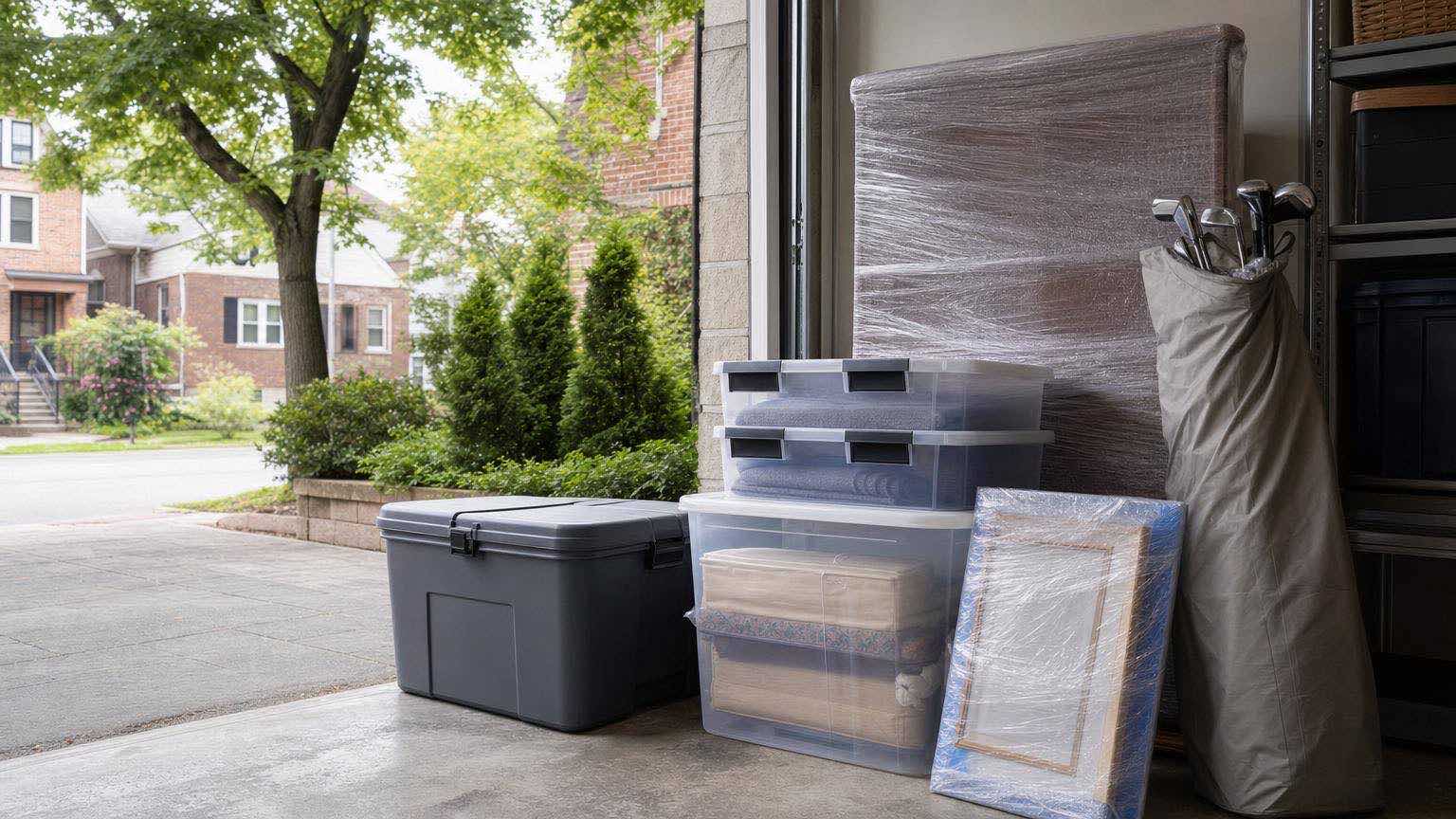
Westchester County exists in a state of perpetual spatial negotiation. To the south, the dense gravitational pull of New York City compresses living quarters into vertical luxury and compact pre-war apartments. To the north, the landscape opens into rolling hills and sprawling estates, yet the architectural legacy of the region—historic farmhouses, 1920s Tudors, and mid-century split-levels—often fails to account for the material volume of modern life.
For residents in Elmsford (10523), Tarrytown (10591), and White Plains (10601), the search for storage is rarely a simple desire for "more room." It is a strategic response to a specific set of local constraints. We are a county of active lifestyles, requiring gear for the Hudson River, the golf courses of Purchase, and the hiking trails of the Rockefeller State Park Preserve. We are a county of history, where homes in Irvington (10533) and Dobbs Ferry (10522) are prized for their character—slate roofs, stone foundations, and plaster walls—rather than their closet depth. And we are a county of transition, a landing zone for families moving up from the city and a launchpad for empty-nesters downsizing from the northern suburbs.
This guide is written for the local resident standing at that crossroads. It is not a sales pitch. It is a logistical and operational manual designed to help you navigate the specific storage landscape of central Westchester. Whether you are dealing with a flooded basement near the Saw Mill River, a cramped luxury condo in downtown White Plains, or a renovation project in Hartsdale, the decision to rent off-site storage is a lifestyle management tool. By understanding the nuances of local traffic patterns, climate risks, and facility infrastructure, you can turn a stressful logistical hurdle into a seamless extension of your home.
In real estate and logistics, location is often reduced to a simple radius. However, any resident who navigates the Cross Westchester Expressway (I-287) or the Sprain Brook Parkway knows that distance in miles is irrelevant; distance in minutes and stress is the only metric that matters.
Elmsford (10523) sits at the veritable bullseye of Westchester's transportation network. It is the point of convergence for the county's primary arteries: Interstate 287 (running east-west), the Saw Mill River Parkway (running north-south), and the Sprain Brook Parkway (a secondary north-south reliever). The location at 33 West Main Street is uniquely positioned within this hub. It does not just sit in Elmsford; it sits at the friction point where the local grid meets the regional highway network.
For a resident in Hartsdale (10530) or Valhalla (10595), this location offers a "counter-commute" advantage. While traffic snarls eastward toward White Plains in the morning and westward toward the Mario M. Cuomo Bridge in the evening, the localized access to West Main Street allows for strategic entry and exit that avoids the worst of the Route 119 gridlock. This facility straddles the westbound entrance and eastbound exit of the Cross Westchester Expressway, effectively acting as a logistical sluice gate. This means that for many users, the facility is "on the way" rather than "out of the way," a critical distinction for anyone attempting to integrate a storage visit into a busy Saturday itinerary or a weekday commute.
Most people begin their storage search with two binary questions: "How much does it cost?" and "Where is it located?" While valid, these questions fail to capture the operational reality of using self-storage. Seasoned locals know that the success of a storage rental depends on the in-between questions—the nuanced logistical details that surface only after you've signed the lease and are standing in a loading bay with a heavy sofa.
This report addresses those deeper inquiries:
"How do I navigate the Saw Mill River flood risk?"
"Does 'Climate Controlled' really matter in a humid river valley?"
"What size unit actually fits a pre-war apartment load versus a suburban garage?"
"How does local traffic on Route 119 impact my access windows?"
By analyzing these factors through the lens of specific neighborhoods—from the steep driveways of Tarrytown to the parking-constrained complexes of Nob Hill—we aim to provide a decision framework that prioritizes peace of mind and practical utility.
To understand storage in Elmsford, one must first understand the hydrology of the Saw Mill River Valley. The Saw Mill River Parkway is notorious among locals for a reason: it floods. Long-time residents of Elmsford (10523) and Hawthorne (10532) know that "heavy rain" often translates directly to road closures south of the Exit 23 interchange.
Historically, the industrial development in Elmsford clustered along the valley floor to utilize the river and the rail line (now the South County Trailway). This legacy means that many older industrial parks and single-story storage facilities are situated low in the flood plain. This poses a dual risk:
Access Risk: You cannot get to your unit if the access road (Route 9A or Saw Mill River Road) is underwater or closed by police due to ponding.
Asset Risk: Ground-floor units in older, grade-level facilities are susceptible to water intrusion during significant events like Hurricane Ida or even typical heavy spring nor'easters.
When evaluating a facility like the one at 33 West Main Street, elevation becomes a critical diligence point. Modern, multi-story facilities generally place the storage units well above the grade level. This specific location is positioned near the I-287 overpass infrastructure, which typically sits on a raised grade relative to the river banks along Saw Mill River Road. Furthermore, vertical construction with elevator access inherently protects belongings on upper floors from ground-level water events. For a resident storing irreplaceable family albums or business archives, this vertical separation from the valley floor is not just a convenience—it is a primary security feature against the region's most common natural hazard.
Route 119 (White Plains Road/Tarrytown Road) is the commercial spine of central Westchester. It connects the river towns to the county seat, lined with essential services, car dealerships, and dining staples like Eldorado Diner and Rini's Restaurant. However, it is also a road that demands respect regarding timing.
The "119 Trap"
Between 4:00 PM and 6:30 PM on weekdays, Route 119 acts as a localized bottleneck. Commuters exiting I-287 to avoid highway congestion often spill onto the local road, creating a dense, slow-moving queue from the Greenburgh Library down to the Elmsford village center.
Implication for Storage: If you plan to visit your unit after work on a weekday, the approach vector matters. A facility located deep within the Elmsford grid might require 20 minutes of stop-and-go driving to reach.
The 33 West Main Advantage: Because this facility is located at the western edge of the village, nearly adjacent to the I-287 ramps and the connection to Tarrytown, it allows users to often bypass the central Elmsford congestion. Access from the west (Tarrytown/Sleepy Hollow) is direct. Access from the highway avoids the slog through the traffic lights at Route 9A.
The "Secret" Approaches
For locals, there are always back doors.
From the North (Hawthorne/Valhalla): Instead of taking the Saw Mill down to the heavy mixmaster, locals often take the Sprain Brook Parkway South to 100C (Grasslands Road), then cut down Route 9A. While 9A can be busy, it avoids the highway merge anxiety.
From the South (Ardsley/Dobbs Ferry): Taking the Saw Mill River Parkway North is standard, but if the parkway is backed up (a common occurrence near the Lawrence Street exit), the route up Ashford Avenue to the Sprain, or even up Route 9 (Broadway) to Route 119, offers scenic, if slower, alternatives.
From the East (White Plains): The direct shot down 119 is obvious, but often congested. Using I-287 West to Exit 1 is the "express lane" that drops you almost at the doorstep of West Main Street, bypassing the traffic lights that plague the local road.
Westchester experiences a humid continental climate, but the Rivertowns and the Saw Mill Valley have a specific microclimate. We are in a valley that traps moisture. In July and August, humidity levels frequently exceed 80%.
The Humidity Threat: In ZIP codes like 10591 (Tarrytown), 10533 (Irvington), and 10522 (Dobbs Ferry), humidity is a silent destroyer. Wood expands and contracts with moisture fluctuations, which can warp antique furniture, crack veneers, and ruin musical instruments. Fabrics and papers are susceptible to mildew and foxing (browning spots) if left in damp, stagnant air.
The Temperature Swing: Winters can drop to single digits, while summers soar into the 90s. An outdoor, drive-up unit without climate control acts like an oven in summer and a freezer in winter. This thermal shock is particularly damaging to electronics (soldering points can crack), vinyl records (warping), and plastics (becoming brittle).
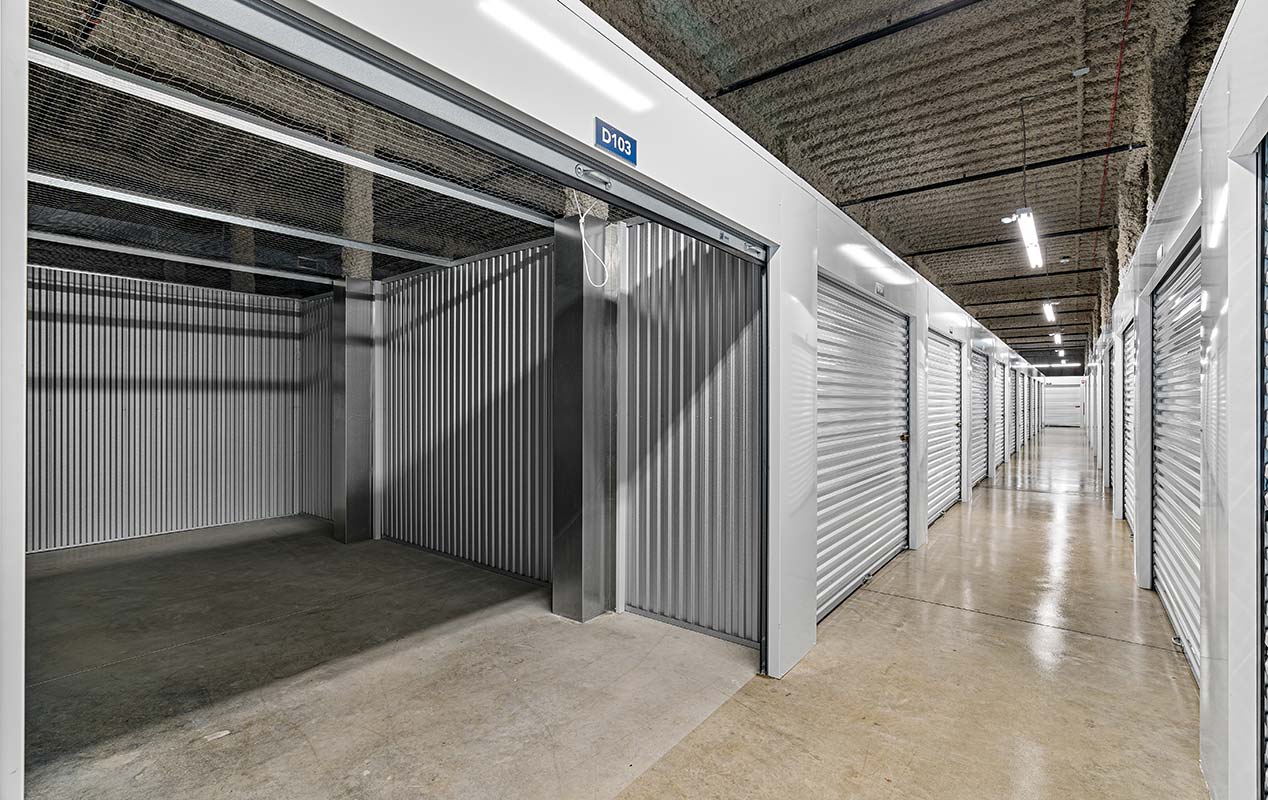
The Modern Standard: Facilities like SecureSpace Elmsford generally offer enclosed, climate-controlled environments. This does not simply mean "air conditioning" for comfort; it means mechanical systems designed to stabilize the environment, mitigating the extreme swings of the Westchester seasons. For any resident storing items of value—whether monetary or sentimental—climate control is not a luxury upgrade; it is a baseline requirement for preservation in this specific geography.
Storage needs in Westchester are not uniform; they are deeply tied to the specific type of housing and lifestyle found in each village. A resident in a pre-war Tudor in Scarsdale faces a completely different set of spatial challenges than a resident in a modern high-rise in White Plains. This section breaks down the specific "storage triggers" for our primary neighborhoods.
The Profile: Historic charm, dramatic hills, and the "Closet Deficit."
The Rivertowns are defined by their stunning late-19th and early-20th-century housing stock. We see Victorian ladies, Arts and Crafts bungalows, and mid-century capes nestled into the hills overlooking the Hudson.
The "Historic Home" Dilemma
While aesthetically beautiful, these homes present specific storage challenges.
The Damp Basement: Many homes closer to the Hudson River or tucked into the hillsides have fieldstone foundations. These are charming but porous. They "breathe," which allows moisture to migrate in from the soil. Storing cardboard boxes, books, or upholstered furniture in a Rivertown basement is often a recipe for mildew. The "finished basement" in these areas often requires heavy dehumidification, and even then, it is risky for long-term storage of sensitive items.
The "Carriage House" Myth: We often assume older homes have ample storage. In reality, closets in 1900s homes were designed for modest wardrobes, not modern consumer volumes. A typical bedroom closet in a Tarrytown Victorian might be only 24 inches deep. Residents frequently use storage units to rotate their wardrobes seasonally—moving heavy winter coats and woolens out in April to make room for summer linens, and vice versa in October.
The "Hills & Valleys" Logistics
Winter Access: The steep, winding roads of Irvington and Tarrytown (like those off Broadway/Route 9 or winding up towards the Tarrytown Lakes) can be treacherous in winter. If you have a steep driveway, you do not want to be hauling heavy boxes up and down it in January.
Strategy: Move your "deep winter" gear (snowblowers, heavy shovels, sleds) to the garage or a shed if possible, and move the "deep summer" gear (patio sets, pool supplies, kayaks) to the storage unit before the first freeze. This keeps your garage clear for the cars, which is essential when street parking is restricted during snow emergencies.
What You Are Storing:
Teak Patio Furniture: Needs winter protection from the harsh winds coming off the Hudson River.
Historical Documents/Books: Paper degrades rapidly in damp basements. The climate-controlled environment at 33 W Main is critical here.
Kayaks/Paddleboards: For Hudson River recreation. Look for units with slightly higher ceilings or check vertical clearance if storing standing up.
The Profile: Vertical living, active transitions, and the "Downsizer's Squeeze."
White Plains serves as the urban heart of the county. The housing stock here ranges from the high-rise luxury condos of the City Center to the post-war garden apartments of the Highlands and the single-family neighborhoods of Gedney Farms.
The "Cost per Square Foot" Arbitrage
This area has the highest concentration of apartments and condos in the county. In zip codes like 10601 and 10606, residential space commands a premium.
The Math: It is significantly cheaper to rent 50 square feet of storage in Elmsford than to rent a larger apartment in downtown White Plains to accommodate rarely used items. A second bedroom or a "den" layout can cost hundreds more per month than a one-bedroom. By offloading seasonal gear, luggage, and holiday decorations to a nearby facility, residents can live comfortably in a smaller, more affordable footprint.
The "Active Professional" Gear
White Plains residents often work hard and play hard.
The "Weekend Warrior" Locker: Golf clubs (for the nearby courses in Purchase/Scarsdale), bikes (for the Bronx River path), and camping gear take up huge amounts of space in a condo. A 5x5 unit serves as a dedicated "locker room," keeping the mud and bulk out of your apartment.
The Renovation Buffer
With the aging housing stock in neighborhoods like Battle Hill and Fisher Hill, renovations are a constant presence.
The Strategy: A short-term rental (3-6 months) is standard practice to clear a room for contractors. If you are redoing the floors in a 10605 colonial, you need the furniture gone, not just shuffled to the next room where it will collect dust.
The Profile: Garden apartments, co-ops, and the "Nob Hill" factor.
This zone contains a high density of garden apartments and co-ops (e.g., East Hartsdale Avenue, Nob Hill).
The "Nob Hill" Factor
Residents of large complexes like The View on Nob Hill (located almost directly adjacent to the facility in 10523) often face restricted parking and limited on-site storage cages.
Parking Constraints: In these complexes, parking is often assigned and monitored. You generally cannot park a PODS container or a commercial moving truck in the lot overnight. An off-site unit becomes the only viable option for temporary overflow or staging during a move.
Proximity as a Utility: For 10607 and 10523 residents, the SecureSpace location is a "wagon-accessible" distance. This changes the logistics of storage. You don't necessarily need a U-Haul; a few car trips can clear a cluttered living room in an afternoon.
The "Co-op Board" Restrictions
Many local co-ops have strict rules about renovation timelines and hallway clutter. You cannot leave a sofa in the corridor while painting.
The Storage Fix: A nearby unit allows for "micro-moves." You can move furniture out for a weekend painting job and bring it back Sunday night, keeping you in compliance with board bylaws.
The Profile: Single-family homes, generational transitions, and business needs.
These ZIPs host many of the service businesses that keep Westchester running—contractors, landscapers, and small distributors—as well as families living in post-war capes and ranches.
Business Storage:
For a local contractor based in Valhalla or Hawthorne, a storage unit often functions as a "micro-warehouse." It is safer than leaving expensive tools in a van overnight and cheaper than leasing industrial flex space in the Elmsford distribution center.
Key Feature to Watch: Covered Loading Bays. When you are loading inventory at 6:00 AM in February, a covered interior loading area (like the one found at modern facilities) is a game-changer compared to older outdoor rows where you are exposed to freezing rain.
The "Empty Nest" Clear-out:
As long-time residents in 10532 look to sell, the first step is decluttering. Moving 20 years of accumulation into a unit instantly increases the marketability (and sale price) of a home. It transforms a "lived-in" house into a "move-in ready" product.
The Profile: High-value homes, estate management, and seasonal rotation.
Residents here often manage substantial seasonal inventories—elaborate holiday decorations, winter sports gear, and summer hosting equipment.
The "White Glove" Expectation:
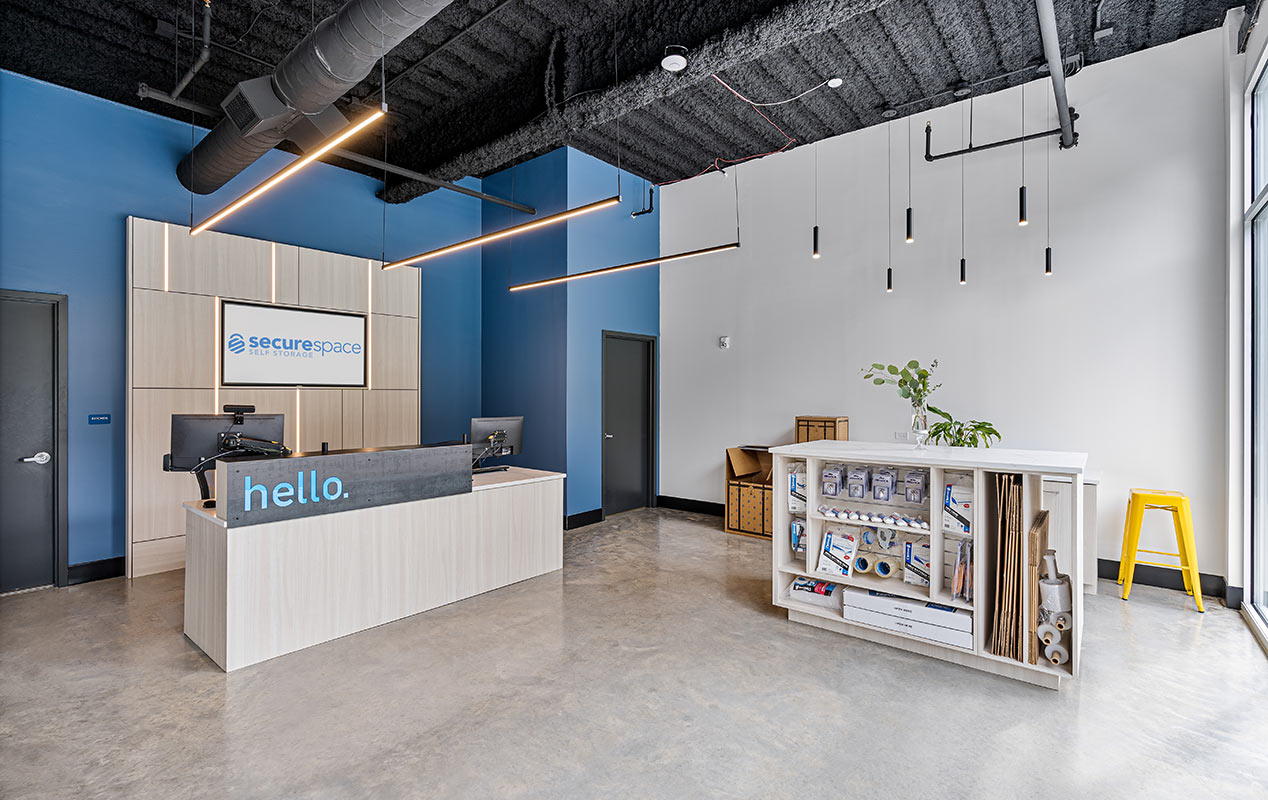
Security and cleanliness are paramount. Residents accustomed to high standards expect a facility that feels more like an office building than a garage. The expectation is for bright lighting, clean floors, and responsive management.
The Route:
Taking the Saw Mill River Parkway North to the Elmsford exit is a quick 10-minute run.
Pro Tip: Use the Sprain Brook Parkway to 100C if the Saw Mill is backed up. The facility's location near the 287 interchange allows for multiple approach vectors, providing redundancy when one route is compromised by traffic.
When you are standing in the office of a facility, or browsing online, it is easy to get overwhelmed by dimensions and promotions. This checklist cuts through the noise, focusing on the features that actually impact your daily experience in Westchester.
In Westchester, we drive. This means your interaction with the facility happens primarily through your vehicle.
The Covered Loading Bay: This is the single most underrated feature in local storage. New York weather is unpredictable. Loading a sofa in the rain or unloading boxes in a snowstorm is miserable.
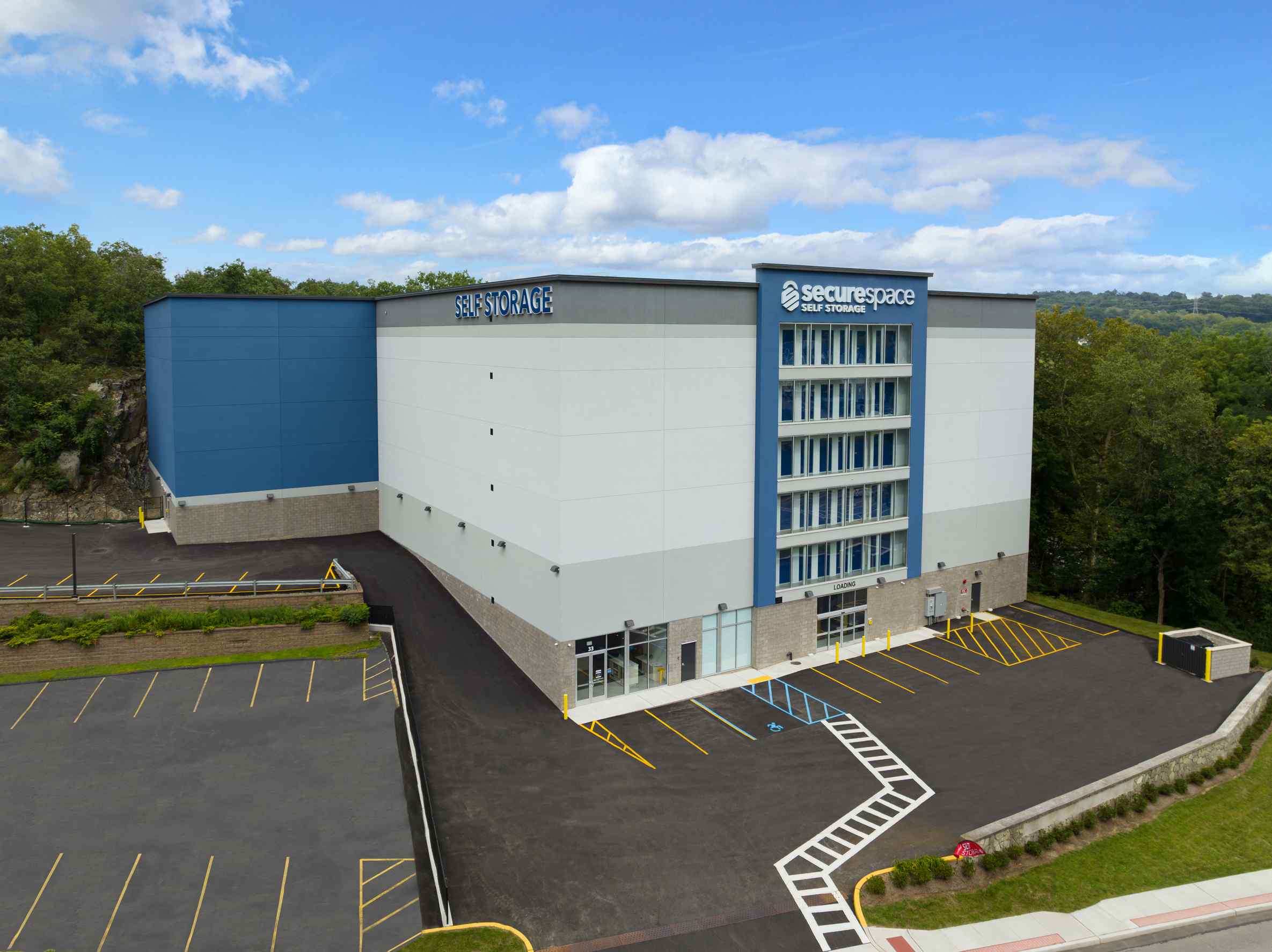
The SecureSpace Difference: Modern urban-style facilities (like the one at 33 W Main) typically feature interior, covered loading bays. This allows you to pull your vehicle inside the building envelope, protected from the elements, to load and unload.
Elevator Capacity: If the facility is multi-story (which most modern ones are), check the elevator size. Can it fit a queen mattress standing up? Are there luggage carts freely available in the loading bay?
Traffic Entry/Exit: Can you turn left out of the facility? 33 West Main St is at a busy intersection. However, its proximity to the highway ramps means you are often merging with the flow of traffic rather than trying to cross it.
Forget the "padlock on a chain-link fence" image. Modern storage security in Westchester mirrors high-end apartment complexes.
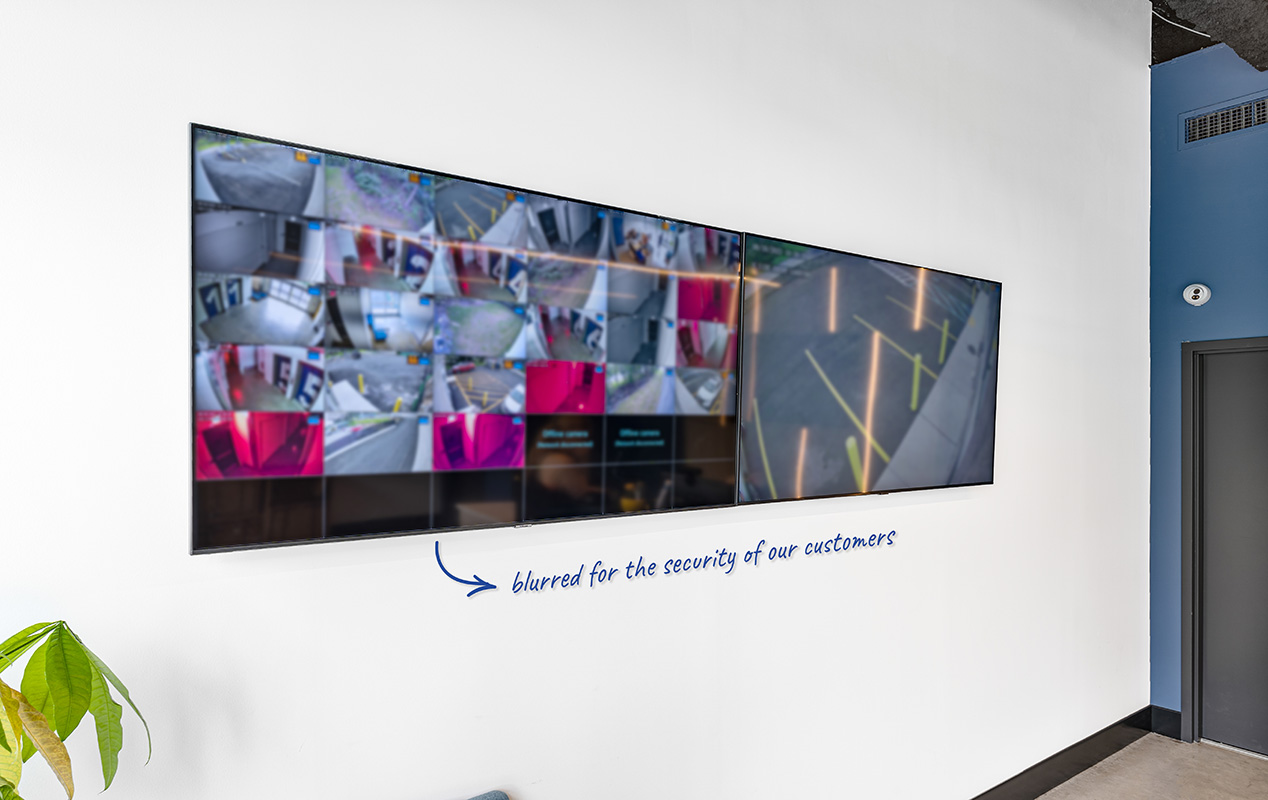
Cameras: Look for 24/7 video recording, not just "monitoring."
Lighting: Visit the facility (or look at photos) at night. Is the parking lot bright? Are the hallways stadium-lit? Bright LED lighting is the best deterrent.
Access Control: Does the facility use app-based entry or unique keypad codes? This creates a digital log of exactly who enters and exits, adding a layer of accountability that old-school metal keys cannot match.
The "Walk-Up" Tax: Units on upper floors are often cheaper. If the facility has large, modern elevators, the "inconvenience" of an upper floor is negligible (often adding just 60 seconds to your visit) but can save you 15-20% on your monthly rate.
The "Climate" Gamble: Saving $20/month by choosing a non-climate-controlled unit for your leather furniture or electronics is a false economy if you end up with mold damage. In ZIP code 10523, with its river valley humidity, climate control is the baseline recommendation for household goods.
A significant portion of storage users in Greenburgh and Mount Pleasant are in transition. Whether you are remodeling a kitchen in Hartsdale or staging a home for sale in Ardsley, the timeline is rarely linear.
Contractors in Westchester are busy. Timelines slip.
Strategy: Rent your unit 2 weeks before the demo starts.
What to Move: Clear the work zone completely. Dust travels. If you are doing a kitchen reno, move the contents of the adjacent dining room and living room into storage. It speeds up the work (contractors aren't tripping over your stuff) and protects your furniture.
Duration: Plan for "Contractor Time." If they say 3 months, book the unit for 5. Modern leases are typically month-to-month, so you aren't locked in, but having the buffer prevents panic.
Real estate agents in 10583 (Scarsdale) and 10605 (White Plains) will tell you: "Clutter eats equity."
The 30% Rule: To make a home look spacious, you need to remove 30% of its contents.
What Goes: Personal photos (depersonalize the space). Out-of-season clothes (make closets look huge). Oversized furniture that blocks flow.
The Result: A small investment in storage often yields a massive ROI in the final sale price by presenting a clean, aspirational canvas to buyers.
Without making a "hard sell," it is important to objectively analyze why the facility at 33 West Main Street, Elmsford, aligns so well with the patterns of local life.
The Elmsford location is not just "in Elmsford." It is at the nexus of the county.
For the Commuter: If you drive to work via I-287 or the Saw Mill, you likely pass within 500 yards of this facility twice a day. This allows for "trip chaining"—stopping at your unit on the way home without a significant detour.
For the Business: Its position on Route 119 puts it minutes away from the commercial supplies at The Home Depot and nearby lumber yards, making it an ideal staging ground for local tradespeople.
Westchester has many older storage facilities—converted factories or 1970s garage rows. SecureSpace Elmsford represents the newer generation of "Class A" storage:
Vertical & Clean: It feels like an office building. For many residents, especially those storing high-value items or visiting alone, the bright, enclosed, modern environment feels safer and more welcoming than a sprawling, dimly lit outdoor yard.
Weather-Proof: The covered loading area is a definitive advantage in our region's climate.
The Apartment Dweller: Small, locker-sized units for winter tires or ski gear.
The Homeowner: Large, room-sized units for renovation overflow.
The Business: Clean, professional access for document archiving or inventory.
Beyond the general logistics, certain items common to Westchester households require specific care strategies when placed in storage.
Westchester has a vibrant wine culture, with many residents in Scarsdale and Irvington maintaining collections.
The Challenge: Wine is incredibly sensitive to temperature fluctuations. The ideal range is 55°F - 59°F.
The Solution: While standard climate control is excellent for furniture (keeping it between 60°F and 80°F), it is not a wine cellar. For serious collections, look for specialized wine storage. However, for "overflow" cases of everyday wine, a climate-controlled unit is vastly superior to a garage or attic, provided the temperature remains relatively stable.
Tip: Store bottles on their sides to keep corks moist.
From skis to hockey equipment, Westchester residents are active in winter.
Pre-Storage Prep: Ensure all equipment is bone dry before storing. Moisture trapped in a ski boot or hockey bag will lead to mold.
Waxing: It is good practice to put a storage wax on skis and snowboards to prevent the bases from drying out over the summer.
The Hudson Valley outdoor season is short but intense.
Cushions: These are mouse magnets. Store them in plastic bins or heavy-duty bags. Do not leave them loose in the unit.
Teak/Wood: Clean and oil the wood before storing to prevent it from drying out in the lower humidity of a climate-controlled unit (relative to the humid outdoors).
Living in Westchester is a balancing act. We balance the charm of historic homes with the need for modern functionality. We balance the peace of the suburbs with the hustle of the city commute. We balance the accumulation of a full life with the desire for a clean, organized home.
Self-storage is the silent partner in this balancing act. It is the release valve that allows a Tarrytown Victorian to feel uncluttered, or a White Plains apartment to feel spacious.
When you choose a facility, you aren't just renting a metal box. You are renting an extension of your home. You are renting the ability to say "yes" to the renovation, "yes" to the seasonal hobby, and "yes" to a stress-free move.
The facility at 33 West Main Street offers a compelling answer to this need. With its strategic location at the transport hub of the county, its modern climate protection measures, and its secure infrastructure, it is built to handle the logistical realities of our lives. It allows you to stop worrying about where to put your things, and start focusing on how you want to live.
Everything you need to store your belongings securely, on your schedule.
Visit us online