Camarillo is a beautiful place to live, with mild weather, a strong local arts presence, and some of the most desirable neighborhoods in Ventura County. But if you own artwork, antiques, photographs, documents, or high-value heirlooms, local environmental conditions can still affect how those items should be packed and stored.
Marine layer conditions, seasonal dryness, wildfire smoke risk, and temperature changes can all influence storage decisions. The 2024 Mountain Fire was a reminder that disaster planning matters in Ventura County; the fire burned over 20,630 acres and destroyed more than 243 structures. While no storage option can eliminate every risk, thoughtful packing, insurance review, and an appropriate storage environment can help reduce avoidable exposure.
Whether you are a private collector, an estate executor, or a local artist looking for overflow space near California State University Channel Islands or Studio Channel Islands Art Center, this guide walks you through practical considerations for storing artwork and sensitive belongings in Camarillo.
Not all storage needs are the same. A spare room, garage, attic, or basic storage space may work for durable household items, but artwork and heirlooms often require more careful handling.
Canvas, wood, paper, and natural pigments can respond to changes in moisture and temperature. When conditions fluctuate, those materials may expand, contract, or become more vulnerable to mold, brittleness, fading, or surface damage over time. These risks do not mean every item requires specialized conservation storage, but they do mean artwork should be packed and stored with care.
Camarillo's coastal proximity means marine layer conditions can be part of the local environment. According to the NOAA, the west coast marine layer can persist for days or weeks in some conditions. Moisture and poor airflow can contribute to mold or material deterioration, especially for paper, textiles, canvas, and wood.
Climate-controlled storage may be worth considering for sensitive belongings because it can help reduce exposure to temperature swings compared with non-climate-controlled spaces. However, standard self storage climate control should not be treated as humidity control or as a guarantee against mold, moisture damage, or deterioration.
At other times of year, Santa Ana wind events can bring dry conditions. Dryness may contribute to brittleness or cracking in some organic materials if items are not packed and stored properly. According to WeatherSpark, Camarillo temperatures vary from 45°F to 78°F throughout the year, with wetter winters and a much drier summer season.
For sensitive artwork, the goal is to reduce unnecessary exposure to extreme or rapidly changing conditions. Proper packing, climate-controlled storage, and periodic inspections can all help.
Professional conservation guidance usually emphasizes stability, careful handling, and appropriate materials. SecureSpace Self Storage Camarillo offers climate-controlled storage, but it should not be described as museum-grade storage or as a facility that meets museum, conservator, or collection-management standards. The guidance below is general preservation context for customers deciding how to pack and store sensitive items.
Museum conservation guidelines have traditionally discussed stable temperature targets for collections. For everyday storage customers, the practical lesson is that sensitive items often benefit from avoiding unnecessary temperature swings, direct heat, or uncontrolled spaces such as garages and attics.
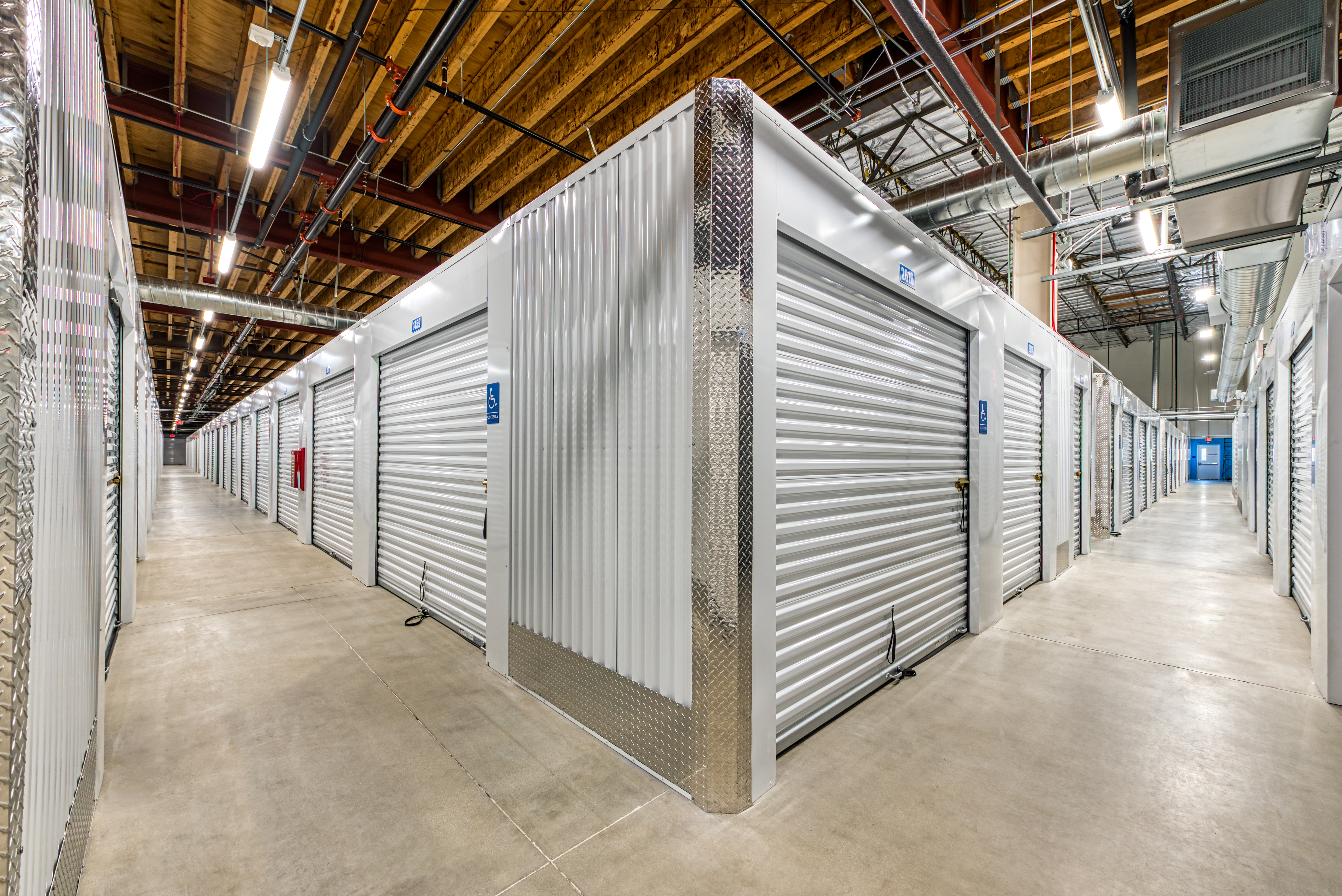
SecureSpace Self Storage Camarillo offers climate-controlled storage, which can help reduce exposure to temperature swings compared with non-climate-controlled spaces.
The Library of Congress recommends a relatively dry, cool, and stable environment for photographic materials and prints, including 30-50% relative humidity with limited fluctuations. The Smithsonian Institution Archives also discusses environmental conditions for paper-based collections.
These conservation standards are useful for understanding why moisture matters, but customers should not assume a standard storage facility actively regulates or logs relative humidity unless that is specifically verified. If your collection requires strict humidity control, continuous monitoring, or conservation-grade conditions, consult a professional conservator or specialty art storage provider.
UV light can fade and damage paper, leather, textiles, photographs, and some pigments. When storing artwork, keep pieces away from direct sunlight and avoid leaving works exposed during move-in, staging, or transport.
Framed works, prints, and photographs should be covered with appropriate protective materials and stored in a way that limits light exposure while still allowing safe handling.
Insects and rodents can damage organic materials such as canvas, paper, wood, and natural fibers. Customers should avoid storing food, scented items, damp materials, or organic debris with artwork or heirlooms. Ask any facility about current maintenance and pest-prevention practices rather than assuming a documented pest-management program is in place.
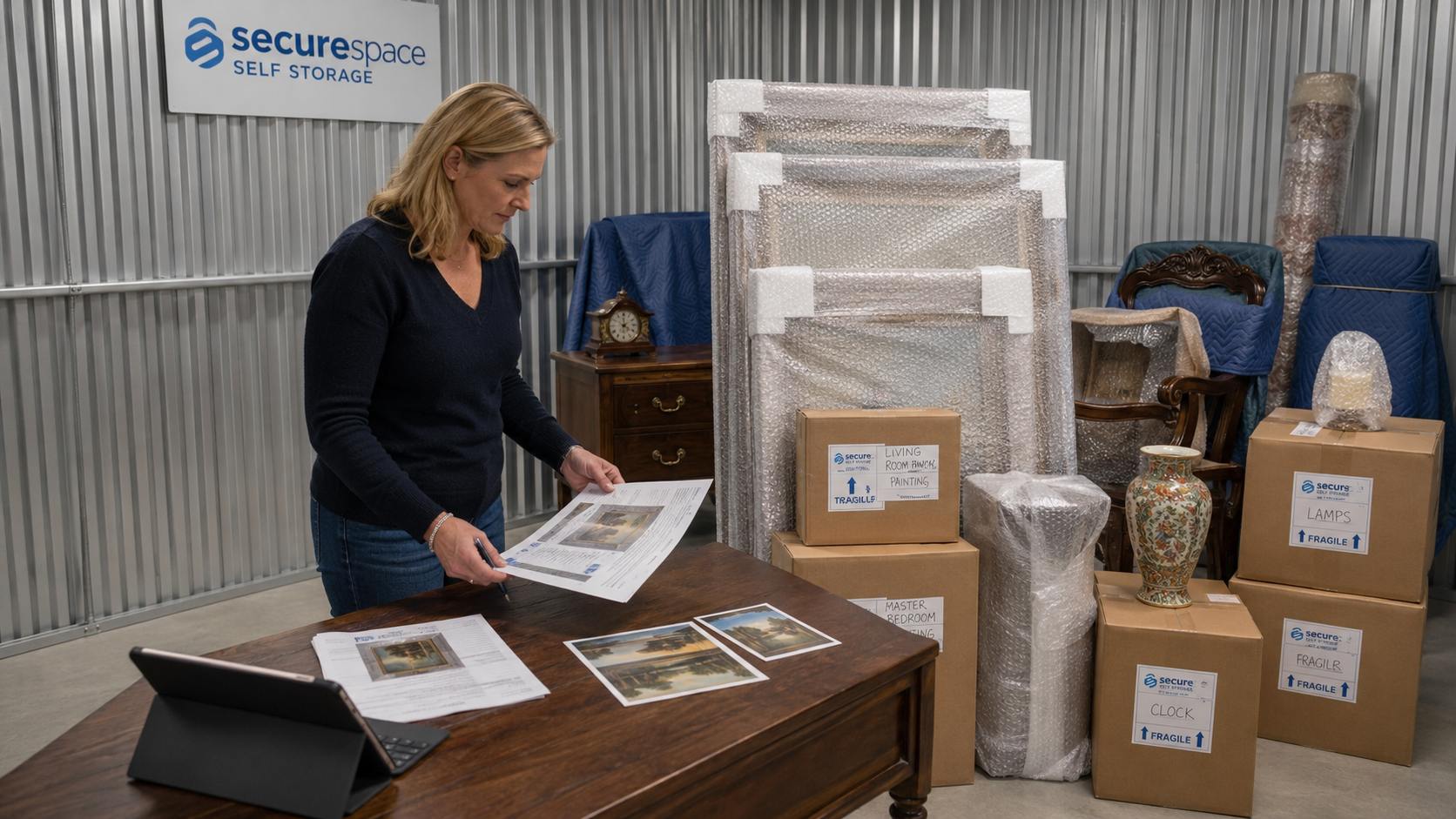
Even when using climate-controlled storage, how you pack and wrap your pieces matters. These practical steps can help reduce avoidable damage.
Before anything goes into storage, inspect each piece under good lighting. Document existing damage such as scratches, cracks, flaking paint, foxing on paper, frame damage, or loose hardware with photographs and written notes. This creates a useful record for insurance, estate, or conservation purposes.
Avoid cleaning delicate artwork yourself unless you know the material and correct method. For valuable or fragile pieces, consult a professional conservator before cleaning.
Packaging materials matter. The Library of Congress notes that materials used to store or house artworks and photographs should be photo-safe and appropriate for long-term preservation.
Practical tips:
Wrap works on paper in acid-free tissue paper rather than newspaper or regular kraft paper.
Use pH-neutral, acid-free boxes or enclosures for prints, drawings, and photographs when possible.
For framed works, use corner protectors and glassine paper over the image surface.
Avoid placing bubble wrap directly against painted surfaces, since it may leave impressions or adhere under warm conditions.
Framed paintings and stretched canvases are often stored upright with padding between pieces. The National Park Service's museum emergency planning guidelines recommend securing stored objects to prevent sliding or tipping in museum settings, which is a useful reminder for earthquake-prone Southern California.
For brittle, oversized, or unusually fragile works, horizontal storage may be safer. Consult a professional conservator if you are uncertain.
It may be tempting to stack canvases or lean framed works against each other, but unprotected contact can cause scratches, abrasions, and pressure damage over time. Use foam padding, glassine, cardboard dividers, or other appropriate protective materials between pieces.
When evaluating storage for artwork or heirlooms in Camarillo, focus on confirmed features rather than assumptions.
SecureSpace Self Storage Camarillo offers climate-controlled storage. This can help reduce exposure to temperature swings compared with non-climate-controlled spaces, which may be useful for artwork, photographs, documents, books, textiles, wood furniture, and other sensitive belongings.
Customers should not assume humidity control, conservation-grade temperature ranges, continuous environmental logging, or museum-style storage conditions unless those details are confirmed directly.
Security is important when storing sentimental or valuable belongings. SecureSpace Self Storage Camarillo offers an access gate, digital video recording, logged access, and overnight surveillance.
Customers should avoid assuming unconfirmed features such as 24/7 monitored surveillance throughout the facility, electronically controlled gate access, individual unit alarms, or guaranteed protection unless those details are verified directly with the facility.
Moving framed art, crated pieces, or heirloom furniture can be awkward. SecureSpace Self Storage Camarillo offers a loading dock, covered loading area, elevator access, carts and dollies, semi-truck accessibility, and moving pods allowed.
Wide driveways, private viewing rooms, appraisal support, professional collection handling, and chain-of-custody services are not confirmed. If you need specialty handling, appraiser access, or conservator-level storage, arrange those services separately.
Before storing high-value artwork, contact your insurer. Ask whether your policy covers off-site storage, what limits apply, and whether you need a scheduled personal property endorsement or separate fine art policy. The storage facility can provide information about its rental requirements, but insurance suitability should be reviewed with your insurer or art-insurance specialist.
One reason people seek storage for artwork and heirlooms is estate transition. Ventura County families may need a temporary place to keep collections, antiques, photographs, documents, or furniture while an estate is being reviewed, inventoried, or distributed.
Estate representatives may need to identify, inventory, appraise, and protect assets during the process. A general legal overview notes that California probate law requires that estate assets be properly inventoried, appraised, and secured. Because estate obligations vary, executors and family members should consult legal counsel, appraisers, and insurance professionals before moving or storing valuable items.
SecureSpace Self Storage Camarillo offers logged access as one of its confirmed security features. Logged access can be a helpful facility feature, but it should not be described as legal chain-of-custody support or probate-compliance documentation.
The 2024 Mountain Fire was a serious reminder that emergency planning matters in Ventura County. Fueled by Santa Ana wind conditions, it burned more than 20,630 acres and destroyed hundreds of structures.
For collectors and families with heirlooms, wildfire preparedness may include documentation, appraisal updates, insurance review, digital photo inventories, and careful decisions about where to keep valuable items. Off-site storage may be useful for some belongings, but it should not be treated as guaranteed wildfire protection unless the facility's fire-resistance, suppression systems, and insurance requirements are specifically verified.
Insurance is also important. Some policies may limit coverage for collectibles, fine art, or high-value personal property. A general art-insurance resource notes that standard homeowners insurance policies often severely cap payouts for fine art and collectibles, but coverage varies by policy. Customers should speak directly with their insurer or a fine-art insurance specialist before relying on any policy.
Pricing varies depending on unit size, current availability, and facility features. Climate-controlled storage may cost more than standard storage. Contact local facilities or review current online pricing for the most accurate information.
Access hours vary by facility. SecureSpace Self Storage Camarillo offers daily gate access from 6:00 AM to 10:00 PM. If you need appraiser, conservator, estate representative, or mover access, confirm current access procedures and account permissions before scheduling.
Possibly. Standard renters or homeowners insurance may not cover the full value of fine art or collectibles, especially off-site. A scheduled personal property endorsement or standalone fine art insurance policy may be appropriate. Consult an insurance professional who specializes in art and collectibles.
Ask what the facility means by climate-controlled storage and whether temperature or humidity ranges are available. Standard climate-controlled self storage should not be assumed to provide museum-grade environmental control. If your artwork requires strict humidity levels, continuous environmental monitoring, or conservation-grade conditions, consult a professional conservator or specialty art storage provider.
Protecting artwork, heirlooms, and high-value collectibles in Southern California requires more than good intentions. It requires careful packing, insurance review, and a storage choice that matches the sensitivity of your belongings.
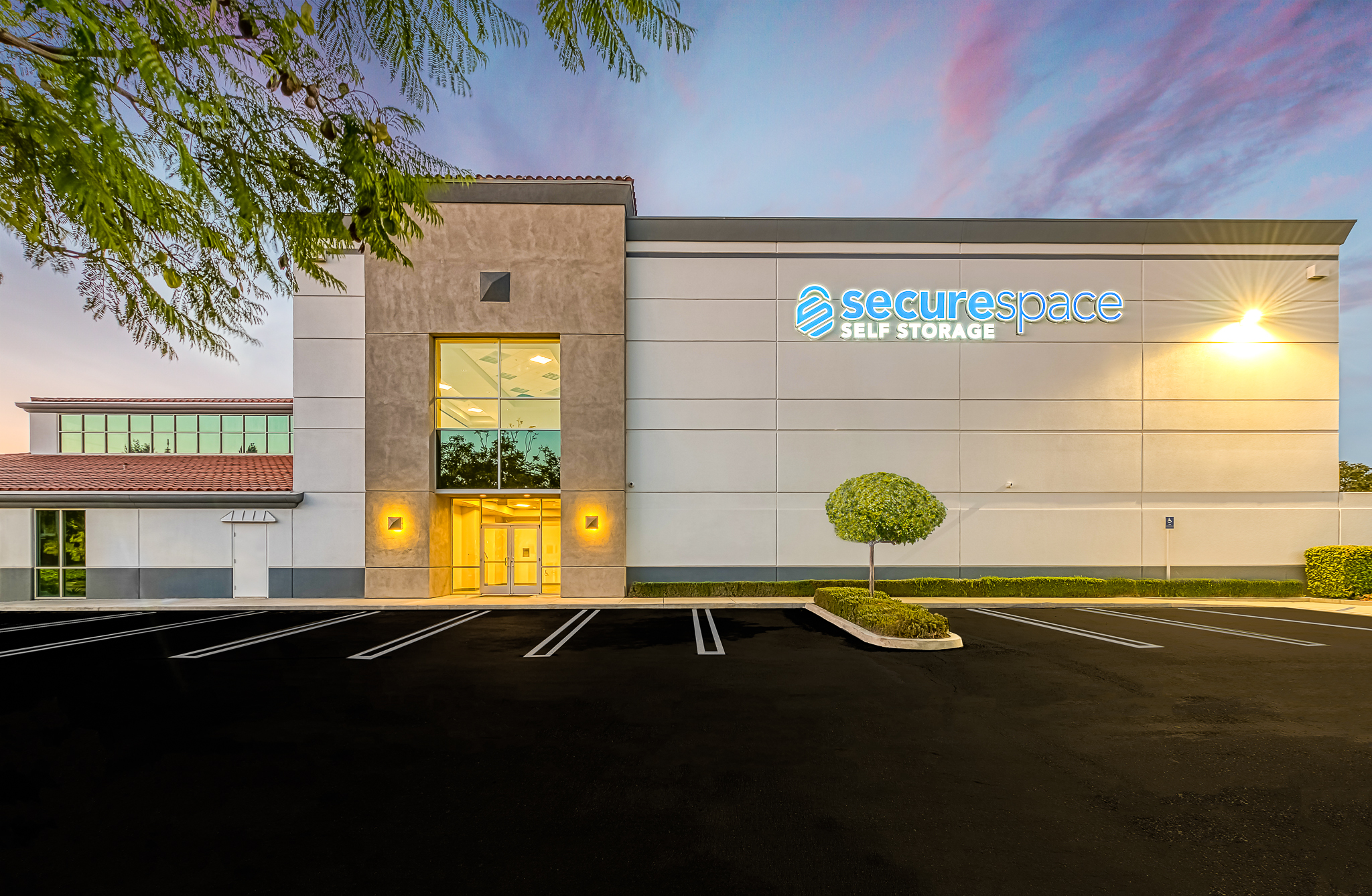
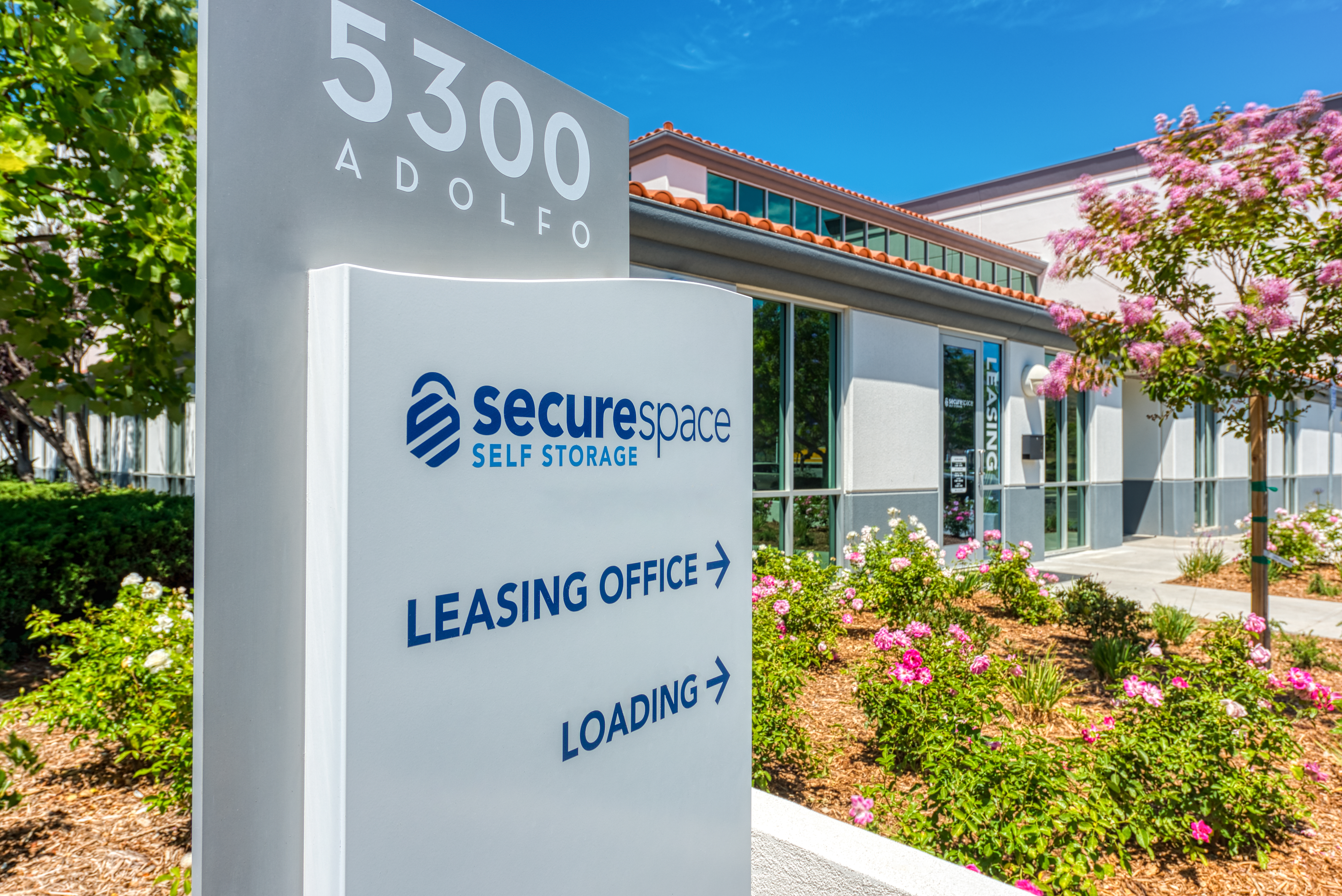
SecureSpace Self Storage Camarillo, located at 5300 Adolfo Road, Camarillo, CA 93012, offers climate-controlled storage, daily gate access from 6:00 AM to 10:00 PM, online payments, touchless move-in, a loading dock, covered loading area, elevator access, carts and dollies, semi-truck accessibility, moving pods allowed, and confirmed security features including an access gate, digital video recording, logged access, and overnight surveillance.
Exact unit sizes, pricing, promotions, and availability can vary, so review current options before renting.
Review climate-controlled storage options at SecureSpace Camarillo today.
Everything you need to store your belongings securely, on your schedule.
Visit us online