Camarillo is a great place to own a vehicle, whether that is a classic car you have been restoring for years, a second family SUV, or a recreational vehicle you take out a few times a year. But between HOA parking rules, limited garage space, and coastal-adjacent conditions that can affect vehicle maintenance, keeping a car properly stored is not always straightforward.
This guide walks you through what to know about car storage in Camarillo: why local conditions can make storage planning important, how to prepare your vehicle before storing it, what to look for in a storage facility, and what your obligations may be under California law. By the end, you will have a clearer picture of how to protect your investment and what to confirm before renting parking or vehicle storage.
Camarillo's proximity to the Pacific Ocean is one of its biggest lifestyle perks. It can also be a factor in vehicle maintenance if a car, truck, trailer, or RV is left parked outdoors for extended periods.
Salt particles carried by ocean breezes can travel 50 miles inland in some conditions. Salt can contribute to oxidation when it settles on automotive surfaces, especially if moisture is also present. Paint, clear coats, factory sealants, exposed hardware, and existing chips or scratches may all require extra attention in coastal-adjacent environments.
Seasonal winds can also bring dust, ash, and debris. According to CBS News, windblown dust and ash advisories can affect Los Angeles and Ventura counties during strong Santa Ana wind events. These conditions may affect exterior surfaces, filters, and detailing needs if a vehicle sits exposed for long periods.
For owners of classic cars, luxury vehicles, recreational vehicles, or cars stored outdoors for months at a time, these conditions are worth planning around. Covered parking or other vehicle storage options may help reduce some exposure compared with open outdoor parking, but they should not be treated as guaranteed protection against corrosion, UV damage, dust, pests, or weather-related wear.
Several distinct groups drive demand for vehicle storage in the Camarillo area.
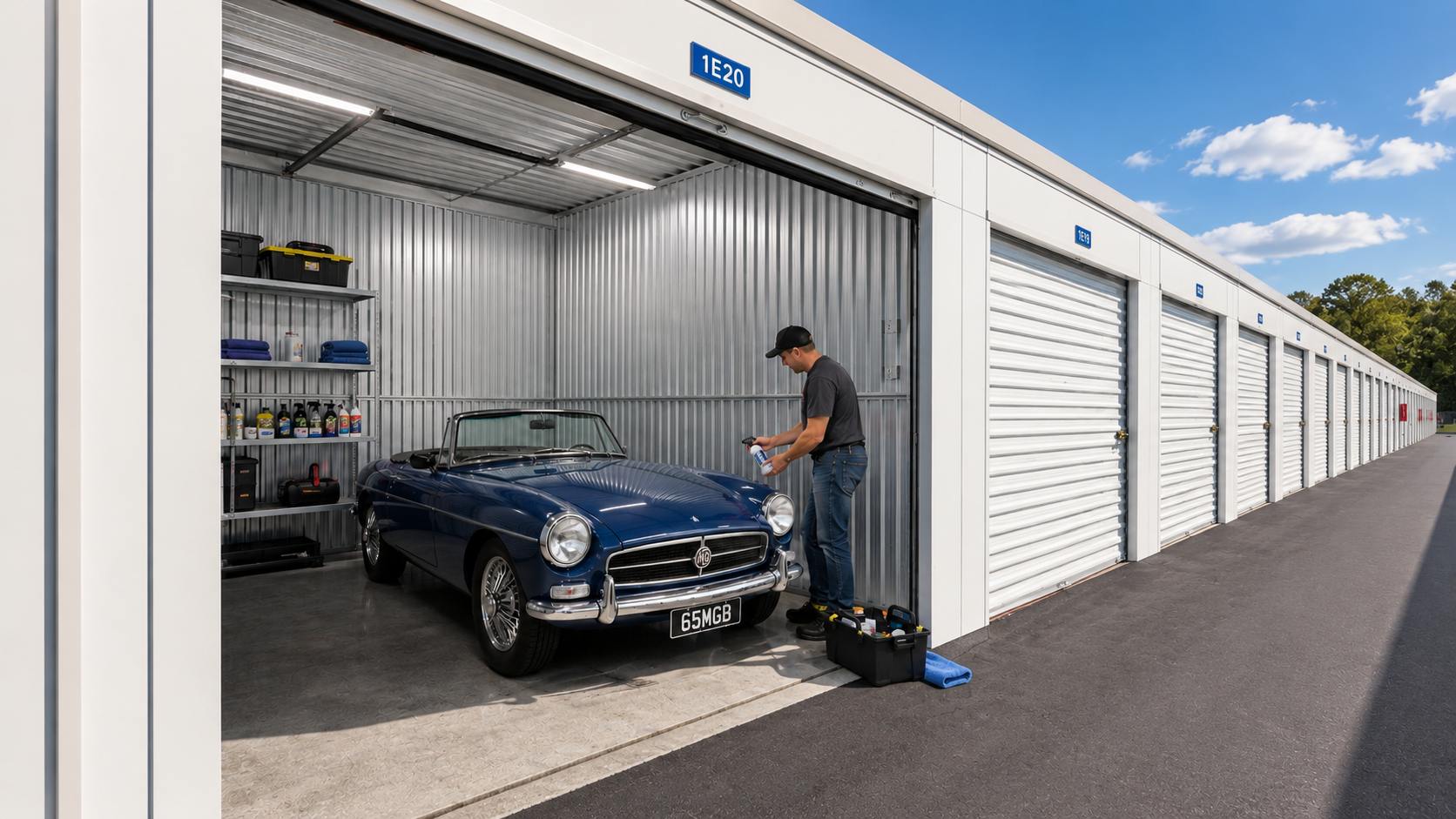
Camarillo has an active car culture, with events like the Wings Over Camarillo Air and Car Show drawing enthusiasts from across the region. Owners of classic, collector, or specialty vehicles often want storage options that help reduce everyday exposure to sun, dust, moisture, and parking risks.
Before renting, owners should confirm whether the facility can accommodate the vehicle type, dimensions, documentation, and access needs.
Naval Base Ventura County, including Point Mugu and Port Hueneme, is a major regional military presence. Service members facing deployments, PCS moves, or temporary housing transitions may need a place to keep personal vehicles while they are away.
On-base MWR storage may be available for eligible users, but eligibility, access, and availability can vary. Commercial storage may be worth comparing when on-base options are unavailable or do not fit a service member's needs.
Camarillo includes many master-planned and HOA-governed communities. HOA rules vary by neighborhood and property, but communities may regulate visible parking of RVs, boats, commercial vehicles, trailers, or extra vehicles. General HOA parking guidance notes that some communities may prohibit parking RVs, boats, commercial vehicles, and secondary cars in certain visible areas.
Before storing a vehicle at home, review your CC&Rs and ask your HOA directly about current rules, approvals, and fine schedules. Off-site storage may help address some parking constraints, but vehicle owners should still confirm city, HOA, DMV, insurance, and facility requirements.
If a car, truck, motorcycle, trailer, or RV sits unused for weeks or months, proper preparation matters. Batteries can discharge, tires can lose pressure, fuel can degrade, and pests may become a concern. Storage planning can help reduce avoidable issues during long inactive periods.
If you plan to store a vehicle and take it off public roads for an extended period, California has a formal process for this: the Planned Nonoperation (PNO) filing.
According to the California DMV, Planned Nonoperation applies when a vehicle will not be driven, towed, stored, or parked on public roads or highways for the full registration year. If you are considering PNO status, review current DMV rules carefully, including deadlines, late penalties, public-road restrictions, and whether the vehicle may need to be moved for repairs, smog checks, or storage changes.
A storage facility can provide information about available parking options, but DMV compliance remains the vehicle owner's responsibility.
Parking a car and walking away is rarely the best approach. Vehicles left inactive for more than a short period can develop preventable issues such as dead batteries, tire flat-spotting, stale fuel, brake problems, corrosion, or pest intrusion.
Kelley Blue Book's car storage guide outlines several practical preparation steps.
Sap, bird droppings, mud, ash, and salt residue may affect paint if left sitting. Inside the vehicle, remove trash, crumbs, food wrappers, and anything scented that could attract pests or leave odors.
According to Edmunds, filling the tank and using a fuel stabilizer can help reduce moisture-related fuel system issues during storage. Follow the product instructions and your owner's manual before adding any stabilizer.
Batteries discharge over time without use. Depending on your vehicle and storage duration, you may need to disconnect the negative terminal or use a maintenance charger. Follow your owner's manual or ask a mechanic for guidance, especially for newer vehicles with sensitive electronics.
Used oil can contain contaminants. For longer storage periods, an oil change before storage may be helpful. Check your owner's manual for guidance based on your vehicle type and storage timeline.
Tires lose pressure over time and may develop flat spots. Check tire pressure before storage and follow your manufacturer's guidance. For longer storage periods, tire cradles, jack stands, or occasional movement may be appropriate depending on the vehicle and storage setup.
Leaving the parking brake engaged for an extended period may create issues on some vehicles. Wheel chocks may be a better option in many storage situations. Follow your owner's manual and confirm what is safe for your vehicle.
Some vehicle owners temporarily block the tailpipe or air intake to discourage pests. If you do this, use a visible reminder so the material is removed before starting the vehicle again.
A breathable car cover can help reduce dust accumulation and minor abrasions. Use a cover designed for your storage environment, since trapping moisture under the wrong cover may create new problems.
This step often gets overlooked, but it matters, especially when vehicles sit undisturbed.
According to UC IPM's Pest Notes on House Mice, house mice can squeeze through very small openings and may damage vehicles by gnawing on wiring, hoses, and insulation. For stored vehicles, that reinforces the importance of:
Removing all food and crumbs from the interiorTemporarily blocking the tailpipe and air intake when appropriateChecking the vehicle periodicallyAvoiding clutter around the vehicleAsking the facility about current maintenance and pest-prevention practices
Pest prevention practices can vary by location, so do not assume a specific program is in place unless the facility confirms it directly.
Not all vehicle storage options are the same. When evaluating facilities, consider these factors.
SecureSpace Self Storage Camarillo offers outdoor parking, parking units, and covered parking. Availability, parking type, vehicle eligibility, space dimensions, clearance, documentation requirements, insurance requirements, and current pricing can vary.
Before renting, measure your vehicle's total length, width, and height, including mirrors, roof racks, bike racks, hitches, spare tires, antennas, and any trailer tongue. Confirm directly that the facility can accommodate your vehicle.
Indoor or enclosed vehicle storage is not something customers should assume unless the facility verifies it directly.
Security features should be confirmed, not assumed. SecureSpace Self Storage Camarillo offers an access gate, digital video recording, logged access, and overnight surveillance.
Customers should avoid assuming unverified features such as 24/7 monitored surveillance, electronic gate access with personal codes, well-lit perimeters, on-site management, or guaranteed protection unless those details are confirmed directly with the facility.
A facility that limits access to narrow business hours may not work for every vehicle owner. SecureSpace Self Storage Camarillo offers daily gate access from 6:00 AM to 10:00 PM. Customers should confirm current access procedures, account permissions, and vehicle-specific rules before renting.
Military deployments change. Home renovation timelines slip. Seasonal vehicle use can shift unexpectedly. Before renting, review current rental terms, billing policies, move-out requirements, pricing, administrative fees, insurance or protection requirements, promotion terms, and rate-change policies.
Do not assume month-to-month leasing, flexible cancellation, or price guarantees unless those details are included in the current rental agreement.
SecureSpace Self Storage Camarillo confirms semi-truck accessibility, which may be helpful for some larger move-in logistics. It also offers a loading dock, covered loading area, elevator access, carts and dollies, and moving pods allowed for storage customers.
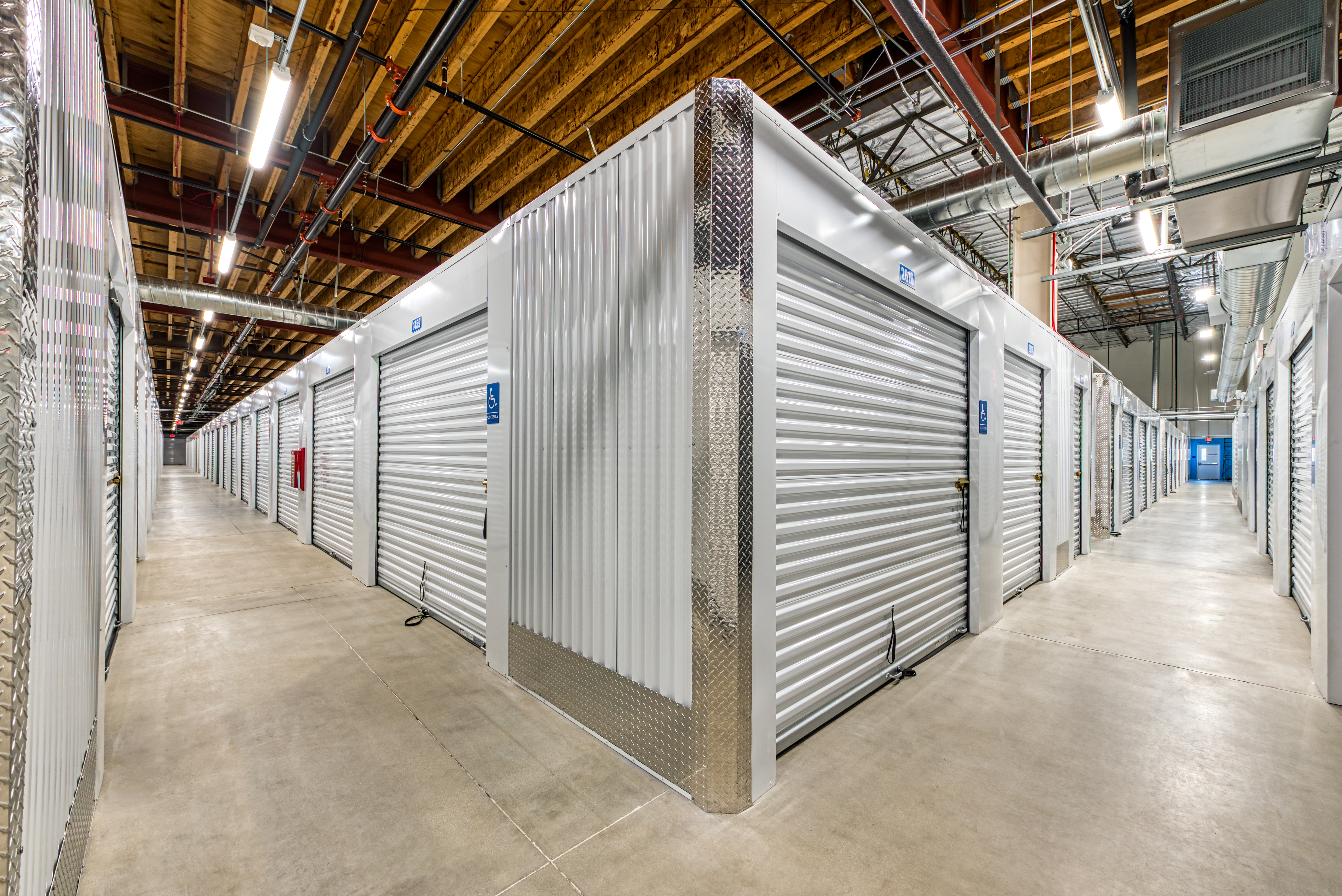
Drive-up storage units are not currently confirmed for SecureSpace Self Storage Camarillo. For vehicle parking, confirm space location, maneuvering room, clearance, and any restrictions before bringing the vehicle to the facility.
Storing a vehicle does not necessarily mean you should cancel your insurance. Kelley Blue Book recommends exploring storage insurance or comprehensive-only coverage rather than canceling a policy entirely.
Talk to your insurance provider before storage begins. Ask whether your vehicle must remain insured while stored, whether comprehensive-only coverage is available, whether a PNO filing affects your coverage, and what documentation the storage facility may require.
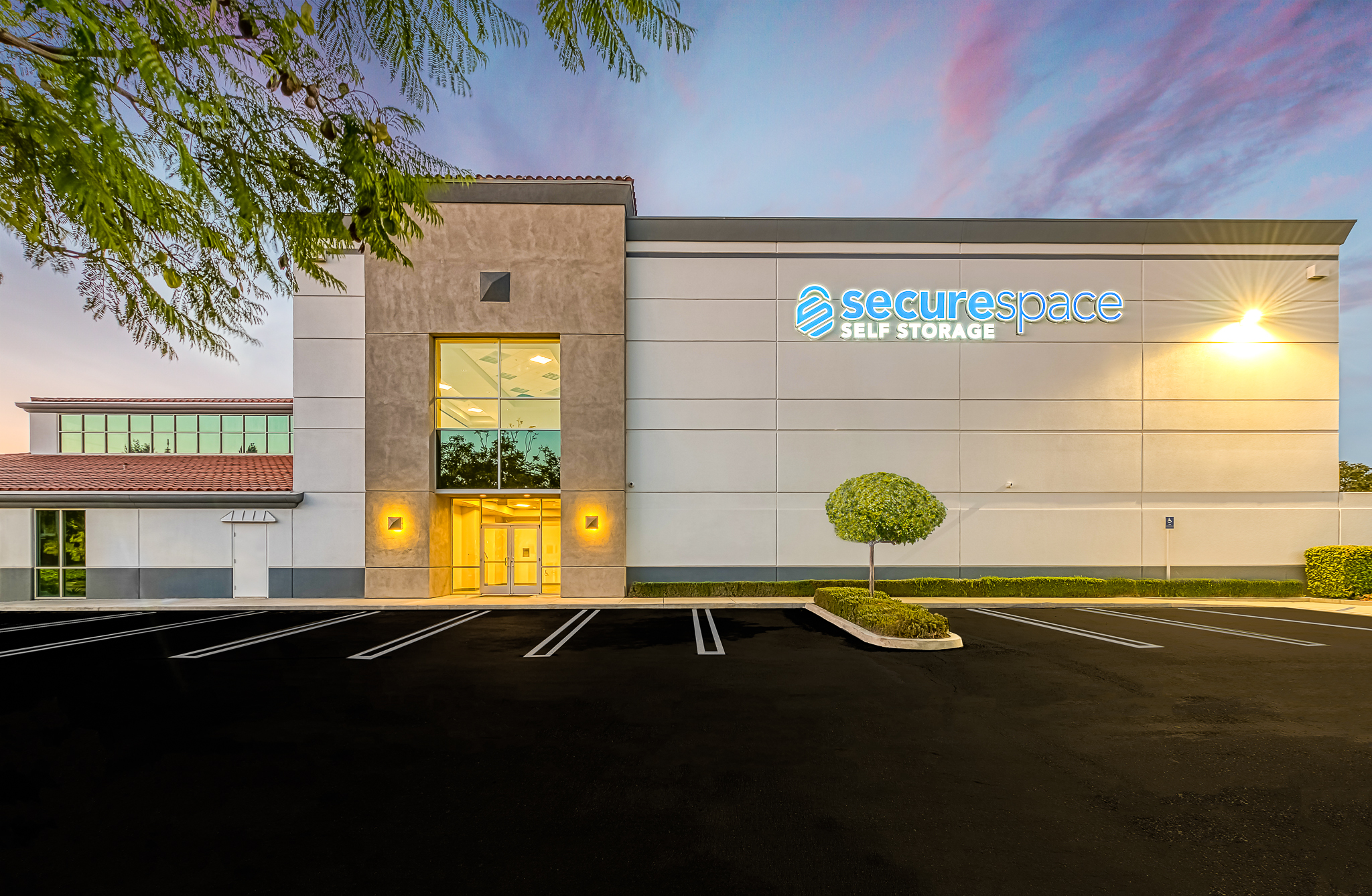
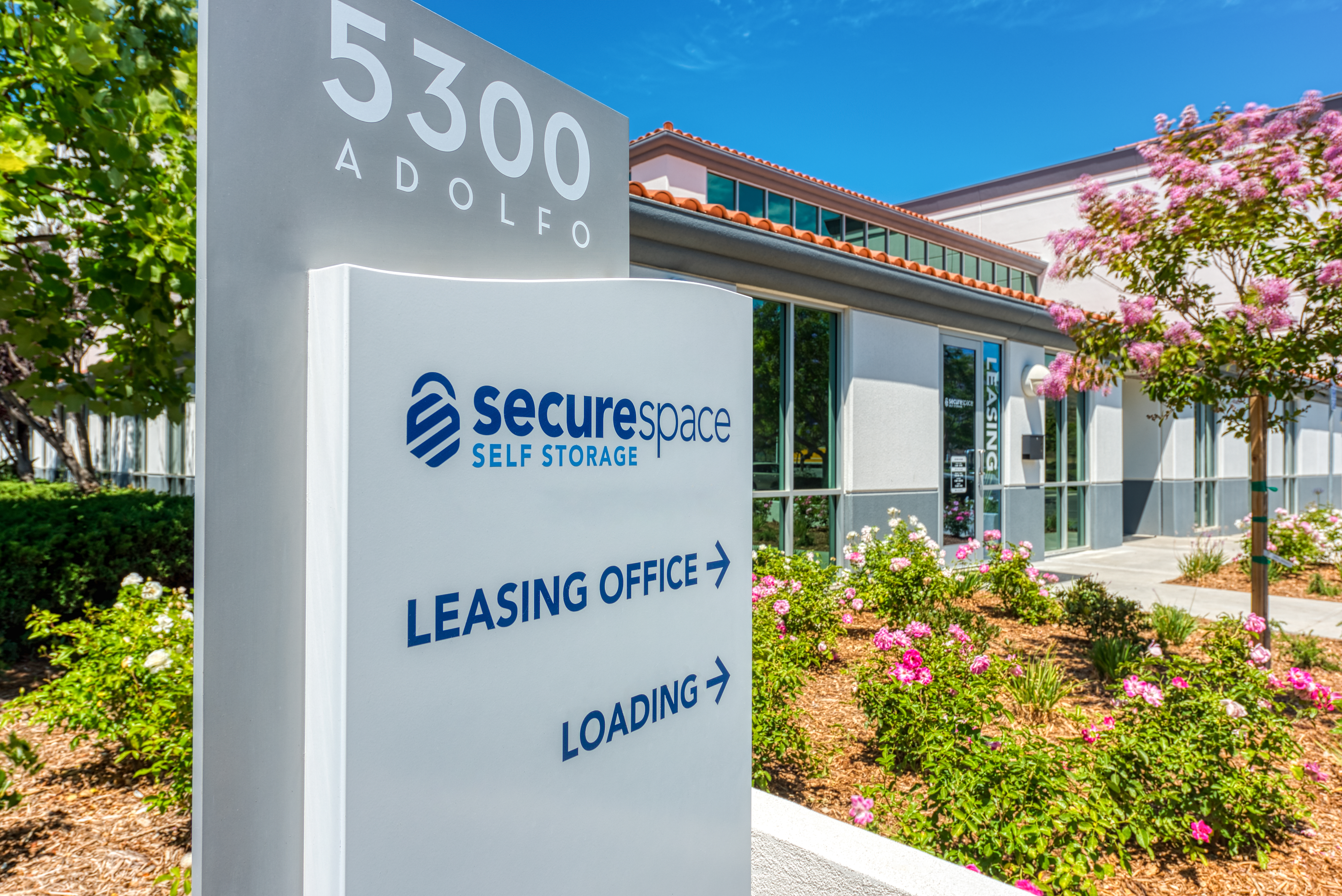
SecureSpace Self Storage Camarillo is located at 5300 Adolfo Road in Camarillo. The facility offers outdoor parking, parking units, covered parking, online payments, touchless move-in, daily gate access from 6:00 AM to 10:00 PM, semi-truck accessibility, and confirmed security features including an access gate, digital video recording, logged access, and overnight surveillance.
Covered parking may help reduce some direct exposure compared with uncovered outdoor parking, but it should not be treated as enclosed storage or guaranteed protection from coastal air, sun, pests, weather, or other damage.
Customers should confirm current vehicle eligibility, parking availability, dimensions, clearance, documentation requirements, insurance requirements, rental terms, pricing, and access procedures before renting.
Everything you need to store your belongings securely, on your schedule.
Visit us online