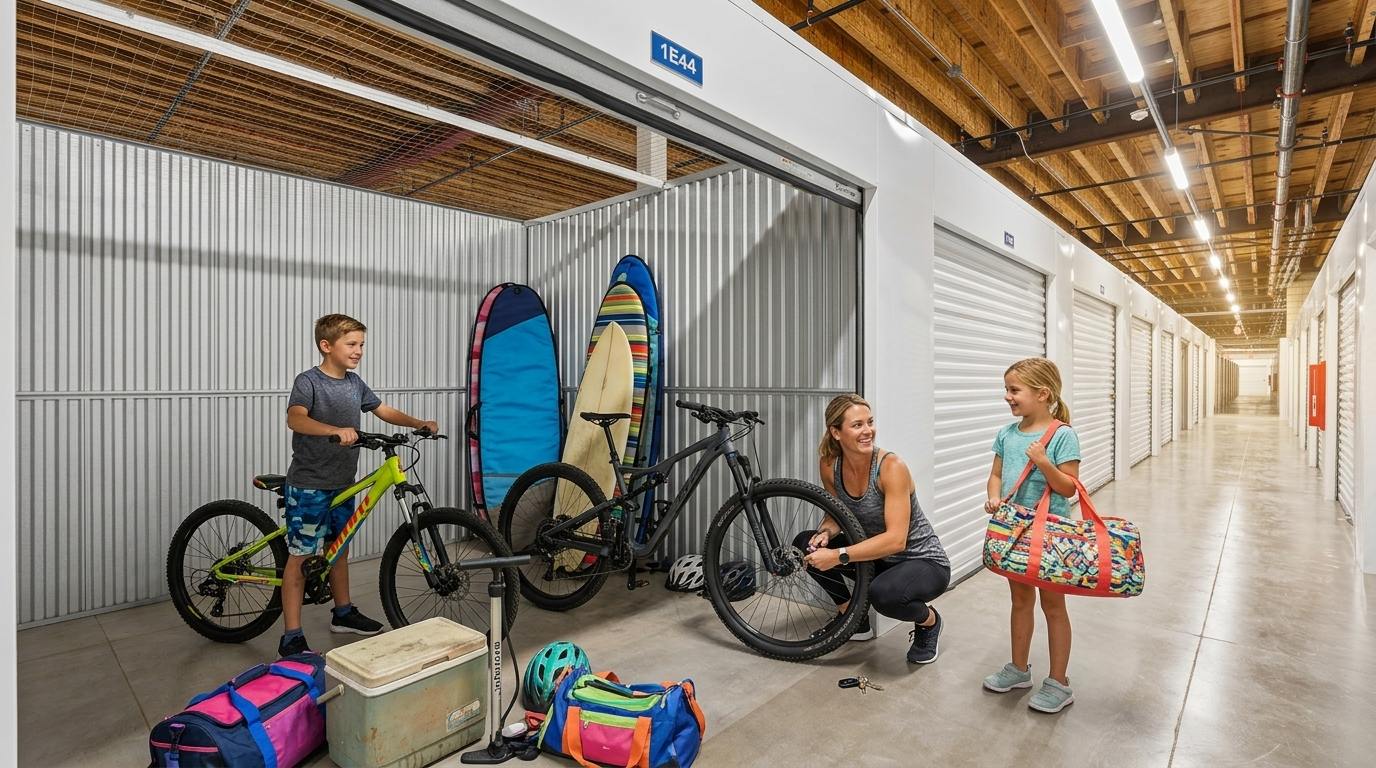
Camarillo offers an incredible location for active individuals and families. Sitting near the Pacific Ocean coastline and close to the Santa Monica Mountains, the city can be a practical staging ground for outdoor recreation. Residents have access to everything from kayaking and early morning surfing to mountain biking and trail running.
However, participating in these diverse activities requires a lot of specialized, bulky gear. Over time, families naturally accumulate a mix of bicycles, leaning surfboards, tangled soccer nets, and heavy camping equipment. This constant accumulation usually ends up taking over valuable storage space in the house: the residential garage. When you can no longer park your vehicle inside your own garage, disorganization can quickly take over.
Finding dedicated storage space for athletic equipment can help solve this space problem. Reclaiming your home allows you to better organize your expensive gear while creating a more convenient basecamp for weekend adventures. By moving unwieldy gear to a local facility, you can keep your home cleaner and make your equipment easier to access before the next trail or tide.
The primary motivation for seeking sports equipment storage is often the logistical pressure placed on the modern suburban home. Many Camarillo families participate in youth sports, school activities, and weekend recreation. Managing simultaneous athletic commitments for multiple children can mean balancing equipment for flag football, baseball, soccer, and other seasonal programs.
This lifestyle requires bulky pop-up practice nets, rigid sideline coolers, folding utility wagons, protective equipment, and transport bags for training cones. When the seasons change, you may suddenly face the task of storing winter ski gear while pulling out spring baseball equipment and summer surfboards. The physical footprint of many residential properties can struggle to keep up with this rotation of seasonal items.
Furthermore, many residents live in desirable, master-planned communities like Mission Oaks or Village at the Park. These neighborhoods may feature Homeowner Association (HOA) regulations that govern how residential properties can be used. Some HOAs may restrict long-term garage, driveway, or exterior storage, so residents should review their community rules before making storage plans.
Building an exterior backyard shed to house excess sports equipment may also involve property line setbacks, permitting, or zoning considerations. Because of these constraints, using an accessible self-storage facility can be a practical way to alleviate household clutter.
A frequently overlooked issue in coastal-adjacent communities is environmental exposure. Camarillo is separated from the immediate ocean by agricultural fields, but coastal moisture, marine layers, and seasonal weather can still be considerations for stored gear.
Salt air and moisture can affect metal, rubber, fabric, and composite materials over time, especially when gear is stored dirty, wet, or in uninsulated environments. For cyclists, salt and dirt buildup may contribute to corrosion on drivetrains, suspension components, and exposed hardware. This can affect the performance and maintenance needs of a mountain bike used on the Santa Monica Mountains National Recreation Area trails.
Golfers may also want to protect clubs from moisture, dirt, and temperature swings. Marine and surf gear need careful handling as well. Surfboards, wetsuits, paddleboards, and kayak accessories should be rinsed, dried, and stored properly to help reduce odor, mildew, and material damage.
Climate-controlled storage can help reduce exposure to temperature swings compared with non-climate-controlled spaces. It should not be treated as a guarantee against corrosion, mold, moisture damage, or wear, but it may be worth considering for sensitive or expensive recreational gear.
Before you move valuable athletic equipment into a storage unit, prepare each item correctly. Proper preparation can help extend the lifespan of your gear and make it easier to use when the season returns.
Moisture is one of the biggest enemies of stored sports gear. Even a small amount of residual moisture can contribute to mold, mildew, and unpleasant odors. The U.S. Environmental Protection Agency (EPA) emphasizes that moisture control is the key to mold control. Always ensure that your equipment is completely dry before putting it away.
Wipe down bicycles to remove trail dirt, wash surfboards with fresh water to remove salt residue, and thoroughly clean golf clubs. For items that have been submerged in water, such as wetsuits, life jackets, or kayak seats, allow them to air dry completely in a well-ventilated area before storage.
Highly active individuals value their weekend time. The process of extracting a heavy kayak from unstable garage rafters or digging through crowded closets can make weekend activities harder than they need to be. When setting up your storage unit, organize it like an adventure staging area.
Keep your most frequently used items near the front of the unit. According to storage organization experts at Koova, storing balls in mesh bags allows for airflow, while protecting padded gear in dry, designated areas can help maintain organization. Use freestanding racks, shelving, bins, and labeled bags where appropriate to keep surfboards, bikes, balls, helmets, and camping equipment easier to reach.
The Centers for Disease Control and Prevention (CDC) recommends keeping indoor humidity levels low to help prevent mold growth on porous materials like camping tents, sleeping bags, and fabric chairs. Climate-controlled storage may help reduce exposure to temperature swings compared with non-climate-controlled spaces, but customers should not assume it manages humidity or guarantees protection from mold.
For fabric gear, tents, sleeping bags, padded equipment, wetsuits, and life jackets, make sure everything is fully dry before storage. Use breathable bags where appropriate, avoid sealing damp items in plastic, and check manufacturer guidance for specialty gear.
Choosing the correct unit size is important for preventing damage and ensuring easy access. Exact unit sizes and availability can vary, so use the examples below as general planning guidance and confirm current options before renting.
A 5x5 unit offers 25 square feet of space. This size may be useful for seasonal youth sports bags, golf clubs, and small camping bins. If you need to clear off-season baseball or soccer gear off your garage floor, this compact size may be a practical option, subject to current availability.
Offering 50 square feet of space, a 5x10 unit can be useful for dedicated weekend gear. This size may hold mountain bikes, short surfboards, fishing tackle, and multi-person camping tents, depending on how items are packed. It may provide enough depth to roll bicycles in while leaving wall space for shelving units to hold smaller accessories and tools.
At 75 square feet, a 5x15 unit may be useful for longer items such as kayaks, longboards, stand-up paddleboards, and winter ski gear. Measure your longest items before renting to ensure the unit depth can accommodate them while leaving enough room for safe access.
For families needing to relocate a broader mix of garage contents, a larger unit may provide space for bulky athletic gear, camping equipment, seasonal bins, and household items. Customers should confirm current unit availability and item eligibility before storing large gear, trailers, ATVs, or vehicle-like items.
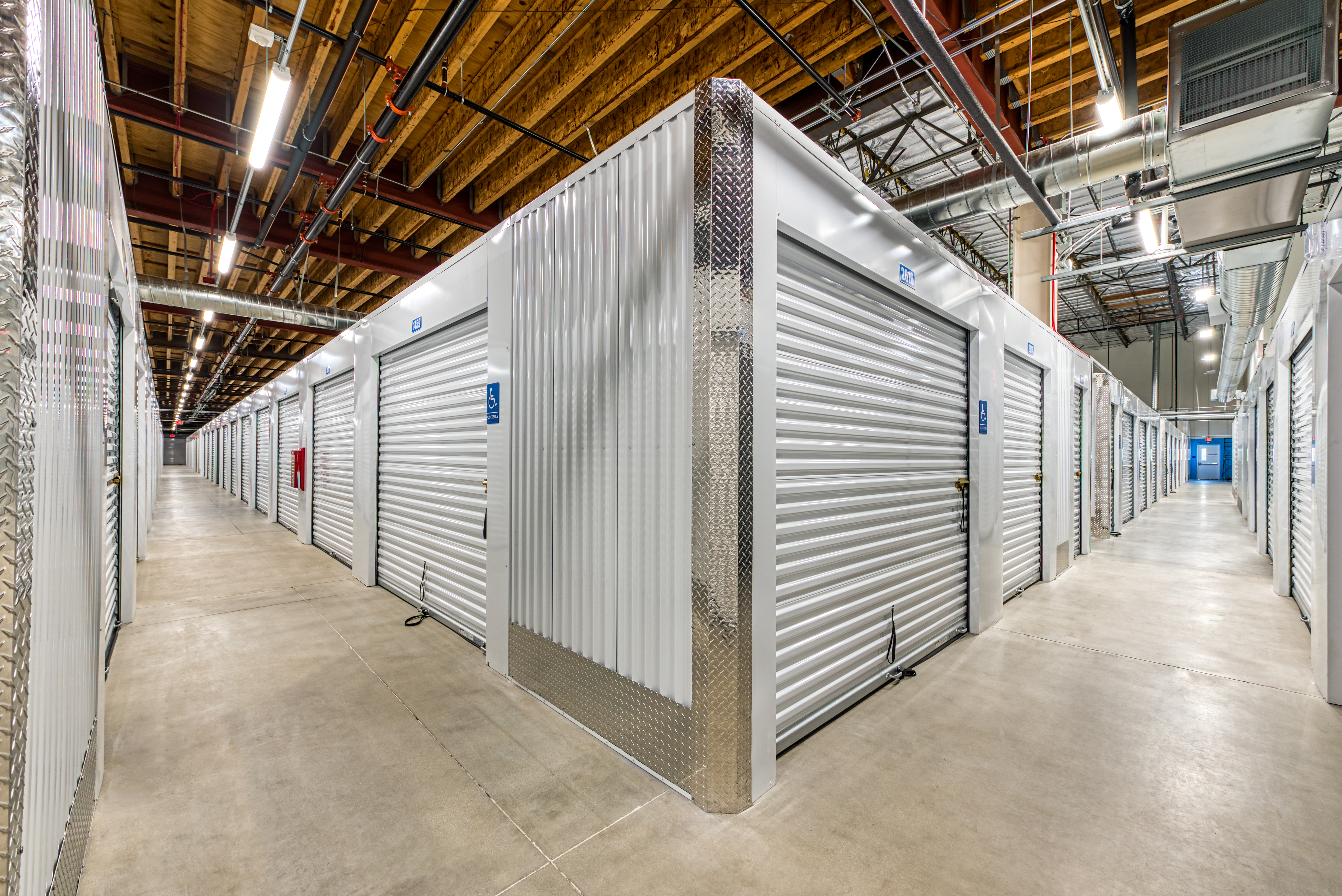
Climate-controlled storage may be worth considering for surfboards and other sensitive recreational gear. Uninsulated garages and outdoor spaces can experience temperature changes, dust, and moisture. SecureSpace Self Storage Camarillo offers climate-controlled storage, which can help reduce exposure to temperature swings compared with non-climate-controlled spaces. Proper cleaning, drying, and packing are still important.
SecureSpace Self Storage Camarillo offers outdoor parking, parking units, and covered parking. Availability, vehicle type eligibility, dimensions, and rules can vary, so customers should confirm whether a specific trailer, recreational vehicle, jet ski, boat, or other parking item is eligible before renting.
Large watercraft such as ocean kayaks, stand-up paddleboards, and longboards require enough linear space to fit safely without bending, leaning dangerously, or blocking access. Measure the item before renting and confirm current unit sizes and availability directly with the facility.
Coastal moisture and salt air can contribute to corrosion or wear on metal parts over time, especially when bikes are stored dirty or damp. Camarillo sits inland from the coast, but riders should still clean and dry bikes before storage. Climate-controlled storage may be worth considering for high-value bikes, but it does not guarantee protection against corrosion or mechanical wear.
Managing an active Southern California lifestyle requires the right logistical support. You should not have to sacrifice the comfort and functionality of your home just to enjoy the outdoor recreation that Ventura County has to offer. By choosing a convenient storage facility, you can help reduce garage clutter, better organize seasonal gear, and keep equipment easier to access.
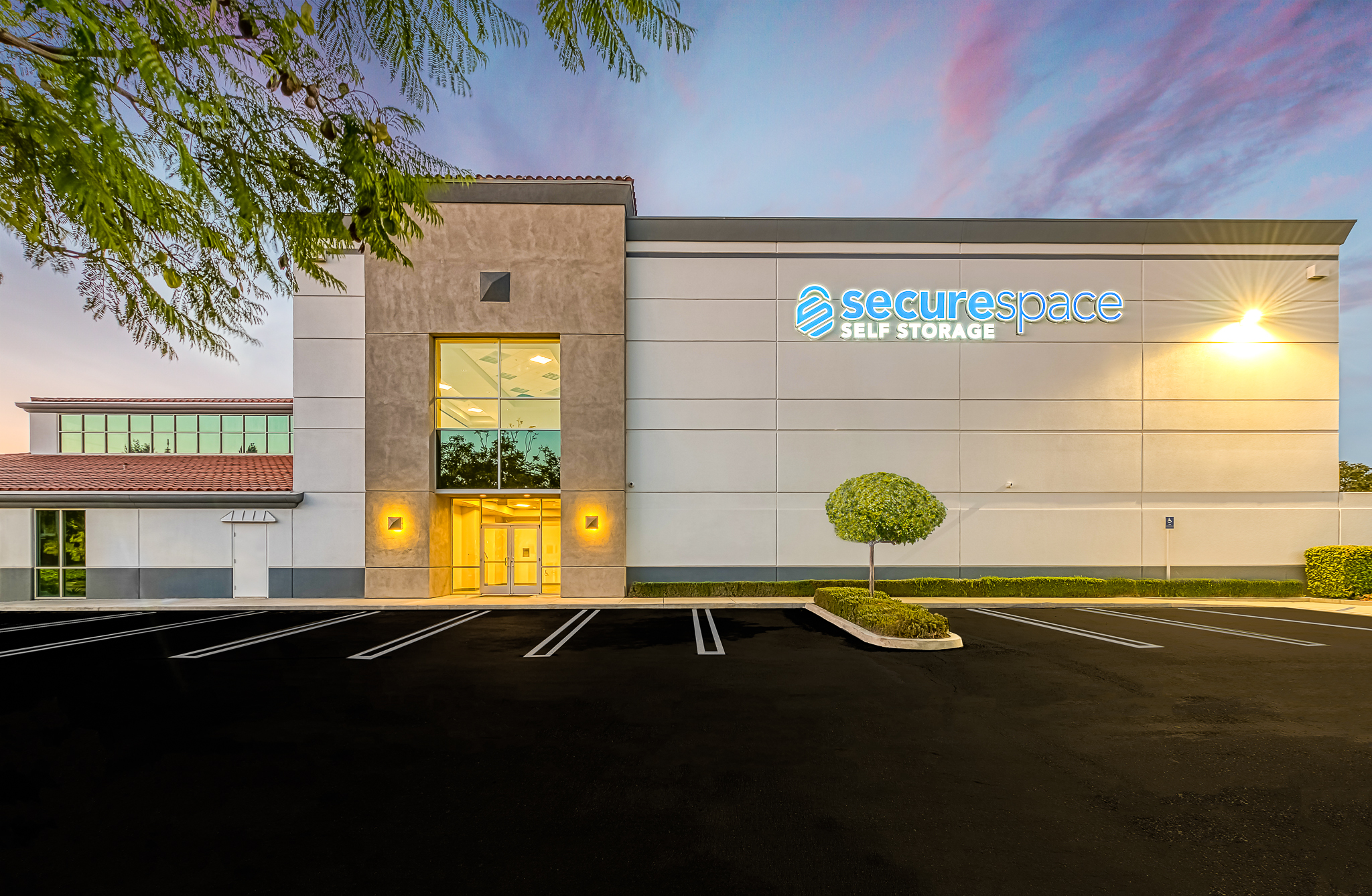
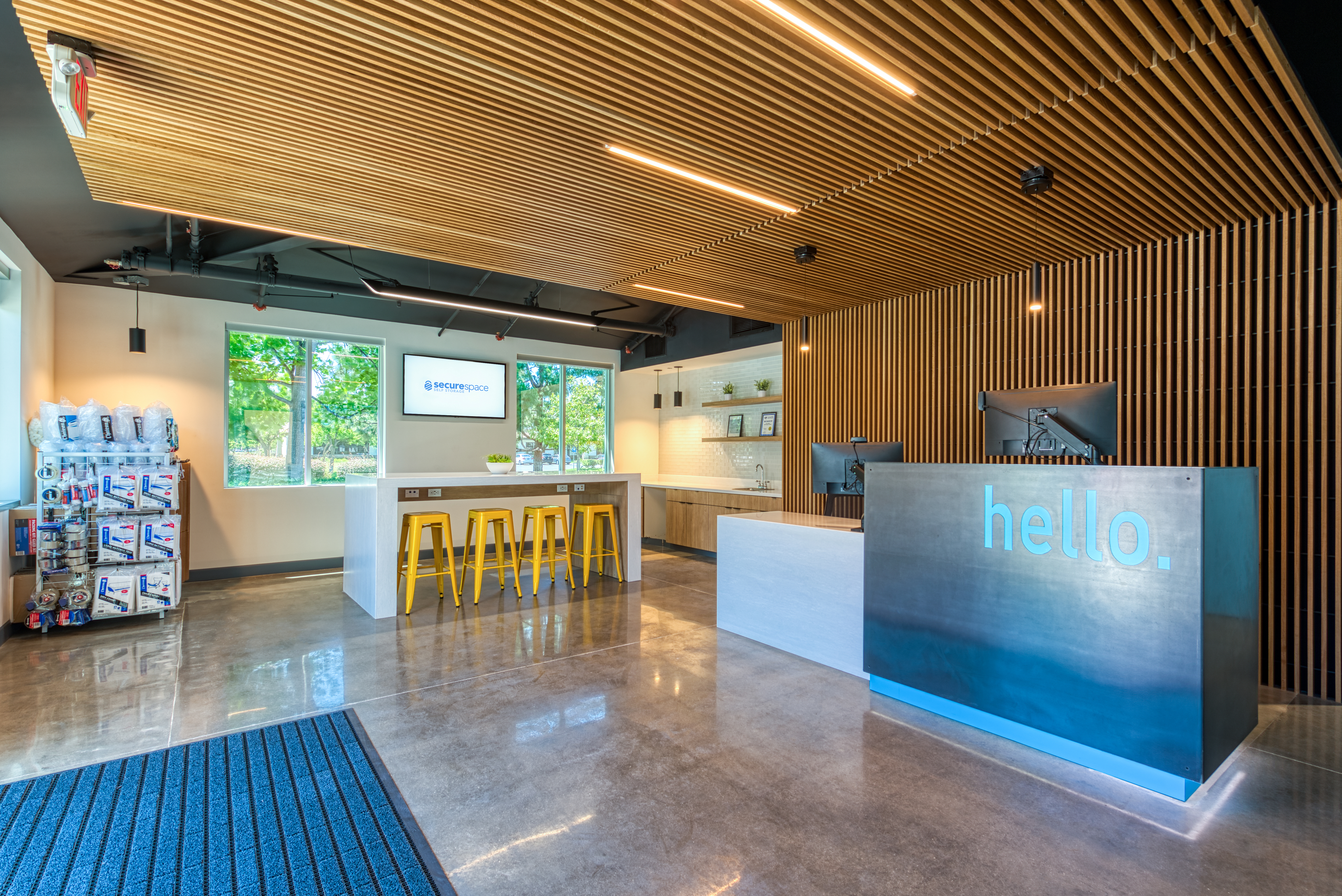
SecureSpace Self Storage Camarillo offers climate-controlled storage, outdoor parking, parking units, covered parking, a loading dock, covered loading area, elevator access, carts and dollies, semi-truck accessibility, and moving pods allowed. The facility also offers confirmed security features including an access gate, digital video recording, logged access, and overnight surveillance.
Ready to reclaim your garage and better organize your sports gear? Discover storage options that can support your active lifestyle.
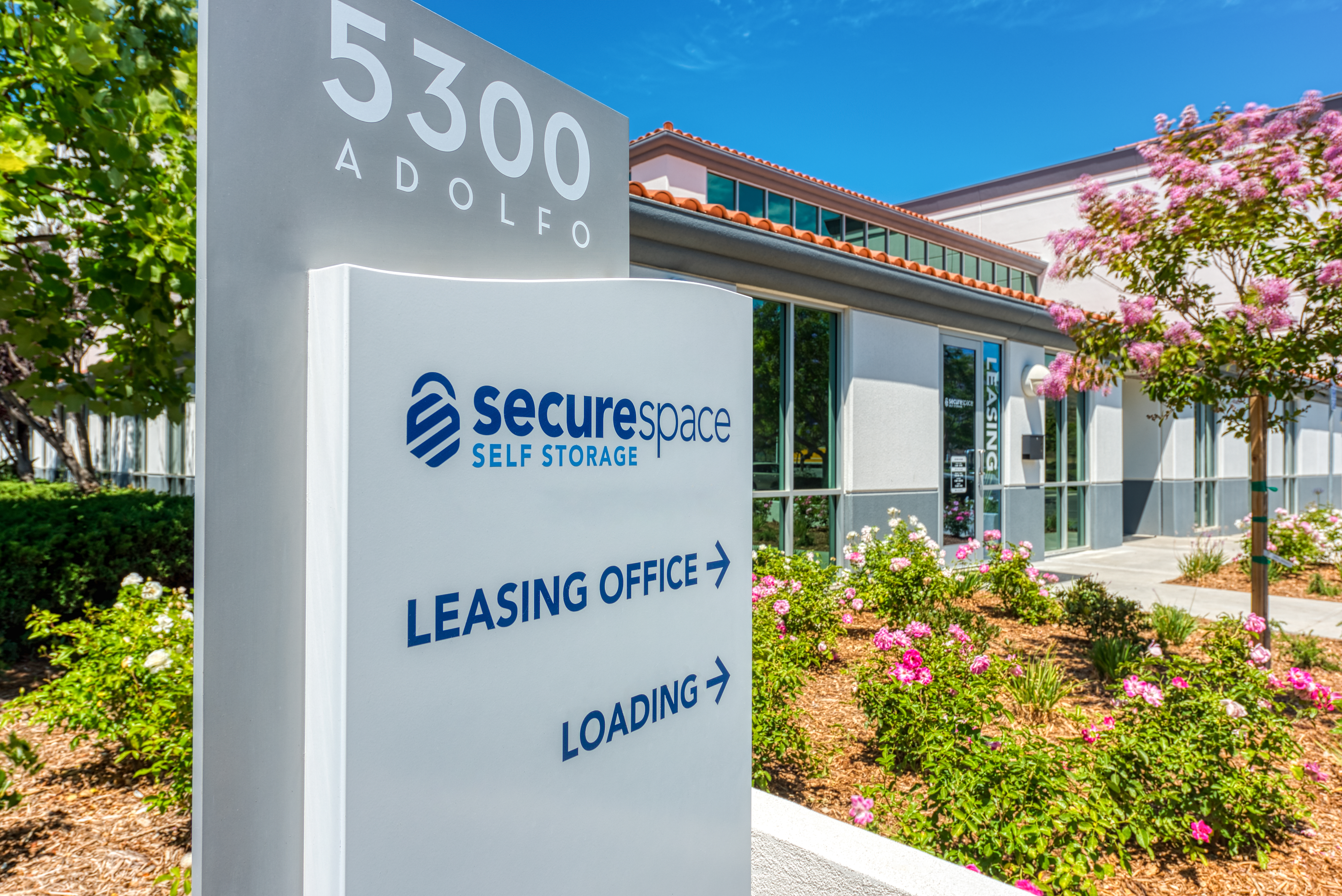
Find your perfect storage unit at SecureSpace Self Storage on Adolfo Road today.
Everything you need to store your belongings securely, on your schedule.
Visit us online