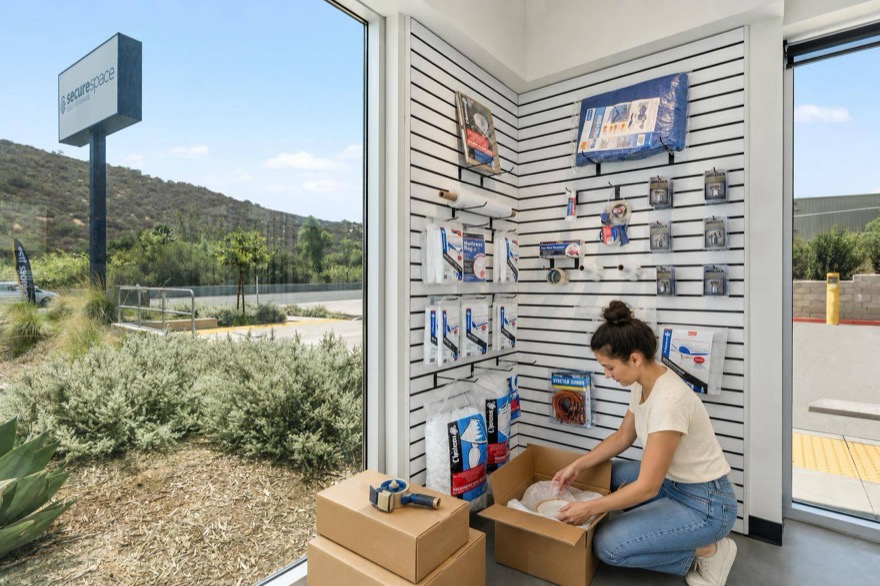
Whether you are clearing out your garage in Spring Valley Estates, downsizing to a smaller apartment, or preparing for a military deployment, finding the right space for your belongings is a major relief. Organizing your possessions and renting storage space helps you take control of your environment. You sort your items, pack your boxes, and plan your moving day.
However, as you sort through your garage or spare room, you might stumble upon a few confusing items. You might wonder if you can pack away that half-full can of lawnmower fuel, your emergency food supplies, or the spare lithium-ion battery for your electric bike. Moving your property into a commercial facility involves specific rules designed to help protect customers, staff, and stored belongings.
Understanding what is allowed inside your unit is a vital part of the moving process. California rules, local fire codes, facility policies, and your rental agreement may all affect what can and cannot be stored.
This guide will walk you through common items that may be allowed or prohibited in a Spring Valley storage facility. We will explain the reasons behind these rules and help you organize your belongings with more confidence.
It is easy to view facility rules as inconvenient red tape. When you are rushing to finish a move, checking regulations might feel like an unnecessary hurdle. However, these guidelines exist for an important reason: they help reduce avoidable risks for customers and the facility.
Commercial storage spaces may be affected by the California Self-Service Storage Facility Act, facility lease terms, and the local San Diego County Consolidated Fire Code. These rules and policies are designed to reduce fire, health, and safety risks. When a facility enforces rules against storing hazardous materials or perishable food, it helps reduce the chance of fire hazards, pest issues, and preventable damage.
Think about the items you plan to store. You might be putting away heirlooms, business documents, or recreational gear. If another tenant stores a leaky propane tank or open boxes of food next door, nearby belongings could be exposed to unnecessary risk. By enforcing a prohibited-items list, a facility can help maintain a cleaner, safer storage environment for customers.
Certain items are commonly prohibited from commercial storage facilities. Bringing these items onto the property may violate your lease agreement and create a safety hazard for other customers.
Spring Valley is home to veterans, active-duty service members, and many residents who may have questions about storing personal property during moves or deployments.
Despite that common need, firearms, ammunition, gunpowder, explosives, and weapons may be prohibited in commercial storage units. While local city laws discuss firearm storage requirements in other contexts, commercial storage facilities operate under their own lease terms, insurance requirements, and safety policies. Review your rental agreement and applicable laws before storing any regulated or restricted item.
Storing food in an enclosed storage space can create problems. Food and perishables are commonly prohibited because they can attract insects, rodents, and other pests.
This may include perishable goods, open food containers, pet food, and other organic materials. Some facilities may also restrict canned goods, dry goods, or emergency rations. Review your rental agreement for the exact prohibited-items list before moving in.
Hazardous, toxic, and flammable materials should not be placed inside a storage unit. The San Diego County Hazardous Materials Division provides public information related to hazardous materials programs, and storage facilities generally prohibit materials that could create fire, health, or environmental risks.
This broad category may include:
Gasoline, diesel, and motor oil
Propane tanks, including small camping canisters
Paint thinner, industrial acetone, and harsh solvents
Agricultural fertilizers and weed control chemicals
Fireworks and marine flares
These substances can emit fumes, spill, or create fire hazards. Always dispose of hazardous chemicals through approved local channels before moving items into storage.
Some items fall into a gray area. You may be able to store them, but only if they are prepared correctly and permitted by facility rules. When in doubt, contact the facility before bringing the item to your unit.
Many Spring Valley residents maintain yards and own landscaping tools. Items such as lawnmowers, weed whackers, chainsaws, or other motorized equipment may be allowed only if they are cleaned, drained, and permitted by facility rules.
Follow the rental agreement and facility policies, which commonly restrict fuel, oil, and other hazardous fluids. Once approved equipment is fully cleaned and prepared, a drive-up unit can make loading and unloading heavier items easier.
Lithium-ion batteries can create safety concerns, especially when damaged, modified, oversized, or improperly stored. Small household batteries may be handled differently from large-capacity battery systems used in e-bikes, mobility devices, or solar setups.
Always speak directly with the facility before attempting to store large lithium-ion batteries, battery banks, e-bikes, mobility devices, or battery-powered equipment. Facility rules may restrict these items depending on battery size, condition, and storage requirements.
Refrigerators, freezers, and washing machines take up a lot of space, making them common candidates for storage. You may be able to store these appliances if you prepare them correctly.
Thoroughly clean and defrost refrigerators, and drain all water from washing machines. It is a good practice to store appliance doors slightly ajar after cleaning and drying. This can help reduce trapped moisture and odors during storage.
Once you eliminate prohibited items, you can focus on belongings that are better suited for a storage environment. Spring Valley's topography and active lifestyle make storage useful for organizing seasonal, household, and recreational gear.
Outdoor and hiking gear: After a weekend exploring trails near Dictionary Hill or Mother Miguel Mountain, a storage unit can help keep camping tents, hiking boots, and backpacks organized.
Recreational equipment: Larger units may accommodate recreational gear when size, availability, and facility rules allow. Clean and fully dry all gear before storing it.
Seasonal items: Free up space in your primary residence by packing away holiday decorations, winter clothing, and seasonal patio furniture.
You may be able to store lawnmowers, ATVs, and other motorized equipment only if facility rules allow it and the equipment is properly prepared. Storage facilities commonly restrict fuel, oil, and hazardous fluids, so equipment may need to be drained, cleaned, and free of leaks before move-in. Contact the facility before bringing motorized equipment to your unit.
Commercial self-storage facilities may prohibit firearms, ammunition, gunpowder, explosives, and weapons under lease terms, insurance requirements, and safety policies. Review your rental agreement and applicable laws before attempting to store any regulated or restricted item.
Large lithium-ion batteries may be restricted depending on their size, condition, use, and facility policy. Small household batteries may be handled differently from e-bike batteries, mobility batteries, or battery banks. Always consult directly with the facility before attempting to store any large battery systems.
Food and perishables are commonly prohibited because they can attract pests. This may include pet food, open food containers, and certain emergency food supplies. Review your rental agreement for the full list of food and organic materials that cannot be stored.
Navigating the rules of self storage does not have to be overwhelming. When you understand the reasons behind storage restrictions, you can pack your boxes with more confidence and reduce avoidable risks. Organizing your items correctly from the beginning can save time, prevent issues, and help keep belongings easier to manage.
Ready to review your storage options? View available climate-controlled and drive-up units and easily book your space online at SecureSpace Spring Valley.
Everything you need to store your belongings securely, on your schedule.
Visit us online