Titusville is experiencing a wave of economic growth. With the expansion of the commercial space industry at the Kennedy Space Center, a growing healthcare sector, and a busy legal community in the historic downtown district, local professionals are busier than ever. This business activity brings a lot of success, but it also brings a mountain of paperwork.
Running a compliant business requires meticulous record-keeping. Aerospace contractors, medical practices, and law firms must retain thousands of sensitive documents to meet applicable regulatory standards. Over time, these files take over valuable office space, turning expensive commercial real estate into a costly filing cabinet.
Storing documents safely on the Space Coast involves unique challenges. You have to consider industry regulations, security risks, and the persistent threat of Florida's extreme weather. Finding a reliable, professional storage solution allows you to reclaim your workspace and store with more confidence.
This guide will explain how to manage your commercial archives effectively, the regulations you may need to follow, and what features to look for in a storage facility.
Living and working in Brevard County means dealing with extreme heat, high humidity, and the occasional tropical storm. These environmental factors can be tough on paper records. If you place important files in a standard, unventilated room or a basic garage, they may deteriorate over time.
Florida's persistent humidity creates ambient conditions where moisture can become trapped in the air. For paper-based assets like binding legal contracts, architectural blueprints, and financial ledgers, this moisture may contribute to fading, ink smudging, paper curling, and yellowing.
Eventually, prolonged exposure to damp conditions can damage paper and storage boxes. Microscopic mold spores thrive in damp spaces and may affect cardboard archiving boxes and the files inside them. According to the Florida Department of Health, mold can begin growing on damp surfaces within just 24 hours. The department recommends keeping indoor humidity levels below 60%-and ideally below 50%-to help prevent mold growth and preserve sensitive materials.
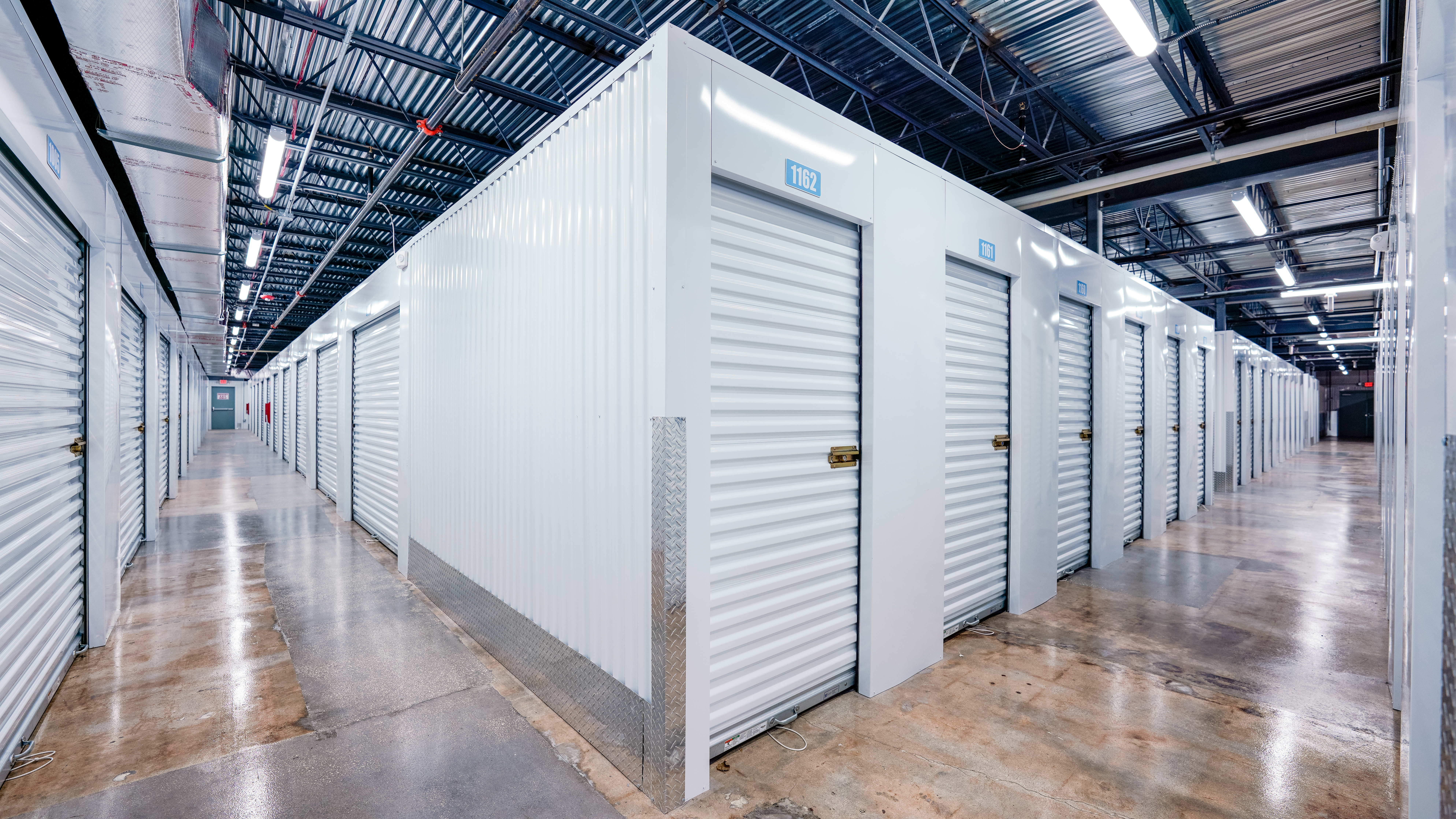
Climate-controlled storage can help reduce exposure to temperature swings compared with non-climate-controlled spaces. For businesses storing paper records, this can be a useful part of a broader document-preservation plan.
Titusville's coastal geographic positioning introduces the regular threat of severe weather events. Heavy rainfall and coastal storms can cause localized flooding that may damage ground-level filing cabinets. Following a major tropical event, ambient humidity can remain high, creating additional concerns for documents after severe weather has passed.
The Federal Emergency Management Agency (FEMA) and Ready.gov advise businesses to safeguard critical financial, legal, and medical documents in protected locations. Using an off-site storage unit as part of a broader disaster-preparedness plan may help reduce the risk of keeping all records in one office location.
Different industries face entirely different rules regarding how long they must keep physical records. Failing to produce required documents during an audit can result in fines, legal action, or a loss of licensing.
Titusville's economy is deeply connected to the John F. Kennedy Space Center and the Spaceport Commerce Park. Local defense contractors and manufacturing firms may operate under strict federal requirements, including rules related to export-controlled information.
Organizations that handle sensitive aerospace, defense, or export-related records should confirm their storage requirements with legal and compliance teams before moving documents off-site. A storage facility with gated access, digital video recording, logged access, and overnight surveillance may support a broader records-management plan, but businesses remain responsible for determining whether a storage solution meets their specific regulatory obligations.
The legal community in Titusville handles thousands of paper-intensive cases, from estate planning to complex litigation. The Florida Bar provides guidance on records retention rules that local attorneys should consider when managing closed or inactive files.
For instance, executed contingent fee contracts and closing statements must be kept for six years after a case closes. Other documents, such as original wills, may need to be retained indefinitely depending on the circumstances. When a lawyer closes a practice or moves files to inactive status, those important papers should be placed in a secure storage environment with careful attention to access control and retrieval procedures. Furthermore, general administrative records fall under the Florida Department of State General Records Schedules, which dictate specific timelines for keeping public and municipal documents.
Medical facilities operating near the North Brevard medical community must follow administrative mandates to protect patient privacy under HIPAA and applicable Florida law. Florida law generally requires physicians to maintain patient medical records for a minimum of five years from the date of the last patient contact.
Because medical record storage can involve sensitive privacy obligations, practice managers should confirm their requirements with legal, compliance, and records-management professionals before storing patient files off-site. Storage features such as gated access, logged access, digital video recording, and overnight surveillance may be helpful, but they do not replace a business's responsibility to maintain proper privacy and retention controls.
Every business in Titusville must adhere to federal tax record guidelines. According to IRS Publication 583, businesses must keep records that support items of income or deductions on a return until the period of limitations runs out. Typically, this means holding onto tax records, ledgers, and employment tax records for three to seven years, depending on the specific filing circumstances.
Holding onto years of paperwork within your primary office carries significant hidden costs. Office square footage in commercial areas carries a premium. When you fill expensive commercial real estate with dormant filing cabinets and banks of archival boxes, your business may lose valuable working space.
Law firms, medical practices, and engineering contractors need to optimize their floor plans for active personnel. Moving inactive records to an off-site location allows you to reclaim your working environment and clear visual clutter. By renting a dedicated storage unit, you convert fixed real estate costs into a scalable, manageable operational expense.
This transition can also provide peace of mind. You reduce the need to store sensitive records in an active office environment and can use a storage facility with confirmed security features such as gated access, digital video recording, logged access, and overnight surveillance.
Not all storage facilities are equipped to handle sensitive commercial documents. You need to look for a location that offers flexible storage solutions tailored to your needs. Here are the most important features to prioritize during your search:
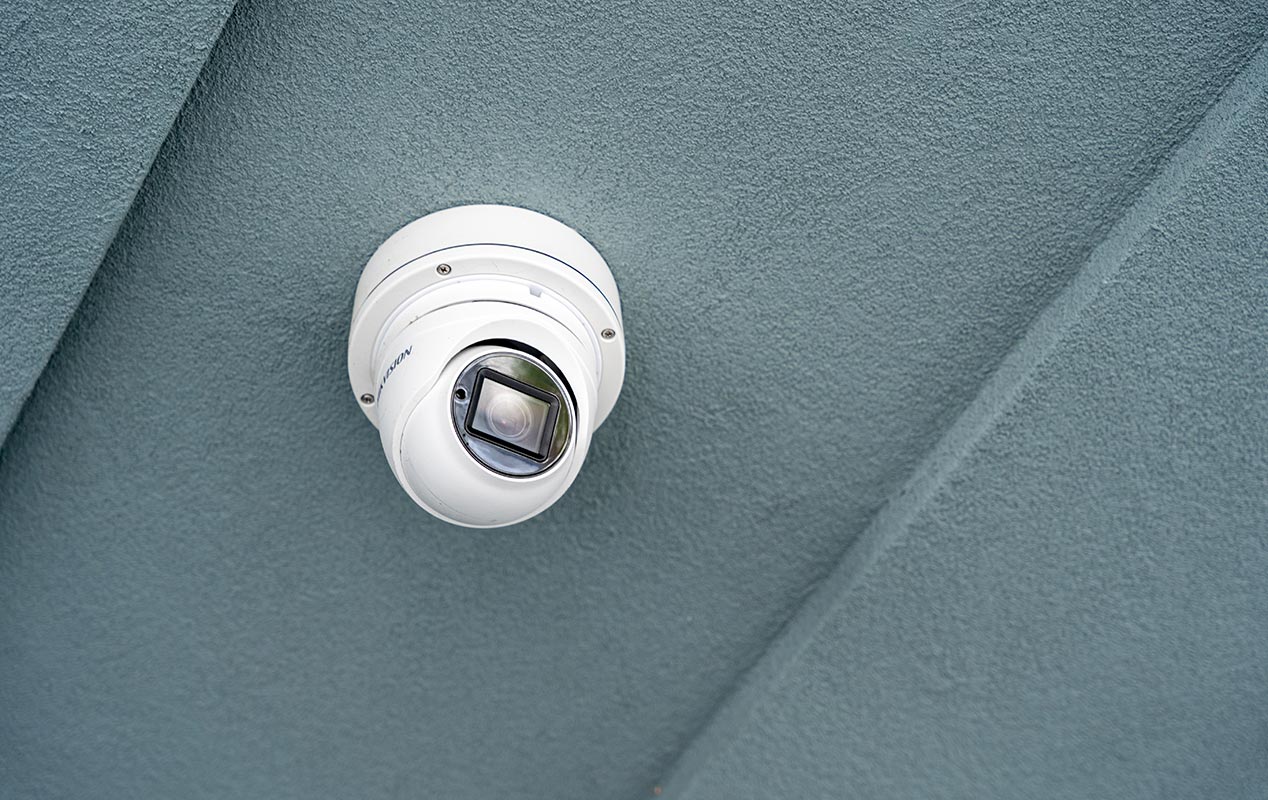
Security Measures: Look for facilities offering gated access, digital video recording, logged access, and overnight surveillance. These features can support a more controlled storage environment for business records.
Climate-Controlled Storage: As discussed, climate-controlled storage can help reduce exposure to temperature swings compared with non-climate-controlled spaces. This can be especially helpful for paper records, files, and other sensitive business materials.
Convenient Access Hours: Business does not always happen between 9 and 5. Choose a facility that allows reliable access during posted gate hours, so you can retrieve critical files for audits, legal requests, or internal needs when needed.
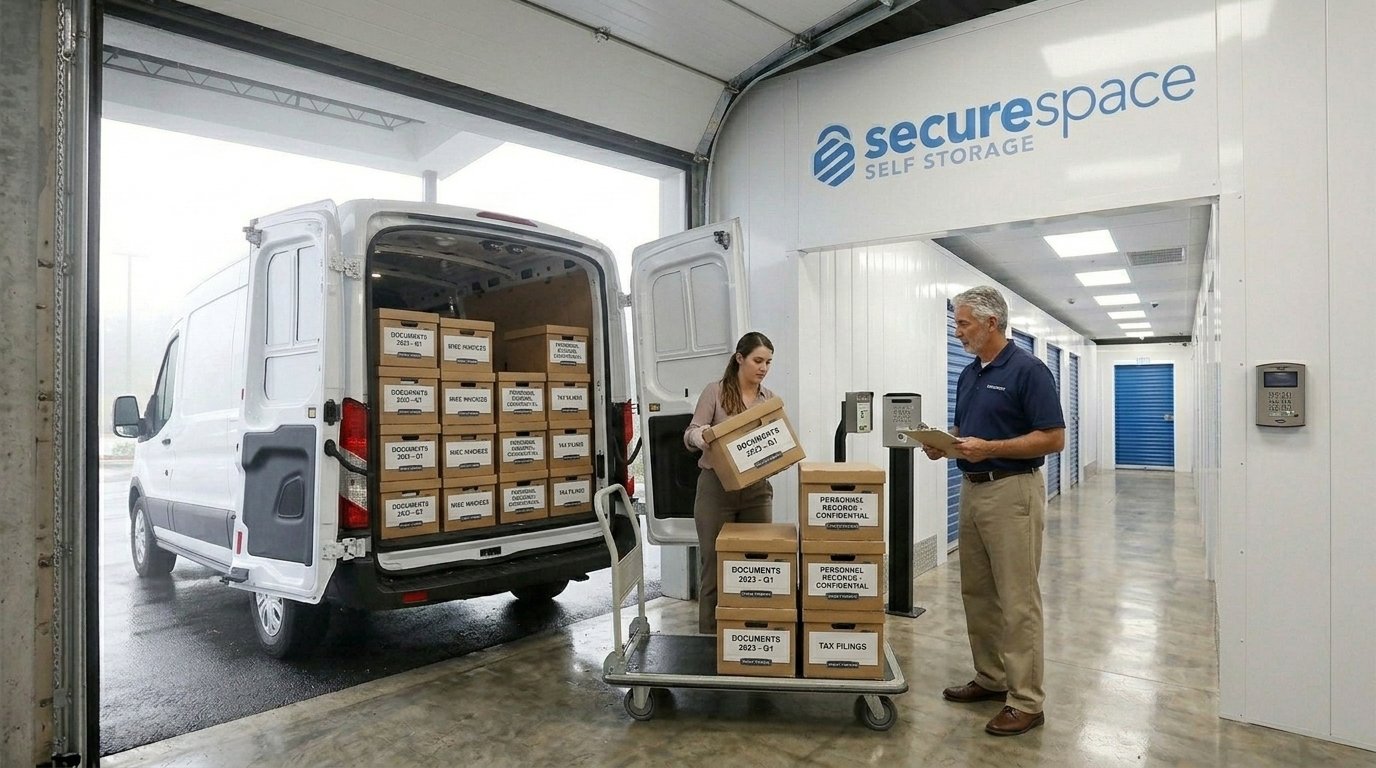
Logistical Accessibility: Moving large quantities of dense, heavy paper records is physically demanding. Look for features such as elevator access, a covered loading area, and available carts and dollies to help reduce strain and make move-ins more efficient.
Storage Convenience: The best storage setup should make document archiving easier to manage. Features such as online payments, ACH and credit card payment plans, and touchless move-in can help streamline the storage process.
Yes. Given Titusville's coastal location and Florida's humidity, non-climate-controlled environments may expose paper files to moisture and temperature swings. Climate-controlled storage can help reduce exposure to temperature fluctuations and support a more stable environment for archived records.
Off-site storage may support a law firm's broader records-management plan, but attorneys remain responsible for following applicable Florida Bar guidance and maintaining appropriate file control, confidentiality, and retrieval procedures. A facility with gated access, digital video recording, logged access, and overnight surveillance may help support secure storage for inactive files.
Local medical offices may use off-site storage for certain business or administrative records, but they should confirm HIPAA, Florida law, and internal compliance requirements before storing sensitive patient files. Features such as gated access, digital video recording, logged access, and overnight surveillance may support a secure storage plan, but they do not replace a practice's privacy and compliance obligations.
Aerospace and defense contractors should confirm ITAR, export-control, and corporate security requirements with their legal and compliance teams before storing sensitive records off-site. SecureSpace Self Storage Titusville offers gated access, touchless computer-controlled access, digital video recording, logged access, and overnight surveillance, but businesses are responsible for determining whether a storage solution meets their specific regulatory obligations.
Managing your growing business in Titusville requires a smart, scalable approach to document management. By moving your sensitive files into a dedicated, climate-controlled storage environment, you can help protect your business from environmental exposure, office clutter, and unnecessary real estate costs.
For individuals and growing organizations in transition, our storage solutions offer the flexibility, security, and convenience you need to store professional belongings. Available storage options can help you tailor your space to your current needs.
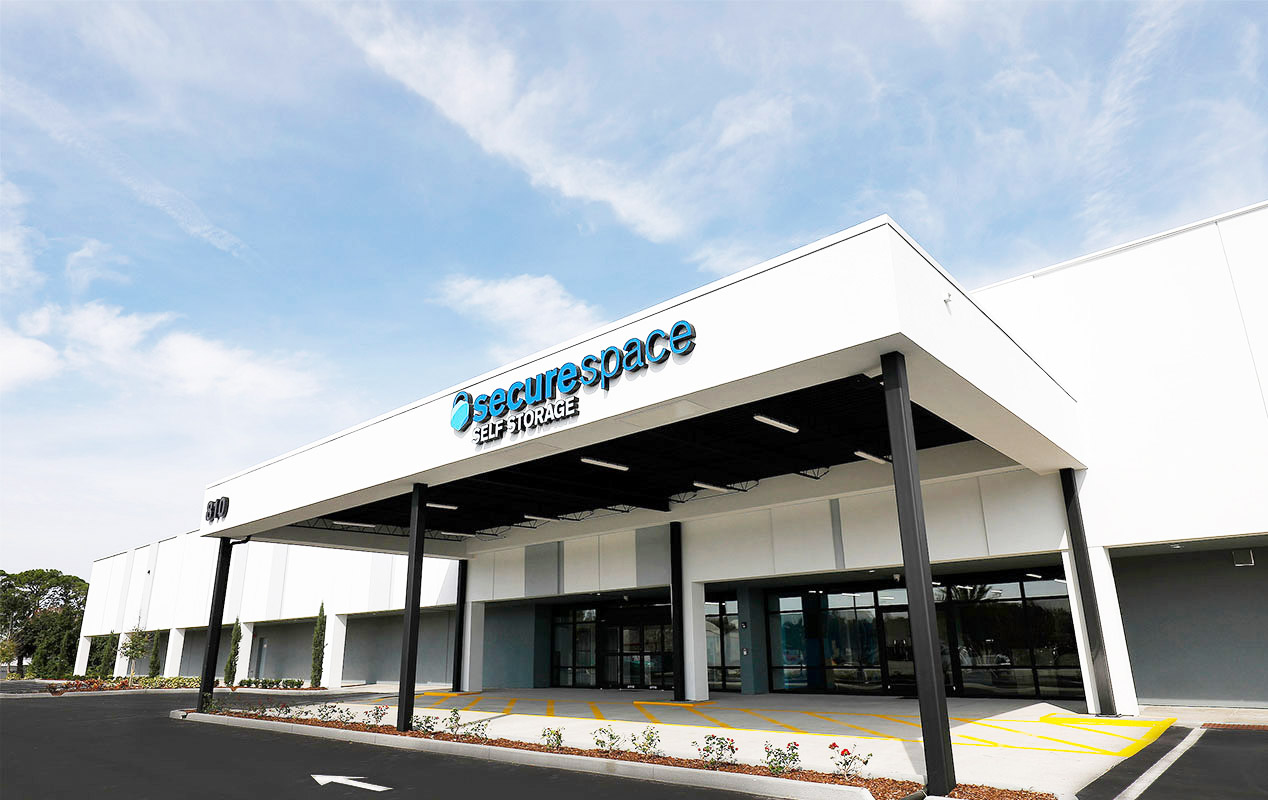
Ready to clear out the clutter and store your vital records with more confidence? Visit the SecureSpace Cheney Highway facility to explore flexible storage solutions, view secure climate-controlled units, and reserve your archive space today.
Everything you need to store your belongings securely, on your schedule.
Visit us online