Relocating to a new home, downsizing for retirement, or managing a temporary military transition can feel overwhelming. If you are a resident of the Space Coast, you know that Titusville is a unique community. Our local economy includes aerospace engineering, active-duty military service, and a year-round coastal boating lifestyle.
With these local professions and hobbies comes a wide range of belongings. You might have marine equipment taking up space in your garage, contractor tools, or extra household goods that simply will not fit into your new home. Securing a storage unit gives you a flexible place to keep your life organized during a transition.
However, before you start packing boxes and loading a moving truck, you need to understand what is legally and safely allowed inside a commercial storage facility. Not every household, hobby, or industrial item can go into a unit.
Learning the rules surrounding prohibited items does more than just keep you compliant with your rental contract. It can help reduce risks caused by pests, heat, moisture, fire, and unsafe materials. This guide will walk you through what generally cannot be stored in a Titusville storage unit, why these rules exist, and where you can safely dispose of restricted items locally.
When reviewing a storage contract, the list of prohibited items might seem long. You might wonder why a facility cares if you store a few leftover pantry items or a spare can of paint. The answer comes down to safety, cleanliness, and environmental protection.
Self-storage facilities are shared environments. If one person stores something dangerous, it can put other customers' property at risk. Florida's heat and humidity can amplify these risks.
For instance, a bag of pet food left in a unit can attract rodents or insects. Once pests enter a storage environment, they may damage cardboard boxes, fabrics, and furniture. Similarly, improperly stored chemicals can leak, creating fumes or spills that affect the surrounding area.
Prohibited-item rules help support a safer and cleaner storage environment. When hazardous materials, perishables, and living things are kept out of storage units, customers can better protect their belongings and avoid preventable issues.
Due to Titusville's proximity to the Kennedy Space Center and major aerospace manufacturing hubs, many local residents work with specialized industrial components and chemicals. However, commercial storage facilities are not equipped to handle volatile substances.
The Occupational Safety and Health Administration (OSHA) and the Florida Fire Prevention Code enforce strict regulations regarding the storage of flammable liquids. You should not store anything that poses a risk of fire, explosion, chemical leakage, or toxic fumes.
Items commonly prohibited from storage facilities include:
Gasoline, diesel fuel, and motor oil
Propane tanks, even if you believe they are empty
Aerosol cans and compressed gases
Paint, paint thinner, and chemical solvents
Industrial chemicals, including aerospace-related solvents
Fireworks, explosives, and marine emergency flares
Storing these items can violate your rental agreement and create a serious safety hazard. Heat, pressure changes, and improper packaging can increase the risk of leaks, fumes, or fire. If you are unsure whether an item is allowed, ask the facility before bringing it to the property.
Whether you are cleaning out your kitchen pantry for a move or looking for a place to keep excess emergency supplies, food items belong in your home, not your storage unit.
You should not store perishable goods. This includes fresh produce, meats, dairy, and dry goods like rice, cereal, and pet food. Even commercially canned goods may be discouraged or prohibited depending on the facility's rules.
Food breaks down over time, creates odors, and can attract pests. Ants, roaches, and rodents may seek out food sources and damage boxes, fabrics, and furniture along the way. To help protect your belongings, keep your unit food-free.
This rule also applies to living things. Do not store live plants, because damp soil can introduce moisture and insects. It is also illegal and unsafe to house animals or use a storage unit as a personal residence.
Titusville is home to many active-duty military personnel assigned to Patrick Space Force Base and the Cape Canaveral Space Force Station. Frequent relocations, known as Permanent Change of Station moves, require significant logistical planning.
While transitioning between bases, military personnel may need a place to secure Privately Owned Firearms or surplus tactical gear. However, commercial self-storage units are generally not the appropriate place for these items.
Many storage facilities prohibit firearms, live ammunition, explosive ordnance, and related hazardous items through facility rules and rental agreements. Facility rules may prohibit these items regardless of lawful ownership. Military personnel should coordinate with their installation's Security Forces armory or another appropriate authorized option to secure weapons properly during a move. Also, check household boxes carefully to make sure no live ammunition is accidentally packed with ordinary belongings.
If you spend your weekends boating on the Indian River Lagoon or fishing off the coast, you likely have specialized marine equipment. Many outdoor items can be stored when prepared correctly, but certain items require caution or may be prohibited.
Modern micromobility devices, e-bikes, marine electronics, and other equipment can rely on large lithium-ion or deep-cycle batteries. Large batteries can pose fire risks and may be prohibited by facility rules, especially if they are damaged, improperly stored, or left in extreme heat.
Before storing battery-powered equipment, review the facility's rules and manufacturer guidance. In many cases, batteries should be removed from devices and stored in an appropriate cool, dry, and safe location outside of a standard storage unit if required by the manufacturer or facility policy.
Never place wet or damp items inside your unit. If you are storing boat cushions, cast nets, life jackets, or diving gear, everything should be cleaned and fully dry before it goes behind a locked door. Storing wet gear in an enclosed space can encourage mold, mildew, odors, and damage to your other belongings.
While not always strictly prohibited by law, keeping extremely high-value, irreplaceable items in a storage unit is often discouraged.
Standard tenant insurance policies may limit or exclude coverage for physical currency, original property deeds, birth certificates, passports, high-end jewelry, or other irreplaceable valuables. These items may require a level of security and immediate access better suited to a bank safe deposit box, a secure home safe, or another specialized option.
Additionally, local aerospace and defense contractors should be careful with regulated technical materials. If your records, blueprints, source code, technical data, or controlled materials may fall under ITAR, export-control, or other compliance rules, consult your legal or compliance team before storing them off-site. Do not assume a standard commercial storage unit is appropriate for regulated or sensitive defense-related materials.
If you find yourself holding items you cannot safely move into your unit, you do not have to panic. The Environmental Protection Agency (EPA) provides excellent guidance on handling household hazardous waste safely.
Fortunately, Brevard County provides residents with local disposal options. You can take hazardous items to the Household Hazardous Waste Collection Center located at the Mockingbird Mulching Facility in Titusville.
Location: 3600 South Street, Titusville, FL
Before visiting, check Brevard County's current household hazardous waste guidance for accepted materials, hours, quantity limits, container requirements, and any updates. Using local municipal resources helps keep the environment clean and keeps prohibited materials out of storage units.
If a tenant violates safety rules by storing hazardous, illegal, or prohibited items, the facility may take action under the rental agreement and Florida law. Under Chapter 83, Part III of the Florida Statutes, a facility owner has the legal right to deny a tenant access to their unit just five days after a material lease violation. Depending on the violation and lease terms, additional action may include required removal of the prohibited item, access restrictions, lease action, or other remedies. Always read your contract carefully and ask the facility if you are unsure about a specific item.
You may be able to store certain landscaping equipment, generators, or outboard boat motors if facility rules allow them and they are properly prepared. However, you should completely drain and purge gasoline, diesel, motor oil, and other fluids before bringing equipment onto the property. Confirm current rules directly with the facility before storing any fuel-powered equipment.
No. SecureSpace Self Storage Titusville does not offer vehicle, trailer, boat, or watercraft storage. Standard storage units are intended for eligible household items, business supplies, documents, furniture, and other belongings that fit safely inside the rented space.
SecureSpace Self Storage Titusville offers confirmed unit sizes of 5x5, 5x10, 10x10, and 10x20. A 5x5 or 5x10 may work for boxes, seasonal items, or compact belongings. A 10x10 or 10x20 may be more useful for furniture, household goods, or larger storage needs. Review available unit sizes online or contact the facility during office hours for current availability and rental details.
Understanding what you can and cannot store in a commercial unit is the first step toward a smoother move. By keeping hazardous chemicals, perishable foods, living things, firearms, ammunition, and dangerous materials off the property, you help support a safer storage environment for everyone.
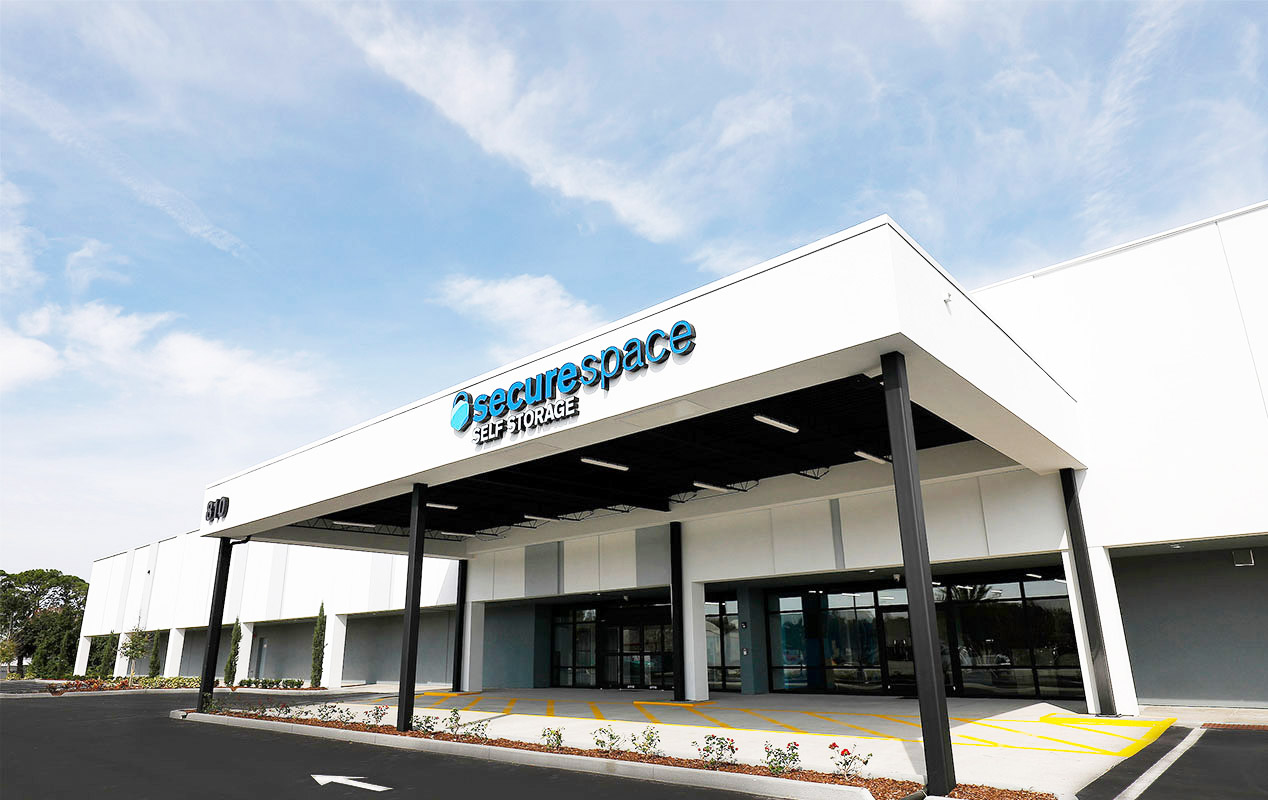
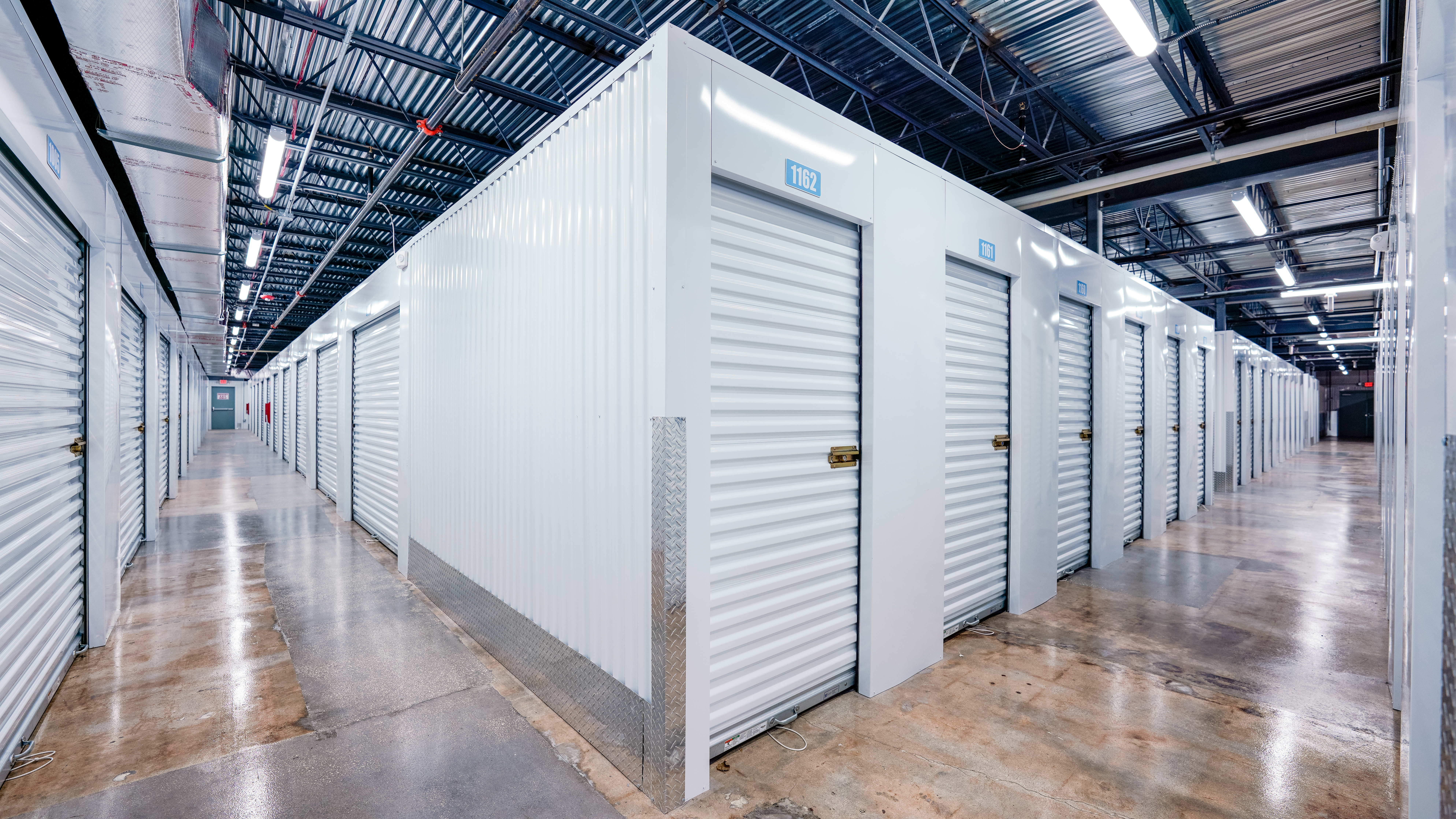
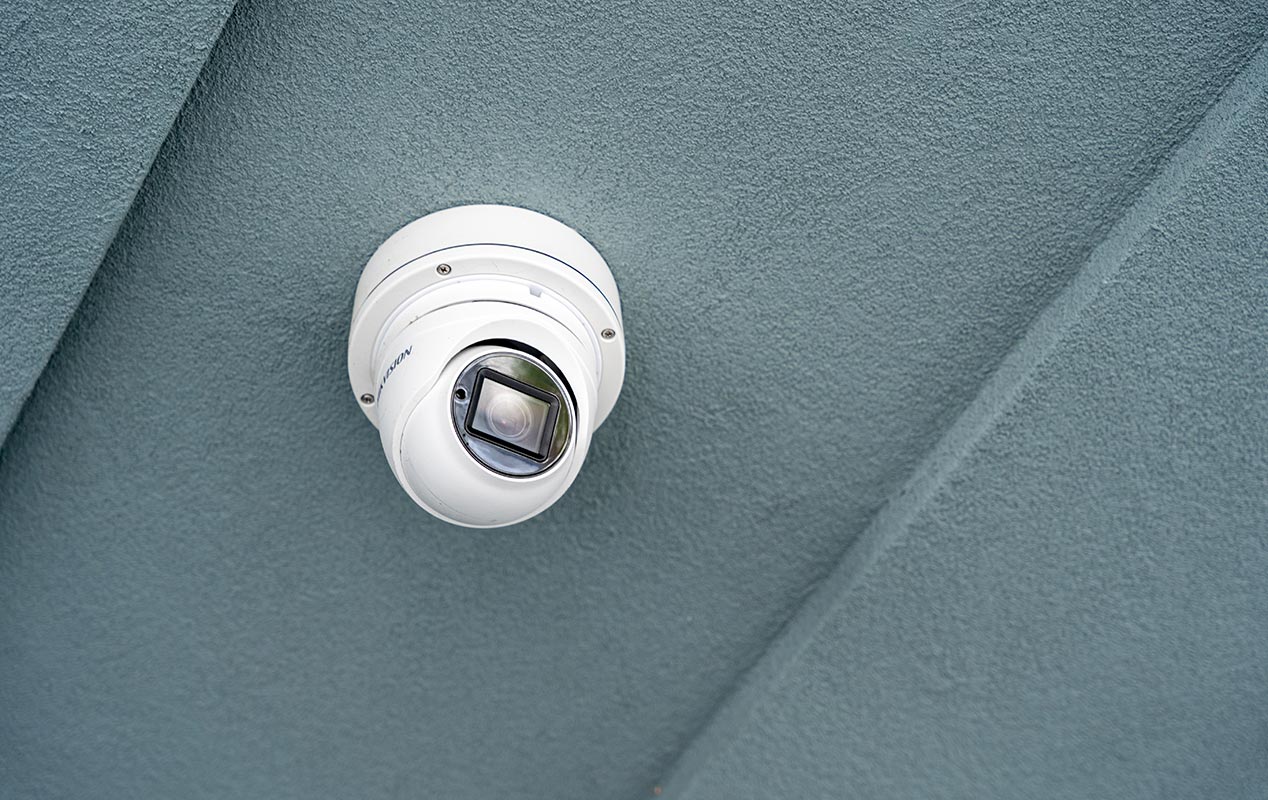
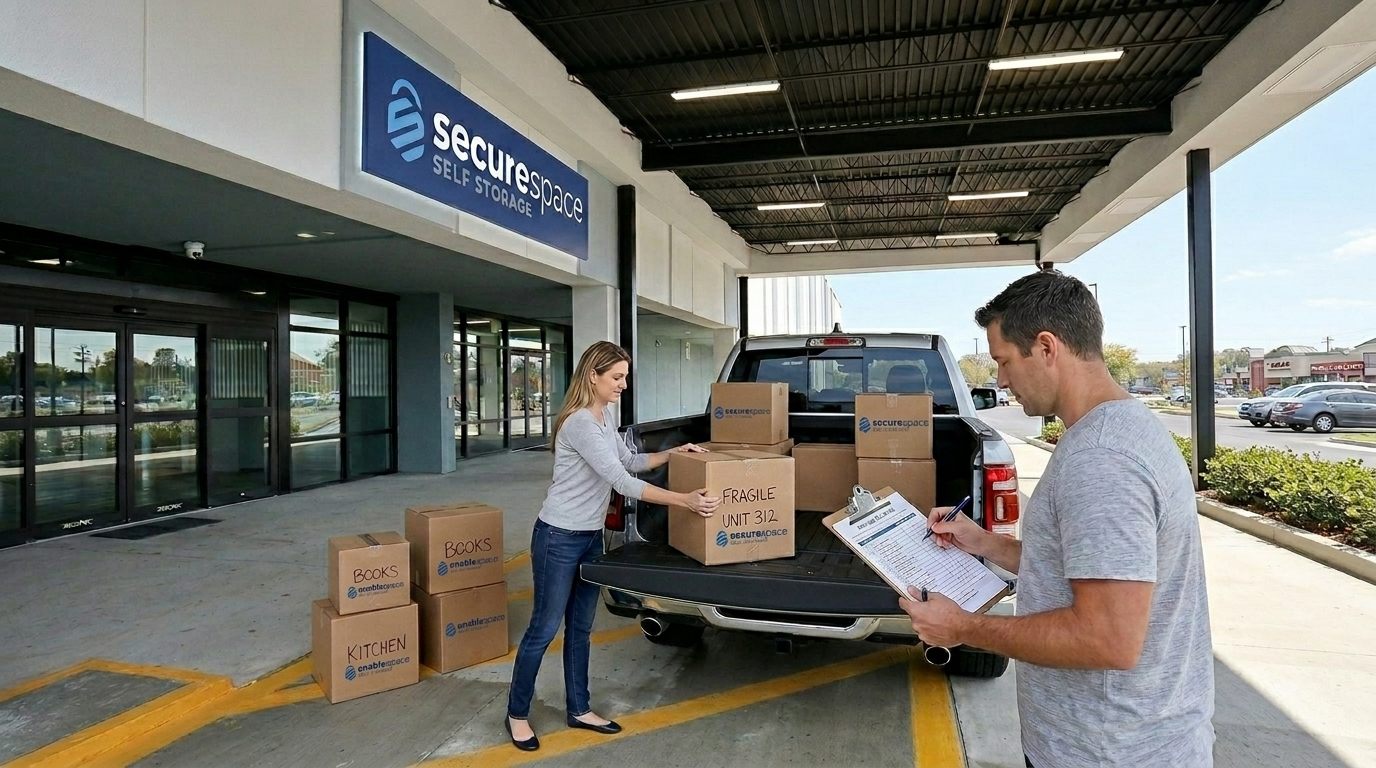
Whether you are decluttering your home, making space for boating gear that fits inside a rented unit, or transitioning to a new military assignment, SecureSpace Self Storage Titusville offers month-to-month leases and 7-day access during posted gate hours. The facility also offers climate-controlled storage, access gate entry, digital video recording, logged access, overnight surveillance, a covered loading area, elevator access, carts and dollies, online payments, ACH and credit card payment plans, touchless move-in, semi-truck accessibility, moving pods allowed, and basic moving supplies.
Ready to review current availability? Get started and reserve your Titusville storage unit online today!
Everything you need to store your belongings securely, on your schedule.
Visit us online