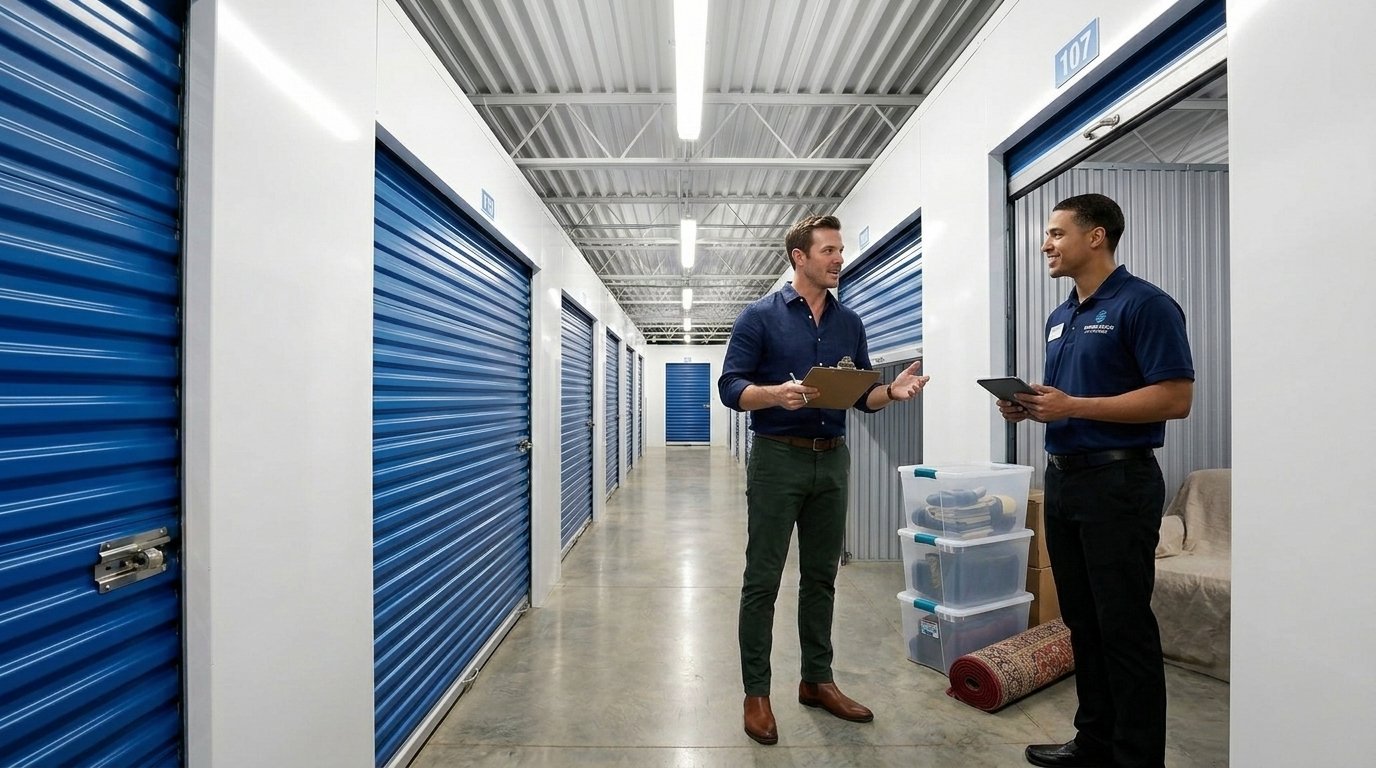
With major aerospace and defense activity contributing to growth in Brevard County, Titusville is experiencing an economic revival. Professionals from all over the world are migrating to the Space Coast to work with industry leaders like Blue Origin, SpaceX, and Lockheed Martin. As a result, the local housing market is active, and many residents are suddenly finding themselves in need of extra space for their belongings.
Whether you are downsizing to a historic bungalow near the Indian River Lagoon, renovating a mid-century home, or moving into a new development, finding a secure place for your extra furniture, seasonal items, and valuable equipment is a top priority. When your home's closets and garage are full, you generally face two main choices: installing a backyard shed or renting a self-storage unit.
While adding a shed to your property might seem like a permanent and convenient fix, the reality of living in Central Florida introduces several unexpected challenges. From municipal zoning laws and homeowner association regulations to the relentless summer humidity and hurricane risks, creating outdoor storage space is rarely as simple as it sounds. This comprehensive guide will help you compare the true costs, environmental risks, and logistical hurdles of building a shed versus renting a self-storage unit in Titusville.
When you start pricing out a backyard shed, the initial numbers for a basic prefabricated kit might look appealing. However, the total cost of ownership for a durable, weather-resistant shed in Florida is often higher than many homeowners anticipate.
According to data from HomeAdvisor, the average cost to build a shed is around $3,500, with prices ranging from $1,000 to well over $15,000 depending on the materials, size, and level of customization. In Florida, you cannot simply place a wooden shed directly on the grass. To prevent rot and ensure stability, you may need to pour a concrete foundation or build a reinforced gravel and timber base.
Once you add the costs of the concrete slab, professional labor, heavy-duty roofing materials, and weatherproofing treatments, your budget can grow quickly. In contrast, renting a self-storage unit offers financial flexibility. Instead of paying thousands of dollars upfront for a backyard structure, you can review current pricing and rental terms, then choose a storage option that fits your present needs.
The City of Titusville enforces zoning ordinances to maintain neighborhood aesthetics and ensure public safety. You cannot install an outdoor structure on a whim. The city may require homeowners to navigate a permitting or zoning process before construction begins.
According to the Titusville Zoning Code, structures like sheds and garages are classified as "detached accessory buildings." These structures may need to meet specific property setback requirements, meaning they must be placed a certain distance away from your property lines, fences, and your main house. Additionally, the city may restrict certain storage structures, including the use of standard shipping containers or transport boxes as permanent residential storage.
Securing the proper paperwork can also add to your project timeline and budget. You may need to submit a property survey and pay administrative permit fees. For example, Brevard County zoning applications often require administrative waiver fees starting around $277 just for accessory building square footage approvals.
When you choose a local self-storage facility, you bypass this bureaucratic headache entirely. There are no shed permits to file, no residential setback reviews to manage, and no waiting weeks for municipal approval before creating more storage space. You can review current unit availability and move forward based on facility rules, access hours, and your storage needs.
Florida real estate is heavily governed by Homeowner Associations (HOAs), and Titusville features a mix of historic districts and newer planned communities. Both environments present unique spatial and regulatory challenges.
If you live in a newer development like Huntington Park or Mossy Oaks, your neighborhood may be governed by active HOA bylaws. These organizations are designed to protect property values by enforcing visual guidelines. In many cases, HOAs may restrict the installation of backyard sheds. If they do allow them, you may have to match the shed's paint color, roofing material, and architectural style to your main house, which can increase your construction costs.
In older neighborhoods like Indian River City, the challenge is often spatial. Many historic homes feature tight property lines, massive overhanging oak trees, and limited backyard access. Trying to maneuver construction equipment or a prefabricated shed delivery truck into these spaces can damage your landscaping and block narrow residential streets. Renting a storage unit off-site removes neighborhood politics and spatial limitations from the equation completely.
The most critical factor to consider when storing items in Florida is the aggressive local climate. Titusville sits right between the Indian River Lagoon and the Atlantic Ocean, creating a subtropical environment known for heat and heavy moisture.
According to the National Weather Service in Melbourne, the region experiences a 138-day wet season, receiving roughly 55 inches of rain annually. During the summer, humidity can make garages, sheds, and other non-climate-controlled spaces challenging environments for sensitive belongings.
Standard backyard sheds are typically uninsulated. When the Florida sun beats down on a metal or wooden shed, the interior can trap heat and draw in moisture from the humid air. This can be hard on personal belongings. Over time, trapped humidity may contribute to mold, mildew, warping, corrosion, or other damage to furniture, leather goods, documents, electronics, and tools.
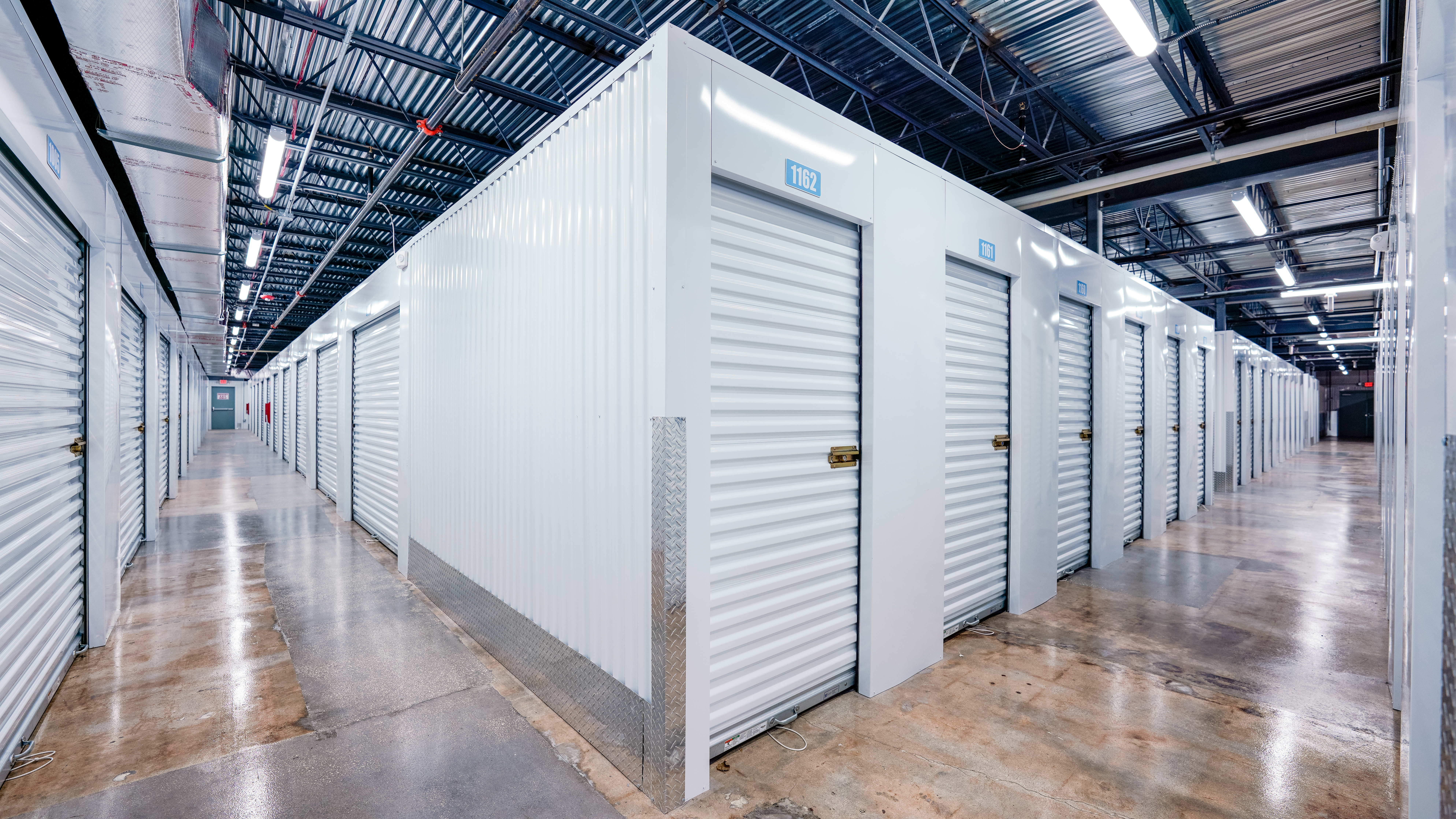
Climate-controlled storage can provide a more suitable environment for sensitive items than an outdoor shed. According to guidance from the Self Storage Association, maintaining a relative humidity below 50% is the gold standard for preventing corrosion and mold growth. While specific facility systems vary, choosing climate-controlled storage can help reduce exposure to temperature swings and support better care for belongings that may be sensitive to Florida weather.
Living on the Space Coast means planning for hurricane season. During severe weather events, backyard sheds can become a liability if they are not properly anchored or maintained. The National Oceanic and Atmospheric Administration (NOAA) strongly advises residents to secure all loose outdoor items and ensure their property meets local hurricane building codes to withstand wind impacts.
Because of the wind-load requirements in the Florida Building Code, any shed you install may need to be anchored to the ground using appropriate hardware or engineered tie-downs. Even with proper anchoring, lightweight wooden or metal sheds can be vulnerable to flying debris, wind, and water intrusion during major storms.
A self-storage facility can be one part of a broader storm-season storage plan, especially for customers who want to move belongings out of a backyard shed, garage, or cluttered room. No storage option can guarantee protection from severe weather, but using a well-managed facility with climate-controlled storage and practical security features may help customers organize and store belongings more thoughtfully before storm season.
The aerospace and tech professionals moving to Brevard County may possess high-value assets, including technical equipment, electronics, and household furnishings. Securing these items is an important part of choosing where to store them.
A backyard shed is typically secured with a single padlock. Because sheds are located outdoors and often situated in hidden corners of a backyard, they may be more vulnerable to opportunistic theft or weather exposure.
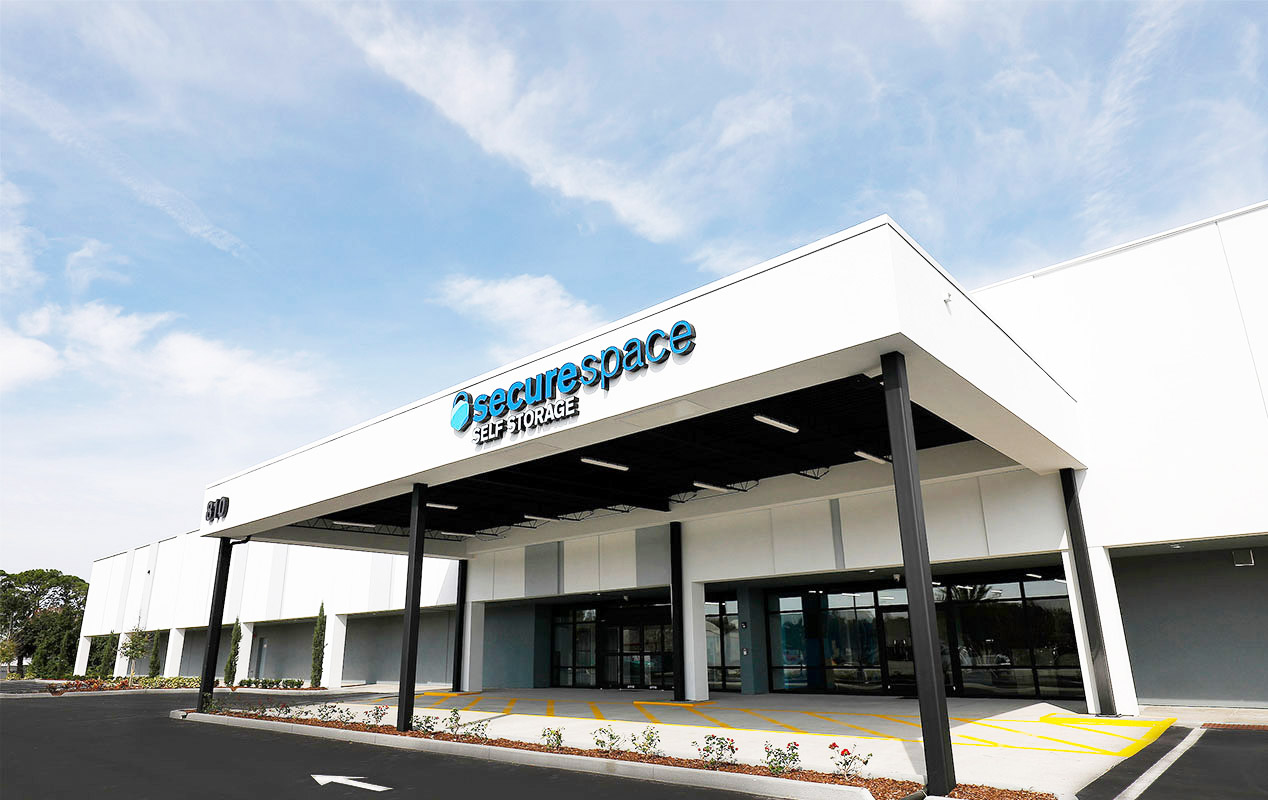
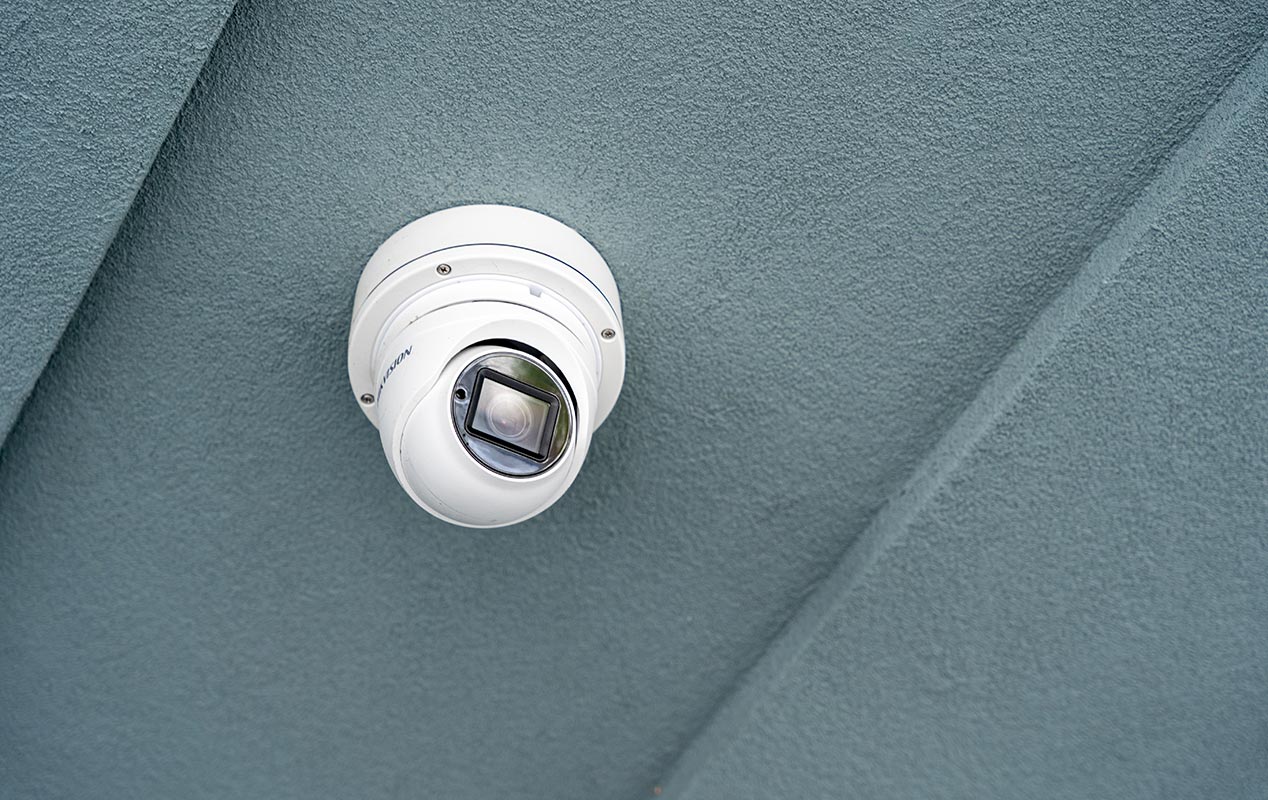
Modern self-storage facilities can provide a more controlled storage environment. SecureSpace Self Storage Titusville offers an access gate, touchless computer-controlled access, digital video recording, logged access, and overnight surveillance. These features can support practical security for household goods, tools, electronics, furniture, and other belongings that fit inside a rented unit.
Many sheds may require permitting or zoning review. The City of Titusville categorizes sheds as detached accessory structures, and homeowners should confirm whether a municipal building permit, setback review, or other approval is required before installation.
While small, lightweight plastic tool boxes might sit on the grass, many substantial storage sheds require a solid foundation to help prevent sinking, rot, and structural shifting. In Florida, pouring a concrete slab or building a reinforced gravel and timber pad may be recommended, though this adds to your construction costs.
Yes, depending on your HOA rules and the visibility of the structure. If your homeowner association's covenants, conditions, and restrictions prohibit detached outdoor structures, or if you build a shed without receiving required architectural committee approval first, the HOA may be able to fine you or require removal.
Florida's high temperatures and humidity can contribute to mold, mildew, warping, corrosion, and other damage over time. Uninsulated sheds may trap heat and moisture, which can be hard on wooden furniture, paper documents, electronics, and fabrics. Climate-controlled storage can help reduce exposure to temperature swings compared with non-climate-controlled spaces.
While the idea of having a storage shed a few steps from your back door is appealing, the financial costs, bureaucratic red tape, and environmental risks can make it a complicated endeavor in Central Florida. Between navigating HOA approvals, pouring concrete foundations, and planning around hurricane wind risks, building a shed can become a major project. Leaving belongings in an uninsulated outdoor space may also expose them to humidity, pests, and weather-related damage.
Renting a climate-controlled self-storage unit offers flexibility without the stress of municipal permits or expensive construction costs. For individuals and families in transition, it provides a practical way to manage household goods, furniture, tools, documents, electronics, and other belongings that fit inside a rented unit.
If you are looking for a convenient way to store items in Brevard County, explore your local options today. Reserve your ideal space at SecureSpace Self Storage in Titusville, FL.
Everything you need to store your belongings securely, on your schedule.
Visit us online