Last updated Aug 12, 2026
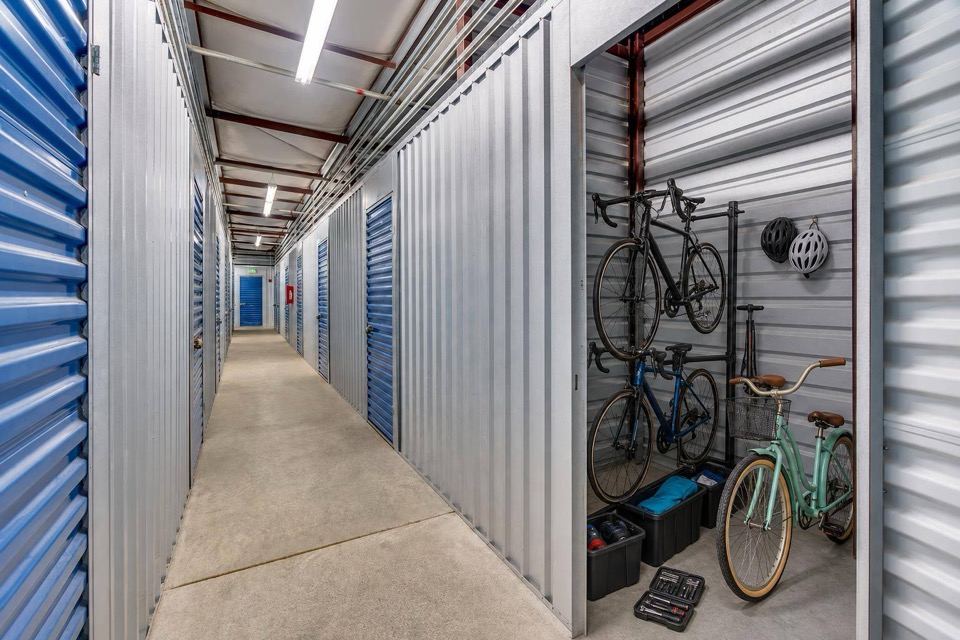
Tacoma riders need storage that fits real life. Bikes, e-bikes, helmets, pumps, tools, racks, and wet-weather gear can quickly crowd an apartment, garage, hallway, or shared storage area. For many residents, a storage unit can help keep cycling gear organized between commutes, weekend rides, seasonal changes, and moves.
The best setup depends on the type of bike you own, how often you ride, whether your gear includes lithium-ion batteries, and which facility features matter most. Climate-controlled storage should not be assumed, and no storage unit can guarantee protection from theft, moisture, rust, or damage. But with the right preparation and a properly sized unit, self storage can be a practical way to make more room at home.
This guide explains how Tacoma cyclists can store bikes and riding gear more carefully, compare unit sizes, and understand what to check before renting.
Tacoma's transportation and housing patterns continue to change. The city's One Tacoma comprehensive plan addresses long-term growth, transportation, housing, and land-use priorities, and many residents are balancing smaller living spaces with more active transportation needs.
Cycling is also part of everyday life for many Tacoma residents. Paved routes such as the Scott Pierson Trail can support commuting and recreation, while local hills, parks, waterfront routes, and regional trails make bike access useful for more than one type of rider.
Storage becomes a challenge when bikes share space with furniture, pets, roommates, vehicles, or other outdoor gear. A commuter bike may fit indoors, but multiple bikes, an e-bike, cargo racks, helmets, winter gear, pumps, and repair tools can take over a room quickly.
Not every Tacoma home or apartment is designed around modern bike storage. Older buildings may have character, but they can also have tighter stairways, smaller closets, narrow hallways, or limited garage space. Some Stadium District rentals, for example, highlight historic charm with tall ceilings and expansive windows, but older layouts may still make bike storage awkward.
Newer housing can also require tradeoffs. As Tacoma works through housing and parking policy changes tied to the Affordable Housing Action Strategy, some residents may need to plan around smaller units, shared storage areas, parking limits, or building-specific bike rules.
For renters, homeowners, students, and military households, a storage unit can create a dedicated place for cycling gear without turning the living room or hallway into a bike rack.
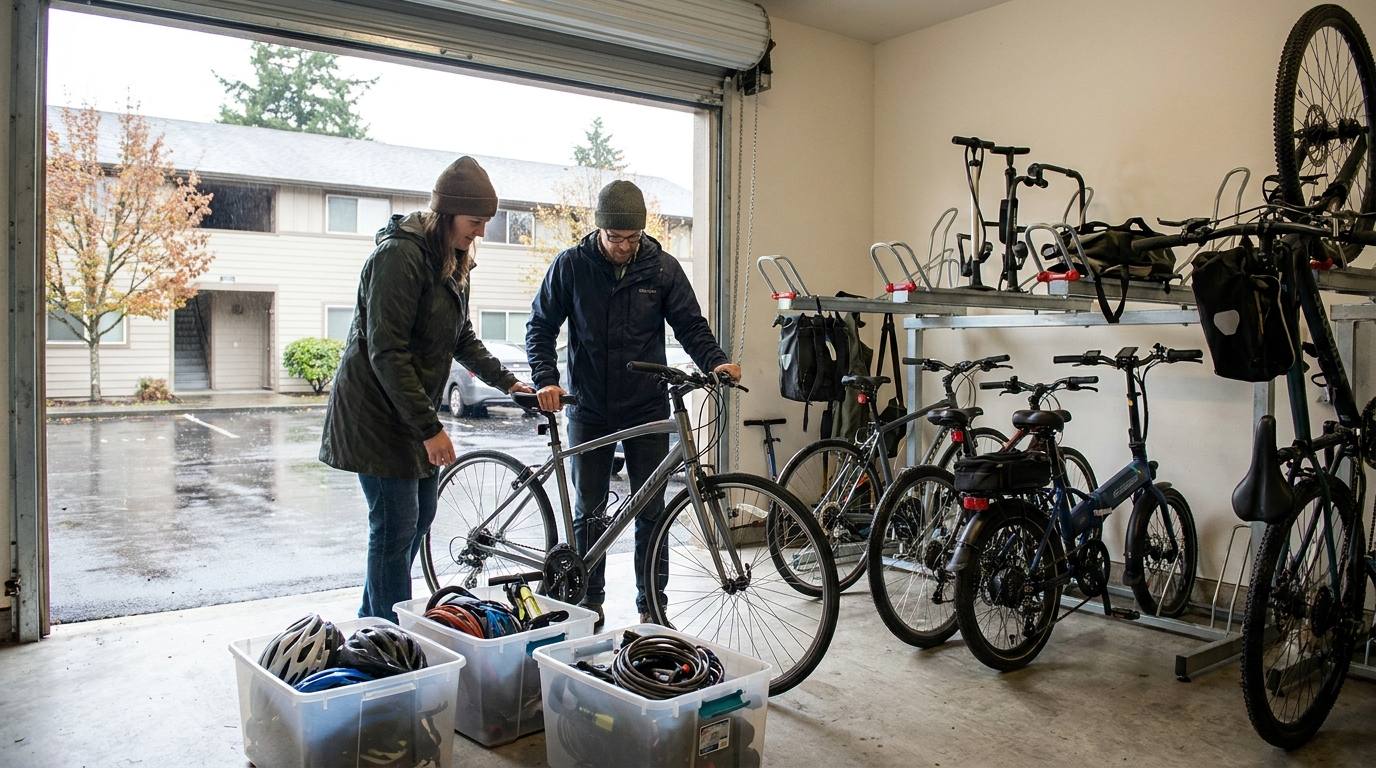
Bike security is another reason riders compare storage options. Bicycle theft is a national issue, with Bike Index reporting an estimated 2.4 million bicycles stolen annually. Tacoma riders should still avoid assuming any facility can guarantee protection from theft.
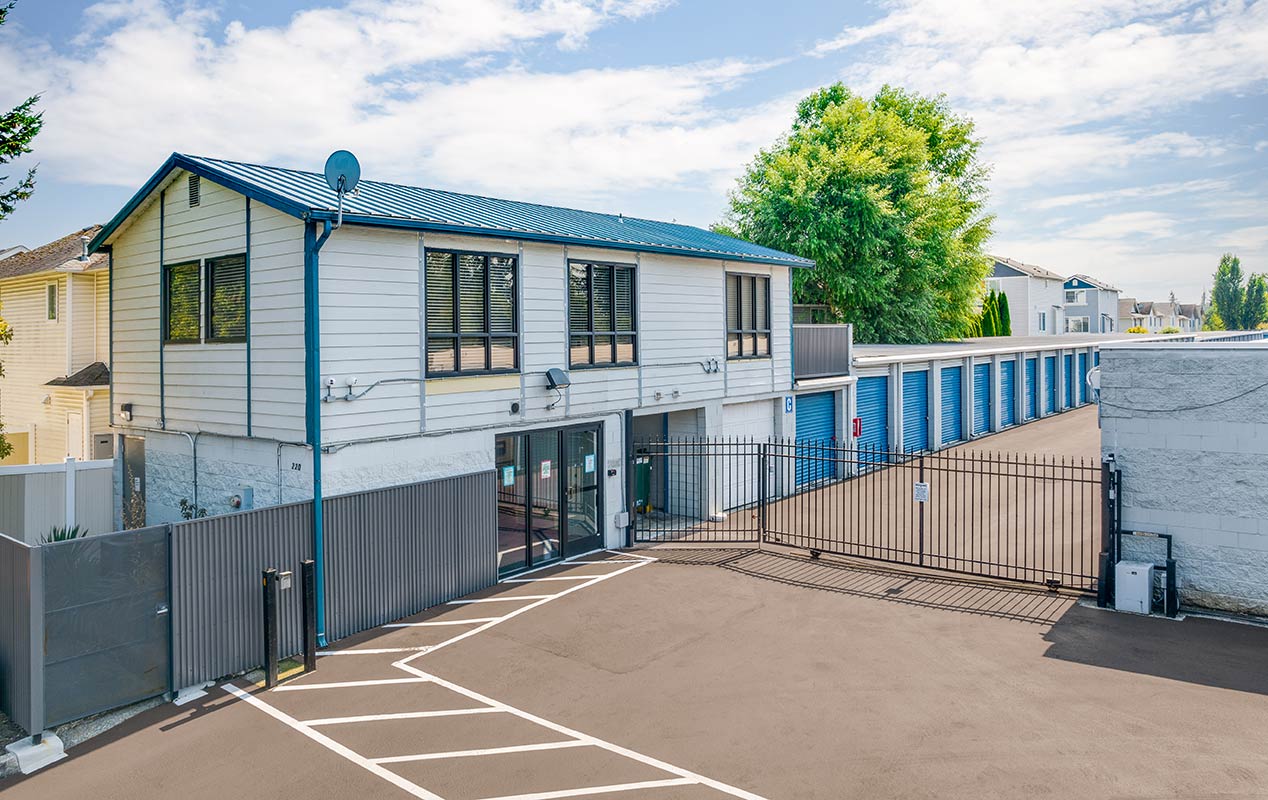
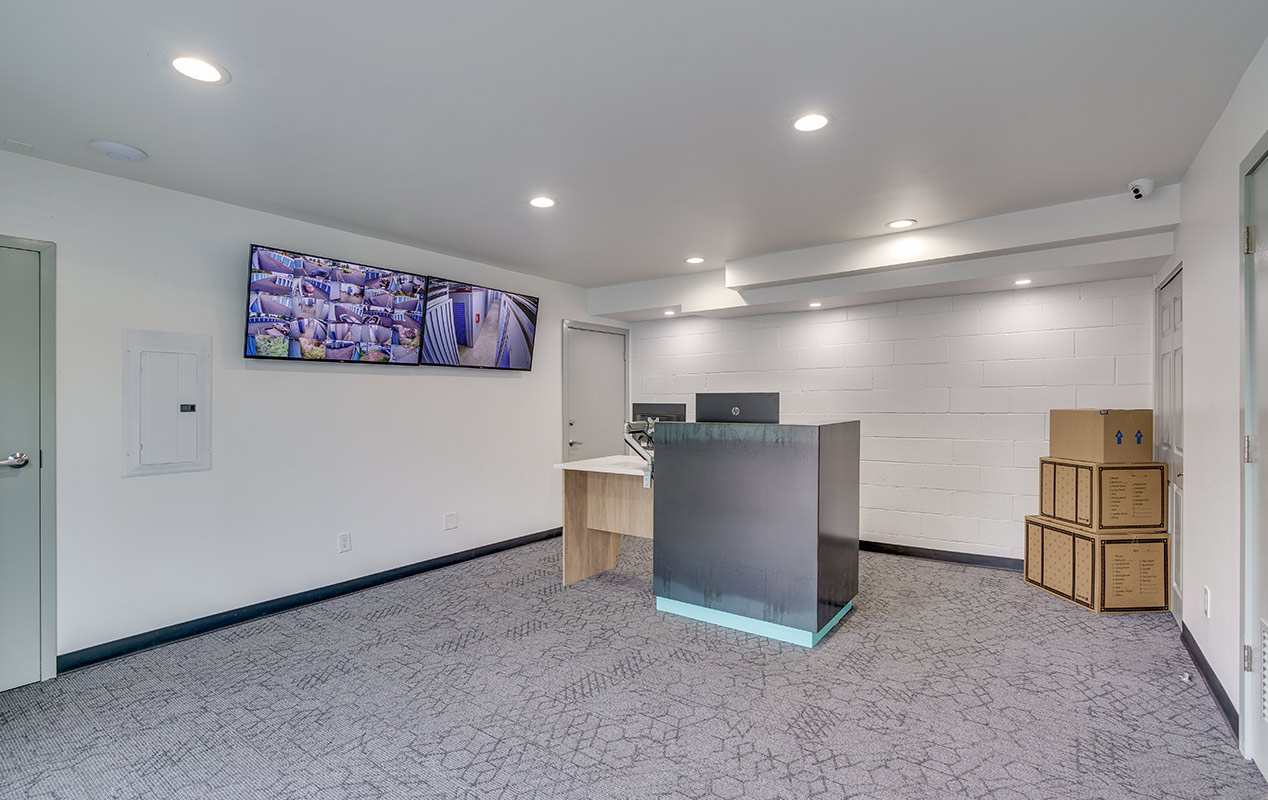
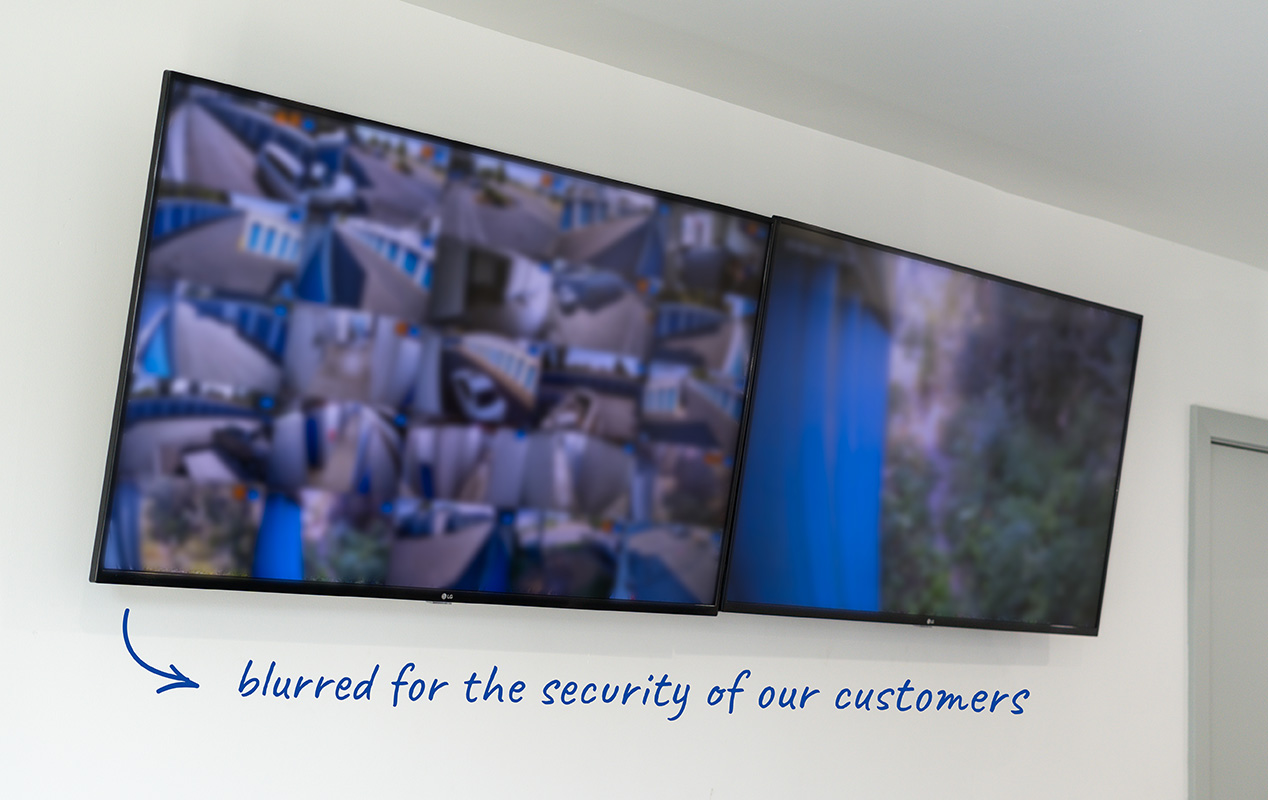
When comparing Tacoma storage options, look for clear security-related features instead of broad promises. At SecureSpace Self Storage Parkland Tacoma, available security-related features include an access gate, digital video recording, logged access, overnight surveillance, and Turing-enabled monitoring.
Customers should also take their own precautions. Use a quality lock, keep serial numbers and receipts, photograph the bike and accessories, record battery and component details, and review coverage requirements before move-in.
Tacoma's rainy seasons make bike prep important. Moisture, dirt, and road residue can affect chains, cables, brakes, bearings, frames, and accessories if a bike is stored without cleaning.
Before placing a bike in storage, wipe it down, dry the frame, clean the drivetrain, lubricate the chain as appropriate, and avoid storing wet helmets, gloves, shoes, or bags in closed containers. If your bike has suspension, hydraulic brakes, or electronic components, follow the manufacturer's storage guidance.
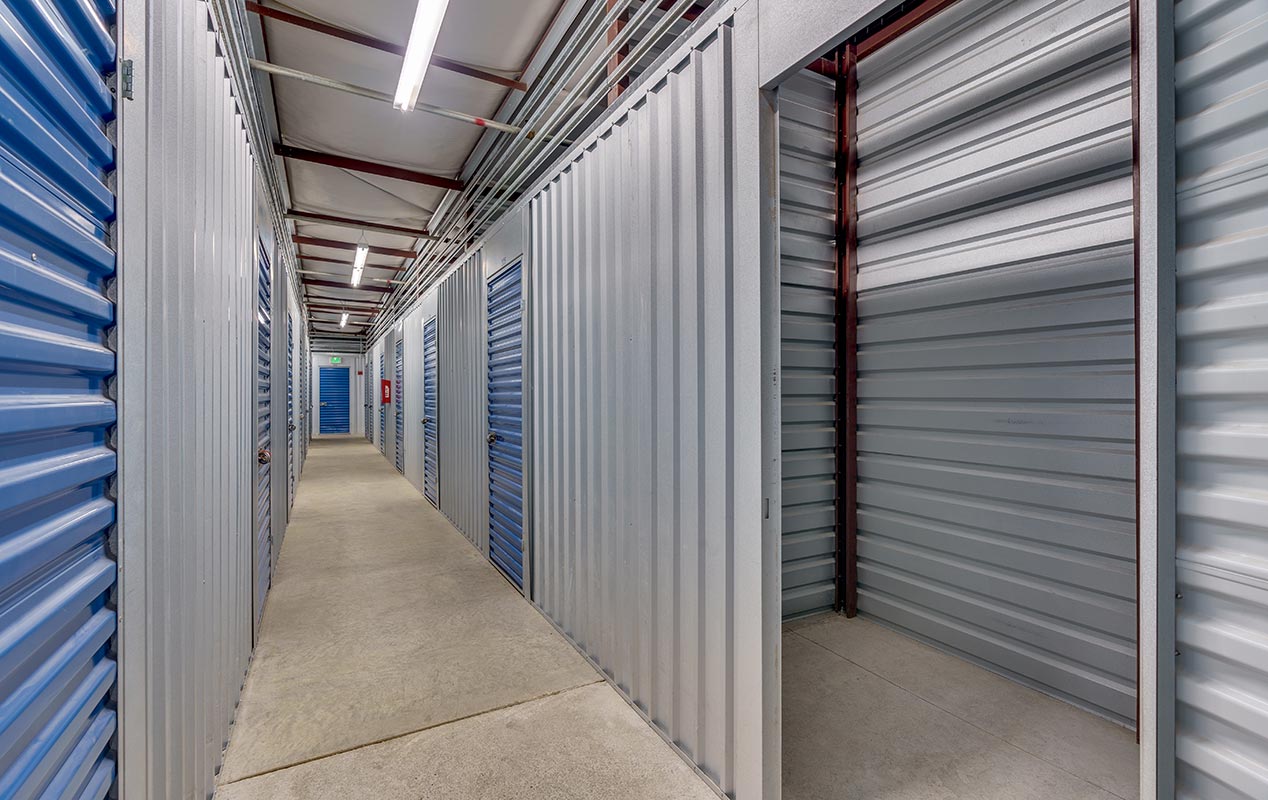
Heated storage may be useful for eligible bikes and gear customers prefer not to keep in a cold space, where available. Heated storage is not the same as climate-controlled or humidity-controlled storage, and it should not be described as guaranteed protection from moisture, rust, corrosion, mold, battery degradation, or damage.
E-bikes need extra planning because lithium-ion batteries can be subject to facility rules and manufacturer requirements. Do not assume that battery charging is allowed inside a storage unit.
Before storing an e-bike, ask the facility about lithium-ion battery storage and charging rules. Follow the bike and battery manufacturer's guidance, avoid storing damaged, swollen, leaking, or recalled batteries, and keep batteries away from unsafe conditions.
For many e-bike owners, the safest routine may involve storing the bike frame and accessories in storage while handling batteries according to manufacturer and facility guidance. If battery storage or charging rules are unclear, confirm them before move-in.
A bike does not always need a large unit, but the right size depends on the bike type, the number of bikes, and whether you need room for accessories.
A 5x5 unit may work for a single bike, compact cycling gear, helmets, pumps, tools, and a few bins if the bike is positioned efficiently. A 5x10 may be more practical for multiple bikes, an e-bike, repair supplies, seasonal gear, or a setup where you want easier access. Larger units may make sense if bikes are stored with camping gear, skis, paddleboards, boxes, or household items.
Measure the bike before renting, especially if it has wide handlebars, cargo attachments, a child seat, panniers, or an unusual frame size. If you expect to visit often, leave enough room to roll the bike in and out without moving everything else.
A good setup makes retrieval easier and helps prevent avoidable damage. Store the bike clean and dry, keep it off sharp edges, and avoid leaning it in a way that puts pressure on cables, wheels, or accessories.
A freestanding rack or vertical bike stand may help save floor space if it is allowed and practical for the unit. Keep helmets, shoes, lights, locks, and tools grouped together so the bike is ready for the next ride.
If you are storing multiple bikes, label bins by rider or activity. Keep frequently used gear near the front, and place less-used seasonal items behind it. For longer storage periods, check tire pressure, battery guidance, and maintenance recommendations before leaving the bike unused.
A bike storage unit is most useful when the location and access hours fit your routine. Tacoma riders may need storage near commuting routes, home, work, school, military housing, or weekend travel paths.
Before renting, confirm current gate hours, unit location, drive-up availability, elevator access, and loading options for the specific facility you are considering. Some customers may prefer drive-up access for easy loading, while others may choose an indoor or heated option for gear they prefer not to keep in a cold space.
Broad Tacoma searches may include more than one facility, so use the facility page to verify current unit availability, feature details, and rental requirements before making plans.
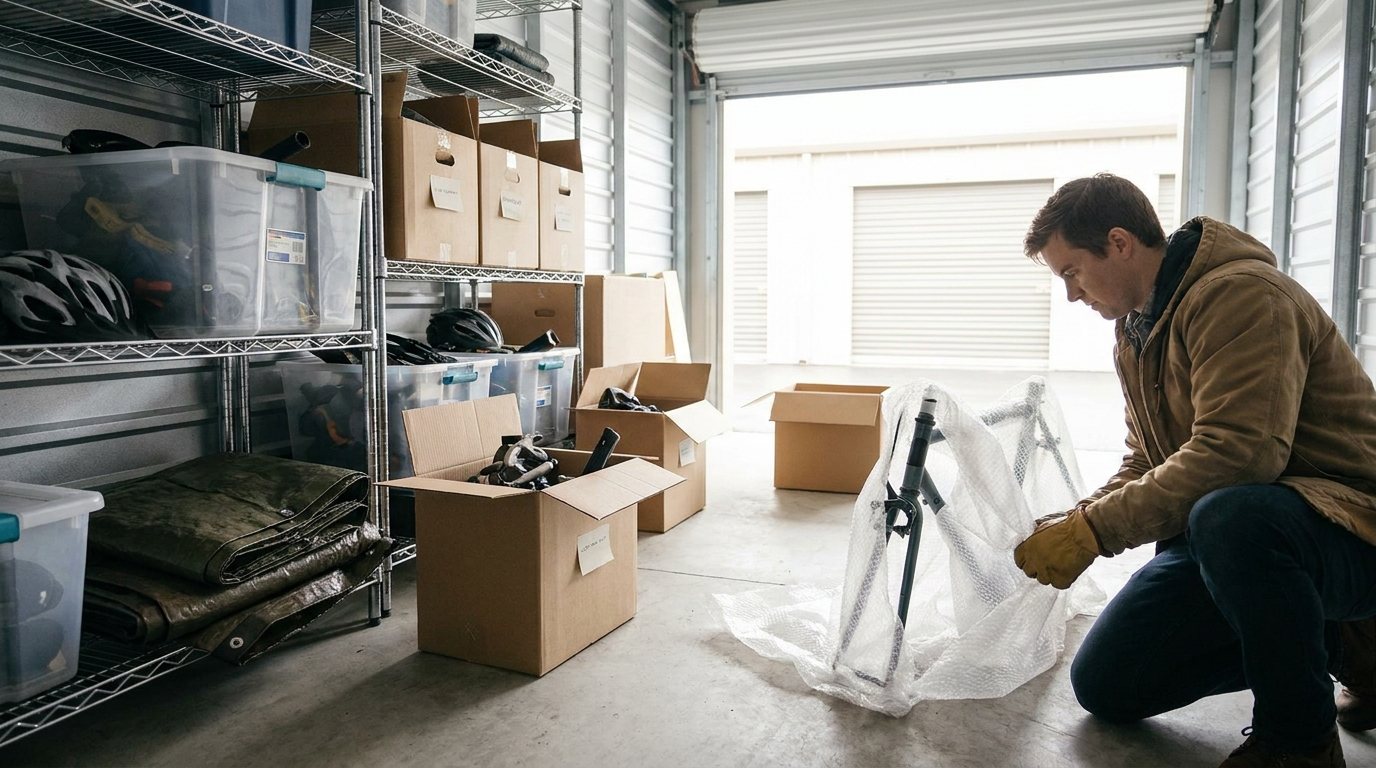
Bicycle storage in Tacoma is about more than finding open floor space. Riders need to think about unit size, access, battery rules, packing, maintenance, and how often the bike will be used.
A storage unit can help clear room at home, organize riding gear, and keep bikes separate from everyday living space. Just be sure to clean and dry the bike first, confirm facility rules, and choose a unit that fits both the bicycle and the way you use it.
Ready to make more room for your next ride? Review current options for bicycle storage in Tacoma, WA with SecureSpace and choose a space that fits your bike, gear, and schedule.
Climate-controlled storage is different from heated storage and should not be assumed. Heated storage may be useful for eligible bikes and gear customers prefer not to keep in a cold space, where available. Confirm the exact unit type before renting.
A 5x5 may work for one bike and compact gear, depending on the bike's dimensions and storage method. A 5x10 may be better for multiple bikes, e-bikes, accessories, or easier access.
Facility rules can vary, especially for lithium-ion batteries and charging. Ask the facility about e-bike, battery, and charging rules before renting, and follow the manufacturer's guidance for battery care.
Do not assume charging is allowed. Battery charging may be restricted or prohibited by facility rules. Confirm the policy before move-in and never store or charge damaged, swollen, leaking, or recalled batteries.
Access hours vary by facility. Check the current gate hours for the Tacoma storage location you are considering and make sure they fit your commute, ride schedule, or weekend plans.
Everything you need to store your belongings securely, on your schedule.
Visit us online