Last updated Aug 12, 2026
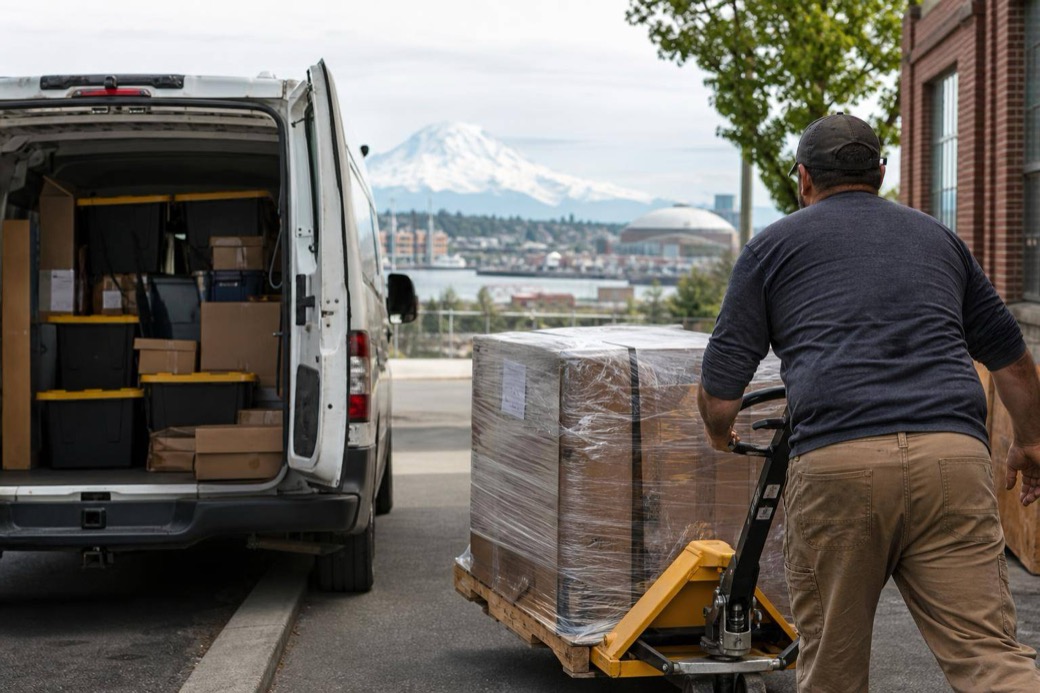
Running a business from home often starts as a practical way to save money. Eventually, the supplies, tools, files, seasonal inventory, or equipment can outgrow a garage, spare room, or office corner. When that happens, a storage unit may help create more working space without the cost of a full office, warehouse, or retail lease.
Business storage is useful, but it has limits. A self-storage unit is meant for storing property, not operating a storefront, workshop, office, or customer-facing business from inside the unit. This guide explains how Tacoma-area businesses can use storage responsibly, what activities to avoid, and which facility features matter when storing inventory, tools, records, or equipment.
Storage units can support a business, but they should not become the business location itself. In general, storage facilities are designed for storing property, not for daily operations, retail activity, manufacturing, or customer appointments.
Before renting, review the lease terms, facility rules, insurance requirements, and any local business regulations that apply to your use case. If your business handles regulated records, hazardous materials, food products, chemicals, high-value goods, or specialized equipment, confirm what is allowed before move-in.
A storage unit should not be used as an active workspace or storefront. That means customers should not plan to run day-to-day operations from the unit or treat it like a replacement for a licensed commercial space.
Avoid using a storage unit for:
Direct retail sales or customer meetings
Manufacturing, fabrication, or repair work
Using power tools or setting up a workshop
Adding custom wiring, plumbing, or dedicated equipment
Storing prohibited, hazardous, flammable, or perishable items
Using the facility as a public-facing business address unless permitted by law and facility terms
The safest approach is to treat the unit as business support space: a place to keep items organized, not a place where the business actively operates.
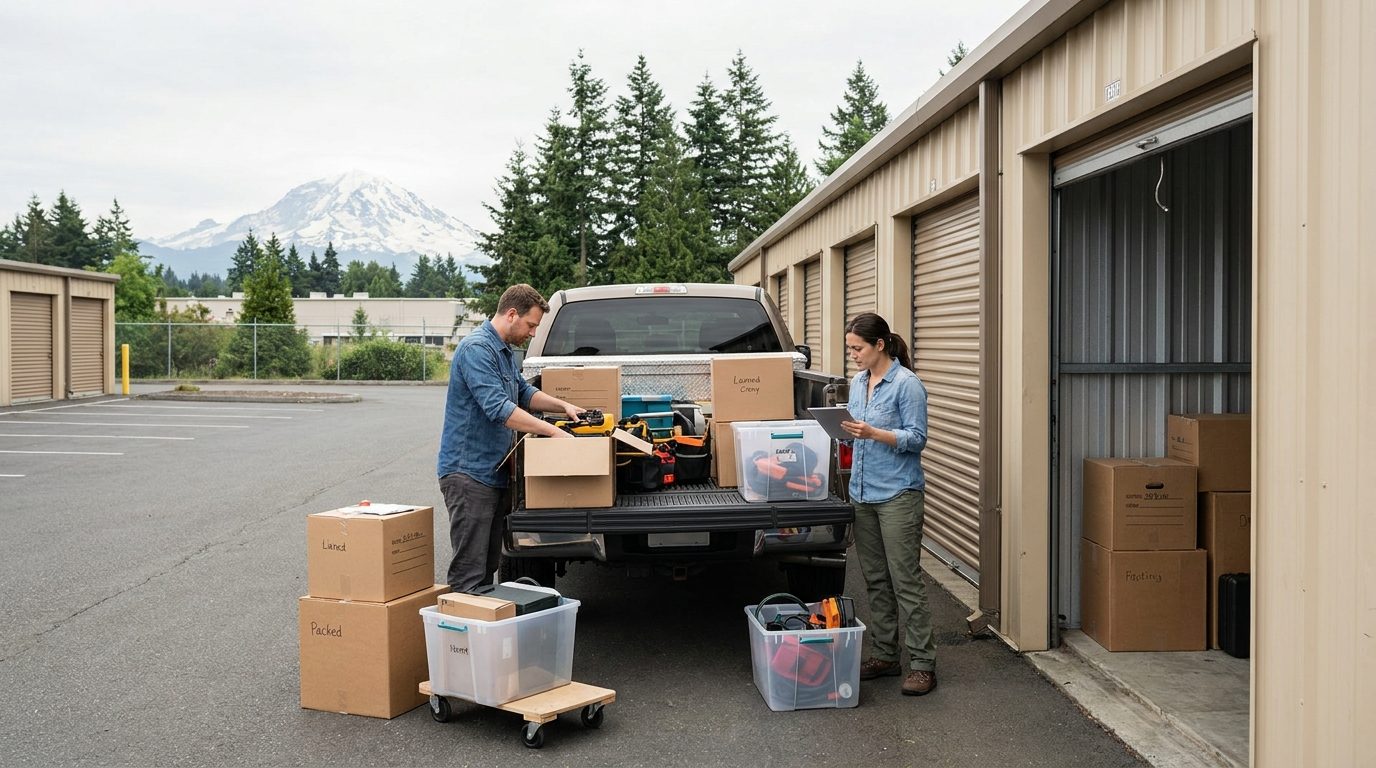
Many Tacoma businesses can use storage as a practical extension of their existing workspace. The right use depends on the type of business, the items being stored, and the facility's rules.
Common business-support uses include storing boxed inventory, seasonal materials, tools, supplies, signage, display items, records, and overflow equipment. A contractor might use storage for tools and materials between jobs. An online seller might use a unit for organized backstock. A small office might use storage for archived business records or extra furniture.
For business records, remember that some documents may be subject to retention, privacy, or industry-specific requirements. Self storage can help with organization, but it should not be presented as specialized records-compliance storage unless the facility and process are designed for that purpose.
Traditional commercial space can be expensive and may require longer lease commitments. For some businesses, especially those that only need storage rather than a staffed location, self storage may be a more flexible option.
Month-to-month storage can be useful when inventory changes seasonally, a project has a limited timeline, or a business is testing demand before committing to larger space. It can also help during office moves, remodels, equipment changes, or temporary overflow periods.
The key is to compare the full rental setup, not just the monthly rate. Review the unit size, access hours, payment options, required coverage, move-out notice policy, and facility rules before deciding whether storage fits your business needs.
Tacoma's wet seasons make packing and item prep important. Rain during loading, damp pavement, and cold weather can all affect how business items should be packed before they go into storage.
Heated storage may be useful for eligible items customers prefer not to keep in a cold space. It is not the same as climate-controlled or humidity-controlled storage, and it should not be treated as guaranteed protection from moisture, mold, or damage.
For business items, use sturdy boxes or bins, store materials clean and dry, avoid packing damp goods, and keep frequently needed items labeled and easy to reach. If you are storing electronics, paper records, fabrics, or wood items, plan the packing process carefully and confirm that the unit type fits your needs.
Tacoma-area businesses may choose different storage locations depending on routes, inventory needs, access preferences, and where their customers or job sites are located. Before renting, compare available unit types, parking options, access hours, and facility rules at the specific location you are considering.
You can review these SecureSpace locations serving the Tacoma area:
Because this article is broadly geared toward Tacoma, use each facility page to confirm current unit availability, location-specific features, and rental details before choosing a space.
Business owners often store items that are difficult or expensive to replace, so security-related features are worth reviewing carefully. Look for clear facility details rather than broad promises.
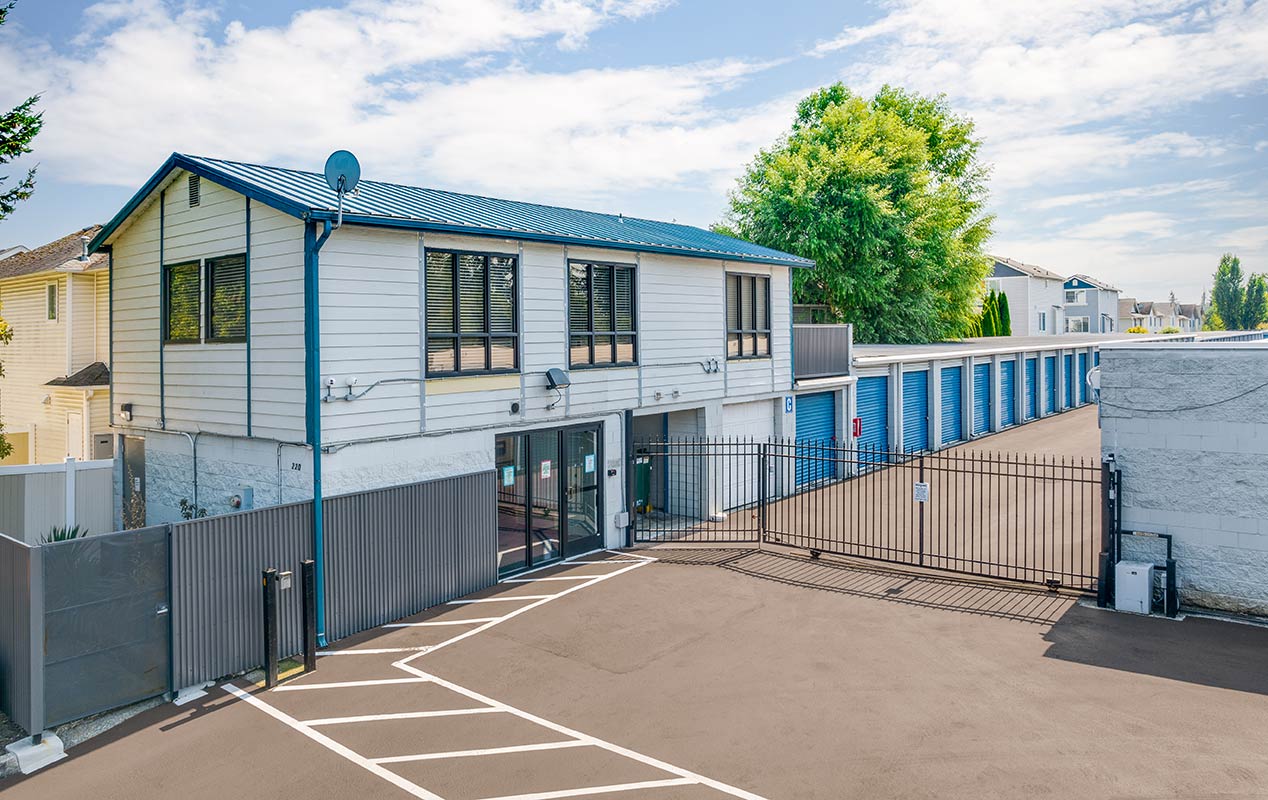
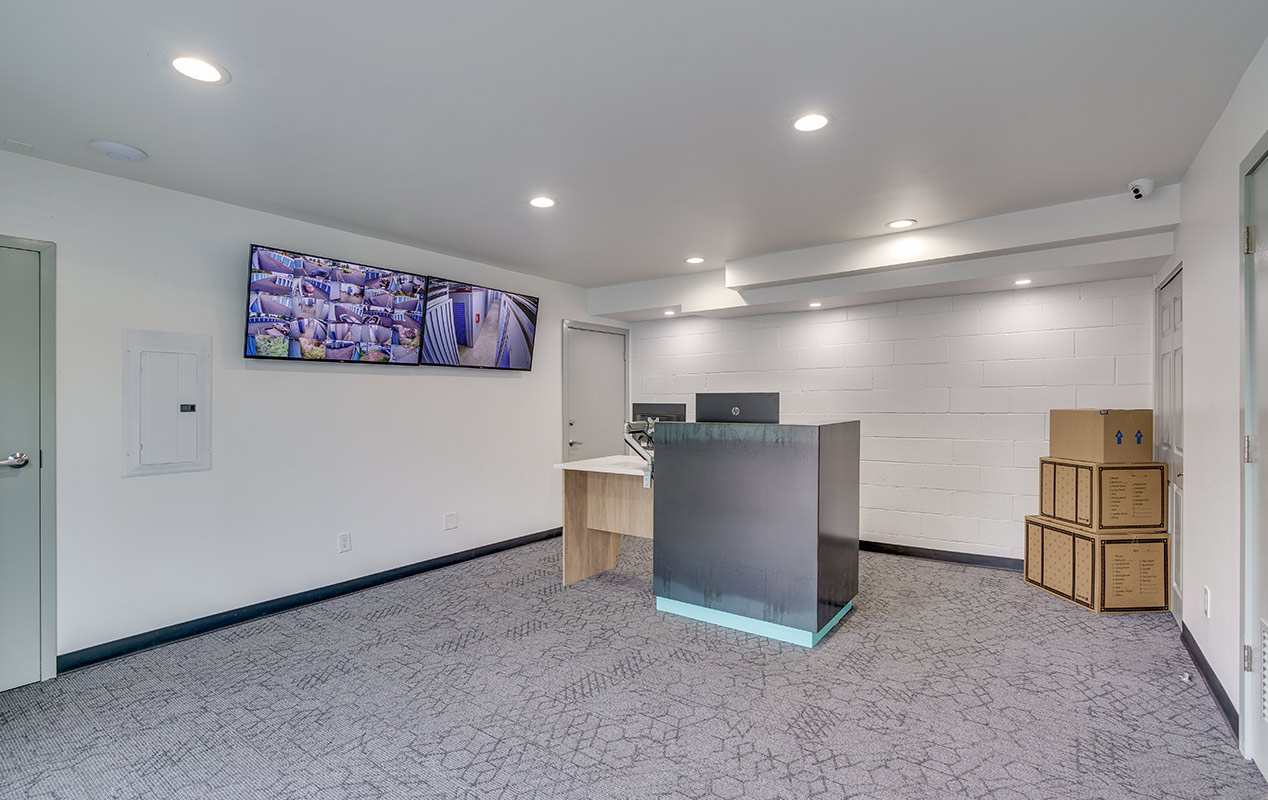
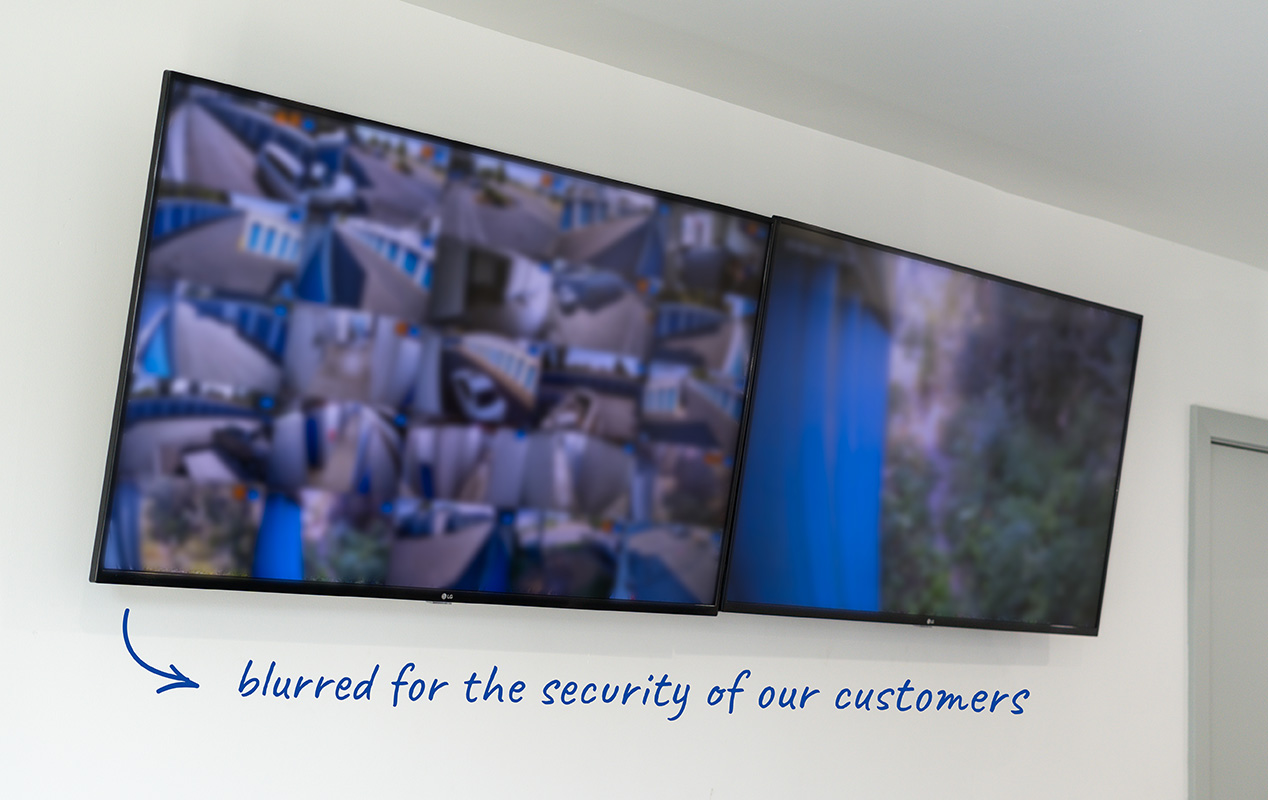
For SecureSpace Self Storage Parkland Tacoma, confirmed security-related features include an access gate, digital video recording, logged access, overnight surveillance, and Turing-enabled monitoring. Customers should also use a quality lock, keep an inventory of stored items, photograph valuable equipment when appropriate, and review coverage requirements before move-in.
Avoid assuming that a storage facility offers smart locks, individual unit alarms, touchless access, live video monitoring, or 24/7 active surveillance unless those features are listed for the specific location.
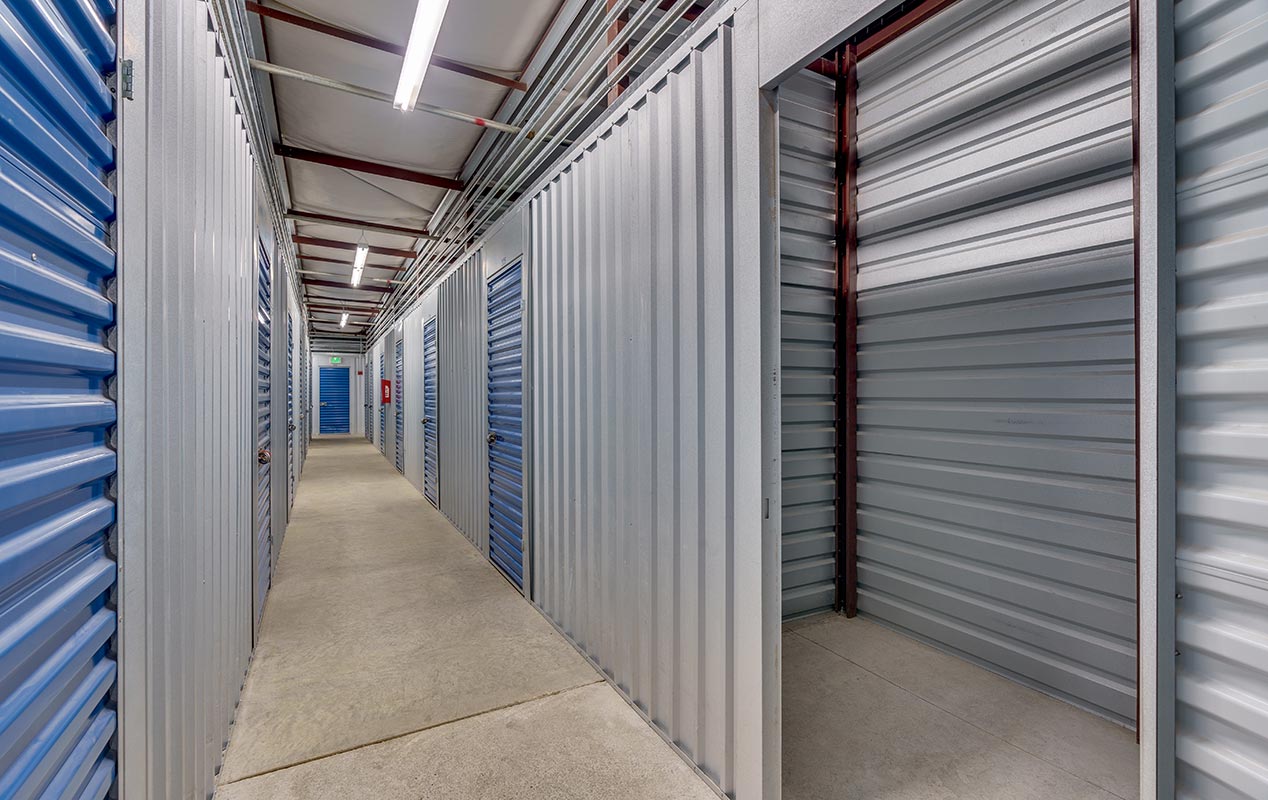
The best business storage setup depends on how often you visit and what you store. For boxed inventory or records, an indoor unit with elevator access may work well. For tools, supplies, or bulky items, drive-up access may make loading and unloading easier.
Carts and dollies can help with boxes and heavier materials. Online payments can simplify account management. Month-to-month leases can help businesses adjust when inventory, project timelines, or space needs change.
If you need to store vehicles, trailers, or equipment, confirm the details before renting. Eligible vehicle storage depends on dimensions, availability, documentation, and facility rules. Semi-truck accessibility and loading docks should not be assumed unless they are specifically confirmed for the location.
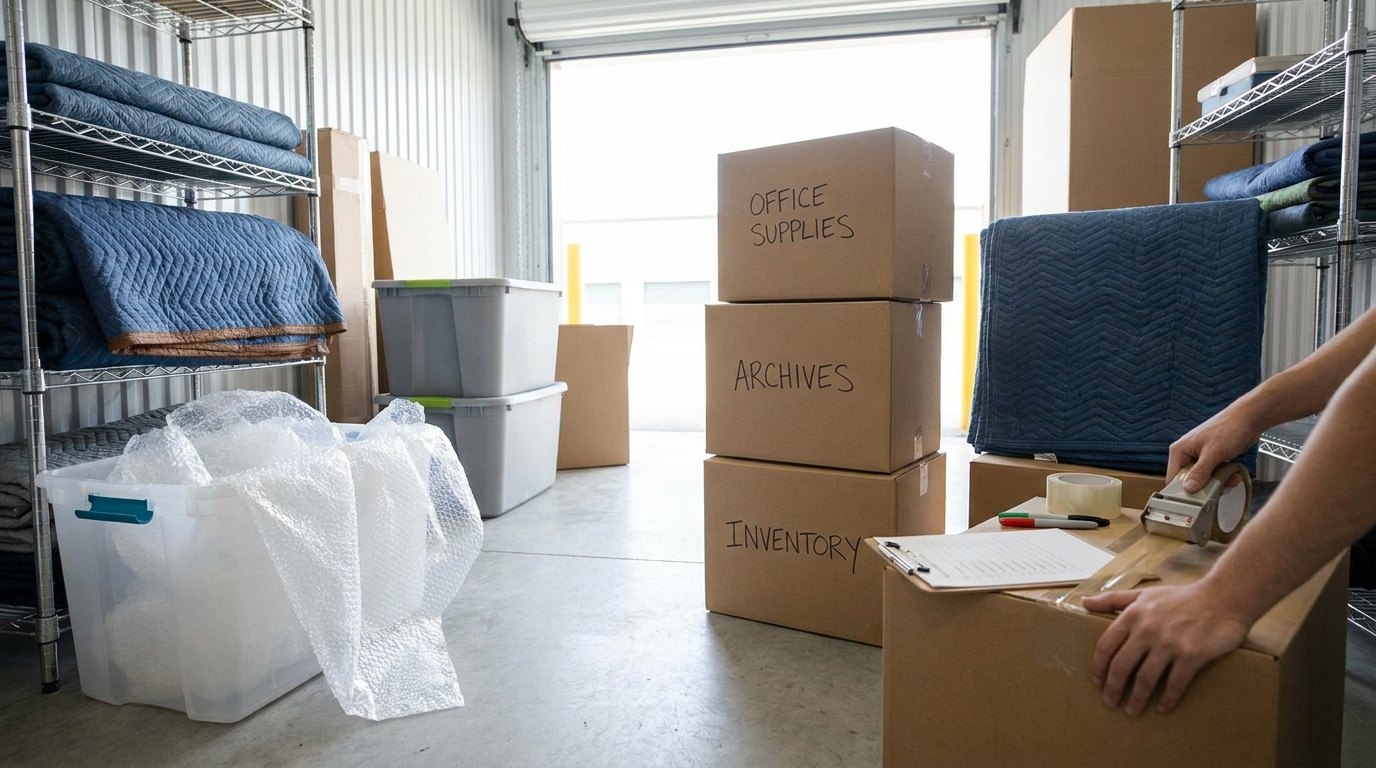
Tacoma has a wide range of businesses, from contractors and service providers to retailers, online sellers, consultants, and professional offices. Each type of business may use storage differently.
A contractor may need a place for boxed supplies, tools, or seasonal materials. A retailer may need room for extra displays or overflow inventory. An online seller may need organized space for products that do not fit at home. A professional office may need temporary space during a remodel or move.
The goal is not to turn the unit into an active business location. The goal is to keep business property organized and accessible while your actual operations continue elsewhere.
A storage unit can support a business by holding inventory, tools, records, or supplies, but it should not be used as a storefront, office, workshop, or customer meeting space. Check the facility lease terms and local requirements before renting.
Do not assume that a storage unit includes electricity, Wi-Fi, or permission to set up a workstation. If those details matter to your business, ask the facility directly before renting.
Access hours vary by facility. If you need early-morning or evening access, check the gate hours for the specific location before renting and make sure they fit your workflow.
Do not use a storage facility as a registered business address unless it is allowed by the facility, applicable laws, and your business requirements. In most cases, storage should be treated as property storage, not a business address or public-facing location.
Scaling your business does not always mean signing a long commercial lease. For storage-only needs, a self-storage unit can help keep inventory, tools, supplies, records, or equipment organized while preserving flexibility.
Before renting, compare unit size, access hours, location, payment options, security-related features, and facility rules. Choose a space that fits what you store today while giving your business room to adjust as needs change.
Explore flexible month-to-month terms, view available units, and secure your space online today by visiting SecureSpace Self Storage Tacoma.
Everything you need to store your belongings securely, on your schedule.
Visit us online