Last updated Aug 12, 2026
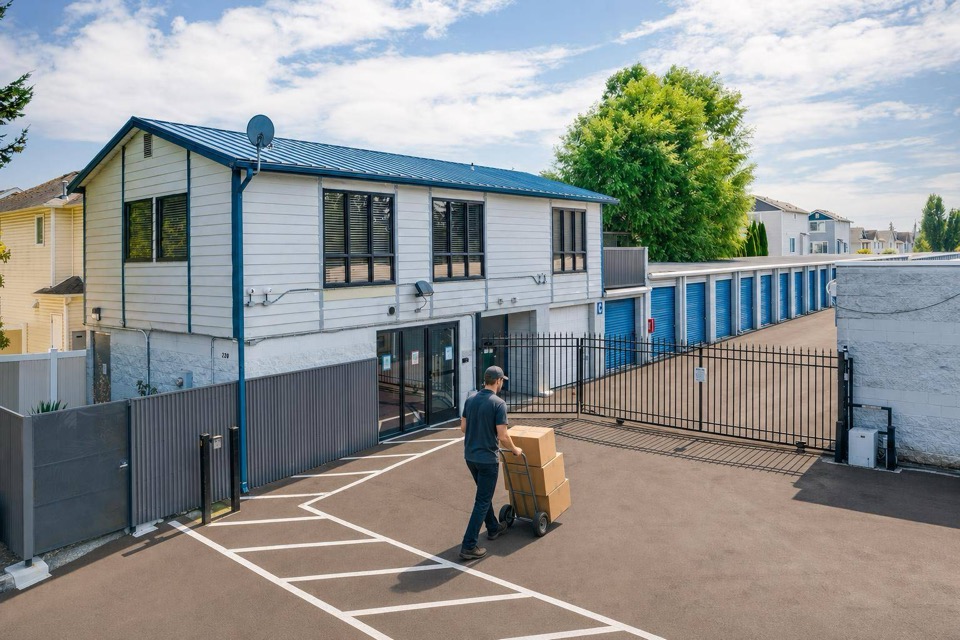
Running a business in Tacoma often means managing more inventory, equipment, files, supplies, or seasonal materials than your main workspace can comfortably hold. For many local companies, a storage unit can be a flexible way to create extra room without committing to a larger office, retail space, or warehouse.
Business storage can support e-commerce sellers, contractors, healthcare offices, professional services firms, startups, nonprofits, and other organizations that need practical overflow space. The right setup depends on what you are storing, how often you need access, whether items are sensitive, and which facility features are available at the location you choose.
This guide explains how Tacoma businesses can use self storage, what to compare before renting, and how to avoid overpaying for space you do not need.
Tacoma's business environment includes port activity, healthcare networks, small businesses, contractors, students, military households, and entrepreneurs. That mix creates a steady need for flexible storage options.
The Northwest Seaport Alliance (NWSA) at the Port of Tacoma serves as a premier North American container gateway, driving commercial activity across the region. Healthcare networks like MultiCare and Virginia Mason Franciscan Health are also part of the broader Pierce County business landscape.
Not every business needs a full warehouse or additional office suite. Some need extra space for file boxes, seasonal displays, tools, spare fixtures, archived materials, event supplies, or approved inventory. Month-to-month storage can be useful when space needs change throughout the year.
Business storage is not one-size-fits-all. A small professional office may need a few shelves for archived documents, while a contractor may need room for tools, materials, or equipment between jobs. An online seller may need space for approved inventory overflow, shipping materials, or seasonal products.
Common business storage uses include:
Archived files and office supplies
Seasonal inventory or display materials
Tools and approved equipment
Event supplies, signage, and booth materials
Furniture, fixtures, or office overflow
Contractor materials that meet facility rules
Retail or e-commerce overflow that does not require active fulfillment from the unit
Before renting, confirm the facility's business-use rules. Storage units are usually designed for storage, not retail operations, manufacturing, customer visits, active fulfillment centers, or daily employee workspaces.
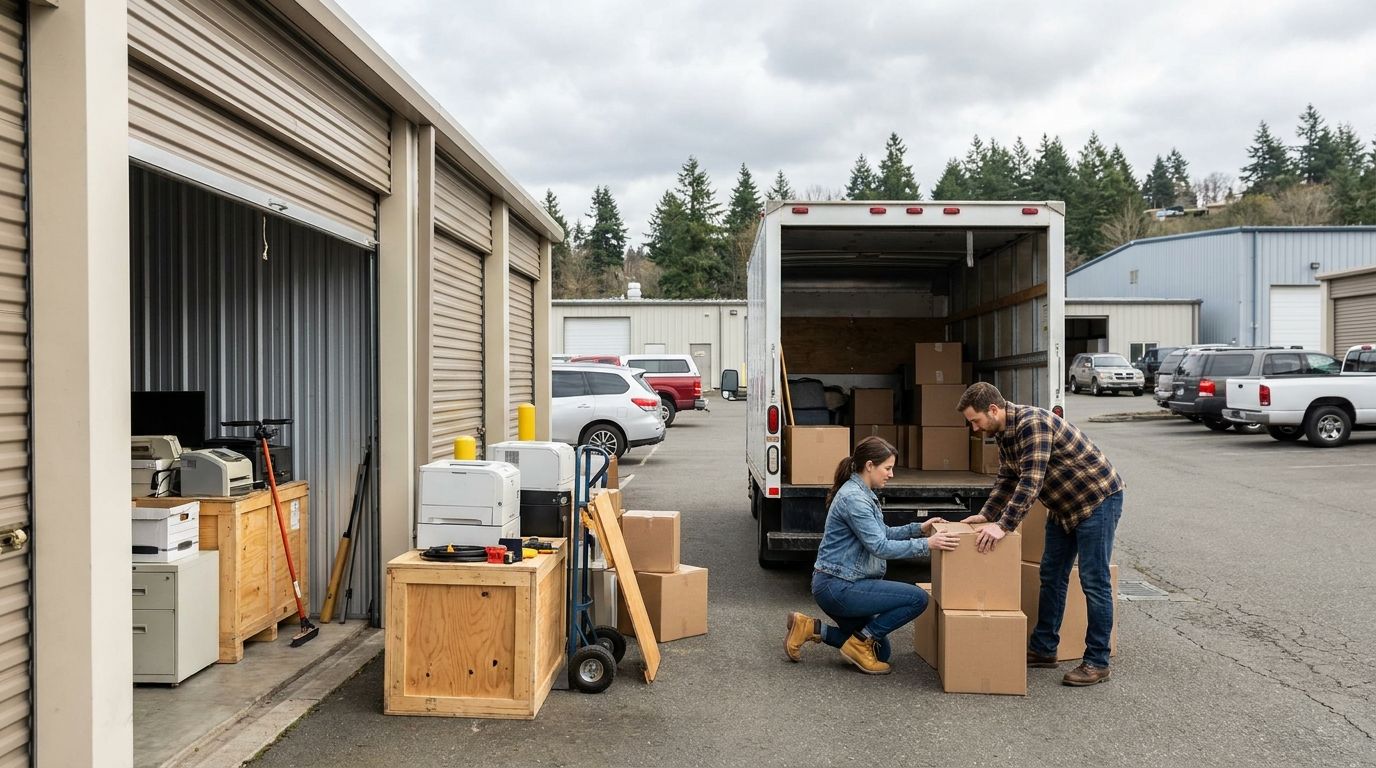
Tacoma's location near major transportation routes can make storage useful for small businesses that need organized overflow space. A storage unit may help keep inventory, shipping supplies, product samples, packaging materials, or seasonal goods out of a home office or small storefront.
For e-commerce use, confirm what the facility allows before moving in. Ask about access hours, parking, loading paths, unit size options, package or delivery policies, prohibited items, and whether business inventory is allowed under the rental agreement.
Avoid assuming that a facility can receive freight, accept package deliveries, support pallet handling, or accommodate commercial loading. Those services and access details vary by location and may not be available.
Healthcare providers, legal offices, accounting firms, real estate teams, and other professional services businesses often need extra space for files and archived materials. Self storage may help organize non-active records, office supplies, furniture, or boxed materials, but businesses are responsible for following all applicable privacy, retention, and security requirements.
If you handle regulated records, confidential files, financial documents, or protected information, review your legal obligations before choosing a storage setup. You may need locked containers, internal inventory procedures, limited staff access, retention schedules, shredding policies, or specialized document-storage services depending on the records involved.
A standard self-storage unit should not be treated as a compliance-certified document storage solution. Use storage as part of a broader records-management plan, not as a replacement for required legal or privacy controls.
Startups, artists, makers, consultants, and micro-enterprises often need flexible space before they are ready for a larger commercial lease. Storage can help hold pop-up market displays, booth materials, sample products, tools, furniture, event supplies, or seasonal equipment.
Month-to-month leasing is especially helpful when a business is testing demand, preparing for events, or expanding gradually. You can compare unit sizes based on what you need now, then adjust as your storage needs change.
The best unit size depends on how items are packed, how often you need access, and whether you need space to walk inside the unit.
Smaller units may work for file boxes, office overflow, small tools, or compact supplies. Mid-size units may be useful for event materials, shelving, inventory overflow, or furniture. Larger units may fit bulkier equipment, boxed inventory, or business furniture, depending on item dimensions and facility rules.
When comparing unit sizes, ask yourself:
How many boxes, shelves, bins, or fixtures need to fit?
Will items need to be accessed regularly?
Do you need room for a walkway?
Are any items sensitive to temperature or moisture?
Do you need drive-up access, elevator access, carts, or dollies?
Are the items allowed under the facility's rental terms?
Pack and label business items carefully. Keep frequently used items near the front, create a simple inventory, and avoid stacking heavy boxes on fragile materials.
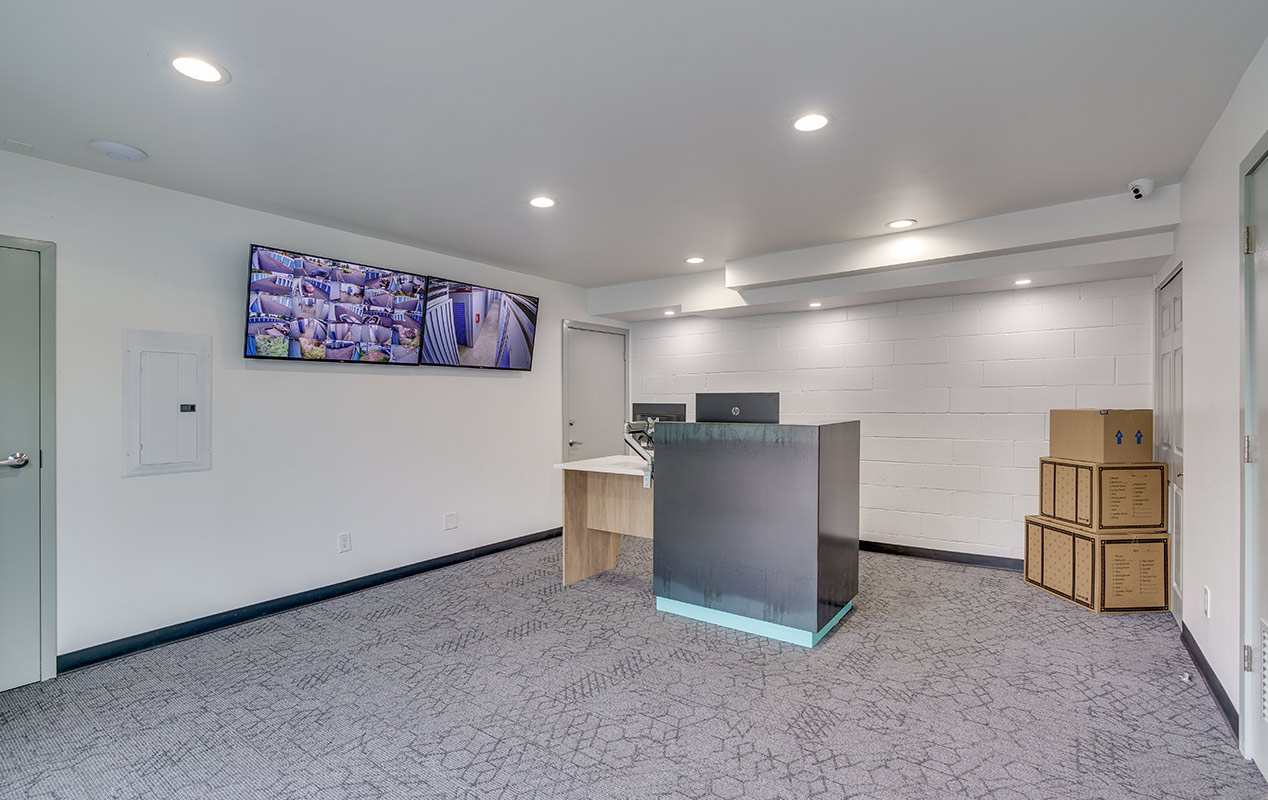
Security-related features can vary by facility, so review the specific location before renting. Depending on the facility, features may include gated access, digital video recording, logged access, surveillance-related systems, or other controls.
Avoid assuming every Tacoma facility has touchless access, individual unit alarms, live monitoring, package receiving, freight access, wide drive aisles, or commercial vehicle accommodations. If those details matter to your business, confirm them directly before renting.
Access hours also vary by location. Check the facility page for current gate hours, office hours, move-in details, parking options, and any business-use restrictions.
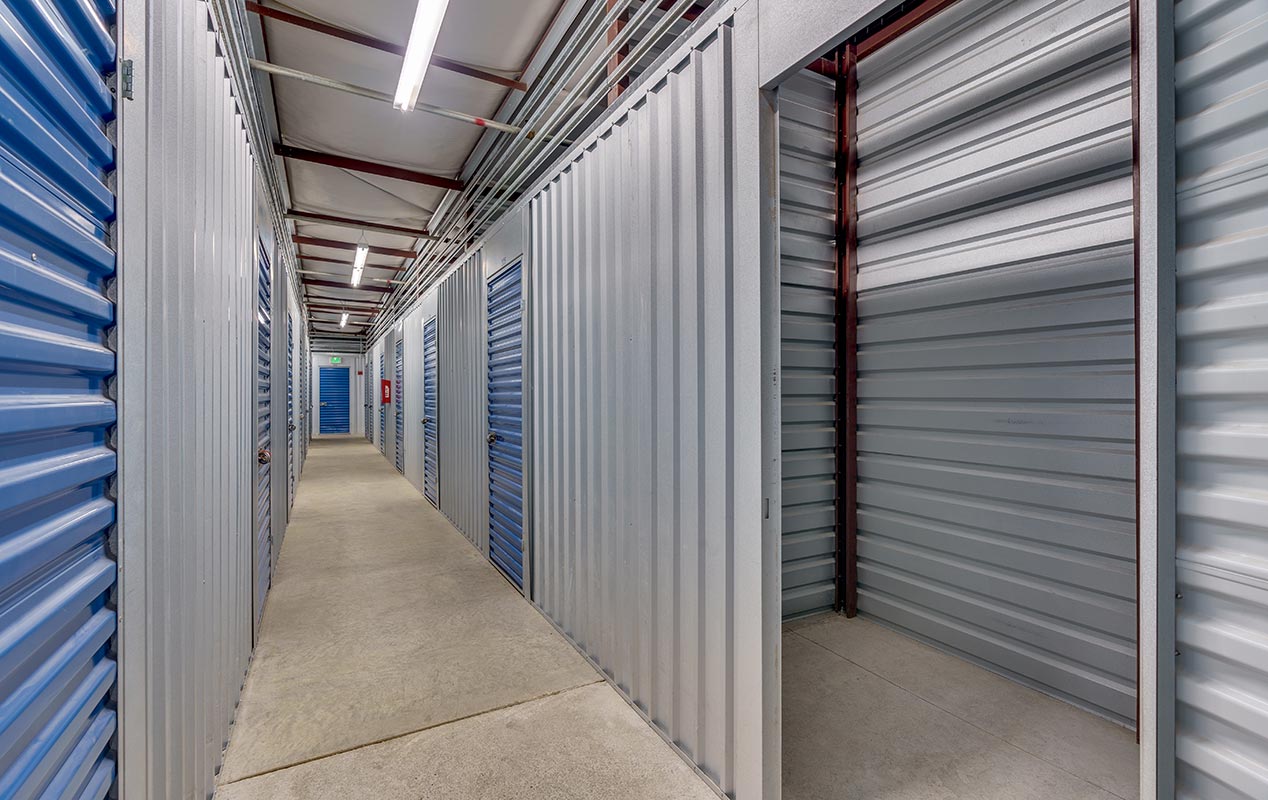
Some business items may benefit from heated storage where available, especially if you prefer not to keep them in a cold space. Heated storage can be useful for certain files, office materials, packaged goods, and equipment, depending on the item.
Heated storage is not the same as climate-controlled or humidity-controlled storage. It should not be described as guaranteed protection from moisture, mold, paper degradation, corrosion, or damage. Businesses storing sensitive items should use proper packaging, keep items clean and dry, and confirm whether a standard storage unit is appropriate.
For records, electronics, textiles, retail goods, or other sensitive materials, use sturdy containers, avoid storing damp items, and consider whether additional protection or a specialized storage solution is needed.
Business storage may be more flexible than expanding into a larger commercial space, especially when the need is temporary or seasonal. Instead of paying for more office, retail, or warehouse square footage, a business can use storage for overflow items that do not need to be kept on-site every day.
Actual costs vary by unit size, location, availability, features, lease terms, and current promotions. Compare current storage rates against the cost of keeping the same items in your office, storefront, garage, or workspace.
Before renting, review the full cost of the unit, required coverage, payment options, administrative fees, move-in terms, and renewal terms. If the business is seasonal, month-to-month storage may help you scale space up or down more easily.
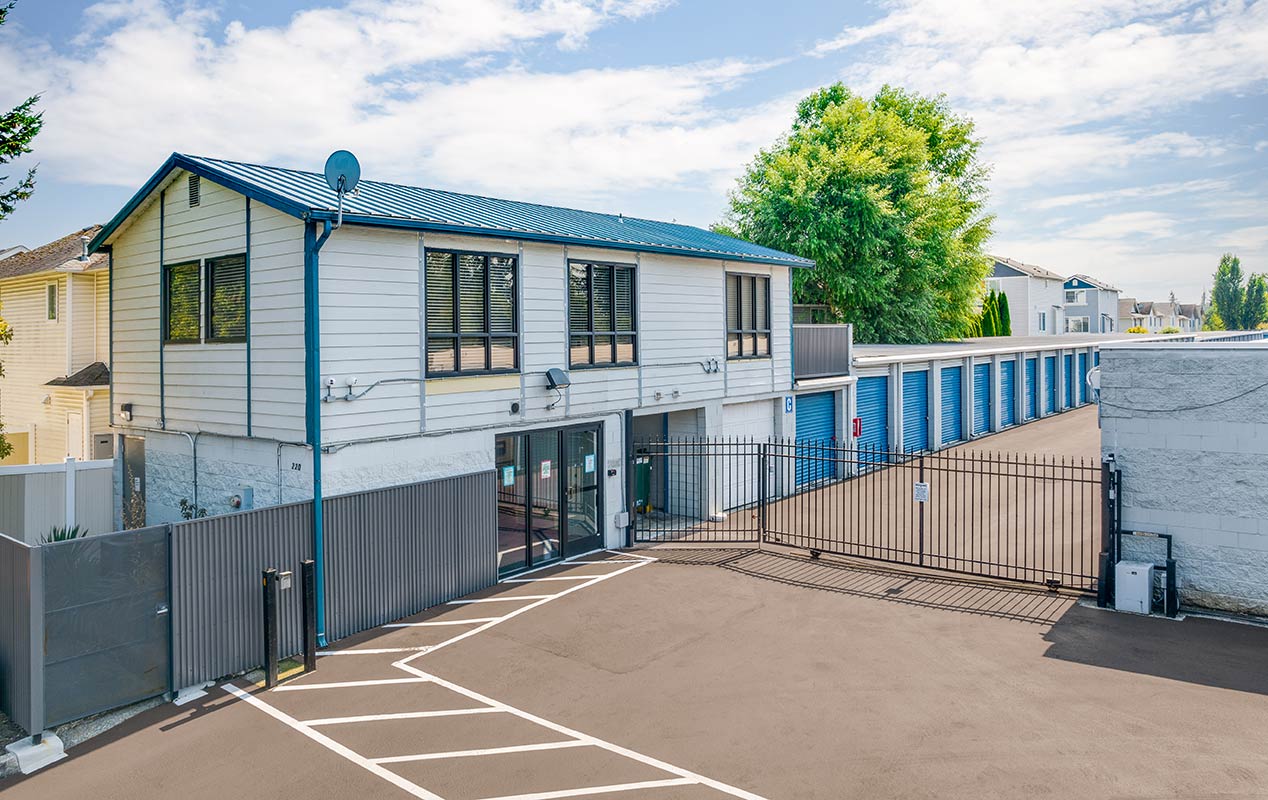
Tacoma businesses should compare locations based on route, access needs, unit sizes, parking options, and current availability. Features can vary by facility, so check the specific facility page before choosing a space.
SecureSpace has Tacoma-area storage options that businesses can compare for overflow storage, files, supplies, tools, inventory, furniture, or other approved items. Review each facility page for current unit availability, access details, parking options, rental terms, and location-specific features.
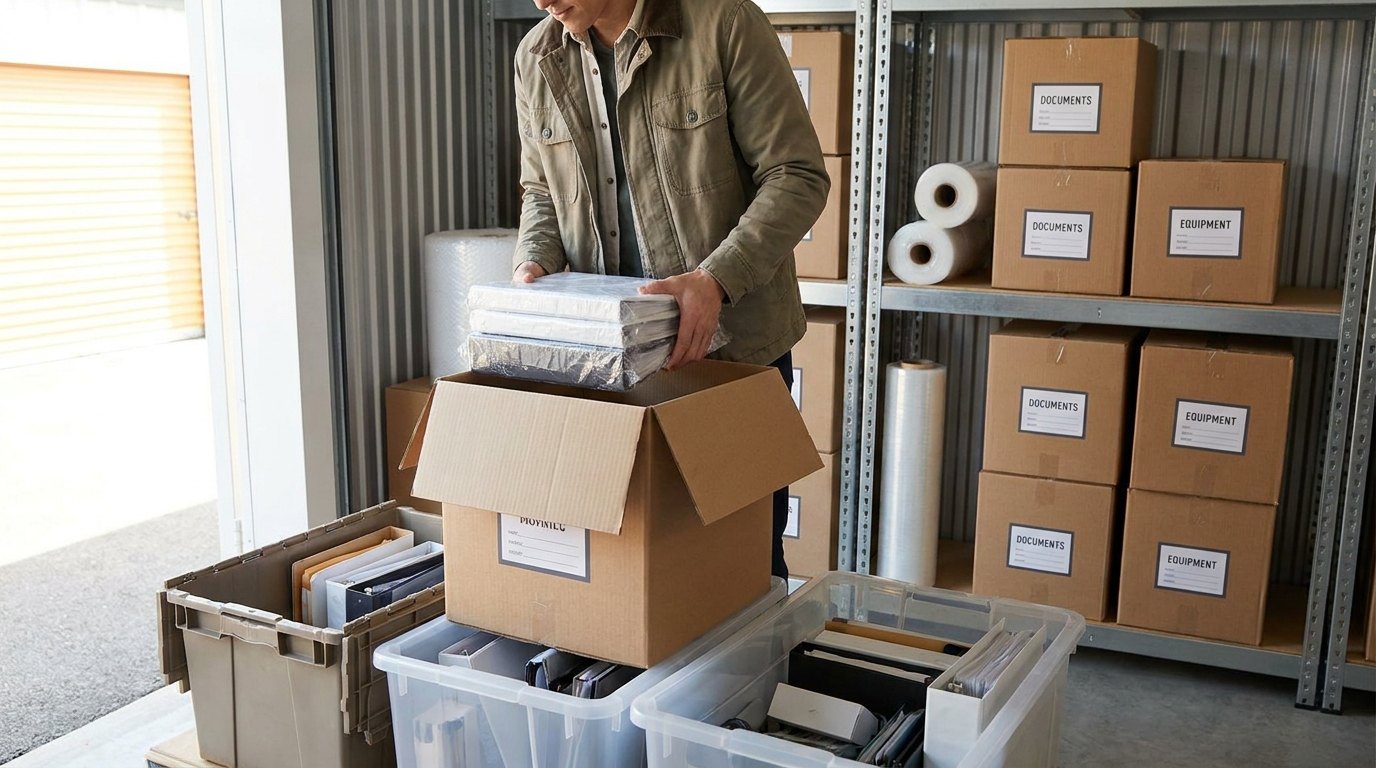
Business storage works best when it is organized from the start. Create a simple inventory, group items by category, use sturdy boxes or bins, and label everything clearly. If multiple employees need access, decide who is responsible for keys, codes, inventory updates, and unit organization.
Do not store hazardous materials, perishables, fuel, ammunition, illegal items, or anything prohibited by the rental agreement. If your business handles regulated records, high-value items, vehicles, batteries, tools, or specialized equipment, confirm the facility rules before move-in.
Ready to compare storage for your company? Review current options for business storage in Tacoma, WA with SecureSpace and find a unit that fits your space needs, schedule, and business operations.
Many self-storage facilities offer month-to-month leases, which can help businesses avoid long commercial lease commitments for overflow storage. Review the rental terms for the specific facility before moving in.
A storage unit may be useful for approved inventory overflow, shipping materials, samples, or seasonal goods. Confirm facility rules before renting, especially if you need deliveries, frequent pickups, package acceptance, pallet handling, or commercial vehicle access.
It depends on the records and the business's legal obligations. A storage unit may help organize boxed records, but businesses are responsible for privacy, retention, access control, and compliance requirements. Sensitive or regulated records may require additional safeguards or specialized document-storage services.
The right size depends on what you are storing. Smaller units may work for files and office supplies, while mid-size or larger units may be better for furniture, displays, tools, or approved inventory. Compare unit dimensions and leave room for access if you plan to visit the unit often.
Access details vary by facility. Check current gate hours, parking options, loading paths, carts or dollies, drive-up availability, elevator access, and business-use rules before renting.
Storage can give startups and small businesses extra room for approved supplies, displays, furniture, or inventory without committing to a larger commercial lease. Month-to-month terms can be helpful when space needs are changing.
Everything you need to store your belongings securely, on your schedule.
Visit us online