Last updated Aug 12, 2026
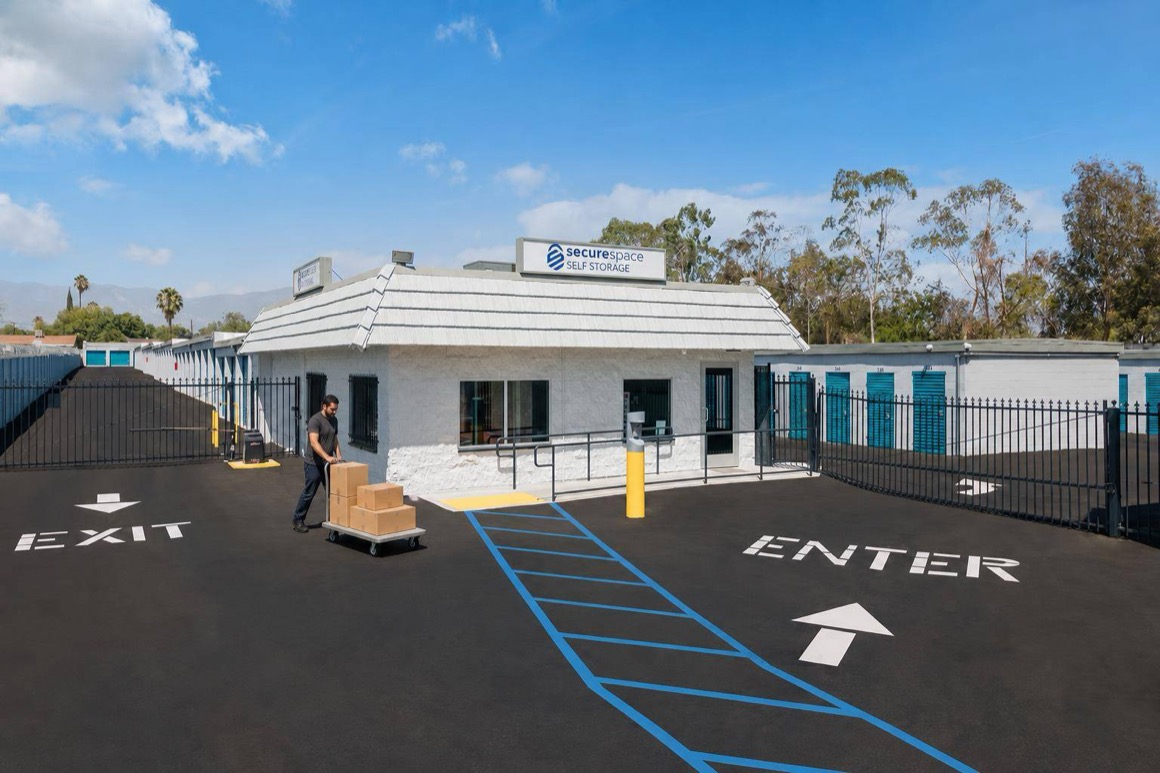
Rialto sits in the Inland Empire, where logistics, contracting, retail, and small business activity all create a need for flexible space. Many business owners need somewhere to keep inventory, tools, documents, seasonal supplies, or equipment without committing to a full commercial lease.
Self storage can be a practical option for some business storage needs, but it is important to understand the limits before renting. A storage unit may be useful for passive storage, but it should not be treated as an office, storefront, workshop, or daily workplace.
This guide explains how business owners can think about storage in Rialto, what activities may be appropriate, what to verify before renting, and how SecureSpace Self Storage Rialto can support eligible business storage needs.
California's self storage laws distinguish storage use from residential use and other kinds of commercial occupancy. For business owners, the key practical point is that a storage unit is meant for storing belongings, not operating a business on-site.
That means a business may be able to use a unit for passive storage, depending on the lease, facility rules, and local requirements. Before renting, business owners should review the rental agreement and confirm that their intended use is allowed.
Passive storage generally means keeping business-related items in the unit and accessing them as needed. Examples may include boxed inventory, tools, equipment, records, displays, seasonal supplies, or event materials.
Active business operations are different. A storage unit should not be used as a storefront, office, workshop, manufacturing space, or place where employees regularly work. Customers should not be meeting clients inside the unit, running retail transactions from the unit, or using it as a primary business address unless facility rules and local requirements specifically allow it.
Even if a use seems reasonable, the facility lease controls what is allowed. Business owners should review prohibited items, access rules, insurance or coverage requirements, and any limits on commercial activity before storing business property.
If your business stores regulated goods, medical products, food, chemicals, flammable materials, or high-value equipment, confirm what is permitted before moving anything into storage.
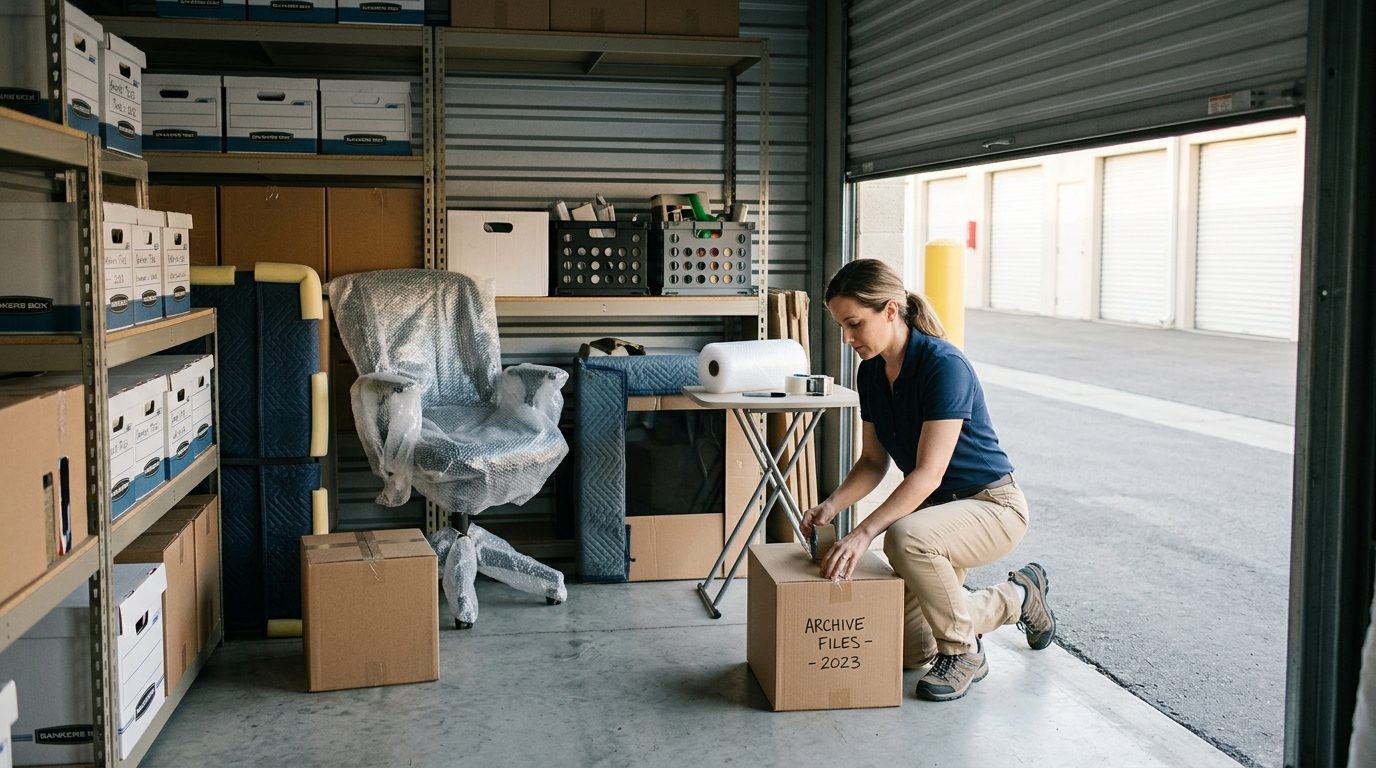
Many small business storage needs are straightforward. The goal is to keep eligible items organized and accessible without turning the unit into a workplace.
Common business storage uses may include:
Boxed retail or e-commerce inventory
Contractor tools and supplies
Seasonal business equipment
Trade show displays or event materials
Office overflow and archived documents
Business records and files
Eligible equipment or supplies used between jobs
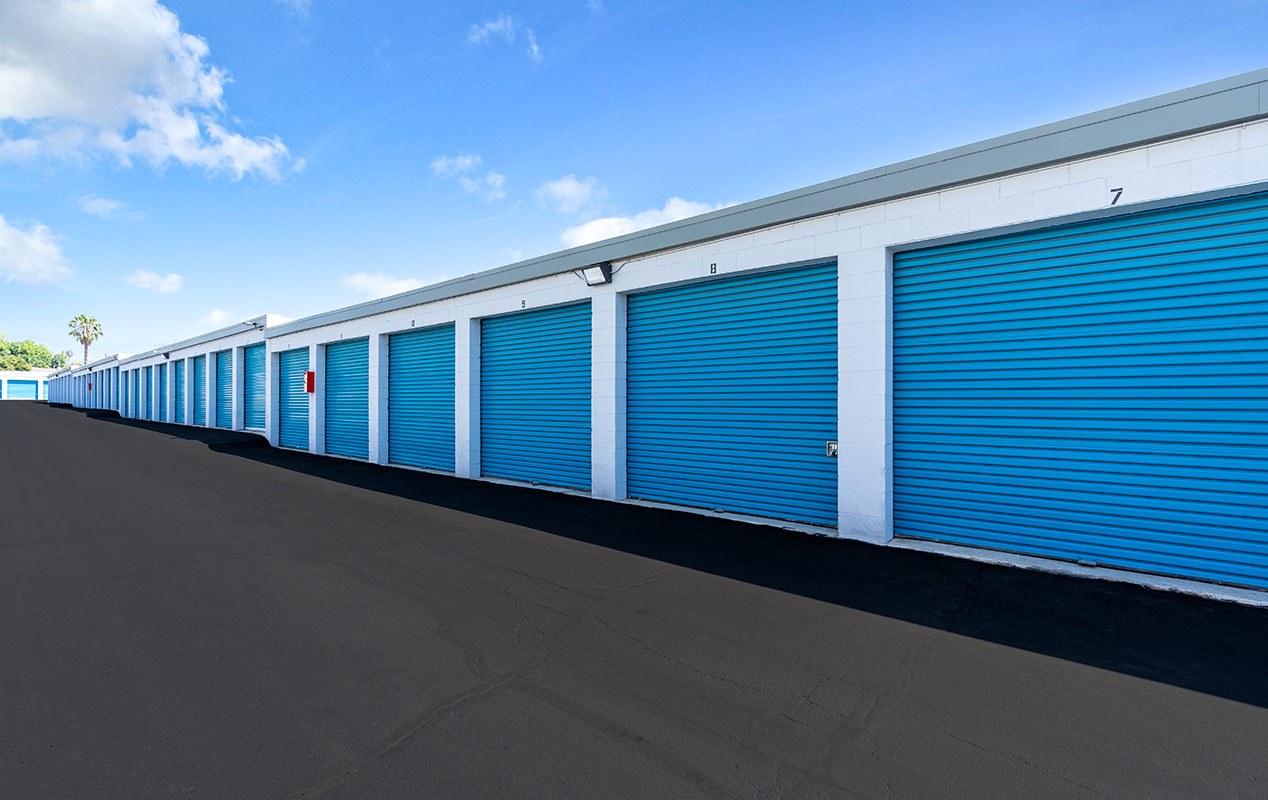
SecureSpace Self Storage Rialto offers drive-up units, which can help when loading boxes, tools, supplies, records, or inventory. Customers can park near the unit door where space and facility rules allow.
The facility does not offer semi-truck accessibility, loading dock access, moving pods, carts and dollies, or climate-controlled storage. If your business needs freight delivery, pallet handling, package acceptance, climate control, or heavy-equipment storage, confirm whether another storage or warehouse solution is more appropriate.
A storage unit should not function as an active commercial workspace. Even when business items are stored there, customers should avoid using the unit in a way that creates regular on-site operations.
Activities to avoid include:
Setting up a permanent desk or office
Meeting clients or customers at the unit
Running a retail storefront
Manufacturing, assembling, repairing, or fabricating products inside the unit
Having employees work from the unit
Receiving freight or deliveries without confirmed facility approval
Storing prohibited, hazardous, flammable, perishable, or restricted goods
If you are unsure whether a planned use is allowed, contact the facility and review local requirements before renting.
State law and facility lease terms are only part of the picture. Business owners may also need to review city licensing, parking, zoning, tax, and insurance requirements.
Depending on your business structure and how you use storage in Rialto, a business license or other local registration may apply. Requirements can vary based on where the business is located, what activity occurs within city limits, and how inventory or equipment is stored.
Before storing significant business property in Rialto, contact the City of Rialto or review current business licensing requirements. This is especially important if the storage unit is part of your business operations rather than occasional overflow.
Commercial vehicle rules can be especially important for contractors, transportation workers, and service businesses. The City of Rialto's zoning code prohibits the parking or continuous storage of commercial vehicles with a carrying capacity over one ton, or a gross vehicle weight exceeding 10,000 lbs, in residentially zoned areas, according to the Rialto City Zoning Code, Zoneomics.
SecureSpace Self Storage Rialto offers outdoor parking for eligible vehicles, RVs, boats, and cars. Availability, size requirements, documentation, and facility rules can vary, so business owners should confirm current parking details before making plans. Vehicles should not be stored inside drive-up units at this facility.
Business owners should also understand how stored property may be treated for tax purposes. One important distinction: inventory held for sale is 100% exempt from personal property tax under California law, according to the California Board of Equalization FAQ.
Equipment, shelving, tools, fixtures, or other business property may be treated differently from resale inventory. Tax obligations can depend on the type and value of property stored, so business owners should consult a qualified tax professional or the appropriate county office for guidance.
Insurance is another important planning step. Standard homeowner's, renter's, or business policies may limit coverage for property stored off site. Before moving business inventory or tools into storage, review your current policy and coverage requirements.
Under California Insurance Code Section 1758.75, licensed self-storage facilities are legally permitted to act as authorized agents to offer hazard insurance coverage for property stored on-site, according to the California Department of Insurance. Additionally, starting in 2026, California's SB 709 introduces new transparency requirements for self-storage operators around insurance disclosures, according to Forge Building Company - 2026 Self Storage Laws.
Insurance rules and coverage options can change, so review the rental agreement, ask about coverage requirements, and speak with your insurer before storing valuable business property.
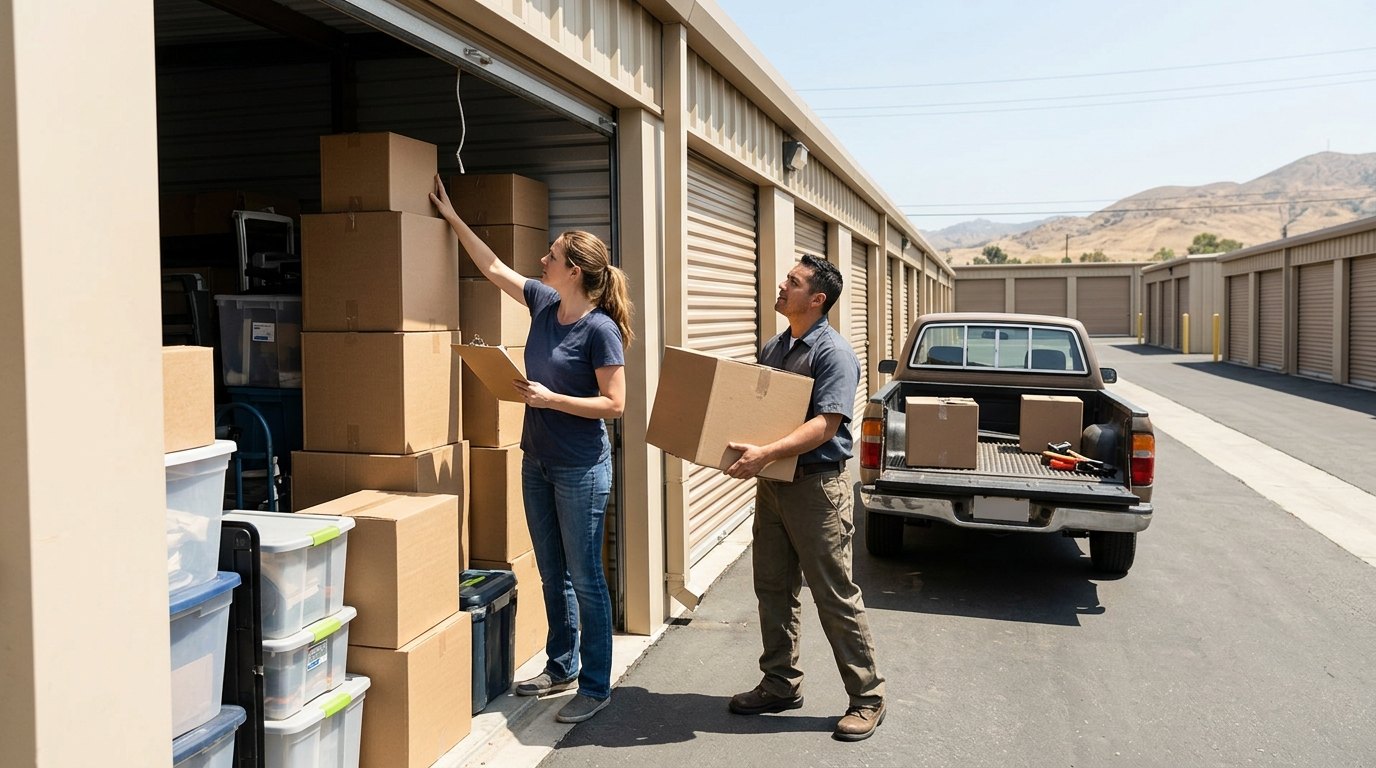
Commercial storage needs vary widely. A contractor storing tools has different needs from an e-commerce seller storing boxed inventory or a local business archiving records. Start by listing what you plan to store, measuring bulky items, and deciding how often you need access.
SecureSpace Self Storage Rialto offers customer-facing unit sizes including 5x5, 5x10, 5x15, 10x10, 10x15, 10x20, and 10x25.
A 5x5 or 5x10 unit may work well for document boxes, small sample kits, compact inventory, office overflow, tools, or seasonal supplies. These sizes can help business owners create extra room without renting more space than they need.
Mid-size units may be useful for larger boxed inventory, contractor supplies, displays, files, or mixed business storage. If you need to access items frequently, leave a small aisle and keep the most-used items near the front.
Larger units can support bigger volumes of boxed inventory, business overflow, tools, supplies, or bulky equipment that is eligible under facility rules. Exact fit depends on item dimensions and packing method.
Vehicles should not be stored inside drive-up units at SecureSpace Rialto. If you need parking for an eligible business vehicle, ask about outdoor parking availability, size requirements, documentation, and facility rules.
Rialto's location within the Inland Empire can make storage useful for businesses that serve customers across the region. The Inland Empire supplies a consumer market of nearly 24 million people, and transportation and warehousing already employ over 7,750 residents within Rialto alone, according to DataUSA - Rialto, CA.
For e-commerce sellers, contractors, service providers, and small logistics operators, a storage unit can provide flexible space for eligible business items without a multi-year warehouse lease. It is still important to keep the use passive, follow lease terms, and confirm whether your items and access needs are appropriate for the facility.
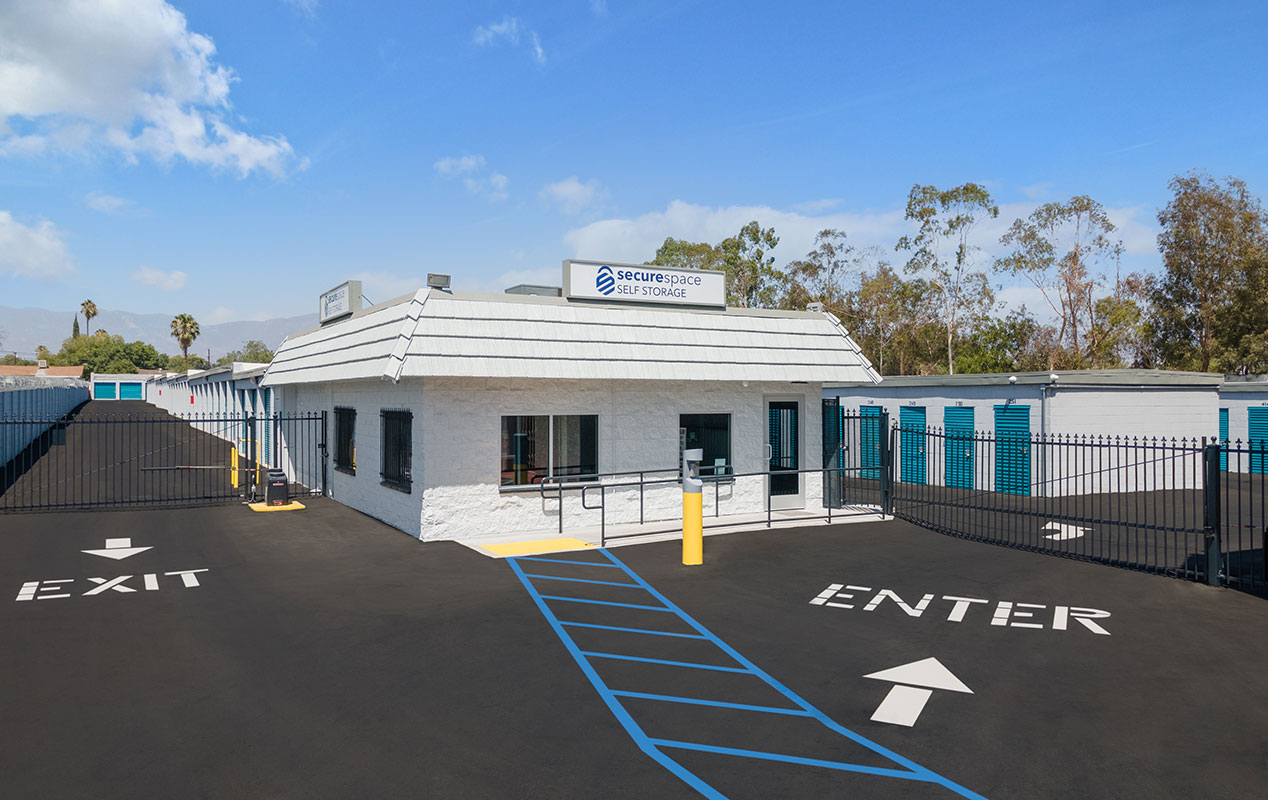
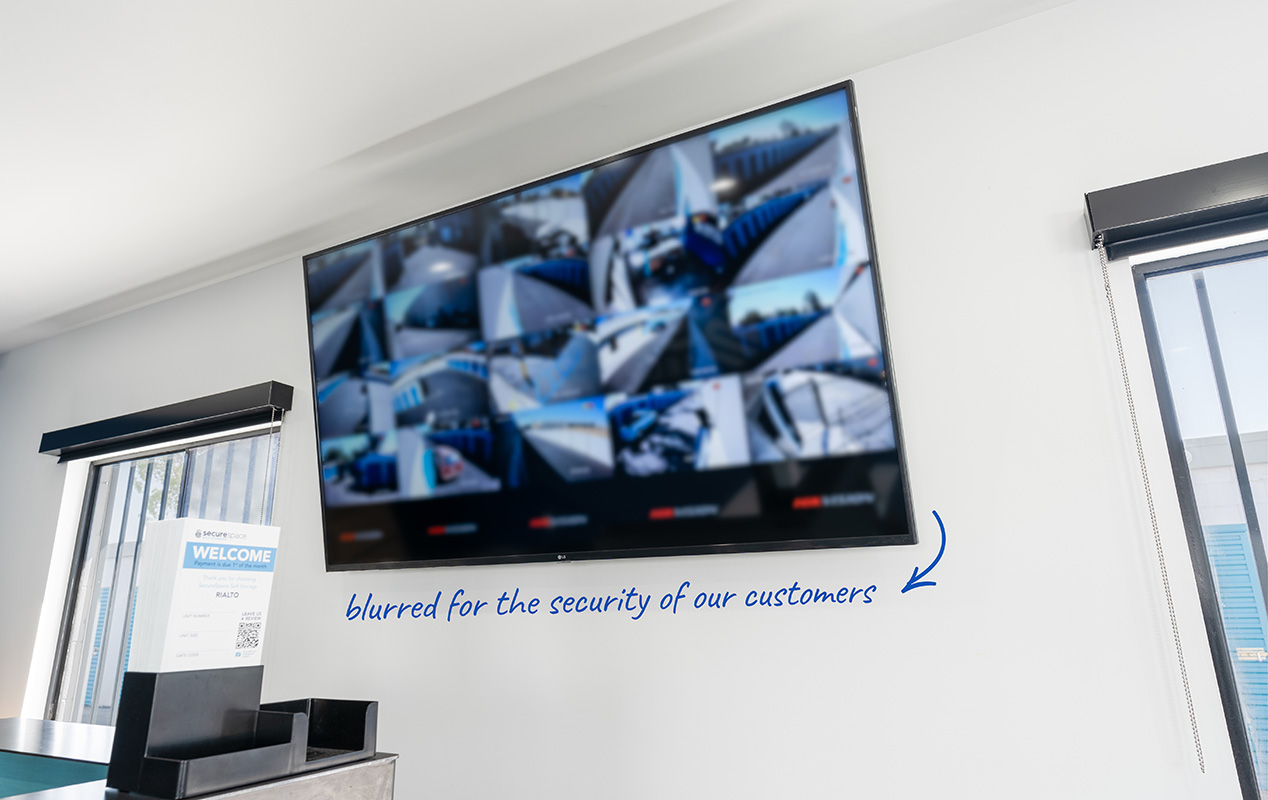
SecureSpace Self Storage Rialto is located at 2850 Foothill Blvd and offers drive-up units, daily gate access from 6:00 AM to 10:00 PM, online payments, ACH and credit card payment plans, month-to-month leases, basic moving supplies, outdoor parking for eligible vehicles, and security features including an access gate, digital video recording, logged access, overnight surveillance, and third-party security patrol.
Freight delivery, package acceptance, and staff signing services are not confirmed for SecureSpace Self Storage Rialto. If deliveries are important to your business, contact the facility before renting and confirm what is allowed.
A storage unit may be useful for passive storage of eligible boxed inventory, supplies, records, or business materials. It should not be used as a daily workspace, storefront, or employee worksite. Review lease terms and local requirements before using storage for business inventory.
Passive use means storing goods, inventory, tools, equipment, or documents and accessing them as needed. Active use means running business operations from the unit, such as holding meetings, working there daily, serving customers, or using it as a primary workplace. Passive storage may be allowed, but active operations generally are not appropriate in a self storage unit.
It depends on your business structure and how the storage unit is used. Contact the City of Rialto or review current business licensing requirements before storing significant inventory or equipment in the city.
Inventory held for sale is generally exempt from personal property tax in California, but equipment and other business property may be treated differently. Consult a tax professional or the appropriate county office for guidance on your specific situation.
Using a storage unit to support your business can be practical when the use stays focused on passive storage. The key is to confirm what your lease allows, review city requirements, understand tax and insurance considerations, and choose a unit size that fits your items.
SecureSpace Self Storage Rialto offers standard self storage, drive-up units, outdoor parking for eligible vehicles, month-to-month leases, online payments, daily gate access, and security features.
For business inventory, tools, records, and eligible supplies, review current availability for business storage in Rialto, CA.
Everything you need to store your belongings securely, on your schedule.
Visit us online