Last updated Jun 23, 2026
Working as a contractor in the Pacific Northwest comes with a unique set of challenges. Between navigating narrow residential streets, dealing with persistent rain, and managing the costs of commercial real estate, running a profitable trades business requires serious logistical planning. For plumbers, electricians, carpenters, and HVAC technicians, finding a secure place to store tools and materials can become part of daily operations.
The physical landscape of Portland is changing rapidly. As new zoning laws encourage denser housing, traditional job sites with sprawling staging areas are becoming less common. At the same time, the cost of renting a dedicated industrial warehouse can put pressure on independent contractors and small businesses. This leaves tradespeople looking for a practical middle ground.

That is where business-grade contractor storage units can help. A commercial storage facility can give your business flexible space for tools, supplies, and materials without requiring a long-term warehouse lease.
By treating your storage unit as an extension of your business, you can keep frequently used equipment organized, plan morning load-outs more efficiently, and keep overhead more predictable. Here is a comprehensive look at why Portland contractors are rethinking their logistics and how the right storage strategy can support your business.

The Portland construction and renovation market is undergoing a major shift. Driven by the Residential Infill Project (RIP and RIP2), the city has changed zoning laws to address housing affordability. This means low-density residential zones are now seeing more duplexes, triplexes, fourplexes, and Accessory Dwelling Units (ADUs). According to an analysis of early permit data, 73% of new units permitted in these affected zones were classified as middle housing projects Cascadia Partners, 2026.
For contractors, this kind of urban infill can make job-site planning more complicated. You may not be working on empty suburban lots with ample room to park, unload, and stage materials. Instead, you might be building ADUs in confined backyards or renovating homes on narrower residential streets. The physical footprint required to stage building materials, scaffolding, tools, and equipment may be limited.
Because materials cannot always be left safely or legally on the street, an off-site storage plan can help. A storage unit gives your crew a centralized place to organize job-specific supplies, pick up what they need before heading out, and avoid overloading a client's property with excess materials.
The Pacific Northwest is known for wet weather, and the threat to contractor equipment goes beyond getting caught in a rainstorm. Humid air, morning dew, persistent condensation, and trapped dampness can contribute to wear on tools, hardware, fasteners, supplies, and job-site materials over time.
When high-value items like HVAC diagnostic tools, pneumatic nailers, power tools, and masonry equipment are left in unheated garages or commercial work trucks, they may experience temperature swings and exposure to moisture. That can make it harder to keep tools clean, dry, and ready for work.
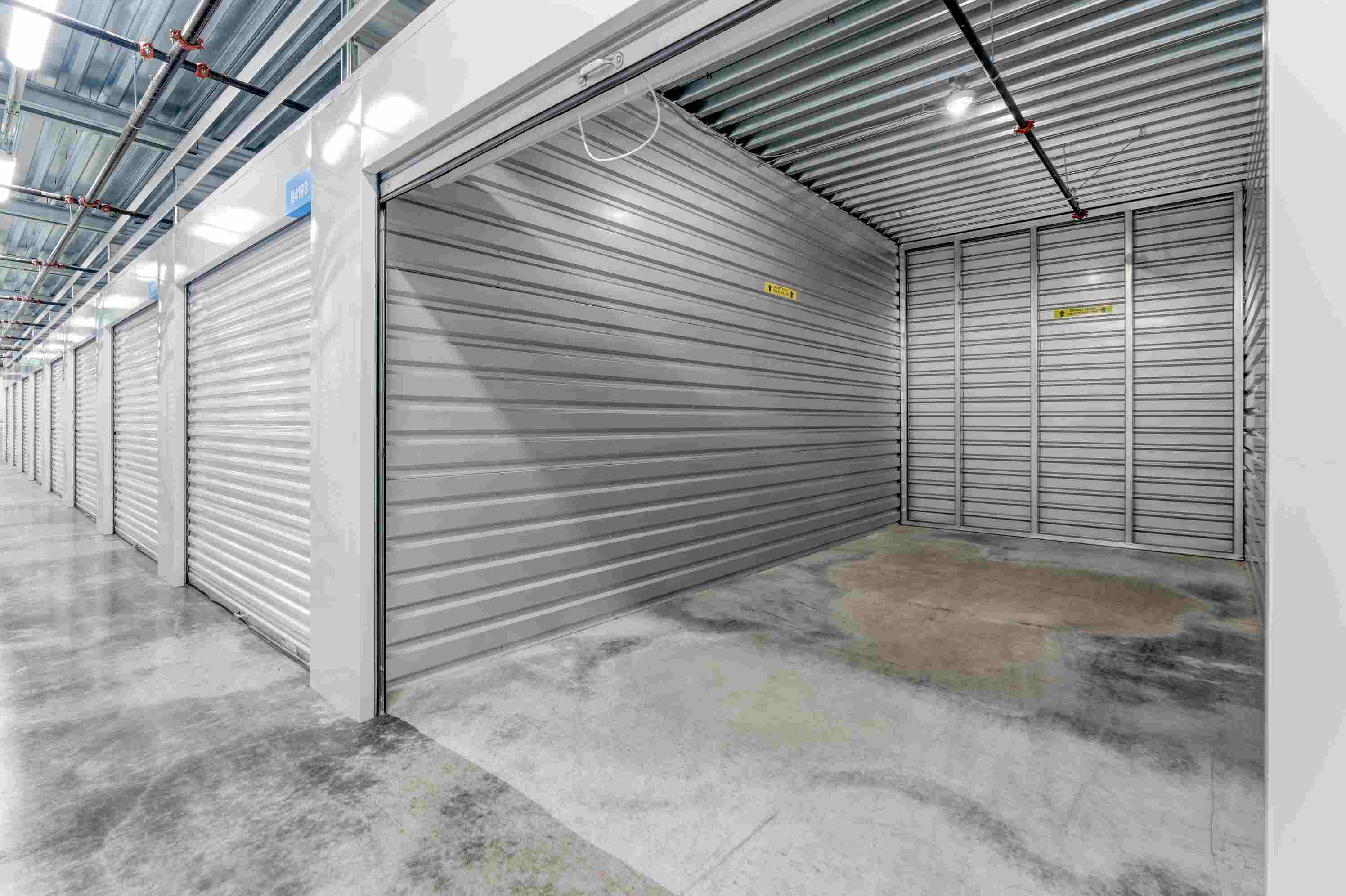
For contractors who need indoor storage in Northeast Portland, heated units can help reduce exposure to cold conditions compared with unheated spaces. Good storage habits still matter: dry tools before putting them away, keep small parts organized in sealed containers, and avoid storing damp materials inside boxes or tool cases.
If you are trying to scale your contracting business, you have likely looked into renting traditional industrial real estate. Unfortunately, the financial barrier to entry can be difficult for many small-to-medium-sized operations. While the Portland industrial market has recently seen vacancy rates rise to 7.8%, the baseline costs remain incredibly high Norris & Stevens, 2026.
Average asking rents for standard industrial space sit around $0.75 to $0.90 per square foot per month on a Triple Net (NNN) basis. Annualized asking rates frequently reach between $17 and $18 per square foot Cresa, 2026. Traditional industrial leases can also involve longer commitments and additional costs beyond base rent.
Contractor storage units can offer a more flexible month-to-month operational expense. Instead of committing to a dedicated warehouse, you can choose storage space based on your current needs and adjust as your business changes. For trades that need extra room for tools, parts, fixtures, seasonal supplies, or boxed materials, that flexibility can be valuable.
A storage unit should support the way your crew actually works. For contractors, that means thinking through what needs to be stored, how often it needs to be accessed, and how quickly your team can load and unload before heading to a job site.
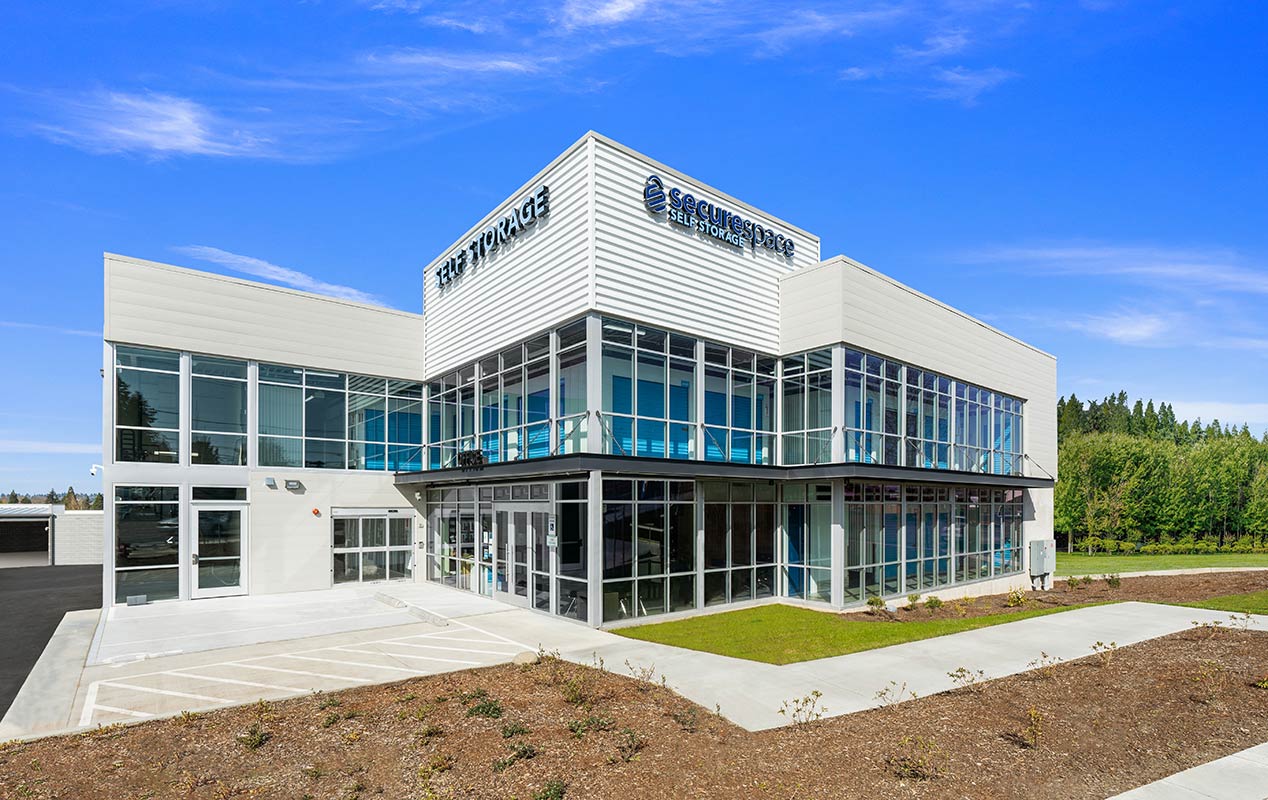
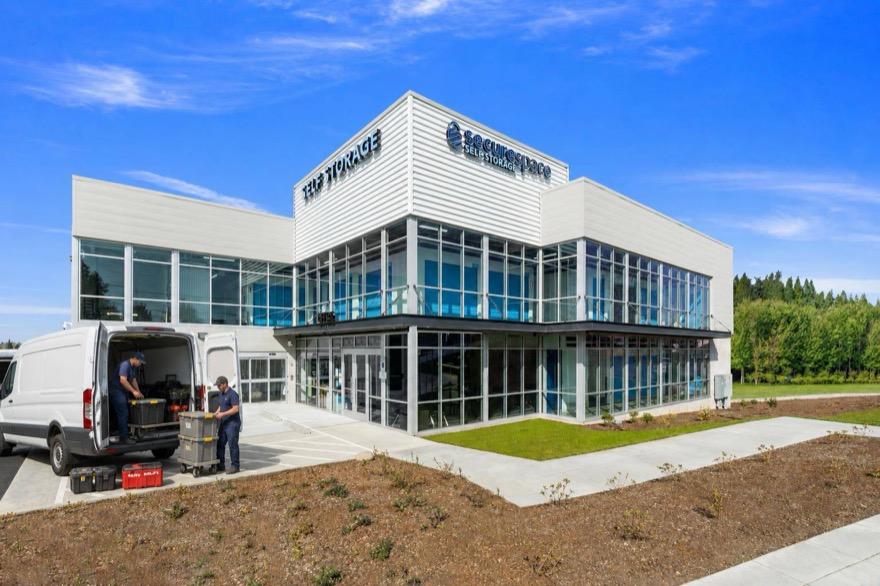
At SecureSpace Self Storage NE Portland, the facility supports contractor storage needs with a covered loading area, elevator access, extra-large elevators for upper-floor access, carts and dollies, semi-truck accessibility, and moving pods. That setup can be useful when you're moving tools, boxed supplies, fixtures, materials, and equipment that fit inside a rented unit.
Rather than treating storage as a catchall, organize your unit around daily workflow. Keep frequently used tools near the front, label bins by trade or project type, and group materials by job stage. For example, a remodeler might separate rough-in supplies, finish materials, hardware, and protective equipment so the morning load-out is faster and less chaotic.
For contractors, storage security is about reducing everyday risk and keeping tools easier to track. A storage facility cannot guarantee protection from every issue, but it can provide a more organized place to keep tools and materials than a parked work truck or scattered job-site setup.
SecureSpace Self Storage NE Portland includes digital video recording, overnight surveillance, and logged access. Contractors should still use practical safeguards: keep a detailed tool inventory, photograph higher-value items, use sturdy locks, avoid leaving high-value tools visible in vehicles, and review coverage options so you understand what is and is not protected under your policy or rental agreement.
The best contractor storage strategy depends on your trade, vehicle setup, and project schedule. A storage unit works best for items that need to stay organized and accessible but do not need to ride in the work truck every day.
Plumbers may use storage for fittings, pipe, boxed fixtures, drain equipment, and seasonal parts. Electricians may store conduit, reels, panels, boxed materials, ladders, and organized bins of job-specific hardware. HVAC technicians may need room for filters, boxed components, sheet metal supplies, and diagnostic tools. Carpenters and remodelers may store saws, trim, hardware, protective coverings, and materials staged for upcoming projects.
For larger or unusually shaped items, measure before choosing a unit. Focus on the usable floor plan, shelving needs, aisle space inside the unit, and whether your crew needs to reach certain items quickly. SecureSpace Self Storage Northeast Portland offers unit sizes including 5x5, 5x10, 10x10, 10x15, 10x20, and 10x25, giving contractors options for anything from compact tool storage to larger material organization.
No. SecureSpace Self Storage NE Portland does not offer drive-up units. Contractors should plan around the facility's covered loading area, elevator access, extra-large elevators, carts and dollies, semi-truck accessibility, and moving pods.
Delivery acceptance is not something to assume for this facility. If your supplier or freight carrier needs to deliver materials, contact the facility before scheduling the delivery and confirm what is allowed. Many contractors find it easiest to receive materials at a job site or supplier location, then bring stored items to the facility during the daily access window.
Heated storage can help reduce exposure to cold conditions compared with unheated spaces. For tools and materials, the best approach is to store items clean and dry, use sealed bins where appropriate, and keep moisture-sensitive tools off the floor when possible.
SecureSpace Self Storage NE Portland includes digital video recording, overnight surveillance, and logged access. For high-value contractor tools, it is still smart to keep an inventory, use a quality lock, review coverage requirements, and avoid storing prohibited or unsafe materials.
SecureSpace Self Storage NE Portland offers daily access from 6:00 AM to 10:00 PM. Contractors planning early load-outs should organize frequently used tools near the front of the unit and stage materials the night before when possible.
Running a successful contracting business in Portland requires organized logistics and smart asset planning. Weather, tight job sites, and limited workspace can slow down a crew, but a well-planned storage setup can make daily operations more manageable.
Ready to streamline your morning load-outs and keep tools and materials organized? Find your ideal contractor storage unit at SecureSpace Portland today.
For trade teams planning storage near Columbia Boulevard, explore contractor storage in Northeast Portland, OR.
Everything you need to store your belongings securely, on your schedule.
Visit us online