Last updated Jun 23, 2026
Running a business in Portland, Oregon, presents a unique set of challenges. Between managing daily operations, navigating recordkeeping requirements, and keeping overhead costs low, business owners have a lot on their plates. One area that often gets overlooked is how an organization manages its physical records. Yet, the management, preservation, and retrieval of physical records can play an important role in office organization and risk management.
Keeping boxes of tax returns, legal contracts, and business files stacked in the back of your office is not always a practical strategy. Commercial real estate can be expensive, and office space is usually better used for desks, client meetings, collaboration, or daily operations. Portland's damp climate also makes it important to store paper records thoughtfully, especially if boxes are currently sitting in a basement, garage, or crowded supply closet.
This guide explains why local professionals move inactive records offsite, how Portland's weather can affect paper, and what to consider before choosing storage for business documents. You'll also find practical strategies for organizing records while keeping your office more efficient.
You might wonder why a modern office still deals with physical paper at all. While many companies have transitioned to digital workflows, specific industries still generate and retain physical documentation. Law firms, medical clinics, accounting offices, creative agencies, contractors, nonprofits, and small businesses may all need to store files that are not used every day but still need to remain accessible.
Offsite storage can help separate active files from archived records. Instead of letting older boxes crowd hallways, closets, or work areas, a dedicated storage unit gives businesses a place to organize inactive files while keeping office space focused on current work.
The cost of maintaining a physical footprint in prime Portland submarkets can make onsite storage of inactive files inefficient. When a downtown law firm or a Pearl District creative agency pays upwards of twenty-seven dollars per square foot, utilizing that premium space to house archived tax records constitutes a massive capital inefficiency.
Moving documents to an offsite storage unit can help reclaim premium real estate. Instead of using office space for stacked boxes or filing cabinets, businesses can make room for workstations, meeting areas, supply organization, or collaborative environments. For teams trying to avoid expanding or relocating, optimizing the space they already have can be a practical first step.
For legal, financial, healthcare, and professional service businesses, records management often depends on retention schedules, industry rules, internal policies, and legal obligations. Storage can help with organization, but it does not replace professional compliance guidance.
The Oregon State Bar Professional Liability Fund provides guidance for legal document retention. They advise attorneys to store client records for a minimum of ten years from the date they cease working on a specific matter. For original documents, attorneys should review current Oregon guidance and their own professional obligations before deciding what to keep, digitize, return, or destroy.
Healthcare providers, financial firms, and other regulated businesses should also follow applicable privacy, retention, and document-handling requirements. If your records include sensitive client, patient, employee, or financial information, use secure internal procedures, limit access, and consult qualified compliance guidance before storing or disposing of documents.
Portland's wet climate can create challenges for paper records, especially when boxes are stored in damp garages, basements, or poorly ventilated back rooms. Paper can absorb moisture from the surrounding environment, and cardboard boxes can weaken when exposed to damp conditions over time.
For business records, the goal is to reduce avoidable exposure. Store documents in clean, dry containers, avoid placing boxes directly on concrete, and keep files organized so they are not repeatedly opened, shifted, or crushed. If you're storing important records, use sturdy boxes or plastic bins, label them clearly, and keep a simple index of what each container holds.
Paper records do not need exaggerated "museum-quality" claims to benefit from better storage habits. For many businesses, the practical goal is simpler: keep boxes clean, dry, organized, and away from crowded office areas.
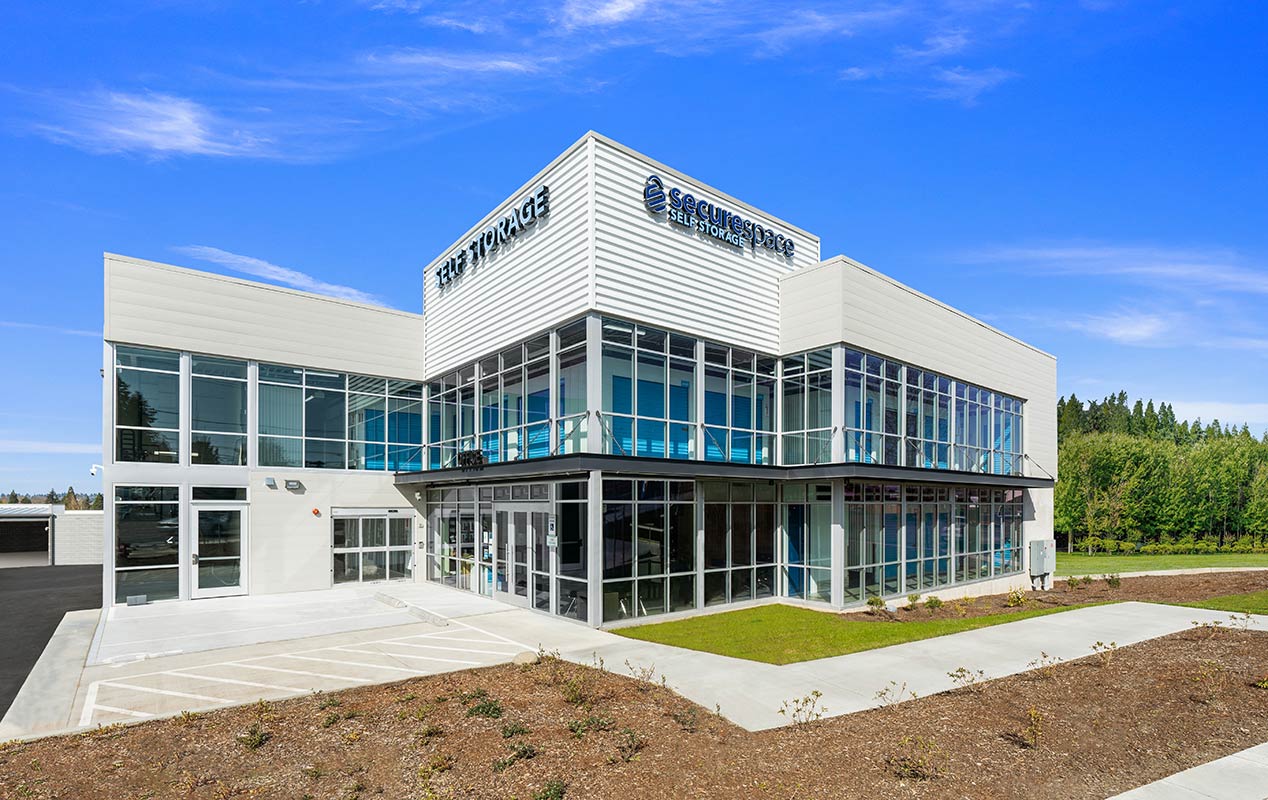
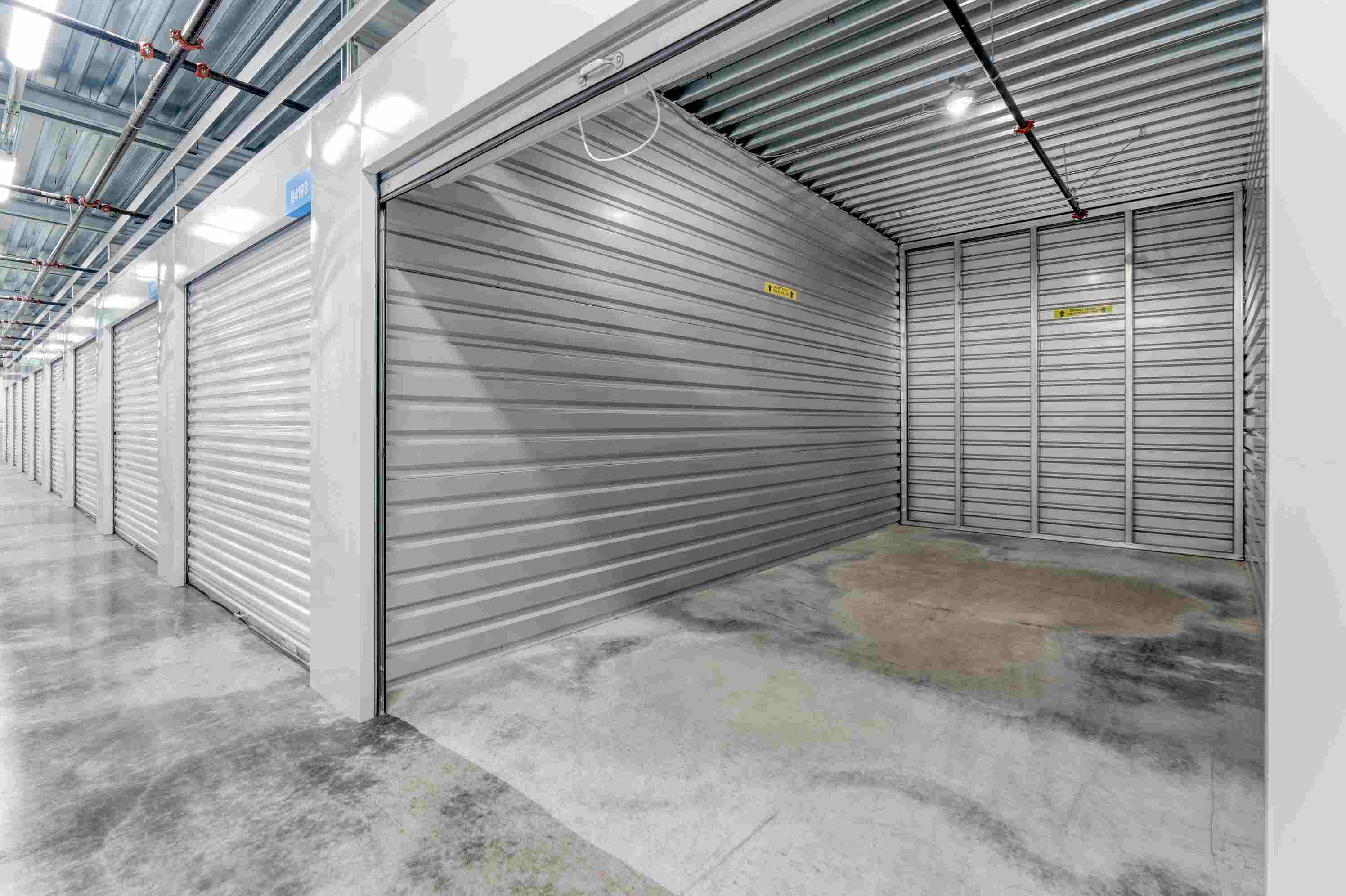
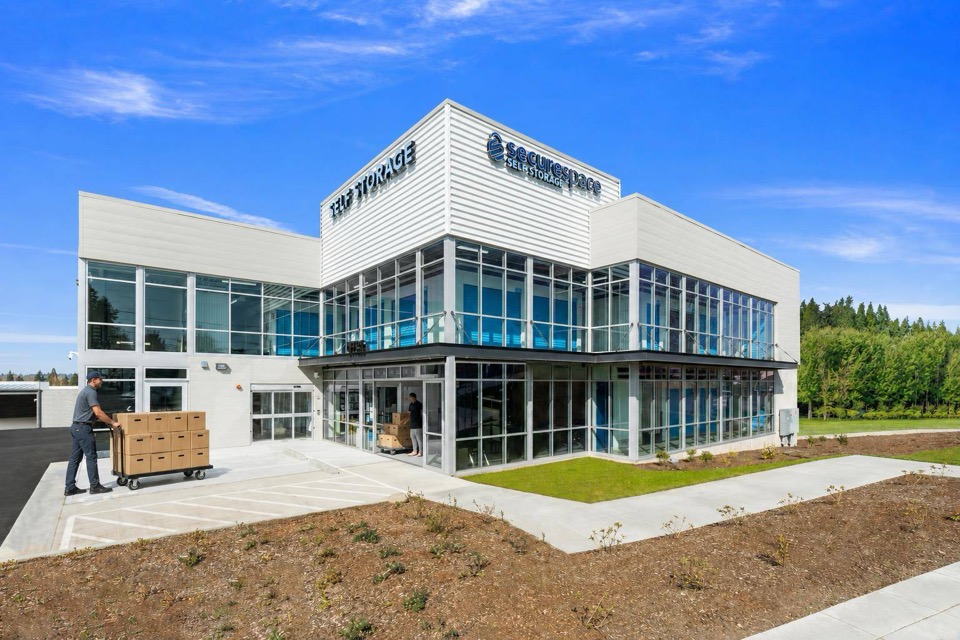
SecureSpace Self Storage NE Portland offers heated indoor storage, which can help reduce exposure to cold conditions compared with unheated storage spaces. Heated storage does not guarantee preservation or humidity control, so businesses should still pack records carefully. Use sealed containers where appropriate, avoid storing damp boxes, and keep important files grouped by retention period, department, client, or project.
Choosing storage for business records involves more than finding an empty room. You need to think about what is being stored, who should access it, how long it needs to be kept, and how quickly the business may need to retrieve it.
General storage features should not be treated as legal or medical compliance by themselves. If your business handles legal files, patient information, tax records, employee documents, or financial paperwork, your internal policies matter. Limit who can access boxes, avoid mixing sensitive files with general supplies, and use clear labeling that helps your team find records without exposing private details.
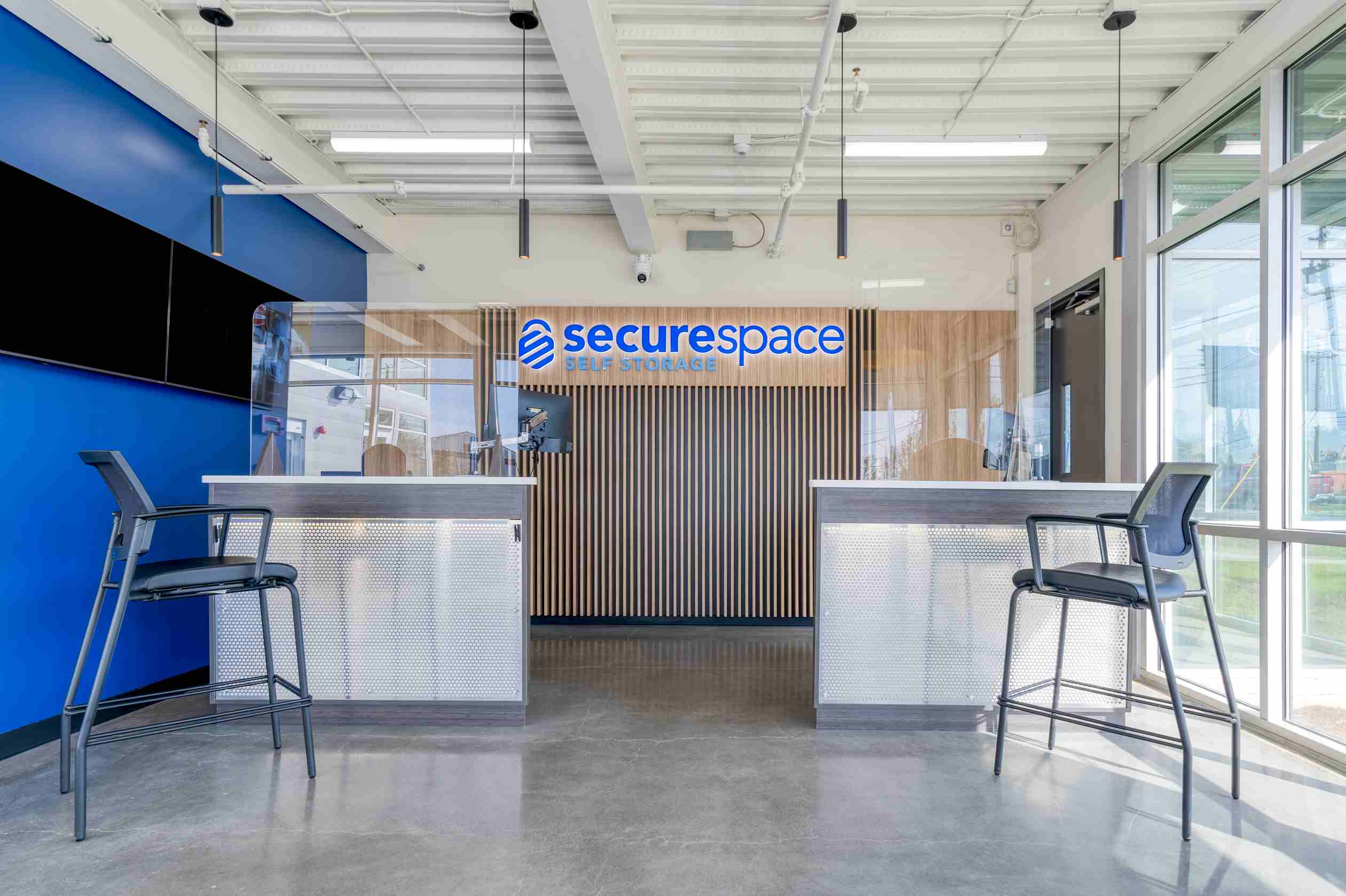
SecureSpace Self Storage NE Portland includes digital video recording, overnight surveillance, and logged access. These features can support a more organized storage plan, but businesses should still use their own safeguards, including internal access controls, retention schedules, document inventories, and secure disposal procedures.
Older offices, basements, and back rooms may be vulnerable to leaks, dampness, poor airflow, or clutter. Storing archived records offsite can help move boxes out of those problem areas, but the way you pack still matters.
Use sturdy containers that stack safely. Keep boxes off the floor when possible. Do not pack paper with damp materials, food, chemicals, or anything that could stain or damage records. If certain documents are irreplaceable, consider making digital backups and keeping originals in appropriate protective sleeves or containers.
Storage works best when retrieval is simple. Portland traffic can make last-minute errands harder, especially when offices, job sites, suppliers, and storage locations are spread across the city. Portland drivers lose an average of fifty-one hours annually simply idling in traffic, costing the average driver over one thousand three hundred dollars.
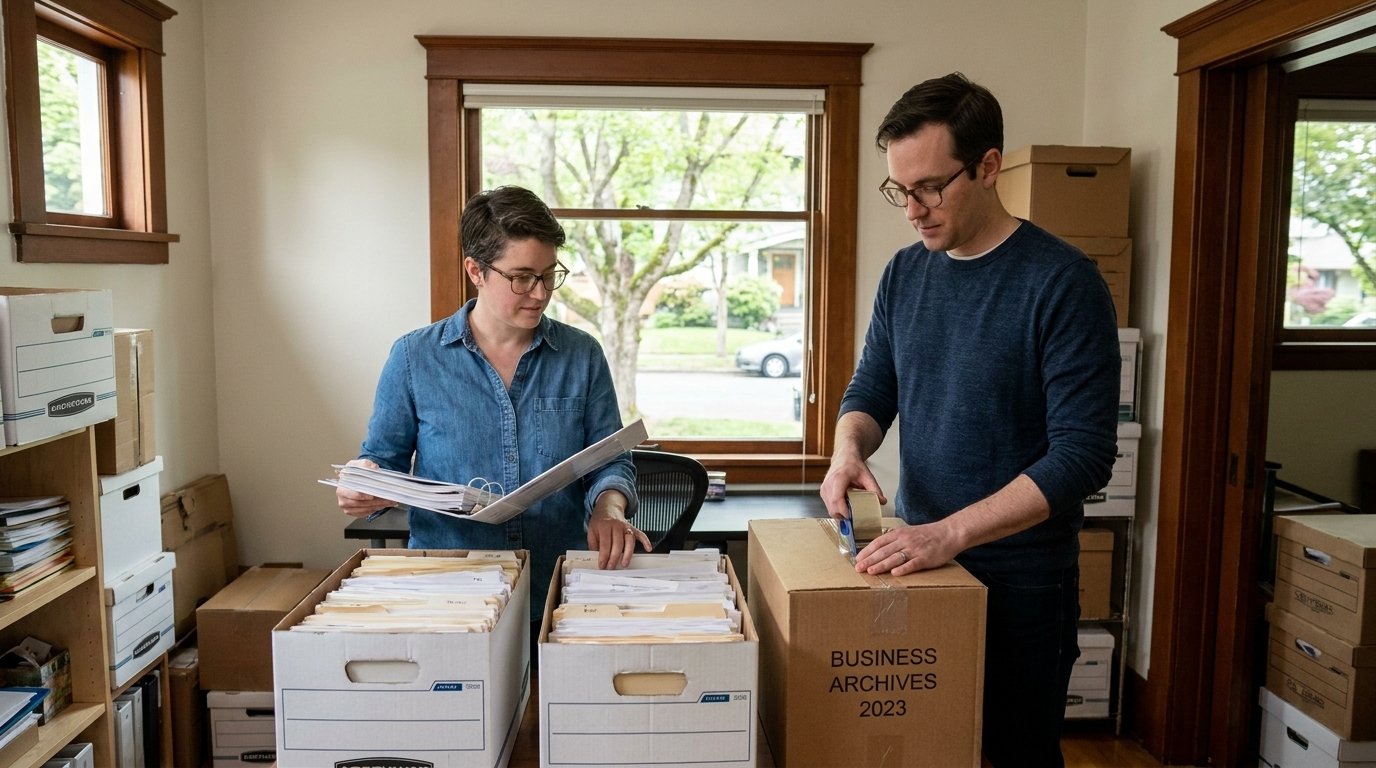
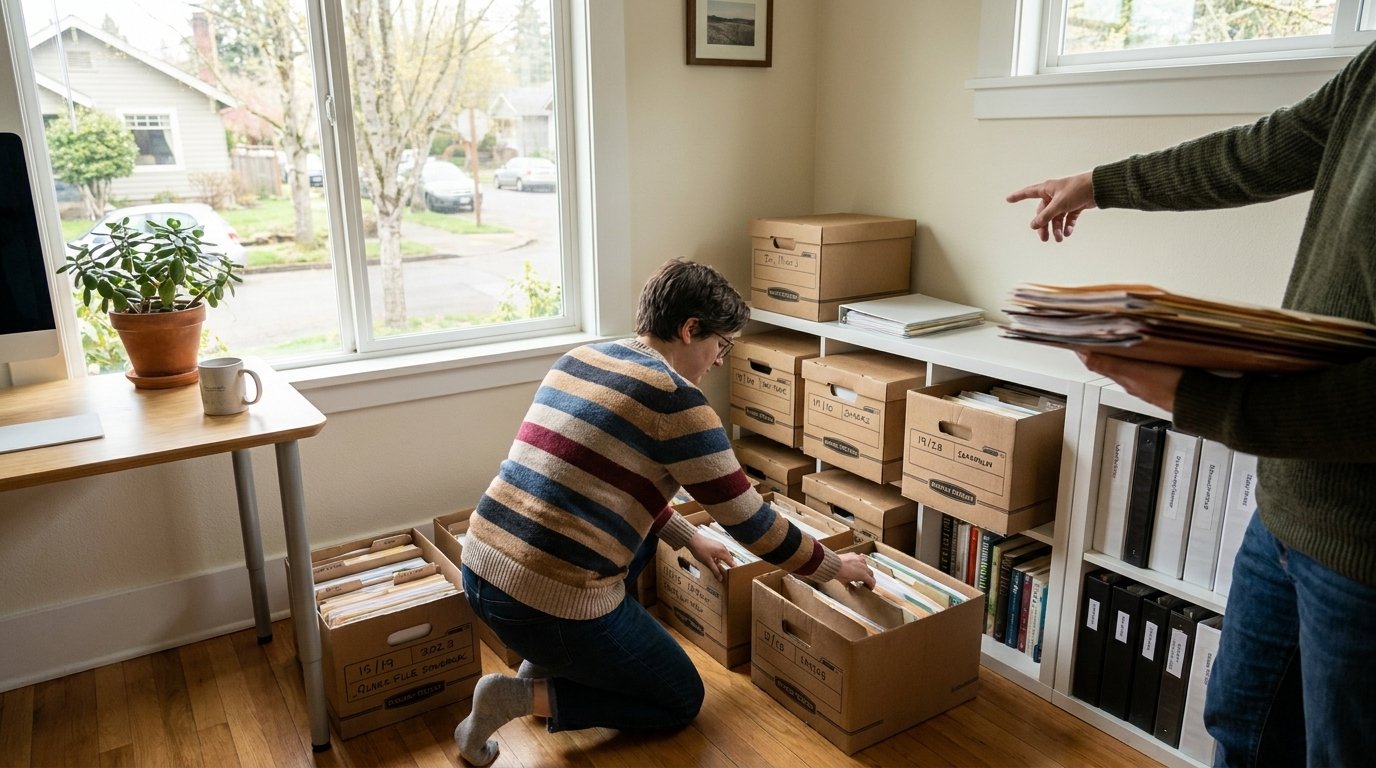
For businesses using document storage, the best way to reduce unnecessary trips is to organize before the boxes leave the office. Label each box with a clear category and date range. Create a digital index that lists the box number, contents, retention period, and storage location inside the unit. Keep frequently needed records near the front and long-term archives farther back.
SecureSpace Self Storage NE Portland offers daily access from 6:00 AM to 10:00 PM, which can help businesses plan file retrieval around work schedules. If your team needs records regularly, choose a unit layout with enough aisle space to reach boxes without unpacking the entire unit.
A major motivation for offsite storage is the broader move toward cleaner, more flexible office layouts. Even businesses that still rely on physical files often want fewer cabinets, fewer stacked boxes, and less clutter in shared work areas.
Moving inactive records offsite can help create a more organized workplace. It can also make hybrid work easier by separating current files from long-term archives. Your team gets a cleaner office, and your business gets a clearer system for storing documents that still need to be retained.
The cost of document storage depends on the unit size, current availability, rental terms, and the amount of space your boxes require. For small archives, a 5x5 or 5x10 unit may be enough. Larger records collections may need a 10x10 or larger unit, especially if you want shelving or aisle space for easier retrieval.
The Oregon State Bar Professional Liability Fund generally recommends storing inactive client files for a minimum of ten years after work on a matter ends. Original client documents may require different handling, so law firms should follow current Oregon guidance, professional obligations, and their own document-retention policies.
Indoor heated storage can help reduce exposure to cold conditions, but no storage unit should be described as guaranteeing protection from every weather-related risk. Businesses should pack records in sturdy containers, keep boxes dry before storing them, avoid placing sensitive files directly on the floor, and plan ahead if severe weather may make travel difficult.
Heated storage may be useful because it can reduce exposure to cold conditions compared with unheated spaces. For paper records, careful packing is still important. Use clean, dry boxes or bins, label everything clearly, and avoid storing documents with damp items or materials that could leak, stain, or transfer odors.
Law firms, healthcare offices, accounting firms, creative agencies, contractors, nonprofits, and small businesses may benefit from document storage if they need to keep records but want to reclaim office space. A storage unit can also help teams organize archived files separately from active work materials.
Transferring inactive files out of expensive office space can be a practical move for growing businesses in Portland. By choosing a thoughtful storage setup, you can reduce clutter, organize archived records, and keep important files easier to locate when needed.
SecureSpace Self Storage NE Portland offers heated indoor storage, month-to-month leases, online payments, ACH and credit card payment plans, and unit sizes including 5x5, 5x10, 10x10, 10x15, 10x20, and 10x25. Choose the space that fits your records, shelving, and retrieval needs.
Take control of your office space and organize your business documents with a storage plan that works for your team.
View available options for document storage in NE Portland, OR.
Everything you need to store your belongings securely, on your schedule.
Visit us online