Last updated Aug 12, 2026
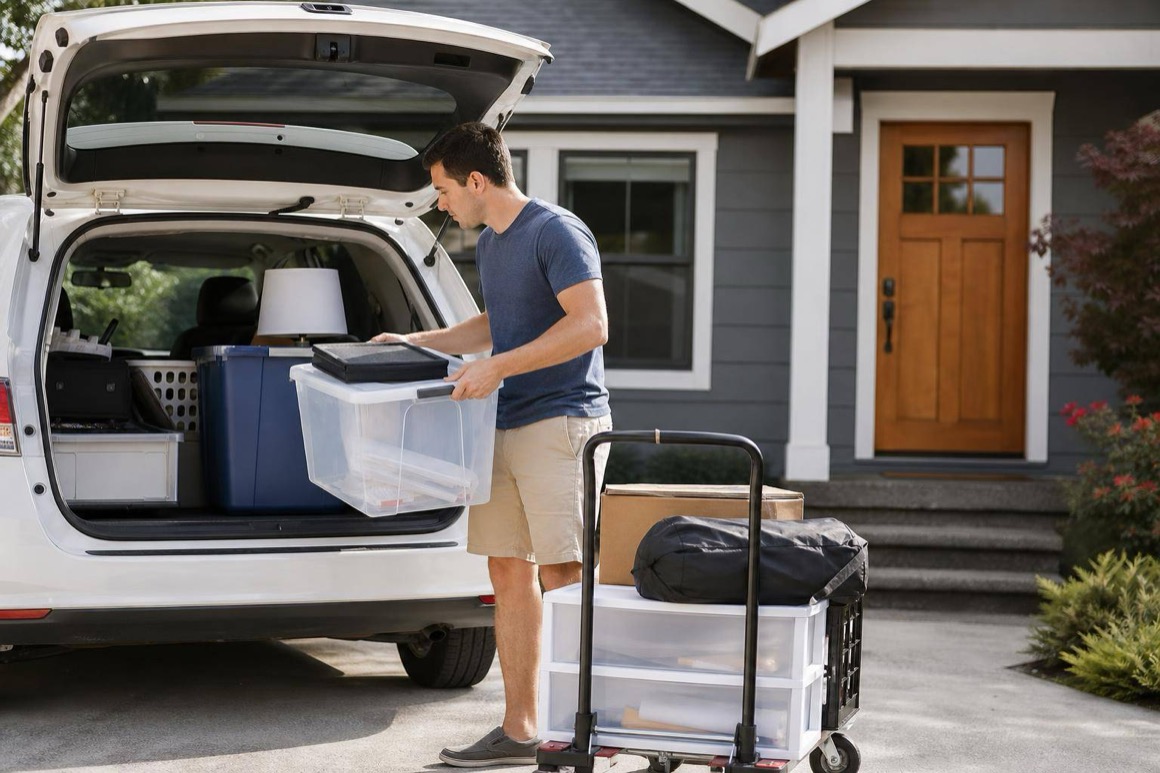
Moving out of a dorm or student apartment can involve more than a few boxes. Between finals, travel plans, summer jobs, internships, and housing deadlines, students often need a simple place to keep belongings until the next term or lease begins.
Dorm room storage can help Tacoma students store bedding, books, compact furniture, seasonal clothing, small appliances, and boxes without hauling everything home and back again. The right storage option depends on how much you need to store, how long you need the space, and which facility location works best for your route.
This guide explains how students can plan for storage near Tacoma colleges, compare unit sizes, prepare belongings for local weather, and choose a storage option that fits a short-term transition.
Students may need storage during summer break, study abroad, internships, apartment changes, or gaps between housing dates. A storage unit can help when campus housing closes, roommates move at different times, or an off-campus lease does not line up neatly with the academic calendar.
For many students, the goal is not to store an entire apartment. It is to keep dorm-room essentials, boxes, bedding, small furniture, and school supplies nearby instead of paying to ship them or move them long distance.
Local storage can be especially useful for out-of-state students, international students, students with limited car space, or students who are moving from a dorm into off-campus housing later in the year.
Tacoma has several colleges and universities with different academic calendars, housing policies, and move-out timing. Students should check their own school's housing deadlines before renting storage or making travel plans.
For University of Puget Sound students, spring move-out may come earlier than schools on quarter systems. Pacific Lutheran University students should also plan around residence hall closing dates and travel needs. According to PLU demographic data, roughly 22.5 percent of undergraduates come from outside Washington State, which can make summer storage helpful for students who are not driving belongings home.
University of Washington Tacoma students may have a different timeline because UWT follows the University of Washington academic calendar. UWT enrollment includes many urban residents and students navigating housing around the downtown campus, including Court 17 and nearby off-campus options.
The safest approach is to confirm move-out dates early, estimate what needs to be stored, and compare storage availability before finals week. Waiting until the last few days can limit unit sizes and location options.

Most dorm-room storage needs are compact, but the right size depends on furniture, box count, and how much you plan to store.
A 5x5 unit may work for:
Boxes and bins
Bedding and linens
Books and school supplies
Seasonal clothing
Small dorm items
A mini-fridge or microwave, if allowed and properly prepared
Compact décor or small furniture
A 5x10 unit may be better for:
A mattress set
A small futon or loveseat
A dresser, desk chair, or small desk
More boxes or bins
Shared storage between roommates
Items from a dorm room plus selected apartment belongings
A 10x10 may be worth comparing if multiple roommates are sharing one unit or if you are storing furniture from an apartment. Fit depends on item dimensions, packing style, and whether you need space to access items during storage.
Packing well can make a short-term storage unit much easier to use. Start by separating items you will need during the summer from items that can stay packed until the next term.
Helpful student storage tips include:
Use sturdy boxes or bins.
Label boxes by category.
Keep daily essentials, IDs, medications, chargers, and travel documents separate.
Clean and dry items before storing them.
Empty, defrost, and dry mini-fridges before storage if allowed.
Do not store food, trash, damp laundry, or prohibited items.
Keep books and documents in sturdy containers.
Place heavier boxes on the bottom and lighter boxes on top.
Share an inventory with roommates if multiple people use one unit.
If parents or roommates will help with move-out, agree on what goes into storage before loading day. That can prevent confusion and extra trips.
Tacoma's cool, wet seasons make storage preparation important. Heated storage may be useful for belongings students prefer not to keep in a cold space, where available.
Heated storage is not the same as climate-controlled or humidity-controlled storage. It should not be described as guaranteed protection from moisture, mold, mildew, condensation, rust, warping, or damage.
Students storing bedding, books, electronics, photos, clothing, or compact furniture should pack carefully. Store items clean and dry, avoid sealing damp items inside plastic, and use sturdy boxes or bins. For especially sensitive items, consider whether a standard storage unit is appropriate before renting.
Students and parents should review each facility's current access and security-related features before renting. Features can vary by location and may include access gates, digital video recording, logged access, surveillance-related systems, or other controls.
It is also worth checking access hours, office hours, payment options, parking, loading details, carts or dollies, and whether the facility offers month-to-month leasing.
If a parent will help manage the rental from out of state, confirm payment options and account access before move-in. SecureSpace offers online payments, which can be helpful for students and families coordinating storage from different places.
Storage costs can vary by unit size, location, availability, unit type, and current promotions. Before renting, review the full move-in cost, not just the monthly rate.
Compare:
Current monthly rate
Move-in promotion terms
Required coverage or insurance
Administrative fees
Lock requirements
Month-to-month lease terms
Payment options
Move-out notice requirements
Students can often keep costs lower by choosing the smallest unit that realistically fits their items, sharing a larger unit with roommates when appropriate, and avoiding extra space they do not need.
Ask whether any current discounts or promotions are available, but do not assume they apply unless the facility confirms them.
Before finals week gets busy, use a simple checklist:
Confirm campus move-out deadlines.
Decide what goes home, what gets donated, and what goes into storage.
Compare 5x5, 5x10, and larger options if sharing with roommates.
Gather boxes, tape, labels, and moving supplies.
Clean and dry mini-fridges, small appliances, and bedding.
Keep essentials separate.
Review facility rules and restricted items.
Confirm payment options and move-out notice requirements.
Store items with labels facing outward.
Planning early can make the move-out process easier to manage and reduce last-minute decisions.
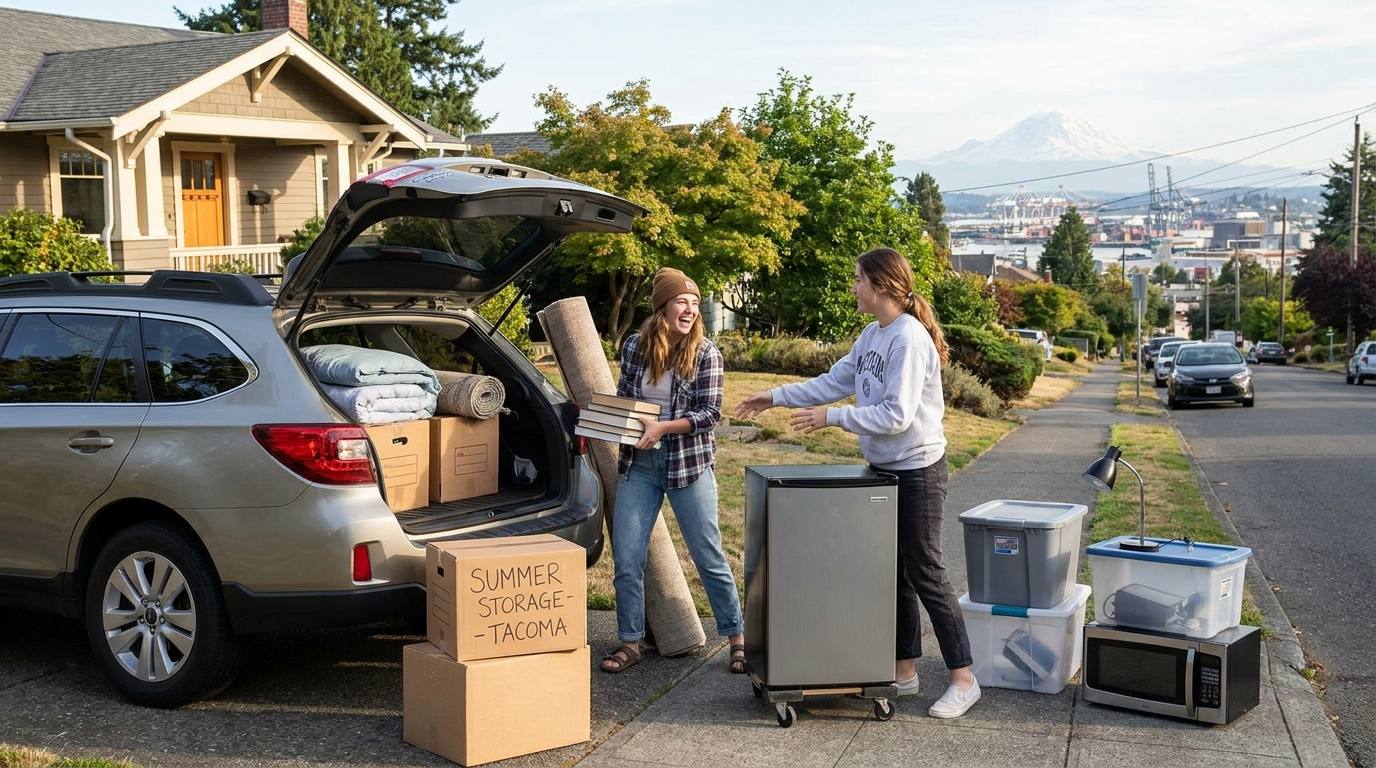
Dorm room storage can help students manage summer break, housing gaps, study abroad, internships, and off-campus moves. The best option depends on campus location, item count, rental timeline, and current unit availability.
Before move-out day gets crowded, compare dorm room storage in Tacoma, WA and find a SecureSpace option that fits your school-year plans.
A 5x5 unit may work for boxes, bedding, books, clothing, and small dorm items. A 5x10 may be better if you need to store a mattress, small futon, desk chair, dresser, or shared roommate items. Fit depends on item dimensions and packing style.
Heated storage may be useful for belongings students prefer not to keep in a cold space, where available. It is not the same as climate-controlled or humidity-controlled storage, so students should pack sensitive items carefully and store belongings clean and dry.
SecureSpace offers month-to-month leases, which can be helpful for summer break, study abroad, internships, or gaps between housing dates. Review the rental terms for the specific facility before move-in.
The best location depends on your campus, housing, commute, and travel route. Compare current availability, access details, unit types, and rental terms before choosing a facility.
SecureSpace offers online payments, which can help students and parents manage a storage account from different locations. Check the specific facility and rental terms before move-in.
Everything you need to store your belongings securely, on your schedule.
Visit us online