Last updated Aug 12, 2026
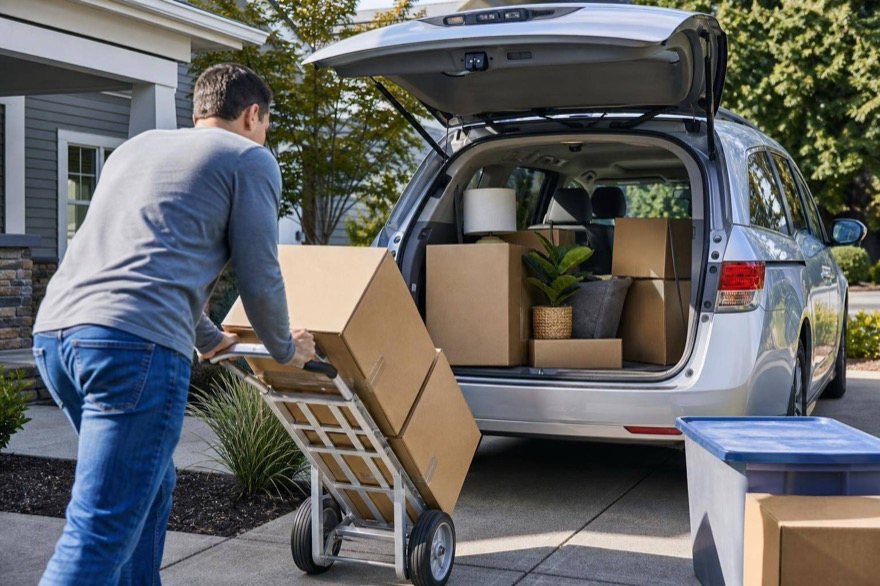
Large storage units can help when a smaller space is not enough for a move, renovation, military transition, business overflow, or bulky household items. In Tacoma, larger units such as 10x20, 10x25, and 10x30 spaces may be useful when you need room for furniture, boxes, tools, seasonal gear, or approved vehicle-related storage.
The right large unit depends on what you are storing, how often you need access, whether items are sensitive, and which facility features are available at the location you choose. It is also important to compare the full rental cost, not just the advertised monthly rate.
This guide explains how large storage units work, what may fit, how Tacoma weather affects storage preparation, and what to compare before renting.
A large storage unit usually means a 10x20 unit or larger. These units offer more floor space for bigger moves, bulky furniture, business supplies, or mixed household storage.
Common large unit sizes include:
10x20 storage units: These may work for furniture, boxes, appliances, or belongings from a multi-room move, depending on item size and packing style.
10x25 storage units: These can offer extra room for larger furniture, tools, equipment, or approved vehicle-related storage, depending on dimensions and facility rules.
10x30 storage units: These are among the largest common self-storage sizes and may be useful for larger household moves, business overflow, bulky gear, or temporary storage during a major transition.
Fit is never exact. Large furniture, box count, appliances, outdoor gear, vehicle dimensions, door clearance, and the need for a walkway can all change how much space you need.
Large storage units may fit more than a smaller unit, but the amount depends on how items are packed and how much access space you need.
A large unit may be useful for:
Furniture from multiple rooms
Sofas, dining sets, mattresses, and bedroom furniture
Appliances, if allowed and properly prepared
Boxes, bins, and household overflow
Seasonal décor and recreational gear
Tools or equipment that meet facility rules
Approved business supplies or inventory
Vehicle-related storage, depending on size, availability, documentation, and facility rules
Avoid assuming that every large unit will fit an entire home, vehicle, boat, RV, or business setup. If you are storing oversized items, confirm the exact unit dimensions, door clearance, loading path, and facility rules before renting.
Tacoma renters may choose a storage facility based on neighborhood, commute, access needs, parking options, unit availability, or proximity to a move. SecureSpace has several Tacoma-area locations to compare:
SecureSpace University Place may be useful for renters near University Place, Fircrest, West Tacoma, or nearby neighborhoods.
SecureSpace Tacoma - South Tacoma Way can be a practical option for customers comparing storage near central Tacoma routes, South Tacoma Way, or I-5 access.
SecureSpace Parkland Tacoma may work for customers looking around Parkland, PLU, Spanaway, or the South Tacoma area.
Features, unit types, access details, parking options, and pricing can vary by location. Review each facility page for current large-unit availability, rental terms, access hours, and location-specific features before choosing a space.

Large units are often useful during major household transitions. If you are moving, staging a home, remodeling, downsizing, or combining households, a large storage unit can give you room to organize furniture and boxes away from the home.
A 10x20 or larger unit may be helpful when you have multiple rooms of belongings, larger furniture, or items you need to keep together during a transition. If you plan to visit the unit often, leave a center aisle and place frequently used items near the front.
For home projects, storage can also help keep furniture, seasonal gear, and household overflow out of the way while work is being completed. Before renting, compare unit sizes carefully so you do not pay for more space than you need.
Military households around Tacoma may need storage during PCS moves, deployments, temporary duty assignments, or housing transitions. Larger units may be useful when a household needs short-term space for furniture, boxes, or approved equipment while housing timelines are in progress.
Vehicle and RV storage can require extra planning. On top of that, the base has limited room for recreational vehicles-a recent Army environmental assessment noted a waitlist of more than 180 cardholders for on-base RV storage, and base rules prevent storing RVs at residential housing.
If you are comparing storage for a vehicle, boat, trailer, or RV, confirm the item's full dimensions, required documentation, parking or unit availability, access path, and facility rules before renting. Enclosed unit fit is not automatic, and some items may require outdoor parking or another storage option.
Businesses may use large storage units for approved overflow items such as boxed inventory, office furniture, records, tools, event materials, displays, or seasonal supplies. This can help when a business needs extra room but does not want to move into a larger office, storefront, or warehouse.
Before renting, confirm the facility's business-use rules. Storage units are generally intended for storage, not active retail, manufacturing, customer visits, or daily fulfillment operations.
If you need package acceptance, freight access, pallet handling, frequent pickups, or commercial vehicle accommodation, ask the facility directly. Those services and access details vary by location and may not be available.
Tacoma's cool, wet seasons make storage preparation important. Heated storage may be useful for belongings customers prefer not to keep in a cold space, where available.
Heated storage is not the same as climate-controlled or humidity-controlled storage. It should not be described as guaranteed protection from moisture, mold, mildew, condensation, warping, corrosion, rust, or damage.
If you are storing furniture, mattresses, electronics, books, documents, textiles, business supplies, or sentimental items, pack carefully. Store belongings clean and dry, use sturdy boxes or bins, and avoid sealing damp items inside plastic. For especially sensitive items, consider whether a standard storage unit is appropriate before renting.
Large storage unit prices can vary by facility, location, unit size, unit type, access details, availability, and current promotions. Because rates can change, compare current online pricing rather than relying on a fixed average.
Before renting, review the full move-in cost, including:
Monthly rent
Required coverage or insurance
Administrative fees
Lock requirements
Move-in promotion terms
Payment options
Renewal terms
Move-out notice requirements
A lower monthly rate may not be the best value if the facility is far from your route, difficult to load, or missing the access type you need. A slightly higher rate may make sense if the location, unit size, and rental terms are a better match.
Large storage often means larger loads. Before choosing a unit, confirm how you will move items from the vehicle to the space.
Compare:
Drive-up availability
Indoor or elevator-access options
Door clearance
Parking and loading areas
Carts or dollies, where available
Access hours
Turning space and loading path
Facility rules for vehicles and equipment
Do not assume every facility can accommodate large trucks, trailers, or oversized items. If you are using a moving truck, ask the facility about loading access before move-in.
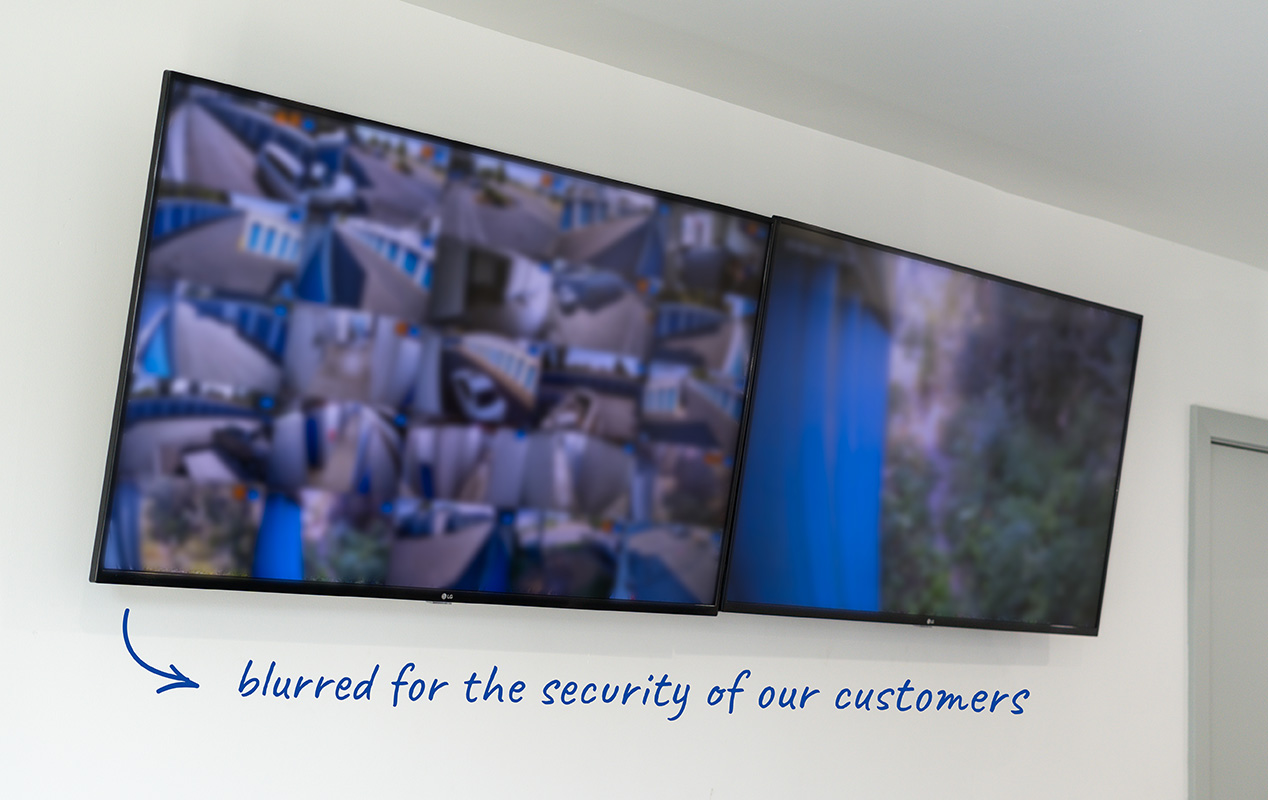
Security-related features vary by facility. Depending on the location, features may include access gates, digital video recording, logged access, surveillance-related systems, or other controls.
Review the specific facility page before renting. Avoid assuming every location has the same access systems, alarms, lighting, monitoring, or security features.
If you are storing high-value belongings, business items, or vehicle-related items, consider how you will secure and organize the contents of the unit as well. Use sturdy locks if required, keep an inventory, and avoid storing prohibited or irreplaceable items without checking the rental agreement.
To choose the right large unit, start with your inventory. Think about the number of rooms, furniture size, box count, bulky items, and whether you need space to walk inside the unit.
Then compare:
Unit size and dimensions
Current availability
Monthly rate and move-in terms
Access type
Loading path
Parking options
Heated, drive-up, indoor, or elevator-access availability
Security-related features
Facility rules and restricted items
Month-to-month lease terms
If you are between sizes, think about access. A larger unit may be easier to use if you need a walkway, frequent visits, or room to sort items. A smaller unit may be more affordable if everything can be packed tightly and you do not need regular access.
Packing a large unit well can make the space easier to use. Before unloading, decide where bulky furniture, boxes, and frequently used items should go.
Useful tips include:
Place heavy, sturdy items on the bottom.
Keep labels facing outward.
Disassemble large furniture when possible.
Store hardware in labeled bags.
Leave an aisle if you plan to visit often.
Keep frequently used items near the front.
Group similar items together.
Avoid storing damp items.
Confirm restricted items before move-in.
For business items, keep a simple inventory. For household moves, label boxes by room and priority so unpacking is easier later.

Large storage units can help with moves, renovations, household overflow, military transitions, business storage, seasonal gear, or vehicle-related planning. The best option depends on your items, route, timeline, access needs, and facility rules.
Before renting, compare current rates, unit types, access details, parking options, and location-specific features. For larger loads or bulky items, explore large storage units in Tacoma, WA and check current SecureSpace availability by location.
A 10x20 unit may fit furniture, boxes, appliances, or belongings from a multi-room move, depending on furniture size, packing style, and access needs. If you need a walkway or have oversized items, you may need a larger unit.
Large storage units may be useful for military households managing PCS moves, deployments, or temporary housing gaps. Compare location, lease terms, access hours, unit availability, and facility rules before renting.
Heated storage may be useful for belongings you prefer not to keep in a cold space, where available. It is not the same as climate-controlled or humidity-controlled storage, so pack sensitive items carefully and store belongings clean and dry.
It depends on the item's dimensions, unit or parking availability, documentation, access path, and facility rules. Measure carefully and confirm with the facility before renting.
Prices vary by facility, location, unit size, availability, unit type, and current promotions. Check current online rates and review the full move-in cost before renting.
Everything you need to store your belongings securely, on your schedule.
Visit us online