Last updated Aug 12, 2026

Rialto sits at the heart of Southern California's Inland Empire, a region known for logistics, commuting, housing growth, and access to major Southern California job centers. For many households, the city offers a practical balance of space, location, and everyday convenience.
Moving to Rialto still takes planning. Neighborhoods vary, housing costs can shift quickly, and moving expenses depend on timing, home size, distance, and service level. Storage can also be useful during the transition, especially if your move-in date, lease end, renovation schedule, or downsizing plan does not line up neatly.

This guide breaks down what to know before moving to Rialto, including neighborhoods to consider, common cost factors, moving-planning tips, and how self storage can help you manage the process.
Rialto has several distinct areas, each with its own character. The right fit depends on your commute, budget, household size, school needs, lifestyle, and whether you prefer newer development or an established neighborhood.
Technically straddling the San Bernardino border, Rosena Ranch is one of the most sought-after communities tied to the Rialto market. It is known for planned-community amenities, nearby outdoor recreation, and a neighborhood layout that appeals to many families looking for more residential space.
Before choosing Rosena Ranch, review current home prices, HOA details, commute patterns, and school boundaries. Like many planned communities, it can be attractive for buyers who want neighborhood amenities and a more suburban feel, but costs and availability can vary.
North Rialto's Renaissance area is one of the city's more modern development corridors. The major draw here is walkability to the Renaissance Marketplace, a 407,000-square-foot shopping and dining hub anchored by recognizable names like CAVA, Handel's Ice Cream, Grocery Outlet, and Olive Garden.
This area may appeal to people who want newer housing, retail access, dining options, and easier freeway connections. As with any newer development area, review current pricing, traffic patterns, HOA or community rules, and your daily commute before making a decision.
For those who prefer mature tree-lined streets over freshly poured concrete, El Rancho Verde offers a quieter pace with proximity to the local golf course. Established areas can be appealing for residents who want a more settled neighborhood feel.
The Frisbie Park area may also appeal to active households that want nearby green space and local recreation. If you are comparing neighborhoods, visit at different times of day, check commute routes, and confirm current school boundaries before signing a lease or closing on a home.
Housing is usually the largest cost to plan for when moving to Rialto. Prices and rents change over time, so use current listings, lender estimates, and rental platforms when building your budget.
Rialto has both owner-occupied homes and rental options, with costs varying by neighborhood, home size, age, amenities, and proximity to major routes or retail centers. Newer communities and larger homes may cost more, while older homes or smaller rentals may offer different trade-offs.
If you are renting, compare total monthly costs rather than rent alone. Parking, utilities, internet, renter's insurance, pet fees, deposits, and storage needs can all affect the real monthly budget.
If you are buying, factor in mortgage costs, insurance, property taxes, HOA fees if applicable, maintenance, commute expenses, and move-in repairs or upgrades.
Beyond housing, transportation is a major planning factor in Rialto. Many households rely on cars for commuting, errands, school drop-off, and regional travel. Fuel, insurance, vehicle maintenance, and parking can all affect the cost of living.
Commuters should also review local transit options, including the Rialto Metrolink Station if traveling toward Los Angeles or other regional destinations. Actual commute time can vary significantly based on work location, traffic, and schedule.
Moving costs depend on how much you own, how far you are moving, whether you hire movers, and how much packing or loading you handle yourself. A studio move with minimal furniture can cost far less than a multi-bedroom household move with stairs, bulky furniture, or long carry distances.
Several details can affect your final moving cost:
Home size and total item volume
Distance between locations
Stairs, elevators, or long carries
Whether movers pack boxes for you
Specialty items such as pianos, safes, large appliances, or oversized furniture
Weekend, month-end, or summer moving dates
Whether a large truck can access both addresses
Temporary storage needs between homes
Request written estimates from several movers, ask what fees are included, and build a buffer into your moving budget. Moving costs can change quickly during peak season.
Self storage can be useful when your timeline does not line up perfectly. It can also help if your new home is smaller, you are renovating before unpacking, or you want to stage your move in phases.
Rather than moving everything in one day, some households move non-essential items into storage first. Seasonal gear, extra furniture, boxes of books, décor, records, and hobby equipment can be stored temporarily while you focus on essential furniture and everyday belongings.
This approach may help reduce clutter during the move, make unpacking more manageable, and give you more time to decide what belongs in the new home. Costs vary, so compare the price of storage with your moving timeline and mover estimates.
For families with children, school planning is often a major part of choosing a neighborhood. Before signing a lease or closing on a home, confirm school attendance boundaries directly with the Rialto Unified School District or the relevant school office.
School ratings and rankings can change, and they may not capture everything that matters to your child. Consider academic programs, commute time, extracurriculars, transportation, after-school care, and enrollment deadlines.
If you are moving during the school year, contact the district early to understand required documents, transfer procedures, proof of residency, and registration timelines.
Getting organized before moving day can make the transition easier. Use this checklist as a starting point, then adjust it to your household and timeline.
Confirm your neighborhood, commute route, and school zone before signing a lease or closing.
Build a moving budget that includes movers, packing supplies, deposits, utilities, and storage if needed.
Book movers or a rental truck early, especially for summer, weekends, or month-end dates.
Schedule utility transfers for electricity, water, trash, internet, and gas where applicable.
File a USPS change of address before the move.
Sort items before packing so you do not pay to move belongings you no longer need.
Reserve time for cleaning, repairs, and key handoffs at both addresses.
Review storage options if there is a gap between move-out and move-in or if your new space is smaller.
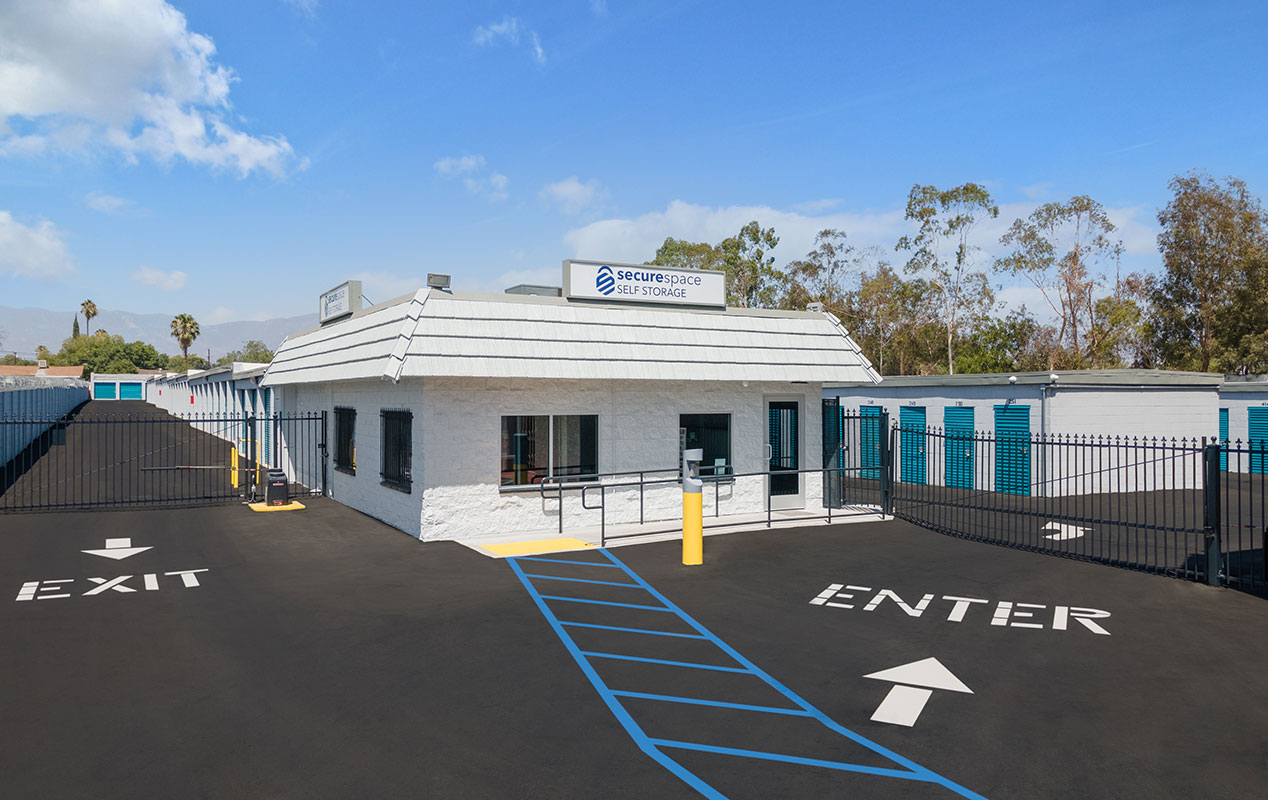
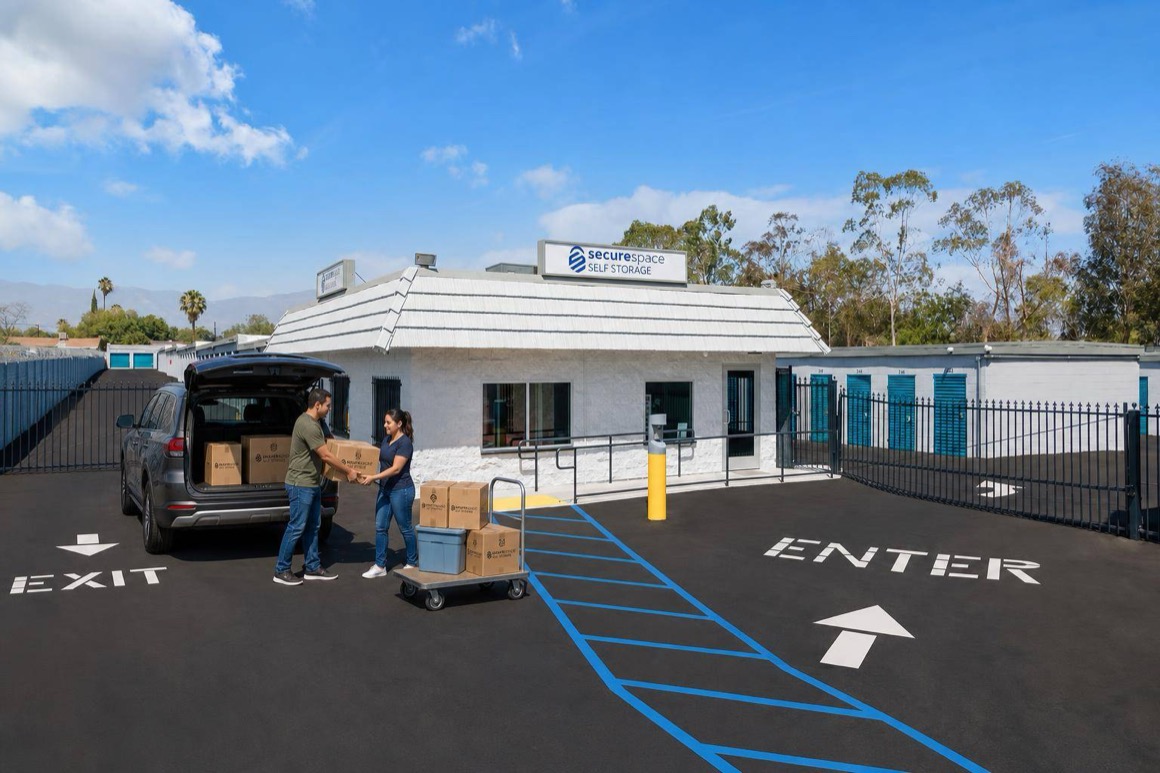
If you need a staging area during your move, SecureSpace Self Storage Rialto is located at 2850 Foothill Blvd, Rialto, CA 92376. The facility offers standard self storage, drive-up units, outdoor parking for eligible vehicles, and month-to-month leases.
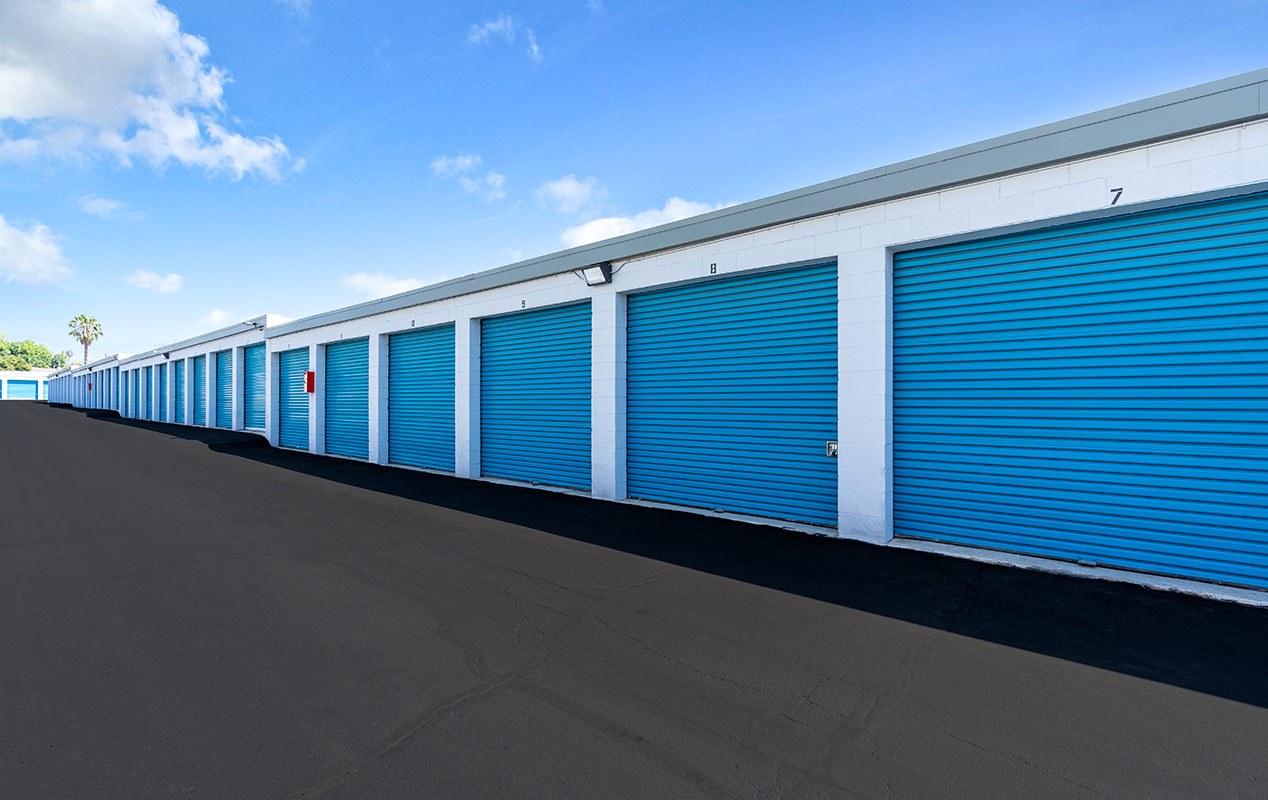
Drive-up units can make loading and unloading more manageable because customers can park near the unit door where space and facility rules allow. SecureSpace Rialto does not offer semi-truck accessibility, loading dock access, moving pods, carts and dollies, or climate-controlled storage, so plan your move around your vehicle size, loading help, and item-care needs.
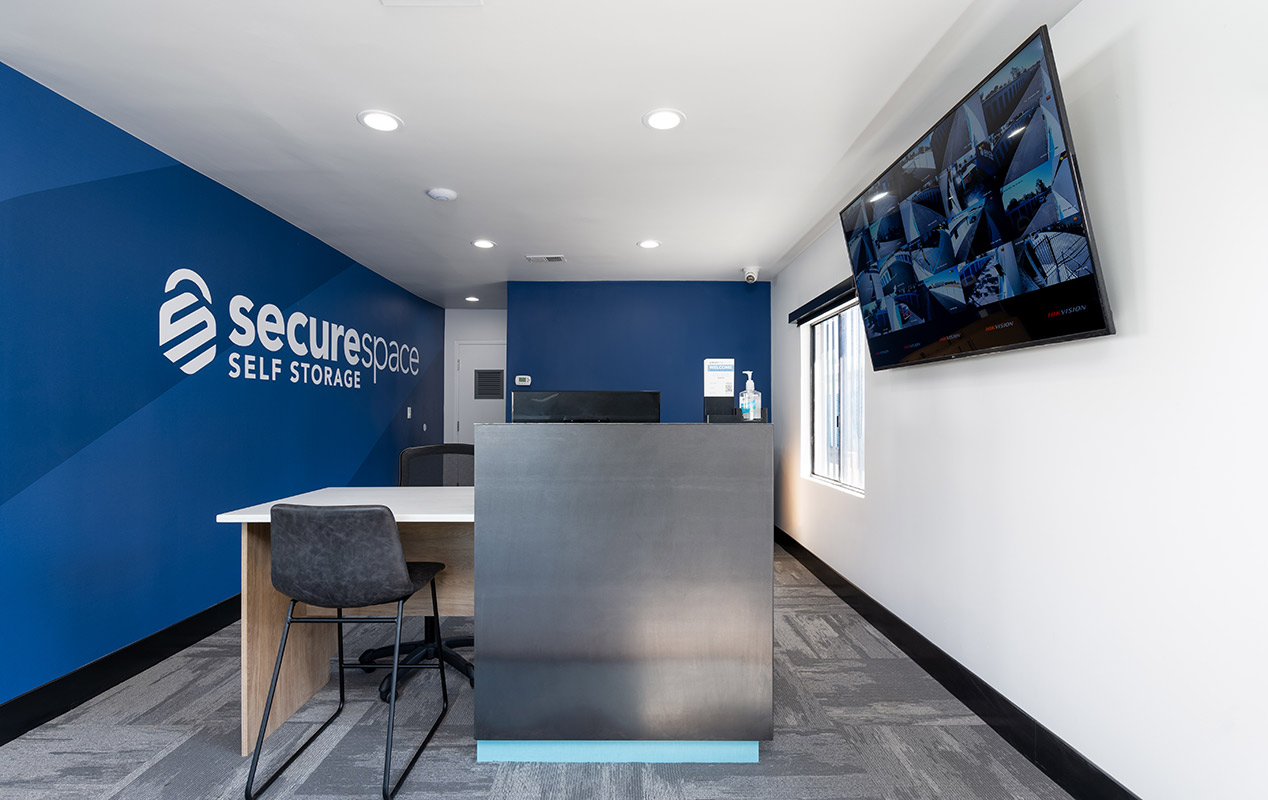
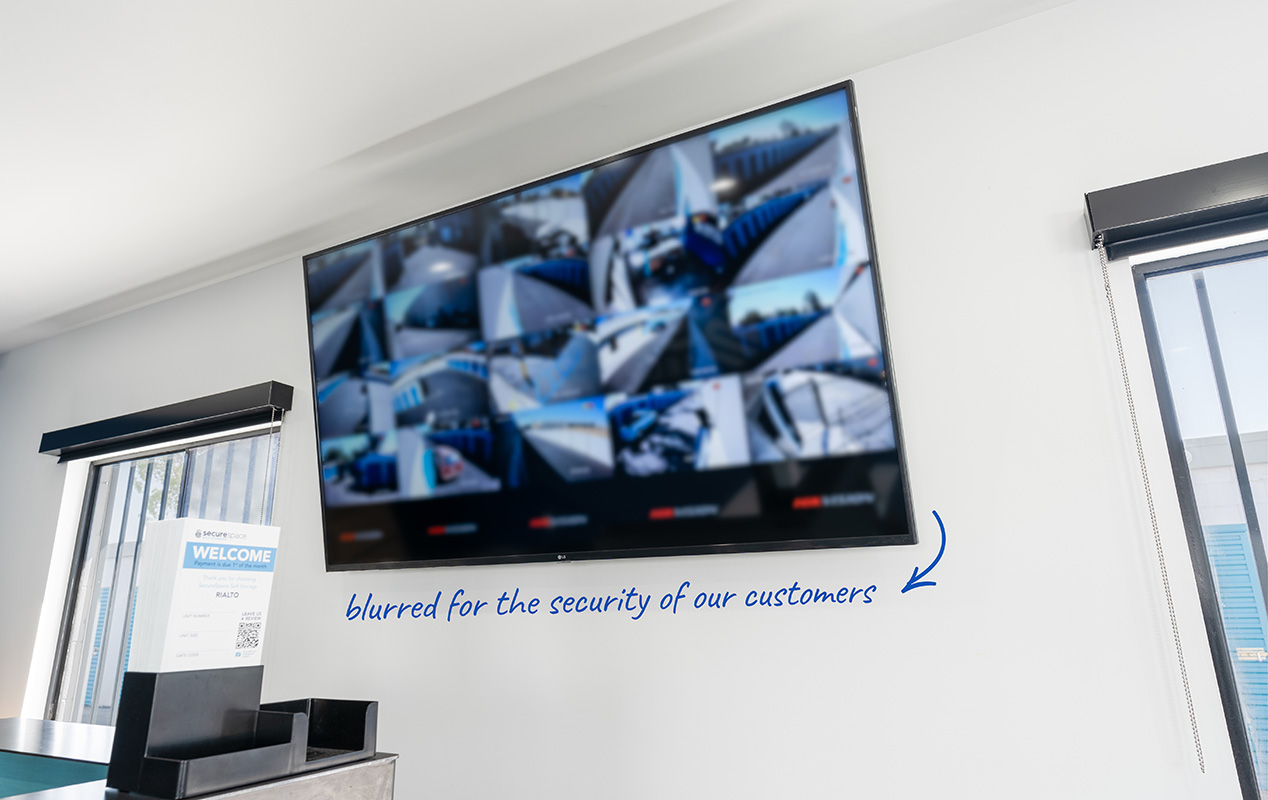
SecureSpace Self Storage Rialto also offers online payments, ACH and credit card payment plans, basic moving supplies, daily gate access from 6:00 AM to 10:00 PM, and security features including an access gate, digital video recording, logged access, overnight surveillance, and third-party security patrol.
Pricing, availability, and rental details can vary, so review current information before choosing a unit.
Families may consider Rosena Ranch, the Renaissance area, El Rancho Verde, Frisbie Park, and other Rialto neighborhoods depending on budget, commute, school needs, and preferred housing style. Visit neighborhoods in person and confirm current school boundaries before deciding.
Local moving costs vary by home size, distance, mover availability, stairs, packing needs, and timing. Request written estimates from multiple movers and build in a budget buffer for unexpected fees.
Rent varies by unit size, location, amenities, building age, and current market conditions. Check current listings and compare total monthly costs, including parking, utilities, deposits, pet fees, and storage needs.
Rialto may be more affordable than some coastal Southern California markets, but affordability depends on income, commute, housing type, and household size. Compare total monthly costs rather than relying on housing price alone.
SecureSpace Self Storage Rialto offers standard self storage and drive-up units at 2850 Foothill Blvd. The facility offers month-to-month leases, daily gate access, online payments, and basic moving supplies. Customers should review current availability, pricing, and rental details before choosing a unit.
School ratings can change and should not be the only factor in choosing a neighborhood. Contact Rialto Unified School District and individual schools to confirm enrollment requirements, attendance boundaries, programs, and current performance information.
Planning a move, renovation, or downsizing project? Review current availability for self storage at SecureSpace Rialto.
Everything you need to store your belongings securely, on your schedule.
Visit us online