Last updated Aug 12, 2026
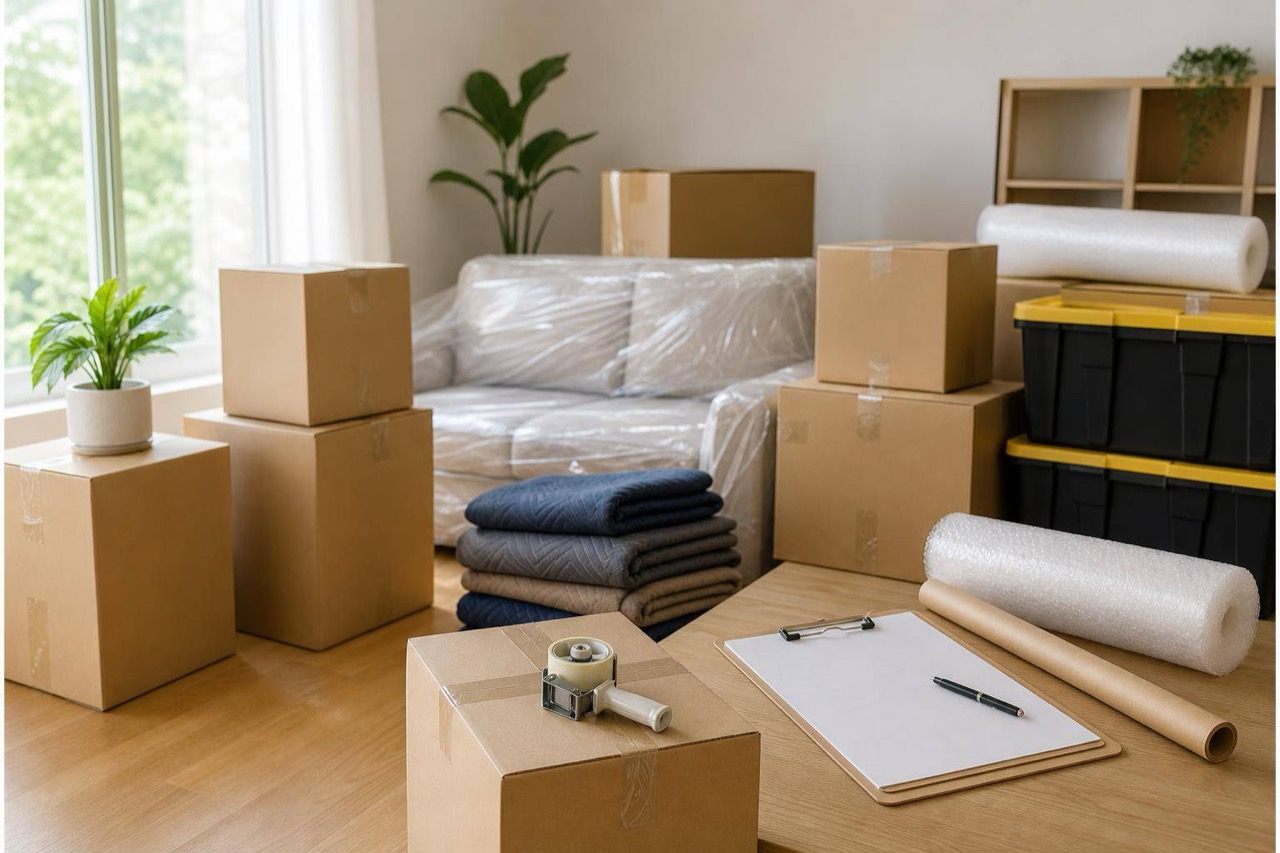
Moving in Lakewood can come with a lot of moving parts. Military families near Joint Base Lewis-McChord may be working around tight relocation timelines, local residents may be staging a home or bridging a lease gap, and families moving across Pierce County may need supplies that can hold up through rain, loading, and storage.
The right moving supplies can make the process easier. Sturdy boxes, packing paper, tape, labels, furniture covers, and the right containers for sensitive items can help you stay organized from the first packed box to the final unload.
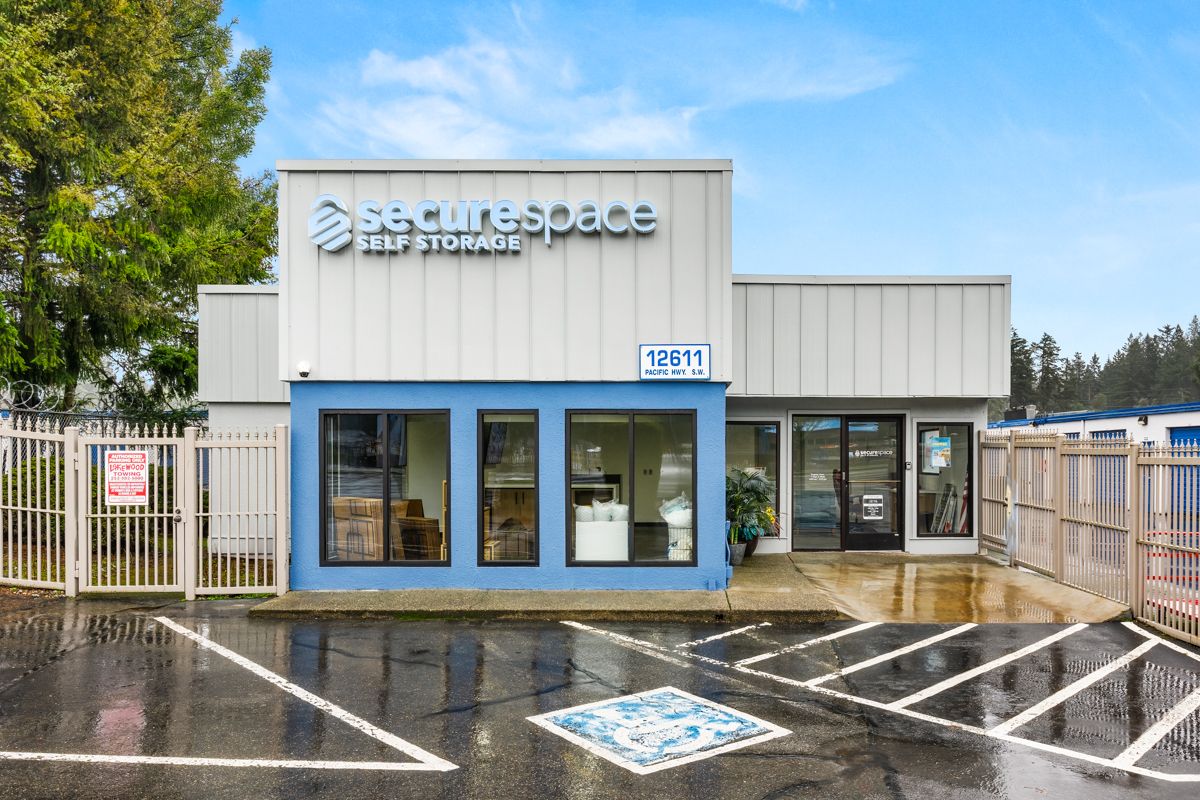
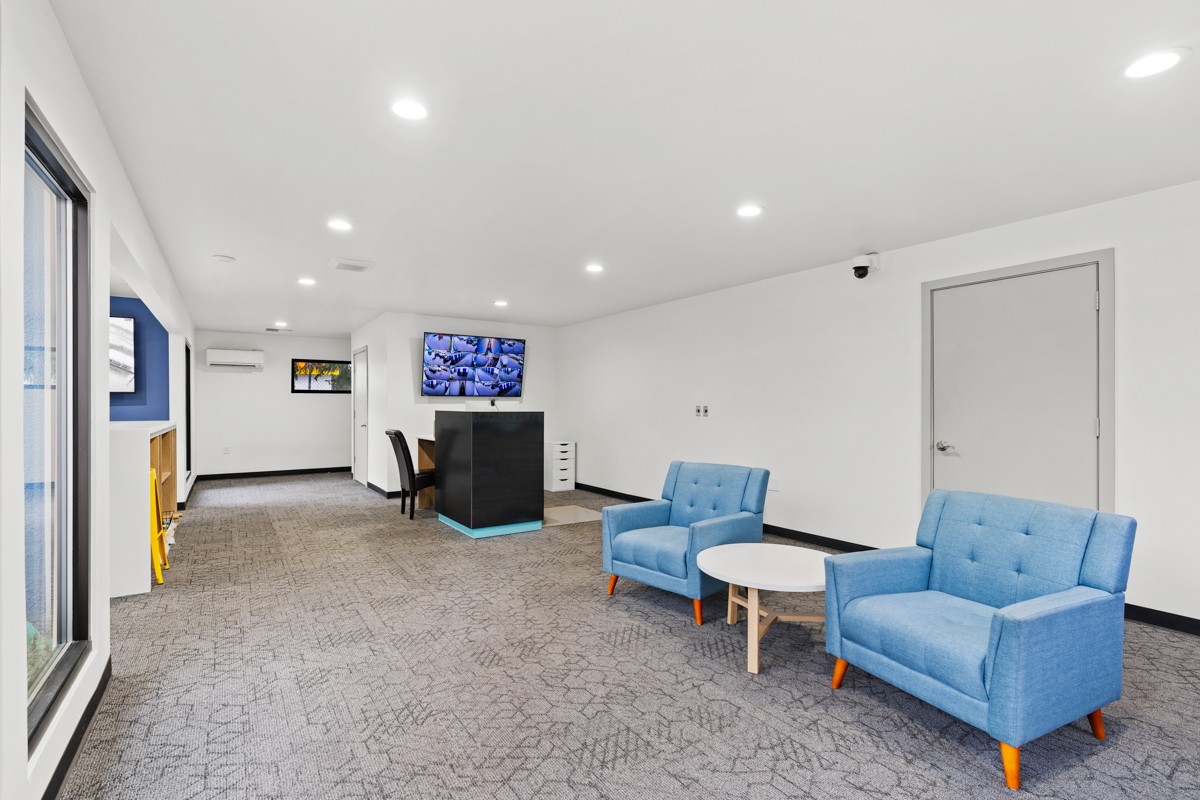
SecureSpace Self Storage Lakewood at 12611 Pacific Highway SW offers basic moving supplies in the leasing office, along with self storage, drive-up units, outdoor parking, carts and dollies, and daily gate access from 6:00 AM to 9:00 PM. This guide walks through the supplies to consider, how to pack efficiently, and how to plan a Lakewood move with fewer extra errands.
Standard cardboard boxes can work well for many moves, but storage requires a little more planning. Items may sit packed longer than expected, boxes may be stacked, and Pacific Northwest weather can make it important to load items clean and dry.
Use sturdy cardboard boxes for everyday items, especially when you want an affordable, stackable option. Smaller boxes are better for heavy items like books, tools, hardware, and files. Larger boxes should be saved for lighter items such as pillows, bedding, and seasonal clothing.
Clear plastic bins can also be useful for belongings you want to identify quickly or keep better contained. They are especially helpful for garage items, hobby supplies, kids' gear, and seasonal decorations.
Fragile items need space and cushioning. Wrap dishes, glassware, picture frames, and small décor pieces individually, then fill empty gaps so items do not shift during transport.
Towels, blankets, and clothing can also work as padding for non-fragile household items. This can reduce the amount of packing material you need to buy while still helping keep boxes stable.
Some items are easier to move with purpose-built boxes. Wardrobe boxes can help keep hanging clothes organized. Dish boxes or partitioned inserts can help with glassware. File boxes can keep paperwork grouped by category.
You do not need specialty boxes for everything. Use them where they solve a real packing problem, then rely on standard sturdy boxes for the rest.
Furniture needs protection during loading, unloading, and storage. Moving blankets can help reduce scratches and scuffs on wood, metal, and upholstered pieces.
Avoid sealing damp furniture or fabric tightly in plastic. Let items dry first, and use covers in a way that helps keep dust off without trapping moisture against the item.
Packing tape is one of the easiest supplies to underestimate. Use enough tape to reinforce box bottoms and tops, especially for heavier boxes. A tape gun can make large packing projects faster.
Label boxes on more than one side so you can identify them after stacking. If multiple people are helping with the move, use bold labels or color coding by room.
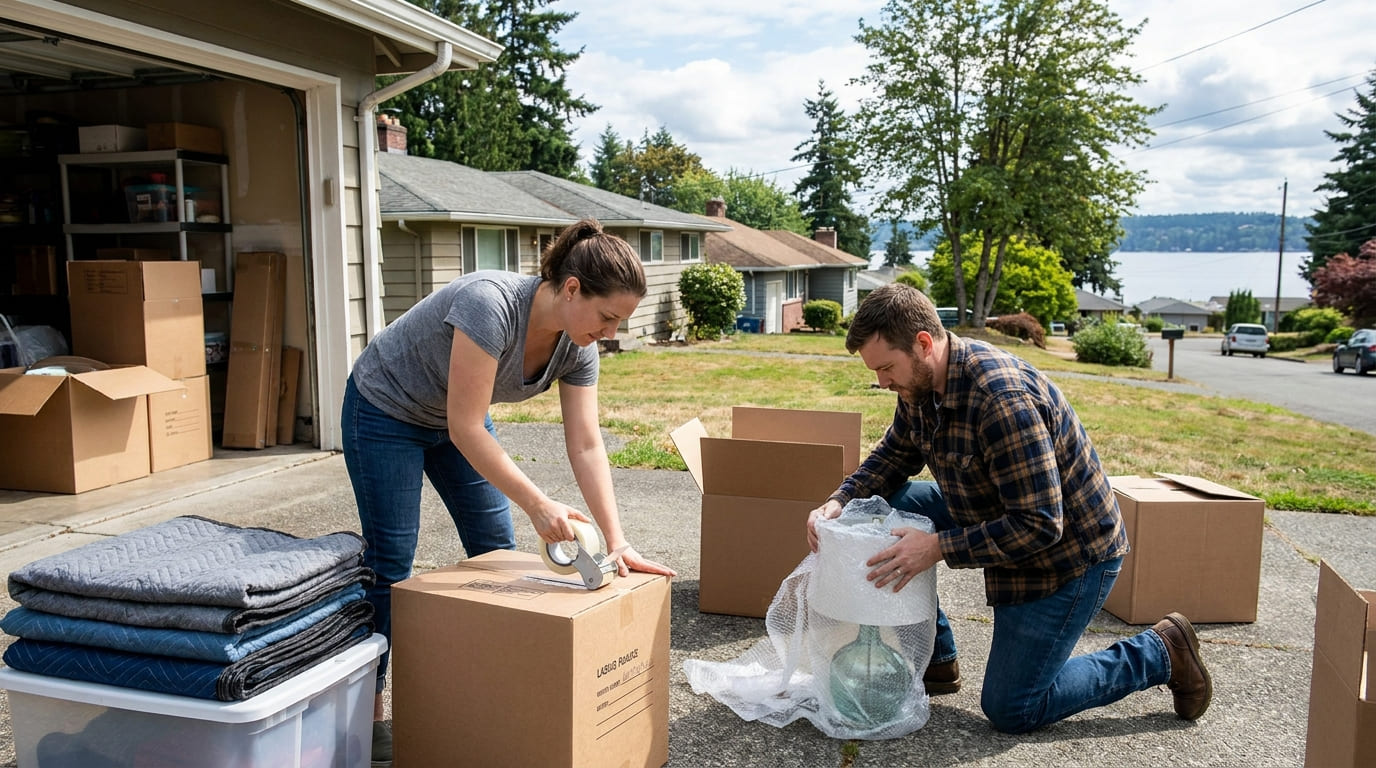
Military families completing a Personally Procured Move, often called a PPM or DITY move, need to stay organized because documentation and inventory can matter. Requirements can change, so confirm current rules with the appropriate military moving resource before purchasing supplies or planning reimbursement.
For a military move, it can help to keep important documents separate from general moving boxes. PCS orders, birth certificates, passports, medical records, military IDs, and vehicle paperwork should stay in a clearly labeled folder, file box, or lockable container that travels with you.
Heavy-duty boxes can be useful for professional gear, uniforms, tools, and books. Clear bins can help with inventory checks because contents are easier to identify. Keep receipts for supplies, truck rentals, fuel, and other moving expenses if your move requires documentation.
SecureSpace Self Storage Lakewood can support military moves by offering month-to-month leases, drive-up units, outdoor parking for eligible vehicles, and daily gate access. If you need certified weight tickets or other documentation for a military move, confirm those requirements before moving day and plan your route around approved scale options.
Good packing habits at home make loading and unloading a storage unit much easier. A few simple steps can help you avoid crushed boxes, missing items, and frustrating unloads.
Heavy items like books and tools should go in small boxes. Lightweight items like linens, pillows, and clothing can go in larger boxes. This keeps boxes easier to lift and helps them stack more safely.
Label each box on at least two sides with the room, contents, and any handling note such as "fragile" or "open first." For business files or military moves, consider numbering boxes and keeping a separate inventory list.
Empty space allows items to shift during transport. Fill gaps with packing paper, towels, clothing, or other soft materials. A full but not overpacked box is usually easier to stack than a half-empty one.
Put items you will need soon near the front. Place heavier boxes on the bottom and lighter boxes on top. Keep box edges aligned when stacking, and leave a path if you expect to retrieve items during the rental.
Use moving blankets or furniture pads to protect surfaces while loading and unloading. If you are storing furniture, keep pieces clean and dry, and avoid placing fabric or wood directly against damp items.
Buying every supply new can add up quickly, especially for a larger household move. Start with items you already own, then purchase what you still need.
Towels, blankets, and clothing can work as padding for many household items. Reusable plastic bins may already be available in your garage or closets. Grocery stores, local marketplaces, and neighbors may also have extra boxes, but inspect used boxes carefully before packing anything heavy or fragile.
Tape, packing paper, and labels are usually worth buying in enough quantity that you do not run out mid-pack. If you are storing items for more than a short move, choose boxes and containers that can handle stacking and repeated handling.
Moisture-conscious packing matters in Lakewood. Load items dry, avoid sealing damp fabrics, and use sturdy containers for belongings that may be stored longer than expected.
SecureSpace Self Storage Lakewood does not offer climate-controlled or heated storage, so packing choices matter. For general self storage, focus on clean, dry items, sturdy containers, and a layout that keeps belongings organized.
Electronics, paperwork, wood furniture, clothing, and fabric items should be packed thoughtfully. Use sealed bins where appropriate, avoid placing sensitive items directly on concrete, and keep items you may need near the front of the unit.
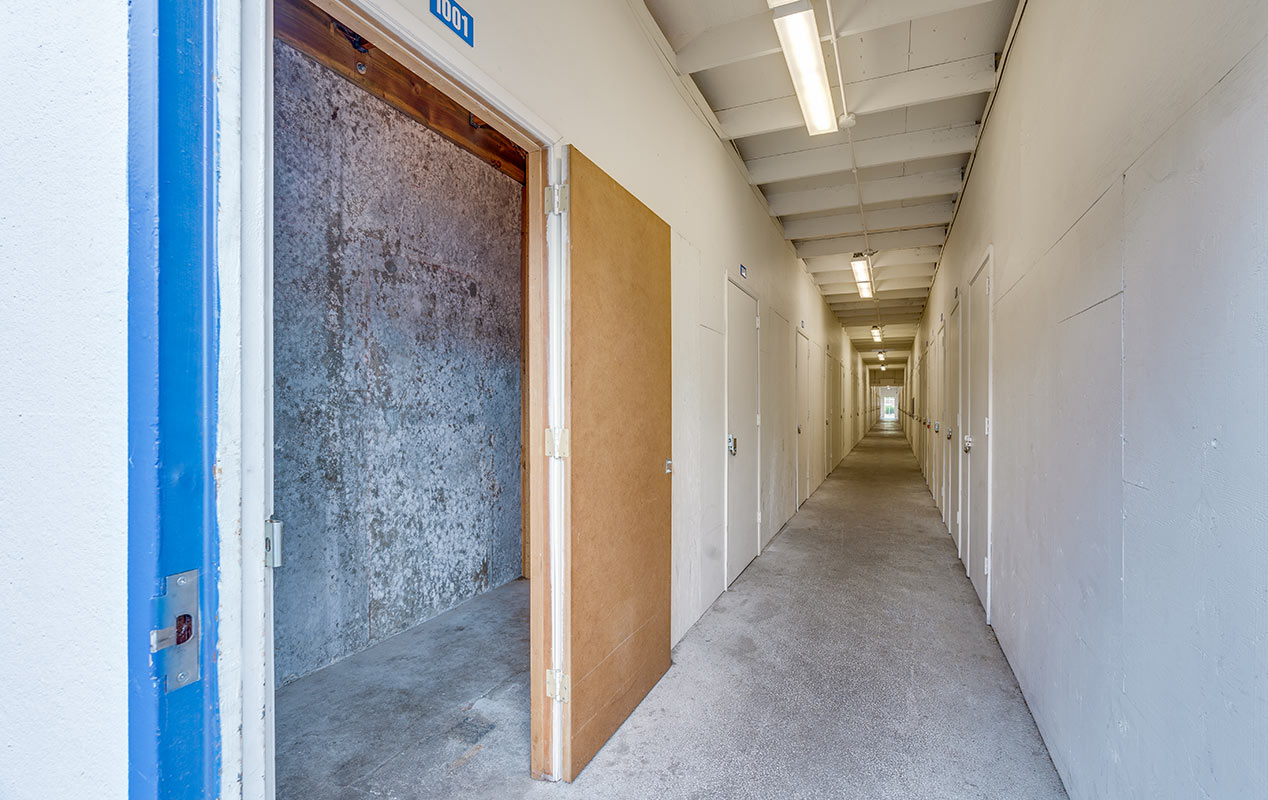
Drive-up units can make move-in easier when you are unloading boxes, furniture, tools, or household items from a vehicle. Carts and dollies are also available at the facility, which can help with heavier or awkward items.
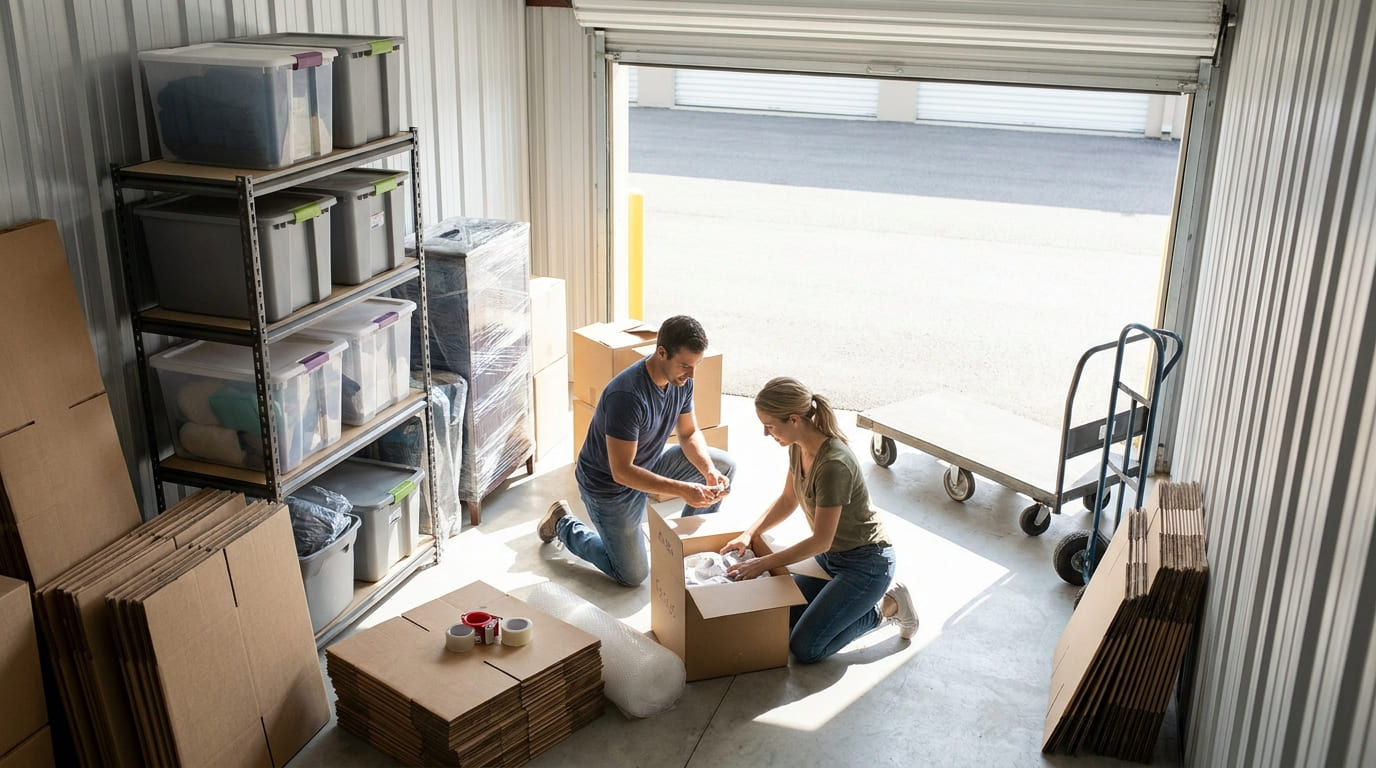
One of the more frustrating parts of moving is the supply run. You may need boxes, tape, labels, locks, and packing materials, then still need to rent storage and plan your move-in.
SecureSpace Self Storage Lakewood offers basic moving supplies in the leasing office, so you can pick up essentials while handling your storage rental. The facility also offers drive-up units, outdoor parking, online payments, ACH and credit card payment plans, and daily gate access from 6:00 AM to 9:00 PM.
Outdoor parking is available for eligible vehicles, boats, and RVs. If you need parking, confirm current availability, size fit, documentation requirements, and facility rules before planning storage.
Start with sturdy boxes, strong tape, labels, packing paper, furniture blankets, and containers that fit the items being stored. For longer storage, make sure items are clean and dry before packing, and use sealed bins for belongings that need extra containment.
SecureSpace Self Storage Lakewood offers basic moving supplies in the leasing office. Availability can vary, so contact the facility or stop by during office hours if you need specific supplies before a move.
Clean and dry the furniture first. Use moving blankets or breathable covers to reduce scratches and dust, and avoid sealing damp wood or upholstery tightly in plastic. Keep furniture off damp surfaces when possible and avoid stacking heavy boxes on delicate pieces.
You may need sturdy boxes, labels, inventory sheets, packing paper, tape, and a separate folder or container for important documents. Keep receipts if your move requires documentation, and confirm current PPM or DITY requirements before moving day.
Box count depends on the size of your household, how much you own, and how many fragile items need individual wrapping. Start by estimating room by room, then add extra small boxes for heavy items and extra packing paper for breakables.
Towels, blankets, and clothing you already own can be cost-effective padding options. For purchased materials, packing paper and tape are practical basics. Used boxes can help save money, but avoid weak or damaged boxes for heavy, fragile, or long-term storage items.
Moving in Lakewood does not have to mean multiple errands or second-guessing whether your boxes will hold up. Whether you're preparing for a JBLM-area move, staging a home, clearing space during a transition, or organizing seasonal items, the right supplies can make the process easier.
SecureSpace Self Storage Lakewood offers basic moving supplies, drive-up units, outdoor parking, carts and dollies, and flexible month-to-month leases. Before moving in, estimate your box count, choose the supplies that match your items, and plan loading during the daily gate-access window.
View current options for moving supplies and storage at SecureSpace Lakewood.
Everything you need to store your belongings securely, on your schedule.
Visit us online