Last updated Aug 12, 2026
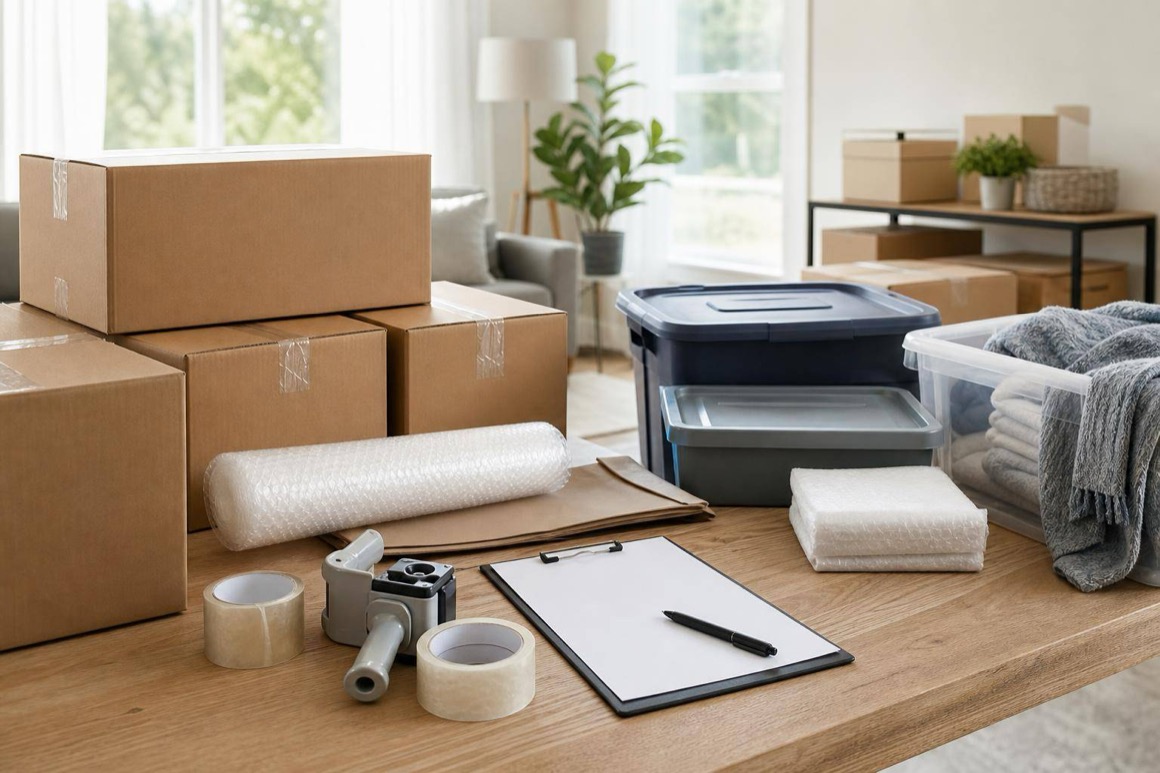
Moving is stressful enough without driving all over town to gather boxes, tape, and packing materials. If you're relocating in or around Tacoma, the good news is simple: many storage facilities offer basic moving supplies at the same place you rent your storage unit.
This guide breaks down what supplies you'll likely need, why buying them near your storage unit can make moving more convenient, and how to pack your belongings for Tacoma's wet Pacific Northwest weather. Whether you're a student leaving campus housing, a military family stationed near Joint Base Lewis-McChord, or a renter settling into a new neighborhood, a little preparation can help your move go more smoothly.
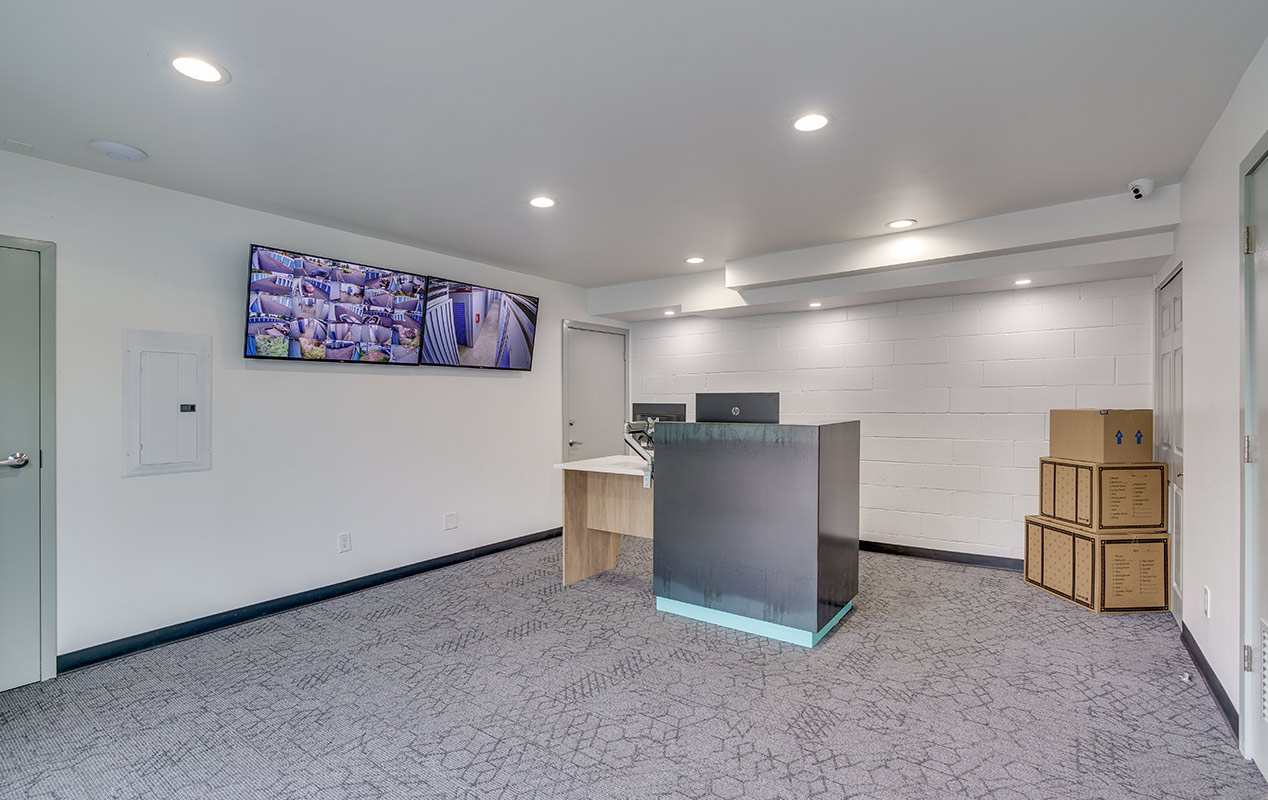
Many storage facilities carry basic moving and packing supplies in their leasing offices. Exact inventory can vary by location, so it is smart to confirm current supply availability before your move.
Common moving-supply categories may include:
Small, medium, and large moving boxes
Packing tape
Packing paper or other cushioning materials
Protective covers for larger items
Locks or other basic storage accessories
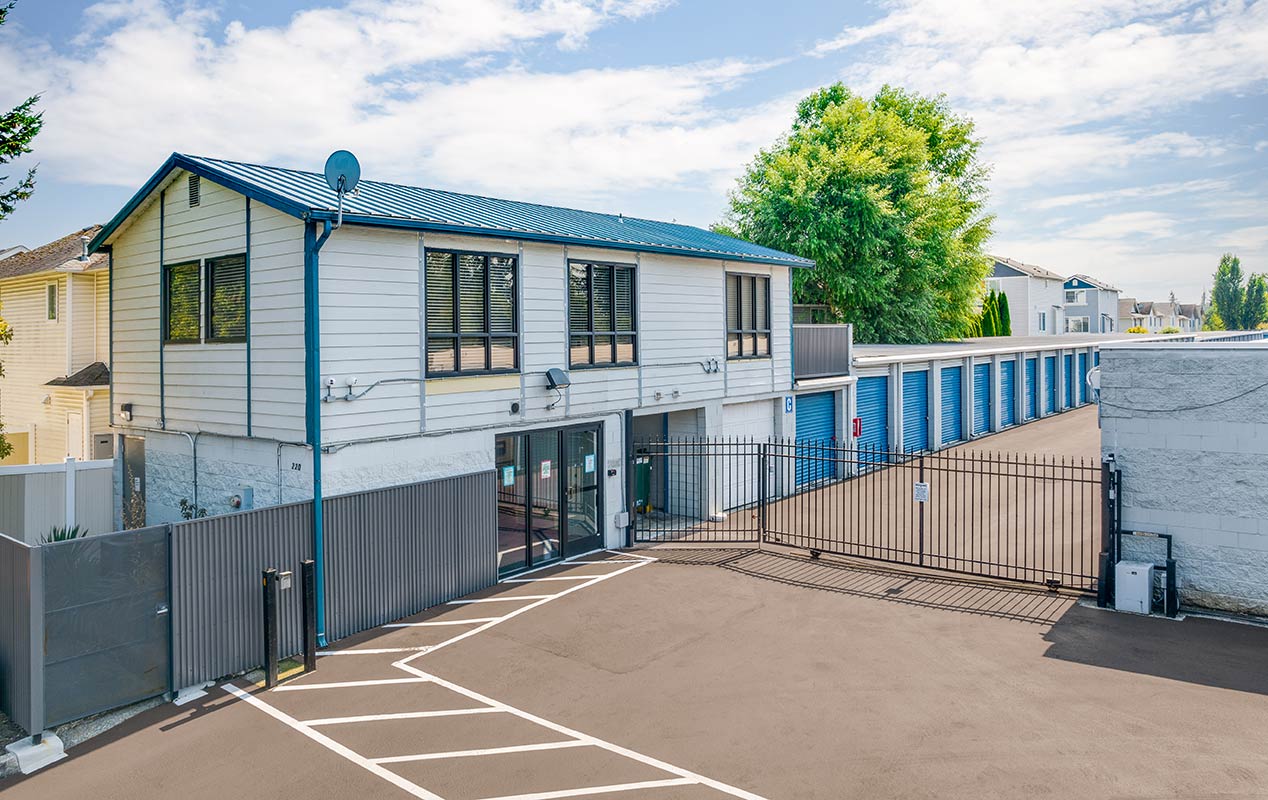
At SecureSpace Self Storage Parkland Tacoma, customers can also use carts and dollies at the facility, which can help with moving boxes and household items into storage.

Picture this scenario: you're halfway through packing, and you've just run out of tape. Now you have to stop, find another store, and drive across town while your packing momentum stalls.
Buying supplies at or near your storage facility can help reduce that friction.
Every extra stop during a move drains energy. When you can rent a unit and pick up basic supplies in one visit, you can cut down on errands and keep your moving day more focused. In the Tacoma area, where traffic can add time to even simple trips, reducing extra stops can make a real difference.
Running out of boxes, tape, or packing material mid-move is frustrating. Checking supply availability at your storage facility before move-in can help you plan ahead and restock more easily if you underestimate what you need.
Storage staff help customers move items into units regularly. They can often point you toward practical supply choices, such as smaller boxes for heavy items and larger boxes for lighter belongings.
Choosing the right box size matters more than most people realize. Pack too much weight into a large box and the bottom may tear open, or the box may become difficult to lift safely.

Small boxes are best for dense, heavy items like books, tools, dishes, canned goods, or office supplies. They keep weight manageable and make stacking easier.
Medium boxes work well for mixed household goods such as kitchenware, décor, toys, folded linens, and small appliances. They are often the most versatile option during a move.
Large boxes are better for light, bulky items such as pillows, lamp shades, blankets, and bedding. Avoid using large boxes for books or tools because they can become too heavy quickly.
For hanging clothing, framed items, electronics, or fragile objects, use appropriate protective materials and pack carefully. If a specific specialty supply is important to your move, confirm availability before relying on a storage facility to have it in stock.
Tacoma's wet weather makes packing and loading strategy important. Rain can be a problem during the move itself, especially if boxes sit outside, get loaded through uncovered areas, or are carried across wet pavement.
To help reduce moving-day issues, use sturdy containers, keep packed items dry before loading, and avoid storing anything that is already damp. If you use cardboard boxes, reinforce seams with tape and avoid setting boxes directly on wet ground.
For moisture-sensitive belongings, plastic bins with tight-fitting lids may be useful during transport. Furniture, mattresses, and electronics should be moved carefully and kept covered during loading when rain is in the forecast. Let cold electronics come back to room temperature before plugging them in.
Good packing is especially important for long-term storage. Store items clean and dry, leave some space for access where possible, and avoid overpacking boxes so they do not collapse or become unsafe to lift.
Once your boxes are packed, a little strategy goes a long way when loading your unit. Smart packing can help protect your items and make them easier to find later.
Start by labeling every box clearly so you know what is inside at a glance. If you're storing many boxes, create a basic contents list or a simple map of the unit so you know where important items are placed.
Put heavier boxes on the bottom and lighter items on top. Keep stacks at a safe height, and avoid placing fragile items underneath heavier belongings. If you'll need to retrieve items during storage, leave a clear pathway instead of packing everything tightly against the door.
Use covers for furniture and mattresses to help reduce dust during storage, and keep frequently needed items near the front of the unit. These small habits save frustration later, especially if you'll be storing items for several months.
Tacoma is a diverse city, and different groups have different moving needs. On-site or nearby moving supplies can make life easier for many customers.
Students moving in and out of campus housing often face tight timelines and limited space. A few boxes, tape, and basic packing materials can help make a dorm or apartment move more manageable.
Military families near Joint Base Lewis-McChord may need supplies for relocations, temporary storage, or household transitions. Durable boxes, clear labeling, and a careful packing plan can help keep items organized during a busy move.
Renters moving between Tacoma neighborhoods like the Stadium District, Hilltop, South Tacoma, or downtown often deal with stairs, compact apartments, and limited parking. Medium boxes, protective covers, and a clear loading plan can make these moves easier to manage.
Many Tacoma storage facilities sell basic moving and packing supplies in their leasing offices. Inventory can vary, so check with the facility before move-in if you need specific items.
At a minimum, most moves require boxes in a few sizes, packing tape, cushioning material for fragile items, and protective covers for larger belongings. Depending on what you're moving, plastic bins, labels, markers, and a simple inventory list may also help.
Pack items clean and dry, avoid setting boxes on wet pavement, reinforce cardboard seams with tape, and use plastic bins for moisture-sensitive belongings during transport. Keep furniture and electronics covered during loading when rain is expected.
Moving-truck availability varies by facility. SecureSpace Self Storage Parkland Tacoma does not offer a moving truck, so customers should arrange transportation separately if they need a truck for move-in.
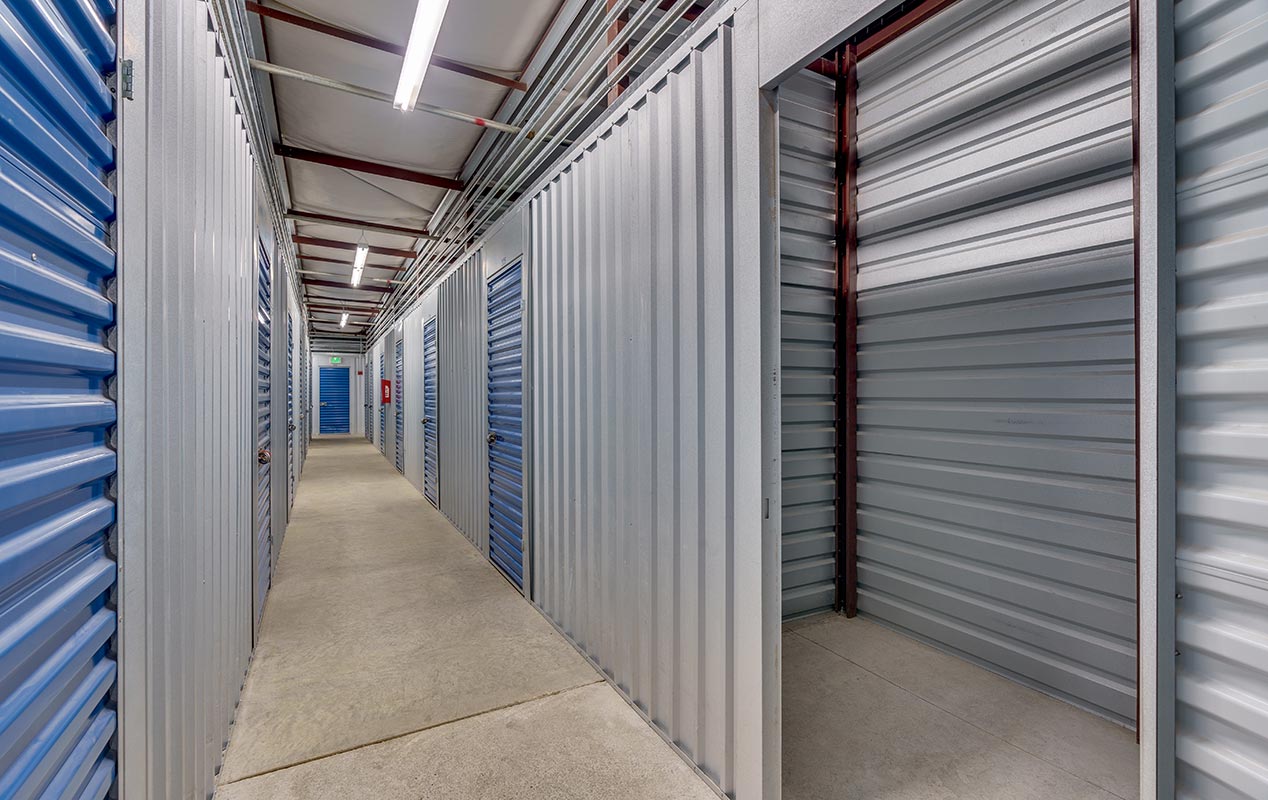
It depends on how much you're storing. A 5x5 unit may work for boxes and compact items, while larger unit sizes can support furniture, apartment contents, business items, or bigger household moves. At SecureSpace Self Storage Parkland Tacoma, available unit sizes include 5x5, 5x10, 5x15, 10x10, 10x15, 10x20, 10x25, and 10x30.
A successful move comes down to preparation: the right boxes, the right protective materials, and a smart plan for packing. When you can pick up basic supplies at the same place you rent your unit, you can reduce extra errands and keep your move on track.
Ready to plan your move? Explore moving supplies and storage in Tacoma, WA with SecureSpace and review current storage options near you.
Everything you need to store your belongings securely, on your schedule.
Visit us online