Last updated Aug 12, 2026
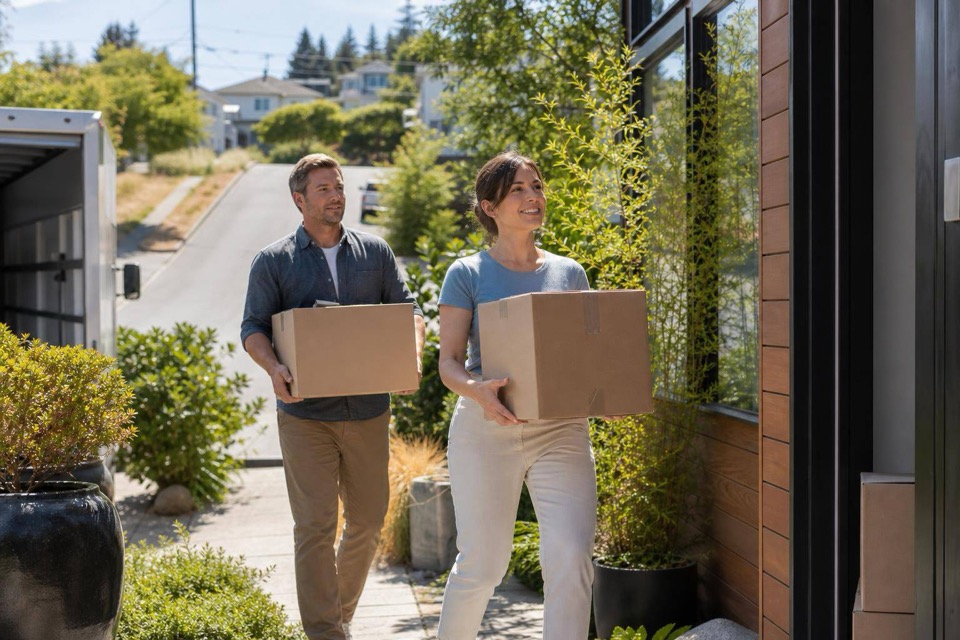
Relocating to Tacoma comes with plenty of moving parts. You may be comparing neighborhoods, estimating monthly costs, timing a lease or home purchase, and figuring out where to keep belongings while you settle in.
Tacoma offers waterfront access, older homes, apartment living, outdoor recreation, universities, military connections, and a growing mix of job opportunities. That variety is part of the appeal, but it also means storage needs can differ from one move to the next. A student, a family, a renter, a homeowner, and a small-business owner may all need different unit sizes, access options, and rental timelines.
This guide walks through Tacoma moving considerations, including neighborhood comparisons, cost planning, and how self storage can help during a transition.
Tacoma has a range of neighborhoods and nearby communities, each with a different feel. Some areas are known for historic homes and walkability. Others offer more space, easier commuting routes, or a quieter residential setting.
The North End is often associated with older homes, waterfront access, and established residential streets. According to Erik Molzen of Berkshire Hathaway HomeServices, the North End generally stretches north of Division and 6th Avenue and is bordered by Puget Sound on three sides. That area includes several well-known Tacoma neighborhoods, but newcomers should compare commute time, housing type, parking, and budget before choosing where to live.
Tacoma also has central, south, east, and suburban-adjacent areas that may appeal to renters, homeowners, students, and families for different reasons. Some people prioritize walkability. Others need access to Interstate 5, Joint Base Lewis-McChord, local schools, transit, or space for vehicles and outdoor gear.
Outdoor access can also influence where people choose to live. The Ruston Way Path is one example of Tacoma's waterfront recreation options, while parks, trails, and nearby regional destinations can make storage for bikes, camping gear, kayaks, or seasonal equipment useful.
Tacoma can be more affordable than Seattle, but it is not a low-cost market by national standards. According to RentCafe, the cost of living in Tacoma is about 28% higher than the national average, with housing costs 62% above the national baseline. Payscale reports that utility prices in Tacoma sit roughly 10% below the national average.
Costs can vary by neighborhood, housing type, household size, commute, and lifestyle. Before moving, estimate your monthly budget for rent or mortgage payments, utilities, transportation, groceries, insurance, parking, storage, and moving expenses.
A realistic budget can also help you decide whether you need storage temporarily or longer term. If you are downsizing, waiting for a closing date, moving into a smaller apartment, or staging a home, storage can help you avoid making rushed decisions about what to keep.
Moving rarely happens in a perfect sequence. Lease dates may not line up. Home closings can shift. Renovations can take longer than expected. Students may need summer storage. Military households may need flexibility around orders or housing timelines.
Self storage can help bridge those gaps by giving you a place for furniture, boxes, seasonal gear, business items, or household overflow while you get settled. It can also help when your new home has less storage space than expected.
Common reasons Tacoma newcomers use storage include:
Timing gaps between move-out and move-in dates
Downsizing into a smaller home or apartment
Renovations, staging, or repairs
Student housing transitions
Military moves or temporary assignments
Seasonal gear that does not fit at home
Business inventory or equipment overflow
The goal is to make the move easier to organize, not to overpay for space you do not need. Start with a clear list of what you plan to store, then choose a unit size and access setup that fits.
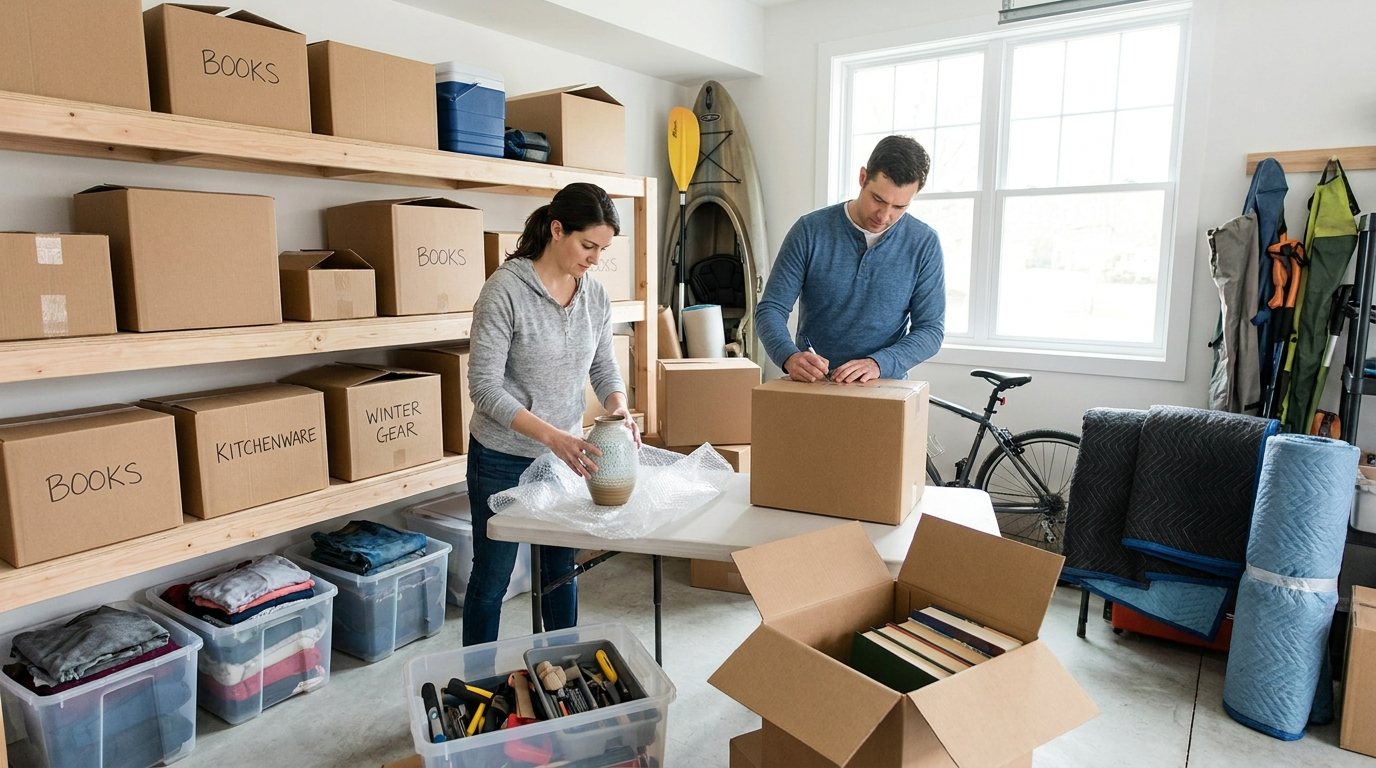
The right unit size depends on the volume of belongings, how tightly items are packed, and whether you need to access anything during storage.
A 5x5 or 5x10 may work for boxes, dorm items, seasonal clothing, small furniture, sports gear, or compact apartment overflow. A 10x10 or 10x15 may be more practical for furniture from multiple rooms, business supplies, or a larger set of household goods. Larger units such as 10x20, 10x25, or 10x30 may work for bigger moves, larger furniture groups, or eligible vehicle storage, depending on dimensions, availability, documentation, and facility rules.
Before renting, measure large furniture, estimate your box count, and decide whether you need a walkway. If you plan to visit the unit during the move, leaving space to reach important boxes can save time later.
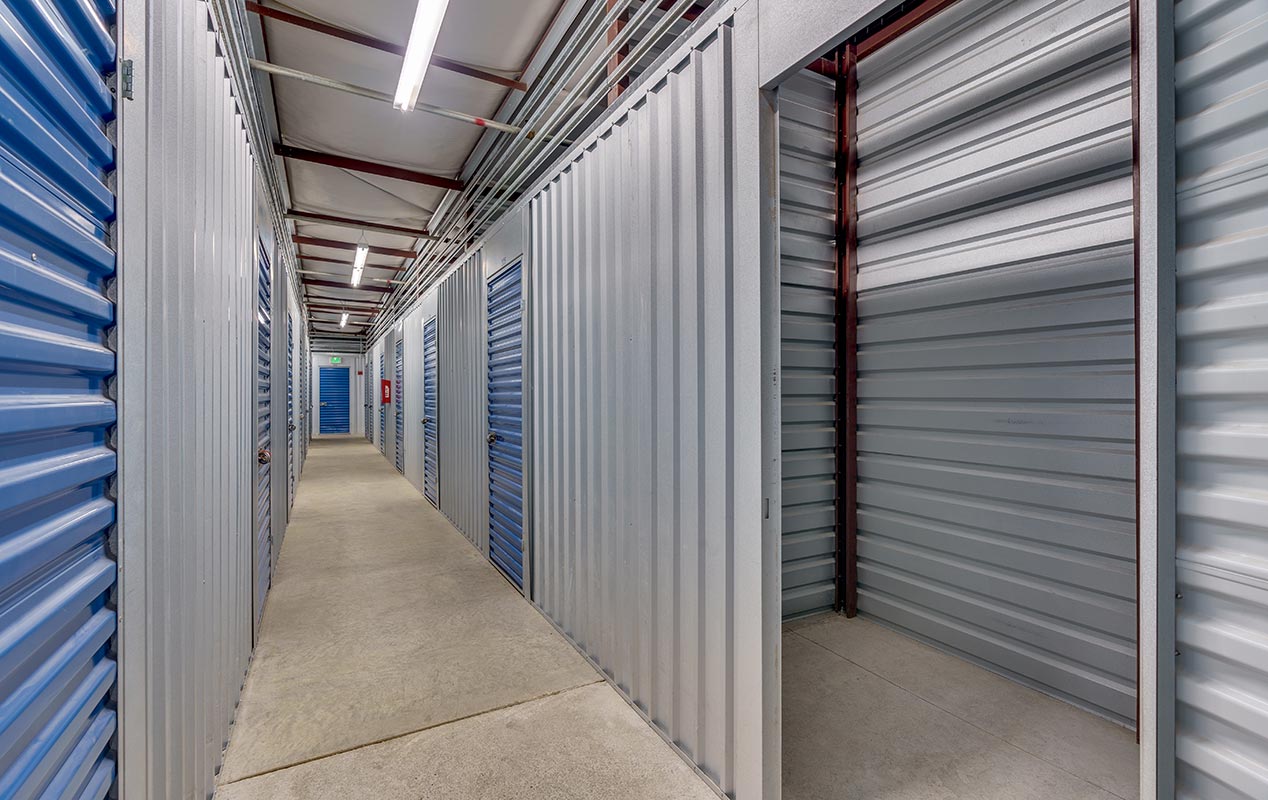
Tacoma's wet weather makes packing and unit choice important. Heated storage may be useful for eligible belongings customers prefer not to keep in a cold space, where available.
Heated storage is not the same as climate-controlled or humidity-controlled storage. It should not be described as guaranteed protection from moisture, mold, condensation, rust, or damage. Instead, think of it as one feature to compare along with packing quality, item type, access needs, unit size, and facility rules.
For best results, store items clean and dry, use sturdy boxes or bins, avoid packing damp belongings, and keep sensitive items elevated when possible. If you are storing documents, electronics, clothing, wood furniture, upholstered furniture, or sentimental items, pack with extra care and confirm whether the unit type fits your needs.
Tacoma-area storage needs can vary depending on where you live, work, study, or commute. Some customers want a location near the city center, while others need a facility that fits a different route or has the unit size they need.
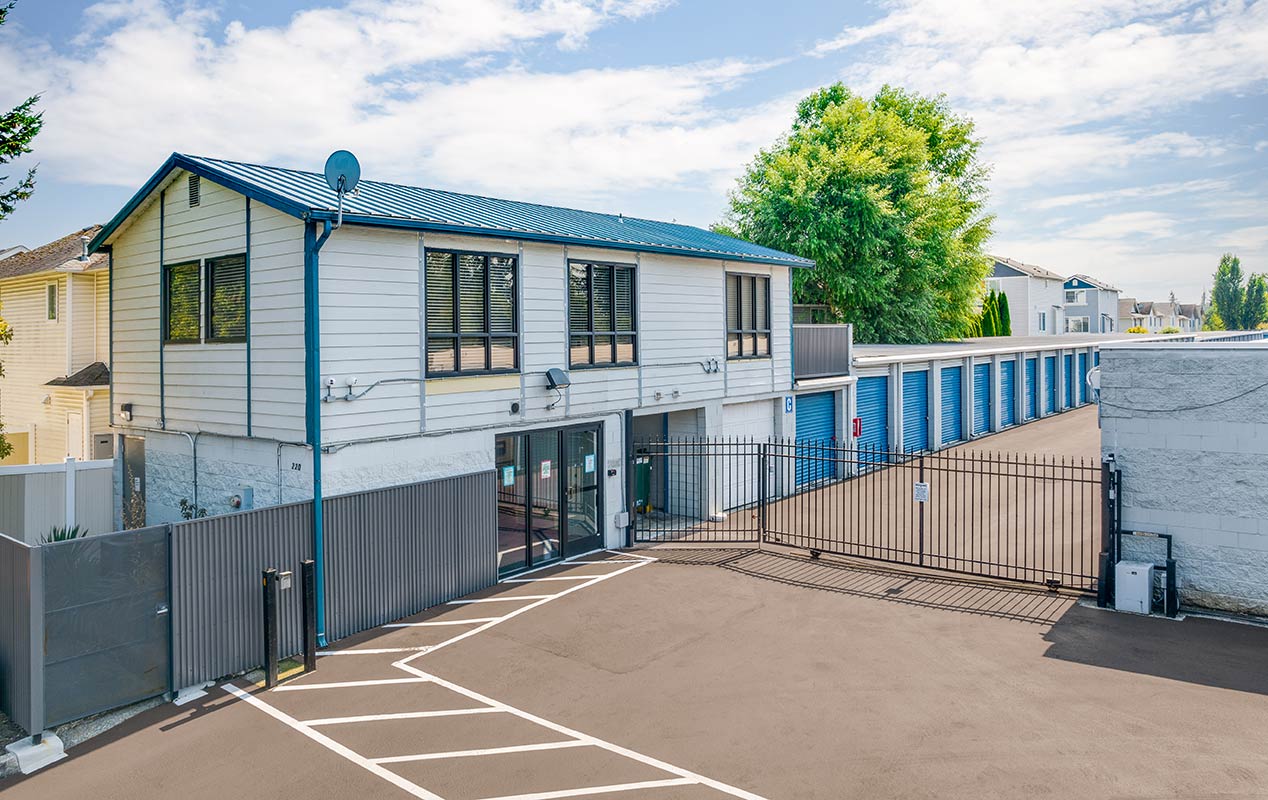
When comparing SecureSpace options in Tacoma, review each facility page for current availability, unit sizes, parking options, access details, rental terms, and location-specific features. Do not assume every facility has the same storage types or amenities.
Start with the Tacoma storage page to compare current options, then choose the facility that best fits your route, timeline, and belongings.
Once you know what you need to store, compare the practical details.
Look at unit size, location, access hours, payment options, rental terms, security-related features, parking options, and whether the facility rules fit your items. Month-to-month leasing can be useful during a move because timelines often change.
If you need vehicle, boat, RV, or car storage, confirm the space type, dimensions, documentation requirements, availability, and facility rules before renting. Eligible vehicle storage depends on fit and location-specific requirements.
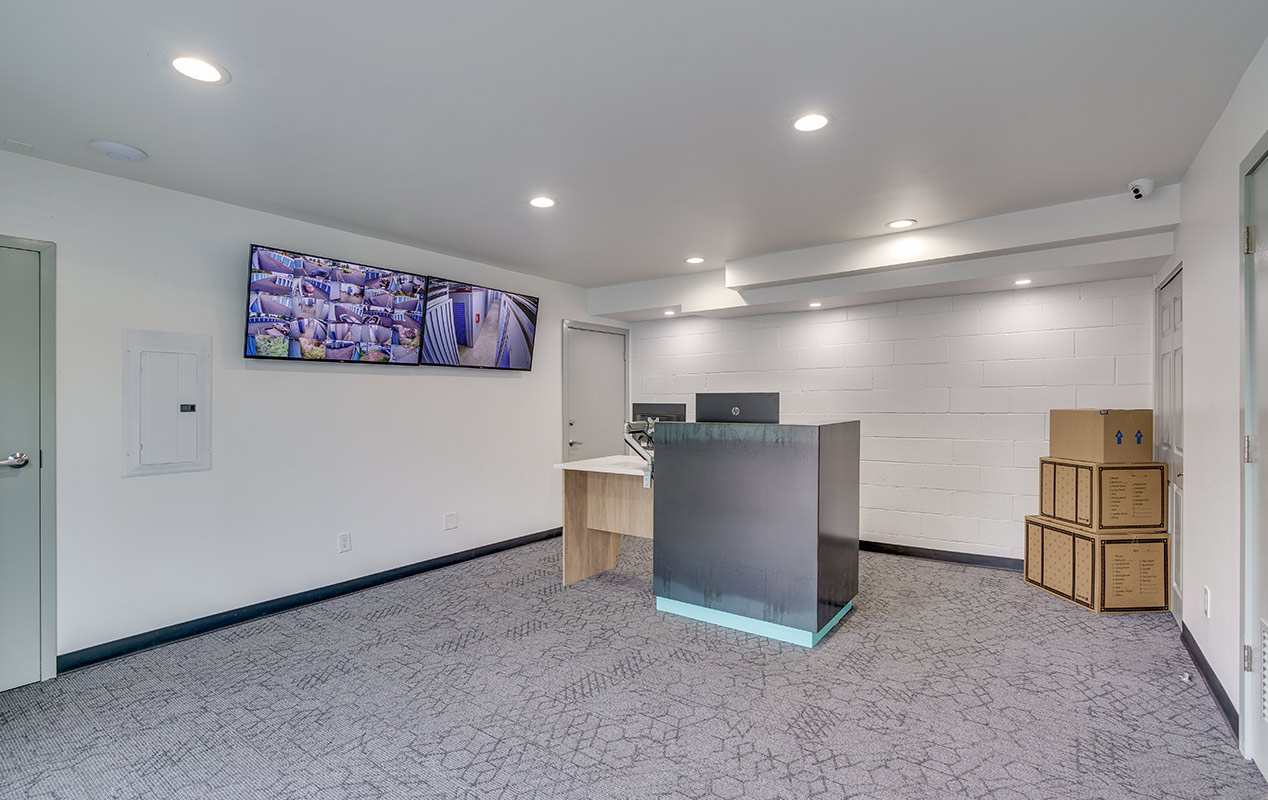
Security-related features are also worth reviewing. Look for clear details such as gated access, digital video recording, logged access, overnight surveillance, or other listed features rather than broad promises. Customers should also use a quality lock, keep an inventory, photograph valuable belongings, and review coverage requirements before move-in.
A little organization can make storage and moving easier.
Label boxes clearly, keep essentials separate, and place frequently needed items near the front of the unit. Store seasonal or rarely used items farther back. Use sturdy bins for smaller belongings, and avoid storing anything damp. If you are moving during rainy weather, give yourself extra time for loading and unloading.
For students, group dorm items by category so move-in is easier later. For families, separate daily-use items from long-term storage. For business owners, keep inventory lists updated and avoid storing prohibited or regulated items without checking facility rules.
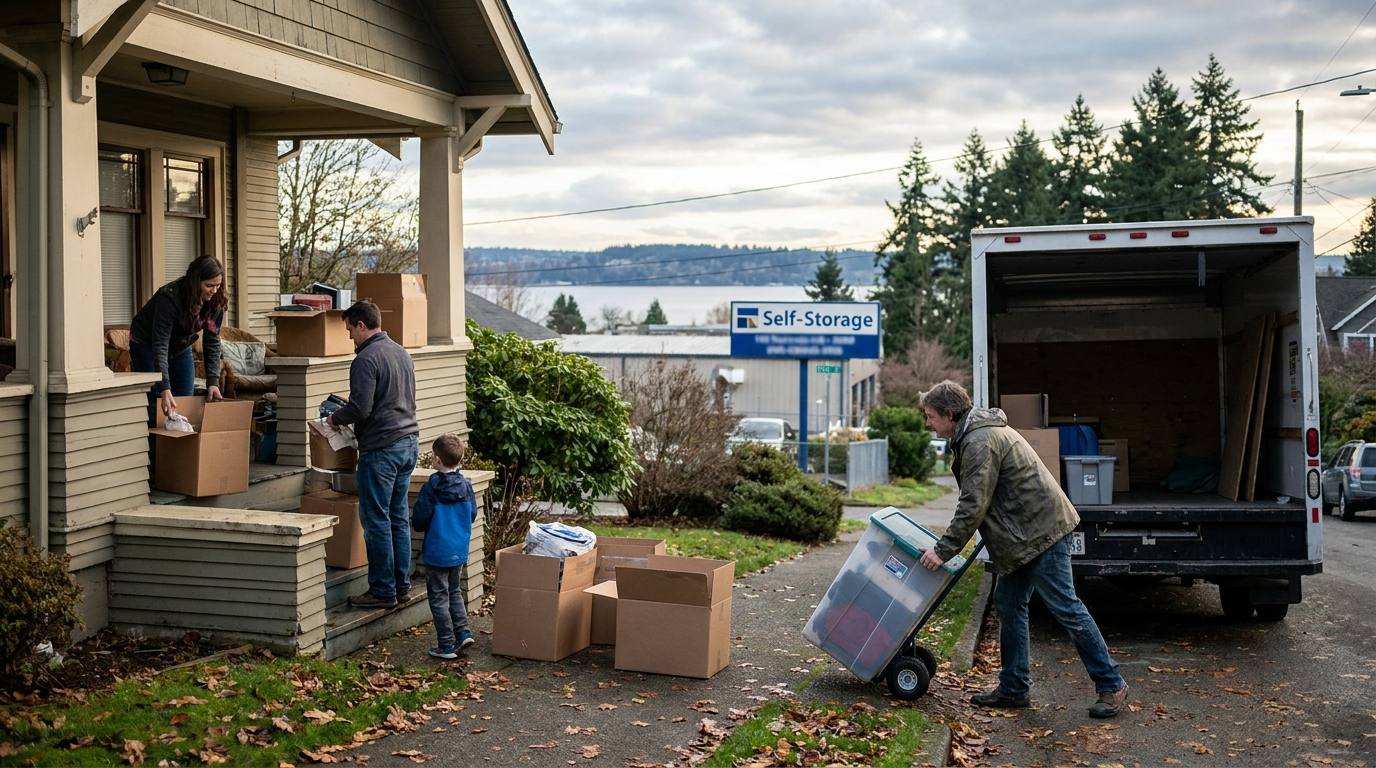
Moving to Tacoma is easier when you compare neighborhoods, costs, and storage needs before the last minute. Think through where you want to live, what your monthly budget looks like, and whether you need short-term or longer-term storage while you settle in.
A storage unit can help keep belongings organized during a move, renovation, school transition, military timeline, or downsizing project. Before renting, review current availability, rates, unit sizes, access details, payment options, and facility rules.
Ready to make your Tacoma move more manageable? Explore current options for storage units in Tacoma, WA with SecureSpace and choose a space that fits your move, schedule, and belongings.
Before moving to Tacoma, compare neighborhoods, housing costs, commute routes, parking, schools, access to work, and storage needs. Your best fit depends on budget, lifestyle, household size, and how much space you need.
Tacoma is often less expensive than Seattle, especially for housing, but costs can still be above the national average. Compare current rents, home prices, utilities, transportation, and moving costs before deciding.
A 5x5 or 5x10 may work for small moves, dorm items, or boxes. A 10x10 or 10x15 may be better for apartment furniture or multiple rooms of belongings. Larger units may work for bigger moves, depending on item dimensions, availability, and facility rules.
Heated storage may be useful for eligible belongings customers prefer not to keep in a cold space, where available. It is not the same as climate-controlled or humidity-controlled storage and should not be treated as guaranteed moisture or mold protection.
Eligible vehicles, boats, RVs, and cars may be stored where parking or suitable unit options are available, depending on dimensions, documentation, availability, and facility rules. Confirm details with the specific facility before renting.
Storage can be useful if your move-in and move-out dates do not line up, you are downsizing, renovating, staging a home, or waiting to settle into a permanent space. It can help make the move easier to organize while you decide what belongs in your new home.
Everything you need to store your belongings securely, on your schedule.
Visit us online