Last updated Aug 12, 2026
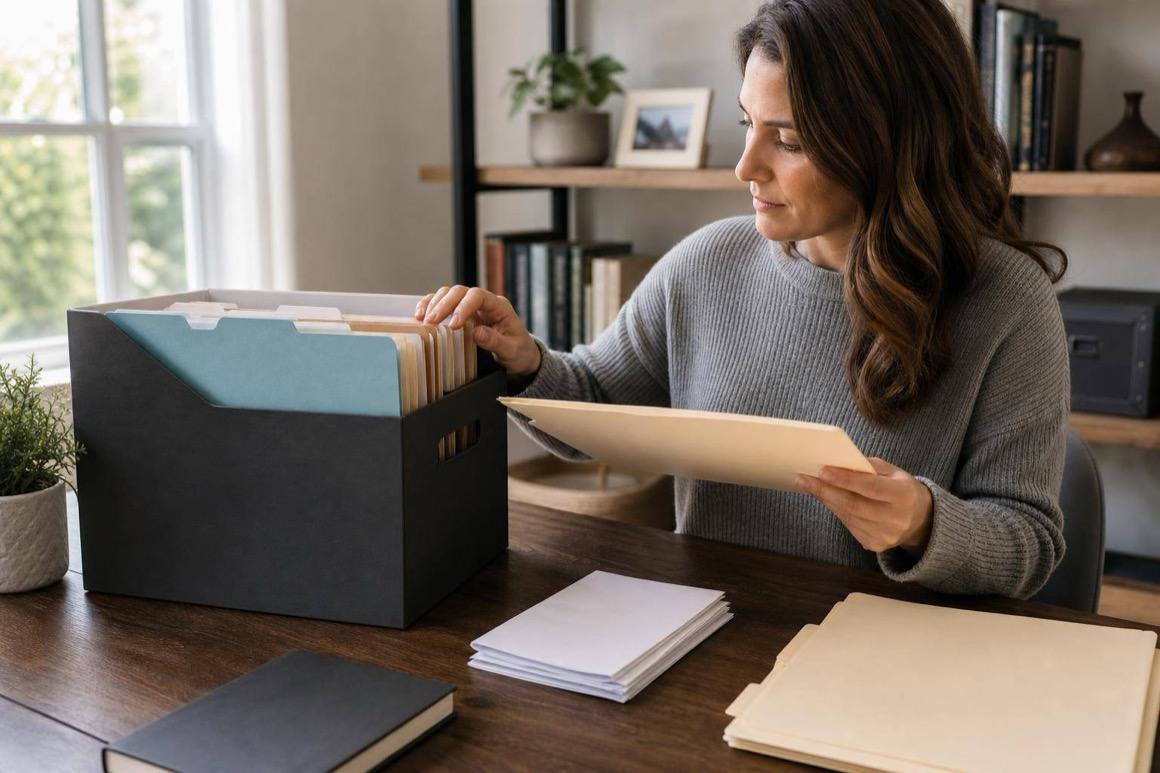
Running a business requires managing a steady flow of paperwork. Medical clinics, law firms, accounting offices, contractors, logistics companies, and small businesses in Pierce County may all need space for boxed records, archived files, tax documents, invoices, employee forms, project files, or client paperwork.
As these boxes pile up, they can consume valuable office space and make it harder for administrative staff to locate important files quickly. Moving dormant records to an off-site storage unit can help free up square footage for daily operations while keeping less frequently used files organized and accessible.
However, sensitive business documents should not be treated like ordinary clutter. Paper files may include client information, employee records, financial documents, medical paperwork, legal files, or business contracts. Organizations should choose storage carefully, maintain their own compliance procedures, and keep a clear inventory of what is stored.
Tacoma's wet Pacific Northwest climate also makes preparation important. Boxes should be packed cleanly, labeled clearly, and kept off the floor on shelving whenever possible. This guide covers what to consider when choosing document storage in Tacoma, including compliance planning, unit size, security-related features, organization, and file-preparation tips.
Every industry operates under its own rules for information governance and record retention. When a business moves files into a commercial storage unit, the storage space can support organization and access control, but the business remains responsible for meeting applicable legal, regulatory, and internal policy requirements.

Before storing sensitive files, review the rules that apply to your industry, create a retention schedule, and make sure authorized employees know how to retrieve documents when needed.
Healthcare providers often have detailed record-retention obligations. Some HIPAA-related documentation, such as certain policies, procedures, and risk-assessment materials, may need to be retained for years. Washington healthcare providers may also be subject to state-specific patient-record rules.
A storage unit can help keep older records organized and separate from active office files, but healthcare organizations should continue to follow their own privacy, access, destruction, and retention procedures. For sensitive documents, limit access to authorized staff and maintain a clear inventory.
General business operations may also require extensive record keeping. Tax records, payroll files, employment documents, safety logs, incident reports, and operational records can all have different retention timelines.
The Internal Revenue Service and Occupational Safety and Health Administration provide guidance for certain business records, but requirements can vary by document type and circumstance. Businesses should rely on current official guidance or professional advice when creating a retention plan.
Tacoma's port activity and logistics economy mean some local businesses handle import, export, freight, customs, and transportation records. These files may include commercial invoices, bills of lading, dock receipts, export paperwork, shipping documents, or vendor records.
A well-organized storage unit can help logistics companies separate archived paperwork from daily operating files. However, businesses should confirm their own retention obligations with current agency guidance, legal counsel, or compliance professionals before moving regulated documents off site.
Paper records are vulnerable to poor packing, rough handling, spills, pests, and long-term disorganization. In Tacoma, businesses should also think about rain, damp boxes during transport, and cold storage conditions during the winter months.
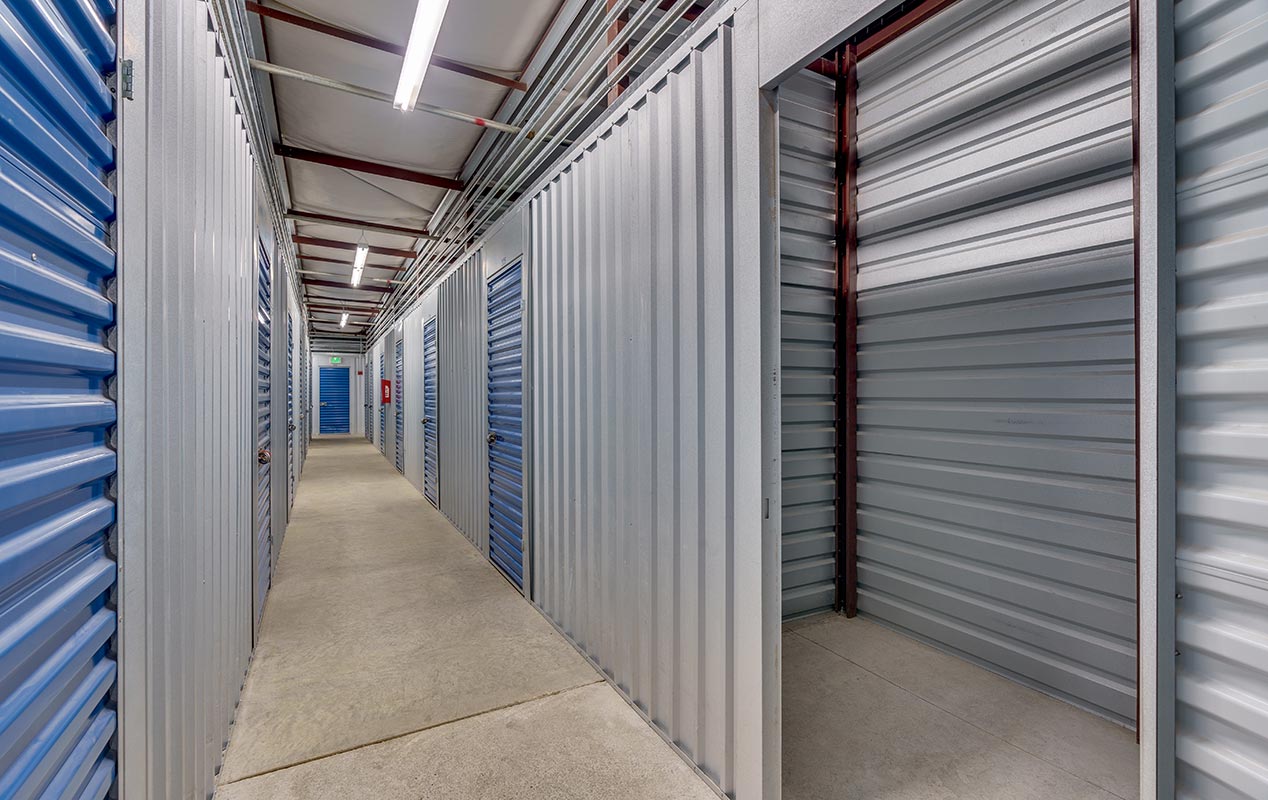
SecureSpace Self Storage Parkland Tacoma offers heated storage, which may be useful for businesses that want a warmer storage option for eligible boxed records and office items. Heated storage is not the same as climate-controlled storage, and it should not be treated as humidity control or a guarantee against damage.
Good preparation still matters. Use sturdy boxes or bins, avoid storing damp paper, keep boxes off the floor when possible, and leave enough space around shelving so employees can retrieve files without crushing or tearing documents.

Office space in Tacoma can be valuable, especially for businesses that need room for staff, patients, clients, inventory, or daily operations. Using that same space for rows of filing cabinets or archived boxes may not be the best use of a workplace.
Moving dormant files to a storage unit can help businesses reclaim office space without taking on a larger lease. A medical office might use the extra room for administrative work. A law firm might clear space for client meetings. A contractor or logistics company might move archived paperwork out of a crowded back office.
Self storage also offers flexibility. Month-to-month leases let businesses use storage for the time they need, whether they are clearing out old records, preparing for a move, reorganizing a workplace, or maintaining a longer-term archive.
The benefits of off-site document storage extend beyond compliance and real estate savings. A cluttered office can slow down daily work, make it harder to locate files, and create a less professional environment for employees, clients, and visitors.
When boxes crowd hallways, closets, desks, or conference rooms, simple tasks can take longer than they should. Moving inactive records to a storage unit can help create a more organized office while keeping archived files retrievable when needed.
The key is to treat storage as part of a system. A storage unit works best when boxes are labeled, indexed, and placed in a logical order, not when old paperwork is simply moved from one cluttered space to another.
The physical safety of business documents is important, especially when boxes contain confidential, legal, medical, financial, or employee information. Storage does not replace a company's privacy policies or legal obligations, but the right facility features can support a more controlled off-site setup.
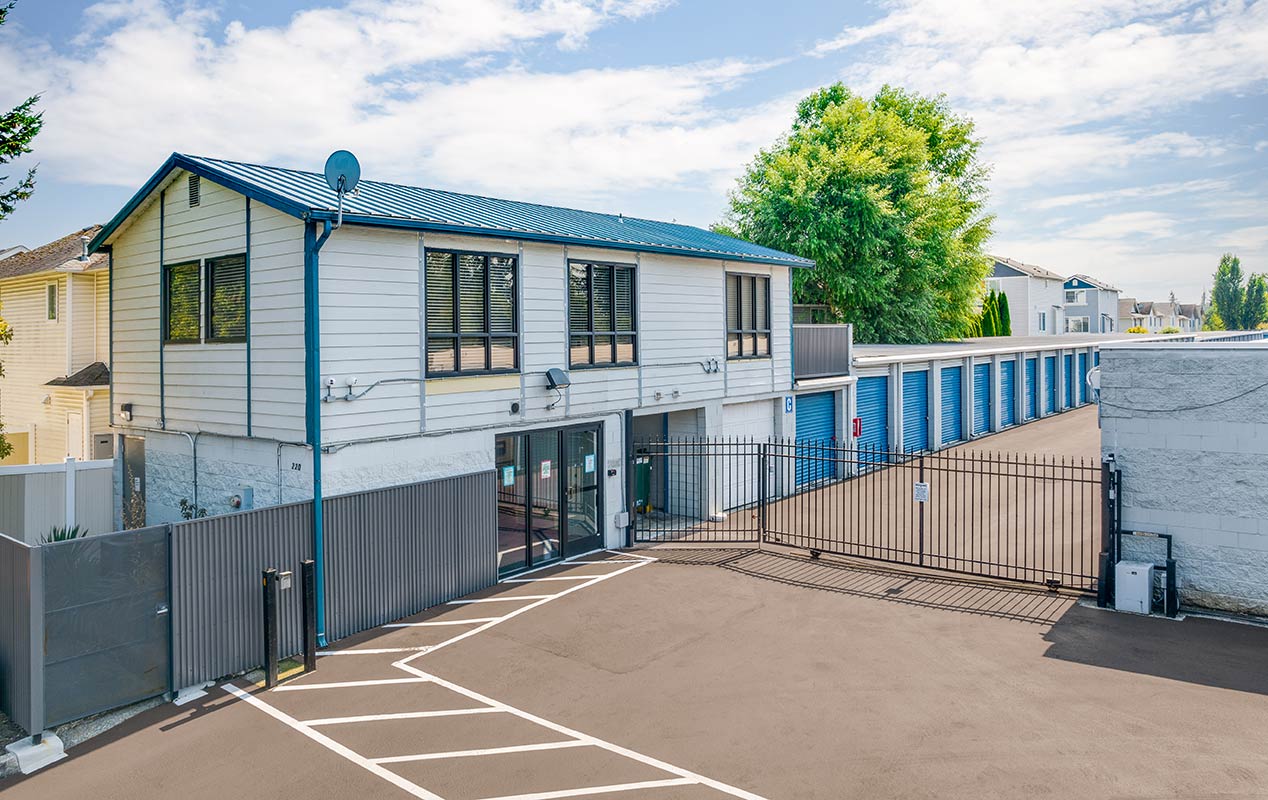
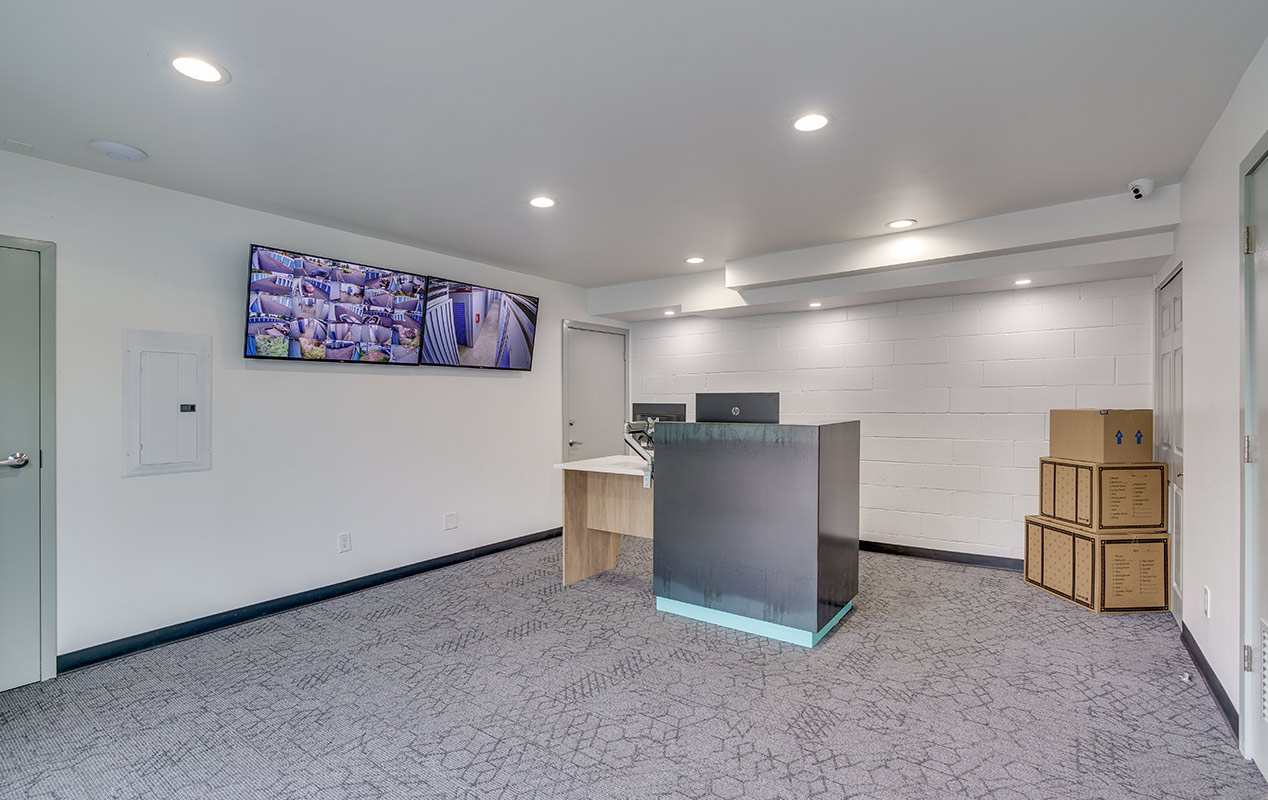
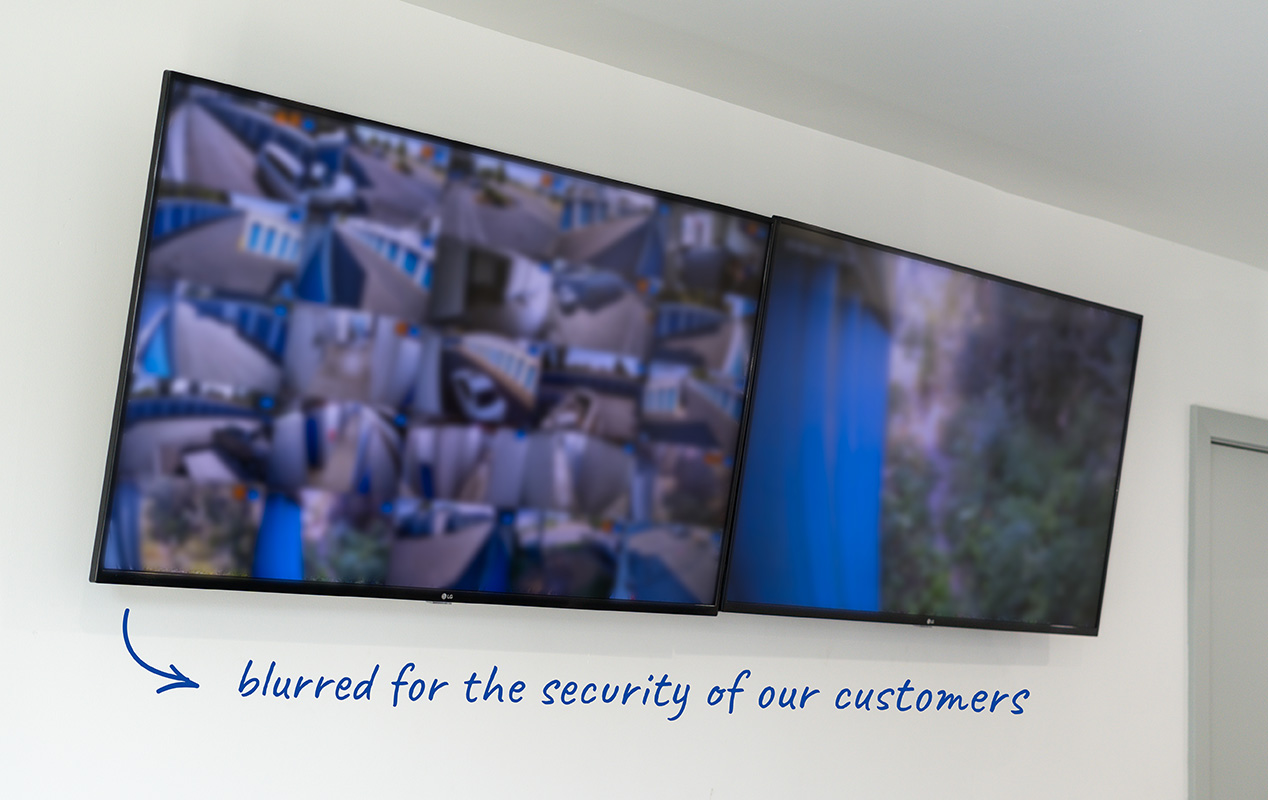
Look for practical security-related features such as gated access, digital video recording, logged access, and overnight surveillance. SecureSpace Self Storage Parkland Tacoma offers those features, along with Turing-enabled monitoring.
Businesses should also take their own precautions. Use a quality lock, limit who has access to the unit, maintain a digital inventory, avoid storing unnecessary duplicates, and review insurance or coverage requirements before moving sensitive records off site.
Selecting the right unit size helps prevent paying for space you do not need while leaving enough room for safe organization and retrieval. Exact capacity depends on box dimensions, shelving, aisle space, and how often employees need to access files.
A 5x5 unit can work for a small office, solo practice, or business with a modest number of boxed records. Think of it as a compact archive space for file boxes, small shelving, office supplies, or older paperwork that does not need frequent access.
Before choosing this size, estimate your box count and decide whether you need room for a person to step inside and retrieve files.
A 10x10 unit can support larger document storage needs, especially for businesses using shelving or organizing records by department, year, client, or case type. This size may be useful for a growing law office, accounting practice, medical office, or logistics company with multiple categories of records.
Leave a center aisle or retrieval path so employees do not have to unstack multiple rows of boxes every time they need one file.
A 10x20 unit may be appropriate for high-volume archives, business transitions, office moves, or organizations storing records alongside boxed office equipment. This size can support more shelving and clearer walkways, but businesses should avoid overpacking it.
For large archives, map the unit before move-in and separate records by retention date, department, or destruction schedule.
Archiving paperwork for months or years requires careful preparation. If loose papers are thrown into weak boxes, the files may be difficult to retrieve later and easier to damage during transport.
First, remove rubber bands, heavy binder clips, and unnecessary metal fasteners when possible. Over time, cheaper metal fasteners can rust or mark paper. Use folders, labeled envelopes, or document sleeves to keep files grouped.
Second, choose sturdy containers. Standard file boxes can work for many business records, but important documents may benefit from heavier-duty boxes or plastic bins with tight-fitting lids. Make sure containers are dry before packing.
Third, avoid overpacking. Boxes that are too heavy create lifting hazards and may collapse when stacked. Leave enough room inside each box so files can be removed without tearing.
Finally, label every box clearly. Include the department, document type, date range, and scheduled review or destruction date when applicable.
Moving boxes to a storage facility is only the first step. To make document storage useful, your team needs a retrieval system.
Use consistent box sizes where possible so stacks are stable. Label boxes on more than one side so employees can identify contents without moving everything around. Keep frequently needed files near the front of the unit and long-term archives farther back.
Create a master digital inventory before the boxes leave your office. A simple spreadsheet can include box number, contents, department, date range, retention date, and unit location. If an employee needs a file from a specific year, they should be able to search the inventory before visiting the unit.
Leave a clear walkway through the storage space. Avoid packing boxes flush against the door, and use shelving when possible to keep records organized and easier to retrieve.
Convenience plays a major role in whether document storage works day to day. A facility should align with your normal driving routes, office location, or staff responsibilities.
Businesses near downtown Tacoma, South Tacoma, Tacoma Mall, Parkland, Lakewood, University Place, or Fircrest may each prioritize different access routes. If files need to be retrieved during the workday, choose a storage location that does not create unnecessary travel time for staff.
SecureSpace Self Storage Parkland Tacoma is located at 220 112th St E in Tacoma. The facility offers daily gate access from 6:00 AM to 10:00 PM, which can help businesses plan file drop-offs and retrievals around office schedules.
The cost depends on unit size, current availability, and the features you select. A compact unit usually costs less than a larger space with room for shelving and walkways. For many businesses, self storage can be a more flexible option than expanding office space just to hold archived files.
The timeline depends on the volume of records, how well boxes are labeled, and whether you need shelving. A small office may be able to move boxed records in one trip, while a larger archive may require staged packing, inventory work, and multiple loads. SecureSpace Self Storage Parkland Tacoma offers carts and dollies, which can help with moving boxes through the facility.
Poor storage practices can make records harder to retrieve and easier to damage. Common risks include overpacked boxes, weak containers, unclear labels, blocked walkways, and storing damp paperwork. Businesses should pack files carefully, keep records organized, and avoid relying on storage alone to solve compliance or preservation needs.
The most common alternative is digitizing records by scanning paper files into an electronic document-management system or cloud-based platform. Many companies use a hybrid approach: active files are digitized for daily access, while older paper records are stored off site until they reach the end of their retention period.
Commercial self storage can work well for businesses that need extra space for boxed records, inactive files, office supplies, equipment, or inventory. It may be especially helpful for medical offices, law firms, accounting practices, contractors, logistics businesses, and growing companies that want to reclaim office space without taking on a larger lease.
Managing a growing collection of corporate records does not have to take over your office. By moving dormant files to a well-organized off-site storage unit, businesses can create a cleaner workspace, improve file organization, and keep archived documents accessible when needed.
Prioritize practical features such as heated storage, gated access, digital video recording, logged access, overnight surveillance, carts and dollies, online payments, and month-to-month leases. Pair those facility features with a clear packing and inventory system so your staff can find records quickly.
Ready to clear out the clutter and organize important files? Explore business document storage in Tacoma, WA with SecureSpace and compare available storage options for your office.
Everything you need to store your belongings securely, on your schedule.
Visit us online