Last updated Jun 23, 2026
Portland is a city built for outdoor enthusiasts. You can spend a morning heading toward Mount Hood, an afternoon navigating the trails of Forest Park, or a weekend planning a trip through the Columbia River Gorge. Because of this access to nature, locals often accumulate a lot of specialized seasonal equipment. Keeping that gear organized, accessible, and out of the way can be a challenge for many residents.
The reality of living in Portland often means dealing with older housing, smaller garages, dense apartment buildings, and limited closet space. If you live in a newer apartment building, you may face even tighter square footage, making it difficult to store bikes, ski bags, camping bins, paddles, helmets, and other gear at home.
Finding the right storage solution can help you reclaim space and keep approved sports equipment organized between trips. This guide covers the logistical, environmental, and security-related factors to consider when storing sports equipment in the Pacific Northwest, including unit size, location, packing habits, and facility features.
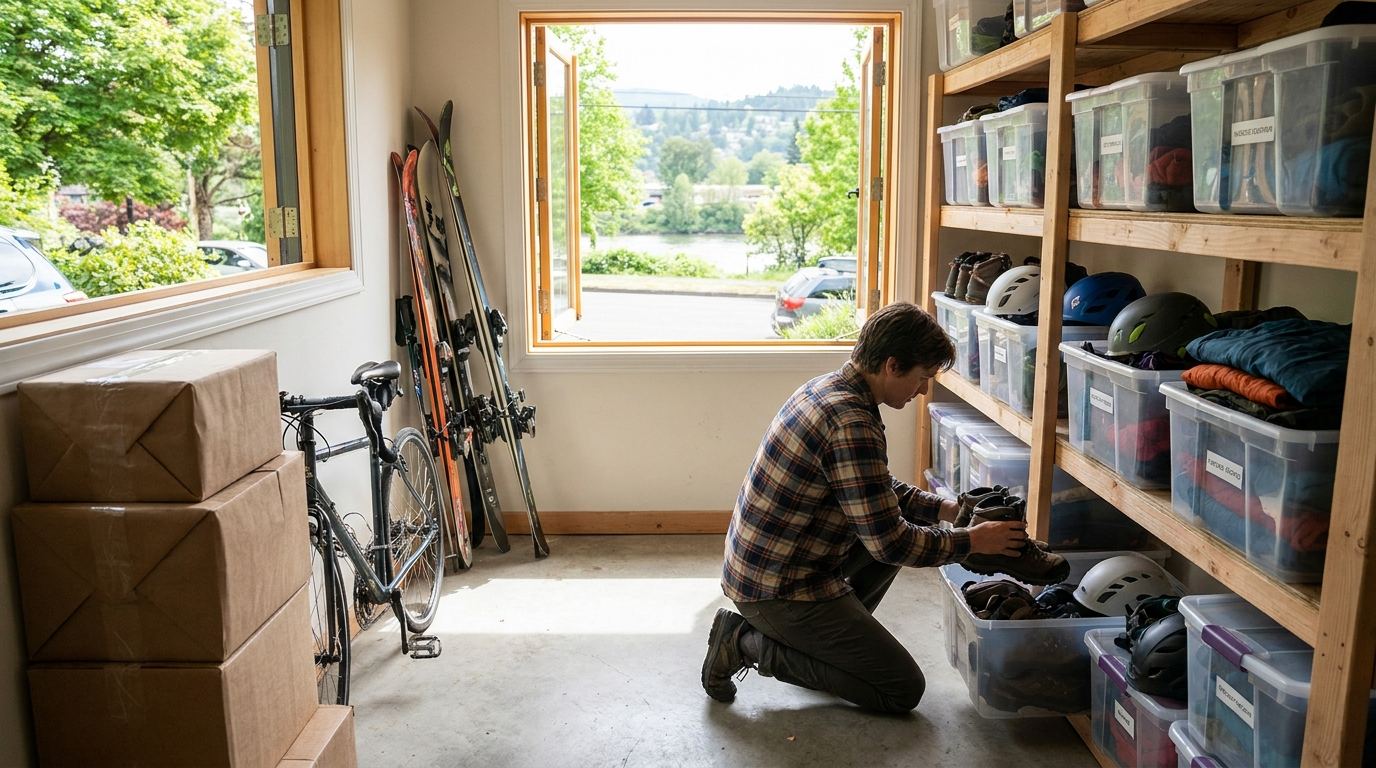
Portland's architectural landscape does not always support the modern outdoor lifestyle. Older neighborhoods are filled with Craftsman bungalows, Tudors, and other homes with garages that were built for a different era. Homeowners frequently find themselves completely unable to fit today's larger vehicles inside, turning these spaces into overflowing catch-all storage areas, according to Arciform.
Expanding or rebuilding a garage is not always simple. The city heavily regulates zoning, and Portland mandates building permits for most accessory structures exceeding 200 square feet, according to Portland.gov. For many residents, renting storage can be more practical than taking on a remodeling project just to create room for seasonal gear.
Apartment residents face a different version of the same problem. Bikes, camping bins, skis, snowboards, paddles, and outdoor equipment can quickly overwhelm closets, balconies, and shared storage rooms. A storage unit can help keep gear in one place while freeing up everyday living space.
The Pacific Northwest climate can create challenges for unprotected equipment. Damp conditions can affect performance fabrics, leather, untreated wood, paper labels, cardboard boxes, and certain metal parts if items are packed carelessly or stored while wet. Outdoor enthusiasts may find that tents, sleeping bags, ski wear, and similar gear need to be dried thoroughly before being put away for the season.
E-bike batteries require extra attention. The optimal storage temperature for an e-bike battery sits strictly between 50°F and 77°F, according to battery experts like Leoguar Ebikes. Customers should follow the manufacturer's storage and charging instructions for any lithium-ion battery and should avoid storing or charging batteries in unsafe conditions.
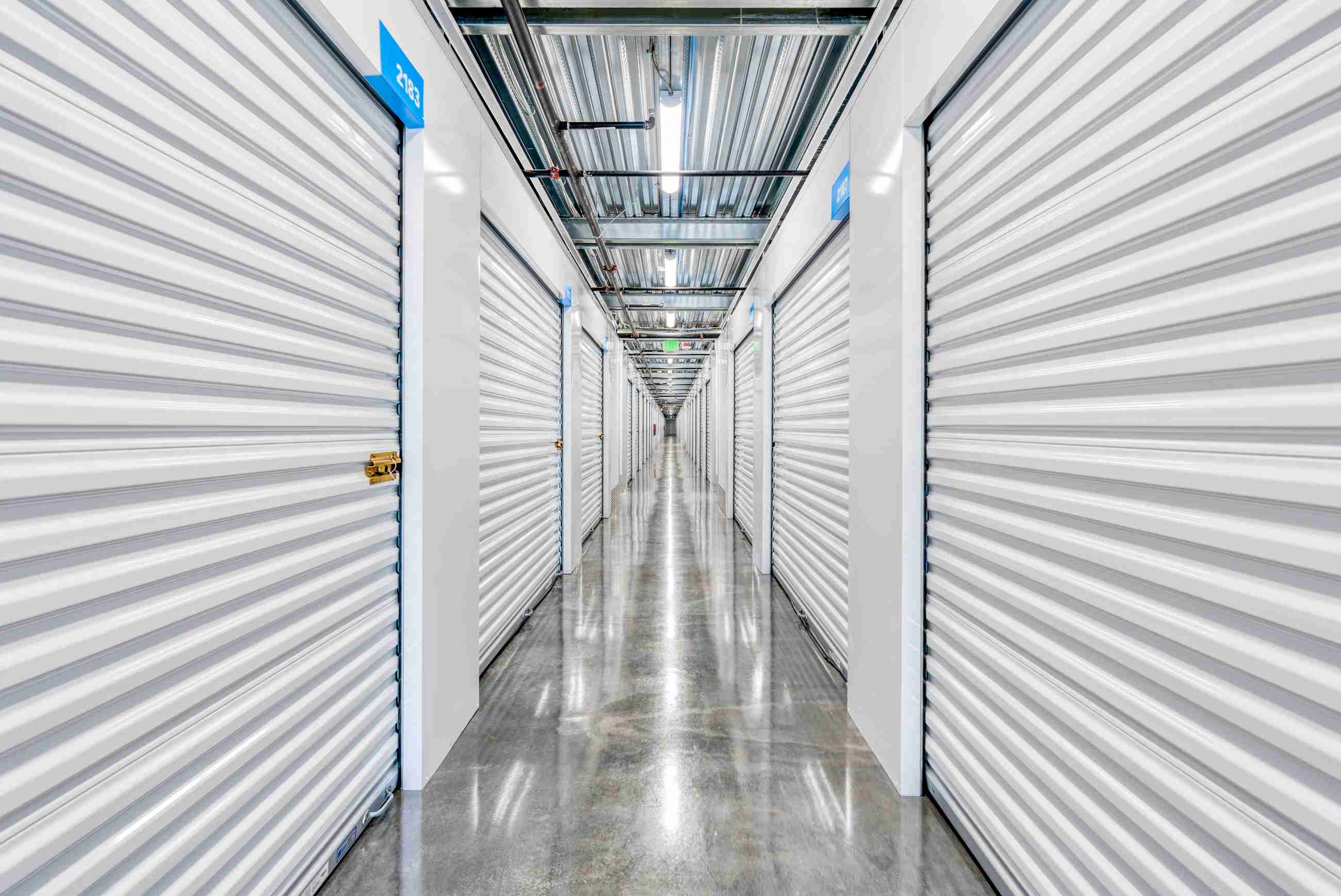
SecureSpace Self Storage Centennial offers heated indoor storage. Heated storage is not the same as climate-controlled storage, and it does not provide strict humidity control or guarantee specific battery-safe conditions. Still, heated indoor storage may be useful for Portland customers who want an indoor option rather than leaving approved gear in an unheated garage, outdoor shed, balcony, or vehicle during damp months.
Before storing gear, clean and dry it completely. Air out tents, sleeping bags, and pads. Wipe down bikes, tools, and metal gear. Store fabric items in breathable or appropriate containers based on manufacturer guidance, and avoid putting damp or dirty equipment into storage.
Sports equipment can be expensive, and theft concerns are part of the storage decision for many Portland residents. Portland experiences approximately 10,000 bicycle thefts per year, which equates to slightly more than one bicycle stolen every single hour within the city limits, according to ArcGIS StoryMaps data.
Because bicycle theft is chronically underreported, nationwide estimates suggest that a massive 40% of all bicycle thefts are never officially reported to police, as noted by BikePortland. That context makes it reasonable to compare security-related features before choosing a storage facility.
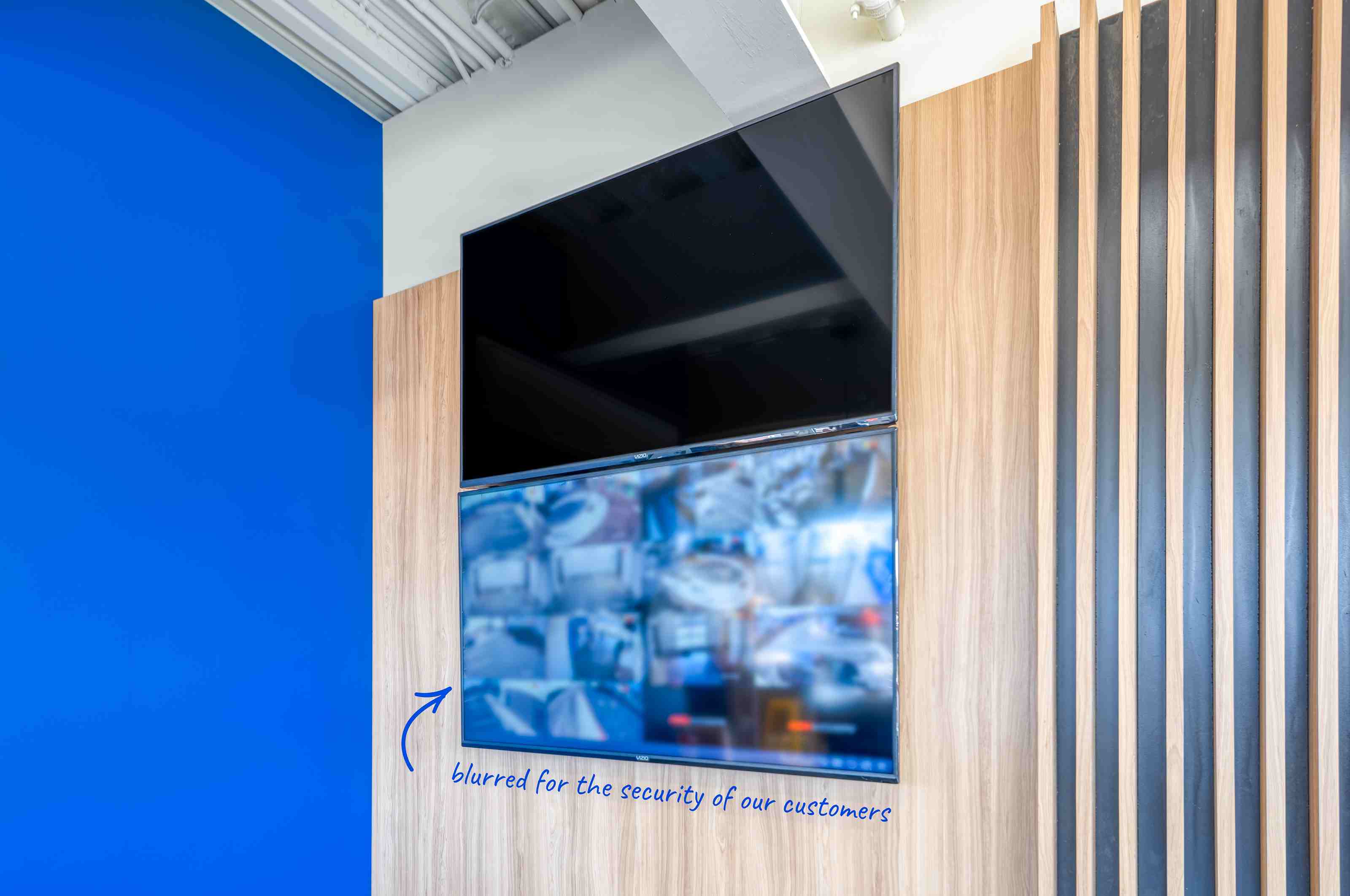
No facility can guarantee protection from theft or damage, but customers can look for clear, specific features instead of vague promises. SecureSpace Self Storage Centennial includes digital video recording, logged access, and overnight surveillance. Customers should also use a quality lock, keep a photo inventory of stored gear, avoid storing prohibited valuables, and review coverage requirements before move-in.
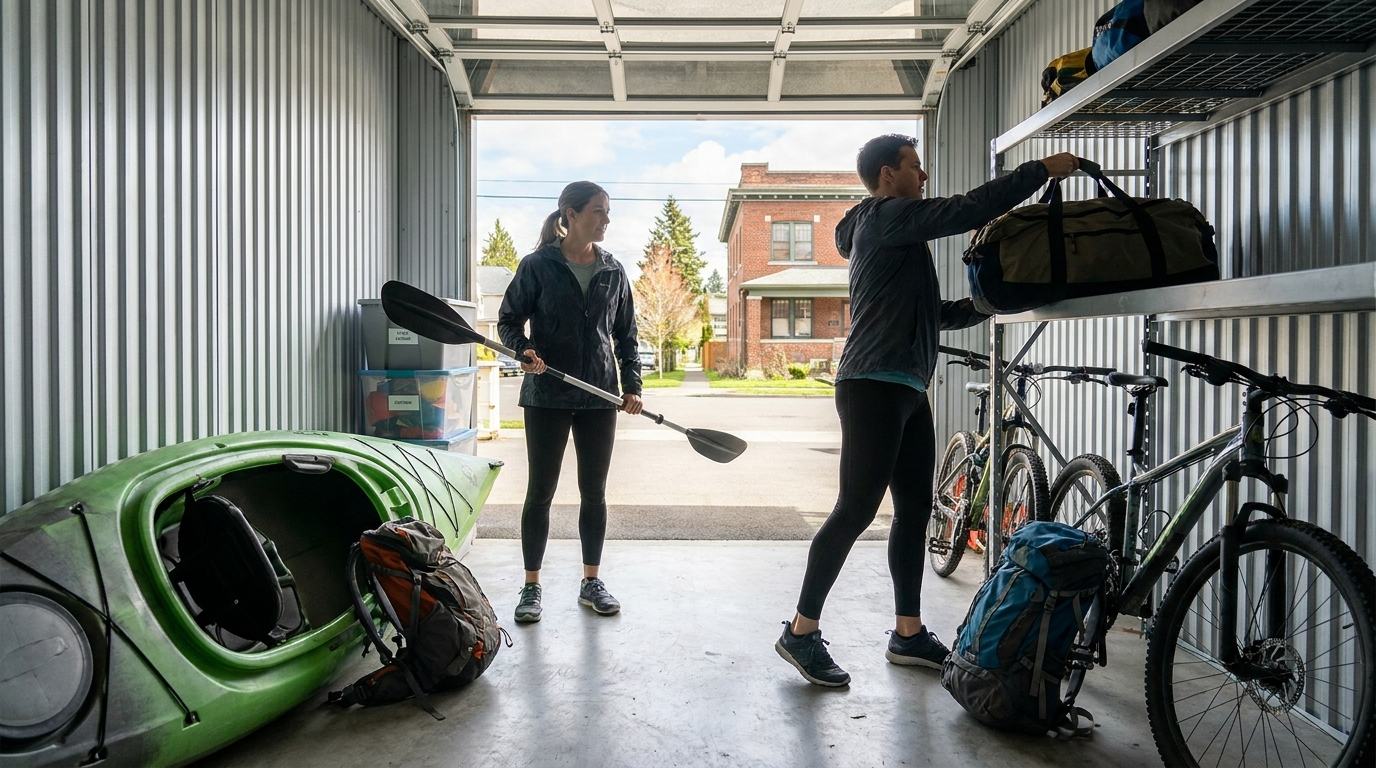
Visualizing storage space can be difficult, especially with long, awkward, or oddly shaped items. Choosing the right size helps avoid paying for more space than you need while still leaving room to access gear.
A 5x5 unit may work well as a compact gear closet for bins, helmets, boots, folded camping gear, seasonal outerwear, smaller sports accessories, or compact equipment. A 5x10 unit may be useful for a larger collection of bins, smaller furniture, camping gear, and some longer items, depending on dimensions and access.
A 5x15 unit may work for longer recreational items depending on item length, unit availability, elevator access, doorway clearance, and facility rules. Larger units such as 10x10, 10x15, 10x20, and 10x30 may support more extensive household overflow, business materials, or multi-sport gear collections, depending on how items are packed and what is allowed.
SecureSpace Self Storage Centennial offers customer-facing unit sizes including 5x5, 5x10, 5x15, 10x10, 10x15, 10x20, and 10x30. Fit depends on item size, packing style, access path, and whether you need a walkway inside the unit. This location does not offer parking units, covered parking, drive-up units, or vehicle storage in drive-up units, so storage should be limited to approved items that fit inside the rented unit and follow facility rules.
Geographic proximity matters when storing outdoor gear. A lower monthly rate may not feel like a better value if the facility is far from home or inconvenient for repeat visits. The best fit is usually a location that works with your neighborhood, commute, and typical trip routes.
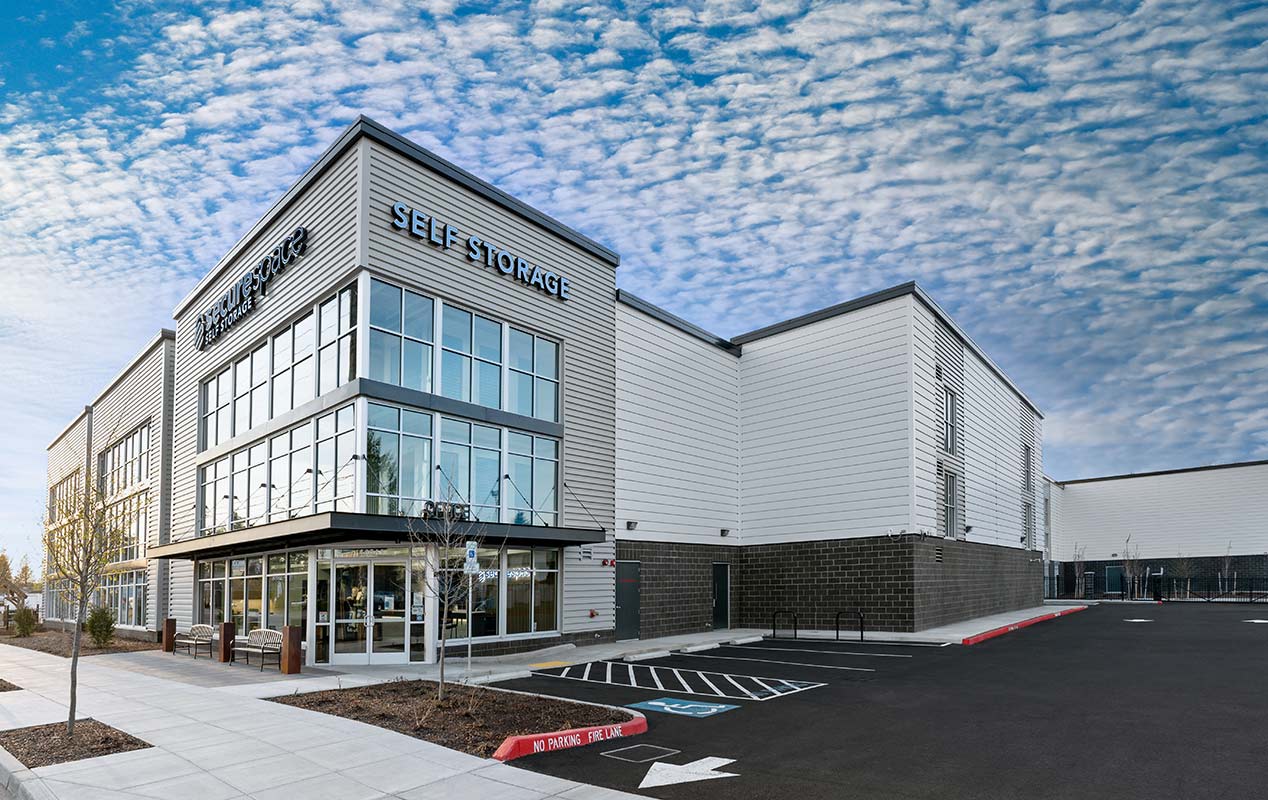
SecureSpace Self Storage Centennial is located at 16061 SE Division St in Portland and serves Southeast Portland customers, including nearby areas such as Centennial, Powellhurst-Gilbert, Pleasant Valley, Rockwood, and surrounding eastside neighborhoods.
The facility offers daily access from 7:00 AM to 10:00 PM, which can help customers retrieve gear before or after work, during move planning, or before weekend trips. Review current access details and unit availability before renting.
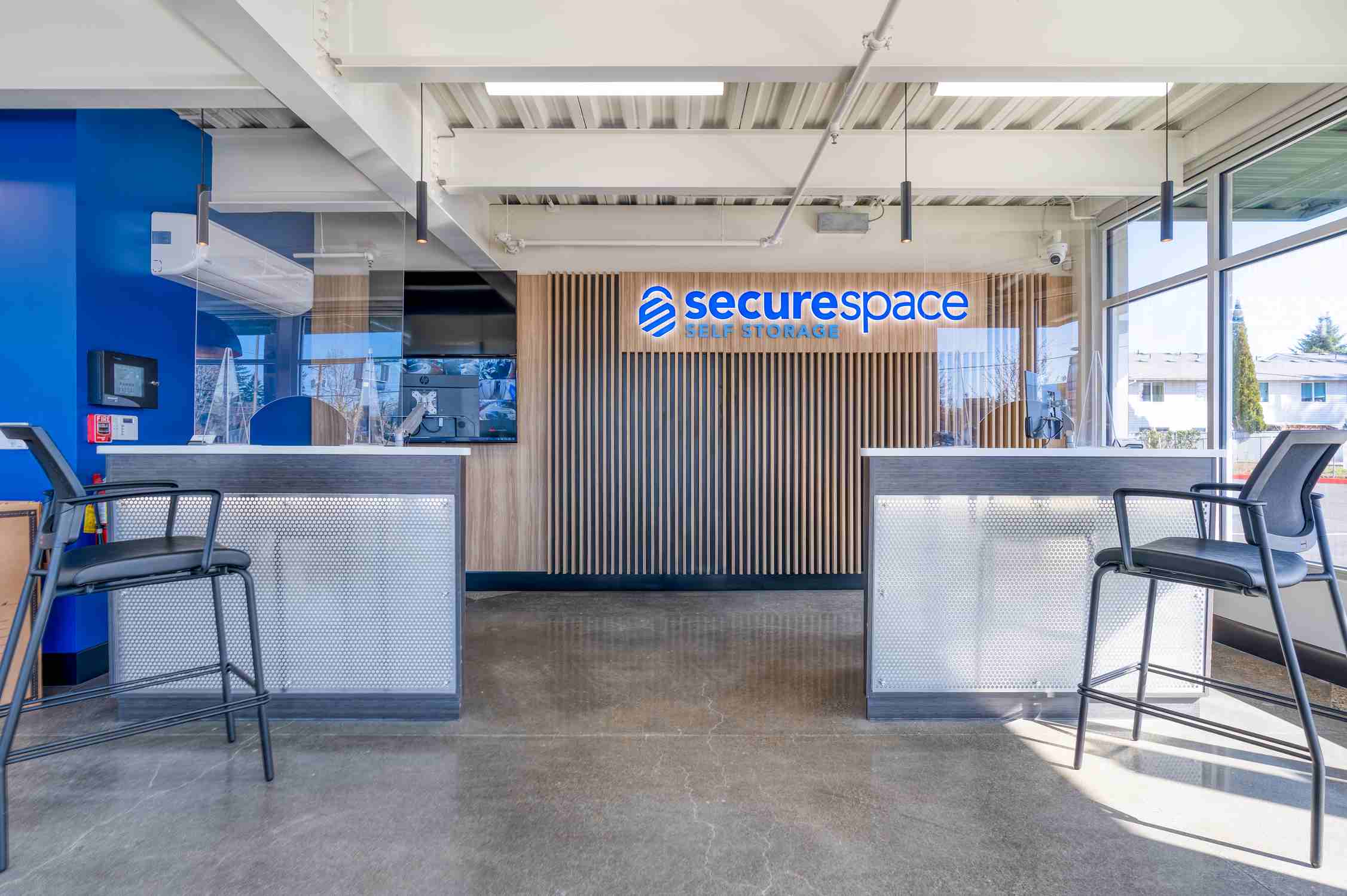
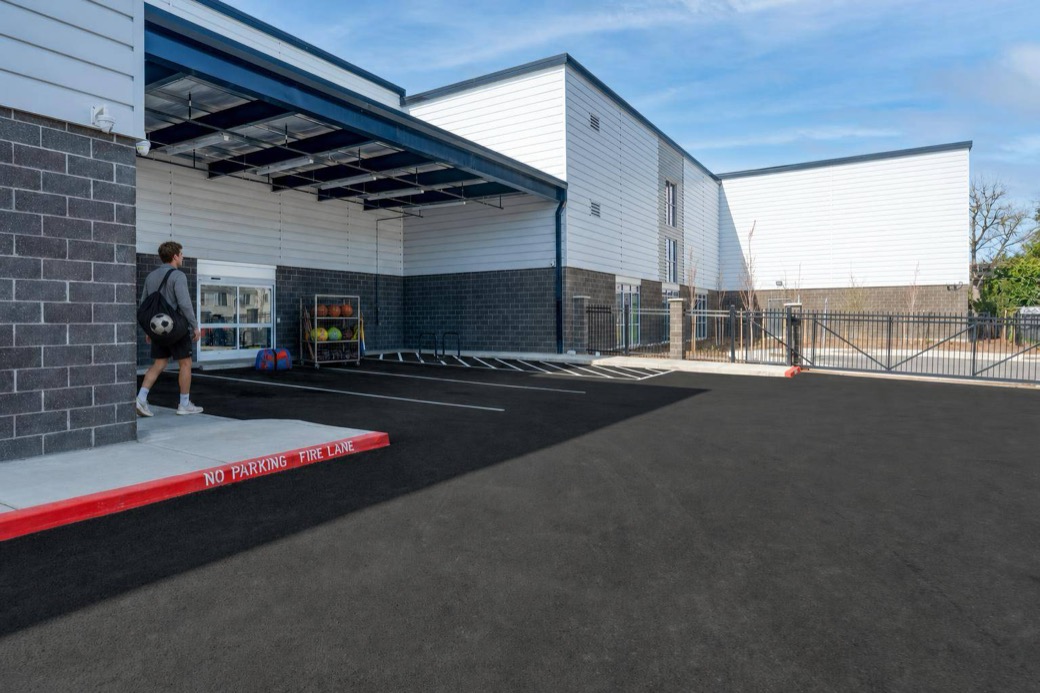
Sports equipment storage is easier when the facility has practical loading and access features. SecureSpace Self Storage Centennial offers a covered loading area, elevator access, extra-large elevators, and carts and dollies. These features can make it more manageable to move bins, bags, and larger approved gear between your vehicle and unit, especially during wet weather.
The facility also offers heated indoor storage, online payments, ACH and credit card payment plans, month-to-month leases, digital video recording, logged access, and overnight surveillance.
Because heated storage is not climate-controlled storage, customers should still prepare gear carefully. Dry equipment thoroughly, clean off dirt or salt, remove batteries when manufacturer guidance recommends it, and store sensitive items according to product instructions.
SecureSpace Self Storage Centennial offers indoor storage units that may work for bikes and related gear depending on unit size, availability, access path, and facility rules. The facility includes digital video recording, logged access, and overnight surveillance. Customers should use a quality lock and keep a photo inventory of stored gear.
SecureSpace Self Storage Centennial offers heated indoor storage, not climate-controlled storage. Heated indoor storage may be useful during Portland's damp months, but it does not provide strict humidity control. Clean and dry ski gear, tents, sleeping bags, and camping equipment before storing them, and follow manufacturer care instructions.
Leoguar Ebikes notes that the optimal storage temperature for an e-bike battery sits between 50°F and 77°F. SecureSpace Self Storage Centennial offers heated indoor storage but does not guarantee a specific temperature range for e-bike batteries. Follow the battery manufacturer's storage and charging instructions, and do not store or charge batteries in unsafe conditions.
The right unit size depends on the exact length, width, height, and handling needs of the item. A longer unit, such as a 5x15 or larger size, may work for some long recreational items if they fit through the access path and comply with facility rules. Confirm dimensions, unit availability, and facility requirements before renting.
Renting a dedicated sports equipment storage unit can help keep approved gear organized, out of crowded living areas, and ready for the next trip. By choosing the right unit size, preparing equipment carefully, and reviewing facility features, you can build a storage setup that works for your routine.
SecureSpace Self Storage Centennial offers heated indoor storage, daily access from 7:00 AM to 10:00 PM, month-to-month leases, online payments, ACH and credit card payment plans, a covered loading area, elevator access, extra-large elevators, carts and dollies, digital video recording, logged access, and overnight surveillance.
Explore current availability for sports equipment storage in Portland, OR.
Everything you need to store your belongings securely, on your schedule.
Visit us online