Last updated Aug 12, 2026
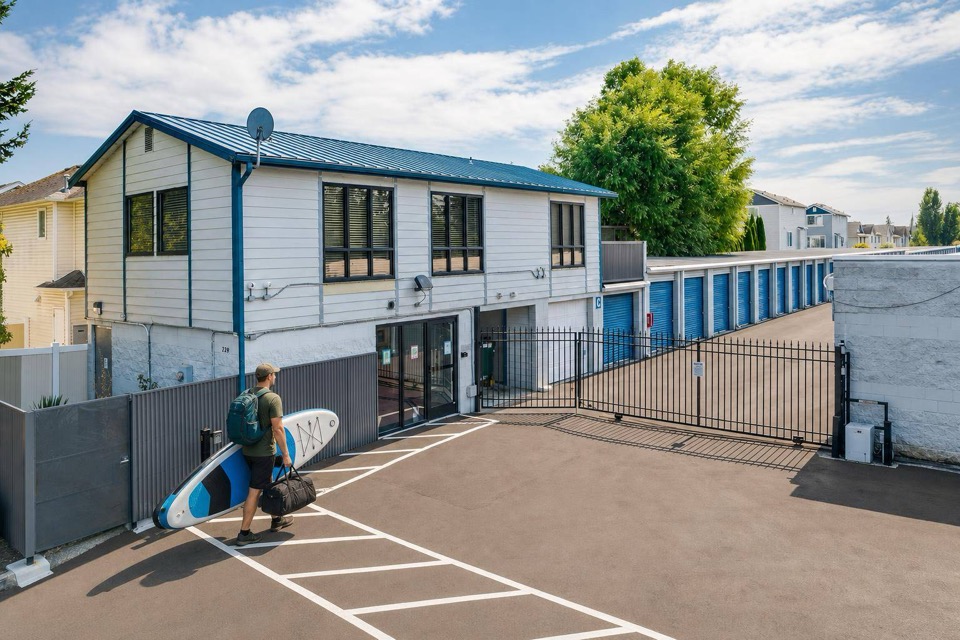
Tacoma makes it easy to get outside, but outdoor gear can quickly take over a home, apartment, garage, or vehicle. Bikes, skis, paddleboards, camping bins, fishing gear, and bulky seasonal equipment all need room, and they often need a little extra care before they go into storage.
A storage unit can help Tacoma residents keep recreational gear organized between trips, seasonal changes, moves, and home projects. The right setup depends on what you are storing, how often you need access, and whether the gear is sensitive to cold, dampness, battery rules, or awkward dimensions.
This guide explains how to store adventure gear more responsibly in Tacoma, how to choose a practical unit size, and what to check before renting.
Outdoor gear often takes up more space than people expect. A bike may fit in a hallway for a few weeks, but multiple bikes, paddles, tents, coolers, skis, and camping bins can quickly crowd living areas. That is especially true for renters, students, military households, and anyone living in a smaller home or apartment.
Some Tacoma homes are older and may not offer modern storage layouts. According to Sammamish Mortgage, Tacoma's historic homes can offer character and charm, but older layouts may come with smaller closets, tighter stairways, and storage limitations.
Apartment living can create similar constraints. Properties listed by the Tacoma Housing Authority vary by community, and many renters need to plan around limited in-unit storage, shared storage areas, parking rules, or building policies.
For many households, a storage unit is not about storing every item away. It is about moving bulky, seasonal, or less frequently used gear out of the main living space while keeping it organized for the next trip.
Tacoma's rainy seasons make gear preparation important. Outdoor equipment should go into storage clean and dry, especially if it has fabric, foam, leather, metal, wood, electronics, or battery components.
Avoid putting muddy, wet, or salty gear directly into a storage unit. Moisture can affect fabrics, hardware, zippers, bindings, chains, edges, and cases. Before storage, wipe down bikes, rinse and dry water gear, empty coolers, air out tents, and let clothing or sleeping bags dry fully.
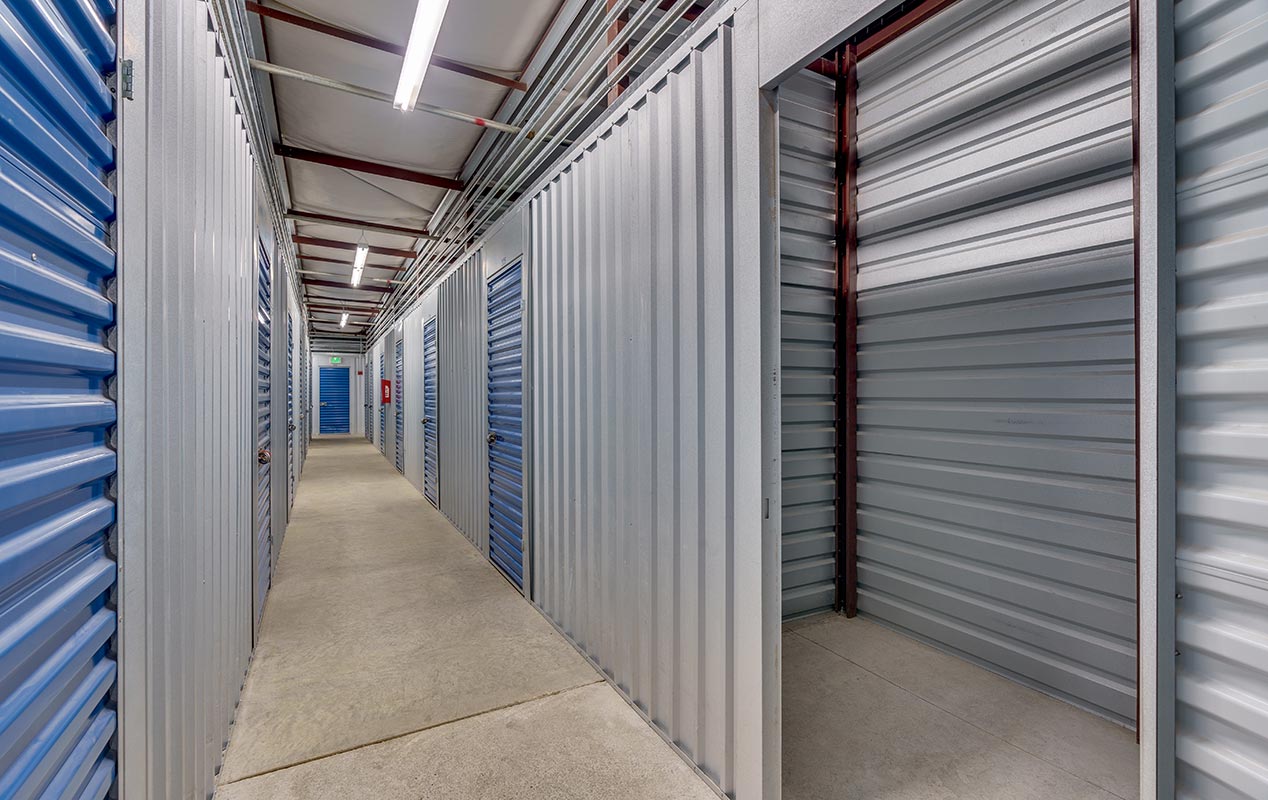
Heated storage may be useful for eligible gear customers prefer not to keep in a cold space, where available. Heated storage is not the same as climate-controlled or humidity-controlled storage, and it should not be described as guaranteed protection from moisture, mold, rust, corrosion, or damage.
Skis and snowboards are compact enough for smaller units, but they still benefit from proper prep. A 5x5 or 5x10 unit may work for skis, snowboards, boots, helmets, poles, and a few winter gear bins, depending on how much equipment you have.
Before storing winter sports gear, clean off dirt, moisture, and road residue. Christy Sports recommends applying a heavy coat of storage wax and storing boards vertically for the off-season.
Keep boots dry, loosen straps or buckles where appropriate, and avoid stacking heavy items on top of gear bags. If you store multiple sets, label bags by user or activity so the right gear is easy to grab before a trip.
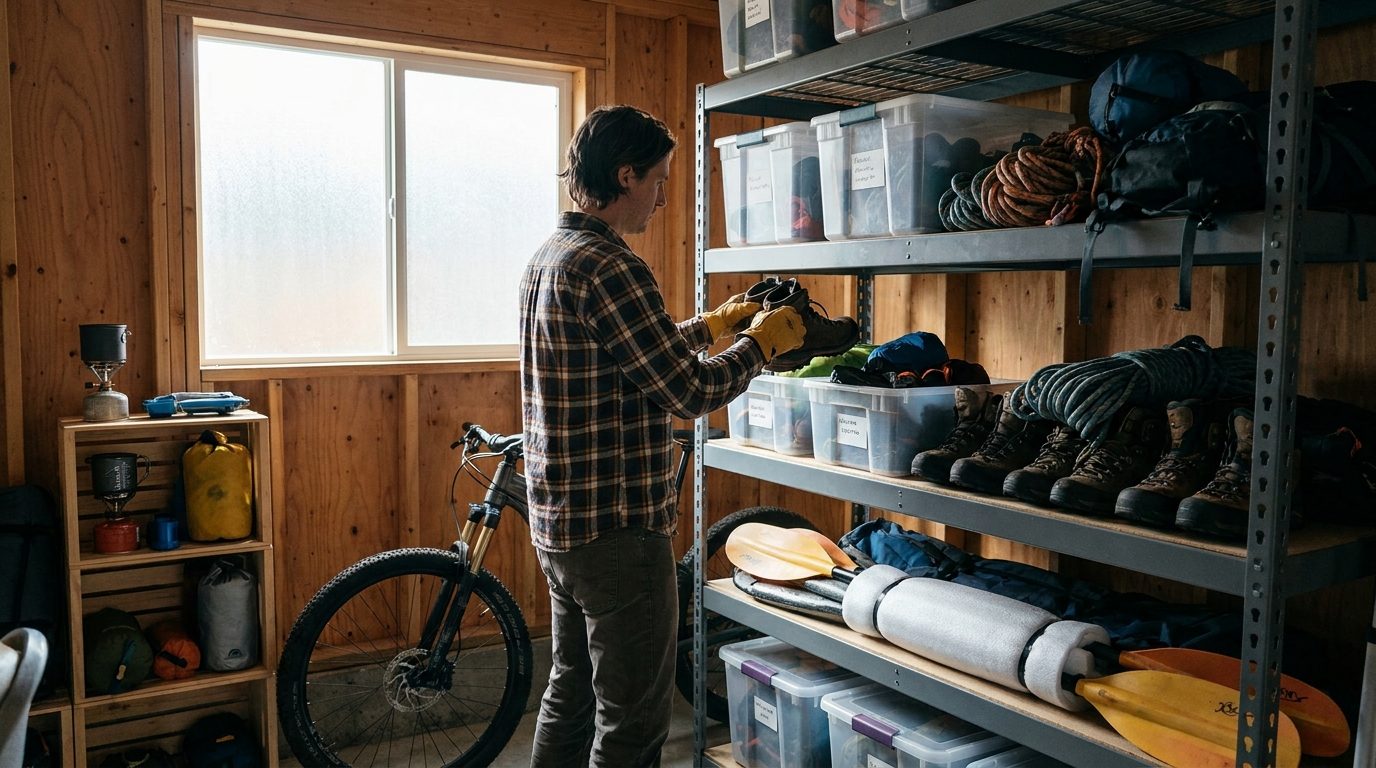
Bikes are easier to store when they are clean, dry, and positioned so they do not block access to other items. A 5x10 unit may work for one or more bikes plus helmets, pumps, repair kits, and bins of riding gear, depending on the bike count and storage method.
A vertical rack or freestanding stand can help save floor space. REI notes that vertical bike storage can help keep hydraulic suspension seals lubricated, which may be useful for mountain bikes and other suspension-equipped bikes.
E-bikes and other battery-powered gear need extra caution. Storage and charging policies can vary by facility, and battery charging inside a storage unit should never be assumed to be allowed. Before storing an e-bike, scooter, power station, or rechargeable gear, ask the facility about lithium-ion battery rules, charging rules, and any restrictions on damaged or recalled batteries.
Kayaks, paddleboards, fishing gear, and larger outdoor equipment can require more planning because of length and shape. A 10x10, 10x15, or larger unit may be needed depending on the item's dimensions and how it will be positioned.
Measure the full length, width, and height before renting. Do not rely only on the category name. A short inflatable paddleboard, a rigid touring kayak, and a fishing kayak with attachments may all need different amounts of space.
Whenever possible, store watercraft dry and supported. Avoid long-term pressure points, sharp angles, or leaning heavy gear in a way that could bend or distort the shape. Use proper racks, cradles, padding, or wall-safe positioning if allowed by the facility and practical for the unit.
The best unit size depends on how much gear you own and whether you need room to move around inside the unit.
A 5x5 unit may work for a compact set of skis, snowboards, helmets, boots, camping bins, or smaller seasonal items. A 5x10 may be better for bikes, bins, fishing gear, luggage, and mixed outdoor equipment. A 10x10 or 10x15 may be more practical for larger gear collections, paddleboards, kayaks, multiple bikes, or bulky camping setups.
If you plan to visit often, leave space for a walkway. Keep frequently used gear near the front, group items by activity, and label bins clearly. Shelving can also help keep smaller gear organized, if allowed and practical for the unit.
Outdoor and recreation gear can be expensive, so security matters. When comparing Tacoma storage options, look for clear facility features rather than broad promises.
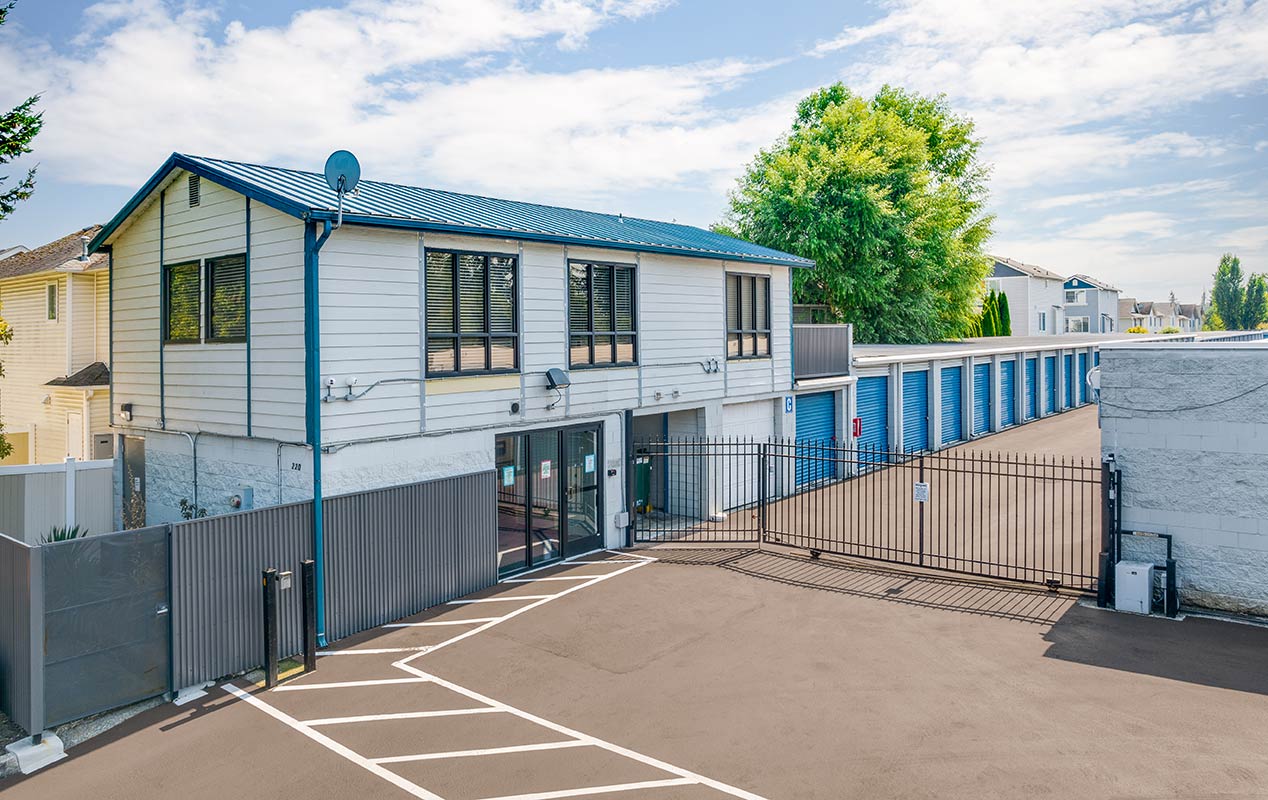
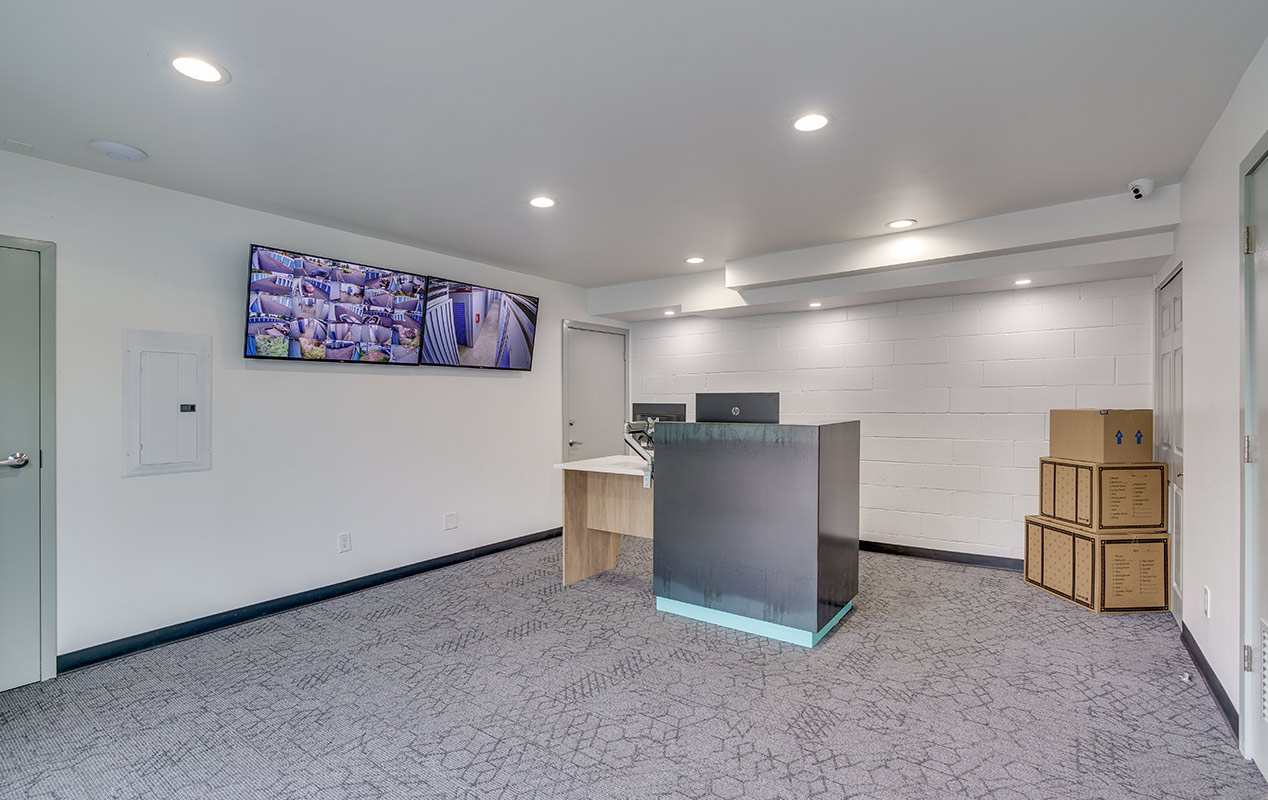
At SecureSpace Self Storage Parkland Tacoma, security-related features include an access gate, digital video recording, logged access, overnight surveillance, and Turing-enabled monitoring. Customers should also use a quality lock, keep a basic gear inventory, photograph valuable items when appropriate, and review coverage requirements before move-in.
Avoid assuming that a storage facility offers smart locks, individual unit alarms, touchless access, 24/7 active monitoring, bright lighting, or fully fenced parking unless those features are listed for the specific location.
A storage unit is more useful when it fits your routine. Tacoma residents may be storing gear for weekend hikes, biking, skiing, camping, boating, fishing, or seasonal travel. Think about how often you will visit, when you usually leave for trips, and whether the facility's access hours work for your schedule.
Before renting, confirm current gate hours, unit location, parking rules, and loading options. If you have bulky gear, ask whether carts, dollies, elevator access, or drive-up units are available at the specific location you are considering.
Broad Tacoma searches may include more than one SecureSpace location, so use the facility page to verify the current features and availability for the location that best fits your route and storage needs.
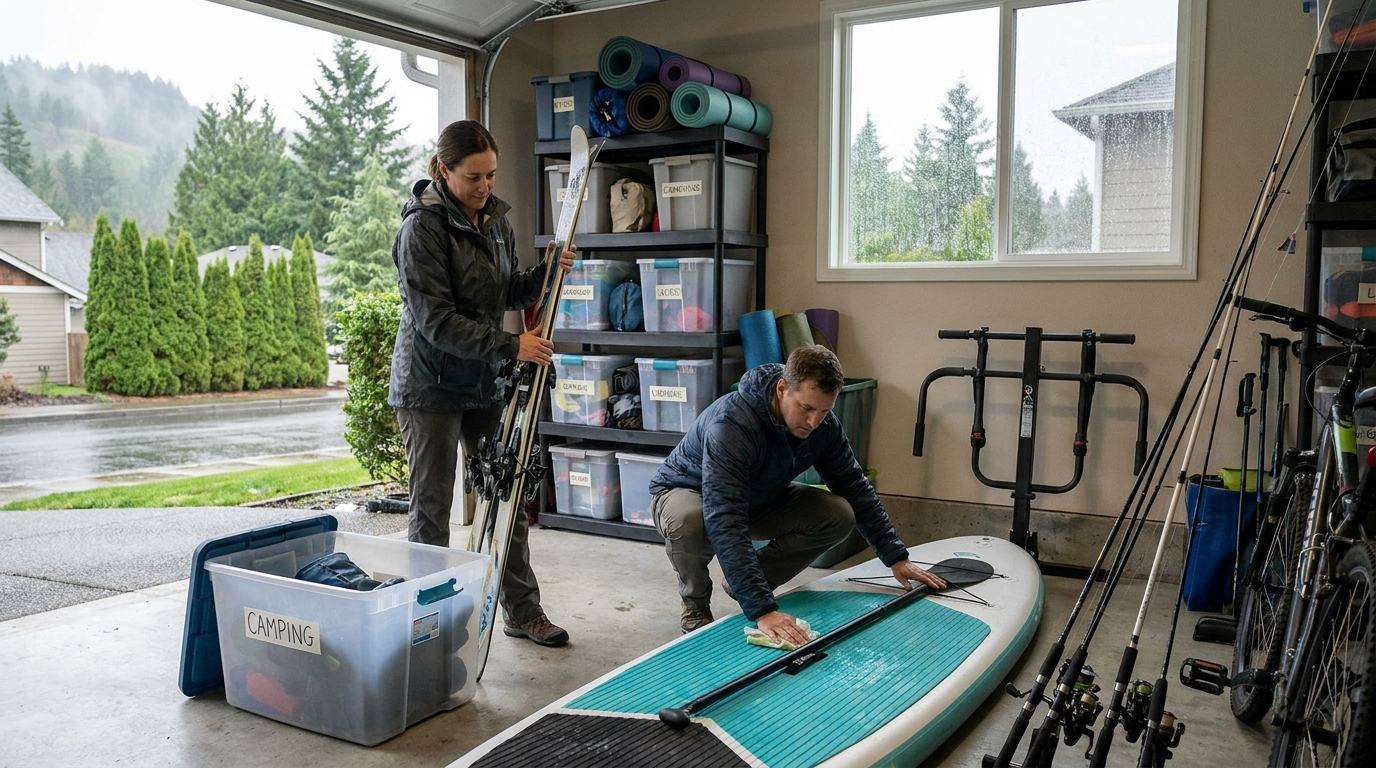
Storing outdoor gear well starts before it reaches the unit. Clean and dry everything, separate battery-powered equipment, check facility rules, and choose a unit size that gives your gear enough room.
For skis, snowboards, bikes, kayaks, paddleboards, camping equipment, and seasonal bins, storage can help clear space at home while keeping gear organized for the next trip. Heated storage may be useful for eligible items customers prefer not to keep in a cold space, where available, but careful packing and item prep still matter.
Ready to make more room for your next adventure? Review current options for storage units in Tacoma, WA with SecureSpace and choose a space that fits your gear, schedule, and storage needs.
Climate-controlled storage is different from heated storage and should not be assumed. Heated storage may be useful for eligible gear customers prefer not to keep in a cold space, where available. Always confirm the exact unit type before renting.
A 12-foot kayak is longer than a 5x10 unit's typical depth, so measure carefully before renting. Some items may fit only at an angle, but long-term angled storage may not be ideal for certain watercraft. A larger unit may be more practical depending on the kayak's shape and storage method.
Clean and dry the bike, follow the manufacturer's battery guidance, and ask the facility about lithium-ion battery and charging rules. Do not assume charging is allowed inside a storage unit, and avoid storing damaged, swollen, leaking, or recalled batteries.
Access hours vary by facility. Before renting, confirm current gate hours for the specific Tacoma location you are considering and make sure they fit your trip schedule.
A 5x5 or 5x10 may work for bins, tents, sleeping bags, camp chairs, coolers, and smaller gear collections. Larger households or gear-heavy hobbies may need a 10x10 or 10x15, especially if you want room for bikes, paddles, shelving, or a walkway.
Everything you need to store your belongings securely, on your schedule.
Visit us online