Last updated Aug 12, 2026
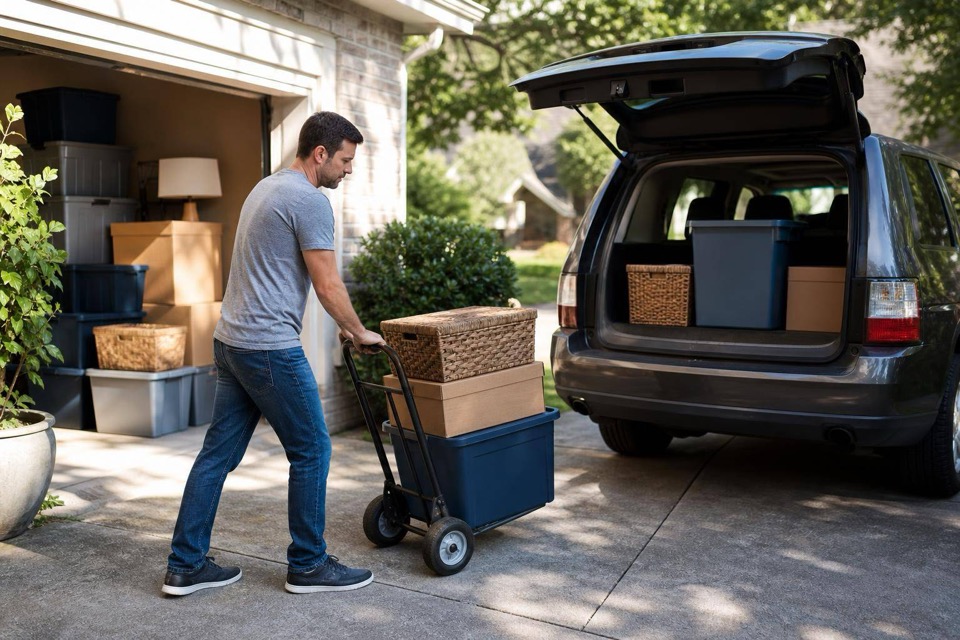
A storage unit can help during a move, renovation, decluttering project, or household transition, but it is not meant for everything you own. Some items create safety risks, attract pests, violate facility rules, or require a different type of storage altogether.
Before move-in day, separate your belongings into three groups: items that can go into storage, items that need extra preparation, and items that should stay out completely. That small step can help you avoid lease issues, damaged belongings, or last-minute repacking.
This guide explains common storage restrictions, why they matter, and how to prepare permitted items before renting storage in Riverview.
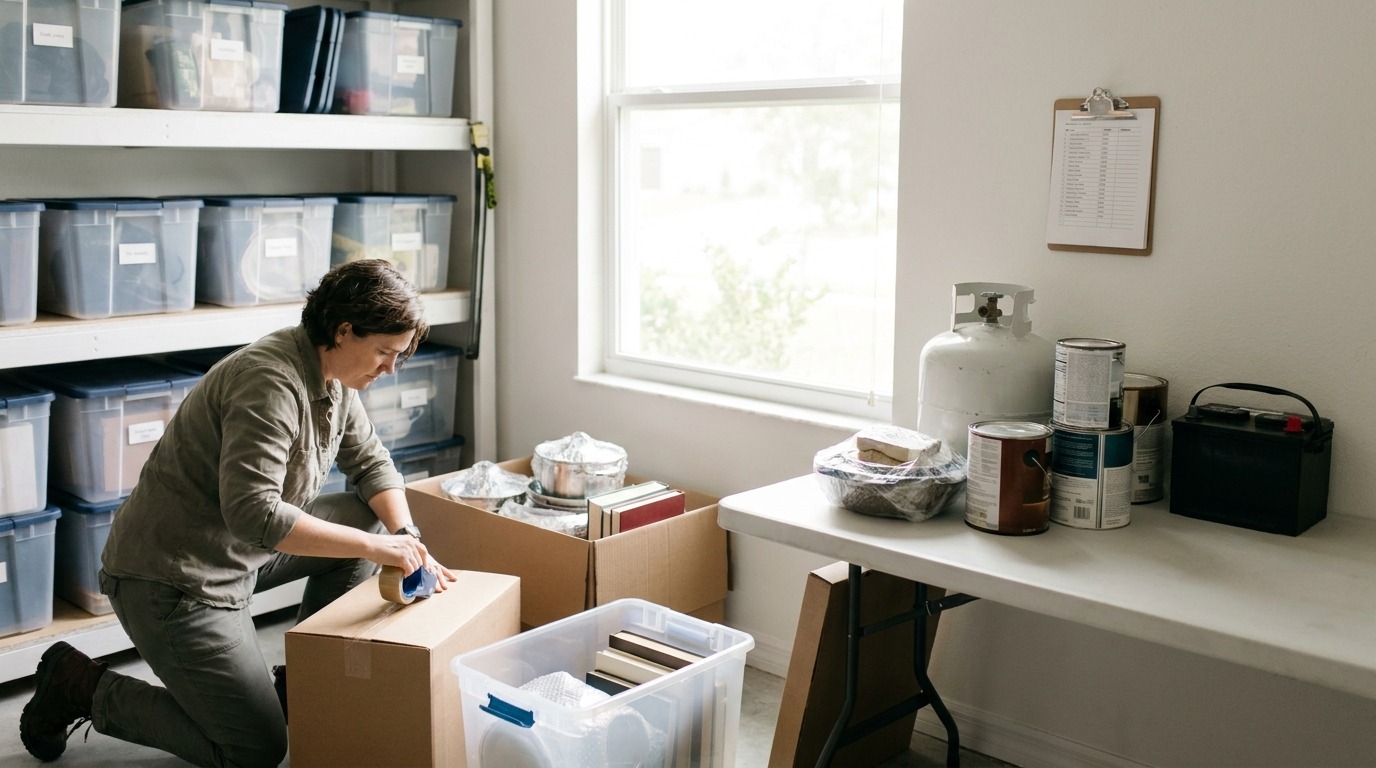
Restricted-item rules help protect customers, staff, stored belongings, and the property itself. In a storage facility, one unsafe item can create problems beyond a single unit.
Rules vary by lease and facility, but restricted items usually fall into a few categories:
Items that can burn, spill, leak, or release fumes
Items that attract pests
Items that are illegal or regulated
Items that require active care, power, ventilation, or supervision
Items too valuable or irreplaceable to leave in ordinary storage
The best approach is simple: review the rental agreement before packing, and ask about anything that seems uncertain.
Hazardous materials are commonly prohibited because they can create fire, spill, odor, or safety risks. Avoid storing items that are explosive, highly flammable, corrosive, toxic, or unstable.
Common examples include:
Gasoline, diesel fuel, and motor oil
Propane tanks, kerosene, and lighter fluid
Aerosol cans
Paint thinner, solvents, and harsh chemicals
Pool chemicals
Fertilizers, weed killers, and pesticides
Fireworks or explosives
Cleaning chemicals that require special handling
If you are storing lawn equipment, motorcycles, or similar items, check preparation rules before move-in. According to moving experts at Moving.com, even trace amounts of leftover fuel can emit dangerous fumes that become highly concentrated in enclosed spaces.
Do: empty and clean equipment according to facility rules.
Don't: bring fuel, chemicals, or pressurized containers into the unit.
Food can spoil, leak, create odors, and attract pests. That includes obvious perishables as well as items that seem harmless when packed away.
Avoid storing:
Fresh, refrigerated, or frozen food
Open pantry items
Pet food
Candy, snacks, or drinks
Food in thin bags, boxes, or unsealed containers
If you are storing kitchen items, clean them first. Wipe out microwaves, small appliances, dishes, cookware, and storage containers so crumbs and grease do not travel with your boxes.
Do: pack clean cookware, dishes, and empty appliances.
Don't: store food, pet food, or anything that can spoil or attract pests.
A storage unit should never be used to house people, pets, livestock, insects, or any other living creature. Storage units are not designed for habitation, animal care, or shelter.
Plants should also stay out of storage. They need light, air, water, and regular care. Left in a closed unit, plants can decay and create pest or odor issues.
Do: make separate arrangements for pets, plants, and anything that needs care.
Don't: use a storage unit as shelter, workspace housing, or animal storage.
A storage unit should only hold lawful property that is allowed by the lease and facility rules. Do not store illegal, stolen, counterfeit, or prohibited goods.
Items to avoid include:
Stolen property
Illegal drugs or illicit substances
Counterfeit goods
Unlawful weapons or explosives
Smuggled or unlicensed goods
Items that violate local, state, or federal law
Some items may also be legal to own but still regulated or unsuitable for ordinary self storage. If an item has special legal, safety, or handling requirements, verify the rules before packing it.
Rules for firearms, ammunition, and regulated weapons can vary by facility policy and law. Do not assume they can go into a standard storage unit.
Before storing any weapon, ammunition, or related item, review the facility rules and applicable legal requirements. When in doubt, use a storage option designed for that specific item type rather than ordinary self storage.
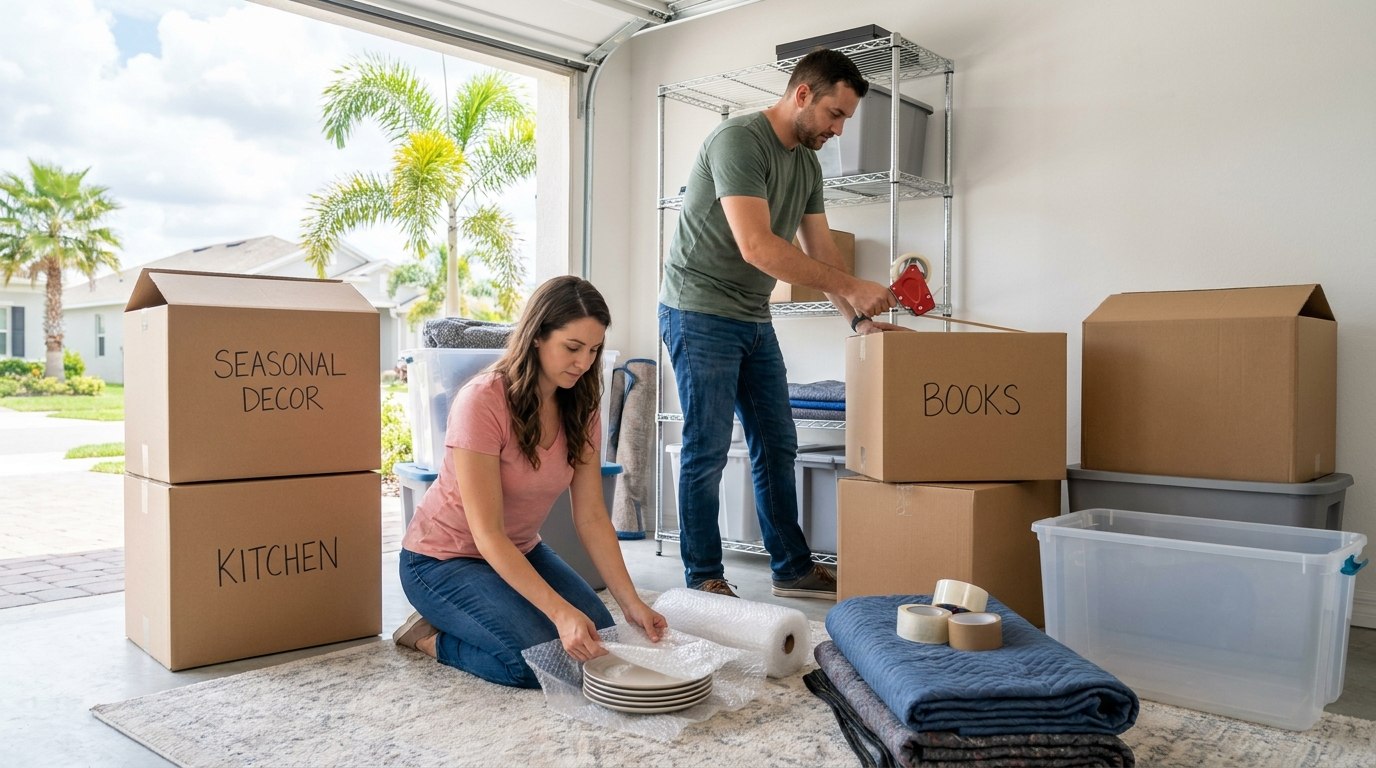
Some items may not be prohibited, but they still may not belong in a storage unit. Irreplaceable valuables, critical documents, and high-sensitivity records are often better kept somewhere designed for that level of access and protection.
Think carefully before storing:
Large amounts of cash
Fine jewelry or precious metals
Passports, Social Security cards, and birth certificates
Original wills, deeds, or legal documents
Highly sensitive financial records
Irreplaceable family items
If documents need to be stored, organize them carefully, label boxes clearly, and create digital backups when appropriate. Review coverage requirements and limits before move-in.
Some belongings need more planning before they go into storage. Furniture, electronics, documents, photos, clothing, textiles, leather goods, musical instruments, mattresses, and household decor may benefit from a more stable indoor environment, depending on condition, packing method, and storage length.
Preparation matters regardless of unit type:
Store items clean and dry.
Use sturdy boxes or bins.
Avoid packing items that need cleaning or repair.
Wrap fragile items carefully.
Label boxes on more than one side.
Keep items you may need soon near the front.
For sensitive belongings, review available unit types before renting and choose the setup that best fits what you are storing.
Vehicle, boat, trailer, RV, and equipment storage depends on facility rules, unit type, item dimensions, and current availability. SecureSpace Riverview does not offer separate outdoor parking spaces for rent, but eligible vehicles, boats, RVs, or trailers may fit in certain drive-up units when dimensions, door clearance, availability, and facility rules allow.
Before planning this type of storage, confirm:
Overall length, width, and height
Door clearance
Mirrors, racks, hitches, or attachments
Unit type and current availability
Required documentation
Rules for fuel, maintenance, and storage condition
Do not use a storage unit as a mechanic workshop. Repairs, oil changes, fueling, and maintenance should be handled in an appropriate location, not inside the unit.
Before loading the car or moving truck, make a final pass through your belongings.
Do:
Read the rental agreement and restricted-item rules.
Ask about uncertain items before move-in.
Clean appliances, tools, and equipment before storing.
Use sturdy boxes, bins, and labels.
Keep a simple inventory.
Review coverage requirements.
Don't:
Pack food, fuel, chemicals, or hazardous materials.
Store living things.
Bring illegal, stolen, or unsafe items.
Assume regulated items are allowed.
Use the unit as a workspace, shelter, or repair area.
Leave irreplaceable documents or valuables without reviewing risk and coverage.
A few minutes of sorting can prevent bigger problems later.
Commonly restricted items include hazardous materials, flammable liquids, perishable food, living things, illegal goods, and items that require active power, ventilation, or special handling. Always review the facility rules before move-in.
Possibly, but preparation matters. Check the facility's rules for fuel, oil, batteries, and equipment condition before storing mowers, trimmers, or similar items.
You may be able to store documents, but irreplaceable originals and highly sensitive records may be better kept in a more secure personal location. If you store paperwork, organize it clearly and review coverage requirements.
Possibly. SecureSpace Riverview does not offer separate outdoor parking spaces for rent, but eligible items may fit in certain drive-up units when dimensions, door clearance, availability, and facility rules allow.
Ask before move-in. Facility rules, lease terms, and local requirements can vary, so it is better to confirm before packing or transporting the item.
A storage unit can help with moves, renovations, decluttering, and household transitions, but the safest storage plan starts with knowing what should stay out. Avoid hazardous materials, food, living things, illegal goods, and items that need special handling. For regulated items, sensitive belongings, or eligible larger items, review the requirements before move-in.
View available options for self storage in Riverview, FL.
Everything you need to store your belongings securely, on your schedule.
Visit us online