Last updated Jun 23, 2026
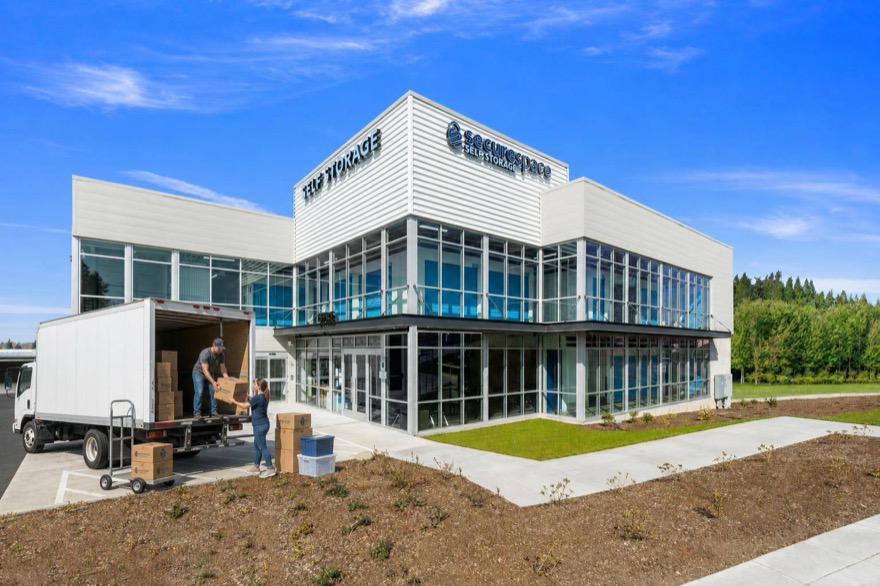
Portland is a vibrant city known for its beautiful neighborhoods, active job market, and easy access to outdoor recreation. However, living in this highly desirable metropolitan area comes with unique spatial challenges. Residents frequently find themselves navigating smaller living spaces, high rental costs, and the logistical puzzle of storing outdoor gear, seasonal items, furniture, and household belongings.
Finding a reliable place to keep your belongings organized is a practical part of maintaining an active, clutter-free lifestyle in the Pacific Northwest. The right storage facility can act as an extension of your home, offering flexibility during major life transitions, apartment moves, home projects, or seasonal decluttering.
This guide will help you navigate the local market. We will explore why Northeast Portland residents use self storage, how to think about weather-sensitive belongings, and what facility features are worth reviewing before signing a lease.

The structural demand for self storage in the Portland area is driven by a distinct imbalance between the cost of residential living space and the storage requirements of the local lifestyle.
Currently, 47% of Portland's population consists of renters. This figure sits significantly higher than the national average. Concurrently, the median home size in the region is 1,703 square feet, trailing the national median. When you combine this spatial deficit with elevated real estate valuations-median home prices sit near $496,250-it becomes clear why residents frequently lack the physical space to upgrade to larger housing.
Instead of moving away from culturally vibrant neighborhoods, residents may use external storage solutions to make more room at home.
Portland is characterized by highly desirable urban enclaves where every square foot can come at a premium. Neighborhood-specific rental data illustrates the spatial constraints many residents face.
For example, in the Pearl District, the average rent for a two-bedroom apartment ranges from $2,855 to $2,885. This represents a highly condensed living environment. Even a standard studio or one-bedroom unit in the Pearl District or South Waterfront can command up to $1,999. In adjacent neighborhoods like Buckman or Goose Hollow, rents remain elevated.
This financial pressure means residents often choose smaller apartments to stay in their preferred locations, creating an immediate need for supplementary storage space.
Portland's technology sector attracts a mobile demographic that often prioritizes experiences over large-footprint suburban homeownership. Many residents choose modern apartments, historic lofts, or mixed-use developments in the urban core.
However, these building styles rarely offer enough extra storage for the equipment that supports an active Pacific Northwest lifestyle. Bicycles, camping gear, snow gear, tools, seasonal decor, and spare furniture can quickly overwhelm apartment closets. For renters without garages, self storage can provide practical overflow space without requiring a move to a larger home.
Beyond real estate economics, the local climate is an important consideration when choosing a storage unit. Portland features wet, mild winters and dry, warm summers. This seasonal variation can introduce moisture concerns, especially when items are packed away while damp or stored in poorly ventilated spaces.
For those storing specialized gear like mountain bikes, technical camping equipment, fabric-based outdoor materials, or seasonal belongings, preparation matters. Clean items before storage, let fabrics dry completely, and use containers that help keep contents organized and protected from dust.
The Pacific Northwest climate can be tough on improperly stored fabric, leather, paper, and metal items. Fabric gear, tents, backpacks, and sleeping bags may be more vulnerable to mold or mildew if they are packed away wet or stored without airflow.
Local outdoor enthusiasts frequently discuss the harsh reality of storing gear in damp regional conditions, especially in enclosed spaces that do not dry out well. The practical takeaway is simple: dry gear thoroughly before storing it, avoid sealed containers for items that still hold moisture, and give bulky fabrics enough room so they are not compressed while damp.
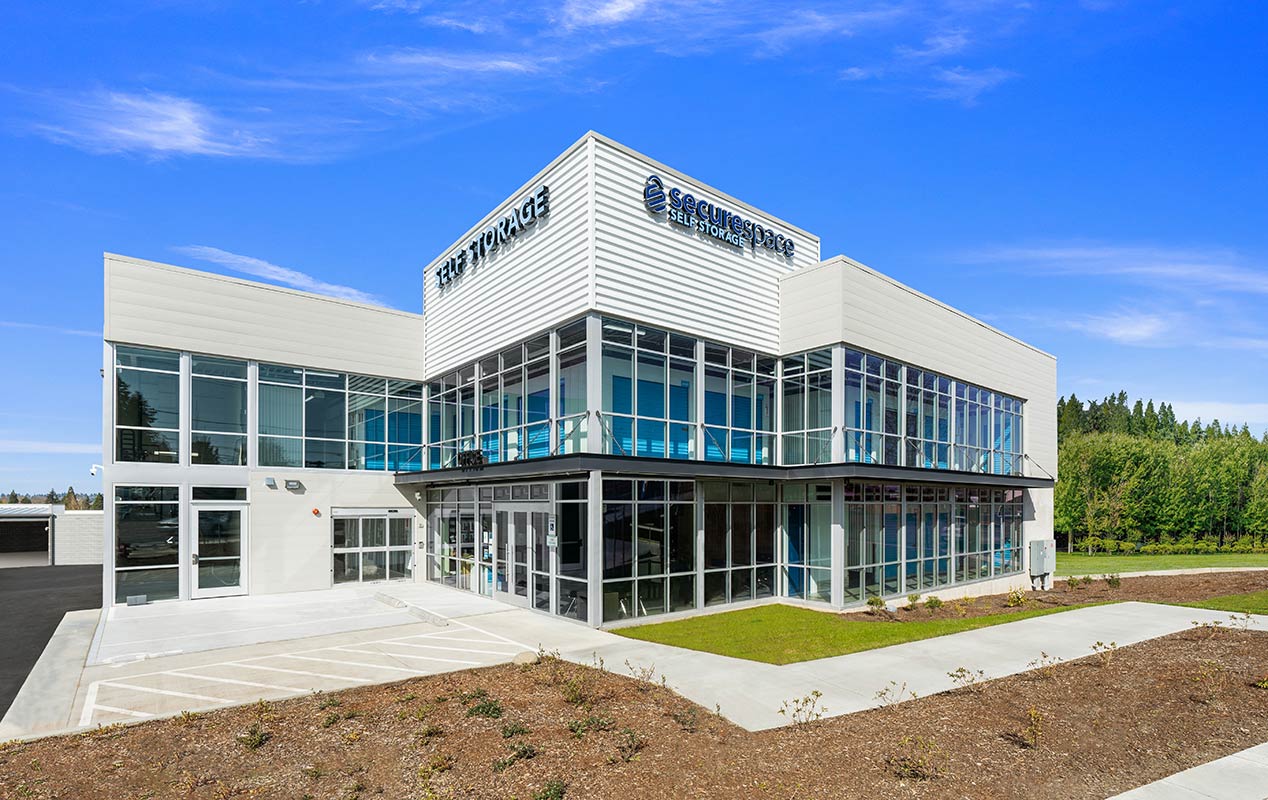
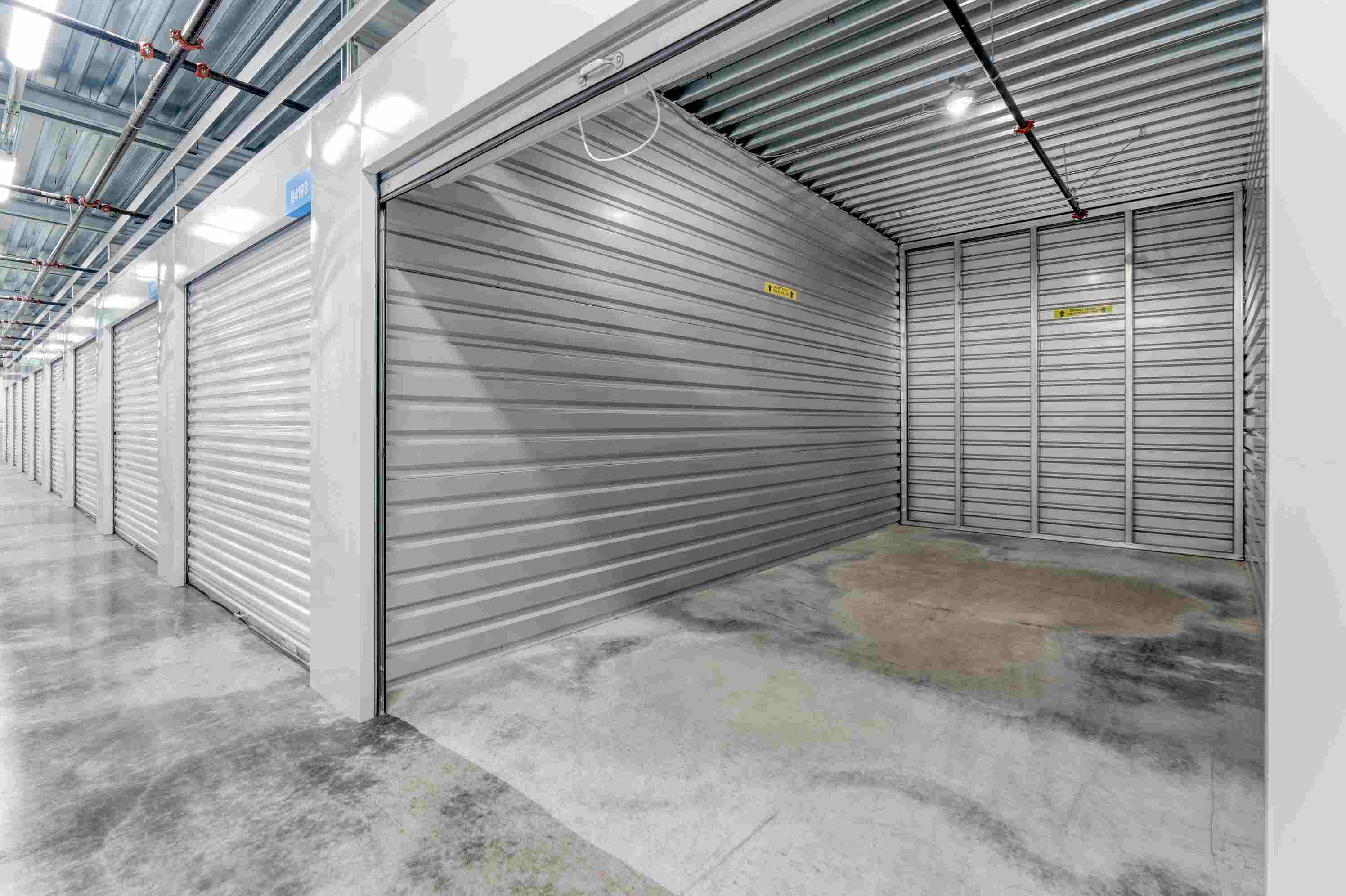
For Portland renters and homeowners, heated indoor storage can be helpful for items that may not do well in cold, damp-feeling environments. SecureSpace Self Storage NE Portland offers heated indoor storage, which can help reduce exposure to cold conditions compared with unheated spaces.
That said, heated storage should not be treated as a guarantee against mold, mildew, rust, or moisture damage. Good storage habits still matter. Clean and dry outdoor gear before move-in, keep sensitive items off the floor when possible, use sturdy containers, and leave space to reach items you expect to use during the season.
For many urban renters, security is a major part of choosing a storage facility. When storing bikes, outdoor gear, furniture, tools, or household items, it helps to review the facility's available security-related features before renting.
Recent law enforcement data and local news broadcasts have highlighted burglaries at prominent, older storage facilities. While no facility can guarantee protection from every risk, choosing a facility with clear security-related features can support a more thoughtful storage plan.
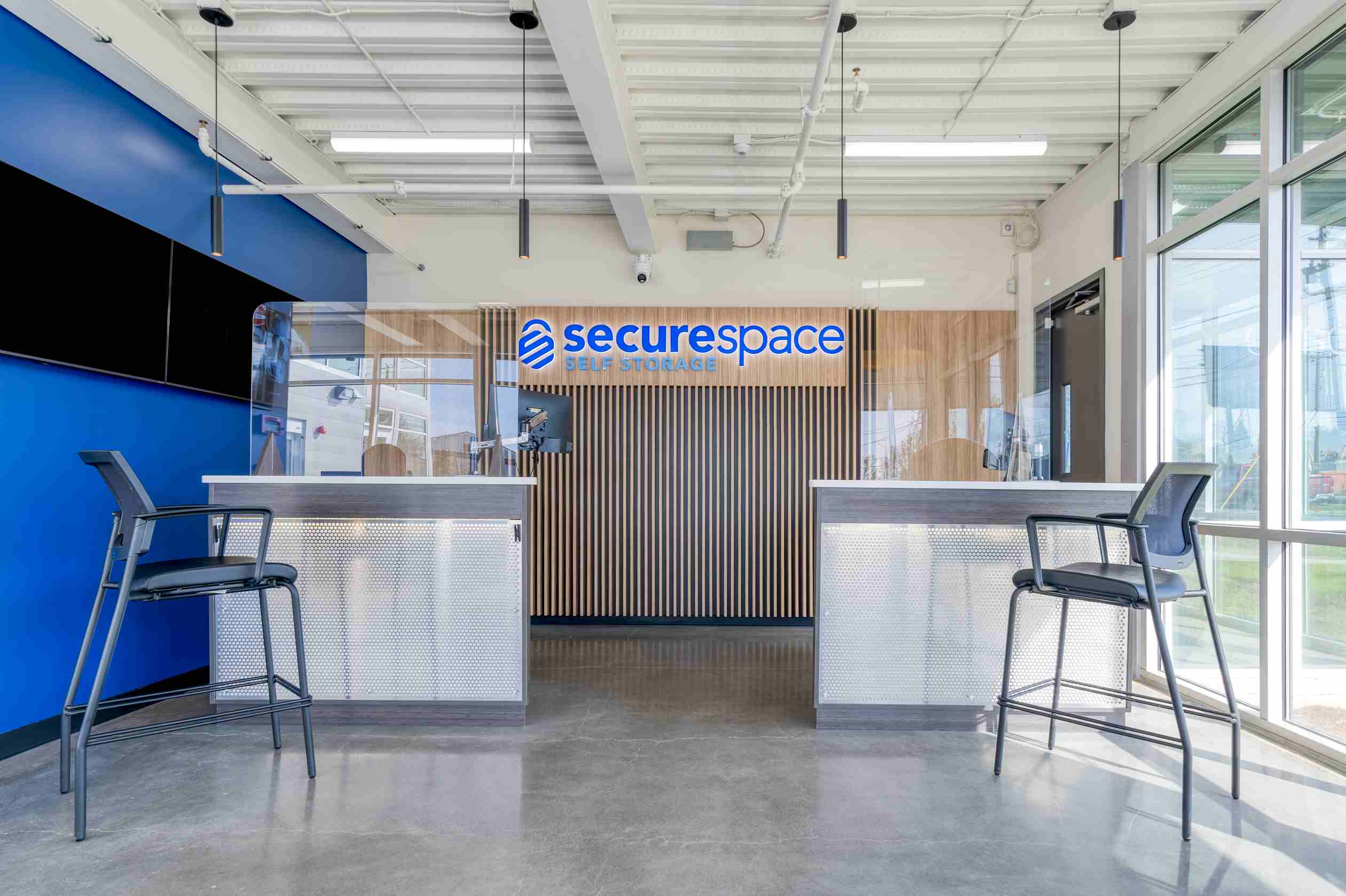
SecureSpace Self Storage NE Portland includes digital video recording, overnight surveillance, and logged access. Customers should still use practical safeguards, including a quality lock, a simple inventory, photos of higher-value items, and appropriate coverage for stored belongings.

Understanding what you plan to store can help you avoid renting too much or too little space. Facilities offer a variety of unit sizes to accommodate items of different shapes, but the best fit depends on your furniture dimensions, box count, and whether you need aisle space inside the unit.
Here is a practical guide to matching unit sizes with common Northeast Portland use cases:
Small units such as 5x5 and 5x10 can work well for boxes, seasonal decor, small furniture, tools, and outdoor gear. A 5x5 may feel similar to an extra closet, while a 5x10 can provide more room for apartment overflow.
Medium units such as 10x10 and 10x15 may be useful for furniture, bicycles, stacked boxes, and belongings from a small apartment or partial-home move. If you need to access items regularly, leave a walkway rather than filling every inch from wall to wall.
Large units such as 10x20 and 10x25 can support larger moves, bigger furniture sets, business inventory, or bulky household items. Measure long items like kayaks, shelving, or oversized furniture before renting, and think about how you will load the unit so frequently used items stay near the front.
Consumers rarely seek self storage in moments of perfect calm. The search is often connected to a move, renovation, downsizing project, seasonal cleanout, or urgent need to organize. The physical work of moving can be tiring, so logistical features matter.
Given the likelihood of rain in Portland, a covered loading area can be especially useful. It gives customers a more practical place to load and unload boxes, furniture, and belongings during wet weather.
SecureSpace Self Storage NE Portland also offers elevator access, extra-large elevators for upper-floor access, carts and dollies, semi-truck accessibility, and moving pods. These features can help with the physical side of moving without relying on unsupported drive-up or parking claims.
The local market economics dictate that price alone should not be your only consideration. Portland storage pricing can vary based on unit size, availability, facility features, promotions, and rental timing.
Because storage needs change, it is helpful to look for flexible month-to-month leases that adjust to your situation without locking you into a long-term commitment. You can also compare the practical value of features such as heated indoor storage, covered loading, elevator access, carts and dollies, online payments, and daily access hours.
If you are storing outdoor gear, furniture, business items, or household belongings, choose a unit based on what you need to fit, how often you need access, and how much room you want for organization inside the unit.
When storing outdoor gear, bicycles, or household items in Northeast Portland, look for clear security-related features and use your own practical safeguards. SecureSpace Self Storage NE Portland includes digital video recording, overnight surveillance, and logged access. Customers should also use a quality lock, keep a basic inventory, and review coverage requirements for stored belongings.
Yes. SecureSpace Self Storage NE Portland offers heated indoor storage. Heated storage can help reduce exposure to cold conditions compared with unheated storage spaces, which may be useful for certain household items, outdoor gear, furniture, and business belongings.
Start by making sure all camping gear is completely dry before storing it. Wipe down tent poles, air out sleeping bags, clean fabric items, and avoid packing damp gear into sealed bins. Heated indoor storage can be useful, but packing habits matter most for gear that has been exposed to rain, mud, or condensation.
A 10x10 or 10x15 unit may work for many one-bedroom apartment moves with extra recreational gear, but the right fit depends on the length of the kayak, furniture dimensions, box count, and how much access space you want inside the unit. Measure long items first, then choose a layout that keeps frequently used belongings reachable.
Don't leave your belongings to chance in the Pacific Northwest climate. Whether you're transitioning between homes, decluttering an apartment, or making room for outdoor gear, the right storage setup can help you stay organized.
Find your perfect space and lock in your rate with SecureSpace Self Storage NE Portland.
Everything you need to store your belongings securely, on your schedule.
Visit us online