Last updated Aug 12, 2026
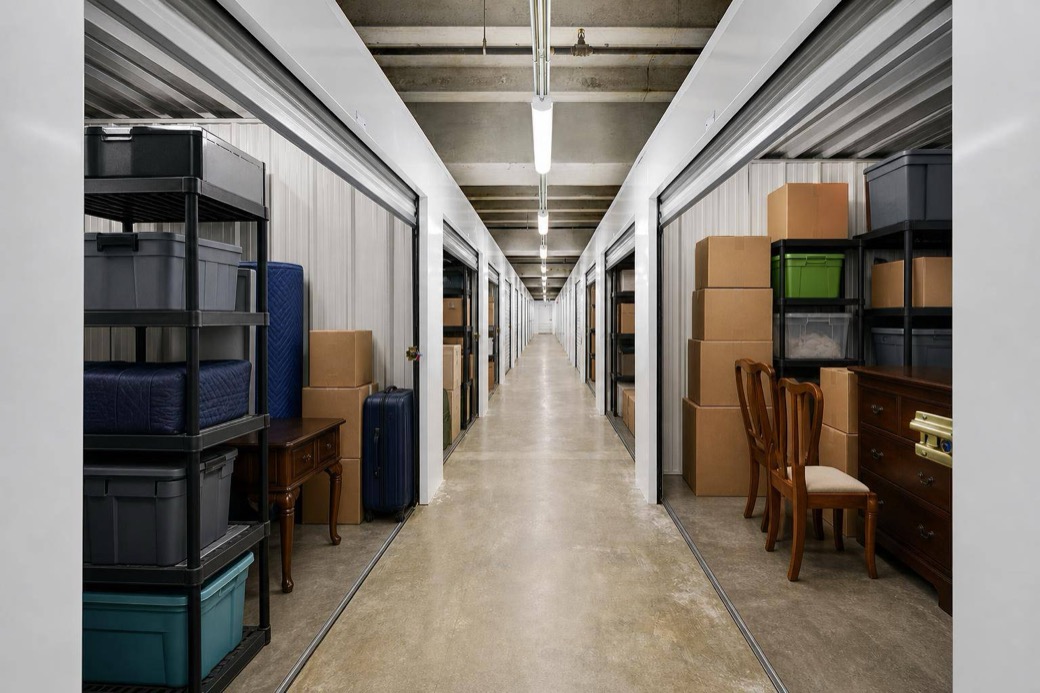
Waipahu is a vibrant community with a rich agricultural history and a tight-knit population. As the town has evolved from its roots surrounding the Oahu Sugar Company into a bustling residential hub, the way locals live has changed. Today, dense neighborhoods, shared households, and limited extra space can make home organization more challenging.
Many families in the area live in homes where storage space is limited. Compared with many newer mainland homes, some local households may have fewer closets, basements, garages, or spare rooms available for overflow belongings. As a result, managing seasonal items, sports gear, furniture, and family keepsakes can become an everyday issue.

A storage unit can help, but choosing the right one involves more than looking for the lowest price. In Waipahu, it helps to think about climate, local traffic patterns, access needs, and the facility features that fit your household or business. This guide walks through how to choose a storage unit that fits your needs.
Understanding your storage needs starts with looking at how homes in the area are structured and used. Several local factors can make extra space useful across Oahu.
The cost of living in Hawaii can make shared living arrangements more common. Grandparents often live with adult children to help with childcare, while the younger generation provides essential eldercare.
According to United States Census Bureau data, the average household in Waipahu contains roughly 4.3 people. When multiple generations share one home, seasonal clothing, bulk household goods, furniture, and inherited family items can pile up quickly. Renting a local storage unit can help create extra room without requiring a larger home.
Waipahu sits near Joint Base Pearl Harbor-Hickam, making it a practical residential area for some military personnel and their families. Military moves can involve temporary housing, changing timelines, and a need to store household goods during a transition.
For families arriving on island, preparing for deployment, or waiting for a more permanent housing setup, storage can provide a place to keep furniture, boxes, household goods, and professional gear organized. For vehicle-related needs, customers should confirm current outdoor parking availability, dimensions, documentation requirements, and facility rules before making plans.
Before you sign a lease, think through exactly what you plan to store. Renting a unit that is too small creates frustration, while overestimating your needs wastes money. Choose your unit size based on these practical guidelines:
A 5x5 unit acts like a standard large closet. Choose this size if you need to store seasonal belongings, business records, sports gear, or small household overflow. It can be a good fit for boxes, small equipment, or gear you want out of your living room after a weekend at Patsy T. Mink Central Oahu Regional Park.
A 5x10 unit is comparable to a walk-in closet. This size can handle the contents of a small bedroom, boxes, packing supplies, or compact furniture during a home renovation or move.
A 5x15 unit offers more room for furniture, boxes, and household overflow while still keeping the footprint narrower than a 10-foot-wide unit. It may work well when you need more space than a 5x10 but do not need a larger unit.
A 10x10 unit is a common choice for consolidating furniture, boxes, and household items from several rooms. Use this size for home decluttering, business inventory, or moving transitions.
Larger units such as 10x15 and 10x20 can support bigger moves, business storage, or larger household overflow. Measure large items, estimate your box count, and leave room for an aisle if you plan to retrieve items often.

Perhaps one of the biggest considerations for storage on Oahu is the local environment. Waipahu's warm, humid climate can be hard on sensitive belongings, especially if items are stored in garages, sheds, or non-climate-controlled spaces for long periods.
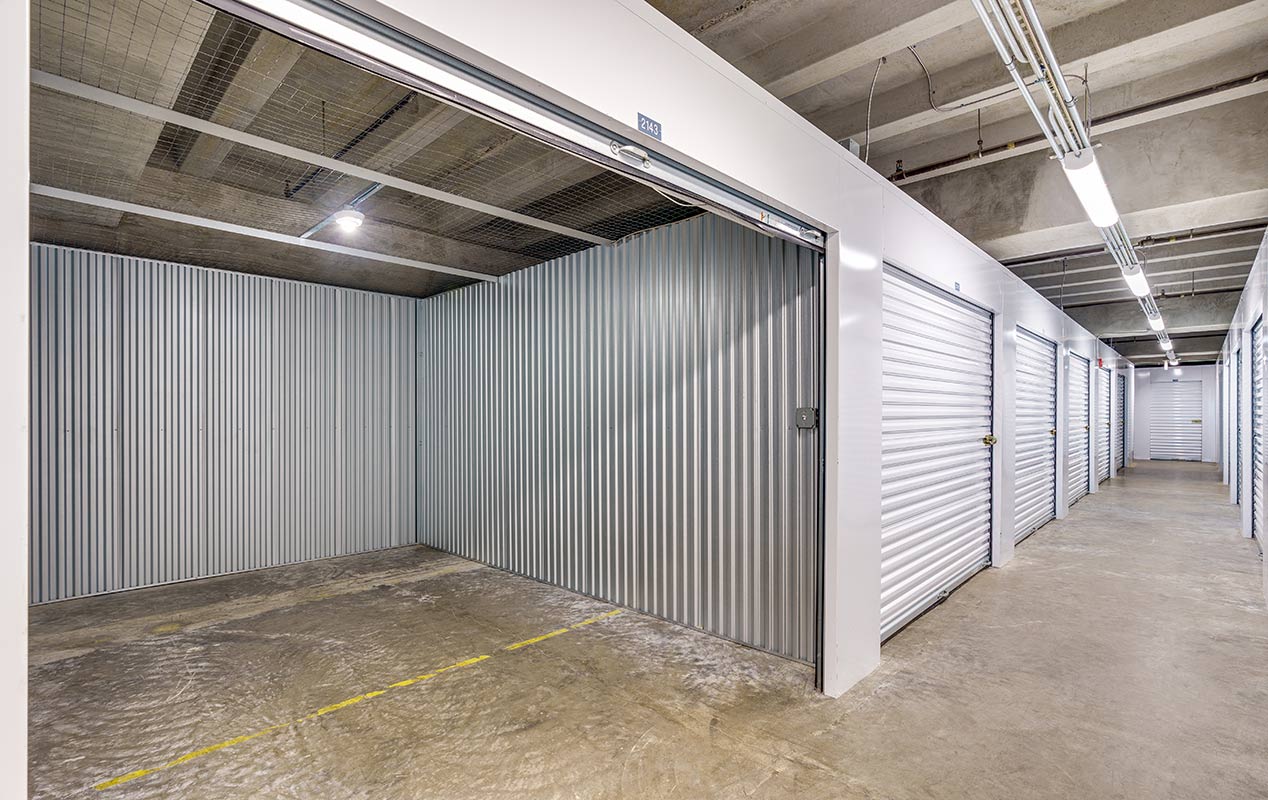
Wood furniture, electronics, documents, books, clothing, linens, and keepsakes may benefit from a more stable storage environment. Climate-controlled storage can help reduce exposure to temperature swings compared with non-climate-controlled spaces. It does not replace careful packing, but it can be a smart option for belongings you'd rather not leave in a hot or poorly ventilated area.
For durable items such as plastic bins, outdoor gear, or basic household goods, standard storage may work well. For more sensitive belongings, consider climate-controlled options and pack everything clean, dry, and clearly labeled.
On a densely populated island, proximity is often measured in traffic minutes rather than linear miles. Major routes such as the H-1 Freeway, Farrington Highway, and Fort Weaver Road can become busy during peak travel times, which can affect moving day planning.
When selecting a storage provider, consider how the facility fits into your normal routine. A location near your commute, errands, school routes, or job sites can make storage trips feel less disruptive. Broad access hours can also help you plan around busier travel windows.
Facilities near Leokane Street can be convenient for residents who use Fort Weaver Road, Farrington Highway, or the H-1 corridor. Before move-in day, map your route, account for truck size, and give yourself enough time for loading and unloading.
Moving is already a lot to manage, and your storage facility should clearly explain the security-related features available on-site. Look for specific features instead of vague promises.
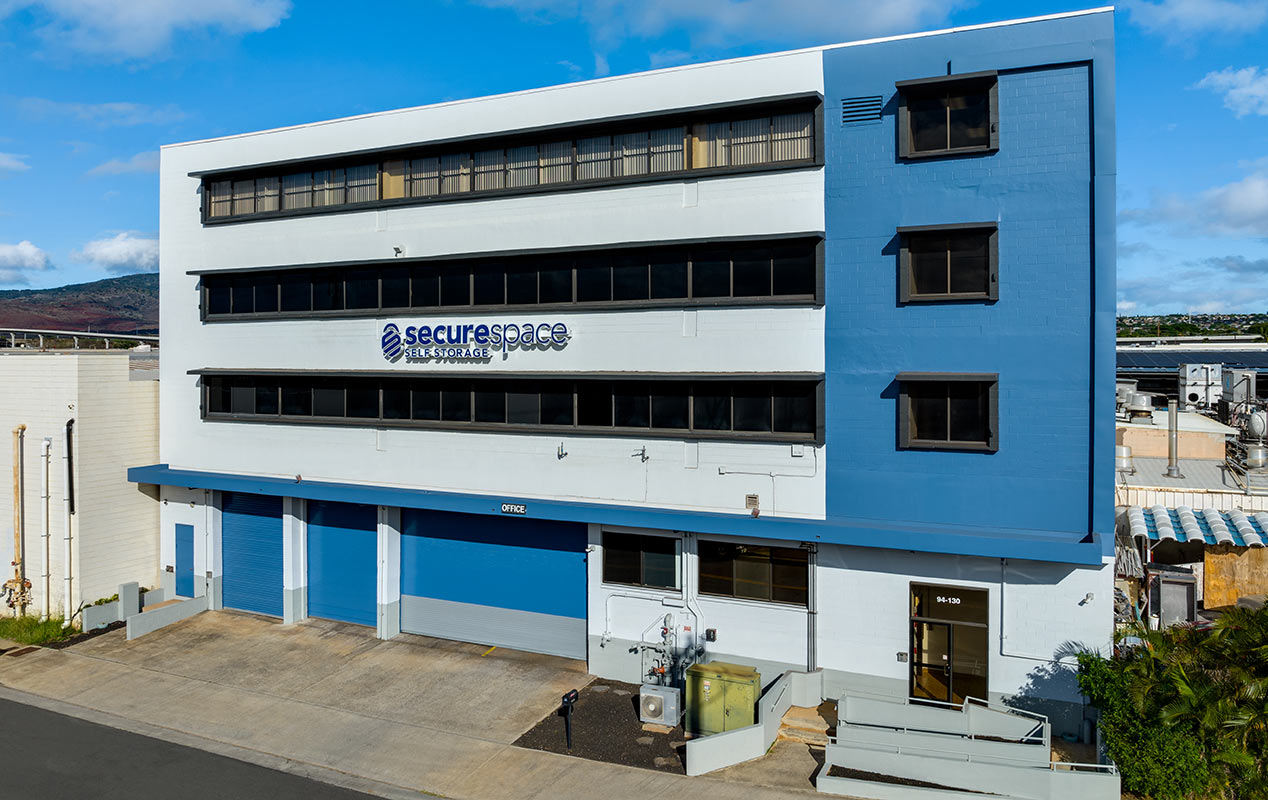
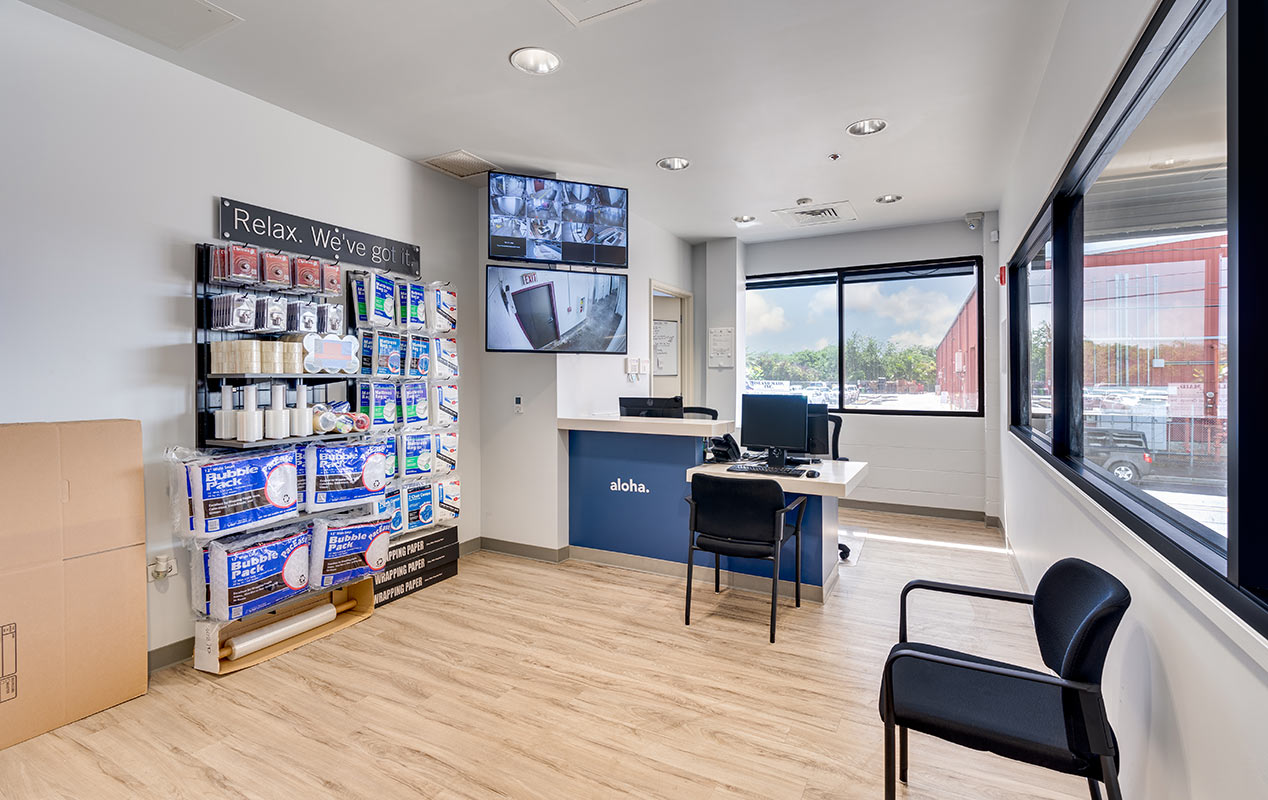
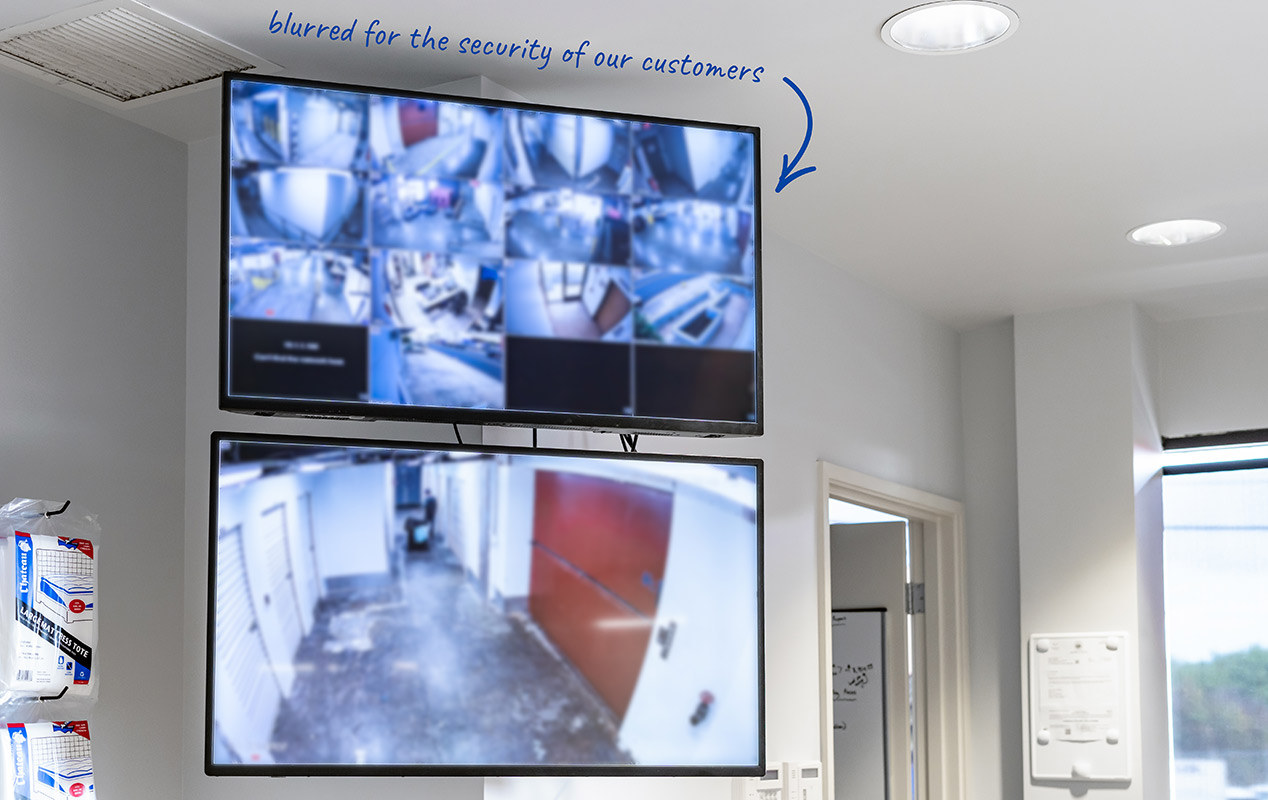
At SecureSpace Self Storage Waipahu, available security-related features include an access gate, digital video recording, overnight surveillance, and logged access. Customers should still use a quality lock, keep a stored-item inventory, and review coverage requirements before move-in.
Administrative convenience can matter just as much as property features. Online payments and ACH or credit card payment plans can make storage easier to manage month to month, especially during moves, deployments, renovations, or busy family transitions.
Clearing out your home does not have to be complicated. Start by deciding what needs to leave the house, how often you'll need to retrieve it, and whether the items call for climate-controlled storage.
For household overflow, business materials, sports gear, moving boxes, or temporary storage during a transition, the right unit depends on size, access, and how carefully the items need to be packed. Taking those steps before you rent can make the whole process easier to manage.
Climate-controlled storage can be useful for sensitive items such as wooden furniture, electronics, important documents, books, clothing, linens, and keepsakes. It can help reduce exposure to temperature swings compared with non-climate-controlled spaces, but careful packing still matters.
SecureSpace Waipahu is a convenient option for many military personnel and their families stationed near JBPHH. The facility offers month-to-month leases, online payments, and daily access from 6:00 AM to 10:00 PM, which can support household moves and temporary storage needs.
Yes. Storage units can be useful for bulky recreational and sports gear. A 5x5 or 5x10 unit may work for items such as tennis rackets, baseball equipment, golf clubs, surfboards, or seasonal gear, depending on item size and packing layout.
To make storage trips easier, look for a facility with a convenient location and broad access hours. SecureSpace Waipahu offers access from 6:00 AM to 10:00 PM, seven days a week. For move-in, the facility also offers helpful loading features such as a covered loading area, loading dock, elevator access, extra-large elevators, and carts and dollies.
Everything you need to store your belongings securely, on your schedule.
Visit us online